
Natural Remedies for Hair Fall That Actually Work in 2026
Tired of losing clumps of hair in the shower every morning? Here's the honest, Ayurveda-backed guide to understanding why your hair is falling — and the natural remedies that genuinely help, without a single harsh chemical.
What You'll Learn in This Guide
- Understanding Hair Fall: Normal vs. Abnormal Shedding
- The Real Root Causes of Hair Fall
- Why Hair Fall Hits Women Differently
- 7 Ayurvedic Herbs for Hair Fall That Actually Work
- Best Natural Oils for Hair Fall Control
- 5 Home Remedies You Can Start Tonight
- The Diet Connection Nobody Talks About
- A Simple 7-Day Natural Hair Care Routine
- Myth vs. Fact: Popular Hair Fall Advice
- When Natural Remedies Aren't Enough
- Frequently Asked Questions
If you've been Googling "why is my hair falling so much" at 1 a.m., scrolling through hair on your pillow, or watching your parting get wider by the month — you are not alone, and you are not imagining it. Search interest in natural remedies for hair fall has surged dramatically over the last few months, and it isn't a coincidence. Between processed diets, pollution, harsh styling chemicals, and everyday stress, more people are dealing with visible hair thinning than ever before — and more people are actively looking for solutions that don't involve a prescription pad or a shelf full of sulphate-heavy bottles.
This guide is built specifically around that search — not generic "8 tips for healthy hair" filler, but a real breakdown of why hair falls, which natural remedies have genuine backing (from both Ayurveda and modern dermatology), and exactly how to use them. We'll cover herbs, oils, kitchen-shelf remedies, diet, and a simple weekly routine you can realistically stick to. Let's get into it.
Quick truth before we start: No remedy — natural or clinical — regrows hair overnight. Hair growth cycles run in months, not days. The goal of every remedy below is consistency: small, natural interventions repeated for 8–12 weeks, which is how long it genuinely takes to see a difference in shedding and regrowth.
Understanding Hair Fall: Normal vs. Abnormal Shedding
Before jumping into remedies, it's worth knowing what you're actually dealing with, because not all hair fall is a problem. On an average day, it is completely normal to shed 50–100 strands of hair. Your scalp holds roughly 100,000 hair follicles, each cycling independently through a growth phase (anagen), a resting phase (telogen), and a shedding phase (exogen) that lasts anywhere from two to seven years. At any given time, about 90% of your follicles are actively growing and 10% are resting or shedding — that's just biology doing its job.
What pushes this into "abnormal" territory — the kind that natural remedies for hair fall are actually meant to address — usually looks like one of these patterns:
- Diffuse thinning — hair feels noticeably less dense all over, especially near the crown or parting.
- Sudden excessive shedding — handfuls of hair coming out during washing or brushing, often triggered by illness, stress, or a major life event 2–3 months earlier.
- Widening parting or receding hairline — a slower, more gradual pattern often linked to genetics or hormones.
- Patchy hair loss — distinct bald spots, which can indicate an autoimmune condition and deserves a dermatologist's opinion rather than home treatment alone.
If you're seeing the first three patterns, natural remedies and lifestyle changes can make a genuinely measurable difference. If it's the fourth — sudden patchy loss — that's a signal to combine natural care with a proper medical consultation, which we'll come back to later in this guide.
The Real Root Causes of Hair Fall
You cannot fix what you don't understand, and most people trying random remedies never actually address their real trigger. Here are the causes we see most often, in order of how commonly they show up:
1. Nutritional Deficiencies
Hair is one of the least essential tissues in the body — biologically speaking — so when your body is short on nutrients, it prioritizes vital organs first and starves your hair follicles. Low iron, low ferritin, vitamin D deficiency, B12 deficiency, zinc deficiency, and inadequate protein intake are among the most common — and most fixable — causes of excessive hair fall, especially in vegetarian and vegan diets common across India.
2. Hormonal Imbalances
Thyroid dysfunction (both hypothyroidism and hyperthyroidism), PCOS/PCOD, postpartum hormone shifts, and perimenopause all directly affect the hair growth cycle. PCOS in particular is one of the most under-diagnosed reasons for hair thinning in women under 35.
3. Chronic Stress (Telogen Effluvium)
High cortisol from prolonged stress can push a large percentage of your follicles into the resting phase simultaneously, causing a wave of shedding roughly 2–3 months after a stressful event — illness, surgery, a crash diet, or emotional trauma. This is called telogen effluvium, and it's usually temporary and fully reversible once the stressor is removed and the scalp is nourished.
4. Harsh Hair Care Habits
Sulphate-heavy shampoos, frequent heat styling, tight hairstyles, chemical straightening, and over-washing strip the scalp's natural oils and weaken the hair shaft, leading to breakage that's often mistaken for "hair fall from the root."
5. Genetics (Androgenetic Alopecia)
Pattern hair loss — thinning at the crown in women, receding hairline in men — has a strong genetic component. Natural remedies can slow progression and improve scalp health, but genetic pattern loss usually needs to be managed long-term rather than "cured."
6. Seasonal and Environmental Factors
Many people in India notice a spike in hair fall during the monsoon and the change of seasons, largely due to humidity affecting the scalp's oil balance, combined with increased pollution exposure in urban areas.
Ayurveda frames most of these causes through the lens of doshic imbalance — particularly aggravated Pitta (heat, inflammation, premature greying and thinning) and Vata (dryness, brittleness, stress-related shedding). This is why Ayurvedic hair fall remedies focus so heavily on cooling, nourishing, and grounding the scalp rather than just "boosting growth."
Why Hair Fall Hits Women Differently
Women's hair fall deserves its own section because the causes and the emotional weight of it are genuinely different. Hormonal fluctuations from the menstrual cycle, pregnancy, postpartum recovery, and perimenopause create shedding patterns that men simply don't experience. Add iron deficiency (far more common in menstruating women), PCOS, and the pressure of frequent hairstyling, and it's no surprise that searches around hair fall in women have grown steadily.
The good news: because so much of women's hair fall is hormonal and nutritional rather than purely genetic, it tends to respond very well to a combination of dietary correction, stress management, and consistent Ayurvedic scalp care — often within a single hair growth cycle of 3–4 months.
We've written a dedicated deep-dive on this exact topic — if this is your situation, our article on causes of hair loss in women breaks down each hormonal and lifestyle trigger individually, along with which natural fix matches which cause.
7 Ayurvedic Herbs for Hair Fall That Actually Work
This is the heart of any genuine natural remedy strategy. Ayurveda has used these herbs for centuries, and modern research has increasingly backed several of them for their effect on scalp circulation, follicle strength, and DHT regulation.
🌿 Bhringraj
Known as the "king of hair herbs" in Ayurveda. Improves blood circulation to the scalp, strengthens roots, and is traditionally used to slow premature greying alongside hair fall.
🍈 Amla (Indian Gooseberry)
Exceptionally rich in Vitamin C, which supports collagen production for stronger hair strands and helps regulate excess scalp oil that can clog follicles.
🧠 Brahmi
Traditionally used to calm the nervous system, which indirectly reduces stress-triggered shedding, while also conditioning the scalp and reducing dryness.
🌺 Hibiscus
Contains amino acids that mimic keratin, the protein hair is made of. Frequently used to reduce breakage, add shine, and reduce premature greying.
🌱 Fenugreek (Methi)
Packed with protein and nicotinic acid, both linked to follicle strength. One of the most accessible and budget-friendly Ayurvedic remedies for hair fall.
🍃 Curry Leaves
Rich in beta-carotene, protein, and antioxidants — traditionally simmered into oil to reduce hair fall and restore natural pigment.
🌵 Aloe Vera
Balances scalp pH, reduces dandruff-related shedding, and provides enzymes that gently unclog hair follicles for healthier growth.
The key with Ayurvedic herbs is form and consistency — a bhringraj-infused oil massaged in twice a week will outperform an occasional random hair pack every time. If you'd rather skip the DIY prep, our natural hair care range combines several of these herbs in ready-to-use formulations, so you get the Ayurvedic benefit without grinding leaves in your kitchen every weekend.
Best Natural Oils for Hair Fall Control
Oiling is arguably the single most recommended natural remedy for hair fall — and for good reason. A warm oil massage increases blood flow to the scalp, delivers nutrients directly to the follicle, and provides the friction-free lubrication that reduces breakage during combing.
Coconut Oil
Penetrates the hair shaft better than most oils due to its low molecular weight, reducing protein loss from daily wear and tear. Best used as an overnight treatment, twice a week.
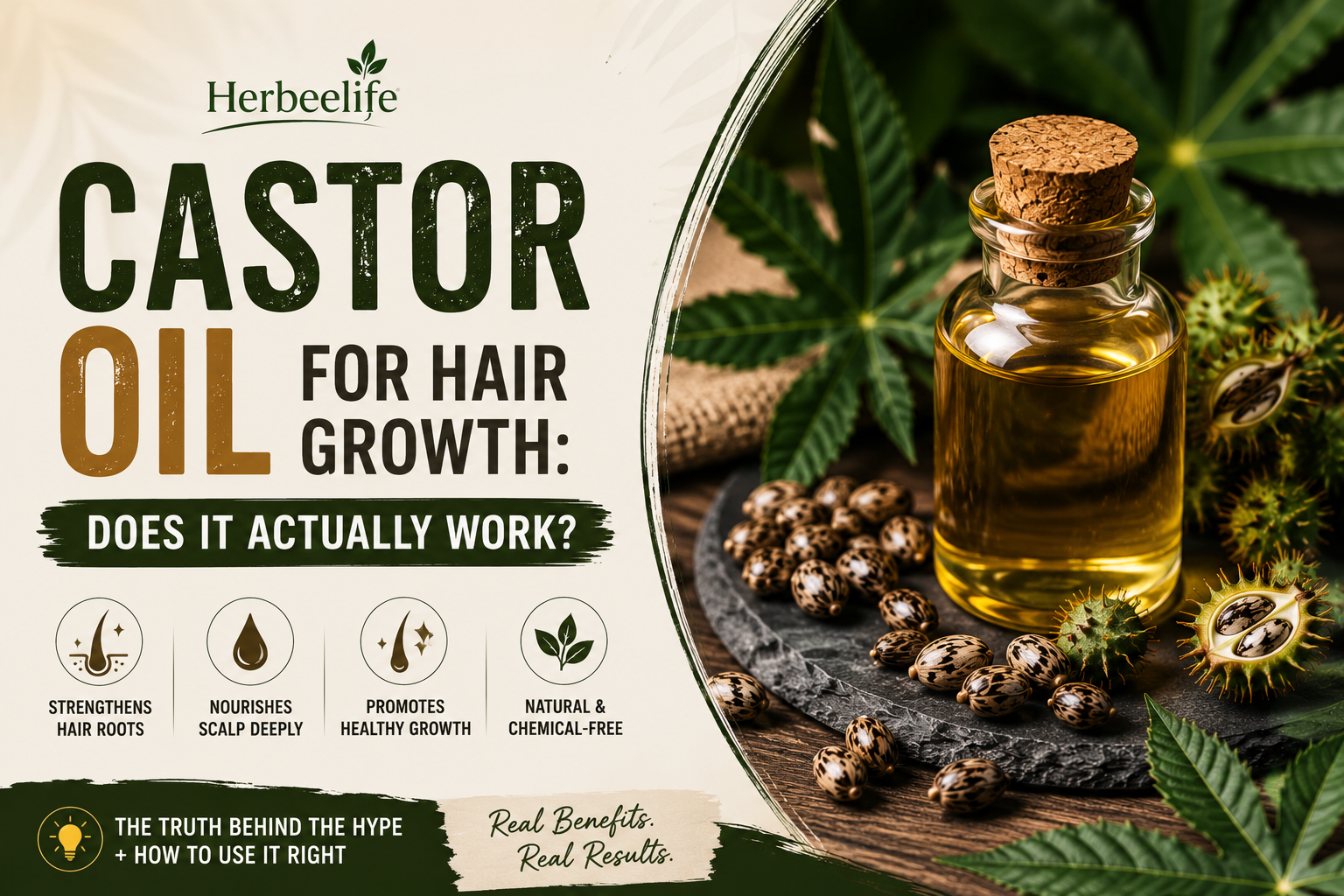
Castor Oil
Thick and rich in ricinoleic acid, castor oil is popular for its anti-inflammatory effect on the scalp. Mix with a lighter carrier oil (like coconut or sesame) since it's too thick to use alone comfortably.
Onion Oil
One of the most searched natural remedies right now, and for good reason — onion is high in sulphur, which supports collagen production in hair tissue and has shown promising results in small clinical studies for hair regrowth.
Rosemary Oil
Increasingly popular for its comparison to minoxidil in early research — rosemary oil is believed to improve scalp circulation without the side effects associated with pharmaceutical options. Always dilute with a carrier oil before scalp application.
Sesame Oil
A Vata-pacifying oil in Ayurveda, ideal if your hair fall comes with dryness, frizz, and a rough scalp texture — common in colder months and air-conditioned environments.
The technique matters more than the oil. Warm your chosen oil slightly, section your hair, and massage the scalp in small circular motions with your fingertips (never nails) for 8–10 minutes. Leave it on for at least an hour, or ideally overnight, before washing with a mild, sulphate-free shampoo.
5 Home Remedies You Can Start Tonight
These are the kitchen-shelf remedies that keep surfacing in hair fall searches — and unlike a lot of "hacks" online, each of these has a genuine reason for working.
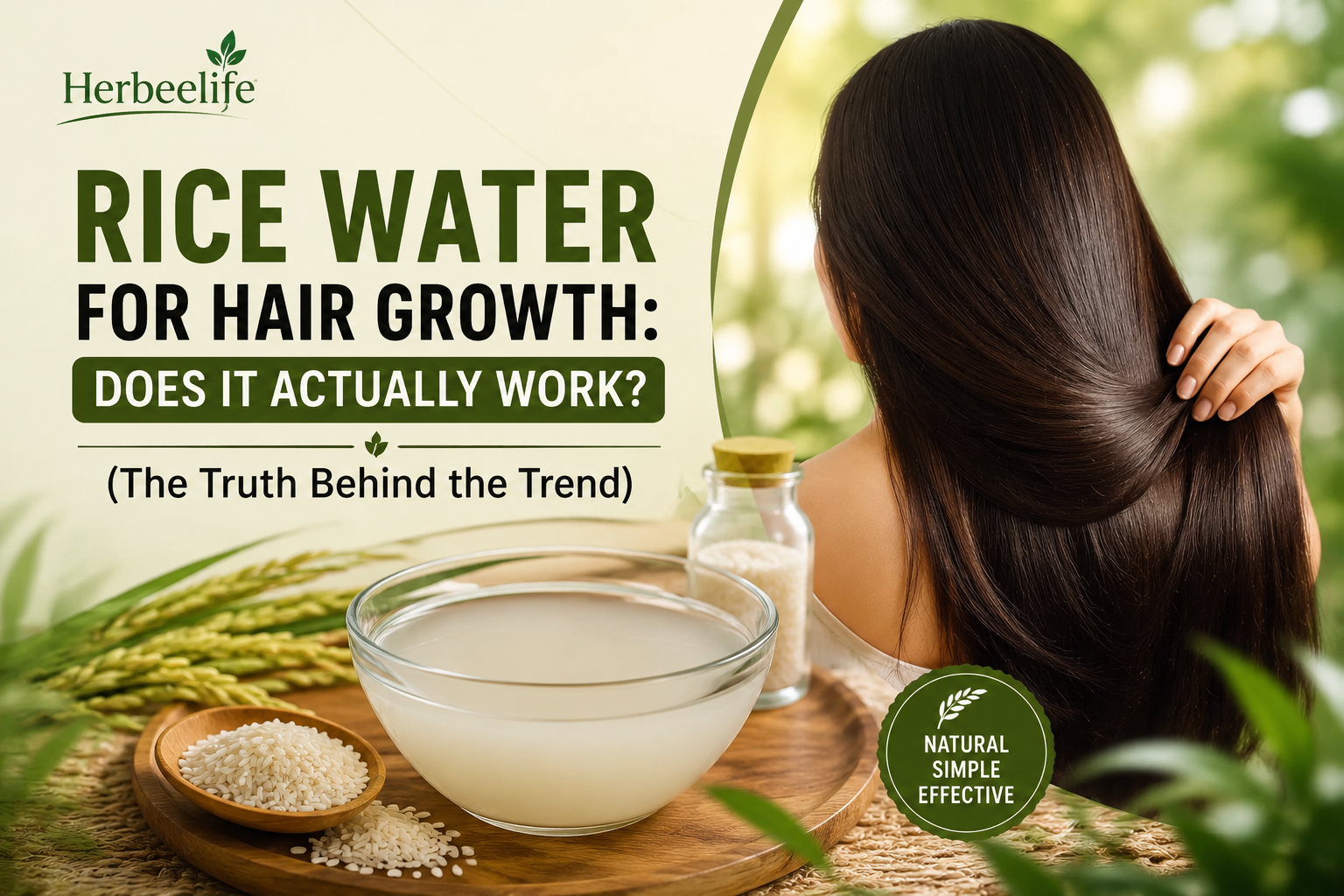
1. Rice Water Rinse
The starchy water left over from soaking or boiling rice is rich in amino acids and inositol, which coat the hair shaft and reduce friction-related breakage. Soak a cup of rice in 2–3 cups of water for 30 minutes, strain, and use the water as a final rinse after shampooing. Rinse once more with plain water to avoid stickiness.
2. Onion Juice Scalp Treatment
Blend one onion, strain the juice, and apply directly to the scalp using a cotton pad. Leave for 20–30 minutes before washing with a mild shampoo (the smell fades quickly once dry). Use 2–3 times a week for best results.
3. Fenugreek (Methi) Paste
Soak 2 tablespoons of fenugreek seeds overnight, grind into a smooth paste in the morning, and apply to the scalp and hair for 30–40 minutes before rinsing. The natural mucilage conditions while the protein content strengthens strands.
4. Egg and Yogurt Hair Mask
Whisk one egg with two tablespoons of plain yogurt for a protein-rich mask. Apply root to tip, leave for 20 minutes, and rinse with cool water (hot water will "cook" the egg into your hair — not fun to wash out).
5. Aloe Vera Gel Scalp Treatment
Fresh aloe vera gel applied directly to the scalp calms inflammation, reduces dandruff, and creates a healthier follicle environment. Leave for 30 minutes before rinsing, or use 2–3 nights a week as a leave-in scalp treatment.
If you want a more structured, week-by-week breakdown of remedies like these — including exact quantities, frequency, and which combinations work best together — we've built a full step-by-step guide in hair growth home remedies that pairs well with everything in this article.
The Diet Connection Nobody Talks About
You can oil your hair every single night and still see continued hair fall if your diet isn't supporting follicle health from the inside. This is the piece most external remedies miss entirely.
- Protein: Hair is almost entirely made of keratin, a protein. Inadequate protein intake — common in restrictive diets — directly weakens new hair growth. Include dals, paneer, eggs, or sprouts daily.
- Iron: Low ferritin is one of the most common (and most overlooked) causes of hair fall in women. Leafy greens, jaggery, pomegranate, and iron-rich pulses help, though a blood test is the only way to confirm a true deficiency.
- Biotin (Vitamin B7): Found in eggs, nuts, and seeds — supports keratin infrastructure within the hair shaft.
- Omega-3 Fatty Acids: Found in walnuts, flaxseeds, and fish — helps reduce scalp inflammation, a hidden contributor to shedding.
- Zinc: Supports the oil glands around hair follicles; pumpkin seeds and chickpeas are good natural sources.
- Hydration: Chronic dehydration shows up in hair as dryness and brittleness long before it shows up anywhere else visibly.
A simple rule that works well in practice: if a meal has zero protein and zero greens, your hair isn't getting what it needs that day. You don't need a complicated supplement stack — just consistent, whole-food nutrition, which is the actual foundation every natural remedy above is built on top of.
A Simple 7-Day Natural Hair Care Routine
Here's how to actually organize everything above into a realistic weekly rhythm, rather than randomly trying remedies whenever you remember to.
| Day | Routine |
|---|---|
| Monday | Warm oil massage (coconut + curry leaf infused) — overnight |
| Tuesday | Wash with a sulphate-free shampoo; rice water rinse after |
| Wednesday | Scalp rest — no product, just a gentle 5-minute finger massage |
| Thursday | Onion juice or fenugreek paste treatment (20–30 min), then rinse |
| Friday | Aloe vera gel leave-in treatment before bed |
| Saturday | Deep oil massage (castor + onion oil blend) — 2 hours minimum |
| Sunday | Wash out, egg-yogurt protein mask, gentle detangling only |
This isn't a rigid prescription — swap remedies around based on what you have on hand — but the underlying principle matters: alternate nourishment days with rest days, and always pair scalp treatments with a wash day so buildup doesn't clog follicles.
Myth vs. Fact: Popular Hair Fall Advice
❌ Myth: Cutting hair often makes it grow faster
Fact: Hair growth happens at the follicle, under the scalp — trimming the ends has zero effect on growth rate. It only prevents split ends from traveling further up the strand.
❌ Myth: Shampooing daily causes hair fall
Fact: A gentle, sulphate-free shampoo doesn't cause fall — buildup, sweat, and pollution left on the scalp can. What you wash with matters more than how often.
❌ Myth: Grey hair means more hair fall
Fact: Greying and shedding are separate processes — one is pigment-related, the other is follicle-cycle related. They can coincide with age but don't cause each other.
❌ Myth: Natural remedies work in a week
Fact: A hair growth cycle spans months. Genuine improvement from natural remedies typically shows between week 8 and week 12 of consistent use — not day 7.
When Natural Remedies Aren't Enough
Natural remedies genuinely help the vast majority of diffuse, stress-related, and nutritional hair fall — but they aren't a substitute for medical care in every case. Consider seeing a dermatologist or trichologist if you notice:
- Sudden, well-defined bald patches (possible alopecia areata)
- Hair fall accompanying unexplained weight change, fatigue, or irregular periods (possible thyroid or PCOS)
- No improvement at all after 3–4 months of consistent natural care
- Scalp redness, scaling, or pain alongside the shedding
Natural remedies and medical treatment aren't mutually exclusive — many dermatologists actively recommend scalp oiling, dietary correction, and stress management alongside clinical treatment. Think of this guide as your foundation layer, not a replacement for professional care when it's genuinely needed.
Frequently Asked Questions
What is the fastest natural remedy for hair fall?
There's no genuine overnight fix, but onion juice and rosemary oil tend to show visible reduction in shedding the fastest among natural options — typically within 3–4 weeks of consistent, near-daily use, though full regrowth takes longer.
Can hair fall be completely stopped naturally?
Normal daily shedding (50–100 strands) can never be fully "stopped" — nor should it be, since it's part of a healthy growth cycle. What natural remedies can do is bring excessive shedding back down to that normal range by addressing the underlying cause.
Which Ayurvedic herb is best for hair fall?
Bhringraj is traditionally considered the most effective single herb for hair fall in Ayurveda, largely due to its impact on scalp circulation. That said, combining it with amla and fenugreek tends to produce better results than any single herb alone.
Is rice water really effective for hair fall?
Rice water primarily strengthens the hair shaft and reduces breakage rather than addressing root-level shedding directly. It's a genuinely useful addition to a routine, but works best combined with scalp-focused remedies like oiling.
Does stress really cause hair fall, or is that exaggerated?
It's real and well documented — this is called telogen effluvium. High or prolonged stress can push a large share of hair follicles into their resting phase simultaneously, causing a noticeable shedding wave roughly two to three months after the stressful period.
How long before natural remedies for hair fall show results?
Most people begin noticing reduced shedding around week 6–8 of consistent use, with more visible improvements in density around the 3–4 month mark, matching the natural hair growth cycle.
Can diet alone fix hair fall without any topical remedies?
If the root cause is purely nutritional (iron, protein, or biotin deficiency), diet correction alone can meaningfully reduce hair fall. However, combining it with scalp-focused remedies like oiling generally produces faster, more visible results since it addresses both internal and external factors.
Are natural remedies safe for colored or chemically treated hair?
Yes — in fact, natural oils and herbal treatments like amla and hibiscus tend to be gentler on chemically treated hair than harsh shampoos, and can help offset some of the dryness that coloring or straightening causes.
Bringing It All Together
Hair fall rarely has one single cause — and that's actually good news, because it means you have multiple natural levers to pull at once. Start by identifying which category your hair fall likely falls into (nutritional, hormonal, stress-related, or care-related), then build a simple, repeatable routine around Ayurvedic herbs, natural oils, and real food — and give it the 8–12 weeks your hair growth cycle actually needs to show change.
Consistency, not intensity, is what natural hair care rewards. A gentle oil massage twice a week for three months will always outperform an expensive one-time treatment.
🌿 Ready to Start Your Natural Hair Care Routine?
Explore Herbee Life's Ayurvedic hair care range — formulated with bhringraj, amla, and cold-pressed natural oils, made for exactly the routine described in this guide.
Explore Natural Hair Care →For more Ayurvedic guides like this one, browse the rest of the Herbee Life blog — including our deep-dives on hair growth home remedies and causes of hair loss in women.
Herbee Life Editorial Team
We research Ayurvedic ingredients and natural wellness practices to bring you honest, practical guides — no fads, no filler.