


Back pain with the following symptoms requires immediate medical attention — do not attempt home management: bowel or bladder incontinence, progressive leg weakness, back pain after a fall or accident, fever + back pain together, or numbness in the saddle area (inner thighs, perineum). These may indicate a medical emergency.
This guide covers supportive home care for common, non-specific back pain. Always obtain a medical diagnosis before starting home treatment — especially for first-time severe back pain, back pain in people over 50, or back pain with any of the red flag symptoms above.
NSAIDs (ibuprofen, aspirin, naproxen) taken long-term for back pain carry significant gastrointestinal, cardiovascular, and kidney risks. The Ayurvedic and natural remedies in this guide are safer for sustained use — but always consult your healthcare provider for personalised guidance.
Here is what makes back pain different from most health conditions: it is rarely just physical. Research consistently shows that psychological factors — stress, anxiety, fear-avoidance (the fear of movement), catastrophising, and poor sleep — are among the strongest predictors of whether back pain becomes chronic. A complete back pain management approach addresses the physical, the mechanical, and the psychological simultaneously. This guide does exactly that.
The Anatomy of Back Pain — What Is Actually Hurting and Why
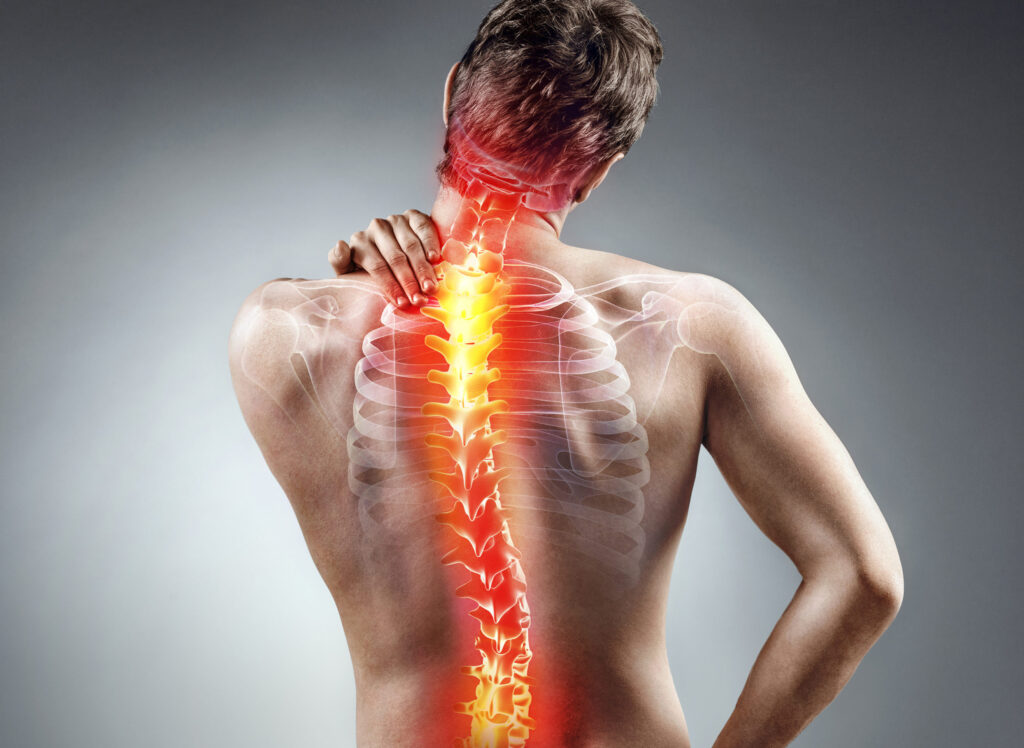
To understand back pain, you need to understand the structure being strained or damaged. The spine is a remarkable engineering achievement — 33 vertebrae stacked in an S-curve, connected by 23 intervertebral discs, stabilised by a complex network of muscles, ligaments, and tendons, and housing the spinal cord and its branching nerve roots. Each of these components can be a source of pain.
The lumbar spine (lower back, L1–L5) carries the greatest mechanical load of any spinal region — it supports the weight of the entire upper body while allowing flexion, extension, lateral bending, and rotation. This combination of heavy load-bearing and high mobility makes it the most frequently injured spinal region. The thoracic spine (upper/mid back, T1–T12) is more rigid — protected and stabilised by the rib cage — making it less prone to mechanical injury but more susceptible to postural strain from prolonged sitting and screen use.
Muscles and fascia: Muscle strain, muscle spasm (protective involuntary contraction), trigger points (hyperirritable muscle knots), and fascial tightness are the most common pain generators in acute back pain. Pain is typically dull, aching, and worsened by movement.
Intervertebral discs: Disc annular tears (internal disc disruption), disc bulge (disc pressing outward without rupture), and disc herniation (nucleus pulposus material extruding through the annulus) can irritate adjacent nerve roots, producing the characteristic radiating pain of sciatica. The L4-L5 and L5-S1 levels are most commonly affected in lower back disc problems.
Facet joints: The small synovial joints connecting adjacent vertebrae can develop osteoarthritis, becoming inflamed and painful — particularly in older adults. Facet joint pain is typically worse with extension (backward bending) and improved with flexion.
Nerve roots (radiculopathy): When a disc herniation, bone spur, or narrowed foramen (the opening through which nerve roots exit) compresses a spinal nerve root, the result is radicular pain — sharp, shooting, or burning pain that travels down the path of that nerve (into the leg for lumbar nerve roots — sciatica; into the arm for cervical nerve roots).
Vertebrae: Vertebral fractures (from osteoporosis, trauma, or cancer), infections (discitis, osteomyelitis), and tumours can all produce severe back pain, typically with red flag features requiring urgent evaluation.
Referred visceral pain: Kidneys, ovaries, uterus, pancreas, aorta, and gallbladder can all refer pain to the back — which is why a thorough evaluation considers non-musculoskeletal causes, especially when back pain accompanies systemic symptoms like fever, nausea, urinary changes, or unexplained weight loss.
Types of Back Pain — Which Type Do You Have?
Back pain is not one condition — it is a symptom with dozens of possible causes across different spinal regions. Identifying your type of back pain is the first step toward choosing the right home remedies and knowing when professional evaluation is essential.
Most common type. Pain in the area between the lower ribs and the buttocks. Can be dull and achy (muscle strain), sharp and stabbing (disc or facet), or radiating (nerve root involvement). 80% of adults experience this at some point in their lives.
Best home remedies: Heat therapy, turmeric, yoga, core strengthening, posture correction, Shallaki/Boswellia, Castor oil pack.
Less common but rising. Pain between the shoulder blades or in the mid-back. Frequently caused by poor posture (kyphosis from desk work), muscle tension, or rib-related issues. Less likely to involve disc problems due to thoracic rigidity.
Best home remedies: Posture correction, shoulder and chest stretching, thoracic foam rolling, heat therapy, Epsom salt bath, yoga (especially Cat-Cow and Chest Opener).
Radiating nerve pain. Sharp, burning, electric-shock pain that starts in the lower back and travels through the buttock and down one leg (sometimes to the foot). Caused by compression or irritation of the sciatic nerve — most commonly from a disc herniation at L4-L5 or L5-S1, or piriformis syndrome.
Best home remedies: Cold therapy (acute), Pigeon Pose yoga, piriformis stretch, turmeric + ginger, Shallaki, gentle walking. Avoid prolonged sitting.
The complex form. Back pain lasting more than 3 months. Often involves central sensitisation (the nervous system becoming hypersensitised to pain signals), psychological amplification, and structural changes. Requires a multi-modal approach addressing physical, psychological, and lifestyle factors simultaneously.
Best home remedies: Consistent yoga and exercise, Ashwagandha (for stress-pain cycle), mindfulness, sleep optimisation, dietary anti-inflammatory approach, Shallaki long-term.


Back Pain Symptoms — A Complete Guide to Recognising What You’re Feeling
Back pain symptoms vary enormously — from a mild background ache after a long day at a desk to completely debilitating pain that prevents any movement. Understanding the symptom pattern helps identify the likely source and guides the right home remedy approach.
A dull, constant, or intermittent aching pain in the lower or upper back is the most common back pain symptom — and is most often muscular or postural in origin. This type of pain typically worsens with prolonged sitting or standing, changes in weather, stress, and fatigue. It often eases with gentle movement, warmth, and position changes. Muscle trigger points — hyperirritable knots in muscle fibres — commonly cause referred dull aching in patterns that can mimic disc or joint pain.
This pattern responds best to: heat therapy, gentle movement, massage, ergonomic corrections, yoga, and anti-inflammatory herbs like turmeric and ginger. Rest makes it worse — not better.
⚗️ Muscle origin | Worse with prolonged positions | Responds to movement and heatA sharp, stabbing pain that occurs with specific movements — bending, reaching, twisting, or getting up from a chair — suggests disc, facet joint, or acute ligament/muscle involvement. The pain may be so intense that it stops movement completely. A sharp pain that radiates down the leg (below the knee) with bending forward strongly suggests disc herniation with nerve root compression. A sharp pain with backward bending (extension) that stays local to the spine suggests facet joint involvement.
Ice (first 48 hours), gentle rest from aggravating movements, followed by progressive gentle mobilisation. Medical evaluation recommended if sharp pain does not begin improving within 48–72 hours or is accompanied by neurological symptoms.
⚗️ Movement-specific onset | Disc/facet likely | Medical evaluation if neurological symptomsPain that travels from the lower back through the buttock and down the back or side of one leg — sometimes reaching the foot — is called radiculopathy, commonly known as sciatica when it involves the sciatic nerve. The character is typically burning, shooting, electric-shock-like, or deep aching. It is caused by irritation or compression of a lumbar nerve root. Numbness, tingling, or weakness in the leg accompanying the pain indicates significant nerve involvement.
Sciatica in 90% of cases resolves within 6–12 weeks with conservative management. However, the presence of progressive leg weakness, bowel or bladder changes, or saddle anaesthesia (numbness in the inner thighs and perineal area) constitutes a surgical emergency — cauda equina syndrome — requiring immediate hospital attendance.
⚗️ L4/L5/S1 nerve roots most common | 90% resolve conservatively | Bowel/bladder change = emergencyStiffness upon waking that eases within 30 minutes of moving is typically mechanical in nature (disc-related, muscle-related, or degenerative) and is extremely common in back pain. Stiffness that lasts more than 60–90 minutes in the morning, particularly in young men under 45, combined with improvement with exercise, worsening with rest, and pain in the buttock region, raises the possibility of ankylosing spondylitis — an inflammatory condition requiring specialist evaluation and different management than mechanical back pain.
Numbness or tingling (paraesthesia) in specific dermatomal patterns along the leg or foot indicates nerve root involvement — typically from disc herniation or spinal stenosis. Each lumbar nerve root produces numbness in a characteristic location: L4 nerve root involvement causes numbness along the inner shin and foot; L5 nerve causes numbness in the top of the foot and big toe area; S1 nerve causes numbness along the outer ankle and small toes. Muscle weakness corresponding to a nerve root (difficulty lifting the foot = L4/L5; weak calf push-off = S1) indicates more significant nerve compression requiring prompt medical evaluation rather than home management alone.
⚗️ Dermatomal pattern localises nerve root | Weakness = more serious | Prompt medical evaluation warrantedCauses of Back Pain — The Complete Guide Including Hidden Triggers
Understanding the root cause of your back pain is essential for choosing the right back pain home remedies and avoiding the mistake of treating the symptom while the cause continues unchecked. Here are the most important causes — including several that most health articles miss.
1. Muscle and Ligament Strain — The Most Common Cause
Sudden overexertion, heavy lifting with poor mechanics, twisting while lifting, and unaccustomed physical activity (the “weekend warrior” pattern) can strain or tear the muscles and ligaments supporting the spine. The result is immediate pain, protective muscle spasm, and restricted movement. This is the cause behind most acute back pain episodes and typically resolves completely with appropriate conservative management within 2–6 weeks. The key word is appropriate: studies consistently show that gentle movement (not bed rest) produces faster recovery from acute muscle strain.
2. Intervertebral Disc Problems — Bulge, Herniation, and Degeneration
The intervertebral discs — fibrocartilaginous cushions between each vertebra, consisting of a tough outer ring (annulus fibrosus) and a gel-like inner core (nucleus pulposus) — are the shock absorbers of the spine. Disc problems occur along a spectrum: annular tears (micro-tears in the outer ring causing chemical irritation of adjacent nerve roots without physical compression); disc bulge (the disc deforms outward but the nucleus remains contained); disc herniation (the nucleus pulposus breaks through the annulus and presses on a nerve root); and disc degeneration (the disc loses height and water content with age, reducing its cushioning ability).
Disc problems are age-related and extremely common — MRI studies show disc degeneration in up to 37% of people in their 20s with no back pain whatsoever, rising to over 90% of people in their 60s. This is a critical point: disc degeneration seen on MRI does not necessarily cause pain, and the presence of disc degeneration on imaging does not mean it is the source of a person’s back pain.
3. Poor Posture — India’s Modern Back Pain Epidemic
India’s rapid digital urbanisation has produced a posture crisis. The typical modern Indian professional spends 8–12 hours daily in a combination of desk sitting, commuting (often hunched in vehicles), and smartphone use — each of which promotes forward head posture, thoracic kyphosis (rounded upper back), lumbar flexion loading, and weakening of the posterior chain muscles that support upright spinal posture. The result is a progressive increase in compressive loading on the spine’s anterior elements (discs), progressive shortening of hip flexors and hamstrings, and progressive weakening of the spinal extensors — a biomechanical recipe for chronic back pain.
A widely cited biomechanical analysis by Kenneth Hansraj, published in Surgical Technology International, calculated the effective weight on the cervical and upper thoracic spine during smartphone use at various angles: neutral position (head up, looking at eye-level): ~5kg; 15-degree forward tilt: ~12kg; 30 degrees: ~18kg; 45 degrees: ~22kg; 60 degrees: ~27kg. The average person spends 2–4 hours daily in this position — producing cumulative compressive loads on the upper thoracic and lower cervical spine equivalent to carrying a child on the back of the neck, for hours every day. This mechanism underlies the epidemic of upper back pain, neck pain, and headaches in the 20–40 age group in India’s urban centres.
4. Disc-Related Sciatica — The Most Debilitating Form
When a herniated disc compresses the L4, L5, or S1 nerve roots, the result is sciatica — radiating pain, numbness, or weakness travelling from the lower back through the buttock and down the leg. This is one of the most debilitating forms of back pain, interfering with sitting, walking, and sleep. It can resolve completely with conservative management — the NHS reports that 90% of disc-related sciatica cases resolve within 6–12 weeks — but management requires specific directional exercises (often extension-based McKenzie exercises), careful avoidance of positions that worsen nerve compression (usually prolonged sitting and forward bending), and patience.
5. Osteoarthritis and Spinal Stenosis — The Age-Related Progression
As intervertebral discs degenerate with age, the spine responds by forming osteophytes (bone spurs) around the affected disc levels and facet joints — a process of osteoarthritis. When these osteophytes narrow the spinal canal (central stenosis) or the foramina through which nerve roots exit (foraminal stenosis), the result is neurogenic claudication — aching, heaviness, and weakness in the legs that worsens with walking and standing (which extend the spine, reducing the canal space) and relieves with sitting forward or pushing a shopping trolley (which flexes the spine, increasing canal space). This characteristic pattern — leg symptoms that improve with flexion and worsen with extension — is the hallmark of spinal stenosis.
6. Osteoporosis and Vertebral Compression Fractures
Osteoporosis — the loss of bone density that makes bones fragile and prone to fracture — affects an estimated 50 million Indians, disproportionately post-menopausal women and elderly men. Vertebral compression fractures — the most common complication of osteoporosis — can occur with minimal trauma (sometimes with coughing or bending) and produce sudden, severe mid-back or lower back pain. This is a critically important and frequently missed diagnosis in India: elderly women presenting with sudden-onset thoracic or lumbar back pain should always be evaluated for vertebral compression fracture, as these require specific management (including vertebroplasty in some cases) rather than generic back pain remedies.
7. Psychological and Biopsychosocial Factors — The Hidden Driver of Chronic Back Pain
This is the most important and most underappreciated cause of back pain — particularly chronic back pain. Decades of research, including the landmark work of Professor Gordon Waddell and the biopsychosocial model of pain, have established that psychological factors are among the strongest predictors of whether back pain becomes chronic and disabling. Specifically: fear of movement (kinesiophobia) — the belief that movement will cause further damage — leads to avoidance behaviour, deconditioning, and perpetuation of pain; catastrophising — the tendency to expect the worst outcome — amplifies pain signals through descending pain modulation pathways; work dissatisfaction and poor job control are stronger predictors of back pain disability than MRI findings; and poor sleep directly increases pain sensitivity through reduced descending inhibition of pain signals.
8. Kidney-Related Back Pain — The Commonly Confused Diagnosis
Kidney stones, kidney infections (pyelonephritis), and other renal conditions can produce back pain that is easily confused with musculoskeletal back pain. The distinguishing features of renal back pain are: unilateral location in the flank (between the lower rib and the hip crest, typically one side); deep, visceral aching quality; not affected by movement or position (unlike musculoskeletal back pain); accompanied by systemic symptoms including fever, nausea, vomiting, urinary frequency or burning, or blood in urine; and tenderness on percussion of the flank (costovertebral angle tenderness). Any back pain with fever, urinary symptoms, or that does not change with position must be medically evaluated to rule out renal and other visceral causes.
Back Pain Myths vs. Facts — What You’ve Been Wrongly Told
Dangerous misconceptions about back pain lead to worse outcomes, unnecessary suffering, and prolonged disability. Here are the most important myths — busted with evidence.
“Bed rest is the best treatment for back pain.”
This is perhaps the most harmful back pain myth. Multiple systematic reviews show that bed rest prolongs back pain, worsens stiffness, causes muscle deconditioning, and increases the risk of chronicity.
Gentle movement is medicine for back pain.
Every major clinical guideline (WHO, NICE UK, American College of Physicians) recommends staying as active as pain allows, with structured exercise being the cornerstone of chronic back pain management.
“If the MRI shows disc degeneration, surgery is necessary.”
MRI disc degeneration is almost universal with age and is often asymptomatic. For most disc-related pain, 90%+ resolves with conservative management. Surgery is rarely indicated — and outcomes for non-specific back pain are poor.
Disc degeneration on MRI ≠ source of pain or need for surgery.
Surgery is only indicated for specific structural causes with corresponding neurological deficits that fail conservative management — representing a small minority of back pain cases. For most people, conservative care works.
“Strong painkillers are the best way to manage back pain.”
Long-term NSAID use causes gastric ulcers, cardiovascular events, and kidney damage. Opioids for non-cancer back pain have very poor evidence and significant addiction risk. Both are increasingly recommended against in guidelines.
Exercise, mindfulness, and natural anti-inflammatories outperform drugs long-term.
The 2017 American College of Physicians guideline recommends non-pharmacological treatments FIRST for chronic back pain: exercise, cognitive-behavioural therapy, mindfulness, yoga, and acupuncture — before medications.
“Back pain means your spine is damaged and fragile.”
This fear-based belief is one of the strongest predictors of chronic back pain disability. It leads to avoidance of activity and the catastrophising that sustains and amplifies pain signals.
The spine is robust. Most back pain is not a sign of serious damage.
Understanding that your spine is strong — not fragile — and that movement is safe and beneficial is one of the most therapeutic things a person can learn. Pain ≠ damage, especially in non-specific back pain.
“Yoga is dangerous for back pain.”
A common fear that prevents people from accessing one of the most evidence-backed interventions for both acute and chronic back pain.
Yoga is as effective as physiotherapy for chronic lower back pain.
A 2017 RCT in Annals of Internal Medicine showed yoga equivalent to physical therapy for chronic low back pain outcomes. The Cochrane Review confirms yoga improves pain and function at 3 and 6 months.
12 Proven Back Pain Home Remedies — Ranked by Evidence Strength
These back pain home remedies are ordered by the strength of available evidence — clinical trials, systematic reviews, and mechanistic studies — not by traditional popularity. Each has a clear scientific rationale, practical instructions, and an honest assessment of what it can and cannot do.
Heat and cold therapy are among the most extensively studied and consistently effective back pain home remedies, with strong evidence across multiple systematic reviews.
Cold therapy (ice): Best for the first 48–72 hours of acute back pain — particularly post-injury or post-acute onset. Cold reduces tissue inflammation, decreases metabolic activity in the injured area, and produces a localised analgesic effect by reducing nerve conduction velocity. Apply a cloth-covered ice pack for 15–20 minutes, every 2–3 hours. Never apply ice directly to skin — cold burns are a real risk.
Heat therapy: Best from 48–72 hours onward, and for chronic back pain, stiffness, and muscle spasm. Heat increases blood circulation, relaxes muscle spasm, increases tissue extensibility (making stretching more effective), and produces a soothing analgesic effect. A 2006 systematic review in The Spine Journal found that continuous low-level heat wrap therapy significantly reduced acute low back pain and disability. Use a heating pad, hot water bottle, or warm mustard/sesame oil massage for 20–30 minutes.
Turmeric — Curcuma longa — is Ayurveda’s most clinically validated anti-inflammatory herb, and its active compound curcumin is one of the most studied natural molecules in medicine. Curcumin inhibits NF-κB (nuclear factor-kappa B), a master regulator of inflammation; it inhibits COX-2 (the same enzyme targeted by ibuprofen) without the gastrointestinal damage of NSAIDs; and it reduces IL-6, TNF-α, and other inflammatory cytokines that amplify pain signalling in back pain.
A 2014 pilot RCT found that turmeric extract was comparable to ibuprofen for knee osteoarthritis pain with significantly fewer adverse effects. A 2020 systematic review in Systematic Reviews concluded that curcumin supplementation significantly reduces pain and improves function in musculoskeletal conditions.
How to use: The critical factor with turmeric is bioavailability — curcumin is poorly absorbed alone, but piperine (found in black pepper) increases curcumin bioavailability by 2000%. Golden milk (1 tsp turmeric + pinch of black pepper + warm milk + honey) twice daily is the most effective and traditional back pain home remedy using turmeric. Alternatively, 500–1000mg of standardised curcumin extract (with piperine or in phospholipid complex form for absorption) twice daily.
⚗️ COX-2 inhibition | NF-κB suppression | Comparable to ibuprofen in RCTs | Piperine essential for absorptionBoswellia serrata — known in Ayurveda as Shallaki — is arguably the most clinically validated Ayurvedic herb for musculoskeletal and back pain, with a level of evidence that rivals some pharmaceutical interventions. Its active compounds — boswellic acids, particularly AKBA (acetyl-11-keto-β-boswellic acid) — specifically inhibit 5-lipoxygenase (5-LOX), the enzyme responsible for leukotriene synthesis (a major inflammatory pathway not targeted by NSAIDs), making it complementary to rather than simply duplicative of pharmaceutical anti-inflammatories.
Multiple RCTs have demonstrated Shallaki’s efficacy for musculoskeletal pain: a 2003 RCT in Phytomedicine found that Boswellia extract significantly improved pain, walking distance, and knee flexion in osteoarthritis patients compared to placebo, with benefits apparent by 1 month and effects diminishing on cessation (confirming causal action). A 2011 systematic review confirmed consistent benefit across multiple musculoskeletal pain conditions including lower back pain.
How to use: Standardised Shallaki/Boswellia extract 300–400mg three times daily, standardised to contain 30–40% boswellic acids. Available in India as tablets and capsules from multiple quality Ayurvedic manufacturers. Onset of benefit typically 4–8 weeks. Well-tolerated; rare gastrointestinal side effects.
⚗️ 5-LOX inhibition | Multiple RCTs | 4–8 weeks for full effect | Best-evidenced Ayurvedic herb for musculoskeletal painGinger — Zingiber officinale — contains gingerols and shogaols (more potent anti-inflammatories formed when ginger is dried or cooked) that inhibit both COX-1 and COX-2 prostaglandin synthesis, as well as 5-LOX leukotriene synthesis — giving it a dual anti-inflammatory action similar to combining an NSAID with a leukotriene inhibitor, without the gastrointestinal damage of NSAIDs.
A 2015 systematic review and meta-analysis in Osteoarthritis and Cartilage found that ginger significantly reduced pain and disability in musculoskeletal conditions. For back pain specifically, ginger’s additional benefit is its anti-spasmodic effect on smooth and striated muscle — which helps relieve the protective muscle spasm that often compounds the pain of the underlying back condition.
How to use: Fresh ginger (2cm piece) steeped in hot water for 10 minutes, 2–3 times daily. Combining ginger and turmeric tea produces synergistic anti-inflammatory effects — this is the Ayurvedic kadha for musculoskeletal pain. Topically, ginger essential oil diluted in a carrier oil (sesame or mustard oil) applied to the painful area provides local anti-inflammatory and warming benefit. Ginger supplements (1–2g dried ginger powder) are an alternative.
⚗️ COX-1/2 + 5-LOX dual inhibition | Anti-spasmodic | Synergistic with turmeric | Rapid onset compared to ShallakiWarm oil massage of the back — using mustard oil (sarson ka tel) or sesame oil (til ka tel) — is one of the oldest back pain home remedies in Indian tradition, and it has compelling scientific rationale. Warm mustard oil contains allyl isothiocyanate, a TRPV1 (transient receptor potential vanilloid 1) agonist that initially activates pain receptors but then produces counter-irritation and subsequent desensitisation — reducing pain transmission. It also contains high concentrations of omega-3 fatty acids (ALA) and erucic acid with anti-inflammatory properties.
Sesame oil (til ka tel) has been used in Ayurvedic Abhyanga (self-massage) for millennia and contains sesamin and sesamolin — lignans with documented antioxidant and anti-inflammatory activity. The oil also enhances skin penetration of its active compounds into underlying muscle and fascial tissue. The mechanical component of the massage itself increases local circulation, reduces trigger point activity, and stimulates endorphin release — independent of the oil used.
How to use: Warm 3–4 tablespoons of mustard or sesame oil (not hot — test on wrist). With garlic cloves fried in the oil for additional allicin (anti-inflammatory) benefit for 30 seconds, then removed. Massage the lower back in slow, circular motions for 15–20 minutes. Apply heat (warm cloth or heating pad) over the massaged area for 10 minutes after. Ideally done before bathing.
⚗️ TRPV1 counter-irritation | Omega-3 anti-inflammatory | Sesamin lignans | Endorphin release from massageAn Epsom salt bath is one of the most effective back pain home remedies for muscle spasm, stiffness, and generalised musculoskeletal pain. Magnesium sulphate (Epsom salt) is absorbed transdermally — through the skin during the bath — providing systemic magnesium. Magnesium is an essential mineral for muscle function: it is nature’s calcium channel blocker, preventing excess calcium from entering muscle cells and causing sustained contraction (spasm). Magnesium deficiency — extremely common in India due to dietary factors and stress-induced magnesium depletion — directly contributes to muscle cramps, spasm, and heightened pain sensitivity.
The warm water itself provides therapeutic heat application across the entire back simultaneously, while the buoyancy reduces gravitational load on the spine — providing immediate comfort for back pain sufferers. A 30-minute Epsom salt bath before bed also improves sleep quality — and improved sleep directly reduces pain sensitivity the following day.
How to use: Add 2 cups of Epsom salt to a warm bath (not hot — hot baths can increase inflammation acutely). Soak for 20–30 minutes. If a full bath is not available, a warm Epsom salt compress applied to the lower back (dissolve ½ cup Epsom salt in 2 litres warm water, soak a towel, apply) produces similar local benefit.
⚗️ Transdermal magnesium absorption | Calcium channel blocking → muscle relaxation | Buoyancy deloads spine | Sleep improvementCastor oil — derived from Ricinus communis — is one of Ayurveda’s most valued topical remedies for musculoskeletal pain, and its mechanism is now well understood. The primary active component, ricinoleic acid (comprising 85–90% of castor oil’s fatty acid content), activates EP3 prostaglandin receptors on sensory neurons, producing an anti-inflammatory and analgesic effect in the treated tissue. Studies have demonstrated castor oil’s effectiveness in reducing pain and inflammation in osteoarthritis — one of the most studied conditions in castor oil research.
The pack application method — saturating a flannel cloth with castor oil and applying it with heat over the lower back — allows sustained transdermal delivery of ricinoleic acid into the underlying muscle and fascial layers, providing deeper and more sustained benefit than simple surface application.
How to use: Saturate a flannel cloth (not synthetic — use natural fibre) with castor oil. Apply to the lower back. Cover with a thin plastic sheet, then apply a heating pad or warm water bottle on top. Leave for 45–60 minutes. Castor oil stains fabric, so use dedicated old cloths and protect bedding. Repeat 3–4 times weekly during acute or chronic back pain flares.
⚗️ Ricinoleic acid EP3 agonism | Transdermal anti-inflammatory | Heat enhanced delivery | Strong traditional use + emerging clinical evidenceGarlic — Allium sativum — contains allicin (diallyl thiosulphinate), produced when garlic is crushed or chopped, and a range of organosulphur compounds with potent anti-inflammatory activity. Studies have shown garlic inhibits NF-κB signalling (the same master inflammatory switch inhibited by curcumin), reduces prostaglandin synthesis, and has documented anti-arthritic and analgesic effects in animal models.
Traditional Indian use of garlic for back pain involves two primary methods: internal (2–3 raw garlic cloves daily on an empty stomach — maximising allicin by crushing and waiting 10 minutes before eating, allowing the alliinase enzyme reaction to complete), and topical (garlic cloves fried in mustard oil, which transfers allicin and organosulphur compounds into the oil for massage). The combination of anti-inflammatory and circulation-enhancing effects of garlic oil makes it a particularly effective back pain home remedy for deep muscular pain and stiffness.
Ashwagandha — Withania somnifera — is unique among back pain home remedies in targeting the stress-pain cycle that drives chronic back pain. Chronic stress elevates cortisol, which: increases systemic inflammation; disrupts sleep (which directly amplifies pain sensitivity); causes muscle tension and spasm; and promotes the catastrophising and anxiety that sustains chronic pain. Ashwagandha is Ayurveda’s premier adaptogen — a herb that modulates the body’s stress response system, normalising HPA (hypothalamic-pituitary-adrenal) axis function.
Beyond stress modulation, Ashwagandha has direct musculoskeletal benefits: withanolides (its active compounds) have documented anti-inflammatory activity (NF-κB inhibition), and multiple clinical trials have demonstrated improvements in muscle strength, recovery from exercise-induced muscle damage, and reduction in musculoskeletal pain. A 2015 RCT in the Journal of the International Society of Sports Nutrition showed significant improvements in muscle strength and recovery in the Ashwagandha group. For back pain specifically, this translates to improved tolerance for rehabilitative exercise and faster functional recovery.
How to use: Ashwagandha root powder (1 tsp) in warm milk with honey at bedtime — the traditional Ayurvedic preparation — is both the most traditional and the most studied format. Standardised KSM-66 Ashwagandha extract (300mg twice daily) has the strongest clinical evidence among commercial preparations.
⚗️ HPA axis normalisation | Cortisol reduction | NF-κB anti-inflammatory | Muscle strength + recovery RCT evidenceNirgundi (Vitex negundo) — the five-leaved chaste tree — is one of Ayurveda’s principal herbs specifically indicated for musculoskeletal pain, inflammation, and stiffness. It contains iridoid glycosides (aucubin, agnuside), flavonoids (luteolin, casticin), and volatile oils that produce documented anti-inflammatory, analgesic, and muscle-relaxant effects in preclinical studies. Nirgundi leaf decoction is used both internally (for anti-inflammatory effect) and externally (as a fomentation or poultice over painful joints and back) in Ayurvedic practice.
A 2014 study in the Journal of Ethnopharmacology documented Nirgundi’s anti-arthritic activity in animal models comparable to standard pharmaceutical anti-inflammatories. It is commonly used in Kati Basti — the Ayurvedic panchakarma treatment for lower back pain where warm medicated oil (often containing Nirgundi) is pooled on the lower back using a dough dam and held for 30–45 minutes.
How to use: Nirgundi leaf decoction — boil a handful of fresh or dried Nirgundi leaves in water for 15 minutes, strain, and drink 1–2 cups daily. Alternatively, apply a warm Nirgundi leaf poultice (crushed warmed leaves bound over the lower back with cloth) for topical anti-inflammatory benefit.
⚗️ Iridoid glycosides + luteolin anti-inflammatory | Muscle relaxant | Key herb in Kati Basti PanchakarmaChronic back pain has a systemic inflammatory component — and the diet is one of the most powerful levers for reducing that systemic inflammation. An anti-inflammatory dietary pattern does not require expensive supplements or radical changes — it is built on accessible Indian foods that already contain dense concentrations of anti-inflammatory phytonutrients.
Eat more: Colourful vegetables (especially green leafy vegetables — spinach, methi, moringa — which contain magnesium, vitamin K, and anti-inflammatory flavonoids); omega-3 rich foods (flaxseeds, walnuts, fatty fish); whole grains (reduces CRP, a marker of systemic inflammation); amla/Indian gooseberry (highest natural source of Vitamin C, a key antioxidant and collagen synthesis cofactor); and fermented foods (curd, kanji) to support the gut microbiome (gut dysbiosis amplifies systemic inflammation).
Avoid or minimise: Refined sugar (directly activates NF-κB inflammatory signalling); refined vegetable oils high in omega-6 (corn, sunflower, soybean — shift the omega-3/6 ratio pro-inflammatory); ultra-processed foods; excess red meat; and alcohol (increases gut permeability, promoting systemic inflammation — the “leaky gut” pro-inflammatory pathway).
⚗️ Reduces systemic CRP + IL-6 | Omega-3/6 ratio correction | Gut-inflammation axis | Magnesium repletion through foodSleep and back pain have a bidirectional relationship: back pain disrupts sleep (pain is worse at night, and finding a comfortable position is difficult), and poor sleep amplifies back pain (sleep deprivation reduces descending pain inhibitory pathways — the brain’s own natural pain-dampening system — making the same level of tissue pain feel significantly worse). This creates a vicious cycle that is a major driver of the transition from acute to chronic back pain.
Optimising sleep for back pain involves: sleeping position (side sleeping with a pillow between the knees maintains lumbar alignment; back sleeping with a pillow under the knees — not the back — reduces lumbar extension loading; avoid stomach sleeping if you have back pain — it forces lumbar extension and cervical rotation simultaneously); mattress firmness (a medium-firm mattress has the best evidence for back pain — neither too firm nor too soft); sleep hygiene (consistent sleep-wake times, dark cool room, avoiding blue light 1 hour before bed, which disrupts melatonin that also has anti-inflammatory properties); and pre-sleep ritual (warm shower or Epsom salt bath + Ashwagandha in warm milk creates a powerful pre-sleep back pain management routine).
⚗️ Descending pain inhibition requires adequate sleep | Bidirectional pain-sleep cycle | Medium-firm mattress evidence-based | Melatonin anti-inflammatoryThe Ayurvedic Framework for Back Pain — Kati Shoola
Ayurveda understands lower back pain primarily as Kati Shoola (kati = lower back, shoola = pain) — most commonly classified as a Vata disorder, as Vata dosha governs movement, the nervous system, and all hollow structures including the intervertebral discs and spinal canal. The Vata aggravation theory of back pain aligns remarkably well with modern understanding: Vata is aggravated by cold and dry conditions (which clinically worsen musculoskeletal pain), irregular routines (which disrupt circadian cortisol rhythms, increasing systemic inflammation), excessive physical strain (acute muscle injury), and dry, windy seasons.
The Ayurvedic treatment framework for Kati Shoola goes beyond individual herbs to address the complete person:
External warm oil application (Abhyanga) and internal oleation (ghee consumption) to lubricate joints, reduce Vata, and support disc hydration and spinal tissue nutrition.
Steam therapy or warm herbal compresses to the lower back — improving circulation, reducing muscle spasm, and opening channels (srotamsi) for herb delivery to affected tissue.
The signature Panchakarma treatment for lower back pain — warm medicated oil (Mahanarayan tail or Ksheerabala tail) pooled on the lower back for 30–45 minutes using a dough dam. Growing clinical evidence for chronic lumbar disc disease.
Shallaki, Ashwagandha, Nirgundi, Rasna (Pluchea lanceolata), Guggul (Commiphora mukul) — the principal Ayurvedic herbs for Kati Shoola, each addressing different aspects of the inflammatory and degenerative process.
Warm, cooked, Vata-pacifying foods; regular meal times; adequate sleep; gentle regular exercise (yoga, walking); avoiding cold, raw, dry foods; and reducing excessive screen and desk work with regular movement breaks.
Specific Asanas for spinal decompression and core strengthening, combined with pranayama (Nadi Shodhana, Bhramari) for nervous system regulation — reducing the central sensitisation component of chronic back pain.
Targeted Exercises for Back Pain Relief — The Movement Plan
Exercise is not just safe for back pain — it is the most evidence-based long-term treatment for both acute and chronic back pain. The key is choosing the right exercises for your back pain type and progressing gradually. Here is a structured approach starting from the most gentle and universally safe exercises.
For: Lower back muscle pain, facet joint pain, general stiffness
How: Lie on your back with knees bent. Gently bring both knees toward your chest, clasping your hands below the knees (never behind). Hold for 20–30 seconds. Breathe deeply. Return slowly. Repeat 3–5 times. For unilateral lower back pain, bring one knee to the chest first, then switch, then both together.
Why it works: Knee-to-chest stretches flex the lumbar spine, gently stretching the paraspinal muscles, relieving facet joint compression, and increasing blood flow to the lower lumbar disc levels. It is the safest decompression exercise for most types of lower back pain.
For: Morning stiffness, general lower back pain, postural back pain, mild disc-related pain
How: Begin on hands and knees, wrists under shoulders, knees under hips. On inhale: drop the belly, lift the tailbone and head gently (Cow — gentle extension). On exhale: arch the back toward the ceiling, tuck the chin and tailbone (Cat — flexion). Move slowly and rhythmically. 10–15 repetitions. Start very gently and increase range as pain allows.
Why it works: Cat-Cow is the gold-standard warm-up exercise for the spine — it mobilises all lumbar and thoracic vertebral levels simultaneously, pumps synovial fluid into facet joints, and alternately lengthens and contracts the paraspinal muscles without compressive loading. It is the ideal morning mobility exercise for back pain sufferers.
For: Lower back pain, postural back pain, sciatica (mild), core weakness
How: Lie on your back, knees bent, feet flat on the floor hip-width apart. Press feet into the floor and gently lift the hips — peeling the spine off the floor vertebra by vertebra. Hold at the top for 5–10 seconds, squeezing the glutes (not the lower back). Lower slowly, vertebra by vertebra. 10 repetitions. Progress to 3 sets.
Why it works: The Bridge activates the gluteus maximus (the body’s most powerful hip extensor and one of the primary spinal stabilisers), the hamstrings, and the multifidus (the deep spinal stabiliser most commonly weakened in lower back pain). This exercise directly targets the muscle weakness most consistently found in people with chronic lower back pain.
For: Chronic lower back pain, core weakness, post-rehabilitation maintenance
How: Begin on hands and knees. Simultaneously extend the right arm forward and the left leg back — keeping the spine neutral (do not rotate or arch). Hold 3–5 seconds. Return slowly. Alternate sides. Start with 5 repetitions per side, progress to 10–12. The spine should remain completely still during the movement — this is the point of the exercise.
Why it works: The Bird-Dog is the most evidence-based exercise for activating the transversus abdominis and multifidus simultaneously — the deep stabilising muscles of the lumbar spine. These muscles are the spine’s own natural “corset” and are specifically atrophied and delayed in activation in people with chronic lower back pain. Restoring their function is the foundation of long-term back pain recovery.
For: All types of back pain as foundational activity
How: Start with 10–15 minutes of brisk walking daily. Progressively increase to 30 minutes, 5 days weekly. Focus on posture while walking: shoulders relaxed, head level, gentle core engagement. Walking on soft surfaces (grass, dirt paths) is preferable to hard pavement for those with disc-related pain.
Why it works: Walking is the most natural human movement and is deeply therapeutic for the spine: it alternately loads and unloads intervertebral discs, pumping nutrients in and waste products out (discs are avascular — they depend on this cyclic loading for nutrition); it engages the deep spinal stabilisers rhythmically; it triggers endorphin release; it improves sleep; and it reduces the fear-avoidance behaviour that perpetuates chronic back pain. Multiple RCTs show walking to be as effective as physiotherapy-supervised exercise for chronic lower back pain.
For: Lower back pain, post-exercise recovery, sciatica, general back stiffness
How: Kneel on the floor and sit back on your heels (place a pillow between your thighs and calves if this is uncomfortable). Extend your arms forward on the floor, resting your forehead on the floor or a pillow. Hold for 30 seconds to 2 minutes, breathing deeply. For sciatica: wider knee position (knees outside hip-width) reduces nerve compression in this pose.
Why it works: Child’s Pose gently elongates the entire lumbar spine, relieves facet joint compression, stretches the thoracolumbar fascia, and activates the parasympathetic nervous system — reducing the sympathetic (fight-or-flight) nervous system activation that amplifies pain sensitivity in chronic back pain. It is one of the most deeply therapeutic positions for lower back pain and can be held for extended periods safely.
7 Things That Make Back Pain Dramatically Worse — Stop Doing These
| Mistake | Why It Makes Back Pain Worse | What To Do Instead |
|---|---|---|
| Prolonged bed rest | Causes muscle deconditioning, disc malnutrition (discs need movement to receive nutrients), and fear-avoidance behaviour | Stay as active as pain allows; gentle walking from day 1 of acute back pain |
| Prolonged sitting | Sitting increases lumbar disc pressure by 40% vs standing. Prolonged sitting shortens hip flexors, compresses discs, and reduces core muscle activation | Stand or walk for 5 minutes every 45–60 minutes. Use a timer. |
| Taking NSAIDs long-term | Masks pain → leads to overexertion and re-injury; causes gastric ulcers, kidney damage, cardiovascular risk with chronic use | Use natural anti-inflammatories (turmeric, Shallaki, ginger) for sustained anti-inflammatory support |
| Catastrophising and fear of movement | The strongest predictor of back pain chronicity. Creates central sensitisation and amplifies pain through psychological mechanisms | Educate yourself that the spine is robust; gradual graded return to normal activities |
| Wearing a back brace habitually | Short-term bracing for acute severe pain has a place, but habitual brace-wearing atrophies the deep core stabilisers the brace replaces | Use a brace only for short-term acute severe pain episodes; focus on building core strength as the permanent solution |
| Sleeping on stomach | Forces the lumbar spine into extension and the neck into sustained rotation — compressing facet joints and disc posteriors throughout the night | Side sleeping (pillow between knees) or back sleeping (pillow under knees) |
| Ignoring stress and poor sleep | Chronic stress elevates cortisol → systemic inflammation → amplified pain. Poor sleep reduces descending pain inhibition → same physical pain feels more intense | Ashwagandha + Epsom salt bath + consistent sleep schedule + mindfulness practice |
🚨 Red Flag Symptoms — When Back Pain Home Remedies Must Stop
The vast majority of back pain is benign and responds well to the home remedies described in this guide. But a small percentage of back pain has serious underlying causes requiring urgent medical evaluation. Memorise these red flags.
🔴 Bowel or bladder incontinence or retention — inability to control bowel or bladder, or inability to urinate, with back pain = possible Cauda Equina Syndrome, a surgical emergency. Do not wait.
🔴 Saddle anaesthesia — numbness in the inner thighs, buttocks, and perineal area = Cauda Equina Syndrome until proven otherwise.
🔴 Progressive neurological weakness in the legs — worsening difficulty walking, foot drop, leg giving way.
🔴 Back pain following trauma — a fall, accident, or sports injury: possible fracture.
🔴 Fever + back pain — possible spinal infection (discitis, osteomyelitis), kidney infection, or other serious systemic cause.
🔴 Back pain with unexplained weight loss, night sweats, or persistent fatigue — possible malignancy (cancer involving the spine).
🔴 Back pain in a person with known cancer history — always evaluate for metastatic disease.
🔴 Back pain at rest that does not change with position — non-mechanical pattern suggesting visceral, infectious, or malignant cause.
🔴 Back pain in an elderly person with osteoporosis after a minor fall or cough — possible vertebral compression fracture.
🔴 Severe back pain in a person over 50 with no prior history of back problems — requires evaluation to rule out serious causes before assuming musculoskeletal origin.
Back Pain Prevention — The Daily Framework
Preventing back pain — or preventing the recurrence of back pain — is fundamentally about creating a spine-supportive daily environment. This is where Ayurvedic lifestyle wisdom and modern biomechanics align most powerfully.
Morning (5 minutes): Cat-Cow (10 reps) + Knee-to-Chest stretch + 1 cup turmeric-ginger tea
Work hours (every 45 minutes): Stand and walk for 5 minutes. Shoulder rolls. Brief Child’s Pose if on the floor. Screen at eye level — not below.
Evening (15 minutes): Bridge Pose + Bird-Dog + gentle walk. Warm mustard oil self-massage on the lower back (3x weekly).
Pre-sleep: Ashwagandha in warm milk. Sleep on a medium-firm mattress. Side position with pillow between knees.
Ongoing: Shallaki supplement (if chronic pain). Anti-inflammatory diet (turmeric, ginger, amla, green leafy vegetables, flaxseed, adequate hydration). Stress management (yoga, pranayama, adequate sleep).
Posture and Ergonomics — The Foundation
For India’s growing desk-working population, ergonomic investment is the highest-return back pain prevention strategy: screen at eye level (use a monitor stand or raise a laptop — looking down at a screen all day guarantees neck and upper back pain); chair height so that knees are at 90 degrees and feet are flat on the floor; lumbar support (a rolled towel placed at the curve of the lower back in a chair that does not provide lumbar support); and keyboard and mouse close enough to avoid shoulder and thoracic strain from reaching forward.
Related Articles on HerbeeLife
Frequently Asked Questions — Back Pain Home Remedies
Sources & References
- World Health Organization — Musculoskeletal Conditions Fact Sheet
- Vos, T. et al. (2012). Years lived with disability (YLDs) for 1160 sequelae of 289 diseases and injuries. The Lancet, 380(9859), 2163–2196.
- Qaseem, A. et al. (2017). Noninvasive Treatments for Acute, Subacute, and Chronic Low Back Pain: A Clinical Practice Guideline from the American College of Physicians. Annals of Internal Medicine.
- Saper, R.B. et al. (2017). Yoga, Physical Therapy, or Education for Chronic Low Back Pain. Annals of Internal Medicine, 167(2), 85–94.
- Chandrasekaran, B. et al. (2020). The global burden of musculoskeletal disorders. Indian Journal of Orthopaedics.
- Majeed, M. et al. (2019). Boswellia serrata, a potential anti-inflammatory agent. Indian Journal of Pharmacological Sciences.
- Hewlings, S. & Kalman, D. (2017). Curcumin: A Review of Its Effects on Human Health. Foods, 6(10), 92.
- Black, C.D. et al. (2010). Ginger reduces muscle pain caused by eccentric exercise. Journal of Pain.
- Wankhede, S. et al. (2015). Examining the effect of Withania somnifera supplementation on muscle strength and recovery. Journal of the International Society of Sports Nutrition.
- CDC NIOSH — Musculoskeletal Disorders and Ergonomics
- Hayden, J.A. et al. (2005). Systematic review: strategies for using exercise therapy to improve outcomes in chronic low back pain. Annals of Internal Medicine.
- NICE UK — Low Back Pain and Sciatica Clinical Guideline (NG59)
Back pain is one of humanity’s oldest and most universal problems — but it is also one of the most treatable, when approached with the right knowledge. The evidence is clear: movement heals, natural anti-inflammatories work, and understanding the psychology of pain is as important as treating the tissue.
Whether your back pain is a recent acute episode or a years-long chronic companion, the combination of science-backed home remedies, targeted exercise, and Ayurvedic wisdom in this guide gives you a complete, actionable path forward.
Which of these back pain home remedies are you trying first — the mustard oil massage, the Shallaki supplement, or the morning yoga routine? And which symptom in this guide surprised you most? Share in the comments below — your experience might be exactly what someone else needs to read today. 🌿⚠️ Medical Disclaimer: The information in this article is for educational and informational purposes only and does not constitute medical advice, diagnosis, or treatment. Always consult a qualified healthcare professional before starting any new treatment regimen, particularly for persistent or severe back pain. Do not ignore red flag symptoms. Read our full medical disclaimer here.