


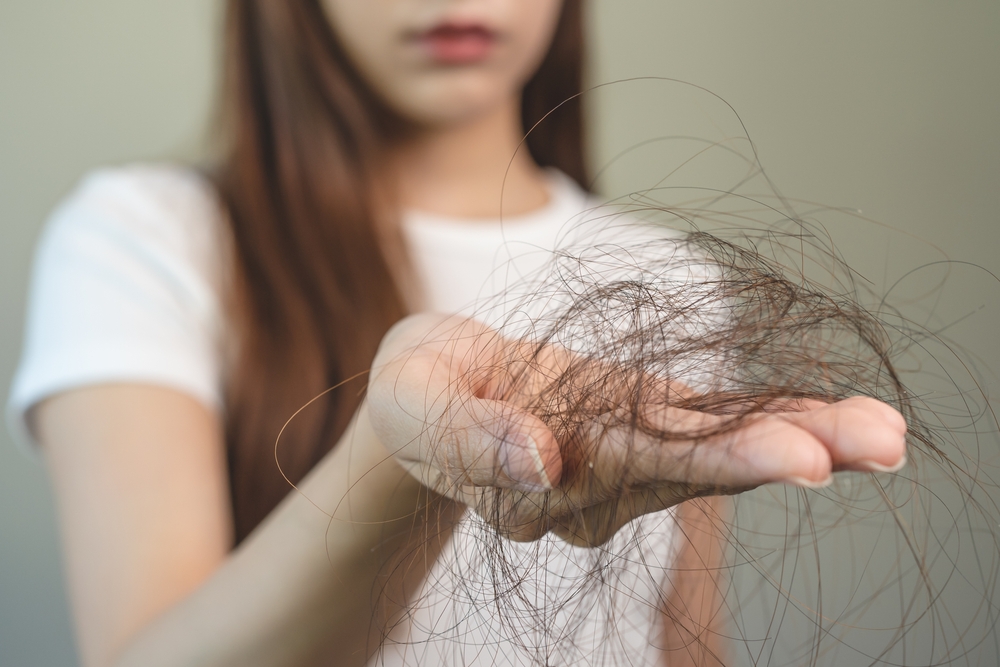
Hair fall after 30 women experience is one of the most emotionally draining, confusing, and under-diagnosed health issues of our time. You notice a few extra strands on the pillow. Then the drain starts clogging. Then the part line looks wider. Then one morning, the mirror says something you weren’t ready to hear.
If this sounds familiar — you are not alone, and you are not overreacting.
Across dermatology clinics, wellness forums, and every corner of the internet, one question dominates: “Why is hair fall so much worse after 30?”
The honest answer? It’s rarely one thing. Hair fall after 30 in women is almost always a silent combination of hormones, stress, nutritional gaps, scalp neglect, and habits we don’t even realise are hurting us. And most articles only scratch the surface.
This guide goes deeper — with science, psychology, timelines, myth-busting, and real solutions that go beyond “drink more water and oil your hair.”
Why Hair Fall After 30 in Women Is More Complex Than You Think
In your twenties, hair fall is often temporary — a bad semester, a crash diet, a rough winter. Your body bounces back. But after 30, the biology changes. Your hormones begin a subtle reshuffling. Nutritional gaps accumulate. Stress becomes chronic rather than occasional. And years of styling habits quietly compound.

The medical term for non-scarring diffuse hair loss in women is Female Pattern Hair Loss (FPHL) — but the causes of hair fall after 30 in women are far more varied than that single label suggests. Dermatologists are now seeing women in their early 30s with hair concerns that were once considered “post-menopausal territory.” The timeline has shifted forward — and understanding why is the first step toward doing something about it.
9 Alarming Causes of Hair Fall After 30 Women Must Know
1. Hormonal Shifts: The Invisible Architect of Hair Fall After 30
This is the biggest — and most misunderstood — driver of hair fall after 30 in women. The hormonal changes that begin in your 30s are subtle. No dramatic announcement. No obvious symptoms at first. Just a quiet biological reshuffling that your hair follicles feel before your GP’s report shows anything.
Here’s what’s actually happening hormonally:
Estrogen is your hair’s best friend. It extends the anagen (growth) phase, keeping strands long, thick, and on your head. After 30, estrogen levels begin a slow, fluctuating decline — meaning hair cycles faster, and more strands enter the shedding phase at the same time.
Androgens (DHT) — male hormones that all women carry in small amounts — become relatively more dominant as estrogen dips. DHT shrinks hair follicles over time, producing finer, weaker strands with each growth cycle. This is the core biological mechanism behind androgenetic alopecia in women.
PCOS (Polycystic Ovary Syndrome) affects approximately 1 in 10 women of reproductive age. It raises androgen levels significantly — making hair fall after 30 a central symptom, alongside irregular periods, acne, and weight fluctuations.
Thyroid imbalances — both an overactive and underactive thyroid — disrupt the hair growth cycle at every stage. Thyroid-related hair fall tends to be diffuse (across the whole scalp) and often arrives alongside fatigue, temperature sensitivity, or mood changes.
Post-pregnancy hormonal crash — progesterone and estrogen surge during pregnancy, often giving women the best hair of their lives. Then delivery happens. Hormone levels plummet, and 3–4 months later, excessive shedding begins. This is called postpartum telogen effluvium — completely normal, but alarming if you don’t know it’s coming.
What to do: If your hair fall after 30 is accompanied by irregular periods, fatigue, acne, or unexplained weight changes — ask your doctor for a full hormonal panel. Estrogen, progesterone, testosterone, DHT, TSH, T3, and T4. Don’t guess. Test.
2. Chronic Stress: The Invisible Hair Killer Women Underestimate
Here’s something that will feel uncomfortably familiar. Most women who search “why is my hair falling out?” have been under sustained stress for months — career pressure, relationship strain, financial anxiety, motherhood, emotional burnout, or the quiet overwhelm of doing everything for everyone. They just never connected it to their hair.
The biology of stress-related hair fall after 30: When your body is in a prolonged stress response, it floods with cortisol. Cortisol signals the body to redirect resources away from “non-survival” functions. Hair growth is de-prioritised immediately. Follicles are pushed prematurely into the telogen (resting and shedding) phase — a condition called telogen effluvium.
The cruel twist? The shedding doesn’t start immediately. It happens 2–4 months after the stressful event — which is why women often can’t identify the trigger. They’ve already moved past the stressor, and now their hair is “catching up” to that moment of crisis.
Hair fall is diffuse — all over the scalp, not in patches. Shedding intensifies during combing, washing, and even touching hair. It can last 6–9 months, but is fully reversible with proper stress management.
The irony nobody talks about: The stress of watching your hair fall out worsens the cortisol cycle. Breaking the anxiety loop — not just treating the hair — is essential to recovery.
3. Nutritional Deficiencies: The Silent Root Cause of Hair Fall After 30
Your hair is made of keratin — a protein. It is not a priority organ. The body always feeds your heart, lungs, and brain first. Hair gets whatever is left over. And after 30, what’s left over is often not enough.
The most common deficiencies driving hair fall after 30 in women:
Iron (Ferritin): Ferritin — stored iron — below 30 ng/mL is strongly associated with hair shedding in women, even when hemoglobin appears normal. Many women with “normal” blood reports are unknowingly iron-depleted at the follicle level.
Vitamin D: Deficiency is epidemic in urban women who work indoors. Vitamin D receptors are active inside hair follicles, and deficiency disrupts the growth cycle. Research published on NCBI links low Vitamin D directly with female pattern hair loss.
Vitamin B12: Essential for red blood cell production, which delivers oxygen to hair follicles. Vegetarians and vegans are at highest risk. B12 deficiency also causes fatigue and tingling — symptoms many women dismiss for years.
Protein: A low-protein diet means the body literally lacks the raw material to build hair. Each strand is compressed protein. You cannot grow what you don’t consume.
Zinc: Involved in hair tissue growth and repair. Even mild zinc deficiency can disrupt the anagen (growth) phase of the hair cycle.
Critical insight: No hair oil, serum, or expensive shampoo can compensate for a deficiency that is happening from the inside. Topical treatments can support — they cannot replace — internal nutrition.
4. Scalp Health: The Foundation Women With Hair Fall After 30 Most Often Ignore
Think of your scalp as soil. Healthy soil grows healthy plants. Neglected, inflamed, or clogged soil doesn’t — regardless of how good the seeds are.
After 30, scalp conditions become both more common and more impactful on hair fall:
Seborrheic dermatitis (dandruff’s more intense cousin) causes scalp inflammation that weakens follicle roots over time.
Product buildup from dry shampoos, serums, and styling sprays physically blocks follicle openings — extremely common in women who avoid washing to “preserve” their blowout.
Oily scalp with dry ends is a combination that signals hormonal imbalance. It often leads to aggressive over-washing, which further strips the scalp’s protective barrier.
Folliculitis — infected follicles presenting as pimples or pus-filled bumps on the scalp — can cause permanent follicle damage if left untreated.
The industry secret: Most hair care brands are designed around hair — not scalp. But hair fall after 30 is a scalp problem first, and a hair problem second. If you’re not addressing the scalp, you’re decorating a damaged foundation.
5. Over-Styling and Heat Damage: The Aesthetic Trap Accelerating Hair Fall After 30
Women in their 30s often have both the income to invest in styling tools and professional pressure to look polished every day. The result is daily heat exposure that accumulates silently over years and decades.
Hair straighteners and curling irons at 200°C+ denature the keratin protein structure over time — making hair brittle and prone to breakage that mimics hair fall.
Tight hairstyles — buns, high ponytails, tight braids — cause traction alopecia, a mechanical hair loss from constant tension on the follicle. This is often irreversible at the hairline if sustained over years.
Chemical treatments — keratin treatments, relaxers, bleach — weaken the hair shaft and can damage follicles when overlapped or done too frequently.
Wet hair combing: Hair is approximately 3 times weaker when wet. Aggressive detangling causes breakage that is frequently mistaken for hair fall from the root.
Myth busted: Heat protectant sprays reduce — but do not eliminate — heat damage. At temperatures above 180°C, even “protected” hair sustains structural protein damage with repeated exposure.
6. The Social Media Beauty Trap Making Hair Fall After 30 Worse
This one is uncomfortable — but important. Instagram, YouTube, and Pinterest are flooded with “miracle” hair hacks, and women experiencing hair fall after 30 are a prime audience. Here is the truth that viral content won’t tell you: many of these remedies are, at best, useless — and at worst, actively damaging.
Raw onion juice applied daily: The sulfur in onion can irritate and inflame the scalp with daily use, worsening follicular health despite the short-term tingle that “feels like it’s working.”
Overnight oil with cling wrap: Occlusion combined with heavy oils can trigger fungal overgrowth and worsen seborrheic dermatitis — a common cause of hair fall after 30 in women.
Egg masks: Protein masks help temporarily, but raw eggs carry Salmonella risk, and the avidin in egg whites blocks biotin absorption — potentially worsening a deficiency.
“No-poo” (no shampoo) movements: Without proper cleansing, sebum, pollution particles, and dead skin accumulate — creating the perfect environment for scalp inflammation and increased hair fall.
The business angle: The wellness content economy is built on engagement, not accuracy. A “I used onion juice for 30 days” video gets 10 million views. A video explaining ferritin levels gets 3,000. Know the incentive structure before you follow the advice.
7. Sleep Deprivation: The Under-Discussed Hair Fall Trigger
Sleep is when your body repairs. Protein synthesis, cellular turnover, hormone regulation — it all happens during sleep. Hair follicles are among the most actively dividing cells in the human body, making them deeply dependent on quality sleep to function properly.
Chronic sleep deprivation — fewer than 6 hours consistently — elevates cortisol levels, looping directly back into telogen effluvium. Growth hormone, released primarily during deep sleep, also plays a role in follicle regeneration. Melatonin receptors have been identified in human hair follicles, suggesting disrupted circadian rhythms may directly impair hair cycling.
Women in their 30s with young children, high-pressure careers, or anxiety disorders are disproportionately sleep-deprived — and disproportionately experiencing hair fall as a result.
8. Gut Health and Hair Fall: The Surprising Link Women Don’t Expect
This is the emerging frontier of hair fall research that most mainstream content completely ignores.
Your gut microbiome influences nutrient absorption, inflammation levels, and hormone metabolism — all of which directly impact hair growth. If your gut isn’t functioning well, even a nutrient-rich diet may not translate into adequate hair nutrition at the follicle level.
Poor gut health reduces absorption of iron, zinc, and B vitamins — the exact deficiencies that drive hair fall after 30 in women. Gut dysbiosis increases systemic inflammation, which can affect follicle health over time. Antibiotic use — increasingly common in adults — disrupts the microbiome and has been linked to post-antibiotic hair shedding. Women on hormonal birth control may experience altered gut microbiome composition, affecting how androgens are processed and eliminated.
This is why two women with identical diets can have completely different hair fall outcomes. Their gut microbiomes are doing very different jobs with the same raw ingredients.
9. Environmental Triggers: The External Assault on Hair After 30
Your hair is exposed to the external world 24 hours a day. After years of exposure, the cumulative damage is real and measurable.
Hard water: High calcium and magnesium content deposits on the scalp, clogs follicles, and alters the hair surface pH. Studies show women in hard-water areas experience significantly more breakage and scalp dryness — a key contributor to hair fall after 30.
Air pollution: Particulate matter (PM2.5) penetrates the scalp, where it triggers oxidative stress in follicles. This is a growing area of dermatological research, particularly relevant in Indian metros like Delhi, Mumbai, and Bengaluru.
UV exposure: Just as it damages skin, prolonged sun exposure oxidises hair proteins and degrades the follicle-supporting oils on the scalp surface — weakening hair at the root over time.
Chlorine from swimming pools: Strips natural oils, weakens the hair shaft, and can cause scalp irritation that contributes to chronic low-grade inflammation.
Hair Fall After 30 Women Face: Myth vs. Fact — Separated by Science
The internet is full of well-intentioned misinformation. Here is a clear-headed breakdown of what is true and what is keeping women stuck in ineffective cycles.
| ❌ The Myth | ✅ The Fact |
|---|---|
| Washing hair frequently causes hair fall | A clean scalp is healthier than a dirty one. Shedding you see during washing was already happening — you’re not causing new fall. Infrequent washing increases scalp inflammation, which actually worsens hair fall. |
| Hair fall means permanent hair loss | Most hair fall after 30 in women is diffuse, temporary, and reversible if addressed within 6–12 months. Permanent scarring alopecia is far less common and requires specific diagnosis. |
| Expensive treatments work best | Correct diagnosis + consistency beats price every time. A simple iron supplement prescribed based on your ferritin level will outperform a ₹4,000 hair serum if iron deficiency is the root cause. |
| Oiling hair daily makes it stronger | Moderate oiling 1–2 times per week can support scalp health. Daily heavy oiling on the scalp clogs follicles, attracts pollutants, and can trigger seborrheic dermatitis — worsening hair fall. |
| Cutting hair makes it grow faster | Hair growth happens at the follicle — in the scalp. Trimming ends affects split ends and breakage, but has zero effect on follicle activity or growth rate. |
| Hair fall is purely genetic — nothing you can do | Genetics loads the gun; lifestyle pulls the trigger. Even women with strong family history of thinning can significantly slow or manage hair fall after 30 with the right nutrition, hormonal care, stress management, and scalp health approach. |
The Psychological Weight of Hair Fall After 30 — What Nobody Talks About
Hair is deeply tied to identity, femininity, and self-perception — especially for women. Research consistently shows that hair loss has a disproportionately large psychological impact on women compared to men, with higher rates of depression, social anxiety, and self-image distress.
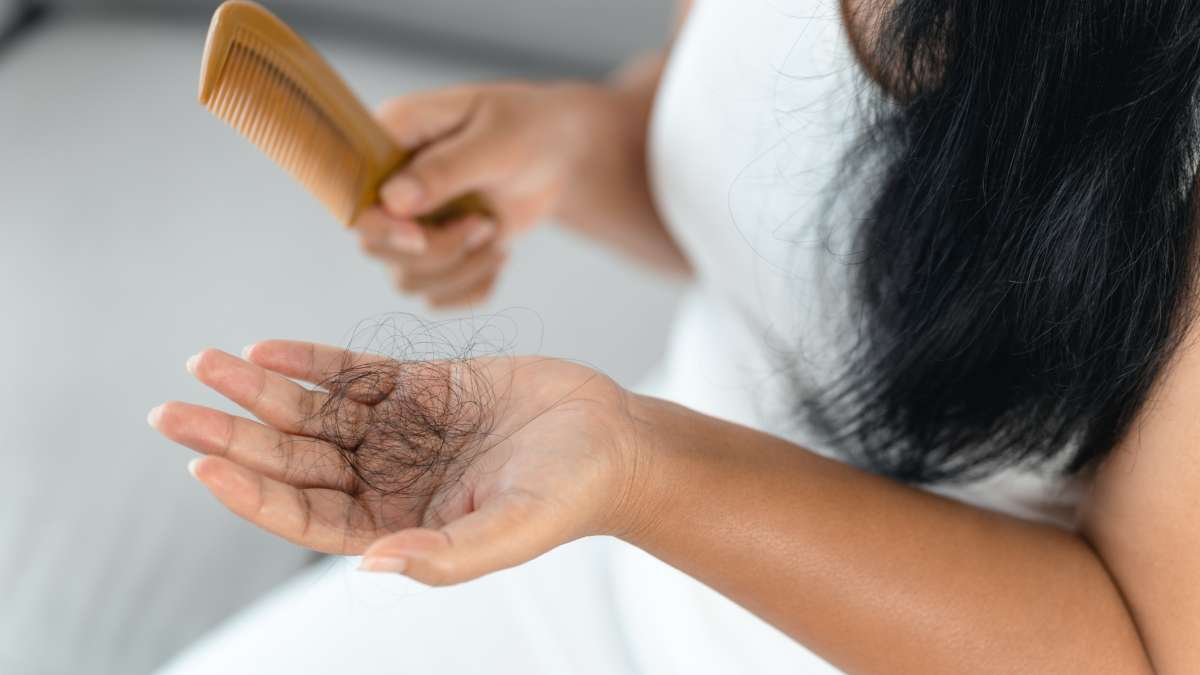

Women experiencing hair fall after 30 often describe avoiding cameras, social events, and bright-lit spaces. They spend 20–40 minutes styling to “hide” thinning areas. They feel anxiety spikes before every hair wash — because that’s when fall is most visible. They feel older than their age. They find it difficult to discuss with partners, because it feels like “vanity.”
Here’s what matters: the distress is not vanity. It is a legitimate response to a visible change in something you have always had. And the stress this distress creates? It feeds directly back into the cortisol cycle that worsens hair fall after 30 in women. Breaking that loop requires addressing both the physical and the emotional.
If hair fall is significantly impacting your mental health, speaking to a therapist who understands body image and health anxiety is not an overreaction. It is part of the solution.
A Month-by-Month Timeline of Hair Fall After 30 in Women
One of the most disorienting things about hair fall after 30 is the lag time. What’s causing your fall today may have started months ago. Here’s a timeline to orient yourself:
Month 0: A trigger occurs — emotional stress, nutritional deficiency, hormonal shift, or dietary change. Hair follicles begin transitioning prematurely into the telogen (resting) phase.
Month 2–4: Shedding becomes noticeable. More hair on the pillow, in the drain, on clothing. This is the moment most women start searching “hair fall after 30 women.”
Month 4–6: Peak shedding if the root cause hasn’t been addressed. Emotional distress also peaks here.
Month 6–9: If root cause is treated — deficiency corrected, hormones managed, stress reduced — regrowth begins. New short, fine “baby hairs” at the hairline are a positive sign.
Month 9–18: Regrown hair reaches noticeable length. Full recovery may take up to 18 months from when the trigger was addressed — not from when you noticed the fall.
This is why patience is not optional in hair fall recovery. Most women abandon treatment after 6–8 weeks. But the biological cycle means visible improvement takes 3–6 months minimum. Women who give up in week 8 miss the recovery entirely.
Expert-Backed Solutions for Hair Fall After 30 in Women
Step 1: Diagnose Before You Treat
The single most common — and expensive — mistake women make is treating hair fall without knowing its cause. Before spending money on products, get these tests done:
Complete Blood Count (CBC), Serum Ferritin (not just haemoglobin — ferritin is what matters for hair), Vitamin D3 and B12 levels, TSH / T3 / T4 thyroid panel, and Testosterone / DHT / DHEA-S if PCOS is suspected.
Step 2: Nutrition for Hair Fall After 30 Women
Eat protein at every meal — aim for 0.8–1g per kg of body weight daily. Dal, eggs, paneer, tofu, and Greek yoghurt are strong sources. Pair iron-rich foods (spinach, lentils, rajma, moringa, beetroot) with Vitamin C to increase absorption by up to 3x. Supplement Vitamin D if deficient — most urban Indian women need 2,000–4,000 IU daily, but test first. Add Omega-3 sources — flaxseeds, walnuts, or a quality fish oil supplement — to reduce scalp inflammation. Avoid crash diets and aggressive intermittent fasting: any diet under 1,200 calories triggers telogen effluvium within 3–4 months.
Step 3: Scalp-First Hair Care
Use a shampoo matched to your scalp type — not your hair type. Oily scalp, dry scalp, and flaky scalp all need different formulations. Exfoliate your scalp gently once every 10–14 days using a scalp scrub or salicylic acid-based treatment to clear buildup. Give your scalp a 4–5 minute massage daily — the primary benefit is stress reduction, not the much-overclaimed “blood circulation boost.” Don’t switch shampoos too frequently: your scalp microbiome needs 4–6 weeks to adjust to a new formulation.
Step 4: Manage Stress as a Medical Priority
Sleep 7–8 hours — non-negotiable. Chronic sleep debt is not repaid by weekend sleeping and has compounding effects on cortisol and hair fall. Exercise moderately — 30–45 minutes, 4–5 times per week. Over-exercising without adequate nutrition can actually trigger hair fall. Practice mindfulness, journaling, or therapy to interrupt the anxiety-cortisol loop. Consider Ashwagandha (KSM-66 extract) — a clinically studied adaptogen shown in a 2019 randomised controlled trial to significantly reduce serum cortisol with 300mg twice daily.
Step 5: When to See a Dermatologist
See a dermatologist or trichologist if hair fall has lasted more than 3–4 months without a clear cause, if you notice distinct bald patches or significant thinning at the crown, if hair fall is accompanied by scalp pain, burning, or itching, or if you have irregular periods, acne, or unexplained weight changes alongside hair fall.
The 2026 Shift: How Women Are Now Approaching Hair Fall After 30 Differently
The conversation around hair fall after 30 in women is genuinely evolving — and the change is meaningful and worth understanding.
From symptom-chasing to root-cause healing: The modern approach demands testing before treating. Correct diagnosis + consistency now beats “miracle” products at every price point.
Scalp-first formulations: The hair care industry is responding with scalp serums, pre-shampoo exfoliants, and follicle-feeding treatments that address the actual root of the problem.
Hormone-aware routines: Apps and wellness practitioners are offering hair care guidance synced to the menstrual cycle — acknowledging that hair fall after 30 in women is hormonally dynamic across the month, not a fixed condition.
Mental health as hair health: Therapy for hair-related body image concerns is now less stigmatised. The emotional-cortisol-hair fall loop requires psychological intervention, not just shampoo.
Frequently Asked Questions About Hair Fall After 30 Women
Is it normal to have more hair fall after turning 30?
Yes — and it is far more common than most women realise. A mild increase in shedding is biologically normal as hormonal changes begin. However, losing more than 100–150 strands daily consistently for over 3 months warrants a dermatologist visit and blood tests.
How do I know if my hair fall after 30 is hormonal or nutritional?
Pattern and timing are clues. Hormonal hair fall (FPHL, PCOS-related) tends to appear as diffuse thinning at the crown or a widened part line, gradually over months. Nutritional deficiency hair fall often appears more suddenly across the whole scalp. The only reliable way to differentiate is blood tests — a full panel including ferritin, thyroid, and androgen levels.
Can hair fall after 30 be fully reversed?
In most cases, yes — if addressed early. Telogen effluvium (stress and nutritional triggers) is fully reversible. Androgenetic alopecia (hormonal and genetic) can be significantly slowed and managed, though complete reversal is harder. Early diagnosis is everything.
Which oil is best for hair fall after 30 in women?
Rosemary oil has the strongest clinical evidence — a 2023 study showed results comparable to 2% minoxidil. Bhringraj oil has traditional Ayurvedic support. Avoid heavy oils on oily scalps as they clog follicles. Apply oil 1–2 times per week maximum — daily oiling does more harm than good for most scalp types.
Does PCOS always cause hair fall after 30?
Not always — but it is a significant risk factor. PCOS elevates androgens, particularly DHT, which miniaturises follicles over time. Women with PCOS and a genetic predisposition to androgenetic alopecia are at highest risk. Managing PCOS through diet, insulin sensitivity, and where needed, medication, directly reduces hair fall risk.
How long before I see improvement in hair fall after 30?
Minimum 3 months before any visible change — and realistically 6–12 months for meaningful improvement. Hair grows approximately 1–1.5 cm per month. Even after follicles are reactivated, new hair needs time to reach visible length. Women who give up at the 6-week mark miss the recovery window entirely.
Should I take biotin for hair fall after 30?
Only if you’re actually deficient — which is rare. Biotin is massively over-marketed for hair fall. Clinical evidence supports supplementation only when deficiency is confirmed. More importantly: high-dose biotin (above 5,000 mcg) interferes with thyroid and cardiac blood test results — a risk most women are never warned about. If you eat a balanced diet, you almost certainly don’t need biotin supplements.
Is minoxidil safe for women with hair fall after 30?
Topical minoxidil 2% is FDA-approved and clinically proven for female pattern hair loss. It is generally safe and effective when used as directed. Expect an initial “dread shed” in the first 4–6 weeks — this is temporary follicle transition, not worsening loss. Always use under dermatologist guidance, especially if pregnant or breastfeeding.
Related Articles From HerbeeLife
📖 Best Homemade Hair Oils for Hair Fall — DIY Recipes That Actually Work
📖 Ashwagandha for Stress and Anxiety: What Actually Happens in Your Body
📖 Amla Benefits: Proven Immunity, Digestion and Hair Boost Backed by Science
📖 Allergy Treatment Options: Expert-Backed Relief Methods You Need to Know
📖 Clove Water Benefits: 9 Powerful Daily Effects You Need to Know
Sources and References
1. Rushton DH. Nutritional factors and hair loss. Clinical and Experimental Dermatology, 2002.
2. Almohanna HM et al. The Role of Vitamins and Minerals in Hair Loss. Dermatology and Therapy, 2019.
3. Panahi Y et al. Rosemary oil vs. minoxidil 2% for androgenetic alopecia. Skinmed, 2015.
4. American Academy of Dermatology — Hair Loss in Women.
5. Chandrashekar BS et al. Serum ferritin and Vitamin D in female hair loss. IJDVL, 2023.
6. Hughes EC, Saleh D. Telogen Effluvium. StatPearls, NCBI.
Follow HerbeeLife
🌿 Stay connected for more evidence-based wellness, natural hair care, and women’s health content:
📸 Instagram | 📌 Pinterest | 👥 Facebook | 🐦 X (Twitter)
Final Thoughts: Hair Fall After 30 Is a Signal, Not a Sentence
Your hair is not betraying you. It is communicating. Every strand that falls is a data point — about your hormones, your nutrition, your stress levels, your scalp, and your lifestyle. When you learn to read that data instead of panicking at it, hair fall after 30 in women becomes something you can understand, address, and in most cases, significantly reverse.
The women who successfully manage hair fall after 30 are not the ones who found the most expensive serum. They are the ones who got the right diagnosis, stayed consistent, and gave their bodies the time they needed to respond. That outcome is available to you too.
Stop chasing quick fixes. Start building sustainable answers. Your hair — and your confidence — are worth the patience.
⚠️ Medical Disclaimer: This article is for informational purposes only and does not constitute medical advice. Always consult a qualified dermatologist or physician for hair fall concerns. Read full disclaimer →
💬 Which of these 9 causes surprised you the most? Have you found something that genuinely helped your hair fall after 30? Drop your experience in the comments — your story might be exactly what another woman needs to read today.