



Bloating after every meal. Unpredictable bowel habits. That uncomfortable heaviness that settles in your abdomen hours after eating. Skin that breaks out inexplicably. Energy that crashes mid-afternoon. Mood that shifts for no apparent reason.
These are not separate, unrelated complaints. They are the digestive system — your body’s most complex and most underappreciated organ system — communicating that something in its ecosystem is off balance.
Understanding how to improve digestion naturally has become one of the most important conversations in modern medicine — not because digestive discomfort is new, but because science has revealed in the past decade that the gut is far more than a food-processing tube. It is the location of 70% of the immune system, the production site of 90% of the body’s serotonin, the home of 38 trillion microorganisms whose collective genetic expression exceeds the human genome in complexity, and — through the vagus nerve — a direct bidirectional communication channel to the brain that influences mood, cognition, stress response, and behaviour.
What happens in your gut does not stay in your gut. And improving it — with the evidence-based, Ayurveda-rooted, naturally achievable strategies in this guide — changes your health from the inside out in ways that extend far beyond digestion itself.
Why Your Gut Is the Most Important Organ You Are Probably Neglecting
The gastrointestinal tract is approximately 9 metres long in an adult — from mouth to rectum — with a mucosal surface area of approximately 30 square metres when the microvilli of the small intestinal lining are fully accounted for. This vast surface is simultaneously responsible for nutrient absorption, barrier protection against pathogens and toxins, immune surveillance, hormonal signalling, and neural communication.
The enteric nervous system — sometimes called the “second brain” — is an independent neural network embedded in the gut wall containing approximately 500 million neurons, more than the spinal cord. It can regulate gut function autonomously without input from the central brain, and communicates bidirectionally with the hypothalamus, limbic system, and prefrontal cortex through the vagus nerve. This gut-brain axis is the anatomical basis of the well-documented connection between gut health and mental health — the reason that understanding how to improve digestion naturally has direct implications for mood, anxiety, stress response, and cognitive clarity.
The gut microbiome — the community of bacteria, fungi, viruses, and archaea inhabiting the digestive tract — is the most metabolically active ecosystem in the human body. A healthy microbiome produces short-chain fatty acids (butyrate, propionate, acetate) that maintain gut barrier integrity, regulate immune function, and reduce systemic inflammation. It synthesises vitamins (K2, B12, folate, biotin). It metabolises bile acids, phytoestrogens, and polyphenols into bioactive compounds that could not be produced from these foods without microbial action. It competes with pathogenic organisms for nutrients and adhesion sites, providing frontline protection against gut infections.
When this ecosystem is disrupted — through poor diet, antibiotics, chronic stress, sleep deprivation, or environmental toxins — the consequences reach far beyond digestive symptoms. Gut dysbiosis (microbial imbalance) is now associated with obesity, type 2 diabetes, cardiovascular disease, autoimmune conditions, depression, anxiety, Parkinson’s disease, and Alzheimer’s disease. Improving gut health is not a wellness nicety — it is one of the most high-leverage health interventions available. This is why the holistic health approach always treats the gut as a foundational pillar, not an afterthought.
The Ayurvedic Framework for Digestive Health — Agni, the Digestive Fire
Before exploring the modern science of how to improve digestion naturally, understanding the Ayurvedic framework offers a perspective that is both ancient and strikingly aligned with contemporary gastroenterology.
Ayurveda places Agni — the digestive fire — at the absolute centre of health. In the Charaka Samhita, one of Ayurveda’s foundational texts, it is stated that “the root of all diseases is impaired Agni.” This is not metaphor. It is a clinical framework: when digestive capacity is adequate — when food is properly broken down, nutrients absorbed, and waste eliminated — health is maintained. When Agni is impaired — by wrong foods, wrong combinations, wrong timing, stress, or lifestyle — undigested metabolic waste (called Ama) accumulates and becomes the root of disease.
Modern gastroenterology validates this framework with remarkable precision: inadequate gastric acid production (hypochlorhydria), impaired pancreatic enzyme secretion, disrupted bile acid metabolism, and reduced intestinal motility all represent forms of “impaired digestive fire” — and their consequences, including SIBO (small intestinal bacterial overgrowth), leaky gut syndrome, malabsorption, and systemic inflammation, are the modern equivalents of Ama accumulation.
The Ayurvedic solutions for improving digestion — digestive spices, mindful eating practices, meal timing, food combinations, and herbal formulations like Triphala — all have mechanistic explanations in modern nutrition science and gastroenterology, making the Ayurvedic approach one of the most practically useful frameworks for understanding how to improve digestion naturally.
12 Science-Backed Ways to Improve Digestion Naturally
1. Rebuild Your Gut Microbiome With Dietary Diversity — The Most Powerful Single Strategy
The single most evidence-backed strategy for how to improve digestion naturally — and the one with the broadest downstream health implications — is increasing the diversity of plant foods consumed weekly. Research from the American Gut Project — one of the largest human microbiome studies ever conducted — found that people who ate 30 or more different plant species per week had significantly more diverse gut microbiomes than those eating fewer than 10 plant species per week, independent of diet quality labels (vegan, vegetarian, omnivore).
Microbial diversity is the single strongest predictor of gut health resilience — and it is determined primarily by the diversity of fermentable fibres available to feed different bacterial species. Each plant food contains a unique combination of fibre types (soluble, insoluble, resistant starch), polyphenols, and phytonutrients that selectively feed specific bacterial populations. The more diverse the plant food intake, the more diverse — and therefore more functionally complete and resilient — the microbiome becomes.
This does not require exotic or expensive ingredients. It requires variety — rotating vegetables, legumes, whole grains, nuts, seeds, herbs, and spices so that different fibre structures and polyphenol types feed different beneficial bacteria consistently. For an Indian household, this is entirely achievable: rotating between different dals (moong, masoor, chana, toor), including a variety of seasonal vegetables, using a diverse spice palette, and incorporating millets alongside rice and wheat naturally approaches or exceeds the 30-plant threshold that research associates with optimal microbiome diversity.
The anti-inflammatory dietary pattern that supports microbiome diversity is covered comprehensively in our anti-inflammatory foods guide — the same foods that reduce systemic inflammation also feed the gut bacteria that produce anti-inflammatory short-chain fatty acids.
2. Add Fermented Foods Daily — The Natural Probiotic Strategy
Fermented foods — those that have undergone microbial transformation through lactic acid fermentation — provide live beneficial bacteria that colonise and support the gut microbiome while simultaneously pre-digesting food components (lactose, phytates, lectins, FODMAPs) that can be problematic when consumed unfermented.


A landmark 2021 randomised controlled trial published in Cell — one of the most rigorous dietary microbiome studies conducted — directly compared a high-fibre diet to a high-fermented-food diet in healthy adults over 10 weeks. The high-fermented-food group showed significantly greater increases in microbiome diversity — the primary marker of gut health — alongside significant reductions in 19 inflammatory proteins including IL-6, IL-12, and IL-17a. Fibre alone improved gut function but produced less microbiome diversity benefit; fermented foods produced the most rapid and significant microbiome improvement of any single dietary intervention tested.
For Indian readers, the traditional fermented food landscape is extraordinarily rich: curd (dahi), chaas (buttermilk), lassi, idli, dosa, dhokla, kanji, achaar (fermented pickles), and ambali (fermented ragi gruel from South India) all provide live beneficial bacteria and pre-digested food components. These traditional foods were not developed for their flavour alone — they represent generations of accumulated wisdom about how to improve digestion naturally through food transformation.
Key practical points: heat kills beneficial bacteria, so cooked fermented foods (idli, dosa) lose their probiotic benefit but retain their prebiotic fibre benefit. Unheated fermented foods — fresh curd, chaas, kanji, raw pickles — deliver live bacteria. Consume at least one unheated fermented food daily for consistent probiotic benefit. The connection between fermented foods and immunity is explored further in our guide on allergy treatment options — where the gut-immune axis is central to understanding and managing allergic conditions.
3. Chew Every Bite Thoroughly — Digestion Begins in the Mouth
Chewing is the most underestimated step in how to improve digestion naturally — and the one that modern eating habits most comprehensively undermine. Digestion is not a stomach-and-intestine process. It begins in the mouth — and what happens there determines the efficiency of everything that follows.
Salivary amylase — the digestive enzyme secreted by the salivary glands during chewing — begins the hydrolysis of complex carbohydrates into simpler sugars. Thorough chewing increases the surface area of food particles exponentially, dramatically improving the accessibility of food to gastric acid and pancreatic enzymes in the stomach and small intestine. The physical act of chewing stimulates the cephalic phase of digestion — a vagally mediated anticipatory response that prepares the stomach (increased gastric acid secretion), pancreas (enzyme release), and gallbladder (bile preparation) for the incoming food load.
Research shows that eating speed is directly associated with postprandial (after-meal) blood glucose spikes, satiety hormone response, and digestive comfort. Fast eaters consume significantly more before satiety signals register (leptin and CCK signalling requires 15–20 minutes from food ingestion) — leading to overconsumption that overwhelms digestive capacity. A Japanese cohort study of over 59,000 participants found that eating speed was an independent predictor of metabolic syndrome development — with fast eaters having 5 times higher metabolic syndrome risk than slow eaters.
The Ayurvedic guideline is to chew each bite 30–40 times before swallowing — a standard that feels extraordinary in modern eating contexts but produces measurable improvements in digestive comfort, satiety, and blood sugar stability when consistently practised. Practically: put down utensils between bites, eat without screens, and chew until the food is a homogeneous paste before swallowing.
4. Optimise Stomach Acid — The Overlooked Foundation of Digestive Health
One of the most important and least discussed aspects of how to improve digestion naturally is stomach acid — specifically, that the majority of people with chronic digestive symptoms do not have too much acid but rather too little. Hypochlorhydria (low stomach acid) is dramatically more common than hyperacidity — yet antacids are among the most widely prescribed and self-administered medications globally, potentially worsening the underlying problem in many users.
Adequate stomach acid (pH 1.5–3.5 in the fasting stomach) is essential for multiple digestive functions that most people never consider. It activates pepsinogen into pepsin — the primary protein-digesting enzyme. It signals the pyloric sphincter to open, controlling food release into the small intestine. It stimulates pancreatic enzyme and bicarbonate secretion through the hormone secretin. It sterilises food, eliminating pathogenic bacteria before they reach the small intestine. And it is required for the absorption of vitamin B12, iron, calcium, magnesium, and zinc — deficiencies in all of which are epidemic in populations that chronically use proton pump inhibitors (PPIs).
Signs of low stomach acid include bloating specifically after protein-rich meals, undigested food particles in stool, frequent belching 30–60 minutes after eating, acid reflux that worsens when lying flat (paradoxically — low acid causes the lower oesophageal sphincter to relax), and multiple nutritional deficiencies despite adequate dietary intake. Natural strategies to support stomach acid production include: eating in a relaxed state (parasympathetic activation supports gastric acid secretion — stressed eating suppresses it), beginning meals with a small amount of bitter food or apple cider vinegar in water (stimulates acid secretion through bitter receptors), and avoiding excessive water or cold drinks with meals (which dilute gastric acid and reduce its function).
5. Eat Digestive Spices — Ayurveda’s Most Practical Gift to Gut Health
The Indian spice palette is not merely culinary — it is one of the most sophisticated pharmacological toolkits for how to improve digestion naturally available in any food culture, with each major spice having documented mechanisms that support specific aspects of digestive function.
Ginger is the most broadly studied digestive herb globally. Gingerols and shogaols accelerate gastric emptying (the movement of food from stomach to small intestine) — addressing the delayed gastric emptying that causes bloating, nausea, and the uncomfortable “full” feeling that persists hours after eating. A clinical trial in healthy volunteers found that ginger significantly reduced gastric emptying time compared to placebo — directly explaining its traditional use for nausea and digestive discomfort. Ginger also has prokinetic effects on the small intestine and antiemetic effects through 5-HT3 receptor antagonism — the same mechanism as ondansetron, a prescription antiemetic. For the full anti-inflammatory profile of ginger beyond digestion, see our anti-inflammatory foods guide.
Cumin (jeera) — arguably the most fundamental Indian digestive spice — stimulates digestive enzyme secretion from the pancreas through its essential oil content (cuminaldehyde, thymol). It has carminative properties that reduce intestinal gas through relaxation of smooth muscle spasm, and research has shown it significantly reduces IBS-related bloating, abdominal pain, and bowel irregularity in clinical trials. Cumin water (jeera pani) — whole cumin seeds boiled in water — is one of the simplest and most effective natural digestive remedies available.
Fennel (saunf) — traditionally offered after Indian meals — contains anethole and fenchone that have antispasmodic effects on intestinal smooth muscle, reducing cramping and post-meal discomfort. Fennel seeds also stimulate bile production (improving fat digestion) and have mild antimicrobial properties against gut pathogens. The traditional Indian practice of chewing fennel seeds after meals is a clinically sensible digestive support practice validated by modern gastroenterology.
Turmeric increases bile production and bile flow (choleretic and cholagogue effects) — improving fat emulsification and digestion in the small intestine. It also has documented effects on intestinal permeability — reducing the leaky gut phenomenon that drives systemic inflammation — and modulates the gut microbiome toward anti-inflammatory Bifidobacterium species. The complete anti-inflammatory profile of turmeric is covered in our essential herbs for winter immunity guide.
Ajwain (carom seeds) — one of the most potent carminatives in the Indian pharmacopoeia — contains thymol that directly relaxes intestinal smooth muscle spasm, stimulates digestive enzyme secretion, and has antimicrobial activity against intestinal pathogens. It is particularly effective for acute digestive discomfort, bloating, and flatulence — the Indian traditional preparation of ajwain with warm water and a pinch of salt for digestive distress has significant pharmacological rationale.
6. Harness the Power of Triphala — Ayurveda’s Most Evidence-Backed Digestive Formula
Triphala — the formulation of three fruits (amla, haritaki, and bibhitaki) that is perhaps the most used Ayurvedic preparation globally — deserves dedicated attention in any guide on how to improve digestion naturally. Its 2,500-year history of clinical use is backed by a growing body of modern research that validates its multi-mechanism digestive support.
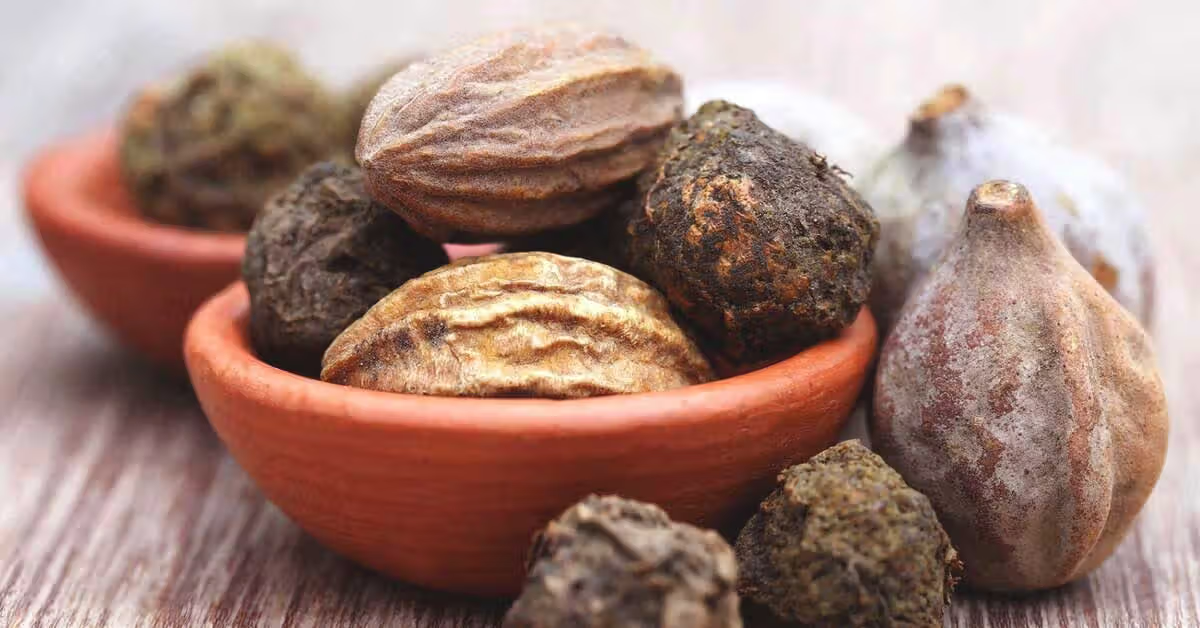

Amla (Emblica officinalis) — covered in depth in our dedicated article on amla benefits for immunity and digestion — provides the richest naturally occurring Vitamin C alongside tannins, emblicanin, and gallic acid that support gastric mucosal integrity, reduce gastric inflammation, and have prebiotic effects on the gut microbiome. Haritaki (Terminalia chebula) has documented laxative and gut motility-enhancing effects through anthraquinone glycosides, alongside antimicrobial activity against gut pathogens and anti-inflammatory effects on intestinal mucosa. Bibhitaki (Terminalia bellirica) contains gallic acid and ellagic acid with antioxidant, anti-inflammatory, and antimicrobial properties that collectively support gut mucosal health.
Together, Triphala produces a uniquely balanced digestive support effect: gentle laxative without dependency, gut motility enhancement, mucosal protection, microbiome support, and systemic antioxidant and anti-inflammatory action. A 2017 randomised controlled trial found Triphala supplementation significantly improved functional constipation, bloating, and bowel regularity compared to placebo — with no adverse effects and no tolerance development over the study period.
How to use it: Half to one teaspoon of Triphala powder in warm water before bed. Start with a smaller dose and increase gradually — its laxative effect is gentle but real. Available as powder, tablets, or capsules from Ayurvedic pharmacies. Contraindicated during pregnancy and for those with severe diarrhoea.
7. Manage the Gut-Brain Axis — Stress Is Destroying Your Digestion
The gut-brain axis is not a metaphor. It is anatomy — a bidirectional neural highway connecting the enteric nervous system to the hypothalamus, limbic system, and prefrontal cortex through approximately 100 million vagal afferent and efferent fibres. When the brain is in a state of chronic stress — HPA axis activated, sympathetic nervous system dominant — the gut receives direct neural signals to reduce its activity.
In sympathetic “fight or flight” dominance, blood is redirected away from digestive organs to muscles and cardiovascular system. Gastric acid secretion is reduced. Intestinal motility changes — either speeding up (stress diarrhoea) or slowing down (stress constipation). Gut permeability increases. The intestinal immune system is dysregulated. The composition of the gut microbiome changes — with stress-induced reductions in Lactobacillus and Bifidobacterium species and overgrowth of potentially pathogenic organisms. All of this happens without eating a single food that is inherently difficult to digest — simply through the neural and hormonal effects of chronic psychological stress on gut function.
This is why eating at a desk while checking email, eating in arguments, eating while anxious, or eating while distracted all produce genuinely worse digestive outcomes than eating the same food in a relaxed, unhurried state. The cephalic phase of digestion — which prepares the stomach, pancreas, and gallbladder for incoming food — requires parasympathetic activation to occur. Without it, you are sending food into an unprepared digestive system.
The most powerful strategies for activating the parasympathetic “rest and digest” mode before meals: 3–5 deep diaphragmatic breaths before eating (directly activates the vagus nerve and shifts the autonomic balance), sitting down (not standing or walking while eating), putting away screens and devices, taking a moment of gratitude or intention before the meal, and chewing slowly. These are not spiritual practices — they are physiological interventions that directly improve digestive enzyme secretion, gastric motility, and gut barrier integrity. The stress-digestion connection is central to both the power of meditation for digestive health and the hormonal health framework — all three are addressing the same underlying HPA axis dysregulation from different angles.
8. Optimise Meal Timing and Circadian Eating Patterns
The digestive system has its own circadian rhythm — governed by the same molecular clock mechanisms that regulate sleep, cortisol, and immune function. Digestive enzyme secretion, gut motility, bile production, and intestinal permeability all vary meaningfully across the 24-hour cycle, with digestive function generally peaking in the morning and early afternoon hours and declining significantly in the evening.
Research on time-restricted eating and chrononutrition consistently shows that eating earlier in the day — aligning food intake with the digestive system’s natural functional peak — produces better metabolic outcomes, improved gut microbiome composition, and reduced digestive symptoms compared to the same caloric intake shifted to the evening. A clinical trial comparing morning-loaded vs evening-loaded caloric intake found that morning eaters had lower post-meal glucose and insulin spikes, better satiety hormone profiles, and significantly lower inflammatory markers — eating the same foods, in the same amounts, but at different times.
The traditional Indian meal pattern — a substantial breakfast, the largest meal at midday, and a lighter dinner — is remarkably well-aligned with chrononutrition science. The modern reversal of this pattern (minimal breakfast, moderate lunch, large late dinner) directly conflicts with the gut’s circadian rhythm and is one of the most underappreciated contributors to chronic digestive complaints. Ayurveda prescribes the largest meal at noon — when Agni (digestive fire) is at its peak, correlating with the midday peak in gastric acid secretion, digestive enzyme activity, and gut motility documented in modern chronobiology.
9. Hydrate Strategically — Water Timing Matters as Much as Amount
Adequate hydration is essential for virtually every aspect of digestive function — but the timing of water consumption relative to meals significantly affects its digestive benefit or interference.
Water between meals supports digestion by maintaining the mucosal lining of the digestive tract, facilitating nutrient absorption in the small intestine, and supporting bowel regularity by maintaining the water content of intestinal contents. Large amounts of water consumed immediately before or during meals, however, dilute gastric acid and digestive enzymes — reducing their concentration below optimal function, slowing gastric emptying, and potentially impairing protein digestion. Traditional Ayurvedic guidance recommends sipping small amounts of warm water during meals (to aid food movement) rather than drinking large glasses, and consuming the majority of daily water intake between meals.
Cold water specifically warrants attention: cold liquids with meals cause temporary constriction of the digestive blood vessels and slow gastric motility — opposing the warming, activating functions that support optimal digestion. Warm or room-temperature water has the opposite effect — and warm water first thing in the morning stimulates gut motility and supports the morning bowel movement that Ayurveda considers essential to digestive health. This connects to the morning hydration practice covered in our healthy morning routine guide.
10. Move Your Body to Move Your Bowels — Exercise and Gut Motility
Physical activity directly stimulates gastrointestinal motility through multiple mechanisms — neural (increased vagal tone), hormonal (motilin and ghrelin release), and mechanical (increased intra-abdominal pressure during movement stimulates peristalsis). A post-meal walk — one of the simplest and most evidence-backed digestive interventions — significantly accelerates gastric emptying and reduces post-meal blood glucose spikes compared to sitting after eating.
A meta-analysis published in Diabetes Care found that a 15-minute moderate-intensity walk after meals reduced post-meal blood glucose by significantly more than a single 45-minute walk at another time of day — suggesting that the timing of movement relative to meals matters as much as the total amount of movement for metabolic and digestive outcomes. For people with post-meal bloating, discomfort, and sluggish digestion, a 10–15 minute walk after the main meal is one of the most immediately effective interventions available.
Regular aerobic exercise also directly benefits the gut microbiome — studies show that physically active individuals have significantly more diverse gut microbiomes and higher levels of butyrate-producing bacteria than sedentary individuals matched for diet. This exercise-microbiome connection adds a further dimension to the comprehensive benefits of regular physical activity covered in our article on the benefits of regular exercise for longevity and wellbeing.
11. Prioritise Sleep for Gut Repair and Microbiome Health
Sleep and the gut microbiome are connected through bidirectional mechanisms that most discussions of digestive health completely overlook. The gut microbiome produces neurotransmitters — including serotonin (90% of which is manufactured in the gut), GABA, and melatonin precursors — that directly influence sleep quality. Conversely, sleep deprivation profoundly disrupts the gut microbiome within days, reducing microbial diversity, increasing intestinal permeability, and shifting bacterial composition toward pro-inflammatory species.
Research published in the journal Gut found that even two nights of sleep restriction produced measurable changes in gut microbiome composition, with reductions in the anti-inflammatory bacteria Lachnospiraceae and increases in inflammatory Erysipelotrichaceae — changes that mirrored those seen in metabolic syndrome. The gut-sleep axis is reciprocal: poor gut health impairs sleep quality, and poor sleep impairs gut health, creating a self-reinforcing cycle that requires intervention on both fronts simultaneously.
The night-time period is when the gut undergoes its most significant repair processes — tight junction protein replacement (maintaining intestinal barrier integrity), immune surveillance activation, and the “migrating motor complex” (the housekeeping contractions that clear the small intestine of undigested food and bacteria during fasting between meals). This MMC requires at least 4–5 hours of fasting between the last meal and sleep to complete its cycle — providing a digestive rationale for the long-observed recommendation to avoid eating within 2–3 hours of bedtime.
12. Identify and Address Food Sensitivities — The Hidden Digestive Disruptors
Chronic digestive symptoms that persist despite excellent dietary habits, adequate fibre, fermented foods, and stress management frequently have a specific food sensitivity driving them — an immune or enzymatic response to one or more foods that produces low-grade but continuous gut inflammation and dysfunction.
The most clinically significant food sensitivities to be aware of include: lactose intolerance (the most common food sensitivity globally — affecting an estimated 65% of humans, with significantly higher rates in South Asian, East Asian, and African populations), gluten sensitivity (ranging from diagnosed coeliac disease to non-coeliac gluten sensitivity — characterised by symptoms beyond gastrointestinal including fatigue, brain fog, and joint pain), FODMAP sensitivity (fermentable carbohydrates that produce excessive gas and osmotic fluid in the large intestine in people with IBS — found in wheat, legumes, certain vegetables, and fruits), and histamine intolerance (impaired ability to break down dietary histamine, leading to flushing, headaches, and digestive symptoms after fermented foods, aged cheeses, and alcohol).
Identifying food sensitivities through a systematic elimination approach — removing the suspected food for 3–4 weeks and reintroducing it to observe response — is the most evidence-supported diagnostic method. Blood tests for IgG food antibodies are widely marketed but have inconsistent clinical validity; IgE skin or blood testing for true food allergy, and serological testing for coeliac disease (anti-tTG IgA, total IgA), are the most clinically validated approaches for specific conditions. The full framework for identifying and managing food-related immune reactions is covered in our comprehensive allergy treatment options guide.
The Indian Diet and Digestive Health — A Natural Advantage
The traditional Indian diet — when prepared with whole, minimally processed ingredients — is one of the most naturally digestion-supportive dietary patterns in the world. It is rich in diverse plant foods, fermented preparations, digestive spices, and the fibre structures that feed a healthy gut microbiome. The gradual shift toward processed foods, refined carbohydrates, and irregular eating patterns in urban India has stripped much of this digestive wisdom from the daily diet — producing epidemic levels of IBS, constipation, GERD, and metabolic dysfunction in populations that historically had minimal rates of these conditions.
Returning to traditional whole-food Indian eating — dal-rice-sabzi with digestive spices, fresh curd, seasonal vegetables, chaas, and structured mealtimes — is simultaneously a return to the principles that modern gastroenterology is now recommending. This is not nostalgia. It is evidence-based dietary wisdom that simply predates the clinical trials that now confirm it. The same nutritional framework supports the anti-inflammatory dietary approach that reduces chronic disease risk across every organ system.
How to Improve Digestion Naturally: Myth vs. Fact
| ❌ The Myth | ✅ The Truth |
|---|---|
| Acid reflux means you have too much stomach acid | In the majority of people with chronic acid reflux, low stomach acid — not excess — is the underlying issue. Low acid weakens the lower oesophageal sphincter, allowing whatever acid is present to reflux upward. Long-term antacid use can worsen this cycle by further reducing acid and impairing nutrient absorption. |
| You should drink lots of water with meals for better digestion | Large amounts of water with meals dilute gastric acid and digestive enzymes, reducing their concentration and effectiveness. Sipping small amounts of warm water during meals is appropriate. The majority of daily water intake is best consumed between meals. |
| Probiotic supplements are always better than fermented foods | Most probiotic supplements deliver 1–10 billion CFU of 1–5 bacterial strains. Traditional fermented foods can deliver hundreds of bacterial strains in complex communities that adapt to and colonise the gut more effectively. Whole fermented foods also deliver prebiotics (the fibres that feed beneficial bacteria) alongside the bacteria — a complete ecosystem benefit that most supplements cannot replicate. |
| Digestive problems are purely a gut issue | The gut is connected to the brain (via the vagus nerve and gut-brain axis), the immune system (70% of immune tissue is gut-associated), the skin (via the gut-skin axis), the liver (via the portal circulation), and the hormonal system (through multiple gut hormones). Digestive symptoms frequently have roots in stress, sleep deprivation, hormonal imbalance, or systemic inflammation — and treating only the gut without addressing these connections produces limited results. |
| More fibre always improves digestion | Fibre is essential for gut health, but rapid increases in fibre intake — or high fibre consumption in people with SIBO, active IBD flares, or FODMAP sensitivity — can dramatically worsen symptoms. The type of fibre matters as much as the amount. Soluble fibre (oats, legumes, flaxseed, apples) is generally better tolerated by sensitive guts than insoluble fibre (wheat bran, raw vegetables). Gradual increases with adequate hydration are essential. |
| Eating frequently (6 small meals) is better for digestion than 3 larger meals | The migrating motor complex — the gut’s “housekeeping” contraction cycle that clears undigested material and prevents bacterial overgrowth — only activates during fasting periods of at least 4–5 hours. Constant eating (grazing) prevents the MMC from completing its cycle, potentially contributing to SIBO and dysbiosis over time. Three structured meals with 4–5 hour gaps is more digestively sound for most people without specific medical conditions requiring frequent feeding. |
Warning Signs Your Digestive System Needs Professional Attention
Natural strategies for improving digestion are powerful and appropriate for functional digestive complaints — bloating, irregular bowels, mild IBS-like symptoms, and general digestive discomfort. However, certain symptoms require professional gastroenterological evaluation rather than self-management.
Seek medical assessment promptly for: unintentional weight loss alongside digestive symptoms, blood in stool (red or black/tarry), persistent vomiting or difficulty swallowing, severe abdominal pain particularly if localised or associated with fever, significant change in bowel habits lasting more than 3–4 weeks in adults over 40, jaundice (yellowing of skin or eyes), or family history of colorectal cancer or inflammatory bowel disease with new digestive symptoms.
These symptoms can represent serious conditions — including inflammatory bowel disease (Crohn’s disease, ulcerative colitis), colorectal polyps or cancer, coeliac disease, or pancreatic conditions — that require diagnostic investigation and medical management beyond natural digestive support.
Related Articles From HerbeeLife
📖 Amla Benefits: Proven Immunity, Digestion and Gut Health Backed by Science
📖 Anti-Inflammatory Foods: 12 Powerful Choices That Fight Disease From the Inside Out
📖 Clove Water Benefits: 9 Powerful Daily Effects You Need to Know
📖 Essential Herbs for Winter Immunity: 10 Powerful Natural Remedies That Actually Work
📖 Power of Meditation: 10 Science-Backed Benefits for Your Mind and Body
📖 Holistic Health Benefits: 7 Life-Changing Reasons to Treat Your Whole Self
📖 Healthy Morning Routine: 10 Powerful Habits That Transform Your Entire Day
Frequently Asked Questions: How to Improve Digestion Naturally
What is the fastest natural remedy for bloating and digestive discomfort?
For immediate relief: fennel seed tea (1 teaspoon crushed fennel seeds steeped in boiling water for 10 minutes), ajwain water (half teaspoon carom seeds boiled in water), or a short 10–15 minute walk — all produce measurable reduction in bloating within 30–60 minutes through carminative and prokinetic mechanisms. For underlying causes rather than symptomatic relief, the strategies in this guide address the root factors over 2–8 weeks of consistent implementation.
How long does it take to improve gut microbiome health naturally?
Measurable changes in gut microbiome composition occur within 3–4 days of significant dietary change — the microbiome is one of the most rapidly responsive biological systems to dietary intervention. However, meaningful, stable improvements in microbiome diversity and function typically require 4–8 weeks of consistent dietary changes (increased plant diversity, fermented foods, reduced ultra-processed food intake). Long-term microbiome remodelling — particularly rebuilding diversity after antibiotic courses or prolonged poor dietary periods — may require 3–6 months of consistent dietary support.
Is Triphala safe for daily long-term use?
Triphala is generally considered safe for long-term daily use in standard doses — unlike stimulant laxatives (senna, cascara) which develop tolerance and dependence with chronic use. Triphala’s laxative effect is primarily osmotic and motility-based rather than stimulant, reducing tolerance development risk. Chronic use at standard doses (half to one teaspoon daily) has been studied for up to 6 months without adverse effects. Discontinue if diarrhoea occurs and avoid during pregnancy and in people with severe inflammatory bowel conditions.
Can stress alone cause chronic digestive problems without any dietary triggers?
Yes — unambiguously. Chronic HPA axis activation (stress response) directly reduces gastric acid secretion, alters gut motility (causing both constipation and diarrhoea in different individuals), increases intestinal permeability, dysregulates the gut microbiome, and impairs the enteric nervous system’s local gut-regulatory function. IBS (irritable bowel syndrome) — the most common digestive diagnosis globally — has a central stress-gut axis component in the majority of sufferers. Managing stress through meditation, exercise, adequate sleep, and adaptogenic herbs is a direct digestive health intervention for these patients.
What are the best Ayurvedic herbs for improving digestion naturally?
Triphala (gentle laxative, motility support, microbiome support) and digestive spices (ginger, cumin, fennel, ajwain, turmeric) are the most broadly applicable and evidence-backed Ayurvedic tools for general digestive improvement. For specific conditions: Hingvastak churna (containing asafoetida/hing) for vata-type digestive disorders characterised by gas, bloating, and constipation; Avipattikar churna for hyperacidity and pitta-type conditions; Shatavari for intestinal mucosa support and healing. All Ayurvedic formulations are most effective when chosen based on individual constitution (prakriti) and current digestive pattern (vikriti) — consultation with an Ayurvedic practitioner provides more targeted recommendations than general supplementation.
Does the gut microbiome affect mental health?
Yes — through multiple well-characterised mechanisms. The gut produces 90% of the body’s serotonin (though gut-produced serotonin does not cross the blood-brain barrier, it regulates gut motility and signals to the enteric and central nervous systems through vagal afferents). Gut bacteria produce GABA, the primary inhibitory neurotransmitter, and GABA-producing Lactobacillus species have documented anxiolytic effects in animal models. Short-chain fatty acids produced by gut bacteria influence neuroinflammation through the blood-brain barrier. And the gut-brain axis enables direct bidirectional communication that means gut health changes are reflected in mood, anxiety, cognitive clarity, and stress reactivity within days of dietary change. Improving digestion naturally is therefore also improving mental health — a connection that runs through both the meditation practice and the dietary strategies in this guide.
Sources and References
1. Sonnenburg JL, Bäckhed F. Diet-induced alterations in gut microflora contribute to lethal pulmonary damage in TLR2/TLR4-deficient mice. Nature, 2016.
2. Wastyk HC et al. Gut-microbiota-targeted diets modulate human immune status. Cell, 2021.
3. McDonald D et al. American Gut: an Open Platform for Citizen Science Microbiome Research. mSystems, 2018.
4. Satokari R. High intake of sugar and the balance between pro- and anti-inflammatory gut bacteria. Nutrients, 2020.
5. Peterson CT et al. Therapeutic Uses of Triphala in Ayurvedic Medicine. Journal of Alternative and Complementary Medicine, 2017.
6. Monda V et al. Exercise Modifies the Gut Microbiota with Positive Health Effects. Oxidative Medicine and Cellular Longevity, 2017.
7. Smith RP et al. Gut microbiome diversity is associated with sleep physiology in humans. PLOS ONE, 2019.
Follow HerbeeLife
🌿 Stay connected for more evidence-based gut health, Ayurvedic wisdom, and natural wellness content:
📸 Instagram | 📌 Pinterest | 👥 Facebook | 🐦 X (Twitter)
Final Thoughts: Your Gut Is Listening — It Is Time to Start Talking to It Differently
Learning how to improve digestion naturally is not about finding the perfect supplement or eliminating entire food groups. It is about understanding that your gut is a living ecosystem — responsive, adaptive, and extraordinarily sensitive to the inputs you provide through food, timing, stress, sleep, movement, and mindset.
The 12 strategies in this guide are not independent tips. They are interconnected levers of the same system: feeding your gut microbiome with diverse plant foods and fermented preparations, supporting your digestive fire with Ayurvedic spices and mindful eating, managing the gut-brain axis through stress reduction and parasympathetic activation, and aligning your eating patterns with the circadian rhythms your gut was designed to operate within.
Your ancestors did most of this intuitively — through traditional cooking practices, meal structures, and herbal knowledge that modern science is now validating with molecular precision. The path back to digestive health is not as far as it might seem. In many cases, it begins with a bowl of dal, a cup of jeera water, and the simple act of sitting down to eat without your phone.
Start there. Your gut will respond.
⚠️ Medical Disclaimer: This article is for informational and educational purposes only and does not constitute medical advice. Persistent or severe digestive symptoms should always be evaluated by a qualified gastroenterologist or healthcare professional. Read full disclaimer →
💬 Which of these 12 strategies are you going to try first — and which insight about your gut surprised you most? Tell us in the comments. If you have a traditional Indian remedy for digestion that works brilliantly for you, share it — your kitchen wisdom is part of this community’s knowledge too.