



We cover home remedies for stomach pain and loose motion with the depth the topic deserves — not just “what works” but why it works, how to prepare it correctly, and how to combine remedies for the fastest recovery. With the India-specific context, the Ayurvedic framework, and the clinical evidence that validates centuries of traditional gastrointestinal wisdom.
What Causes Stomach Pain and Loose Motion — Matching the Remedy to the Root
The most important step in choosing the right remedy is understanding the cause — because different mechanisms require different approaches. Not all loose motion is the same, and treating infectious diarrhea the same as stress-induced diarrhea produces suboptimal results.

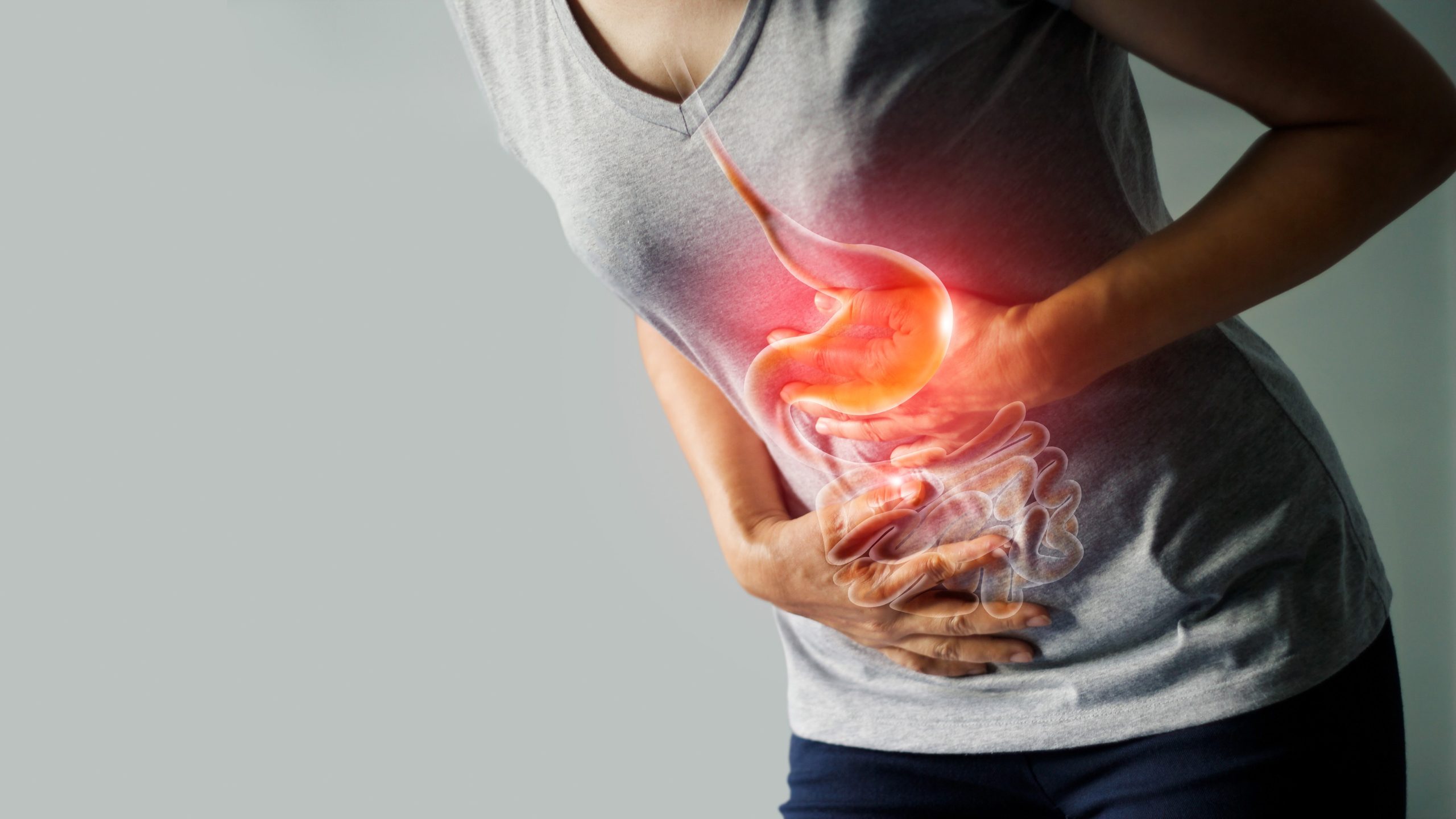
10 Evidence-Backed Home Remedies for Stomach Pain and Loose Motion
ORS is not a home remedy in the traditional sense — it is a medical intervention of such proven efficacy that the Lancet called it “potentially the most important medical advance of the 20th century.” A 2004 Cochrane review confirmed that oral rehydration therapy is as effective as intravenous fluids for all but the most severe dehydration cases. It reduces childhood diarrhea mortality by approximately 93% when correctly implemented.
The formulation is precise for a reason: the 75 mmol/L glucose in ORS is not primarily for calories — it co-transports sodium across intestinal enterocytes via the SGLT1 transporter, which remains functional even during secretory diarrhea when the normal sodium absorption mechanisms are disrupted. This glucose-sodium co-transport is the fundamental mechanism that makes oral rehydration work where plain water or salt water alone cannot — the glucose provides the “carrier” that pulls sodium and water back into the body against the secretory gradient.
Plain homemade curd or store-bought dahi with live Lactobacillus cultures is among the most evidence-backed dietary interventions for acute diarrhea. A landmark 2010 Cochrane systematic review of 63 randomised trials found that probiotics significantly reduced diarrhea duration (by approximately 25 hours) and the risk of diarrhea lasting more than 4 days. Lactobacillus rhamnosus GG and L. acidophilus — both present in traditional Indian dahi — showed the strongest effects.
The mechanisms are multiple: competitive exclusion (Lactobacillus occupies intestinal receptor sites, preventing pathogen adhesion), bacteriocin production (natural antimicrobial compounds targeting gram-negative gut pathogens), mucosal barrier strengthening (increasing tight junction proteins between intestinal cells), and immune modulation (reducing pro-inflammatory secretory IgA that drives intestinal water loss). For antibiotic-associated diarrhea specifically, the Cochrane evidence is among the strongest for any intervention.
Plain homemade curd is superior to commercial flavoured yoghurts for this purpose: flavoured products contain added sugars that can worsen osmotic diarrhea, and many commercial products have been heat-treated post-fermentation (killing the live cultures that provide the benefit). Always choose curd with visible whey separation (indicating active live cultures) — or prepare chaas (buttermilk) by thinning fresh curd with water and adding a pinch of salt and roasted jeera powder.
Jeera (cumin, Cuminum cyminum) is among the most pharmacologically active digestive spices in the Indian kitchen. Its primary active compounds — thymol, cuminaldehyde, and cymene — work through documented mechanisms: stimulating pancreatic digestive enzyme secretion (improving carbohydrate, fat, and protein breakdown), antispasmodic action on intestinal smooth muscle (reducing cramping), carminative effect (expelling trapped gas that causes bloating and pain), and direct antimicrobial activity against common gastrointestinal pathogens including E. coli, Salmonella typhi, and Staphylococcus aureus.
A 2013 double-blind RCT published in Middle East Journal of Digestive Diseases found that cumin essential oil significantly improved IBS symptoms including diarrhea, abdominal pain, and bloating over 4 weeks — confirming the clinical relevance of jeera’s traditional digestive applications. Jeera water provides additional benefit as warm fluid intake (warm beverages are better tolerated than cold during acute gastrointestinal distress and support mucous membrane recovery).
Banana is the single most appropriate fruit during loose motion — and the one food universally recommended across cultures from Indian Ayurveda to Western gastroenterology for acute diarrhea. Ripe bananas contain two distinct beneficial components: pectin — a soluble fibre that absorbs excess water in the intestinal lumen and forms a gel that firms stool consistency — and potassium, the electrolyte most critically depleted by diarrheal fluid loss.
The pectin mechanism is clinically validated: a 2001 study found that cooked banana (green banana flour) was as effective as rice in reducing stool frequency in children with persistent diarrhea — with additional benefit from the resistant starch content that provides prebiotic substrate for beneficial gut bacteria. Ripe banana provides the same pectin benefit in an easily palatable form. The potassium content (422mg per medium banana) directly replaces the potassium lost in diarrheal stool — potassium depletion causes muscle weakness, leg cramps, and cardiac irregularities in severe diarrhea.
Rice kanji — water from boiling rice, or a soft, thin rice porridge — is the quintessential Indian remedy for stomach upset and loose motion, and one of the most ancient gastrointestinal supportive foods across Asian cultures. Its effectiveness is not purely cultural: rice is low-fibre, low-fat, easy to digest, and provides rapidly absorbed glucose for energy at a time when intestinal absorptive capacity is compromised. The starch in rice water forms a soothing coating on irritated intestinal mucosa.
A 1995 study in Tropical Gastroenterology found that rice-based ORS produced superior stool output reduction and faster recovery compared to standard glucose-based ORS in children with cholera diarrhea — the rice-based starch providing multiple glucose molecules per polymer (higher molar glucose delivery without increasing osmolarity). Rice water (maad) also provides small amounts of sodium from the grain, contributing to electrolyte replacement. The traditionally Indian addition of a pinch of salt to rice kanji improves its oral rehydration properties by approaching the sodium concentration of ORS.
Ginger (Zingiber officinale) is the most extensively studied herbal remedy for gastrointestinal distress — with evidence across nausea, vomiting, intestinal inflammation, and motility disorders. For stomach pain and loose motion specifically, ginger’s multiple active mechanisms are directly relevant: gingerols and shogaols inhibit 5-HT3 receptors in the gut (the same receptors targeted by pharmaceutical anti-nausea drugs), reduce prostaglandin-driven intestinal inflammation, inhibit acetylcholine-mediated intestinal smooth muscle contraction (reducing cramping), and have direct antimicrobial activity against H. pylori and other gastrointestinal pathogens.
A 2015 systematic review confirmed that ginger significantly reduces nausea and vomiting — the frequent companions of gastroenteritis. For the cramping component of stomach pain, ginger’s antispasmodic properties provide reliable relief within 30–60 minutes of consumption. The anti-inflammatory gingerols address the mucosal inflammation driving intestinal secretion in viral gastroenteritis — targeting a mechanism similar to NSAIDs but without their gastrointestinal side effects.
Hing (asafoetida, Ferula asafoetida) is among the most pharmacologically potent digestive spices in the Indian kitchen — and among the least-discussed in mainstream health content. Its primary active compounds, ferulic acid and umbelliferone, produce a comprehensive digestive effect: direct relaxation of intestinal smooth muscle (reducing painful cramping), powerful carminative action (dissolving and expelling intestinal gas bubbles), inhibition of gut fermentation bacteria that produce excess gas and bloating, and anti-inflammatory effects on intestinal mucosa via COX-1 inhibition.
A 2012 study in Journal of Food Science confirmed that asafoetida significantly reduced intestinal spasm and gas production in animal models — with human traditional use data spanning over 2,000 years across Indian Ayurveda. Hing is particularly effective for the gas and bloating component of stomach pain — the trapped intestinal gas that produces stabbing abdominal cramping distinct from the cramping of diarrhea itself. For wind-related stomach pain (vayu — the classic Indian diagnosis for this presentation), hing is the most targeted single ingredient available.
Isabgol (psyllium husk, Plantago ovata) is one of the few natural remedies that genuinely works for both diarrhea and constipation — through the same mechanism. As a soluble fibre, isabgol absorbs water in the intestinal lumen and forms a viscous gel. In diarrhea, this gel absorbs excess intestinal water, bulks and firms the stool, and slows intestinal transit time — reducing stool frequency and urgency. In constipation, the same gel adds bulk and draws water into dry stool, facilitating passage.
A 2018 review in American Journal of Clinical Nutrition confirmed that psyllium husk significantly reduces diarrhea frequency and stool water content in IBS-diarrhea and functional diarrhea. It also acts as a prebiotic — the fermentable portion feeds beneficial gut bacteria (Lactobacillus and Bifidobacterium), supporting microbiome recovery after the dysbiosis of gastroenteritis. Isabgol is available in India as a standalone product (Isabgol husk, Sat Isabgol) and as the primary ingredient in Psyllium-containing products like Isabgol Sat.
Ajwain (carom seeds, Trachyspermum ammi) is the go-to Indian spice for immediate digestive distress — and its primary active compound, thymol (comprising 35–60% of ajwain essential oil), explains why it works so rapidly. Thymol is a potent inhibitor of calcium ion channels in intestinal smooth muscle — producing immediate relaxation of the intestinal wall, reducing spasm, and expelling trapped gas. Its antimicrobial activity (documented against E. coli, Salmonella, and fungi) makes it relevant for both infectious and functional causes of stomach pain.
The traditional Indian home remedy of mixing ajwain with black salt and warm water for immediate stomach pain relief is one of the most pharmacologically well-justified traditional practices — thymol reaches the intestinal mucosa rapidly, produces smooth muscle relaxation within 15–30 minutes, and has no significant adverse effects at culinary doses. Ajwain water is also a classic Indian remedy for infant colic — diluted ajwain water (very small amounts) has been used for generations to relieve the intestinal gas cramping of newborns, and the mechanism (calcium channel blocking smooth muscle relaxation) applies equally to infant intestinal smooth muscle.
Moong dal khichdi — rice and split moong lentils cooked together to a soft porridge consistency — is arguably the most perfect recovery food for gastroenteritis, and its widespread use across Indian households reflects an intuitive nutritional understanding that modern dietary science validates completely. It combines all the required elements for recovery nutrition: easily digestible carbohydrate from rice (partially hydrolysed starch at soft-cooked porridge consistency), complete digestible protein from moong dal (the easiest-to-digest lentil — lowest in lectins and oligosaccharides that cause gas), mild electrolytes from the cooking water, and warm fluid for hydration.
Moong dal specifically is recommended over other dals during gastroenteritis because its galactooligosaccharide content is lowest among the lentil family — meaning the least fermentation-produced gas. The high water content of khichdi when cooked to porridge consistency provides simultaneous nutrition and hydration. The traditional Indian Ayurvedic prescription of moong dal khichdi as the first food after any digestive illness — from a simple stomach upset to post-surgery recovery — reflects an evidence-based nutritional intuition: it is the only commonly prepared Indian dish that simultaneously achieves easy digestibility, adequate protein, adequate carbohydrate, hydration, and minimal gas production.
What to Eat and Avoid During Stomach Pain and Loose Motion — Quick Reference
| ✅ Eat / Drink | Why It Helps | ❌ Avoid | Why It Harms |
|---|---|---|---|
| ORS / coconut water | Electrolyte replacement for dehydration | Sugary soft drinks (Pepsi, Maaza, Frooti) | High osmolarity draws MORE water into intestine — worsens diarrhea |
| Plain curd / chaas | Probiotic Lactobacillus restores gut microbiome | Milk and dairy (except curd) | Lactase enzyme activity reduced during gastroenteritis — lactose malabsorption worsens diarrhea |
| Banana | Pectin stool-firming + potassium electrolyte | Raw vegetables and salad | High insoluble fibre accelerates transit — worsens loose motion acutely |
| Rice kanji / plain boiled rice | Low-fibre easy digestion + starch mucosal coating | Spicy food (mirchi, masaledaar curry) | Capsaicin stimulates intestinal motility and increases secretion |
| Moong dal khichdi (plain) | Easiest-to-digest protein + carbohydrate combination | Fried foods (pakoda, puri, samosa) | Fat slows gastric emptying + worsens nausea; bile secretion stimulated |
| Warm ginger or jeera tea | Antispasmodic + anti-nausea + digestive enzyme | Caffeinated beverages (chai, coffee) | Stimulates intestinal motility + mild diuretic = worsens dehydration |
| Banana with plain curd | Pectin + probiotic dual action | Alcohol | Direct intestinal mucosal irritant + diuretic = severe dehydration risk |
| Plain idli or dosa (no spicy chutney) | Fermented food — probiotic benefit + easy digest | High-fibre foods (whole grain, dal with husk) | Insoluble fibre increases transit speed and gas production acutely |
| Coconut water | Natural electrolytes + easily absorbed glucose | Cold beverages and ice cream | Cold temperature can trigger intestinal spasm and worsen cramping |
| Isabgol in curd | Soluble fibre gel firms stool + probiotic combination | Ice cold water | Cold water constricts blood vessels of intestinal mucosa — impairs recovery |
Loose Motion Myths vs. Facts — Common Indian Misconceptions
“Stop eating completely during loose motion — food makes it worse.”
Food starvation during diarrhea is counterproductive. The intestinal cells responsible for absorption (enterocytes) require nutrition to repair themselves after viral damage. Early refeeding with soft, easily digestible food (rice kanji, moong dal khichdi, banana, curd) actually accelerates recovery compared to starvation — which has been confirmed by WHO guidelines. Continue eating small, frequent amounts of soft food from the onset of illness.
“Antibiotics should be taken for any loose motion or stomach infection.”
The majority of acute gastroenteritis is viral — antibiotics are completely ineffective against viruses and disrupt the gut microbiome, potentially prolonging illness and causing antibiotic-associated diarrhea as a side effect. Even bacterial gastroenteritis often resolves without antibiotics. Antibiotic use for diarrhea should be specifically indicated by a physician based on clinical assessment. India’s antibiotic overuse in diarrheal illness is a significant driver of antimicrobial resistance.
“Drink as much plain water as possible to flush out the infection.”
While hydration is essential, plain water alone does not replace the electrolytes (sodium, potassium, chloride) lost through diarrheal stool. Drinking excessive plain water without electrolyte replacement can cause hyponatraemia (dangerously low blood sodium) — particularly in children. Always use ORS, coconut water, or salted rice water for rehydration — not plain water alone, especially in children and infants.
“Curd should be avoided during loose motion — it’s too cold and dairy-based.”
This is among the most counterproductive common Indian beliefs about loose motion. Plain room-temperature or mildly warm curd with live cultures is one of the best-evidence interventions for acute diarrhea — confirmed by a Cochrane meta-analysis of 63 trials. The Lactobacillus in curd competes with pathogens, strengthens the gut barrier, and reduces diarrhea duration. The “cold” concern is addressed by serving curd at room temperature rather than refrigerator-cold. Avoid cold curd; room-temperature curd is strongly beneficial.
When to See a Doctor — The Warning Signs That Require Medical Attention
Signs of dehydration: Dry mouth and extreme thirst, no urination for 8+ hours (adults) or 6+ hours (children), sunken eyes, no tears when crying in infants, extreme weakness, dizziness or light-headedness on standing. In infants — sunken fontanelle (soft spot). Severe dehydration requires IV fluid administration at a hospital.
Blood or mucus in stool: Bloody diarrhea (dysentery) indicates bacterial infection (Shigella, Campylobacter, amoebic dysentery) that requires specific antibiotic treatment — different from standard antibiotics, and not manageable with home remedies alone.
High fever above 38.5°C with diarrhea: Suggests bacterial gastroenteritis or systemic illness (typhoid, malaria, dengue) — requires investigation and physician assessment.
Severe or worsening abdominal pain: Pain that is severe, localised (right lower abdomen — possible appendicitis), or progressively worsening despite rest and home management requires emergency assessment.
Persistent vomiting — cannot keep fluids down: If unable to keep ORS or any fluid in the stomach for more than 4–6 hours, IV rehydration is needed — oral rehydration is no longer possible.
Diarrhea duration: More than 2 days in healthy adults. More than 24 hours in children under 5. Any diarrhea in infants under 6 months — seek medical attention promptly without waiting for warning signs.
Vulnerable groups: Lower threshold for medical assessment in: infants, children under 5, elderly over 65, pregnant women, diabetics, and immunocompromised individuals — all of whom dehydrate more rapidly and have less physiological reserve.
Frequently Asked Questions About Stomach Pain and Loose Motion Home Remedies
The fastest and most important step is oral rehydration — ORS solution or coconut water immediately to prevent dehydration. For fastest stool-firming: banana (pectin absorbs intestinal water), plain curd (Lactobacillus starts working within hours), and isabgol in curd (soluble fibre gel immediate action). For fastest cramp relief: jeera or ajwain with black salt in warm water — produces antispasmodic relief within 20–30 minutes. No remedy works in “1 minute” — any such claim is not clinically realistic.
Best foods during loose motion: rice kanji (warm, soft, easily digestible), plain moong dal khichdi (simplest preparation), banana (pectin + potassium), plain room-temperature curd (probiotic benefit), and plain idli or dosa without spicy chutney. Best drinks: ORS, coconut water, warm jeera water, warm ginger tea, rice water. Strictly avoid: spicy food, fried food, raw vegetables, milk, caffeinated beverages, cold beverages, alcohol, and sugary soft drinks.
Home ORS: dissolve ¾ teaspoon table salt + 6 teaspoons sugar in 1 litre of previously boiled and cooled clean water. Commercial ORS packets (Electral, WHO-ORS) are strongly preferred — they contain precisely calibrated sodium, potassium, chloride, and glucose. For infants — always use commercial ORS, not home preparation. Coconut water is a natural alternative for mild dehydration. Never give plain water alone for rehydration — electrolytes are as important as fluid.
Yes — plain room-temperature curd with live cultures is one of the best-evidenced interventions for loose motion. A 2010 Cochrane meta-analysis of 63 RCTs found probiotics reduce diarrhea duration by ~25 hours and frequency significantly. Serve at room temperature (not cold from the fridge). Plain — not flavoured with sugar. Mixing curd with banana or isabgol combines mechanisms for faster stool-firming. Continue for 7–10 days after recovery to restore microbiome balance.
See a doctor for: dehydration signs (dry mouth, no urination 8+ hours, sunken eyes in children, extreme weakness), blood or mucus in stool, high fever above 38.5°C, severe or worsening abdominal pain, inability to keep any fluids down for 4–6 hours, diarrhea lasting more than 2 days in adults or 24 hours in children under 5, and any diarrhea in infants under 6 months. In vulnerable groups (infants, elderly, pregnant, diabetic) — lower threshold for seeking medical care.
Jeera’s active compounds — thymol, cuminaldehyde, cymene — work through multiple mechanisms: stimulate digestive enzyme production (improving food breakdown), antispasmodic action on intestinal smooth muscle (reducing cramping), carminative effect (expelling trapped gas), and direct antimicrobial activity against E. coli, Salmonella, and Staphylococcus. A 2013 RCT confirmed cumin oil significantly reduced IBS diarrhea, pain, and bloating. Warm jeera water provides these benefits alongside the hydration benefit of warm fluid.
Related Articles You’ll Love
The Indian kitchen has always known how to manage stomach upset — ORS-like rice kanji with salt, probiotic curd, banana for stool-firming, jeera and ajwain for cramp relief, and moong dal khichdi as the perfect recovery food. These are not folk remedies that survived by tradition alone. They survived because they work — and now clinical trials have explained exactly why. The science caught up with the kitchen wisdom.
Start with ORS. Add curd, banana, and warm jeera water. Rest. Eat simple khichdi. And know the warning signs that tell you when home management is no longer enough.
Your kitchen has most of what you need. Now you know why. 🌿Which remedy worked fastest for you — the ajwain-black salt water for cramps, or the curd-banana combination for loose motion? Share this guide with every parent who needs to know the difference between managing at home and when to call the doctor. 👇
Sources & Further Reading
- Cochrane Review (2010) — Probiotics for Treating Acute Diarrhea: 63 RCTs, ~25 hour duration reduction
- Cochrane Review (2004) — Oral Rehydration Solutions for Treating Cholera and Acute Diarrhoea
- Middle East Journal of Digestive Diseases (2013) — Cumin Oil for IBS: RCT showing significant diarrhea and pain reduction
- Journal of Pediatric Gastroenterology and Nutrition (2001) — Cooked Banana vs Rice for Persistent Diarrhoea in Children
- Tropical Gastroenterology (1995) — Rice-Based ORS vs Glucose ORS: Superior Stool Reduction in Cholera
- Journal of Food Science (2012) — Asafoetida Antispasmodic and Carminative Properties
- British Journal of Anaesthesia (2015) — Systematic Review: Ginger for Nausea and Vomiting
- American Journal of Clinical Nutrition (2017) — Psyllium Husk for IBS-Diarrhea: Systematic Review
- HerbeeLife — Boost Digestion Naturally: 10 Science-Backed Home Remedies
- HerbeeLife — Natural Health & Ayurvedic Wellness
Disclaimer: This content is for informational purposes only and does not constitute medical advice. If you or a family member — especially infants and young children — show signs of severe dehydration, blood in stool, high fever, or persistent symptoms, seek medical attention immediately. Read full disclaimer →