



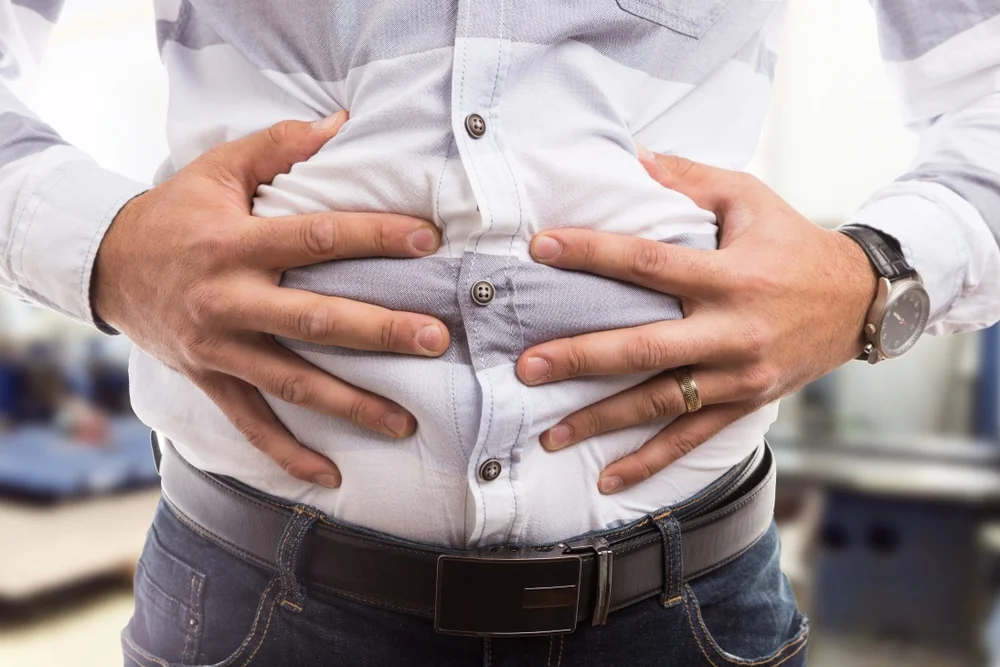
You switched from biscuits to salad. From maida rotis to ragi. From packaged snacks to fruits and nuts. You are eating what every nutritionist, wellness article, and health-conscious friend told you to eat — and yet, paradoxically, you are more bloated than before. The stomach distension, the uncomfortable tightness, the gas that builds through the day — it was supposed to improve with healthy eating, not worsen.
This is one of the most common and most demoralising experiences in health-conscious eating — and it happens because “healthy food” and “food that is right for your gut right now” are not always the same thing. The foods that are objectively nutritionally superior are, in many cases, also higher in the fermentable fibres, sulphur compounds, and resistant starches that produce gas. The digestion of those foods depends on a microbiome, digestive enzyme profile, and gut motility pattern that may not yet be equipped to handle the sudden fibre and prebiotic load that clean eating introduces.
This guide covers 12 specific reasons why healthy eating can cause or worsen bloating — with the specific biological mechanism behind each, how to identify which one applies to your particular pattern, and the targeted fix that addresses the mechanism rather than simply managing the symptom.
Important context: Bloating that is severe, persistent despite all dietary changes, accompanied by significant weight loss, rectal bleeding, or unexplained changes in bowel habit requires professional medical evaluation to exclude structural or serious pathological causes. This guide addresses functional bloating from dietary and gut health factors.
First: What Healthy Eating Actually Does to Your Gut
Understanding why healthy food can cause bloating requires understanding what happens in the colon when fermentable substrate suddenly increases.
Your gut microbiome — the 100 trillion bacteria, fungi, and archaea living primarily in the large intestine — ferments the undigested carbohydrates (fibre, resistant starch, and oligosaccharides) that reach the colon from the small intestine. This fermentation produces the gases hydrogen (H₂), methane (CH₄), and carbon dioxide (CO₂) alongside the short-chain fatty acids (butyrate, propionate, acetate) that are enormously beneficial for health.
Here is the paradox: a microbiome that has been accustomed to a low-fibre, low-prebiotic diet of refined foods has low populations of the fibre-fermenting bacterial species that process plant foods efficiently. When dietary fibre suddenly increases through healthy eating, the available microbial population is overwhelmed — producing disproportionate amounts of gas from the fermentable substrate it has not previously encountered in these quantities, before the microbiome has had time to adapt by growing larger populations of the efficient-fermenting species that handle plant food more cleanly.

This microbiome adaptation takes 4–8 weeks of consistent high-fibre eating — meaning that the bloating from healthy eating is often a temporary transition phase rather than a permanent consequence of healthy food. The key is knowing which temporary transitions are normal, which require modification of how (not what) you eat, and which indicate a genuine gut dysfunction that is not about the food at all.
12 Reasons You Are Bloated Despite Eating Healthy
Reason 1: Too Much Fibre Too Fast
🌾 The Mechanism: Microbiome overwhelm before adaptation
This is the most common cause of clean-eating bloating — and the one most directly explained by the microbiome transition described above. When someone moves from a low-fibre refined diet (10–15g daily) to a high-fibre whole-food diet (30–40g daily) in a matter of days, the colonic bacterial community that was calibrated for the previous substrate suddenly receives 2–3 times more fermentable material than it was producing enzymes to handle. The excess substrate is fermented inefficiently by whatever species are present, producing higher gas yields per gram of fibre than a fully adapted, diverse microbiome would produce from the same food.
The specific foods most commonly responsible: suddenly adding large quantities of dal and legumes (rajma, chana, chole — each 6–8g fibre per serving and high in the raffinose and stachyose oligosaccharides that are the highest-gas fermentable fibres in the Indian diet); starting daily raw salads (raw cruciferous vegetables — gobhi, broccoli, raw palak — provide insoluble fibre and sulphur compounds that can overwhelm an unprepared microbiome); and adding chia seeds, flaxseed, or psyllium without adequate water (soluble fibres that ferment rapidly and produce significant gas when the microbiome is not accustomed to them).
The fix: Increase fibre gradually — add one new high-fibre food per week rather than overhauling the entire diet simultaneously. Allow the microbiome 4–6 weeks to adapt to each new fermentable source before adding the next. The bloating of fibre transition typically peaks at 2–3 weeks and significantly improves by weeks 6–8 of consistent eating if the increase was gradual. If it persists beyond 8 weeks without improvement, the mechanism is something other than simple adaptation lag.
Reason 2: Raw Vegetables Before the Gut Is Ready
🥗 The Mechanism: Cell wall polysaccharides requiring microbiome that does not yet exist
Raw vegetables are nutritionally excellent — and digestively more demanding than their cooked equivalents. The cell walls of raw plant cells contain cellulose, hemicellulose, and pectin that are only partially broken down by the digestive process in the small intestine, reaching the colon in larger quantities than the same vegetables would after adequate cooking. This is not a problem for a diverse, well-adapted microbiome — it is exactly the substrate that beneficial bacteria thrive on. But for a gut that has not been regularly exposed to high quantities of raw plant material, the sudden load produces the excessive fermentation and gas of microbiome overwhelm.
The specific issue with raw cruciferous vegetables (gobhi, broccoli, kale, red cabbage) is compounded by their sulphur-containing glucosinolates and raffinose oligosaccharides — both high-fermentation, high-gas-yield substrates. The same vegetables, lightly steamed or briefly sautéed, partially break down these compounds and significantly reduce the fermentable load reaching the colon, producing far less gas from equivalent quantities. This is the Ayurvedic wisdom behind the principle of avoiding cold, raw, difficult-to-digest foods and instead cooking vegetables with digestive spices — the cooking reduces FODMAP content, and the spices (hing, jeera, ajwain) provide carminative coverage for the residual fermentable substrate.
The fix: Begin with lightly cooked vegetables (steamed, stir-fried, or lightly sautéed) rather than large raw salads during the initial months of transitioning to a plant-forward diet. Add raw salads gradually as the gut microbiome adapts. When eating raw cruciferous vegetables, pair them with a carminative preparation — the saunf, ajwain, and hing spice tools from our gas relief guide.
Reason 3: Eating Too Quickly — Even Healthy Food
🍽️ The Mechanism: Aerophagia and inadequate cephalic phase digestion
No matter how healthy the food, how it enters the digestive system determines whether it is processed efficiently or produces bloating. Two specific eating behaviour factors produce significant bloating independent of the nutritional quality of the food:
Aerophagia (swallowed air): Rapid eating — the rushed meal at the desk, the hurried lunch during the work window, the distracted eating while scrolling — swallows significantly more air per bite than slow, deliberate chewing. Research confirms that eating rate is one of the primary determinants of post-meal gas volume, with rapid eaters swallowing 2–3 times more air per meal than slow eaters. This swallowed air is the primary source of upper abdominal bloating that appears within 15–30 minutes of eating — unrelated to food fermentation and therefore unaffected by how healthy the food is. The complete aerophagia mechanism is covered in our gas relief guide.
Inadequate cephalic phase digestion: The cephalic phase of digestion — triggered by sight, smell, and anticipation of food, producing preparatory secretion of saliva, gastric acid, and digestive enzymes before the first bite — is suppressed when eating is rushed, distracted, or stress-associated. Without adequate cephalic phase enzyme and acid secretion, even easy-to-digest healthy foods are incompletely broken down in the stomach and small intestine, arriving in the colon with more undigested substrate available for gas-producing fermentation.
The fix: The Ayurvedic practice of eating in a calm, dedicated setting without screens — treating the meal as a complete activity rather than a background task — is the specific behavioural intervention that supports the cephalic phase and reduces aerophagia simultaneously. 20–30 deliberate chews per bite (digestion begins with salivary amylase in the mouth — thorough chewing significantly reduces the digestive demand on the stomach and small intestine), eating seated, and a brief pause before the meal to activate the parasympathetic “rest and digest” state (three slow deep breaths before the first bite is a physiologically meaningful pre-meal intervention, not mere mindfulness performance) all reduce eating-behaviour-driven bloating from healthy food.
Reason 4: High-FODMAP “Healthy” Foods
🧅 The Mechanism: Osmotic gas-producing fermentation from specific carbohydrate classes
FODMAP — Fermentable Oligosaccharides, Disaccharides, Monosaccharides, and Polyols — is the clinical classification of the specific carbohydrate types that produce the most gas through colonic fermentation. Many of the most nutritionally respected health foods are among the highest FODMAP foods available:
High-FODMAP foods that are also “healthy”:
- Apples, pears, mangoes, watermelon — high in fructose and polyols (sorbitol, mannitol)
- Garlic and onion — the highest-FODMAP commonly consumed foods; fructooligosaccharide content is very high even in small quantities
- Rajma, chana, chole, lentils — raffinose and stachyose oligosaccharides
- Wheat, rye, and barley products (even whole grain) — fructans in significant quantities
- Cruciferous vegetables (gobhi, broccoli, cabbage) — raffinose oligosaccharides and glucosinolates
- Mushrooms — high polyol (mannitol) content
- Cow’s milk, soft paneer — lactose (disaccharide) in lactose-sensitive individuals
- Cashews, pistachios, almonds — significant fructan and GOS content
This does not mean these foods should be avoided — they are nutritionally important and should form part of a healthy diet. It means that someone who is eating larger quantities of multiple high-FODMAP foods simultaneously (a meal with onion, garlic, wheat roti, rajma, and mango, for example) may be exceeding their individual FODMAP threshold — the level above which the total fermentable carbohydrate load produces clinically significant gas and bloating. The FODMAP threshold is individual and depends on microbiome composition, gut motility, and visceral sensitivity.
The fix: A low-FODMAP diet trial (2–6 weeks of systematically reducing high-FODMAP foods, then reintroducing one category at a time to identify personal triggers) is the gold-standard diagnostic and therapeutic approach for IBS-associated bloating, validated by multiple randomised controlled trials. This is not a permanent elimination diet — it is a diagnostic tool for identifying personal trigger categories. The practical Indian approach: identify which specific high-FODMAP foods cause the most significant bloating for you individually (usually onion and garlic, or legumes specifically) and manage those while maintaining the other healthy foods without restriction.
Reason 5: Fruits Eaten at the Wrong Time
🍎 The Mechanism: Fructose malabsorption and fermentation in delayed gastric context
The traditional Indian nutritional advice (and the broader “food combining” principle) that fruit should be eaten on an empty stomach has some physiological basis — not for the mystical reasons often cited, but for a specific fructose absorption mechanism. Fructose is absorbed in the small intestine through the GLUT5 transporter — a transporter with limited capacity that can be overwhelmed at high fructose doses. When fructose absorption capacity is exceeded, unabsorbed fructose reaches the colon for fermentation, producing the gas, bloating, and sometimes loose stools of functional fructose malabsorption.
The context in which fructose reaches the small intestine affects its absorption rate: fruit consumed alone on an empty stomach passes through the small intestine more rapidly than fruit consumed after a large meal (when gastric emptying is slowed by the presence of fat and protein). More rapid small intestinal transit means more efficient GLUT5-mediated absorption at lower luminal concentrations. Fruit consumed as dessert after a full meal arrives in a slower-moving small intestinal environment, stays at higher concentrations for longer, and is more likely to exceed absorption capacity — producing the “I’m bloated after fruit” experience that many healthy eaters report after eating fruit with or after their main meal.
Additionally, fruit consumed alongside dairy (common in Indian preparations — banana-milk smoothies, fruit lassi, raita with fruit) creates a combination where the fructose of the fruit and the lactose of the dairy together provide a high FODMAP load that either alone might not have exceeded the individual threshold.
The fix: Eat fruit as a standalone snack between meals, rather than as dessert. Allow at least 30 minutes after the main meal before consuming fruit if you find post-meal fruit reliably causes bloating. If specific high-fructose fruits (mangoes, watermelon, apples, pears) are particular triggers, substitute with lower-fructose options (bananas, papaya, berries, guava, citrus) which are less likely to overwhelm absorption capacity.
Reason 6: Suddenly Eating More Legumes Than Your Gut Can Handle
🫘 The Mechanism: Alpha-galactosidase deficiency and oligosaccharide fermentation
Legumes — dal, rajma, chana, chole, lobia — are among the most nutritionally valuable foods in the Indian diet, providing protein, fibre, iron, folate, and a prebiotic profile that feeds beneficial gut bacteria. They are also among the highest-FODMAP, highest-gas-producing foods available. The specific compounds responsible are raffinose and stachyose — complex oligosaccharides that the human small intestine cannot digest at all (we lack the alpha-galactosidase enzyme required to break the alpha-1,6-galactosidic bonds that hold them together). 100% of raffinose and stachyose reaches the colon intact, where it serves as fermentation substrate for whatever bacteria are present — typically producing significant gas.
For someone who has been eating legumes regularly for years, the microbiome typically has well-established populations of Bacteroides and Bifidobacterium species that ferment raffinose and stachyose relatively efficiently — producing butyrate and other short-chain fatty acids with modest gas as a byproduct. For someone who dramatically increases legume intake as part of a new healthy eating programme (suddenly eating dal twice daily when they previously had it twice weekly), the microbiome is not yet populated adequately with the efficient legume-fermenting species — producing disproportionate gas from the same legume quantity.
The fix: Soak legumes for 8–12 hours before cooking, discard soaking water, and cook thoroughly until completely soft (not al dente). Soaking reduces raffinose and stachyose content by 25–40% through leaching into the soaking water. Always add hing (asafoetida) and jeera to legume preparations — these are not merely flavour additions but functional anti-flatulent agents targeting the bacterial fermentation of legume oligosaccharides. Start with moong dal (the lowest-FODMAP legume in Indian cooking) and increase variety gradually. The complete legume preparation science is in our foods that reduce bloating guide.
Reason 7: Probiotic Foods Causing Temporary Transition Bloating
🦠 The Mechanism: Microbiome restructuring and die-off gas during beneficial colonisation
Adding probiotic foods to the diet — homemade dahi, chaas, kefir, kanji, fermented idli batter — is one of the most evidence-backed gut health interventions available. It is also one of the most common causes of temporary increase in bloating during the initial 1–3 weeks of introduction. The mechanism is what clinicians sometimes call a “die-off” or microbiome restructuring response — the introduction of Lactobacillus and Bifidobacterium species competing with existing dysbiotic bacteria produces a temporary period of increased fermentation activity and gas production as the microbial community reorganises.
This is not a sign that probiotics are wrong for you — it is typically a sign that the microbiome restructuring they are initiating is actively occurring. Research has confirmed that probiotic supplementation produces its most significant bloating in individuals with the highest baseline dysbiosis — precisely the people who will benefit most from the eventual microbiome improvement. The bloating typically peaks at 1–2 weeks and reduces significantly by weeks 3–4 as the new microbial equilibrium establishes.
The exception: some people with small intestinal bacterial overgrowth (SIBO) experience sustained rather than temporary worsening from probiotics, because the additional fermentable substrate and bacterial competition activates the SIBO rather than correcting it. If probiotic-associated bloating does not improve by week 4, SIBO investigation may be warranted.
The fix: Begin probiotic foods at small doses (50–100ml of chaas rather than 250ml; 2–3 tablespoons of dahi rather than a full cup) and increase gradually over 2–3 weeks. If bloating is severe, pause for a week and reintroduce at half the previous dose. Pairing probiotic foods with their traditional Indian preparation (spiced chaas with jeera and hing rather than plain yogurt) provides carminative coverage for the transition period.
Reason 8: Eating More Protein Than Your Digestion Can Handle
🥚 The Mechanism: Incomplete protein digestion and putrefactive fermentation
Increasing protein intake as part of a healthy eating programme — through more eggs, more paneer, more dal, more nuts — is nutritionally appropriate. But protein digestion is the most enzymatically demanding macronutrient to process completely, requiring adequate gastric acid (for protein denaturation and pepsin activation), pancreatic proteases (trypsin, chymotrypsin, elastase), and brush border peptidases in the small intestine. When protein intake increases significantly and quickly, the digestive enzyme supply may be temporarily inadequate for complete digestion, allowing protein to reach the colon for putrefactive fermentation — a process that produces hydrogen sulphide, ammonia, and other odorous compounds alongside gas.
This is particularly relevant for people with hypochlorhydria (low stomach acid — more common than generally recognised, particularly in people over 40, those on acid-suppressing medications, or those with chronic high stress which suppresses gastric acid secretion through sympathetic nervous system dominance). Without adequate gastric acid, protein digestion is systematically incomplete — and this incompleteness is compounded by every increase in dietary protein.
Signs that protein maldigestion rather than carbohydrate fermentation is the bloating cause: the gas is particularly foul-smelling (hydrogen sulphide has the “rotten egg” odour distinct from the more neutral smell of carbohydrate fermentation gas); bloating is most severe 4–6 hours after a protein-heavy meal (the timing of colonic arrival from the small intestine); and the pattern is worse with animal protein than plant protein (animal protein provides more sulphur-containing amino acids — methionine, cysteine — that produce H₂S on fermentation).
The fix: Apple cider vinegar (1 tablespoon in water 10–15 minutes before protein-heavy meals) provides mild acidification that partially supplements gastric acid for protein denaturation. Digestive enzyme supplements (protease-containing products) taken with meals directly support the enzymatic gap. Bitter foods before meals (neem, methi, bitter gourd, rocket) stimulate the gastric acid secretion and bile flow that support complete protein digestion. And reducing protein increase pace — adding one new protein-rich food per week rather than overhauling to a high-protein diet simultaneously — allows digestive enzyme upregulation to match the increased substrate.
Reason 9: Stress — The Override System That Defeats Healthy Eating
😰 The Mechanism: Sympathetic nervous system suppression of digestive function
You can eat the most nutritionally optimal meal in the world and still be significantly bloated from it if you eat it while stressed, rushed, anxious, or in the middle of a difficult conversation. The sympathetic nervous system — the “fight-or-flight” state activated by stress — directly suppresses every aspect of digestive function: it reduces salivary secretion (impairing the first stage of carbohydrate digestion), reduces gastric acid production (impairing protein digestion), slows gastric emptying (causing food to sit in the stomach longer, producing the upper abdominal distension of gastric stasis), reduces pancreatic enzyme secretion (impairing fat and carbohydrate digestion in the small intestine), and alters colonic motility patterns — either slowing transit (producing gas accumulation from prolonged fermentation contact time) or accelerating it in unpredictable ways.
This stress-digestion suppression is the physiological reason that the same meal eaten calmly at home on a Sunday produces no bloating while the equivalent meal eaten rapidly at the desk on a Wednesday deadline produces significant distension and discomfort. The food did not change — the digestive environment changed. The healthy food is being incompletely processed in a stress-impaired digestive system, arriving in the colon with more fermentable substrate than a well-functioning digestive system would have left.
The gut-stress-bloating connection is one of the most practically important and most under-addressed aspects of digestive health — and one that no dietary modification can fully compensate for when chronic stress is the underlying cause. The complete stress management and gut-brain axis science is in our anxiety guide and gut health guide.
The fix: Three deep breaths before eating — a 4-second inhale followed by an 8-second exhale — activates the vagus nerve within 30–60 seconds, producing the parasympathetic shift that restores digestive secretion and motility. Eating at a table without screens. Never eating during an argument, an anxious phone call, or a stressful meeting. These are not wellness platitudes — they are physiological prerequisites for adequate digestion of even the healthiest food.
Reason 10: Small Intestinal Bacterial Overgrowth (SIBO)
🦠 The Mechanism: Bacteria fermenting food in the small intestine rather than the colon
Small intestinal bacterial overgrowth — the colonisation of the small intestine by bacteria that normally reside exclusively in the colon — is one of the most underdiagnosed causes of chronic bloating in people who eat healthily and whose symptoms do not respond to standard dietary modifications. In SIBO, fermentation occurs in the small intestine rather than the colon — meaning that food is fermented while it is still being digested, producing gas, abdominal distension, and discomfort within 30–90 minutes of eating rather than the 3–6 hours of colonic fermentation.
The SIBO bloating pattern is characteristically more immediate than colonic gas: bloating appearing rapidly after eating almost anything (not just specific high-FODMAP foods), worst in the mid-abdomen (small intestinal location rather than the lower abdominal predominance of colonic gas), accompanied by visible distension that worsens through the day, and frequently associated with nutritional deficiencies (the bacteria in the small intestine compete with the host for nutrients, particularly B12 and fat-soluble vitamins).
SIBO is diagnosed with a hydrogen-methane breath test — measuring the hydrogen and methane exhaled after consuming a lactulose or glucose substrate that feeds the overgrown bacteria. It is treated with specific antibiotics (rifaximin — a non-absorbable antibiotic that acts locally in the small intestine without systemic effects) or antimicrobial herbal protocols (including berberine, oregano oil, and allicin — with emerging evidence for efficacy comparable to rifaximin). High-fibre healthy eating dramatically worsens SIBO bloating because it provides abundant additional fermentable substrate for the misplaced colonic bacteria — explaining why some health-conscious people become progressively more bloated the more healthily they eat.
The fix: SIBO requires professional diagnosis and targeted treatment. If bloating is early-onset (within 60–90 minutes of eating), affects almost every meal regardless of food choice, and has not responded to 6–8 weeks of careful dietary modification, request a hydrogen-methane breath test from a gastroenterologist. Continuing to adjust diet without addressing the underlying bacterial overgrowth will not resolve SIBO-driven bloating regardless of how healthy the dietary choices.
Reason 11: Hormonal Bloating — Especially in Women
🌸 The Mechanism: Progesterone and prostaglandin effects on gut motility
For women specifically, the pattern of bloating that is reliably worse in the luteal phase (the two weeks before menstruation) is not imaginary and is not caused by dietary choices made in that period — it is hormonally mediated and will worsen any bloating from other causes during this phase. Progesterone — elevated in the luteal phase — directly relaxes smooth muscle throughout the body, including the gut, slowing gastrointestinal transit and increasing the time available for fermentative gas production from any fermentable food. The same healthy meal eaten in the follicular phase (first two weeks of the cycle) may produce minimal bloating while the identical meal in the luteal phase produces significant distension — not because of what was eaten but because of the hormonal environment in which it was digested.
Pre-menstrually, the drop in progesterone and the rise in prostaglandins also directly alter gut motility — producing the loose stools or cramping diarrhoea that many women experience in the first 1–2 days of menstruation, sometimes following the luteal constipation and bloating. Water retention from elevated aldosterone in the luteal phase adds a non-gas component of abdominal puffiness that compounds the fermentation bloating. The full hormonal context is in our hormone health guide.
The fix: During the luteal phase, reduce or temporarily substitute the highest-FODMAP foods in your healthy diet (particularly raw cruciferous vegetables and high-raffinose legumes) with lower-FODMAP alternatives (cooked vegetables, moong dal, easily digestible proteins). Increase warm, cooked foods over raw in this phase — consistent with the Ayurvedic principle of eating warming, Vata-pacifying foods during the Vata-dominant premenstrual phase. The luteal-phase digestive sensitivity is temporary and predictable — management involves working with the hormonal cycle rather than trying to override it with dietary consistency.
Reason 12: Visceral Hypersensitivity — The Gut That Feels More Than It Should
🧠 The Mechanism: Lowered gut pain threshold from gut-brain axis dysregulation
Sometimes the bloating that people experience despite healthy eating is not actually more gas than a non-bloating person would have from the same meal — it is a heightened perception of normal gas quantities. Visceral hypersensitivity — an abnormally low pain threshold for gut distension — is the defining characteristic of irritable bowel syndrome (IBS) and is mediated by central sensitisation of the gut-brain axis: the enteric nervous system’s mechanoreceptors that detect gut distension become sensitised (lower threshold for activation), transmitting pain signals at gas volumes that would be imperceptible to someone without visceral hypersensitivity.
Research has confirmed this with balloon distension studies: IBS patients report significant pain at intestinal balloon volumes that non-IBS controls describe as no more than mild pressure. The same quantity of fermentation gas produces a dramatically different symptom experience depending on the gut-brain axis calibration. Visceral hypersensitivity is worsened by chronic stress (which sensitises enteric nerve pain pathways through cortisol and CRH receptor upregulation), anxiety, poor sleep, and the gut microbiome dysbiosis that produces inflammatory cytokines affecting enteric nerve sensitivity.
The practical implication: if you are eating healthily, have addressed all the dietary and preparation factors above, and are still experiencing disproportionate bloating — particularly if the bloating is accompanied by anxiety, poor sleep, and high stress — the problem may be the sensitivity of your gut’s pain response rather than the quantity of gas being produced. No dietary modification will resolve visceral hypersensitivity — addressing the gut-brain axis through stress management, improved sleep, gut microbiome restoration, and — where appropriate — low-dose tricyclic antidepressants (which reduce enteric nerve sensitivity at sub-antidepressant doses) or gut-directed hypnotherapy (with the strongest evidence base in IBS research) are the appropriate interventions.
The Ayurvedic Perspective — Mandagni and the Digestion-First Principle
Ayurveda’s approach to the paradox of healthy food causing digestive distress is resolved through the Agni framework: the quality of the digestive fire, not the quality of the food alone, determines digestive outcome. Mandagni — impaired, slow, or weak digestive fire — produces the incomplete digestion of even easily digestible foods. When Mandagni is combined with food that is heavy, cold, raw, or high in FODMAP content, the result is what Ayurveda calls Ama formation — the accumulation of incompletely metabolised food residue that becomes the substrate for pathological fermentation, inflammation, and the digestive distress that modern medicine diagnoses as IBS, SIBO, or functional bloating.
The Ayurvedic principle that “the right food for a person with weak Agni is different from the right food for a person with strong Agni” is the precise clinical wisdom that the SIBO and visceral hypersensitivity sections above reflect: foods that are excellent for a healthy, diverse microbiome and robust digestive capacity may be overwhelming for someone whose Agni is impaired by stress, dysbiosis, or constitutional weakness. The Ayurvedic protocol for restoring Agni before increasing dietary complexity is therefore the appropriate sequencing — rather than immediately introducing the highest-fibre, most fermentable version of healthy eating to a gut that needs Deepana (Agni-kindling) and Ama-clearing before it can handle that substrate.
The Deepana herbs — ginger, black pepper, ajwain, hing, jeera, coriander — are not mere flavour additions to healthy Indian food. They are functional Agni-stimulating, enzyme-activating, carminative agents that allow the healthy food to be processed without excessive fermentation. Using them consistently with every healthy meal is the Ayurvedic prescription for eating nutritionally superior food without the bloating that the same food produces without appropriate culinary medicine support.
Your Bloating Investigation — Identifying Your Pattern
Use this framework to narrow down which of the 12 causes most likely applies to your specific bloating pattern:
| Bloating Pattern | Most Likely Cause(s) | First Fix to Try |
|---|---|---|
| Bloating within 30 min of eating almost anything | SIBO, aerophagia, stress | Hydrogen breath test; slow eating; pre-meal breathing |
| Bloating 1–2 hours after a meal, worse with legumes | Legume oligosaccharides, too much fibre too fast | Soak + cook legumes properly; hing + jeera in all dal |
| Bloating that builds through the day, worst by evening | Normal fermentation, microbiome transition, slow transit | Graduated fibre increase; post-meal walk; saunf after meals |
| Bloating worse after fruit or mango | Fructose malabsorption | Eat fruit between meals; switch to lower-fructose fruits |
| Bloating that is reliably worse pre-menstrually | Progesterone gut motility effect | Low-FODMAP substitutions in luteal phase; warm cooked foods |
| Bloating started when adding probiotic foods | Microbiome restructuring transition | Reduce dose and increase gradually; expect improvement by week 4 |
| Foul-smelling gas despite healthy eating | Protein maldigestion / putrefactive fermentation | ACV before protein meals; reduce protein increase pace |
| Bloating identical whether eating “healthy” or not | Stress, visceral hypersensitivity, SIBO | Gut-brain axis management; professional IBS/SIBO evaluation |
| Bloating started specifically when eating more raw food | Raw vegetable cell wall overload | Switch to lightly cooked vegetables; introduce raw gradually |
The Anti-Bloating Healthy Eating Protocol
This is how to eat healthily without the bloating — using preparation, timing, spicing, and sequencing to capture the full nutritional benefit of clean eating without its digestive consequences:
Preparation: Soak all legumes 8–12 hours, discard soaking water. Cook all vegetables until tender (not raw, not al dente) for the first 4–6 weeks of clean eating. Add hing, jeera, ajwain, and ginger to all legume and cruciferous preparations without exception.
Sequencing: Start with legumes and vegetables when transitioning to plant-forward eating — add raw salads, fermented foods, high-fibre seeds (chia, flax), and new fermentable foods one at a time, separated by at least one week to allow microbiome adaptation between introductions.
Eating practice: Sit down, breathe, eat slowly. 20+ chews per bite. No screens, no stress, no rushing. A glass of jeera-water or ginger tea 15–20 minutes before the meal activates cephalic phase digestion. A glass of spiced chaas with or after the main meal provides probiotic + carminative + digestive coverage simultaneously.
Post-meal: Chew a teaspoon of saunf after every meal — the most consistently beneficial single post-meal anti-bloating habit available. A 15-minute walk after the main meal accelerates gastric emptying, stimulates colonic transit, and prevents the gas accumulation of post-meal stasis.
Patience: Acknowledge that 4–8 weeks of adjustment is normal and expected. Bloating that is present in week 2 of clean eating and improving is microbiome adaptation. Bloating that is worse at week 8 than week 2 requires investigation of SIBO, visceral hypersensitivity, or specific FODMAP triggers.
Myth vs. Fact: Healthy Eating and Bloating
| ❌ The Myth | ✅ The Truth |
|---|---|
| If healthy food bloats you, you are intolerant to it and should avoid it permanently | Most bloating from healthy food is a microbiome adaptation response, preparation-related (inadequate soaking, cooking, or spicing), timing-related (too much too fast), or behaviour-related (eating speed, stress). Permanent avoidance of nutritionally important foods like legumes and cruciferous vegetables because of initial bloating eliminates the prebiotic substrate that the microbiome needs to produce the long-term diversity that will eventually allow these foods to be eaten without bloating. |
| All bloating from healthy eating means you have IBS or SIBO | The majority of healthy-eating bloating is simple microbiome transition or preparation-related — not IBS or SIBO. IBS and SIBO are specific clinical diagnoses with specific symptom patterns (early-onset bloating for SIBO; visceral hypersensitivity and altered bowel habits for IBS) that are distinguishable from simple dietary transition bloating. Investigating SIBO or starting an IBS protocol is appropriate when bloating persists beyond 8 weeks of careful dietary management — not from the first week of clean eating. |
| Probiotics immediately improve bloating | Probiotics typically worsen bloating transiently in the first 1–3 weeks of use before improving it — through the microbiome restructuring transition described above. The expectation of immediate improvement leads many people to discontinue probiotics precisely when the transition response is occurring, abandoning the intervention before the benefit is realised. Week 4–8 of consistent probiotic use is when improvement becomes apparent in most people. |
| Eating less will solve bloating from healthy food | Reducing overall food quantity may reduce bloating acutely but does not address the mechanism — and creates the nutritional inadequacy that makes the microbiome worse over time (less prebiotic substrate → lower microbial diversity → less efficient fermentation → more gas from equivalent food long-term). The solution is not less healthy food but better-prepared and better-timed healthy food alongside the gut microbiome development that allows it to be processed efficiently. |
Related Articles From HerbeeLife
📖 20 Foods That Reduce Bloating — With the Science Behind Why They Work
📖 Natural Remedies for Gas Relief: 12 Science-Backed Indian Solutions
📖 Signs Your Gut Is Unhealthy: 12 Warning Signals Your Body Is Sending
📖 How to Improve Digestion Naturally: 12 Powerful Science-Backed Strategies
📖 Natural Remedies for Constipation: 12 Science-Backed Strategies
📖 Natural Remedies for Anxiety and Stress: 12 Science-Backed Strategies
📖 How Hormones Affect Your Health: The Complete Guide Women Must Read
Frequently Asked Questions
How long does bloating from healthy eating last before it improves?
Simple microbiome adaptation bloating from increasing fibre typically peaks at 2–3 weeks and significantly improves by weeks 6–8 of consistent eating, provided the increase was gradual (adding one new high-fibre food at a time) and adequate preparation methods are used (soaking legumes, cooking vegetables, using carminative spices). If bloating is not measurably improving by week 8 despite careful dietary management, investigation of SIBO, FODMAP sensitivity patterns, or visceral hypersensitivity is appropriate. Bloating that worsens with every week of increasing dietary fibre without any period of improvement suggests SIBO rather than simple adaptation.
Can I eat garlic and onion on a healthy diet without bloating?
Garlic and onion are among the highest-FODMAP foods available — their fructooligosaccharide content makes them significant bloating triggers for a substantial proportion of the population, particularly those with IBS, SIBO, or limited microbiome diversity. The key distinction: cooking significantly reduces the fructooligosaccharide content (fructans are heat-unstable and partially break down during cooking), making well-cooked garlic and onion significantly less gas-producing than raw. Garlic oil (oil in which garlic has been infused — the fructans do not transfer to oil, only the flavour compounds) provides garlic flavour without the FODMAP content for people with severe garlic sensitivity. Chives and the green tops of spring onions are low-FODMAP alternatives that provide a similar flavour profile without the fructan content of white onion bulbs and garlic cloves.
Why does my stomach look flat in the morning and bloated by evening?
This classic pattern — flat abdomen in the morning, progressively more distended through the day, worst by evening — is almost universal in people with functional bloating and reflects the accumulation of fermentation gas through the day as successive meals are processed. Several factors compound through the day: fermentation gas from lunch and afternoon snacks accumulates in the colon; cortisol (which supports gut motility during the active day) falls in the evening, reducing the propulsive contractions that would otherwise move gas through; and the upright posture of the waking day allows gas to pool in the transverse and descending colon. Overnight, in the horizontal sleeping position, gas distributes more evenly and is progressively expelled through sleep — resetting the pattern by morning. The evening bloating pattern is almost always functional (not structural) and responds to the post-meal practices above: walking, saunf, chaas, and adequate water.
Is it normal to feel more bloated in the first weeks of clean eating?
Yes — this is one of the most consistent and most predictable features of the transition from a low-fibre refined diet to a high-fibre whole-food diet, and it is a sign that the microbiome is being actively challenged with new substrate rather than a sign that the dietary change is wrong. The mechanism is the microbiome overwhelm described in Reason 1 above. The normalisation: gradual fibre increase, adequate legume preparation, consistent carminative spice use, and patience through the 4–8 week adaptation period. The bloating of clean eating transition is temporary evidence of microbiome change in progress — not a reason to return to the previous dietary pattern.
Sources and References
1. Gibson PR, Shepherd SJ. Evidence-based dietary management of functional gastrointestinal symptoms: The FODMAP approach. Journal of Gastroenterology and Hepatology, 2010.
2. Halmos EP et al. A diet low in FODMAPs reduces symptoms of irritable bowel syndrome. Gastroenterology, 2014.
3. Suárez FL et al. Gas production in humans ingesting a soybean flour derived from beans naturally low in oligosaccharides. American Journal of Clinical Nutrition, 1999.
4. Pimentel M et al. Rifaximin therapy for patients with irritable bowel syndrome without constipation. New England Journal of Medicine, 2011.
5. Bharucha AE et al. American Gastroenterological Association technical review on constipation. Gastroenterology, 2013.
6. Staudacher HM et al. Comparison of symptom response following advice for a diet low in fermentable carbohydrates (FODMAPs) versus standard dietary advice in patients with irritable bowel syndrome. Journal of Human Nutrition and Dietetics, 2011.
7. Cryan JF et al. The microbiota-gut-brain axis. Physiological Reviews, 2019.
Follow HerbeeLife
🌿 Stay connected for more evidence-based gut health, digestive science, and natural wellness content:
📸 Instagram | 📌 Pinterest | 👥 Facebook | 🐦 X (Twitter)
The Bottom Line: Healthy Food Is Not the Problem. The Preparation, Pacing, and Environment Are.
The bloating you experience from healthy eating is not evidence that healthy food is wrong for you. It is evidence that the transition from a low-fibre, low-fermentable diet to a high-fibre, plant-forward diet requires a microbiome that is ready for it — and that building that microbiome is a process, not a weekend decision.
Your gut did not develop its current fermentative capacity overnight. It built it over years of consistent dietary signals. When you change those signals toward more plant diversity, more fibre, more fermentable substrate — the microbiome needs weeks to grow the bacterial populations that will eventually process those foods efficiently, quietly, and without the gas of an overwhelmed community facing a substrate it has not previously encountered in these quantities.
Soak the dal. Use the hing. Add the jeera. Breathe before eating. Walk after the meal. Chew the saunf. Eat at a table, not a screen. Add one new high-fibre food per week, not five.
And then be patient. The gut that bloats from healthy eating in month one is typically the same gut that handles healthy eating comfortably by month three — not because the food changed, but because the community that processes it finally caught up with the diet it deserved all along.
⚠️ Medical Disclaimer: This article is for informational purposes only. Persistent severe bloating, bloating with weight loss or rectal bleeding, or bloating unresponsive to all dietary and lifestyle modifications requires professional gastroenterological evaluation. Read full disclaimer →
💬 Did switching to healthy eating initially make your bloating worse — and which of these 12 causes turned out to be the culprit for you? Share in the comments. The most useful thing someone starting this journey can read is the real experience of someone who has been through the transition.