


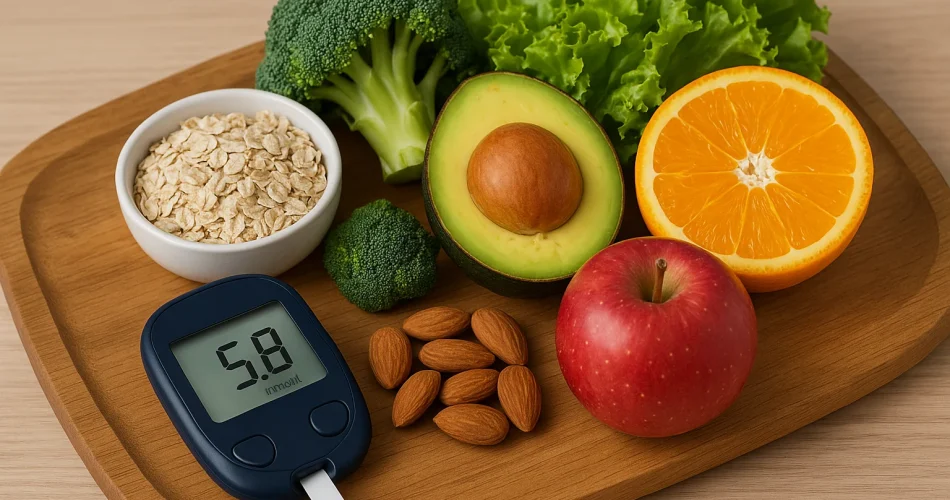
India is facing a diabetes crisis that demands honest, actionable information — not generic health advice rephrased for the thousandth time. With over 101 million people currently living with diabetes and an estimated 136 million more with prediabetes, India now has the highest absolute number of people with diabetes of any country in the world. The International Diabetes Federation calls it a “silent epidemic” — because millions more are undiagnosed, living with chronically elevated blood glucose that is silently damaging kidneys, nerves, blood vessels, and eyes.
The phrase “lower blood sugar naturally” is searched millions of times per month — primarily by people who have just received a concerning blood glucose reading and are desperately looking for anything that can help before the situation becomes irreversible. This guide is for those people. Not with false promises or “miracle” claims, but with the specific, mechanistically understood, clinically validated strategies that genuinely work to improve blood glucose control — and that are directly applicable to the Indian dietary context, lifestyle, and Ayurvedic tradition.
Understanding the biology of blood sugar regulation — not just tips and tricks — is what enables you to make truly informed decisions about your health.
Understanding Blood Sugar — The Biology That Makes These Strategies Work
Blood glucose regulation is one of the most tightly controlled physiological processes in the human body — because the brain, which consumes approximately 20% of the body’s energy despite representing only 2% of its weight, runs almost exclusively on glucose and cannot tolerate significant fluctuation. When blood glucose rises after a meal, the pancreatic beta cells release insulin — the anabolic hormone that signals cells to take up glucose, inhibits hepatic glucose production, and promotes glycogen synthesis and fat storage. When blood glucose falls, glucagon from pancreatic alpha cells signals the liver to release stored glycogen and produce new glucose through gluconeogenesis.
Insulin resistance — the condition in which cells respond inadequately to insulin’s signalling, requiring progressively higher insulin levels to achieve normal glucose clearance — is the central metabolic dysfunction underlying type 2 diabetes and prediabetes. It develops over years to decades, driven by chronic hyperinsulinaemia from refined carbohydrate excess, visceral adipose tissue accumulation (which produces pro-inflammatory adipokines that impair insulin receptor function), chronic stress-driven cortisol elevation, physical inactivity, poor sleep, and gut dysbiosis that reduces the short-chain fatty acid production required for healthy insulin signalling in intestinal L-cells.
India’s specific vulnerability to insulin resistance and type 2 diabetes reflects both genetic and lifestyle factors. Indian populations show measurably higher insulin resistance at lower BMIs than Western populations — the “thin-fat India” phenomenon in which apparently lean individuals carry high proportions of visceral and ectopic (organ-stored) fat. This means blood glucose management strategies developed in Western populations with different metabolic baselines require India-specific calibration.
Every strategy in this guide works through one or more of these mechanisms: improving insulin receptor sensitivity, reducing the rate of glucose delivery to the bloodstream from carbohydrate foods, enhancing glucose uptake by muscle and liver cells, reducing hepatic glucose production, improving the gut microbiome signals that regulate insulin sensitivity, or reducing the cortisol and inflammatory pathways that drive insulin resistance. Understanding which mechanism each strategy targets helps you combine them intelligently rather than randomly.
12 Powerful Ways to Lower Blood Sugar Naturally
1. Post-Meal Walking — The Fastest Natural Blood Sugar Reducer Available
A 10–15 minute walk after eating is one of the most powerful and most underutilised strategies to lower blood sugar naturally — and its mechanism is more specific and impressive than simply “exercise uses glucose.”
The post-meal glucose spike — the rise in blood glucose in the 30–120 minutes following a carbohydrate-containing meal — is one of the most significant metabolic events of the day. Research consistently shows that post-meal glucose excursions (the magnitude and duration of this spike) are more strongly associated with cardiovascular risk, kidney damage, and cognitive decline than fasting glucose levels alone. Managing the post-meal spike is therefore one of the most impactful blood glucose management strategies available.
A clinical trial published in Diabetes Care found that a 15-minute moderate-intensity walk after each main meal reduced post-meal blood glucose by significantly more than a single 45-minute walk at another time of day — with equivalent total exercise duration producing 3-fold greater post-meal glucose reduction when distributed across meal timing. The mechanism: skeletal muscle contractions during walking increase GLUT-4 transporter expression on muscle cell membranes through an insulin-independent pathway — meaning muscle uptakes glucose from the bloodstream during and after exercise regardless of insulin signalling quality. This is particularly significant for people with insulin resistance, where the insulin-dependent GLUT-4 pathway is impaired — exercise provides an alternative glucose clearance route that bypasses the impairment.
A brief post-meal walk after every main meal (particularly after the largest carbohydrate-containing meal of the day) is clinically equivalent in effect to adding a low-dose blood glucose medication — with zero side effects and additional cardiovascular, digestive, and metabolic benefits. This connects to the comprehensive exercise benefits covered in our guide on the benefits of regular exercise for longevity.
Practical action: A 10–15 minute walk immediately after lunch and dinner — the two highest-carbohydrate meals for most Indians. Even walking in place, gentle movement around the house, or light stretching significantly reduces the post-meal spike compared to sitting. Make this the single non-negotiable addition to your daily routine for blood glucose management.
2. Fibre Sequencing — Eating in the Right Order Changes Your Blood Sugar Response
The order in which you eat different components of a meal has a remarkable and clinically significant effect on the post-meal glucose response — a finding from Cornell University research published in Diabetes Care that has profound practical implications for lowering blood sugar naturally without any dietary restriction.
The research protocol was elegant: the same meal (chicken, salad, bread, and orange juice) was fed to participants in two different sequences. Sequence 1: carbohydrates first, then protein and vegetables. Sequence 2: protein and vegetables first, then carbohydrates 15 minutes later. The result: eating protein and vegetables first reduced the post-meal glucose peak by 29% and the insulin response by 25% compared to eating carbohydrates first — from the exact same meal, in the exact same total quantities.
The mechanism involves multiple pathways. Protein consumed before carbohydrates stimulates GLP-1 (glucagon-like peptide-1) — a gut hormone that slows gastric emptying, reducing the rate at which carbohydrates reach the small intestine and enter the bloodstream. Dietary fibre consumed before carbohydrates forms a viscous gel that physically slows glucose absorption. And the insulin response to early protein priming the pancreas results in a more appropriate, less excessive insulin peak when carbohydrates arrive — reducing the reactive hypoglycaemia that follows overcorrected glucose spikes.
Practical action: Begin every meal with dal, curd, raita, or sabzi (the protein and vegetable components) before eating rice or roti (the carbohydrate components). This single sequencing change — requiring no dietary restriction, no calorie counting, and no food elimination — significantly reduces post-meal glucose spikes at every meal it is consistently applied.
3. Resistant Starch Strategy — Cooling Rice and Roti Changes Their Glycaemic Impact
One of the most practically important and most underappreciated strategies to lower blood sugar naturally in the Indian dietary context is the resistant starch transformation of staple foods through cooking and cooling.
Resistant starch — a type of dietary fibre that resists digestion in the small intestine and is fermented in the colon by beneficial bacteria — is created when cooked starch is cooled. When rice, potatoes, dal, or roti are cooked and then allowed to cool (and optionally reheated), a proportion of their digestible starch molecules undergo retrogradation — reorganising into crystalline structures that digestive enzymes cannot efficiently break down.
Research published in the Journal of Nutrition found that consuming cooled, cooked rice produced a 50% lower post-meal glucose spike compared to freshly cooked hot rice — from the same quantity of the same rice. Similar effects have been documented for cooled potatoes, cooled pasta, and day-old roti. Reheating cooled rice actually preserves a significant portion of the resistant starch content — meaning yesterday’s reheated rice is metabolically superior to freshly cooked rice for blood glucose management.
The resistant starch in cooled foods also feeds the gut bacteria that produce butyrate — the short-chain fatty acid that improves insulin sensitivity in intestinal L-cells, directly addressing one of the root causes of insulin resistance. This connects the resistant starch strategy to the gut health principles in our guide to improving digestion naturally.
Practical action: Cook rice and allow it to cool completely before consumption, or eat yesterday’s cooled and reheated rice. Add a teaspoon of coconut oil to the cooking water for rice — the fat-starch interaction during cooling increases resistant starch formation. Use day-old roti rather than freshly made roti where possible. These changes require no extra effort or ingredients — just a shift in preparation timing.
4. Cinnamon, Fenugreek (Methi), and Bitter Gourd — The Ayurvedic Blood Sugar Medicines
Several herbs and spices used in traditional Indian cooking and Ayurvedic medicine have robust clinical evidence for blood glucose reduction through specific, well-characterised mechanisms — making them genuinely therapeutic tools to lower blood sugar naturally rather than merely cultural practices.
Fenugreek (Methi — Trigonella foenum-graecum) has the strongest evidence base of any Indian culinary herb for blood glucose management. Fenugreek seeds contain galactomannan — a viscous soluble fibre that dramatically slows gastric emptying and glucose absorption from the small intestine. A meta-analysis of 10 randomised controlled trials published in the Journal of Evidence-Based Integrative Medicine found fenugreek supplementation significantly reduced fasting blood glucose, post-meal glucose, and HbA1c in people with type 2 diabetes compared to placebo — with effect sizes clinically comparable to some pharmaceutical agents at therapeutic doses. The 4-hydroxyleucine compound in fenugreek also directly stimulates pancreatic insulin secretion through a mechanism distinct from conventional oral hypoglycaemic drugs.
Ceylon cinnamon (Cinnamomum verum) contains cinnamaldehyde and procyanidin compounds that improve insulin receptor sensitivity by increasing the phosphorylation of insulin receptor substrate proteins — essentially making insulin receptors more responsive to insulin signalling. A meta-analysis in the Journal of Medicinal Food found cinnamon supplementation significantly reduced fasting blood glucose and improved insulin sensitivity. Important distinction: Ceylon cinnamon (light-coloured, delicate flavour) is safe for regular daily use; cassia cinnamon (darker, stronger — the most common variety in Indian markets) contains high coumarin that can cause liver stress at supplemental doses. Ceylon cinnamon in cooking amounts is safe and beneficial for blood glucose management.
Bitter gourd (Karela — Momordica charantia) contains at least three active compounds with hypoglycaemic properties: charantin (which has been shown to have blood glucose-lowering effect comparable to the oral hypoglycaemic drug tolbutamide in some studies), vicine and polypeptide-p (which are insulin-like compounds that directly activate insulin receptors). A systematic review of 4 clinical trials found karela significantly reduced fasting blood glucose and HbA1c, with effects particularly pronounced for post-meal glucose. Traditional Ayurveda classified karela as the primary herb for Madhumeha (diabetes) — modern molecular pharmacology has confirmed the mechanisms.
The full evidence base for these and other herbs relevant to blood glucose is covered in our guide on essential herbs for health and our article on amla benefits for metabolic health.
Practical action: Soak 1–2 teaspoons of fenugreek seeds in water overnight, drink the soaking water and eat the seeds first thing in the morning. Add Ceylon cinnamon (half a teaspoon daily) to golden milk, oatmeal, or tea. Include karela in the weekly meal rotation — karela sabzi, karela juice (30ml daily), or karela chips provide therapeutic doses through food rather than supplementation.
5. Reduce Refined Carbohydrates — Not All Carbohydrates
The most important dietary change to lower blood sugar naturally in the Indian context is the specific reduction of refined carbohydrates — not the elimination of all carbohydrates from a diet that is culturally and nutritionally centred on complex carbohydrate sources.
Refined carbohydrates — white bread, maida-based foods (biscuits, puri made from plain flour, white bread, naan, paratha from plain flour), white rice consumed without adequate dal or vegetables, packaged snacks, and sweetened beverages — produce rapid glucose spikes because their fibre and micronutrient content has been stripped away, leaving only rapidly digestible starch and sugar molecules that enter the bloodstream within 15–30 minutes of consumption. These glucose spikes produce correspondingly large insulin responses that, when chronically repeated, contribute to progressive insulin resistance.
The Indian solution is not Keto — it is substitution quality: whole wheat atta over maida, millets (bajra, jowar, ragi) which have significantly lower glycaemic indices than white rice, brown rice or parboiled rice over polished white rice, and — most importantly — ensuring every carbohydrate-containing meal includes adequate protein and fibre (dal, curd, vegetables) that slow glucose absorption and moderate the insulin response. Millets deserve particular emphasis: ragi (finger millet) has a glycaemic index of approximately 54 compared to 73 for white rice, provides 3.6g of fibre per 100g compared to 0.4g for white rice, and contains significant calcium and iron alongside meaningful protein.
The dietary quality framework connects to the comprehensive comparison of dietary approaches in our weight loss diets guide — where the evidence for carbohydrate quality versus carbohydrate quantity in metabolic health is thoroughly explored.
6. Vinegar and Acidic Foods — The Pre-Meal Blood Sugar Flattener
The blood sugar-lowering effect of vinegar and other acidic foods consumed before or with carbohydrate-containing meals is one of the most consistently replicated and mechanistically specific findings in blood glucose management research — and one of the simplest and cheapest strategies to implement.
A meta-analysis of 11 randomised controlled trials published in the Journal of Evidence-Based Integrative Medicine found that vinegar consumption before or with high-carbohydrate meals significantly reduced post-meal glucose by 20–31% compared to control conditions. The mechanism involves multiple pathways: acetic acid (the active compound in vinegar) inhibits alpha-amylase and sucrase — the digestive enzymes that break down complex carbohydrates and table sugar — reducing the rate of glucose release in the small intestine. It also improves insulin sensitivity in skeletal muscle through AMPK activation (the same energy-sensing kinase activated by exercise and metformin). And it reduces the rate of gastric emptying (the movement of food from stomach to small intestine), physically slowing glucose delivery to the bloodstream.
Traditional Indian food culture incorporates acidic foods naturally — nimbu (lemon) squeezed over dal and vegetables, tamarind in chutneys and sambhar, kokum in coastal Indian cooking, raw mango (kachcha aam) preparations — that provide the acetic and citric acid content that produces these glucose-moderating effects. The traditional Indian practice of starting meals with a small amount of pickle (achaar) has a blood glucose benefit beyond its digestive function — the vinegar in fermented pickles provides the pre-meal acidic priming effect documented in research. A glass of warm water with a teaspoon of apple cider vinegar 15–20 minutes before meals is the most concentrated way to access this benefit.
7. Resistance Training — Building the Glucose Storage Capacity That Reverses Insulin Resistance
While walking is the most immediately accessible exercise strategy to lower blood sugar naturally, resistance training addresses insulin resistance at a deeper, more structurally significant level — by increasing the mass and metabolic activity of skeletal muscle, which is the body’s primary site of insulin-stimulated glucose uptake and the largest glucose storage organ.
Skeletal muscle contains the majority of the body’s GLUT-4 glucose transporters and glycogen storage capacity. Resistance training produces multiple complementary effects on muscle-mediated glucose metabolism: it increases GLUT-4 expression and translocation in muscle cell membranes (increasing the muscle cell’s capacity to absorb glucose from the bloodstream), it increases glycogen synthase activity (improving the muscle’s ability to convert blood glucose into stored glycogen), it produces structural muscle hypertrophy that increases the total glucose storage capacity of the body, and it elevates non-exercise glucose uptake for 24–48 hours after each resistance training session through post-exercise insulin sensitisation.
A systematic review published in Diabetes Care found that resistance training reduced HbA1c by an average of 0.57% in people with type 2 diabetes — an effect size equivalent to adding a second oral hypoglycaemic medication — with effects that combined with aerobic exercise to produce HbA1c reductions of 0.67% in combined training programmes. For people with prediabetes, regular resistance training has been shown to significantly delay or prevent progression to type 2 diabetes. The comprehensive exercise and insulin sensitivity research is covered in our weight loss diet vs exercise guide.
Practical action: 3 resistance training sessions per week covering major muscle groups (legs, back, chest, shoulders) significantly improves insulin sensitivity over 8–12 weeks. Bodyweight exercises — squats, push-ups, lunges, step-ups — are sufficient to produce meaningful effects without equipment. Larger muscle groups (quadriceps, hamstrings, glutes, back muscles) contribute most to glucose disposal capacity and should be prioritised.
8. Optimise Sleep — The Overlooked Blood Sugar Regulator
Sleep deprivation is one of the most potent acute insulinogenic stressors available — and the sleep-blood glucose relationship is bidirectional, complex, and profoundly clinically relevant. Understanding it is essential for anyone trying to lower blood sugar naturally.
A single night of partial sleep deprivation (4 hours vs 8 hours) reduces insulin sensitivity by approximately 25% the following day — a magnitude comparable to gaining 10–20 pounds of body weight in terms of metabolic impact. The mechanisms are multiple: sleep deprivation elevates evening cortisol (which promotes hepatic glucose production and reduces peripheral insulin sensitivity), reduces growth hormone secretion (which is required for tissue insulin sensitivity restoration overnight), increases sympathetic nervous system activity (which suppresses insulin secretion and promotes glucagon-driven glucose release), and disrupts the circadian regulation of glucose metabolism (which is governed by the molecular clock in pancreatic beta cells and peripheral tissues).
The circadian dimension of blood glucose regulation is particularly important: insulin sensitivity follows a diurnal rhythm, peaking in the morning (when blood glucose clearance after an identical glucose load is most efficient) and declining through the afternoon and evening. Eating large carbohydrate-containing meals late at night — when insulin sensitivity is at its circadian nadir — produces significantly higher glucose spikes than the same meal consumed at midday. This provides a biological basis for the traditional Indian practice (and Ayurvedic recommendation) of making lunch the largest meal of the day rather than dinner. Our guide on building a healthy morning routine covers the circadian anchoring practices — consistent sleep timing, morning light exposure — that are the most effective interventions for maintaining insulin sensitivity-supporting circadian rhythms.
9. Manage Stress — Cortisol Is a Blood Sugar Elevator
The stress-blood sugar connection is not psychological — it is biochemistry. Cortisol, the primary glucocorticoid produced by the adrenal cortex in response to physical or psychological stress, directly raises blood glucose through three simultaneous mechanisms: stimulating hepatic gluconeogenesis (production of new glucose from amino acids and glycerol in the liver), inhibiting peripheral glucose uptake in muscle and fat cells (reducing insulin-stimulated GLUT-4 expression), and stimulating glycogen breakdown (releasing stored glucose from the liver).
These cortisol effects on glucose are evolutionary adaptations for acute physical threats — elevating blood glucose provides rapid energy for fight-or-flight muscle activity. But in the context of modern psychological stress — work pressure, financial anxiety, relationship conflicts — the blood glucose elevation from cortisol occurs without the physical activity that would consume it, resulting in chronically elevated post-stress glucose and insulin that, repeated daily, contributes substantially to insulin resistance over time.
Research consistently shows that psychological stress management interventions produce measurable improvements in blood glucose control — a clinical trial published in the Archives of Internal Medicine found that 8 weeks of mindfulness-based stress reduction (MBSR) in people with type 2 diabetes significantly reduced HbA1c and fasting glucose compared to a diabetes education control group, through the cortisol-reduction mechanism. Yoga — covered in our yoga for stress relief guide — has similarly documented blood glucose effects: a meta-analysis found yoga significantly reduced fasting blood glucose, post-meal glucose, and HbA1c in people with type 2 diabetes through the combined effects of cortisol reduction, improved insulin sensitivity, and enhanced glucose uptake during gentle physical activity.
Practical action: 10–15 minutes of daily breathwork, meditation, or yoga produces measurable cortisol reduction and improved blood glucose control when practised consistently. Nadi Shodhana (alternate nostril breathing) specifically reduces cortisol through its HPA axis-regulating effects — it is one of the most appropriate pranayama practices for blood glucose management. The adaptogenic cortisol-regulating effects of ashwagandha, covered in our article on ashwagandha for stress and anxiety, provide additional HPA axis support alongside these practices.
10. Optimise Magnesium Intake — The Overlooked Mineral in Blood Sugar Regulation
Magnesium deficiency is one of the most underappreciated contributors to insulin resistance and impaired blood glucose regulation — and one of the most prevalent nutritional deficiencies in the Indian urban population. Research published in Diabetes Care found that higher dietary magnesium intake was associated with significantly lower risk of type 2 diabetes in a dose-response relationship, and a meta-analysis of 18 prospective studies found each 100mg per day increase in magnesium intake associated with a 15% reduction in type 2 diabetes risk.
The mechanism is specific: magnesium is required as a cofactor for over 300 enzymatic reactions, including the autophosphorylation of the insulin receptor — the molecular event that initiates insulin signalling. Without adequate intracellular magnesium, the insulin receptor cannot properly activate its downstream signalling cascade, producing insulin resistance at the receptor level that is independent of receptor density or insulin concentration. Magnesium is also required for glucose transporter synthesis and function, for the enzymes that metabolise glucose through glycolysis, and for the regulation of glucose-stimulated insulin secretion from pancreatic beta cells.
The best dietary sources of magnesium for Indian diets: dark leafy greens (spinach, methi, moringa leaves), legumes and dals (all varieties), nuts (particularly almonds and cashews), seeds (pumpkin seeds provide 150mg per 28g serving), whole grains including millets (bajra is particularly magnesium-rich), and dark chocolate. The anti-inflammatory foods in our anti-inflammatory foods guide overlap significantly with the highest-magnesium food sources — eating for anti-inflammation and eating for blood glucose management are largely the same dietary practice.
11. Strategic Hydration — The Vasopressin-Glucose Connection
The relationship between hydration and blood glucose regulation goes deeper than simply “stay hydrated for general health.” There is a specific hormonal mechanism through which chronic dehydration directly raises blood glucose levels — making adequate hydration a genuine and specific strategy to lower blood sugar naturally.
As covered in detail in our article on the role of hydration in weight loss, vasopressin (antidiuretic hormone — ADH) is released by the pituitary in response to dehydration. Vasopressin acts on V1b receptors in the pancreas, stimulating glucagon secretion and reducing insulin secretion — raising blood glucose. It also acts on hepatic V1a receptors, directly stimulating glycogen breakdown and gluconeogenesis in the liver. The research finding that chronic under-hydration independently associates with higher HbA1c and fasting glucose levels is mechanistically explained by this vasopressin-glucose pathway.
Specific hydrating beverages have additional blood glucose benefits: methi (fenugreek) seed water (soaked overnight) combines the fibre-slowing effect of galactomannan with hydration. Jamun (Indian blackberry) juice has documented hypoglycaemic properties through its jambosine content. Karela juice (bitter gourd) combined with water provides the charantin and polypeptide-p compounds that directly improve insulin sensitivity. And green tea — through EGCG’s documented effects on glucose transporter expression — provides hydration alongside specific blood glucose-lowering compounds.
12. Gut Microbiome Support — The Emerging Frontier of Blood Sugar Control
The gut microbiome’s influence on blood glucose regulation has emerged as one of the most significant and most clinically relevant findings in diabetes research over the past decade. The mechanisms through which gut bacteria influence insulin sensitivity and glucose metabolism are multiple, well-characterised, and directly actionable through dietary change.
Beneficial gut bacteria — particularly Akkermansia muciniphila, Bifidobacterium species, and Faecalibacterium prausnitzii — produce short-chain fatty acids (SCFAs), particularly propionate and butyrate, that directly improve insulin sensitivity through multiple pathways: they stimulate GLP-1 and PYY secretion from intestinal L-cells (improving the incretin response that moderates post-meal insulin secretion), they reduce hepatic glucose production through AMPK activation in the liver, and they maintain the intestinal barrier integrity that prevents bacterial endotoxin (LPS) translocation into the circulation — LPS-driven systemic inflammation is a significant independent driver of insulin resistance.
People with type 2 diabetes show consistently different gut microbiome compositions from metabolically healthy controls — with reduced Akkermansia, Bifidobacterium, and Faecalibacterium and increased Ruminococcus and other species associated with intestinal inflammation. A landmark clinical study from the Weizmann Institute — published in Cell — demonstrated that personalised dietary interventions based on individual gut microbiome composition produced significantly better post-meal glucose control than standard healthy eating guidelines, suggesting that the gut microbiome is a primary mediator of individual dietary glycaemic response.
The most evidence-backed dietary strategies for improving the diabetes-relevant gut microbiome include: increasing dietary fibre diversity (30+ plant species per week), daily fermented foods (fresh dahi, chaas — providing live Lactobacillus), prebiotic-rich foods (garlic, onion, asparagus, oats, legumes), and reducing ultra-processed food that disrupts the gut epithelial barrier and promotes dysbiosis. The full gut microbiome-blood glucose framework integrates with our digestion guide and the anti-inflammatory dietary principles in our anti-inflammatory foods guide.

Understanding HbA1c — The Long-Term Blood Sugar Measure That Matters Most
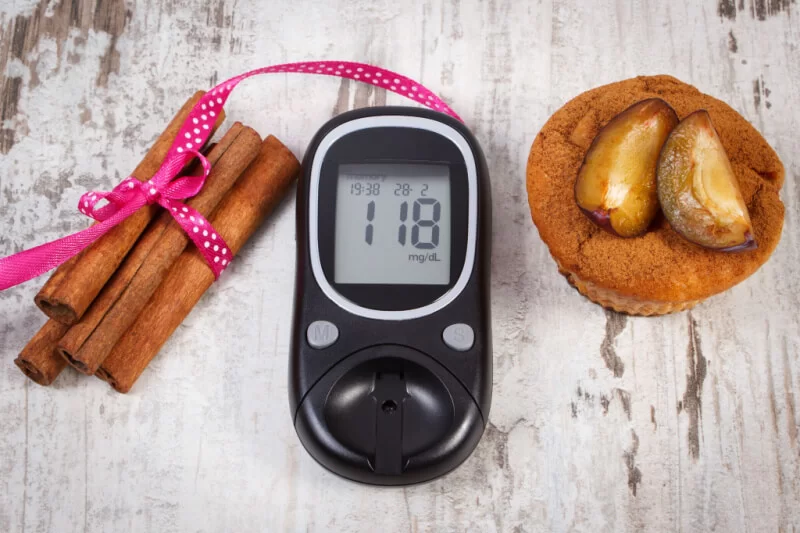
While fasting blood glucose (measured after 8+ hours without food) is the most commonly discussed blood sugar measure, HbA1c (glycated haemoglobin) provides a more clinically meaningful picture of blood glucose control over the preceding 2–3 months. HbA1c represents the percentage of haemoglobin molecules that have been irreversibly glycated by blood glucose — a value that reflects average blood glucose exposure across the full measurement period, including post-meal spikes that a single fasting reading does not capture.
Normal HbA1c: below 5.7%. Prediabetes: 5.7–6.4%. Diabetes: 6.5% or above. For people already diagnosed with diabetes, an HbA1c target of below 7.0% is the standard clinical goal — each 1% reduction in HbA1c is associated with significant reductions in microvascular complications (diabetic retinopathy, nephropathy, neuropathy) and macrovascular events (cardiovascular disease, stroke). The lifestyle strategies in this guide, consistently applied over 3–6 months, consistently produce reductions in HbA1c of 0.5–1.5% in published research — clinically meaningful improvements that directly reduce complication risk.
The Indian Diet Framework for Blood Sugar Management
The most practically important implication of everything covered in this guide is this: the traditional Indian whole food diet, prepared correctly with appropriate food sequencing and timing, is one of the most blood-glucose-supportive dietary patterns available globally. The challenge is not developing a new dietary approach — it is recovering the metabolically protective character of the traditional Indian diet that has been progressively stripped away by modern food processing and eating habits.
Breakfast: Avoid high-refined-carbohydrate breakfasts (white bread, plain poha without protein, sweet chai with biscuits). Include protein (eggs, dahi, paneer, dal paratha with whole wheat atta) alongside complex carbohydrate sources. Add methi seeds soaked overnight, consumed with warm water before breakfast. Avoid sugary beverages — warm water with lemon and a pinch of cinnamon first thing in the morning supports liver glucose metabolism and provides gentle blood glucose-lowering compounds.
Lunch (the largest meal): Begin with dal, curd or raita, and sabzi before eating rice or roti (fibre sequencing). Include karela at least twice weekly. Use millets (bajra, jowar, ragi) for roti at least some days to reduce the glycaemic load of the carbohydrate component. Include vinegar-containing chutney or nimbu on the side — consumed before or with the meal for its acetic acid glucose-moderation effect. Walk for 10–15 minutes after lunch.
Dinner: Keep dinner lighter in carbohydrate content than lunch — in alignment with the circadian decline in insulin sensitivity through the evening. Finish eating at least 2–3 hours before sleep. A cup of methi seed water or warm water with half a teaspoon of Ceylon cinnamon and turmeric before bed provides overnight blood glucose-stabilising support.
Snacks: Roasted chana, moong sprouts, fresh curd with flaxseed, a handful of almonds — all provide protein and fibre combinations that sustain blood glucose stability between meals. The full snack guidance is in our healthy snacks guide.
Lower Blood Sugar Naturally: Myth vs. Fact
| ❌ The Myth | ✅ The Truth |
|---|---|
| Diabetics must completely avoid all rice | White rice consumed without dal, vegetables, or adequate protein at a large serving size produces high post-meal glucose spikes. Cooled rice (with increased resistant starch), parboiled rice, smaller portions of rice eaten with adequate dal and vegetables, and millet substitution all allow rice consumption with significantly reduced glycaemic impact. Total elimination of rice is culturally unsustainable for most South and East Indians and unnecessary with correct preparation and pairing. |
| Only sweet foods raise blood sugar | Many foods that do not taste sweet produce significant blood glucose spikes through their rapidly digestible starch content. White bread, white rice, potatoes, and most refined flour products raise blood glucose comparably to or above many sweet foods despite not tasting particularly sweet. Glycaemic impact is determined by the speed of glucose release from food — not by perceived sweetness. |
| Natural sweeteners (jaggery, honey, coconut sugar) are safe for diabetics | Jaggery, honey, and coconut sugar contain some micronutrients absent from white sugar — but their glucose and fructose content raises blood sugar comparably to white sugar. Their glycaemic index is marginally lower than white sugar (particularly coconut sugar at GI ~35) but all produce meaningful post-meal glucose elevation and should be limited in the same way as refined sugar in blood glucose management contexts. They are marginally better than white sugar — not blood sugar-safe. |
| Exercise alone is enough to manage blood sugar without dietary change | Exercise significantly improves insulin sensitivity and post-meal glucose clearance — but cannot overcome the glucose load from consistently poor dietary choices in most people with significant insulin resistance. The most effective blood glucose management combines regular physical activity with dietary quality improvement. Exercise alone, without dietary change, typically achieves partial improvement; the combination consistently produces the greatest HbA1c reductions in clinical research. |
| Once you need diabetes medication, lifestyle changes no longer matter | Lifestyle modifications are additive to, not replaced by, pharmacological treatment. Multiple studies show that people with type 2 diabetes on medication who implement intensive lifestyle changes achieve better blood glucose control, require lower medication doses, and have significantly better long-term outcomes than those who rely on medication without lifestyle support. The natural strategies in this guide are most powerful when combined with appropriate medical management — not instead of it. |
| Prediabetes will inevitably progress to type 2 diabetes | Prediabetes is highly reversible with consistent lifestyle modification. The landmark Diabetes Prevention Program trial found that intensive lifestyle intervention (reducing 5–7% of body weight through dietary quality improvement and 150 minutes per week of moderate exercise) reduced the progression from prediabetes to type 2 diabetes by 58% — more effective than metformin (31% reduction) in the same study. Early, consistent implementation of the strategies in this guide during the prediabetes window produces the most significant long-term benefit. |
When to See a Doctor — Important Safety Information
The natural strategies in this guide are evidence-based and appropriate for supporting blood glucose management — but they are not substitutes for medical care in all situations. Seek immediate medical attention for: fasting blood glucose consistently above 180 mg/dL or post-meal glucose consistently above 250 mg/dL; HbA1c above 9%; symptoms of hyperglycaemia (excessive thirst, frequent urination, unexplained weight loss, blurred vision, slow wound healing, recurrent infections); symptoms of hypoglycaemia (shakiness, confusion, sweating, palpitations) if on blood glucose-lowering medication; and any significant change in blood glucose patterns that you cannot explain through dietary or lifestyle changes. Natural strategies should complement, not delay, professional medical evaluation and management for diagnosed diabetes or significant prediabetes.
Related Articles From HerbeeLife
📖 Anti-Inflammatory Foods: 12 Powerful Choices That Fight Disease From the Inside Out
📖 Weight Loss Diet vs Exercise: The Honest Truth That Finally Settles the Debate
📖 How to Improve Digestion Naturally: 12 Powerful Science-Backed Strategies
📖 Benefits of Regular Exercise: 10 Powerful Reasons It Transforms Your Body and Health
📖 Ashwagandha for Stress and Anxiety: What Actually Happens in Your Body
📖 Role of Hydration in Weight Loss: 10 Powerful Science-Backed Reasons
📖 Weight Loss Diets: The Honest Science Behind 8 Popular Approaches
Frequently Asked Questions: How to Lower Blood Sugar Naturally
What lowers blood sugar immediately?
The fastest natural intervention for lowering a post-meal blood sugar spike is a 10–15 minute brisk walk, which activates GLUT-4 transporters through an insulin-independent mechanism, rapidly increasing muscle glucose uptake. Apple cider vinegar (1–2 teaspoons in water, consumed before the meal) significantly reduces the post-meal spike if taken before eating. Drinking adequate water reduces vasopressin-driven hepatic glucose production. These are the fastest-acting natural interventions — none are appropriate for managing acutely dangerous hyperglycaemia (above 300 mg/dL), which requires medical attention.
Can fenugreek (methi) really lower blood sugar?
Yes — with clinical trial evidence across 10 randomised controlled trials confirming significant reductions in fasting blood glucose, post-meal glucose, and HbA1c compared to placebo. The mechanisms are dual: galactomannan (viscous soluble fibre) slows gastric emptying and glucose absorption; 4-hydroxyleucine directly stimulates insulin secretion from pancreatic beta cells. The most evidence-based preparation is overnight-soaked seeds consumed in the morning with their soaking water — which allows maximum mucilage extraction for the fibre-slowing mechanism.
How long does it take to lower HbA1c naturally?
HbA1c reflects average blood glucose over the preceding 2–3 months, so improvements from lifestyle changes require at least 3 months to manifest in test results. In clinical research, consistent implementation of the dietary, exercise, and lifestyle strategies in this guide produces HbA1c reductions of 0.5–1.5% over 3–6 months — meaningful reductions that significantly reduce complication risk. The fastest improvements occur in people with the highest baseline HbA1c who implement the most comprehensive lifestyle changes simultaneously.
Is the Indian diet good or bad for blood sugar?
The traditional Indian whole food diet — whole grains, diverse dals, seasonal vegetables with digestive spices, fermented dairy, and minimal ultra-processed food — is one of the most blood-glucose-supportive dietary patterns available. The challenge is that modern urban Indian eating has progressively substituted this traditional pattern with refined flour products, polished white rice without adequate protein and fibre, sweetened beverages, and packaged snacks — creating a dietary pattern that is highly inflammatory and metabolically damaging. Recovering the whole-food version of the traditional Indian diet is one of the most effective blood glucose management interventions for Indian people.
Can yoga help lower blood sugar?
Yes — multiple randomised controlled trials have confirmed that regular yoga practice significantly reduces fasting blood glucose, post-meal glucose, and HbA1c in people with type 2 diabetes and prediabetes. The mechanisms are multiple: cortisol reduction (reducing stress-driven hepatic glucose production), gentle physical activity-mediated GLUT-4 activation, improved parasympathetic tone (which supports insulin secretion), and the stress-resilience that reduces the cortisol spikes from daily stressors. Yoga’s specific blood glucose effects are covered in our yoga for stress relief guide.
What is the relationship between sleep and blood sugar?
Profoundly significant. A single night of 4-hour sleep reduces insulin sensitivity by approximately 25% the following day. Chronic sleep deprivation drives progressive insulin resistance through elevated evening cortisol, reduced growth hormone, disrupted circadian glucose metabolism, and increased sympathetic nervous system activity. Improving sleep quality and consistency is one of the highest-leverage blood glucose management interventions available — and one of the most neglected in conventional diabetes management guidance.
Sources and References
1. DiPietro L et al. Three 15-min bouts of moderate postmeal walking significantly improve 24-h glycemic control. Diabetes Care, 2013.
2. Shukla AP et al. Food order has a significant impact on postprandial glucose and insulin levels. Diabetes Care, 2017.
3. Mathern JR et al. Effect of fenugreek fiber on satiety, blood glucose and insulin response. Phytotherapy Research, 2009.
4. Johnston CS et al. Vinegar improves insulin sensitivity to a high-carbohydrate meal in subjects with insulin resistance. Diabetes Care, 2004.
5. Colberg SR et al. Exercise and Type 2 Diabetes: The American College of Sports Medicine and the American Diabetes Association joint position statement. Diabetes Care, 2010.
6. Spiegel K et al. Sleep curtailment in healthy young men is associated with decreased leptin levels, elevated ghrelin levels, and increased hunger and appetite. Annals of Internal Medicine, 2004.
7. Diabetes Prevention Program Research Group. Reduction in the Incidence of Type 2 Diabetes with Lifestyle Intervention or Metformin. New England Journal of Medicine, 2002.
Follow HerbeeLife
🌿 Stay connected for more evidence-based nutrition, Ayurvedic wellness, and metabolic health content:
📸 Instagram | 📌 Pinterest | 👥 Facebook | 🐦 X (Twitter)
Final Thoughts: Lower Blood Sugar Naturally — It Is Not a Single Fix, But a Complete Daily Practice
Managing blood sugar is not about a single miracle food, a single daily supplement, or a single dietary rule followed in isolation. It is about the daily accumulation of choices — each individually modest, collectively transformative — that collectively shift the metabolic environment from one that promotes insulin resistance and chronic glucose elevation to one that supports sensitive, responsive, balanced blood glucose regulation.
A 15-minute walk after lunch. Eating dal before rice. Overnight-soaked methi seeds in the morning. Cooled rice at dinner. A glass of warm water with cinnamon before bed. Seven hours of consistent sleep. Ten minutes of breathwork. Choosing millets two days a week. None of these is a pharmaceutical intervention. Each is a small, culturally appropriate, scientifically validated choice. Together, done consistently over months and years, they produce the HbA1c reductions that prevent complications, reduce medication burden, and restore the metabolic vitality that elevated blood glucose progressively erodes.
India’s diabetes epidemic was not built in a day. Its reversal will not happen overnight. But the tools — many of them rooted in the same traditional food culture and Ayurvedic knowledge that sustained Indian health for millennia before refined carbohydrates and sedentary living became the default — are already in your hands.
⚠️ Medical Disclaimer: This article is for informational and educational purposes only and does not constitute medical advice. People with diagnosed diabetes, prediabetes, or other metabolic conditions should always consult a qualified physician or endocrinologist before making significant changes to their diet, lifestyle, or supplement use. Natural strategies are adjuncts to, not replacements for, appropriate medical management. Read full disclaimer →
💬 Which of these 12 strategies are you going to try first — and which one surprised you most? Share your experience in the comments. If you have a traditional Indian food or practice that has helped your blood sugar, please share it — this community’s collective wisdom is invaluable.