
Every winter, the same story plays out for millions of people. The temperature drops, the air dries out, and suddenly everyone around you is sneezing, coughing, or knocked flat with a cold that drags on for two weeks. You reach for the usual suspects — paracetamol, cough syrup, steam inhalation — and wait it out.
But what if you did not have to keep playing defence every single winter? What if the most powerful protection was sitting in your kitchen, your garden, or your nearest spice rack — and had been for thousands of years?
The essential herbs for winter covered in this guide are not folk remedies without basis. They are plants with documented bioactive compounds, peer-reviewed clinical studies, and centuries of consistent use across Ayurveda, Traditional Chinese Medicine, and European herbal practice. They work through real, identifiable mechanisms — and understanding those mechanisms makes you a far more informed user of nature’s winter pharmacy.
This is not a list of “nice-to-have” wellness extras. These are the herbs that work hardest when the season demands the most from your immune system — and knowing how to use each one correctly makes all the difference.
Why Winter Is Uniquely Hard on Your Immune System
Before exploring the essential herbs for winter, it helps to understand exactly what your immune system is up against during the cold months — because the challenges are more varied than most people realise.
Cold, dry air is the first problem. The mucous membranes lining your nose and throat are your immune system’s first line of defence — they trap and neutralise pathogens before they can enter deeper tissues. Cold, dry air desiccates these membranes, cracking their protective barrier and making it dramatically easier for viruses and bacteria to penetrate. This is one of the primary reasons respiratory infections spike in winter — not just because people spend more time indoors, but because the physical defences lining the airway are physically compromised.
Reduced Vitamin D is the second. Vitamin D is not just a bone health nutrient — it is a critical immune modulator that activates the innate immune response and regulates inflammatory reactions. In winter, reduced sunlight exposure causes Vitamin D levels to drop significantly in most people, weakening the immune surveillance system that identifies and destroys pathogens. Research consistently links low Vitamin D with increased susceptibility to respiratory infections.
Disrupted sleep and circadian rhythms further weaken immunity. Shorter days affect melatonin and cortisol patterns, which in turn affect immune cell activity. Poor sleep — even one or two nights of inadequate rest — measurably reduces natural killer cell activity and antibody response. This connects closely to the importance of a consistent healthy morning routine in maintaining circadian stability through winter.
Indoor crowding and reduced ventilation increase viral load exposure. And the psychological stress that accumulates during year-end work pressures, family obligations, and financial strain elevates cortisol — which, when chronically elevated, directly suppresses immune cell function. The essential herbs for winter are most powerful when used as part of a comprehensive winter wellness approach that addresses all of these factors.
How Herbs Support Winter Immunity — The Science Simplified
Herbal medicines work through multiple simultaneous mechanisms — which is one of the reasons they are often more nuanced in their effects than single-molecule pharmaceutical drugs. Understanding the key mechanisms helps you choose the right herb for the right purpose.
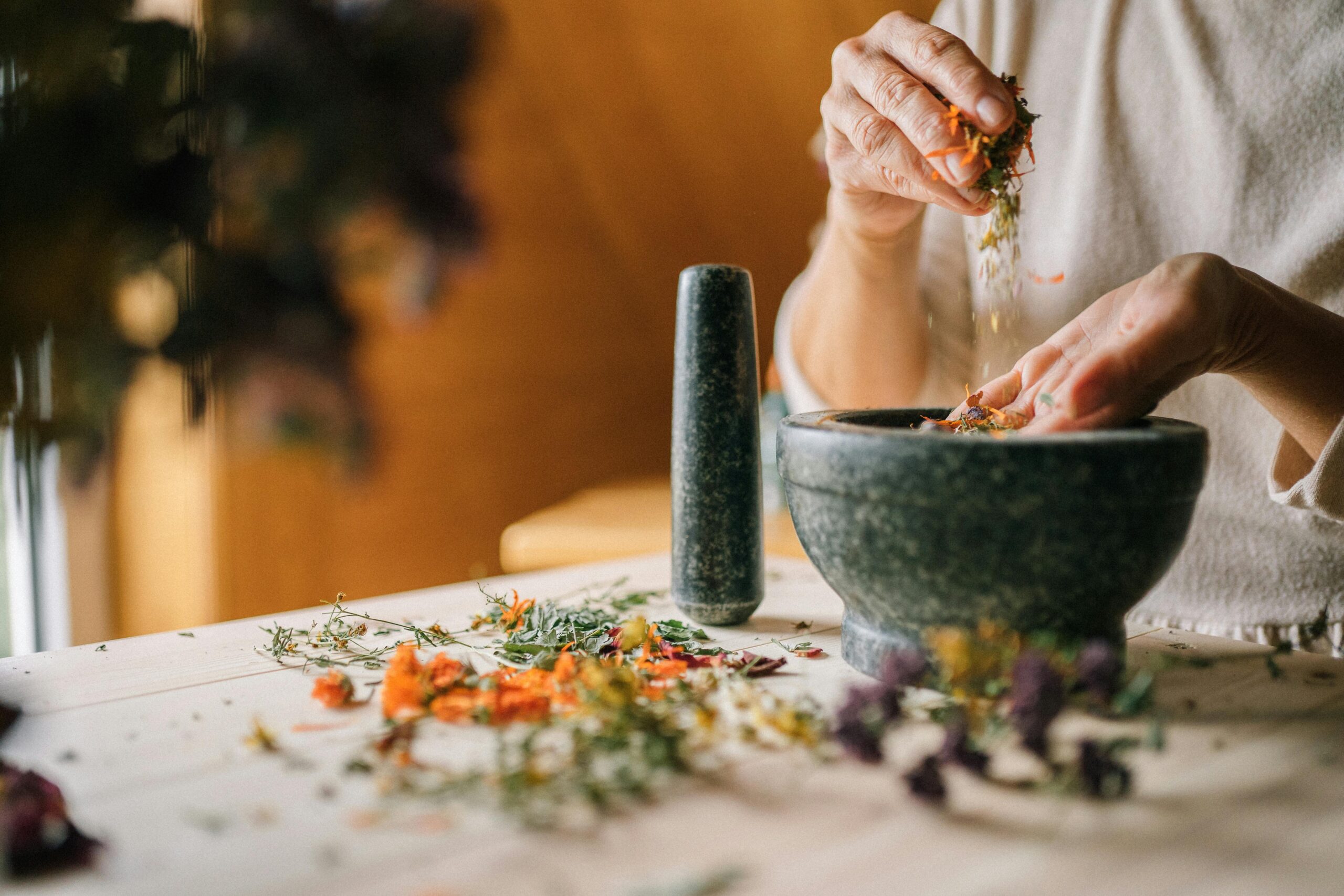
Immunomodulation is the ability to regulate immune activity — not simply stimulate it. Some herbs increase immune surveillance when it is suppressed (during high-stress periods), while simultaneously preventing the excessive inflammatory responses that cause much of the discomfort of illness. This is a more sophisticated action than simply “boosting immunity” — a phrase that is scientifically imprecise and potentially misleading.
Antimicrobial activity involves direct inhibition of bacterial or viral replication through bioactive compounds — volatile oils, alkaloids, flavonoids, and polyphenols that disrupt pathogen membranes, inhibit viral enzymes, or prevent cellular adhesion.
Adaptogenic action describes the ability of certain herbs to help the body maintain physiological balance under physical or psychological stress — reducing the immune suppression that chronic stress causes. Ashwagandha is the most well-studied adaptogen for this purpose, and we cover it in depth in our guide on ashwagandha’s science-backed benefits for stress and anxiety.
Anti-inflammatory action reduces the excessive cytokine responses that drive fever, pain, congestion, and the prolonged misery of respiratory infections — without completely suppressing the inflammatory response needed for pathogen clearance.
With this foundation in place, here are the 10 essential herbs for winter that deliver the most meaningful, evidence-supported benefits.
10 Essential Herbs for Winter Immunity — Explained With Science
1. Ginger — The Anti-Inflammatory Warming Root Your Winter Needs Most
Ginger (Zingiber officinale) is perhaps the most universally used of all the essential herbs for winter — and its reputation is fully justified by the science behind it.
The primary bioactive compounds in ginger — gingerols (in fresh ginger) and shogaols (in dried or cooked ginger) — are among the most extensively studied natural anti-inflammatory agents. They inhibit prostaglandin synthesis through COX-1 and COX-2 pathway suppression, producing anti-inflammatory effects comparable in mechanism to NSAIDs like ibuprofen — but through a broader, more complex set of interactions and with a significantly safer side effect profile at culinary and supplemental doses.
For winter-specific benefits, ginger delivers on multiple fronts simultaneously. It is a powerful antiemetic — reducing nausea from viral gastroenteritis that peaks in winter months. It has documented antiviral properties, with research showing inhibition of human respiratory syncytial virus (RSV) in fresh ginger preparations. It promotes diaphoresis — controlled sweating that helps the body regulate temperature during fever. And it has genuine warming circulatory effects, improving peripheral blood flow and reducing the cold extremities that so many people suffer through winter.
A 2013 study in the Journal of Ethnopharmacology found that fresh ginger was significantly more effective than dried ginger at inhibiting viral respiratory infections — suggesting that fresh ginger tea or fresh ginger in cooking delivers different and potentially superior antiviral benefits to ginger powder supplements.
How to use it: Fresh ginger tea — 2–3 slices of fresh ginger steeped in boiling water for 10 minutes, with honey and a squeeze of lemon — is the gold standard for winter respiratory support. Add fresh ginger liberally to soups, dal, and curries. For joint pain and stiffness that worsens in cold weather, a 1–2g daily ginger supplement has clinical support for anti-inflammatory benefit.
2. Turmeric — The Golden Root With Centuries of Winter Wisdom
Turmeric (Curcuma longa) is one of the most studied plants in all of natural medicine — and for winter immunity, its benefits are broad, well-documented, and deeply rooted in both Ayurvedic tradition and modern clinical research.
Curcumin — turmeric’s primary bioactive polyphenol — modulates the NF-κB pathway, one of the master regulators of the inflammatory response in the human body. By inhibiting NF-κB activation, curcumin simultaneously reduces pro-inflammatory cytokine production, inhibits immune cell overactivation, and protects tissues from oxidative damage during infection. This is why turmeric is relevant not just for preventing illness but for reducing the severity and duration of infections once they take hold.
Research published in Nutrients (2017) identified curcumin as having direct antiviral activity against several clinically significant viruses, including influenza A — relevant given that winter is peak flu season. A meta-analysis in the journal Phytotherapy Research confirmed significant immunomodulatory effects of curcumin supplementation in human clinical trials.
The famous bioavailability challenge of curcumin — it is poorly absorbed from the digestive tract alone — has a simple, traditional solution: black pepper. Piperine, the active compound in black pepper, increases curcumin bioavailability by approximately 2,000% by inhibiting the liver enzymes that rapidly metabolise it. This is why Ayurvedic formulations have paired turmeric and black pepper for centuries — the combination was not culinary accident but practical pharmacology. You can also read about amla’s powerful role in immunity and digestion — another Ayurvedic powerhouse that pairs beautifully with turmeric for winter wellness.
How to use it: Golden milk — warm milk or plant milk with 1 teaspoon turmeric, a pinch of black pepper, half a teaspoon of ginger, and honey — is the most traditional and enjoyable winter delivery method. Add turmeric generously to soups, dals, rice dishes, and scrambled eggs. For therapeutic supplementation, look for curcumin supplements with piperine or phospholipid complexes (such as Meriva) that address bioavailability.
3. Tulsi (Holy Basil) — The Ayurvedic Herb Winter Cannot Beat
Tulsi (Ocimum tenuiflorum) deserves a place near the top of any list of essential herbs for winter — particularly for an Indian audience — yet it is often underrepresented in Western-focused herbal content. This is a significant omission, because the evidence for tulsi’s winter health benefits is genuinely impressive.
Tulsi is classified as an adaptogen in Ayurveda — a rasayana herb that enhances the body’s resistance to physical, chemical, and psychological stress. Modern research has confirmed this action through measurable effects on cortisol regulation, immune cell activity, and antioxidant enzyme upregulation. A comprehensive review published in the Journal of Ayurveda and Integrative Medicine (2017) documented tulsi’s evidence base across antimicrobial, anti-inflammatory, immunomodulatory, and adaptogenic categories — finding it clinically relevant for upper respiratory infections, stress-related immune suppression, and metabolic support during illness.
Tulsi contains eugenol, rosmarinic acid, ursolic acid, and multiple flavonoids that collectively contribute to its antimicrobial activity against a broad spectrum of pathogens — including bacteria responsible for throat infections, fungi, and several respiratory viruses. It also has documented expectorant properties, helping to clear mucus from the respiratory tract during chest infections.
For the winter stress component — the accumulated psychological pressure of year-end deadlines and holiday obligations that suppresses immunity — tulsi’s adaptogenic action makes it particularly valuable. Unlike stimulant herbs that provide temporary energy at the cost of adrenal strain, tulsi gently normalises the HPA axis, reducing excessive cortisol without causing sedation. This connects to the same physiological mechanisms explored in our article on ashwagandha for stress and anxiety — both herbs working through overlapping adaptogenic pathways.
How to use it: Fresh tulsi leaves steeped in hot water with ginger and honey make the definitive Indian winter tea. 4–5 fresh leaves chewed daily on an empty stomach is the traditional Ayurvedic practice for immune maintenance. Tulsi tea bags are widely available and convenient for daily use. Tulsi tincture or capsules are appropriate for therapeutic dosing during active illness.
4. Echinacea — The Most Clinically Studied Herb for Colds
Echinacea (Echinacea purpurea, E. angustifolia, E. pallida) is the most extensively researched of all the essential herbs for winter in the context of cold and flu prevention — and while the evidence has been debated, the most rigorous recent analyses are meaningfully positive.
A 2015 Cochrane systematic review of 24 randomised controlled trials found that echinacea preparations reduced the incidence of the common cold by approximately 10–20% compared to placebo, and reduced the duration of colds by 1–1.5 days in trials showing significant effect. The variability in results across studies is largely explained by differences in species used, plant part, extraction method, and dosing — factors that matter enormously with botanical medicines but are often poorly controlled in studies.
Echinacea’s immune-supporting mechanism centres on alkylamides — compounds that interact with the endocannabinoid system to modulate macrophage activity, natural killer cell function, and dendritic cell responses. It also stimulates interferon production — the body’s first-line antiviral signalling proteins — and inhibits hyaluronidase, an enzyme many bacteria and viruses use to spread through tissues.
The critical practical point most people miss: echinacea works best as a short-term therapeutic intervention, not a daily preventative taken throughout winter. Taking it continuously for months leads to tolerance and reduces effectiveness. The evidence-supported use pattern is either a 10-day course at the start of cold and flu season to prime immune readiness, or immediate use at the very first sign of infection — scratchy throat, unusual fatigue, early nasal symptoms — for 7–10 days.
How to use it: Echinacea tincture (1:5 ratio, 40% ethanol extract) taken at the first sign of illness, 3–5ml three times daily for 7–10 days. Quality matters significantly — look for standardised extracts specifying alkylamide content. Echinacea tea is gentler and appropriate for maintenance. Not recommended for people with autoimmune conditions without medical supervision.
5. Garlic — Nature’s Most Powerful Antimicrobial Winter Herb
Garlic (Allium sativum) is simultaneously a culinary staple and one of the most pharmacologically potent of all essential herbs for winter. Its antimicrobial reputation is ancient, but the modern science supporting it is substantial and specific.
Allicin — the primary bioactive compound produced when garlic is crushed or chopped — is a broad-spectrum antimicrobial agent with demonstrated activity against bacteria (including MRSA strains resistant to conventional antibiotics), fungi, and viruses. Allicin is produced enzymatically when the enzyme alliinase contacts alliin — a reaction that only occurs when garlic cell walls are disrupted. This is why whole garlic cloves have limited therapeutic effect compared to crushed or minced garlic.
A landmark 2016 randomised controlled trial published in the Journal of Immunology Research found that aged garlic extract supplementation significantly increased natural killer cell and gamma-delta T-cell activity — two critical components of innate immune surveillance — and reduced the severity and duration of cold and flu symptoms compared to placebo. A separate Cochrane review concluded that garlic supplementation reduced the incidence of the common cold by approximately 63% in the treatment group over a 90-day winter period.
Garlic also has clinically documented cardiovascular benefits — reducing LDL oxidation, mildly lowering blood pressure, and improving endothelial function — making it one of the few essential herbs for winter that simultaneously supports immunity and cardiovascular health through the season when both are under greater stress.
The 10-minute rule: After crushing or mincing garlic, allow it to sit for 10 minutes before applying heat. This allows the alliinase enzyme to fully convert alliin to allicin. Cooking immediately after crushing destroys the enzyme before conversion can occur, significantly reducing therapeutic potency. Raw garlic delivers the highest allicin content — adding minced raw garlic to salad dressings, dips, or sauces after cooking is one of the most practical ways to consume it therapeutically.
How to use it: 1–2 cloves of fresh garlic daily, crushed and allowed to rest 10 minutes. Add generously to soups, broths, and cooked dishes after the 10-minute rest. For those who find raw garlic harsh, aged black garlic has a gentler flavour with comparable bioactive content. Garlic supplements (Kyolic aged garlic extract) are well-studied for those who prefer supplemental form.
6. Neem — The Bitter Winter Herb With Extraordinary Breadth
Neem (Azadirachta indica) may be less familiar to Western audiences, but in Ayurveda it is considered one of the most comprehensively protective of all medicinal plants — and its winter relevance is significant. We have covered neem’s full evidence base in detail in our dedicated article on neem benefits for blood purification and immune health.
Neem’s primary winter benefits centre on its extraordinary antimicrobial spectrum — research has documented activity against over 40 species of bacteria, multiple fungi, and numerous viruses including influenza. Its active compounds — nimbin, nimbidin, nimbidol, gedunin, and quercetin — work through multiple mechanisms simultaneously: disrupting pathogen cell membranes, inhibiting viral replication, modulating macrophage activity, and reducing inflammatory cytokine production.
Beyond infection prevention, neem supports winter skin health — a frequently overlooked aspect of seasonal wellness. Cold weather, indoor heating, and reduced humidity combine to severely stress the skin barrier, which is also the body’s largest immune organ. Neem’s anti-inflammatory and antimicrobial properties make it highly effective for the dry, itchy, and occasionally infected skin conditions that worsen in winter. Applied topically as neem oil diluted in a carrier, it addresses the skin barrier simultaneously.
How to use it: Neem tea (dried neem leaves steeped in hot water) for internal use — its intensely bitter taste signals its powerful bioactive concentration. Neem capsules (250–500mg standardised extract) are more palatable for daily winter supplementation. Neem oil diluted in coconut oil (1:10 ratio) applied to skin addresses winter dryness and surface antimicrobial protection. Not recommended during pregnancy.
7. Cinnamon — The Warming Spice That Does Far More Than Flavour
Cinnamon (Cinnamomum verum for Ceylon cinnamon, C. cassia for cassia cinnamon) is one of the most comforting of the essential herbs for winter — and its clinical evidence base significantly outstrips its reputation as a mere warming spice.
Cinnamon’s most clinically significant winter benefit is blood sugar regulation. Cold weather increases insulin resistance in many people through a combination of reduced physical activity, comfort food consumption, and the metabolic adaptations the body makes to conserve heat. Cinnamaldehyde — cinnamon’s primary bioactive compound — has documented insulin-sensitising effects, improving glucose uptake in cells and reducing post-meal blood sugar spikes. A meta-analysis of 10 randomised controlled trials found that cinnamon supplementation significantly reduced fasting blood glucose, total cholesterol, and triglycerides.
Cinnamon also has potent antimicrobial properties — its essential oil demonstrates particularly strong activity against Streptococcus mutans and respiratory pathogens — and meaningful anti-inflammatory effects through NF-κB pathway modulation similar to turmeric.
One important distinction: Ceylon cinnamon (true cinnamon, lighter in colour, delicate in flavour) contains very low coumarin content and is safe for daily consumption. Cassia cinnamon (darker, more intensely flavoured, the most common variety sold in India) contains significantly higher coumarin levels that can cause liver stress at high daily supplemental doses — though culinary amounts in cooking are safe for most people.
How to use it: A cinnamon stick in your morning tea, golden milk, or warm lemon water is the most pleasant and sustainable daily use. Ceylon cinnamon powder added to oatmeal, smoothies, or baked goods. For therapeutic blood sugar support, 1–6g of Ceylon cinnamon powder daily in divided doses has clinical support. Avoid high-dose cassia cinnamon supplementation for extended periods.
8. Peppermint — The Essential Herb for Winter Respiratory Relief
Peppermint (Mentha × piperita) earns its place among the essential herbs for winter primarily through its respiratory benefits — though its actions extend meaningfully beyond decongestant relief.
Menthol — peppermint’s primary bioactive compound — interacts with cold-sensitive TRPM8 receptors in the nasal mucosa, producing the sensation of coolness and open airways that makes peppermint so immediately effective for congestion. This is a sensory effect rather than a physical decongestant action — the airways are not actually wider, but the reduced sensation of resistance makes breathing feel dramatically easier and less effortful. For the genuine discomfort of winter nasal congestion, this subjective relief is real and valuable.
Beyond the sensory effect, peppermint oil has documented antimicrobial activity against multiple respiratory pathogens, and menthol has been shown to reduce cough sensitivity — relevant for the persistent post-viral cough that often lingers weeks after a winter cold. Peppermint tea also has well-established antispasmodic effects on the digestive tract, making it useful for the nausea, bloating, and cramping that frequently accompanies winter viral gastroenteritis.
Steam inhalation with peppermint oil is one of the most practically effective home remedies for acute sinus congestion — add 3–5 drops of pure peppermint essential oil to a bowl of just-boiled water, tent a towel over your head, and inhale deeply for 5–10 minutes. The combination of steam hydrating dry mucous membranes and menthol activating cooling receptors provides rapid, meaningful relief.
How to use it: Peppermint tea 2–3 times daily during respiratory illness. Steam inhalation with 3–5 drops of peppermint essential oil for acute congestion. Diluted peppermint oil (3–5% in carrier oil) massaged into the chest and upper back as a warming rub. For headaches that accompany winter illness, peppermint oil diluted and applied to the temples has clinical evidence comparable to paracetamol for tension headache relief.
9. Thyme — The Overlooked Herb That Outperforms Many Cough Medicines
Thyme (Thymus vulgaris) is perhaps the most underappreciated of the essential herbs for winter — and the gap between its clinical evidence and its general recognition is significant. Most people know thyme as a cooking herb. Far fewer know it has been shown in clinical trials to outperform pharmaceutical cough syrups for acute bronchitis.
A rigorous 2006 randomised controlled trial published in Arzneimittelforschung compared a thyme-ivy leaf combination syrup to the pharmaceutical expectorant ambroxol in patients with acute bronchitis. The herbal preparation was found to be at least as effective as the drug for reducing cough frequency and improving symptom scores — with a significantly better side effect profile. A 2013 open-label observational study of over 7,000 patients confirmed the clinical effectiveness and safety of thyme extract for acute bronchitis in a real-world setting.
The mechanism centres on thymol and carvacrol — thyme’s primary volatile compounds — which have strong antimicrobial activity against respiratory pathogens, antispasmodic effects on bronchial smooth muscle (reducing cough and bronchospasm), and expectorant properties that thin and mobilise mucus secretions. Thyme also stimulates the ciliary movement of the respiratory epithelium — the tiny hair-like structures that sweep mucus and trapped pathogens upward and out of the airways.
For people dealing with allergies that worsen in winter or trigger respiratory symptoms, thyme’s anti-inflammatory bronchial effects complement the allergy management strategies covered in our complete guide to allergy treatment options.
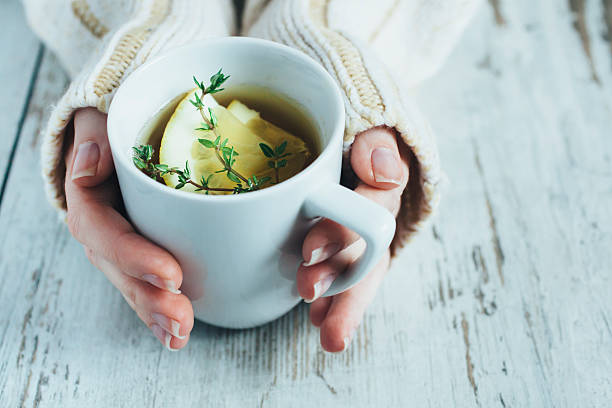
How to use it: Fresh or dried thyme steeped in hot water with honey for 10 minutes makes a highly effective cough and sore throat tea. Add thyme generously to winter soups, broths, roasted vegetables, and meats — the volatile compounds are released during cooking and inhaled during preparation and eating, providing respiratory benefit beyond digestion. Thyme essential oil can be used in steam inhalation for acute respiratory symptoms. Thyme-ivy syrup preparations (Bronchipret, Prospan) are widely available and clinically validated.
10. Chamomile — The Gentle Winter Herb That Heals From the Inside Out
Chamomile (Matricaria chamomilla — German chamomile — is the most studied variety) rounds out the list of essential herbs for winter not through dramatic antiviral action, but through a quieter and equally important set of benefits: nervous system calming, sleep support, inflammation reduction, and digestive healing.
Winter is uniquely stressful — and stress is one of the most potent immune suppressors known. The mechanism is direct: chronic psychological stress elevates glucocorticoid levels, which suppress lymphocyte function, natural killer cell activity, and antibody production. Managing winter stress is therefore not a soft wellness suggestion — it is hard immunology. Chamomile’s anxiolytic effects are mediated through apigenin, a flavonoid that binds to GABA-A receptors in the brain — the same receptors targeted by benzodiazepine medications — producing genuine, measurable anxiolytic effects without the dependency or side effects of pharmaceutical options.
A 2016 randomised controlled trial published in Phytomedicine found that chamomile extract significantly reduced generalised anxiety disorder symptoms over a 26-week treatment period — the longest and most rigorous chamomile anxiety trial to date. The same group found that long-term chamomile use significantly reduced the rate of anxiety relapse compared to placebo.
For sleep — disrupted in winter by stress, illness, and circadian shifts — chamomile’s sedative effects are mild but meaningful for those with difficulty falling asleep or achieving deep sleep. A 2017 study in the Journal of Advanced Nursing found that new mothers who drank chamomile tea daily reported significantly better sleep quality and reduced depressive symptoms compared to the control group over a 4-week period.
Chamomile also has anti-inflammatory effects relevant for the gut — its azulene compounds reduce intestinal inflammation and cramping, making it excellent for winter digestive complaints including viral gastroenteritis and the digestive disruption that often accompanies antibiotic courses taken for winter bacterial infections.
How to use it: One cup of chamomile tea 30–60 minutes before bed as a consistent winter sleep and stress ritual. 2–3 cups daily during active illness for anti-inflammatory and digestive support. Chamomile compress — strong chamomile tea cooled and applied with a cloth — for skin inflammation, eczema flares, or irritated eyes from winter illness. Quality matters: look for whole flower chamomile rather than dusty powder tea bags for maximum bioactive content.
Essential Herbs for Winter: Myth vs. Fact
| ❌ The Myth | ✅ The Fact |
|---|---|
| Taking herbal supplements daily all winter builds immune protection | Most immune-stimulating herbs (echinacea, garlic supplements) are most effective as short-term therapeutic interventions, not continuous daily supplements. Continuous use leads to tolerance for some herbs. Tonic herbs like tulsi and ashwagandha are better suited for daily use through the season. |
| Natural herbs have no side effects or drug interactions | “Natural” does not mean risk-free. Echinacea can trigger reactions in people with autoimmune conditions. High-dose cassia cinnamon stresses the liver. Garlic supplements interact with blood thinners. Chamomile can interact with sedatives and blood thinners. Always disclose herb use to your doctor, especially if on medication. |
| More is better — higher doses mean faster recovery | Dose-response relationships for herbs are often non-linear. Many herbs have optimal therapeutic windows above and below which efficacy decreases or side effects emerge. Follow evidence-based dosing guidelines rather than assuming that doubling the dose doubles the benefit. |
| Herbal remedies work too slowly to be useful during acute illness | Several essential herbs for winter show effects within hours. Peppermint steam inhalation provides congestion relief within minutes. Ginger tea reduces nausea within 30 minutes. Echinacea, when taken at first symptom onset, significantly reduces illness duration when started early. |
| Turmeric tea has the same benefits as turmeric supplements | Turmeric tea contains low concentrations of curcumin and without fat and black pepper, absorption is minimal. Golden milk (with fat-containing milk and black pepper) or standardised supplements with piperine deliver meaningfully different curcumin bioavailability than plain turmeric in water. |
| If herbs worked, doctors would prescribe them | Several essential herbs for winter are actively used and prescribed in Germany, Switzerland, and other countries with strong evidence-based herbal medicine traditions. Thyme-ivy syrup (Bronchipret) is a first-line prescription for acute bronchitis in Germany. Commission E — Germany’s equivalent of the FDA for herbal medicines — has approved echinacea, thyme, chamomile, and ginger for specific indications based on clinical evidence. |
How to Build Your Winter Herbal Toolkit — A Practical Guide
Knowing which essential herbs for winter work is only half the equation. Knowing how to source, store, and combine them effectively makes the difference between a scattered collection of half-used jars and a genuinely functional winter wellness system.
Sourcing Quality Herbs
The quality of herbal preparations varies enormously. A study testing commercial echinacea products found that over 50% did not contain the stated amount of active compounds. For culinary herbs used therapeutically, fresh is almost always superior to dried, which is superior to powder, which is superior to capsules of undisclosed origin.
Buy whole dried herbs from reputable Ayurvedic suppliers (Himalaya, Dabur, Organic India, Kama Ayurveda for Indian herbs) or certified organic herbal suppliers. For supplements, look for standardised extracts with specified bioactive compound percentages, third-party tested products, and GMP-certified manufacturers. Growing your own tulsi, peppermint, and thyme is surprisingly straightforward and guarantees freshness — tulsi grows abundantly in Indian gardens and is traditionally kept in the home for both spiritual and medicinal purposes.
The Winter Herbal Daily Routine
Morning: Warm water with fresh ginger and turmeric (with a pinch of black pepper) and honey. 4–5 fresh tulsi leaves if available. This combination addresses hydration, immune priming, anti-inflammatory support, and adaptogenic stress protection simultaneously — and takes under 5 minutes to prepare. Pair this with the evidence-backed morning routine habits for a comprehensive winter wellness foundation.
Throughout the day: Add garlic generously to cooking (crush 10 minutes before heat). Add cinnamon to breakfast and hot drinks. Include neem tea or capsule if you are in a high-exposure environment or already feeling run-down.
Evening: Chamomile tea 30–60 minutes before bed for stress relief and sleep quality. Golden milk as a warming, anti-inflammatory wind-down drink.
At first sign of illness: Start echinacea tincture immediately and continue for 7–10 days. Increase fresh garlic intake. Prepare thyme and peppermint steam inhalation for respiratory symptoms. Double the ginger and turmeric intake.
Winter Herbal Combinations That Work Better Together
Ginger + turmeric + black pepper + honey: The classic anti-inflammatory, immune-supporting trinity. Each component enhances the others — ginger improves turmeric absorption, black pepper amplifies curcumin bioavailability, honey provides additional antimicrobial action and palatability.
Tulsi + ginger + cinnamon: The traditional Indian winter tea trinity. Collectively adaptogenic, antimicrobial, warming, and antiviral. This combination addresses both physical and psychological winter immune challenges.
Thyme + peppermint: Complementary respiratory support — thyme as expectorant and antimicrobial, peppermint as antispasmodic and sensory decongestant. Combine in steam inhalation or tea for acute respiratory illness.
Chamomile + cinnamon: A warming evening blend that simultaneously supports blood sugar stability through the night, reduces inflammatory tone, and promotes deep, restorative sleep.
Essential Herbs for Winter and Specific Health Concerns
For Immunity and Cold Prevention
Tulsi, echinacea, garlic, and neem collectively form the strongest evidence-based combination for winter immune priming. Include at least two or three of these in daily winter nutrition and increase all of them at the first sign of illness or high-exposure situations.
For Respiratory Symptoms
Thyme for coughs and bronchial infection. Peppermint for congestion and headache. Ginger for sore throat and nausea. Tulsi for general upper respiratory tract infections. This combination covers the full spectrum of winter respiratory complaints without pharmaceutical intervention for mild to moderate cases.
For Winter Stress and Sleep
Chamomile for sleep and gentle anxiety. Tulsi as a daytime adaptogen. Ashwagandha for chronic stress — its role as a powerful winter adaptogen is detailed extensively in our guide on ashwagandha benefits for stress and anxiety, and it pairs naturally with the essential herbs for winter covered here.
For Winter Digestive Health
Ginger for nausea and motility. Chamomile for cramping and inflammation. Peppermint for bloating and spasm. Cinnamon for blood sugar stability and metabolic support. Amla — covered in our article on amla benefits for immunity and digestion — is an exceptional addition to winter digestive support with the highest Vitamin C density of any commonly available food.
For Winter Skin Health
Neem for antimicrobial and anti-inflammatory skin support. Turmeric for internal antioxidant protection. Chamomile topically for irritated, dry, or inflamed skin. The cold weather skin challenges that many people experience in winter — dryness, eczema flares, increased breakouts — all have herbal support that addresses root causes rather than just surface symptoms.
Related Articles From HerbeeLife
📖 Ashwagandha for Stress and Anxiety: What Actually Happens in Your Body
📖 Amla Benefits: Proven Immunity, Digestion and Hair Boost Backed by Science
📖 Neem Benefits: The Powerful Blood Purification Guide Backed by Science
📖 Clove Water Benefits: 9 Powerful Daily Effects You Need to Know
📖 Allergy Treatment Options: 10 Proven Ways to Get Real Relief
📖 Healthy Morning Routine: 10 Powerful Habits That Transform Your Entire Day
Frequently Asked Questions About Essential Herbs for Winter
Which single essential herb for winter gives the most immune benefit?
If forced to choose one, tulsi — for an Indian context — delivers the broadest combination of benefits: adaptogenic stress protection, antimicrobial activity, anti-inflammatory action, and respiratory support simultaneously. For a Western context, garlic’s randomised controlled trial evidence for reducing cold incidence by over 60% is among the strongest single-herb evidence bases available for winter immunity.
Are these essential winter herbs safe for children?
Most culinary herbs — ginger, turmeric, cinnamon, garlic, thyme, peppermint, chamomile — are safe for children in food and tea amounts. Therapeutic doses require age-appropriate adjustments and ideally professional guidance. Echinacea is generally considered safe for children over 12 in therapeutic doses; for younger children, consult a paediatrician. Peppermint essential oil should never be applied near the face of infants and young children — menthol can cause respiratory distress in this age group.
Can I take these herbs alongside prescription medications?
Some interactions exist and are clinically significant. Garlic supplements interact with blood thinners (warfarin, aspirin). Echinacea may interact with immunosuppressant drugs. Chamomile interacts with sedatives and anticoagulants. Cinnamon in high doses affects blood sugar medications. Ginger in large supplemental doses may affect anticoagulants. Always disclose herb and supplement use to your doctor — particularly if on prescription medication for chronic conditions.
How quickly do essential herbs for winter work?
This varies by herb, mechanism, and individual. Peppermint steam inhalation works within minutes for congestion. Ginger tea reduces nausea within 30 minutes. Echinacea’s immune-modulating effects develop over 24–72 hours of consistent use. Turmeric’s anti-inflammatory effects are meaningful from day 1 but build over weeks of consistent use. Tulsi’s adaptogenic effects on cortisol regulation take 2–4 weeks of daily use to fully establish. Setting realistic expectations prevents premature discontinuation.
What is the best winter herbal tea recipe?
The most evidence-backed and practical winter herbal tea combines fresh ginger (3–4 slices), fresh or dried tulsi (5–6 leaves or 1 teaspoon dried), a cinnamon stick, and a pinch of black pepper, steeped in boiling water for 10 minutes, with raw honey added after cooling slightly (above 40°C destroys honey’s antimicrobial enzymes). This single preparation delivers adaptogenic, antimicrobial, anti-inflammatory, and warming benefits simultaneously and can be consumed 2–3 times daily throughout winter.
Should I take vitamin supplements alongside essential herbs for winter?
Vitamin D supplementation is almost universally appropriate during winter in India — despite the climate, urban indoor lifestyles and pollution mean Vitamin D deficiency is highly prevalent even in sunny regions. 1,000–2,000 IU of Vitamin D3 daily (or as guided by your blood levels) significantly supports immune function through winter. Vitamin C from food sources — amla is the most concentrated available — supports the essential herbs for winter by maintaining mucous membrane integrity and supporting neutrophil function.
Can I use these herbs to prevent allergies that worsen in winter?
Yes — several essential herbs for winter have direct relevance for allergy management. Turmeric’s curcumin has mast cell stabilising effects. Ginger reduces histamine-triggered inflammation. Neem has been studied for allergic rhinitis. These herbs complement the evidence-based allergy treatment strategies covered in our comprehensive allergy treatment options guide.
Sources and References
1. Chang JS et al. Fresh ginger (Zingiber officinale) has anti-viral activity against human respiratory syncytial virus. Journal of Ethnopharmacology, 2013.
2. Hewlings SJ, Kalman DS. Curcumin: A Review of Its Effects on Human Health. Foods, 2017.
3. Mondal S et al. Double-blinded randomized controlled trial for immunomodulatory effects of tulsi (Ocimum sanctum Linn.). Journal of Ethnopharmacology, 2011.
4. Karsch-Völk M et al. Echinacea for preventing and treating the common cold. Cochrane Database of Systematic Reviews, 2015.
5. Josling P. Preventing the common cold with a garlic supplement: a double-blind, placebo-controlled survey. Advances in Therapy, 2001.
6. Mao JJ et al. Long-term chamomile (Matricaria chamomilla L.) treatment for generalized anxiety disorder. Phytomedicine, 2016.
7. Kemmerich B et al. Efficacy and tolerability of a fluid extract combination of thyme herb and ivy leaves. Arzneimittelforschung, 2006.
Follow HerbeeLife
🌿 Stay connected for more evidence-based Ayurvedic wisdom, herbal remedies, and natural health content:
📸 Instagram | 📌 Pinterest | 👥 Facebook | 🐦 X (Twitter)
Final Thoughts: Your Winter Herbal Toolkit Is Closer Than You Think
The essential herbs for winter are not exotic, expensive, or difficult to access. Most of them are already in your kitchen — in your masala box, your garden, your chai blend. What has been missing, perhaps, is the understanding of why they work, how to use them effectively, and when to reach for which one.
Winter immunity is not a battle you fight at the first sign of a cold. It is a season-long relationship with your body — staying hydrated, sleeping well, managing stress, eating nourishing food, and using the plant medicines that generations of human experience and decades of clinical research have validated. The herbs in this guide do not replace good judgement, medical care when it is needed, or the foundational wellness habits that support everything else.
What they do is give your immune system the natural support it has been asking for — in a language your body already knows how to read.
⚠️ Medical Disclaimer: This article is for informational and educational purposes only and does not constitute medical advice. Always consult a qualified healthcare professional before using herbal remedies therapeutically, especially if pregnant, breastfeeding, managing a chronic condition, or taking prescription medications. Read full disclaimer →
💬 Which of these essential herbs for winter is already a staple in your home — and which one surprised you most with its science? Share your favourite winter herbal remedy in the comments. Your tradition might be exactly what someone else needs this season.