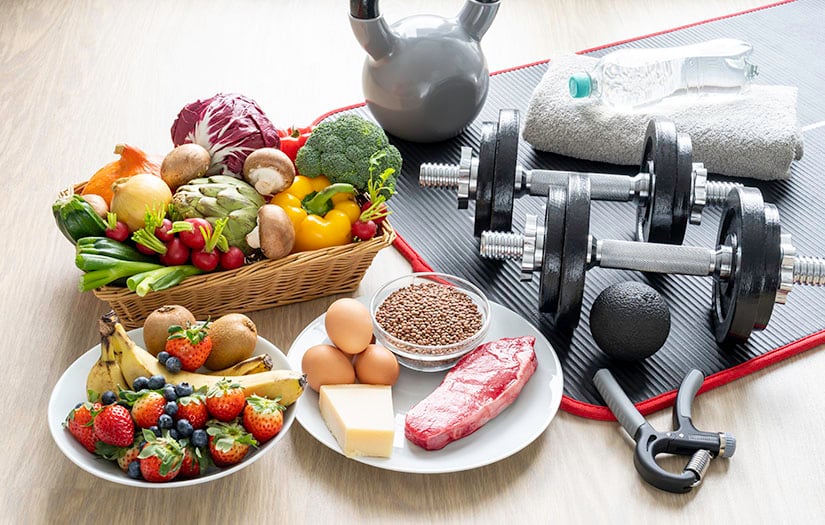

Here is the single most important insight in this entire guide: you cannot out-supplement a bad diet, but you can out-eat almost any genetic predisposition to chronic disease. Nutrition is not about perfection — it is about the cumulative effect of thousands of daily food decisions made across a lifetime. This guide gives you the knowledge to make those decisions well.
What Is Nutrition? The Biology Your School Never Taught You
Nutrition is the science of how food interacts with the body to sustain life, support growth, repair damage, fuel movement, regulate mood, maintain immunity, and prevent disease. It is simultaneously one of the most studied and most misunderstood fields in science — where consensus takes decades to form, industry interests routinely distort research, and populations suffer the consequences in real time.
At its most fundamental, nutrition is the study of nutrients — chemical compounds in food that the body requires but cannot manufacture itself (or cannot manufacture in adequate quantities). These nutrients fall into six categories: carbohydrates, proteins, fats (the macronutrients), vitamins, minerals (the micronutrients), and water — with a seventh category increasingly recognised by research: phytonutrients (plant-derived bioactive compounds that are not strictly essential but profoundly affect long-term health).
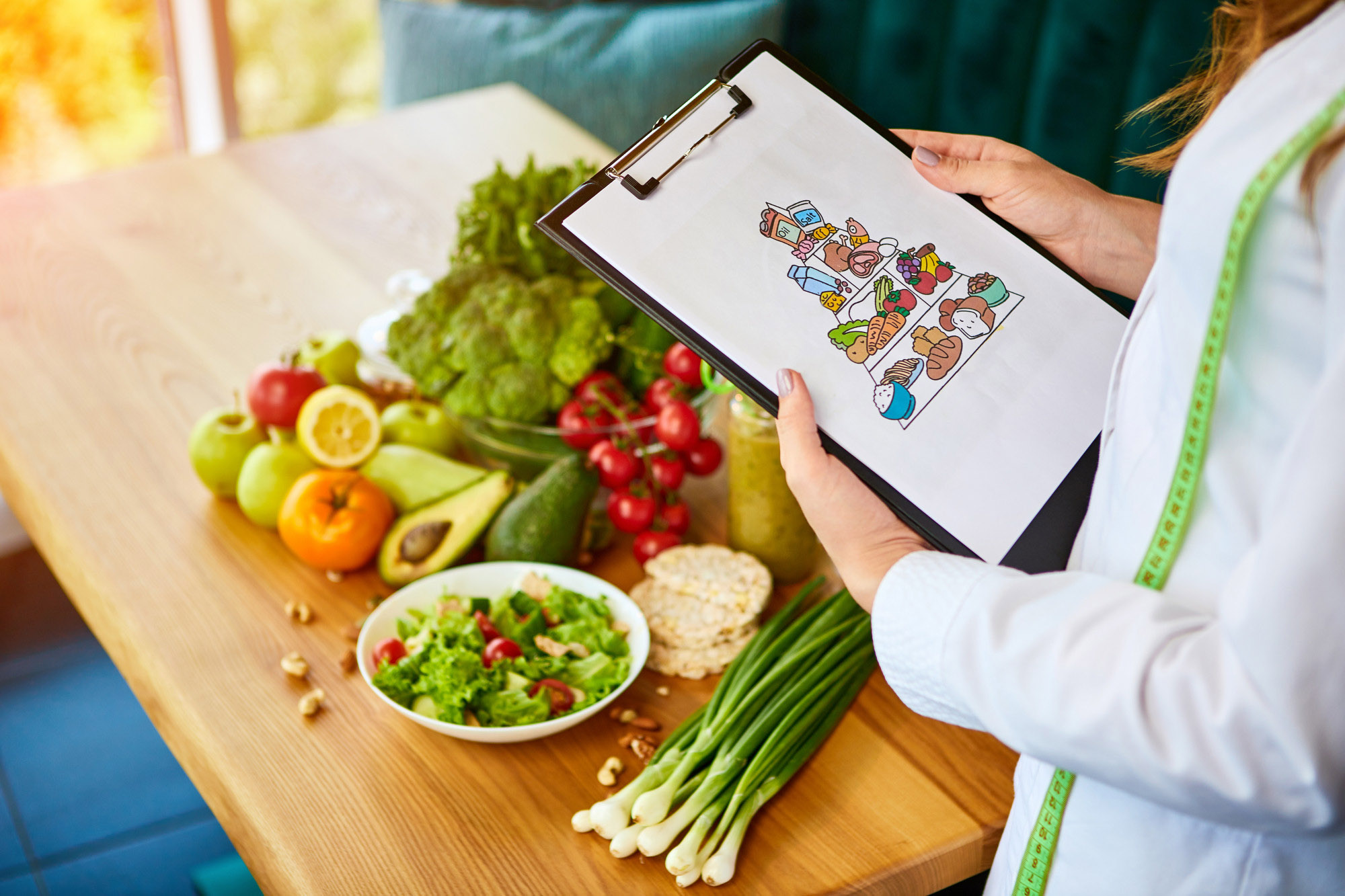
Ingestion: Food enters the mouth. Chewing begins mechanical digestion; saliva begins chemical digestion (amylase breaks down starch). This step is more important than most people realise — adequate chewing dramatically increases nutrient absorption downstream by increasing surface area for enzymatic action.
Digestion: The stomach’s hydrochloric acid and pepsin break down protein into amino acid chains. The small intestine — with its 7-metre length and microscopic villi creating a surface area equivalent to a tennis court — is where most nutrient absorption occurs. Bile from the liver emulsifies fats; pancreatic enzymes complete carbohydrate, protein, and fat digestion.
Absorption: Nutrients cross the intestinal wall into the bloodstream (water-soluble nutrients) or the lymphatic system (fat-soluble nutrients). The gut microbiome plays a critical role here — certain bacteria are required to unlock nutrients from plant cell walls, produce vitamins (K2, some B vitamins), and modulate absorption efficiency.
Metabolism: Absorbed nutrients are transported to cells where they are used for energy (ATP production), structural purposes (building proteins, cell membranes, bones), or regulatory functions (hormones, enzymes, neurotransmitters). Excess energy is stored as glycogen (short-term) or adipose tissue (long-term).
Excretion: Metabolic waste products are eliminated via urine, faeces, breath, and sweat. The balance between nutrient intake and metabolic demand determines whether the body is in a state of nutritional sufficiency, deficiency, or excess.
Macronutrients Decoded — The Complete Guide for the Indian Diet
Macronutrients are the nutrients your body needs in large (macro) quantities — grams to hundreds of grams daily, as opposed to micronutrients needed in milligrams or micrograms. Getting macronutrient balance right is the single most impactful nutritional intervention most Indians can make.
Your body and brain’s primary fuel source. Not the enemy — but quality is everything. Complex carbohydrates (whole grains, legumes, vegetables) release energy slowly, feed gut bacteria, and provide micronutrients. Refined carbohydrates (maida, white sugar, packaged snacks) spike blood glucose, crash energy, feed pathogenic gut bacteria, and provide nothing but empty calories.
Indian ideal: 45–55% of total calories from carbs — but mostly from millets, whole dals, vegetables, and fruit. Minimise refined flour and sugar.
The most underconsumed macronutrient in Indian diets. Protein is not just for bodybuilders — it builds every enzyme, hormone, antibody, neurotransmitter, and structural tissue in your body. Inadequate protein causes muscle loss (sarcopenia), impaired immunity, hair loss, poor wound healing, hormonal imbalance, and persistent hunger (protein is the most satiating macronutrient).
Indian ideal: 1.0–1.6g per kg body weight daily. The average Indian gets 47g/day — most need 60–100g. Dal + curd + paneer + eggs + fish + soy close this gap.
The most misunderstood macronutrient — unfairly demonised for 50 years. Fats are essential for brain function (60% of brain dry weight is fat), hormone production (all steroid hormones — oestrogen, testosterone, cortisol — are made from cholesterol), absorption of fat-soluble vitamins A, D, E, K, and cellular membrane integrity. The type of fat matters enormously.
Indian ideal: 25–35% of total calories from fat — primarily from ghee, cold-pressed sesame/coconut oil, nuts, seeds, and fatty fish. Minimise refined seed oils (sunflower, soybean, cottonseed).
The Protein Crisis in India — Why It’s the Most Urgent Fix
The most consistent and consequential nutrition problem in modern India is not fat overconsumption or even refined sugar — it is protein deficiency. A 2019 survey by the Indian Market Research Bureau (IMRB) and Ipsos found that 73% of Indians have protein-deficient diets. The National Nutrition Monitoring Bureau (NNMB) data confirms the average urban Indian adult consumes just 47–50g of protein daily — when the body’s requirements for most active adults range from 60–100g.
The consequences are measurable and widespread: India has among the highest rates of sarcopenia (age-related muscle loss) in Asia; anaemia rates that far exceed global averages; immune dysfunction contributing to the severity of infectious disease outcomes; and hair loss, fatigue, and hormonal disruption now endemic among Indian women across all socioeconomic groups. The solution is not a protein supplement — it is understanding how to build protein density into the traditional Indian diet.
1 cup cooked toor dal = 9g protein | 100g paneer = 18g protein | 1 large egg = 6g protein
100g cooked soybean = 17g protein | 100g tofu = 8g protein | 1 cup curd = 8–10g protein
100g cooked chicken = 25g protein | 100g cooked fish = 20–25g protein
100g cooked rajma = 8g protein | 100g cooked chana = 8g protein | 30g mixed nuts = 5–6g protein
A high-protein Indian day: Besan chilla breakfast (12g) + curd + walnuts mid-morning (12g) + dal + sabzi lunch (15g) + paneer snack (9g) + fish/chicken + rajma dinner (25g) = 73g protein — achievable without supplements.
Fats — The Great Indian Nutrition Reversal
For four decades, Indian households were advised to replace traditional fats — ghee, coconut oil, cold-pressed sesame oil — with refined seed oils (sunflower, soybean, cottonseed oil) in the name of heart health. This was one of the most consequential nutritional errors in Indian public health history. The evidence that has emerged over the past two decades is clear:
Ghee — clarified butter — is a source of butyrate (the primary fuel for colonocytes, the cells lining the gut wall); conjugated linoleic acid (CLA), with documented anti-cancer and anti-inflammatory properties; fat-soluble vitamins A, D, E, and K2; and medium-chain fatty acids (MCFAs) that are rapidly oxidised for energy rather than stored as adipose tissue. Traditional Indian ghee from grass-fed cows contains a far superior omega-3 to omega-6 ratio compared to refined seed oils.
Refined seed oils — sunflower, soybean, cottonseed, corn oil — are extremely high in omega-6 polyunsaturated fatty acids (PUFAs). When consumed in quantities that dwarf omega-3 intake (as in the modern Indian diet), they drive systemic inflammation through the arachidonic acid → pro-inflammatory eicosanoid pathway. Additionally, PUFAs are inherently unstable and oxidise rapidly when heated — producing toxic aldehydes (4-HNE, malondialdehyde) that are directly carcinogenic and neurotoxic. Indian cooking at high temperatures (tadka, deep frying) in refined seed oils is a significant and largely unrecognised source of chronic dietary toxin exposure.
Best for cooking at high heat: Ghee (smoke point 250°C) · Coconut oil (smoke point 232°C) · Cold-pressed sesame oil (smoke point 177°C — medium heat only)
Best for dressings and cold use: Cold-pressed groundnut oil · Cold-pressed flaxseed oil (omega-3 richest plant oil — never heat) · Mustard oil (cold-pressed, medium heat)
Best as whole food fat sources: Flaxseeds (omega-3) · Walnuts (omega-3) · Almonds and cashews · Sesame (til) · Groundnuts · Avocado
Minimise or avoid: Refined sunflower oil · Refined soybean oil · Refined cottonseed oil · Partially hydrogenated vegetable oils (vanaspati) · All commercial fried snacks made with these oils
The 10 Most Critical Micronutrients — India’s Hidden Hunger Crisis
Micronutrients are vitamins and minerals required in small quantities — milligrams to micrograms — but essential for virtually every biochemical process in the body. Deficiency doesn’t always produce obvious symptoms; often the damage is silent and cumulative — reduced immunity, impaired cognition, increased disease risk, hormonal disruption, and accelerated ageing — before any clinical sign appears. This is why the WHO calls it “hidden hunger.”
Iron deficiency anaemia affects approximately 53% of Indian women of reproductive age (NFHS-5) and 40% of children under 5 — making it one of the most prevalent nutritional deficiencies in the world. Iron is essential for haemoglobin synthesis (oxygen transport), myoglobin (muscle oxygen storage), DNA synthesis, and mitochondrial energy production. Consequences of deficiency: chronic fatigue, cognitive impairment (reduced working memory, attention, and academic performance), impaired immune function, and — critically in pregnancy — increased risk of preterm birth, low birth weight, and maternal mortality.
Best Indian sources: Liver and organ meats (highest bioavailable haem iron); dark green leafy vegetables — palak, methi, moringa (non-haem iron, enhanced by Vitamin C); horse gram (kulthi); amaranth seeds (rajgira); jaggery (dark); sesame seeds (til); dried apricots. Critical note: tea and coffee consumed within 1 hour of meals reduce non-haem iron absorption by 60–90% — a pervasive habit in India that significantly contributes to widespread iron deficiency even in those eating iron-rich foods.
⚗️ 53% Indian women deficient | Tea with meals reduces absorption 60–90% | Vitamin C doubles non-haem iron absorptionIndia is one of the sunniest countries in the world — and yet Vitamin D deficiency affects an estimated 70–90% of the Indian population across all socioeconomic groups. This paradox has several explanations: darker skin melanin (evolved for UV protection) significantly reduces the efficiency of Vitamin D skin synthesis; traditional clothing practices covering the arms and legs; rapid urbanisation and indoor lifestyles; and air pollution in Indian cities that blocks UVB radiation. Vitamin D functions as a hormone (not just a vitamin) — regulating calcium absorption, bone mineralisation, immune function, insulin secretion, muscle function, and gene expression across over 1,000 genes. Deficiency is associated with osteoporosis, autoimmune diseases, type 2 diabetes, cardiovascular disease, depression, and significantly worse outcomes from infectious diseases.
Best sources: Sunlight (10–20 minutes of direct arm and leg exposure between 10 AM–2 PM daily for lighter skin; 30–40 minutes for darker skin); fatty fish (salmon, sardines, mackerel); egg yolks; liver; fortified milk. Supplementation with Vitamin D3 (cholecalciferol) at 1000–2000 IU daily is evidence-based and appropriate for most Indians — ideally confirmed with a 25(OH)D blood test first.
⚗️ 70–90% Indians deficient despite abundant sunshine | Functions as a hormone | 1000–2000 IU D3 appropriate for mostVitamin B12 is found exclusively in animal-derived foods — meat, fish, eggs, dairy. India’s predominantly vegetarian population — estimated at 20–39% strictly vegetarian and a majority who eat meat rarely — faces a significant and massively underappreciated B12 deficiency crisis. B12 is essential for DNA synthesis, red blood cell formation, myelin sheath maintenance (the insulating layer around nerve fibres), and the conversion of homocysteine to methionine (elevated homocysteine from B12 deficiency is a major independent cardiovascular risk factor). Deficiency symptoms develop slowly and insidiously: fatigue, numbness and tingling in hands and feet, balance problems, cognitive impairment, depression, and — in severe deficiency — irreversible neurological damage. Critically, folate-rich diets (common in Indian vegetarian food) can mask the haematological signs of B12 deficiency while neurological damage progresses — making B12 testing essential rather than optional.
Best sources: Liver (highest concentration); sardines and mackerel; eggs; milk and curd (modest amounts); fortified foods. Vegetarians and vegans: B12 supplementation is not optional — it is medically necessary. Cyanocobalamin 500mcg daily or methylcobalamin 1000mcg daily are appropriate forms. Test serum B12 annually.
⚗️ Exclusively in animal foods | Folate masks deficiency signs | Irreversible neurological damage in severe deficiency | Testing + supplementation essential for vegetariansCalcium is the most abundant mineral in the body — 99% is stored in bones and teeth as hydroxyapatite crystals, providing structural rigidity. The remaining 1% circulates in blood and soft tissues, where it performs critical functions: muscle contraction (including heart muscle), nerve transmission, blood coagulation, and enzyme activation. The body maintains blood calcium within an extremely tight range — if dietary calcium is inadequate, it draws calcium from bones (a process that over years causes osteoporosis). India has among the highest rates of osteoporosis in Asia — the Indian Osteoporosis Society estimates over 50 million Indians are affected, with dietary calcium deficiency a primary driver.
Best Indian sources: Ragi/finger millet (364mg/100g — the highest plant calcium source available in India, higher than milk by weight); sesame seeds (975mg/100g — extraordinary calcium density); milk and curd; paneer; dark green vegetables (palak, methi, amaranth leaves — note that oxalic acid in spinach reduces calcium absorption); small dried fish (if consumed with bones); fortified plant milks. Calcium absorption requires adequate Vitamin D — the two nutrients work synergistically and deficiency in one impairs the benefit of the other.
⚗️ Ragi: 364mg/100g | Sesame: 975mg/100g | Requires Vitamin D for absorption | 50 million Indians osteoporoticMagnesium is involved in over 300 enzymatic reactions in the body — including ATP (energy) production, DNA synthesis, protein synthesis, muscle and nerve function, blood glucose regulation, and blood pressure control. It is nature’s calcium channel blocker — regulating the balance between muscle contraction (calcium’s role) and relaxation (magnesium’s role). Magnesium deficiency is extraordinarily common and severely underdiagnosed: standard serum magnesium tests are unreliable (only 1% of body magnesium is in the blood), and subclinical deficiency produces symptoms that are dismissed as stress or ageing — muscle cramps, sleep disturbance, anxiety, headaches, constipation, and fatigue. Chronic inadequacy is associated with type 2 diabetes, hypertension, cardiovascular disease, migraine, and worsened insulin resistance.
Best Indian sources: Pumpkin seeds (karela-free seeds: 592mg/100g); almonds; dark chocolate (70%+ cacao); black beans (rajma); avocado; banana; dark leafy greens; brown rice; tofu. Magnesium is depleted by: refined sugar consumption (the body uses magnesium to metabolise sugar); chronic stress (cortisol accelerates magnesium excretion); alcohol; and the use of certain medications (proton pump inhibitors, diuretics). Given modern Indian dietary patterns, magnesium glycinate or magnesium malate supplementation (200–400mg before bed) is reasonable for those with symptoms.
⚗️ 300+ enzymatic reactions | Serum testing unreliable | Depleted by refined sugar + stress | Pumpkin seeds: 592mg/100gZinc is essential for immune cell development and function, wound healing, DNA synthesis, protein synthesis, taste and smell, and the production and regulation of multiple hormones including testosterone, thyroid hormone, and insulin. India faces widespread zinc deficiency — particularly among children (contributing to growth stunting) and women (contributing to impaired immunity, hormonal disruption, and poor skin health). The primary cause is the phytate content of Indian vegetarian diets: phytic acid in whole grains and legumes binds zinc and reduces its absorption. Traditional Indian food processing methods — soaking, sprouting, fermentation — dramatically reduce phytate content and improve zinc bioavailability.
Best Indian sources: Oysters (extraordinary zinc density — rarely consumed in India); beef and lamb; pumpkin seeds; hemp seeds; chickpeas (especially sprouted); cashews; curd (fermented dairy has better zinc bioavailability than fresh milk). Bioavailability hack: Soak lentils and legumes overnight, sprout them for 24–48 hours, then cook — this process reduces phytates by 50–75%, dramatically improving zinc (and iron) absorption from these foods.
⚗️ Phytates in Indian diet reduce absorption | Sprouting reduces phytates 50–75% | Essential for immunity, testosterone, thyroidOmega-3 fatty acids (particularly EPA and DHA — the long-chain marine omega-3s) are among the most evidence-backed nutrients in all of nutritional science. They are essential components of neuronal cell membranes (DHA comprises 40% of all fatty acids in the brain); they are the precursors to anti-inflammatory resolvins and protectins; they improve insulin sensitivity; reduce triglycerides; support cardiovascular function; and are critical for foetal brain development during pregnancy. India’s shift away from traditional omega-3-rich foods (small oily fish, mustard oil, flaxseed) toward refined seed oils high in omega-6 has created one of the worst dietary omega-3:omega-6 imbalances in the world — estimated at 1:20 to 1:50 in modern urban Indian diets, versus a healthy target of 1:4 or below. This imbalance is a primary driver of the chronic inflammatory conditions now epidemic in India: cardiovascular disease, type 2 diabetes, autoimmune conditions, and depression.
Best Indian sources: Sardines and mackerel (highest DHA + EPA among commonly available fish in India); salmon; flaxseeds / alsi (ground, not whole — the hull prevents absorption of ALA); walnuts; chia seeds; mustard oil (cold-pressed). Vegetarians unable to meet needs through food: algae oil (direct DHA + EPA from the marine source, without the fish — the most bioavailable plant-based omega-3 supplement).
⚗️ Indian omega-3:6 ratio up to 1:50 vs ideal 1:4 | DHA = 40% of brain fatty acids | Sardines + mackerel + flaxseed best Indian sources12 Indian Kitchen Superfoods — Science Behind What Your Grandmother Knew
The term “superfood” is often marketing language — but India’s traditional food system contains genuinely exceptional foods whose nutritional density and bioactive compound profiles are validated by modern science. These are not exotic imports — they are in every Indian kitchen, often underutilised.
Moringa oleifera leaves contain — gram for gram — 7x more Vitamin C than oranges, 4x more calcium than milk, 4x more Vitamin A than carrots, 2x more protein than yoghurt, and 3x more potassium than bananas. They are also rich in isothiocyanates with potent anti-inflammatory and anti-diabetic properties, quercetin (a powerful antioxidant and anti-hypertensive), and chlorogenic acid that slows post-meal blood sugar rise. Moringa is one of the most complete plant-based nutritional interventions available and is prescribed in Ayurveda as a broad-spectrum rejuvenative (rasayana). Use: add fresh moringa leaves to dal, sabzi, and soups; dry moringa leaf powder can be stirred into smoothies, curd, or rice.
⚗️ 7x Vit C of oranges | 4x calcium of milk | Anti-diabetic isothiocyanates | Complete rasayana in AyurvedaRagi (Eleusine coracana) is one of the most nutritionally exceptional grains in the world and one of the most underutilised in modern Indian diets — having been largely displaced by refined rice and wheat. Ragi contains 364mg of calcium per 100g — more than milk — making it extraordinary for bone health in a country with widespread calcium deficiency and rising osteoporosis rates. It is gluten-free, has a low-to-medium glycaemic index (significantly lower than white rice and maida), is rich in methionine (an essential amino acid rare in most plant foods), and contains significant iron, zinc, and B vitamins. The phytate content can be substantially reduced by soaking and fermenting — traditional ragi preparations (ragi mudde, ragi kanji, ragi dosa batter) have always incorporated these processing techniques, increasing bioavailability. Use: ragi roti, ragi dosa, ragi porridge, ragi ladoo — the traditional preparations that maintained their health benefits precisely because of how they were processed.
⚗️ 364mg calcium/100g — more than milk | Low GI | Rich in methionine | Fermentation increases bioavailabilityAmla (Phyllanthus emblica) is the most concentrated food source of Vitamin C in the natural world — containing 600–700mg per 100g of fruit, compared to 50mg in an orange. Critically, amla’s Vitamin C is uniquely heat-stable: while most foods lose Vitamin C during cooking, amla’s tannins form a protective complex with ascorbic acid that survives cooking. Amla is revered in Ayurveda as the cornerstone of Triphala and Chyawanprash — not arbitrarily, but because its phytochemical profile (including gallic acid, ellagic acid, emblicanin A and B) provides antioxidant, anti-inflammatory, immunomodulatory, and liver-protective effects backed by extensive modern research. Clinical trials have demonstrated amla extract’s ability to reduce LDL cholesterol, triglycerides, and blood glucose — addressing three of India’s most prevalent metabolic health problems simultaneously.
⚗️ 600–700mg Vit C/100g | Heat-stable Vitamin C | Reduces LDL, triglycerides + blood glucose in trials | Core of ChyawanprashTurmeric is the most studied spice in nutritional science — with over 10,000 peer-reviewed publications investigating curcumin and related curcuminoids. Its primary mechanisms include: NF-κB inhibition (the master switch of systemic inflammation); COX-2 inhibition (comparable to ibuprofen without gastrointestinal damage); BDNF (brain-derived neurotrophic factor) upregulation (supporting neuroplasticity and reducing depression risk); and modulation of the gut microbiome toward anti-inflammatory species. The critical limitation is bioavailability — curcumin alone is poorly absorbed. Piperine (black pepper) increases bioavailability by 2000%; fat in the meal enhances absorption of this fat-soluble compound; and heat (as in cooking) improves solubility. The traditional Indian practice of cooking turmeric in oil with black pepper in a tadka is — from a nutritional pharmacology perspective — a precisely optimal delivery mechanism for curcumin. Learn more about adaptogens and their role in modern wellness.
⚗️ 10,000+ peer-reviewed studies | NF-κB + COX-2 inhibition | Piperine increases absorption 2000% | Tadka = optimal delivery mechanismGhee is clarified butter — butter with milk solids and water removed, leaving pure butterfat that is extraordinarily stable at cooking temperatures (smoke point 250°C, the highest of any common Indian cooking fat). Its nutritional rehabilitation over the past decade has been one of the most significant reversals in nutritional science. Key nutrients and bioactive compounds in quality ghee: butyrate (a short-chain fatty acid that is the primary fuel for colonocytes and has anti-inflammatory, anti-cancer, and gut-barrier-strengthening properties); conjugated linoleic acid (CLA) with anti-cancer and fat metabolism-supporting effects; vitamins A, D, E, and K2 (the fat-soluble vitamin quartet essential for bone, immune, cardiovascular, and eye health); and medium-chain fatty acids (MCFAs) including caproic and caprylic acid with antimicrobial properties. Ayurveda has described ghee’s benefits for digestion, cognition, and longevity for over 3,000 years — now confirmed by modern nutritional biochemistry. Read our guide on amla’s immunity and digestion benefits.
⚗️ Smoke point 250°C | Butyrate for gut health | CLA anti-cancer properties | Fat-soluble vitamins A, D, E, K2India has one of the world’s richest fermentation traditions — and modern gut microbiome science has validated what traditional culinary wisdom built over millennia. Idli and dosa batters fermented overnight contain Lactobacillus and Leuconostoc species that produce lactic acid (preserving the food and reducing phytates), B vitamins (including B12 in small amounts), and enzymes that pre-digest the rice and lentils — making nutrients dramatically more bioavailable. Kanji (fermented carrot or black carrot water drink traditional in North India), fermented pickles (achar made with salt, not vinegar), chaas (buttermilk), and curd all deliver live probiotic bacteria that compete with pathogens, strengthen the gut mucosal barrier, train the immune system, and produce SCFAs that reduce systemic inflammation. A 2022 Stanford study found that a high-fermented-food diet increases microbiome diversity and reduces inflammatory markers more effectively than a high-fibre diet alone.
⚗️ Reduces phytates | Produces B vitamins + enzymes | Live probiotics | 2022 Stanford: fermented foods outperform fibre for microbiome diversityIndia was historically the world’s largest millet-producing country — and millets (jowar, bajra, ragi, foxtail millet, little millet, proso millet, kodo millet, barnyard millet) were the dietary staple of most Indians for thousands of years before being displaced by rice and wheat in the 20th century. The reversal of this displacement is one of the most important nutritional opportunities in India today. Millets collectively offer: a lower glycaemic index than refined rice and wheat (important for India’s diabetes epidemic); substantially higher fibre content; rich micronutrient profiles (ragi: calcium; bajra: iron and magnesium; jowar: antioxidants); gluten-free nature (relevant for the significant percentage of Indians with non-coeliac gluten sensitivity); and resistant starch that feeds beneficial gut bacteria. The Government of India’s declaration of 2023 as the International Year of Millets and the Shree Anna (millets) initiative represents long-overdue recognition of these nutritional powerhouses.
⚗️ Lower GI than rice + wheat | High fibre | Gluten-free | Rich micronutrient profiles per millet type | Resistant starch for gut bacteriaSprouting is one of the most powerful and overlooked nutritional interventions available in any Indian kitchen. When seeds, lentils, or legumes are soaked and allowed to germinate (12–48 hours in a warm, humid environment), a cascade of biochemical changes dramatically alters their nutritional profile: phytic acid (which blocks mineral absorption) is broken down by phytase enzyme — increasing zinc, iron, and calcium bioavailability by 50–75%; lectins (antinutrients in raw legumes) are deactivated; enzyme inhibitors are inactivated, improving digestibility; starch is partially converted to simpler sugars (reducing glycaemic impact); and — remarkably — the germination process synthesises new nutrients including Vitamin C (absent in dry seeds) and increases B vitamin content significantly. Sprouted moong dal contains Vitamin C comparable to some fruits. A daily handful of sprouted moong, chana, or fenugreek seeds is one of the most nutritionally dense, low-cost foods available to any Indian household.
⚗️ Phytates reduced 50–75% | Vitamin C synthesised during germination | Iron + zinc bioavailability dramatically increased | Lectins deactivatedThe Indian Nutrition Plate — What Ayurveda and Modern Science Agree On
The traditional Indian thali — a complete meal on a single plate — is, when built from whole traditional ingredients, one of the most nutritionally complete meal formats in world cuisine. It intuitively combines complementary amino acid profiles (dal + rice), fermented foods (pickle, curd), cooked and raw elements, fat-soluble nutrient delivery (ghee), digestive spices (cumin, coriander, asafoetida), and seasonal vegetables. Modern nutritional science validates nearly every element of this traditional meal structure.
Ideal: Millet rotis (bajra, jowar, ragi) or small portion of whole grain rice or brown rice. Not maida or polished white rice as primary grain.
Why: Complex carbohydrates provide sustained energy, fibre, B vitamins, and resistant starch that feeds gut bacteria.
Ideal: At least 2–3 different vegetables, including one dark green leafy (palak, methi, amaranth), one orange/red (carrot, tomato, red capsicum), and one cruciferous (cauliflower, cabbage, broccoli).
Why: Diverse phytonutrients, fibre, vitamins, and minerals — colour diversity = nutrient diversity.
Ideal: Dal, legumes, curd, paneer, eggs, or fish/chicken. At least one protein source at every meal. Dal and rice together provide all essential amino acids.
Why: Addresses India’s widespread protein deficiency — satiety, muscle preservation, hormone production.
Ideal: 1 tsp ghee on roti or dal + tadka in cold-pressed oil. Curd or small portion of nuts/seeds as additional fat source.
Why: Fat-soluble vitamin absorption, satiety, hormone production, and gut health — ghee’s butyrate feeds the gut lining.
Pickle (achaar): Fermented pickle (salt-fermented, not vinegar) = probiotic benefit + digestive enzyme activation
Curd (dahi): Probiotic bacteria + calcium + protein + B12 (small amounts) + cooling post-meal digestion
Papad: Traditionally made from urad dal — roasted, not fried — providing protein and resistant starch
Fresh salad with lemon: Raw vegetables + Vitamin C → dramatically increases iron absorption from the meal
Ghee as a finishing fat: Not only flavour — butyrate + fat-soluble vitamin delivery across the meal’s nutrients
Post-meal fennel seeds (saunf): Anethole in fennel reduces gas, improves GI motility, freshens breath — a complete digestive finish
Nutrition Myths vs. Facts — The Lies That Made India Sick
Nutritional misinformation has caused measurable harm to the health of Indian households. These are the most dangerous myths — busted with the evidence that dismantles them.
“Fat makes you fat. Low-fat diets are healthiest.”
This 50-year myth — largely promoted by the sugar industry to deflect blame — drove India’s replacement of traditional fats with refined carbohydrates and refined seed oils, contributing directly to the diabetes and obesity epidemic.
Refined carbohydrates and seed oils drive fat gain — not healthy fats.
The PREDIMED trial (7,500 participants), multiple meta-analyses, and decades of updated research confirm that high-fat Mediterranean and traditional Asian diets (including ghee-based Indian diet) are associated with lower cardiovascular risk than low-fat diets.
“Carbohydrates are the enemy. Go keto.”
The reaction to the failed low-fat era produced the opposite extreme — wholesale demonisation of carbohydrates. This ignores the vast difference between refined carbohydrates and complex whole-food carbohydrates.
Quality of carbohydrates matters, not quantity alone.
Whole grains, legumes, millets, and vegetables are carbohydrate-rich and associated with the lowest rates of chronic disease globally. The problem is refined carbohydrates — not carbohydrates per se. Long-term keto compliance is poor and nutrient gaps are significant for most people.
“Eating eggs raises cholesterol and causes heart disease.”
The dietary cholesterol-heart disease hypothesis — which caused decades of egg restriction advice — has been comprehensively refuted by research.
Eggs are one of the most nutritionally complete foods available.
Dietary cholesterol has minimal impact on blood cholesterol for the vast majority of people (saturated and trans fats are the primary dietary drivers). Eggs contain choline (critical for brain function), complete protein, Vitamins D, B12, A, and zinc. 2–3 eggs daily is associated with no increased cardiovascular risk in healthy adults.
“Brown bread is healthy. It’s whole wheat.”
Brown bread in most Indian commercial bakeries is simply white maida bread with brown food colouring and a small amount of whole wheat flour added for marketing purposes.
Check the ingredient list — “maida” as first ingredient = refined bread.
True whole grain bread lists “whole wheat flour” as the first ingredient, contains no maida, and has a dense texture. But even genuine whole wheat bread has a high glycaemic index — millet rotis (bajra, jowar, ragi) are substantially superior nutritionally and glycaemically.
“Protein supplements are necessary for muscle gain.”
The protein supplement industry sells the idea that food protein is insufficient — a marketing proposition that benefits manufacturers of expensive powders.
Whole food protein sources are equal or superior to supplements when total intake is matched.
Multiple studies confirm no significant difference in muscle protein synthesis between whole food and supplement protein when total daily protein and leucine intake are equivalent. Food protein comes with micronutrients, satiety, and bioactive compounds that isolate powders lack. Supplements are a convenience tool — not a necessity.
“Fruit is too sugary and should be avoided for weight loss.”
Conflating the sugar in whole fruit (bound to fibre, water, vitamins, and phytonutrients with a low glycaemic impact) with added sugars in processed foods is a common and harmful nutritional error.
Whole fruit consumption is associated with reduced diabetes and obesity risk.
The fibre in whole fruit dramatically slows fructose absorption, creating a completely different metabolic response than fruit juice or added sugar. Large population studies consistently show that high fruit consumption is associated with LOWER rates of type 2 diabetes and obesity — the opposite of the myth. Juice (no fibre, concentrated sugar) is a different matter entirely.
Nutrition Across Life Stages — India-Specific Guidance
Nutritional requirements change dramatically across the lifespan — and India’s specific demographic profile (high childhood malnutrition rates, rapidly ageing population, massive prevalence of adolescent anaemia, and the world’s largest number of diabetics) demands life-stage-specific guidance.
Critical priorities: The first 1,000 days (conception to age 2) are the most nutritionally consequential period of life — brain development, immune system programming, and metabolic set-point are all established during this window.
Key nutrients: Iron (critical for brain development — deficiency in under-2s has irreversible cognitive consequences); Vitamin D (for bone mineralisation and immune programming); adequate protein for growth; Vitamin A (for immune function and vision); iodine (for thyroid hormone and brain development); zinc (for immune function and growth).
Indian priorities: Dal + rice + dark green vegetables + curd + ghee + seasonal fruit at every meal. Finger foods: ragi porridge, curd rice, dal khichdi, steamed vegetables — minimise biscuits, packaged snacks, and juice.
Critical priorities: Prevention of metabolic syndrome (abdominal obesity + hypertension + dyslipidaemia + insulin resistance) — the precursor to India’s leading killers (cardiovascular disease, type 2 diabetes). Maintaining muscle mass through adequate protein. Supporting cognitive function and mental health through omega-3, B vitamins, and magnesium.
Key nutrients: Protein (1.0–1.6g/kg/day); omega-3; iron (women of reproductive age: 18mg/day — most Indian women consume ~5–8mg); Vitamin D; B12 (vegetarians).
Indian priorities: Meal timing (eat earlier, lighter dinner); millet-based carbohydrates over refined grains; protein at every meal; reduce ultra-processed food; increase fermented foods for gut health and metabolic resilience.
Critical priorities: Preventing sarcopenia (muscle loss — which accelerates dramatically after 60 and drives frailty, falls, and loss of independence); maintaining bone density; preserving cognitive function; managing the reduced calorie needs while increased micronutrient needs of ageing.
Key nutrients: Protein (needs INCREASE with age — 1.2–1.6g/kg/day despite reduced calorie needs); calcium + Vitamin D (osteoporosis prevention); B12 (absorption decreases with age due to reduced gastric acid); magnesium; Vitamin K2 (guides calcium into bones, not arteries).
Indian priorities: Soft protein-rich foods (dal, eggs, curd, soft-cooked fish); ragi for calcium; daily sunlight; adequate hydration (thirst sensation reduces with age); resistance exercise combined with protein for sarcopenia prevention.
Critical priorities: India has one of the world’s highest rates of maternal anaemia (50%+ of pregnant women) and is a major contributor to the country’s high maternal and infant mortality rates. Neural tube defects from folate deficiency remain a major preventable cause of disability.
Key nutrients: Folate/folic acid (neural tube development — must start before conception, not just after); iron (blood volume doubles in pregnancy); iodine (foetal brain development); calcium; Vitamin D; DHA (omega-3 — foetal brain development); choline (brain development, synergistic with folate); protein (needs increase to 1.1g/kg minimum).
Indian priorities: Moringa leaves (folate, iron, calcium); eggs (choline, DHA, B12); ragi (calcium); dal + legumes; fatty fish (if not vegetarian — for DHA); supplemental folic acid 400mcg/day from pre-conception through first trimester. Do NOT rely on diet alone for folate during pregnancy — supplement.
Indian Meal Prep Guide — 5 Days of Nutritious Eating Without Daily Cooking
Meal preparation — planning and pre-cooking components of meals in advance — is one of the most evidence-backed behavioural strategies for maintaining a nutritious diet. Research consistently shows that people who plan and prepare meals in advance have significantly higher diet quality, lower rates of eating ultra-processed foods, and better weight management outcomes. Here is a practical, India-specific meal prep framework.
Grains: Cook a large batch of brown rice or millet (bajra/jowar roti dough can be prepared and refrigerated for 3–4 days). Ragi porridge base can be cooked and stored for 3 days.
Proteins: Cook 2–3 varieties of dal (toor, moong, rajma) in large quantities — dal stores refrigerated for 5 days and frozen for 3 months. Hard-boil 8–10 eggs. Marinate and pressure-cook chicken/fish portions for the week if non-vegetarian.
Vegetables: Blanch and chop a week’s worth of green vegetables (palak, beans, broccoli). Roast a large tray of mixed vegetables (carrots, sweet potato, cauliflower, beets) with ghee and cumin at 200°C for 25 minutes — stores for 5 days.
Sprouts: Begin sprouting moong, chana, or methi — ready in 48 hours for mid-week use.
Spice base: Prepare a large onion-tomato-ginger-garlic masala base in one go — refrigerate for 5 days. This becomes the base for any sabzi or gravy throughout the week, eliminating the daily chopping and cooking bottleneck.
Overnight oats/ragi: 3 portions of overnight ragi (finger millet) porridge prepared Sunday night — add fresh fruit and nuts in the morning. Each portion: ~12g protein, ~8g fibre, 364mg calcium. Zero morning effort.
Besan chilla batter: Mixed gram flour (besan) + vegetables + spices batter prepared and refrigerated — pour and cook in 5 minutes for a 15g protein breakfast.
Boiled egg inventory: Sunday-prepped hard-boiled eggs last 7 days refrigerated — the ultimate grab-and-go protein.
Curd parfait: Layer curd, pre-cut seasonal fruit, and a handful of roasted seeds (sesame, pumpkin, flax) in a jar the night before — a complete breakfast in 2 minutes.
With Sunday prep done, assembling a nutritionally complete lunch becomes a 10-minute reheating exercise: reheat dal (or rotate varieties throughout the week) + reheat roasted vegetables or freshly sauté pre-chopped vegetables using the masala base (5 minutes) + fresh roti or reheated rice + curd from fridge + seasonal salad (cucumber, tomato, lemon, chaat masala — 2 minutes to cut). This produces a thali with 20–25g protein, 8–10g fibre, abundant micronutrients, and a balanced macronutrient profile — in 10 minutes of active time.
Mason jar salads for office: Layer Sunday-prepped dressing (lemon + olive oil + salt + cumin) at the bottom; then chickpeas or rajma; then chopped vegetables; then leafy greens at the top. Shake when ready to eat. Store 3–4 days. Excellent 18–20g protein office lunch.
Timing: Ayurveda’s recommendation to eat the lightest meal at the end of the day is now vindicated by circadian nutrition research — eating the largest meal earlier aligns with peak insulin sensitivity and supports better metabolic outcomes, sleep quality, and gut health. Aim for dinner at least 2–3 hours before sleep.
The 20-minute dinner formula: Protein first (dal/eggs/fish/paneer) + 2 vegetables (one from the pre-prepped roasted tray + one fresh) + 1–2 millet rotis or a small portion of rice. Simple, complete, fast.
Freezer-to-table nutrition: Freeze extra dal and rajma in portion-sized containers — a nutritionally complete dinner is then possible in 10 minutes of reheating with fresh roti or rice on any exhausted weeknight.
The biggest nutritional damage in Indian diets happens between meals — when packaged biscuits, namkeen, and sweet chai become the default. Pre-prepped snack options that are genuinely nutritious and require zero preparation:
Protein-forward snacks: Hard-boiled egg + pinch of black salt · roasted chana · small portion of paneer with chaat masala · a cup of chaas with roasted cumin · curd with amla powder
Fat and fibre snacks: A handful of mixed nuts and seeds (almonds, walnuts, pumpkin seeds, sesame) · fresh seasonal fruit · vegetable sticks with homemade coriander-mint chutney · sprouted moong chaat with lemon and chilli
What to avoid: All packaged biscuits, namkeen, chips, granola bars (almost universally ultra-processed with refined flour, sugar, and seed oils regardless of health claims on packaging), and sweet carbonated drinks.
The Gut-Nutrition Connection — Why Your Gut Microbiome Is Your Second Brain for Nutrition
The gut microbiome — the 38 trillion microorganisms living in your digestive tract, comprising over 1,000 species and weighing approximately 1.5–2kg — is now understood to be one of the most powerful determinants of your nutritional outcomes. This field — microbiome science — is arguably the most exciting frontier in nutrition research, with new discoveries arriving at a pace that is transforming our understanding of why the same food affects different people so differently.
The gut microbiome performs functions that the human genome cannot: it produces vitamins (K2, B7, B12 in small amounts), synthesises short-chain fatty acids (SCFAs) from dietary fibre, metabolises plant polyphenols into bioactive compounds that cannot otherwise be absorbed, trains the immune system from birth, produces neurotransmitters (90% of the body’s serotonin is produced in the gut), and regulates appetite through gut hormone production (GLP-1, PYY, CCK). A dysbiotic (imbalanced) gut microbiome impairs all of these functions — contributing to nutritional deficiency even in the presence of an apparently adequate diet.
Prebiotic fibre (feed your good bacteria): Diverse plant fibres from whole grains, legumes, vegetables, and fruits. Specific prebiotic-rich Indian foods: garlic, onion, raw banana, cooked and cooled rice (increases resistant starch), barley, oats, and asparagus. Aim for 25–35g dietary fibre daily — most urban Indians consume 10–15g.
Fermented foods (introduce good bacteria): Curd, chaas, kanji, fermented pickles, idli, dosa, and — if tolerated — small amounts of traditional raw Indian fruit chutneys fermented with wild cultures. The 2022 Stanford study found daily fermented food consumption increased microbiome diversity within 10 weeks.
Diverse plant foods (diversity of bacteria requires diversity of food): Research links eating 30+ different plant foods per week with optimal gut microbiome diversity. The traditional seasonal Indian diet — eating what was locally available and in season — naturally achieved this diversity. Modern urban diets eating the same 5–10 foods repeatedly do not.
What destroys the gut microbiome: Ultra-processed foods (emulsifiers like carboxymethylcellulose and polysorbate-80 directly disrupt the gut mucosal barrier); refined sugar (feeds pathogenic species, suppresses beneficial bacteria); unnecessary antibiotics (a single course eliminates 30% of gut species, with some taking years to recover); excessive alcohol; and chronic psychological stress (the gut-brain axis is bidirectional — chronic stress directly alters gut microbiome composition through cortisol’s effects on gut motility and mucosal immunity).
🔴 Signs Your Body Is Nutritionally Deficient — The Warning List
Persistent fatigue and weakness — most commonly iron deficiency anaemia (especially in women), Vitamin D deficiency, or B12 deficiency. Get: CBC (complete blood count), serum ferritin, Vitamin D, Vitamin B12.
Hair loss and brittle nails — biotin deficiency, iron deficiency, zinc deficiency, protein deficiency, or hypothyroidism (iodine-related). Get: serum ferritin, zinc, thyroid panel.
Muscle cramps, especially at night — magnesium deficiency (most common), calcium deficiency, or potassium deficiency from inadequate fruit and vegetable intake.
Numbness or tingling in hands and feet — Vitamin B12 deficiency (progressive peripheral neuropathy); also possible Vitamin D deficiency or carpal tunnel from workplace ergonomics. Get: serum B12 and methylmalonic acid (more sensitive B12 marker).
Bleeding gums and slow wound healing — Vitamin C deficiency; also inadequate zinc. Get: dietary assessment for fruit and vegetable intake; zinc serum level.
Dry, rough skin with acne or rashes — Vitamin A deficiency; essential fatty acid (omega-3) deficiency; zinc deficiency; inadequate water intake.
Poor night vision — classic Vitamin A deficiency sign; significant in areas with low liver and dark-orange vegetable consumption.
Bowed legs or bone deformities in children — Vitamin D deficiency (rickets); calcium deficiency.
Pale skin, pale inside lower eyelid, pale tongue — iron deficiency anaemia; B12 deficiency. Get: CBC and serum ferritin/B12.
Persistent low mood, depression, brain fog — omega-3 deficiency; Vitamin D deficiency; B12 deficiency; magnesium deficiency; iron deficiency. All have documented associations with depressive symptoms in clinical research.
CBC (Complete Blood Count) — screens for anaemia and immune function
Serum Ferritin — iron stores (more accurate than serum iron alone)
25(OH) Vitamin D — the active Vitamin D metabolite
Vitamin B12 — essential for all vegetarians; all adults over 50
HbA1c — 3-month blood sugar average (essential for India’s diabetes epidemic surveillance)
Lipid Profile — total, LDL, HDL cholesterol and triglycerides
Thyroid Stimulating Hormone (TSH) — thyroid dysfunction mimics many nutritional deficiency symptoms
Serum Magnesium — note: often normal even with intracellular deficiency, but worth baseline testing
Cost in India: This full panel is available through diagnostic labs (Thyrocare, SRL, Metropolis) for ₹1,500–3,000 with home collection — arguably the highest-value health investment available.
Related Articles on HerbeeLife
Frequently Asked Questions — Nutrition Guide
Sources & References
- World Health Organization — Malnutrition Fact Sheet
- National Family Health Survey-5 (NFHS-5), 2019–2021, Ministry of Health & Family Welfare, India
- Estruch, R. et al. (2013). Primary Prevention of Cardiovascular Disease with a Mediterranean Diet. New England Journal of Medicine. (PREDIMED Trial)
- Sonnenburg, J.L. & Sonnenburg, E.D. (2022). Diet-induced alterations in gut microflora contribute to lethal pulmonary damage in TLR2/TLR4-deficient mice. Cell, 184(4).
- Wastyk, H.C. et al. (2021). Gut-microbiota-targeted diets modulate human immune status. Cell. (Stanford fermented food study)
- ICMR — Dietary Guidelines for Indians, 2024
- Prasad, A.S. (2013). Discovery of human zinc deficiency: its impact on human health and disease. Advances in Nutrition, 4(2), 176–190.
- Holick, M.F. (2007). Vitamin D Deficiency. New England Journal of Medicine, 357(3), 266–281.
- Hewlings, S. & Kalman, D. (2017). Curcumin: A Review of Its Effects on Human Health. Foods, 6(10), 92.
- WHO — Anaemia Fact Sheet
- Cummings, J.H. & Macfarlane, G.T. (1997). Role of intestinal bacteria in nutrient metabolism. Journal of Parenteral and Enteral Nutrition.
- FSSAI — Indian Nutrition Guidance Documentation
Nutrition is not a destination — it is a daily practice. India’s extraordinary food tradition contains everything needed for optimal health: the spices, the fermented foods, the legumes, the millets, the seasonal vegetables, and the traditional fats that modern science is rapidly vindicating. The challenge is not finding better foods — it is reconnecting with what our grandmothers knew and defending those choices against the relentless pressure of modern ultra-processed food marketing.
You now have the knowledge. The biology, the deficiencies to test for, the superfoods hiding in your kitchen, the meal prep system that makes consistency possible, and the myths that were making you worse, not better.
Which of these nutrition facts surprised you most — the fact that 73% of Indians are protein-deficient, that ghee is now scientifically vindicated, or that the simple act of soaking and sprouting legumes increases their zinc and iron by 75%? Share what you learned in the comments — and tag someone whose nutrition could use this guide. 🌿⚠️ Medical Disclaimer: This article is for educational and informational purposes only and does not constitute medical advice, dietary prescription, or treatment. Individual nutritional needs vary. Always consult a qualified healthcare professional or registered dietitian before making significant dietary changes, particularly if you have a medical condition. Read our full medical disclaimer.