



Warm lemon water benefits in the morning sounds almost too simple to be transformative. No expensive supplements. No complicated preparation. Just warm water, half a fresh lemon, and — if you know what you are doing — a sliver of ginger, ready in under two minutes and consumed before breakfast on an empty stomach.
Yet this humble ritual has been practised for centuries across Ayurvedic medicine, traditional Chinese health systems, and Mediterranean cultures. And now, modern biochemistry is finally explaining exactly why it works — not in the vague, feel-good language of wellness culture, but at the level of cellular rehydration, liver enzyme activity, prostaglandin-adjacent pathways, and the specific mechanisms by which a warm, citrus-forward drink does something measurably different to your physiology in the morning than it would at any other time of day.
This guide to warm lemon water in the morning is not one of the articles you have already read. Most of those cover the same surface-level benefits in slightly different wording. This one goes deeper — into the biochemistry of why temperature matters, the lymphatic angle nobody discusses, the psychological architecture of why this habit sticks when others fail, and the six categories of people for whom this drink is actively contraindicated. Understanding the mechanism transforms this from a hopeful wellness habit into a targeted, evidence-informed daily practice.
What Exactly Is Warm Lemon Water in the Morning? (The Precision Matters)
Before examining benefits, precision is required — because the version most people are drinking is measurably less effective than the evidence-backed preparation, and the differences are specific rather than arbitrary.
Warm lemon water in the morning consists of four elements: water temperature between 40°C and 50°C (104°F to 122°F) — not boiling, not cold, specifically warm; fresh-squeezed juice from half a lemon (approximately one to one and a half tablespoons), never bottled; optionally, fresh ginger; and crucially, timing — consumed on an empty stomach, twenty to thirty minutes before the first meal of the day.
Why warm water specifically? Cold water requires your body to spend metabolic energy warming it to body temperature before absorption — a real but minor thermogenic tax on an already fasting system. Warm water is absorbed faster, stimulates intestinal peristalsis more effectively, and does not trigger the cold-receptor-mediated vasoconstriction of the gastrointestinal tract that cold water produces. Boiling water, at the other extreme, destroys vitamin C — ascorbic acid begins significant degradation above 70°C — and deactivates the enzymatic compounds in fresh lemon juice that contribute meaningfully to its benefits. Warm sits precisely at the therapeutic window.
Why fresh lemon, not bottled? Commercial lemon juice is pasteurised — heat-treated in a way that destroys vitamin C, kills enzymatic activity, and significantly reduces the d-limonene and citrus bioflavonoid content responsible for liver enzyme support and anti-inflammatory activity. The same volume of bottled lemon juice is functionally a different product. Fresh is not a preference; it is a meaningful difference in active compound content.
Why on an empty stomach? Vitamin C bioavailability is significantly higher in a fasting state than when competing with other nutrients for absorption pathways. The digestive stimulation effect — lemon’s acidity signalling the liver and pancreas to begin producing bile and digestive enzymes — functions as a genuine pre-loading mechanism only when the digestive system has not already been activated by prior food intake. Timing is the factor that most consistently separates people who notice effects from those who do not.
A 3,000-Year History of Warm Lemon Water — More Than a Modern Wellness Trend
The morning citrus and warm water ritual predates Instagram by approximately three millennia — a useful corrective to the assumption that this is a recent wellness industry invention.

In Ayurvedic medicine, the morning practice of consuming warm water mixed with sour citrus was called Ushapan — the practice of dawn hydration, documented in classical Ayurvedic texts as a means of kindling digestive fire (Agni), clearing accumulated overnight metabolic waste (Ama), and restoring the correct downward movement of Apana Vayu, the Vata subtype governing elimination and downward bodily flows. Early Ayurvedic practice used sour citrus fruits native to the Indian subcontinent — amla, bitter orange, and lime — before lemons became widely cultivated.
In traditional Chinese medicine, warm water with citrus was prescribed as a morning liver tonic — aligned with the classical Chinese understanding that the liver’s peak activity window falls between 1am and 3am, and that morning practices supporting liver function capitalise on the organ’s post-peak restoration phase. The conceptual framework differs from modern biochemistry but the empirical observation — that morning citrus and warm water specifically supports liver processing — maps onto what we now know about d-limonene and liver detoxification enzyme upregulation.
Arab physicians of the 10th to 14th centuries, including Avicenna, documented citrus-infused warm water as a digestive tonic in the Canon of Medicine — one of the most influential medical texts of the medieval world. As lemons spread fully through Mediterranean and European trade routes by the 12th century, the practice became embedded in Mediterranean health culture. The British Royal Navy’s famous citrus supplementation programme — begun formally in 1795 to prevent scurvy — generated decades of observational data on lemon’s systemic health effects beyond vitamin C, with naval physicians noting improved digestion and reduced gastrointestinal complaints in sailors consuming citrus regularly.
The modern wellness renaissance of the 2010s brought the practice to mainstream attention in Western health culture — but it did not invent it. Understanding the 3,000-year empirical foundation gives the biochemistry more credibility, not less: the mechanisms we can now identify were observed and recorded across multiple independent medical traditions long before the molecular tools to explain them existed.
The Dehydration Reality: Why Morning Rehydration Is Physiology, Not Optional Wellness
By the time you wake up in the morning, you are already mildly dehydrated. During seven to eight hours of sleep, the body loses an average of half a litre to a full litre of water through respiration, perspiration, and the ongoing metabolic processes that continue through the night — with no fluid intake to replace these losses. Your blood is measurably more concentrated with solutes when you wake than when you fell asleep. This is not a wellness concept; it is standard physiology.
The cognitive and metabolic consequences of this mild morning dehydration are real and documented. A study by the University of Connecticut’s Human Performance Laboratory found that even 1.36% dehydration — well within the range of overnight fluid loss — caused significant headaches, reduced concentration, impaired working memory, and worsened mood in young women. Separately, even mild dehydration has been shown to reduce resting metabolic rate — meaning the morning metabolic drag many people experience before coffee may be, in part, a hydration deficit rather than a caffeine dependency.
This is where warm lemon water offers something plain water does not: mild electrolyte content that improves cellular rehydration efficiency. Pure water, despite being essential, has a limited capacity to fully rehydrate cells because it lacks the charged minerals — potassium, calcium, magnesium, trace sodium — that regulate fluid balance across cell membranes. Lemon juice provides approximately 49mg of potassium per lemon, 15mg of calcium, 4mg of magnesium, and trace sodium. This transforms warm lemon water into a mild natural electrolyte solution — more bioavailable for cellular uptake than plain water alone, particularly after the overnight fasting state.
A 2016 study in the Journal of the International Society of Sports Nutrition found that electrolyte-enhanced water improved cellular rehydration significantly faster than plain water after periods of fluid restriction — which is, functionally, what sleep represents for the rehydration system.
The Lymphatic System Angle Nobody Mentions
The lymphatic system — the body’s internal drainage and immune-surveillance network — is almost never discussed in standard warm lemon water content, but the connection is physiologically significant. The lymphatic system collects cellular waste, filters pathogens through lymph nodes, and drains excess interstitial fluid back into the bloodstream. Unlike the cardiovascular system, it has no central pump; it relies entirely on body movement, deep breathing, and adequate hydration to maintain flow.
After a night of lying still with minimal movement, lymphatic flow has slowed considerably. Warm hydration on waking — with the gentle movement of getting up and preparing the drink — provides the hydration stimulus that supports lymphatic restart. This explains the often-reported reduction in morning facial puffiness among people who consistently drink warm lemon water: puffiness in the face reflects accumulated interstitial fluid and slowed lymphatic drainage overnight. Morning hydration, particularly warm hydration that supports gastrointestinal movement and gentle circulation, helps clear this fluid more efficiently than remaining sedentary in a dehydrated state.
The 7 Mechanisms of Warm Lemon Water in the Morning: Deep Science
1. Digestive System Pre-Loading
Lemon juice has a remarkably similar atomic composition to the digestive secretions of the stomach — specifically hydrochloric acid. When lemon juice reaches the stomach on an empty stomach, it mimics the signal of incoming food acidity and stimulates the production of bile from the liver and digestive enzymes from the pancreas — essentially pre-loading the digestive system for the first meal of the day before food has even arrived.
This pre-loading effect is particularly relevant for people who experience bloating after breakfast, sluggish morning digestion, or who rely on morning coffee to stimulate bowel function. By initiating the digestive cascade before food arrives, warm lemon water reduces the gut’s reactive workload, may reduce post-meal bloating, and supports the timely movement of the first meal through the gastrointestinal tract.
The traditional Ayurvedic concept of kindling Agni — digestive fire — before the first meal of the day maps precisely onto this mechanism. The Ayurvedic framework observed the effect; modern gastroenterology now identifies the bile and enzyme stimulation pathways through which it operates.
2. Vitamin C Bioavailability on an Empty Stomach
Half a lemon provides approximately 18 to 20mg of vitamin C — roughly 20 to 22% of the recommended daily intake for adults. But the fasting-state timing produces a specific advantage: vitamin C absorbed on an empty stomach faces no competition from other nutrients for intestinal absorption pathways, resulting in significantly higher bioavailability than the same amount consumed with food. The functional vitamin C delivered to tissues from 20mg consumed fasting may substantially exceed what 40mg consumed with a mixed meal provides.
Vitamin C serves as a direct cofactor for collagen synthesis — the structural protein that maintains skin elasticity, joint cartilage integrity, and connective tissue strength, all of which undergo active repair during the overnight period. Delivering vitamin C on waking, at the tail end of the overnight repair window, means providing the raw material at precisely the time the body has been most actively using it. Vitamin C is additionally required for efficient iron absorption from plant sources — making morning lemon water a meaningful dietary strategy for women managing iron-deficiency anaemia through plant-based iron intake. The immune system applications of consistent vitamin C intake, including white blood cell production and adrenal function support, round out a benefit profile that makes the morning timing genuinely strategic rather than arbitrary.
3. Liver Detoxification Enzyme Upregulation
The word detox has been so aggressively misused in wellness marketing that scientifically literate readers rightly approach any detox claim with scepticism. But warm lemon water’s effect on liver function is real — the mechanism is specific and documented — it is just not the dramatic toxin-flushing narrative of wellness culture.
Citric acid and d-limonene — a compound concentrated in lemon peel and present in trace amounts in the juice, particularly when squeezed with the peel’s essential oil releasing into the liquid — have been shown in research to upregulate Phase I and Phase II liver detoxification enzymes. A 2005 study published in Nutrition and Cancer showed that d-limonene significantly increased the activity of detoxification enzymes in human liver cells, supporting the liver’s natural processing of fat-soluble compounds into water-soluble forms that can be excreted in bile and urine. This is enzymatic upregulation — genuine support for the liver’s pre-existing metabolic function — not the invention of a detoxification capacity the liver does not normally have.
The practical significance: your liver processes accumulated metabolic byproducts, hormonal metabolites, and environmental compounds overnight. Morning practices that support the clearance of this overnight metabolic load — including warm lemon water — are working with the liver’s natural circadian activity rhythm rather than against it.
4. The Alkalizing Paradox — The Counterintuitive Biochemistry
The most common objection to warm lemon water: lemons are acidic (pH 2 to 3), so how can they alkalise the body? This reflects a common confusion between a food’s pH before consumption and its effect on internal biochemistry after metabolisation.
What matters physiologically is a food’s Potential Renal Acid Load (PRAL) score — its effect on urine pH after the kidneys have processed it. Lemon juice, despite its highly acidic pre-consumption pH, is metabolised into alkaline bicarbonate compounds. Its PRAL score is -2.6, classifying it as a moderately alkalising food. The citric acid is metabolised to CO2 and water; the mineral salts — particularly potassium citrate — are metabolised to bicarbonate, raising urinary pH.
This matters because the modern dietary pattern — high in animal protein, refined carbohydrates, processed foods, and low in plant foods — is strongly acid-forming. Chronically acidic internal conditions are associated with increased systemic inflammation, reduced enzyme efficiency at multiple metabolic steps, and accelerated loss of bone mineral density as calcium is mobilised from bone to buffer blood acidity. Daily warm lemon water provides a gentle, consistent alkalising counterbalance to these dietary acid loads — not a dramatic pH correction, but a directionally meaningful daily contribution to the mineral balance your kidneys manage continuously.
5. Metabolic Activation and Weight Management Support
Warm lemon water is not a weight loss solution. But it has a genuine, mechanistically documented role in metabolic support. Consuming 500ml of warm water triggers water-induced thermogenesis — a temporary increase in metabolic rate of approximately 30% for 30 to 40 minutes, well-documented in metabolic research. This thermogenic effect is greater with warm water than cold, since the body expends less energy equilibrating the water temperature.
The lemon adds two further metabolic contributions. Fresh lemon juice with some retained pulp delivers pectin — a soluble fibre that forms a mild gel in the stomach and slows gastric emptying, producing a subtle satiety signal that may reduce the intensity of the morning hunger that drives overeating at breakfast. And lemon polyphenols — particularly hesperidin and diosmin — have been shown in animal studies to reduce adipose tissue accumulation and improve insulin sensitivity, with limited but promising human data emerging. None of these effects individually produces dramatic weight changes, but collectively they create a morning metabolic environment that is meaningfully different from waking in a dehydrated, unactivated state.
6. Skin Health and Overnight Collagen Support
The connection between warm lemon water and skin health is not primarily about topical application or the vague notion that citrus is good for skin — it is about the precise timing of vitamin C delivery relative to the body’s overnight collagen synthesis activity.
Collagen synthesis occurs predominantly during sleep and the early morning hours, driven by the growth hormone release of deep sleep and the tissue repair processes that the resting body prioritises overnight. Collagen cross-linking — the molecular process that gives collagen its structural strength — requires vitamin C as a direct enzymatic cofactor. Without adequate vitamin C at the time of synthesis, collagen molecules form but with reduced structural integrity, producing looser, less elastic connective tissue. Consuming vitamin C on waking delivers this cofactor at the tail end of the peak synthesis window — the equivalent of fuelling a construction process that has been running overnight on depleted supplies.
Lemon’s citrus bioflavonoids — hesperidin, diosmin, eriocitrin — additionally inhibit the oxidative stress pathways that degrade existing collagen, providing a complementary protective effect alongside the synthesis support. The cumulative skin benefit from consistent morning lemon water is therefore both building (supporting synthesis) and protective (reducing degradation) — with results typically becoming noticeable at the four to six week mark, corresponding to the skin’s cellular turnover cycle.
7. Mental Clarity, Mood, and the Olfactory-Limbic Connection
The mood and cognitive benefits of morning warm lemon water operate through two distinct mechanisms. The first is straightforward: correcting the overnight dehydration deficit directly improves cognitive performance and mood, both of which are measurably impaired by even mild dehydration. The University of Connecticut research showing that 1.36% dehydration worsened concentration, memory, and mood means that the act of rehydrating on waking has demonstrable cognitive and emotional consequences that most people attribute to the routine they associate with waking up — rather than to the hydration itself.
The second mechanism is less widely discussed: the act of cutting and squeezing a fresh lemon releases limonene — the primary volatile aromatic compound of citrus peel — into the immediate environment. Limonene is inhaled during preparation and drinking, reaching the olfactory epithelium and activating direct neural pathways to the limbic system. Aromatherapy research has documented that limonene and citrus terpenes have mild anxiolytic (anxiety-reducing) and mood-elevating effects through these olfactory-limbic pathways — reducing cortisol responsiveness and activating dopaminergic circuits associated with positive affect. The morning ritual of preparing warm lemon water is therefore itself a sensory intervention, separate from the drink’s systemic effects.
Adding Fresh Ginger: Why This Changes the Drink Significantly
Fresh ginger is described as optional in most warm lemon water guidance — which understates how substantially it changes the functional profile of the drink. Adding fresh grated ginger to warm lemon water is not a flavour modification; it is a meaningful biochemical augmentation.
Gingerols — the primary bioactive compounds in fresh ginger — inhibit both COX-1 and COX-2 cyclooxygenase enzymes (the prostaglandin synthesis pathway that produces inflammatory signalling molecules) and additionally inhibit 5-lipoxygenase (5-LOX), the leukotriene synthesis pathway. This dual COX and LOX inhibition makes ginger mechanistically broader as an anti-inflammatory than standard over-the-counter anti-inflammatory drugs, which typically target only the COX pathway. Clinically, this dual inhibition has produced results in randomised controlled trials that are remarkable: a double-blind RCT published in the Journal of Alternative and Complementary Medicine found ginger powder (250mg four times daily) equivalent to ibuprofen for menstrual pain relief — a kitchen spice performing equivalently to a prescription-class anti-inflammatory in a head-to-head trial.
For morning use, the relevant ginger effects include: digestive enzyme stimulation more potent than lemon alone; direct antiemetic activity through 5-HT3 receptor antagonism (particularly relevant for people with morning nausea); circulatory stimulation through gingerol-mediated vasodilation, producing the characteristic warming sensation that spreads through the body after drinking ginger preparations; blood glucose moderation through improved insulin sensitivity; and antibacterial activity through zingerone and paradol compounds that contribute to the oral microbiome management aspect of a morning drink.
When lemon and ginger are combined, their anti-inflammatory effects are synergistic rather than merely additive — lemon’s citrus bioflavonoids and ginger’s gingerols act on overlapping but distinct inflammatory pathway branches, producing broader anti-inflammatory coverage together than either provides independently. The ginger-lemon combination is, functionally, a different and more potent drink than lemon water with ginger as an afterthought.
Preparation: Grate or finely slice a thumb-sized piece of fresh ginger directly into your cup. Pour warm water (let boiled water cool for 8 to 10 minutes — target 45 to 50°C) over the ginger and steep for two minutes. Then squeeze half a fresh lemon into the cup. If adding raw honey, check the temperature first — add only when the water feels warm but not hot, since temperatures above 40°C destroy the enzymatic and antimicrobial compounds that make raw honey therapeutically valuable.
Who Should Avoid Warm Lemon Water in the Morning — The Honest Contraindications
No health practice is universal. The conditions that make warm lemon water inadvisable are specific and physiologically grounded — not vague cautions but mechanistically clear contraindications that deserve honest, detailed discussion.
Gastroesophageal Reflux Disease (GERD) and Chronic Acid Reflux
This is the most important contraindication and the one most likely to affect people who have been inspired to try warm lemon water by general wellness content without encountering appropriate caveats. GERD involves a compromised lower oesophageal sphincter (LES) — the muscular valve between the oesophagus and stomach — that fails to maintain sufficient closure, allowing acidic stomach contents to reflux upward into the oesophagus and produce the characteristic heartburn, regurgitation, and sometimes chronic cough.
Lemon juice on an empty stomach creates a triple mechanism for worsening GERD: it lowers the pH of stomach contents (increasing acid concentration); it stimulates additional acid production through the digestive pre-loading mechanism described above; and citric acid has been shown to relax the LES — directly reducing the sphincter tone that GERD patients are already insufficient in. For GERD sufferers, warm lemon water on an empty stomach is likely to produce significant symptom worsening rather than the benefits described above. The alternative preparation for those who want morning warm hydration with some flavour benefit: warm water with a pinch of bicarbonate of soda (sodium bicarbonate) or warm water with aloe vera juice — both alkaline options that are significantly gentler for the oesophageal lining.
Active Stomach Ulcers or Gastritis
Peptic ulcers (whether associated with H. pylori infection or NSAID use) and gastritis both involve inflamed or compromised gastric mucosa — the lining of the stomach. Acidic drinks on an empty stomach deliver citric acid directly onto already-irritated tissue, potentially worsening pain, slowing ulcer healing, and increasing the risk of gastric bleeding in severe cases. Anyone under treatment for gastric ulcers or active gastritis should avoid lemon water until the condition has fully resolved, and confirm resumption timing with their physician.
Tooth Enamel Erosion Risk
Citric acid is erosive to tooth enamel — this is documented and the erosion risk is real rather than theoretical, particularly with regular, long-term daily consumption. The erosion risk is substantially higher if the drink is sipped slowly over a prolonged period (extended enamel contact time) than if drunk more quickly. Specific mitigation strategies significantly reduce this risk without eliminating the practice: drinking through a reusable straw to minimise tooth contact; rinsing with plain water immediately after finishing (do not brush immediately — enamel temporarily softened by acid is more vulnerable to abrasion from brushing, so wait 30 minutes); using a straw even for just the lemon-juice-containing portion; and not adding lemon zest to the drink, since peel oils contain higher citric acid concentrations than the juice alone.
Kidney Stone History (Specific Types)
This contraindication is more nuanced than usually presented. For the most common type of kidney stones — calcium oxalate stones — lemon water is actually beneficial rather than harmful, since citrate in lemon juice binds calcium in the urine and inhibits the crystal formation that produces oxalate stones. Many urologists specifically recommend citrus intake for calcium oxalate stone prevention. However, for less common stone types — uric acid stones and cystine stones — high citrate intake has different implications, and the specific recommendation should come from the treating urologist based on stone type. A kidney stone history is therefore not a uniform contraindication but a prompt to confirm the specific stone type and get personalised guidance rather than applying generic advice.
IBS with Citrus Sensitivity
Some people with Irritable Bowel Syndrome experience symptom worsening with citrus due to the high FODMAP content of lemon juice at standard quantities. The digestive stimulation that benefits healthy digestive systems can trigger discomfort, urgency, or cramping in IBS-sensitive systems. Starting with one teaspoon of lemon juice rather than half a lemon — and increasing gradually over two to three weeks while monitoring symptoms — allows IBS sufferers to identify their personal threshold without triggering a significant flare.
Medication Interactions
Lemon juice can inhibit intestinal CYP3A4 — an enzyme that metabolises many pharmaceutical drugs — through the same general mechanism as grapefruit, though typically less potently. This interaction is clinically significant for certain statins, some calcium channel blockers, specific blood pressure medications, some immunosuppressants, and certain anti-anxiety medications. If you take any regular medication, confirming with your pharmacist that morning lemon consumption is safe with your specific medications is a brief but worthwhile check.
Myth vs. Fact: The Claims That Deserve Scrutiny
| ❌ The Myth | ✅ The Truth |
|---|---|
| Lemon water detoxes your liver | Your liver is the detox organ — it does not need external detoxing. What warm lemon water does is upregulate the Phase I and Phase II liver detoxification enzymes that already process metabolic waste, hormonal metabolites, and environmental compounds. This is genuine enzymatic support, not the invention of a new detoxification capacity. The distinction matters: it is real and useful, just not the dramatic process wellness culture implies. |
| More lemon juice means more benefits | The evidence-backed amount is half a lemon daily. Using the juice of a full lemon or more significantly increases enamel erosion risk, can worsen acid-sensitive conditions, and produces no proportional increase in benefit beyond the half-lemon threshold. The therapeutic window is not “more is better.” |
| Bottled lemon juice gives the same results | Commercial lemon juice is pasteurised — heat-processed in a way that destroys vitamin C, eliminates enzymatic activity, and significantly reduces d-limonene and citrus bioflavonoid content. The same volume of bottled lemon juice is functionally a different product with substantially inferior bioactive compound content. Fresh is a meaningful difference, not a preference. |
| Lemon water directly burns fat | No food or drink directly burns fat. Warm lemon water supports conditions that facilitate fat loss — improved hydration, mild thermogenic metabolic activation, modest satiety signalling from pectin, and polyphenol-mediated improvements in insulin sensitivity — but these are supporting factors within overall caloric balance, not independent weight loss mechanisms. |
| You must drink it every single day without exception for it to work | Biological benefits from dietary habits accumulate directionally over time — they are not binary. Missing occasional days has no meaningful negative impact. Consistency over weeks and months drives the benefits; ritual perfection does not. |
| Lemon water makes your body more acidic because lemons are acidic | This confuses pre-consumption pH with post-metabolisation physiological effect. Lemon juice has a PRAL (Potential Renal Acid Load) score of -2.6 — meaning it is metabolised into alkaline compounds that raise urine pH. Despite its acidic taste, it has a mildly alkalising effect on internal biochemistry after digestion. |
The Ayurvedic Framework: Ushapan and Warm Lemon Water as Vata-Pacifying Practice
The Ayurvedic classification of morning warm citrus water as a Vata-pacifying practice offers a conceptual lens that illuminates the mechanism from a different angle than modern biochemistry — and the convergence is striking. Vata dosha, characterised by the qualities of cold, dry, light, erratic, and mobile, is associated in Ayurveda with the nervous system, movement, and elimination. Morning — the Vata time of day in the classical dinacharya (daily routine) framework — is when Vata-type imbalances manifest most acutely: the coldness and dryness of overnight dehydration, the stiffness of muscles that have not moved, the irregular activation of digestive function.
The Ushapan practice specifically prescribes warm — not cold — water because warmth directly counteracts Vata’s cold quality; and sour — the citrus element — because sour taste stimulates digestive fire (Agni) and counteracts Vata’s drying effect on the gastrointestinal tract. The addition of ginger — warming, pungent, digestive — follows the same logic: ginger is one of the most strongly Vata-pacifying spices in the Ayurvedic pharmacopoeia, and its combination with warm lemon water is not accidental but reflects systematic classical reasoning about how to restore optimal physiological function at the beginning of the day.
The Ayurvedic recommendation to consume Ushapan twenty to thirty minutes before the first meal — not immediately before eating and not long after waking, but in a specific intermediate window — again maps precisely onto what modern gastroenterology identifies as optimal for digestive enzyme pre-loading and fasting-state vitamin C absorption. The empirical observation preceded the mechanistic explanation by thousands of years, which is not a reason to dismiss either — it is a reason to take both more seriously. The broader Ayurvedic context for women’s health is in our hormone health guide and the anti-inflammatory herb science is in our anti-inflammatory foods guide.
The Psychology of the Habit: Why Warm Lemon Water Sticks When Other Morning Habits Fail
Understanding the behavioural science behind why warm lemon water becomes a durable habit for many people is not peripheral to the topic — it is central to whether you will actually experience the benefits. A practice you do for three days and abandon produces zero cumulative benefit. Understanding why this particular habit architecture is unusually resilient protects against abandonment.
Charles Duhigg’s habit loop framework — cue, routine, reward — identifies the three elements required for automatic habit formation. Warm lemon water fits this structure with unusual completeness. The cue is waking up itself — among the most powerful and consistent behavioural cues in human life, occurring at a physiologically activated moment with strong associative potential. The routine is the two-minute preparation and consumption — simple enough to be completed before the executive function demands of the day begin. The reward is immediate and multisensory: the warmth of the drink, the sharp-clean citrus scent, the sensory experience of hydration after overnight dehydration, and the psychological satisfaction of having made a health-positive choice before anything else has happened in the day.
James Clear’s framework from Atomic Habits adds an identity dimension: every morning you complete this ritual, you are casting a vote for the identity “I am someone who takes care of my health.” This identity reinforcement is more durable than outcome-chasing (doing it to lose weight, to improve skin) because it does not depend on the outcomes being rapid or visible — it depends only on the action itself, which you can control entirely. Research at Cornell University on keystone habits suggests that morning wellness rituals disproportionately influence subsequent choices throughout the day — people who begin the day with a health-oriented action show increased rates of making healthier food choices, exercising, and managing stress at later decision points, without explicitly intending to change those behaviours. The morning habit creates a psychological momentum that carries through the day.
The Business and Industry Angle: What the Wellness Market Does With Simple Practices
Warm lemon water is a practice that costs approximately £0.10 to £0.20 per day — one fresh lemon, some ginger, warm water. The wellness industry has built a meaningful commercial ecosystem around this simplicity, which is worth understanding not to dismiss the products categorically but to make informed choices about which represent genuine convenience and which represent unnecessary premium pricing for inferior products.
Pre-packaged lemon water supplements — powdered lemon juice with added vitamin C — cost ten to twenty times the daily expense of a fresh lemon while delivering pasteurised, heat-processed lemon compounds without the enzymatic activity or d-limonene content of fresh juice. Branded three to seven day lemon water detox programs charge £50 to £200 for what is structurally lemon juice, water, and sometimes restricted eating — with the caloric restriction doing more of the perceptible work than the lemon. Subscription wellness apps tracking lemon water intake charge £5 to £15 per month for a function a paper habit tracker performs equivalently.
The legitimate product categories: good quality reusable glass straws for enamel protection; insulated mugs that maintain the 45 to 50°C temperature window through the drinking period; and genuinely high-quality raw honey (Manuka or locally sourced raw varieties with documented antimicrobial activity) as an optional addition. These represent genuine quality enhancements to the base practice. Everything else sold around warm lemon water can be evaluated against the simple question: does this provide something the £0.15 fresh lemon version does not? Usually the answer is no.
The Step-by-Step Preparation: The Exact Version the Evidence Supports
What you need: One medium lemon (organic preferred if adding zest or if the lemon will be squeezed with the peel briefly contacting the water), 250 to 300ml water, optionally a thumb-sized piece of fresh ginger, optionally a pinch of cayenne pepper for additional circulatory stimulation, optionally one teaspoon of raw honey added only after the water temperature has dropped below 40°C.
Step 1: Boil your kettle, then let it cool for eight to ten minutes. The target temperature is 45 to 50°C — warm enough to feel comfortably hot against the inside of your wrist, not scalding.
Step 2: While the water cools, grate fresh ginger directly into your cup if using. A thumb-sized piece is appropriate — enough to taste distinctly but not overwhelmingly.
Step 3: Pour the warm water over the ginger and allow to steep for two minutes. This brief steeping time allows gingerol extraction without the excessive concentration that can make the drink uncomfortably intense.
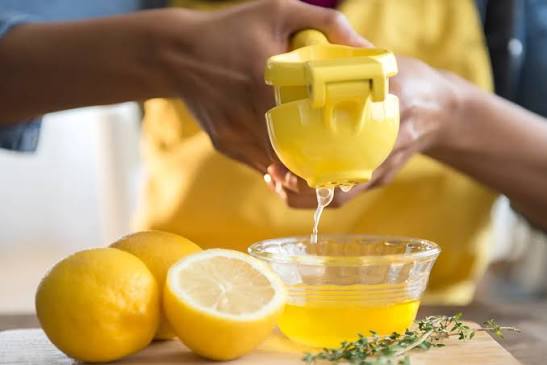
Step 4: Squeeze half a fresh lemon into the cup. Hold the cut lemon face-down and squeeze with your fingers — this releases both juice and some pulp, and if you allow the cut face to briefly contact the warm water, you release some of the peel’s limonene into the drink. Avoid adding peel directly as this increases citric acid concentration beyond the therapeutic range.
Step 5: Stir gently. If using raw honey, test the temperature with your wrist — add honey only when the drink feels warm rather than hot.
Step 6: Drink within five minutes. Vitamin C oxidises progressively once squeezed; the longer the drink sits, the lower its active vitamin C content.
Step 7: Wait twenty to thirty minutes before eating breakfast. This window allows the digestive pre-loading effect to develop and maximises fasting-state nutrient absorption before the digestive system is activated by solid food.
The Monthly and Seasonal Context: When the Practice Delivers Most
Warm lemon water is a daily practice, but its benefits are not uniform throughout different physiological phases — and timing specific augmentations to your cycle or season produces meaningfully better outcomes than treating every morning identically.
For women in the luteal phase of the menstrual cycle (the two weeks between ovulation and menstruation), when prostaglandin precursors are accumulating in the endometrium and systemic inflammation tends to increase, adding the ginger preparation consistently and ensuring the drink is genuinely warm provides the anti-inflammatory and antispasmodic support that reduces the inflammatory load arriving at menstruation. The connection between morning anti-inflammatory practices and menstrual pain management is detailed in our menstrual cramps guide.
During winter months — when Vata qualities of cold and dryness are environmentally amplified, when indoor heating further dries mucous membranes and increases dehydration rates during sleep, and when immune challenge from respiratory pathogens is higher — the practice delivers particularly well-timed immune priming (through fasting-state vitamin C delivery) and respiratory mucosal support (through warm liquid consumption and steam inhalation from the cup during drinking).
During periods of high stress — when cortisol is chronically elevated and its downstream effects on inflammatory pathways, liver detoxification enzyme activity, and digestive function are all impaired — the morning ritual provides both the physiological support of the drink’s active compounds and the psychological grounding of a consistent, health-positive anchor point in a disrupted day. The cortisol management framework and adaptogenic herbs that complement this practice are in our ashwagandha guide and meditation guide.
Frequently Asked Questions: Warm Lemon Water in the Morning
Can I drink warm lemon water at night instead of in the morning?
You can, but you lose the three most significant benefits: the post-fasting rehydration window, the digestive pre-loading effect before the first meal, and the morning thermogenic metabolic activation. Evening consumption provides vitamin C and mild anti-inflammatory benefit but at significantly reduced functional advantage compared to the specific morning-fasting timing the evidence supports. If you genuinely cannot tolerate anything on waking, one teaspoon of lemon juice in 100ml of warm water is a reduced-concentration version more likely to be tolerated by sensitive stomachs.
How long before I notice results?
Digestion changes — reduced morning bloating, more consistent bowel function — are commonly reported within one to two weeks. Energy and mood improvements, attributable primarily to correcting the overnight dehydration deficit, are often noticed within the first week. Skin changes require four to six weeks minimum, corresponding to the skin cell turnover cycle and the time required for meaningful changes in collagen synthesis to produce visible results. Anti-inflammatory benefits that affect menstrual pain and joint comfort typically require two to three months of consistent practice to become apparent.
Does it break an intermittent fast?
Plain warm lemon water without honey contains essentially zero calories and does not produce a measurable insulin response. It is widely considered fasting-safe by intermittent fasting practitioners and researchers. Adding raw honey (approximately 20 to 25 calories per teaspoon, with fructose content that produces a modest insulin response) does technically break a strict fast — though for most people the practical significance is minimal unless they are following a therapeutic fasting protocol with specific insulin management goals.
Is organic lemon necessary?
If you are using only the juice, conventional lemon is fine — pesticide residues concentrate primarily in the peel and are not significantly present in the squeezed juice. If you are briefly contacting the peel to release limonene into the water, or if you want to occasionally use the zest, organic is worth the cost increment — citrus peel accumulates pesticides significantly more than the flesh.
Can children drink warm lemon water?
In reduced concentrations — one teaspoon of lemon juice to 200ml warm water — it is generally considered safe for children over two years and provides the same hydration and vitamin C benefits as for adults. For children with any digestive sensitivity, plain warm water is the safer default, and a paediatrician should be consulted before introducing any consistent dietary change in young children.
What if the taste is too sharp to enjoy?
Start with one teaspoon of lemon juice rather than half a lemon and increase gradually over two weeks — the palate genuinely adapts to citrus flavours with repeated exposure. A thin slice of cucumber added to the cup significantly softens the flavour profile while adding hydrating silica. A small pinch of mineral salt (not table salt) reduces perceived sharpness while adding electrolytes. The honey addition at appropriate temperature also meaningfully smooths the taste. Most people who begin with very little lemon and increase gradually reach the full half-lemon quantity within three to four weeks without difficulty.
Can I use lime instead of lemon?
Yes — lime juice is closely similar in active compound content, with comparable vitamin C, citric acid, and bioflavonoid profiles. Lime is more accessible and often fresher in many parts of India than imported lemons, making it a completely appropriate substitution with equivalent therapeutic value. Kaffir lime (makrut lime), used in traditional South and Southeast Asian medicine, has even higher d-limonene content in its distinctive aromatic leaves and can be added to the preparation for additional liver enzyme support.
Related Articles From HerbeeLife
📖 Anti-Inflammatory Foods: 12 Powerful Choices That Fight Disease From the Inside Out
📖 How to Improve Digestion Naturally: The Complete Evidence-Based Guide
📖 Menstrual Cramps: Causes, Science and 12 Natural Remedies That Actually Relieve Period Pain
📖 How Hormones Affect Your Health: The Complete Guide Women Must Read
📖 Ashwagandha for Stress and Anxiety: What Actually Happens in Your Body
📖 Yoga for Stress Relief: 12 Powerful Poses and Science-Backed Tips for Beginners
📖 The Power of Meditation for Mental and Physical Health: What the Science Shows
Sources and References
1. Stookey JD et al. Drinking water is associated with weight loss in overweight dieting women independent of diet and activity. Obesity, 2008.
2. Armstrong LE et al. Mild dehydration affects mood in healthy young women. Journal of Nutrition, 2012.
3. Boschmann M et al. Water-induced thermogenesis. Journal of Clinical Endocrinology and Metabolism, 2003.
4. Crowell PL. Prevention and therapy of cancer by dietary monoterpenes. Journal of Nutrition, 1999.
5. Miller EG et al. Citrus limonoids: analysis, bioactivity and biomedical prospects. Nutrition and Cancer, 2004.
6. Levine M et al. Vitamin C pharmacokinetics in healthy volunteers: evidence for a recommended dietary allowance. Proceedings of the National Academy of Sciences, 1996.
7. Morand C et al. Hesperidin contributes to the vascular protective effects of orange juice: a randomized crossover study in healthy volunteers. American Journal of Clinical Nutrition, 2011.
Follow HerbeeLife
🌿 Stay connected for more evidence-based natural wellness, Ayurvedic insight, and practical health content:
📸 Instagram | 📌 Pinterest | 👥 Facebook | 🐦 X (Twitter)
Final Thoughts: A 3,000-Year Practice With Modern Biochemical Validation
Warm lemon water in the morning is not a trend to be tried and abandoned when the next wellness habit appears. It is a practice with three thousand years of independent empirical observation across multiple medical traditions, now supported by mechanistic biochemistry that explains precisely why the temperature, the timing, the fresh preparation, and the empty stomach all matter.
The benefits are not miraculous — they are mechanical. Cellular rehydration after overnight fluid loss. Vitamin C delivered at peak fasting bioavailability, timed to the body’s overnight collagen synthesis window. Digestive enzyme pre-loading that reduces the reactive workload of your first meal. Liver detoxification enzyme upregulation that supports the overnight metabolic processing your liver performs every night. Mild alkalising effect that counterbalances the acid-forming modern diet. A morning ritual that primes the psychological momentum of a health-oriented day.
None of this requires expensive products. None of it requires more than two minutes. And for the six categories of people for whom it is contraindicated — GERD sufferers, those with active ulcers, people on specific medications — the honest guidance here points toward alternatives rather than uniform cheerleading.
Start before your next morning. Give it six weeks of consistency. Notice what changes and what does not. The practice works best when it is understood — not blindly followed.
⚠️ Medical Disclaimer: This article is for informational and educational purposes only and does not constitute medical advice. If you have any digestive condition, history of kidney stones, tooth enamel sensitivity, or take regular medications, consult your physician or pharmacist before beginning any new dietary practice. Read full disclaimer →
💬 Which benefit surprised you the most — and if you have already been drinking warm lemon water in the morning, have you noticed any of these effects yourself? Share in the comments. Real experience from this community is genuinely more useful than any single article, and we read every response.