
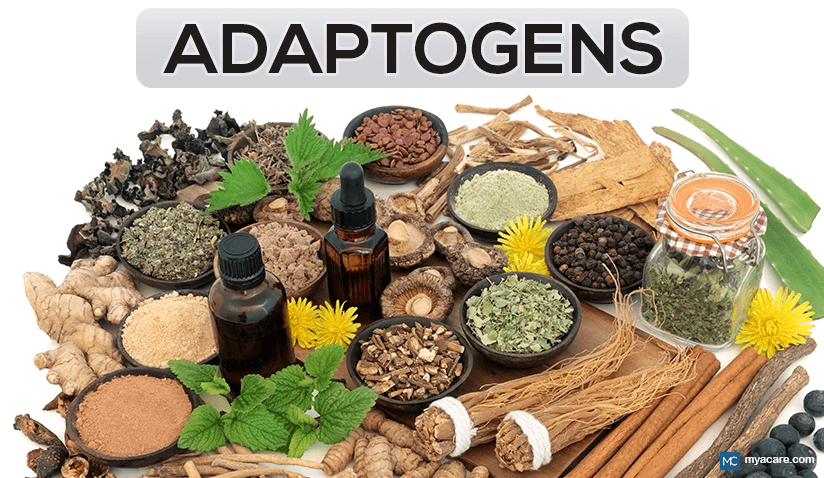

| 📌 KEY TAKEAWAYS — What You Will Learn
✅ Adaptogens and moringa are not just trends — they have decades of scientific literature behind them. ✅ Adaptogens work on the HPA axis — the stress highway in your brain. Most articles never explain this. ✅ Moringa ranked #1 most nutrient-dense plant food in multiple global nutrition assessments. ✅ Clean-label supplements are not just a marketing term — there is a real consumer safety reason behind them. ✅ Not all adaptogens work the same way — each has a different mechanism and target organ. ✅ This article tells you exactly who should NOT use these, which most wellness sites omit entirely. |
Adaptogens and Moringa: Powerful Benefits, Science, and Why They’re Going Viral
Adaptogens and moringa are everywhere right now — in health stores, on Instagram reels, inside premium supplement stacks, and in the morning routines of people who take their health seriously. But here is the problem: most of what you read about them is surface-level.
‘Ashwagandha reduces stress.’ ‘Moringa is a superfood.’ You have heard those lines a hundred times. What you rarely get is the mechanism, the data, the comparison across adaptogens, the honest limitations, and — most importantly — the context that makes these actually useful versus just trendy.
This article changes that. We go deep on adaptogens and moringa — what they actually do inside your body, what the science says, who benefits most, and who should stay away. If you want the full picture, not a recycled list, keep reading.
🔬 Myth vs. Fact: Adaptogens and Moringa Edition
| ❌ MYTH: Adaptogens are a new wellness trend invented by influencers.
✅ FACT: The term ‘adaptogen’ was coined by Soviet pharmacologist Dr. Nikolai Lazarev in 1947. Ashwagandha has been used in Ayurveda for 3,000+ years.
❌ MYTH: All adaptogens do the same thing. ✅ FACT: Each adaptogen has a distinct mechanism. Ashwagandha targets cortisol. Rhodiola targets serotonin/dopamine. Ginseng targets ATP energy production. They are not interchangeable.
❌ MYTH: Moringa is just a leafy green with a fancy name. ✅ FACT: Moringa contains 92 nutrients, 46 antioxidants, and all 9 essential amino acids — making it one of the most nutritionally complete plant foods ever documented.
❌ MYTH: Clean-label means organic or chemical-free. ✅ FACT: Clean-label means ingredient transparency and minimal processing. A product can be clean-label without being organic.
❌ MYTH: Natural means safe for everyone. ✅ FACT: Ashwagandha can raise thyroid hormones. Moringa can lower blood pressure. Rhodiola may worsen anxiety in some individuals. Natural is not unconditionally safe. |
What Are Adaptogens and Moringa — The Real Definitions
Adaptogens: The Stress Modulators
An adaptogen is a natural substance that meets three specific scientific criteria, first defined by Brekhman & Dardymov (1969) and later refined by Panossian & Wikman (2010):
- It must be non-toxic at normal doses.
- It must produce a non-specific resistance to stress — meaning it works regardless of the type of stressor (physical, chemical, or biological).
- It must normalise bodily functions — raising what is too low and lowering what is too high, without pushing the body to an extreme in either direction.
That third point is the key differentiator. Adaptogens do not simply sedate you or stimulate you. They modulate. This bidirectional action is what makes them fundamentally different from stimulants (like caffeine) or suppressants (like sedatives).
Moringa: The Nutrition Powerhouse
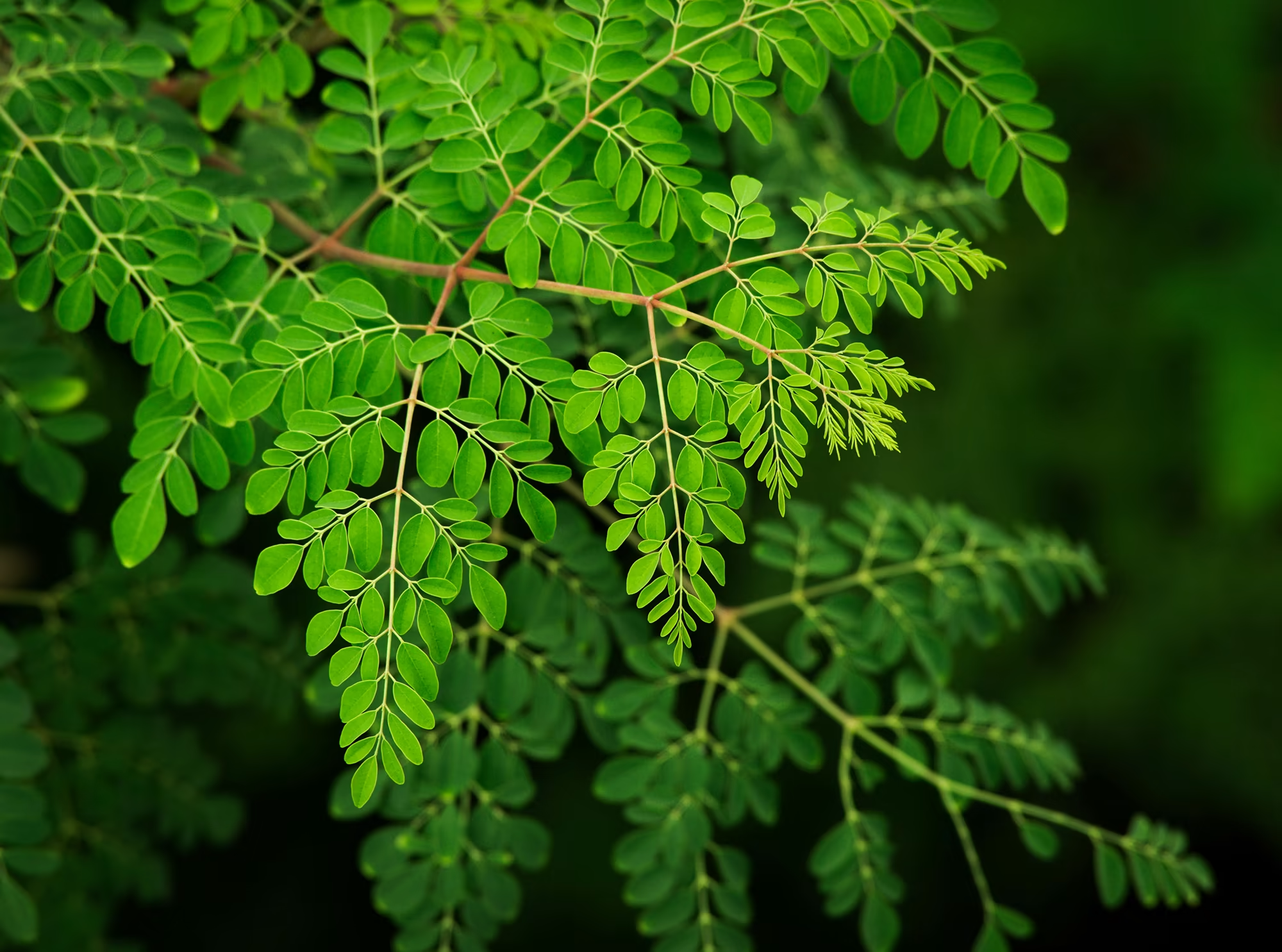
Moringa oleifera — the drumstick tree — is not technically an adaptogen, but it is often grouped with them in the wellness world because of its comprehensive nutritional and anti-inflammatory profile. Moringa is better classified as a functional superfood: a whole food with pharmacological activity.
Every part of the moringa tree — leaves, seeds, pods, roots, bark — has documented nutritional and medicinal use. The leaves are the most studied and commercially available part.
The HPA Axis: Why Stress Breaks You — and How Adaptogens and Moringa Help
Here is the biology that most articles skip entirely, and it is the most important part.
When you experience stress — whether a work deadline, a difficult relationship, poor sleep, or even intense exercise — your brain activates the Hypothalamic-Pituitary-Adrenal (HPA) axis. This triggers a cascade: the hypothalamus releases CRH, which tells the pituitary to release ACTH, which tells the adrenal glands to release cortisol.
Cortisol in short bursts is healthy — it sharpens focus and mobilises energy. The problem is chronic activation. When cortisol stays elevated for weeks or months, it does measurable damage:
- Suppresses immune function — leaving you vulnerable to illness.
- Disrupts sleep architecture — reducing deep sleep and recovery.
- Causes hippocampal atrophy — the brain region responsible for memory and mood regulation actually shrinks.
- Drives metabolic dysfunction — promoting fat storage, insulin resistance, and appetite dysregulation.
- Suppresses thyroid hormone conversion — leading to fatigue and weight gain.
Adaptogens interrupt this cycle at multiple points. Ashwagandha reduces cortisol directly by modulating CRH and ACTH signalling. Rhodiola works upstream by activating stress-protective proteins (Hsp70 and Hsp90). Panax ginseng enhances the body’s energy reserves so the stress response does not deplete you as quickly.
| 💡 Insider Angle: This is why adaptogens and moringa are particularly valuable for people under chronic, low-grade stress — not just acute crisis stress. Modern urban life creates exactly the cortisol environment that these herbs are designed to counter. |
Adaptogens Compared: Which One Is Right for You?
Not all adaptogens are equal, and choosing the wrong one for your specific situation wastes time and money. Here is the data-driven comparison:
| Adaptogen | Primary Mechanism | Best For | Caution |
| Ashwagandha (KSM-66) | Reduces cortisol, modulates HPA axis, boosts testosterone | Chronic stress, fatigue, low energy, sleep problems | Thyroid disorders, autoimmune conditions, pregnancy |
| Rhodiola Rosea | Activates Hsp70/Hsp90, modulates serotonin & dopamine | Mental fatigue, burnout, depression, focus | May worsen anxiety in high doses; bipolar disorder |
| Tulsi / Holy Basil | COX-2 inhibitor, adaptogenic + anti-inflammatory | Stress, blood sugar support, respiratory health | Blood-thinning medication, surgery prep |
| Panax Ginseng | Activates ginsenosides, enhances ATP production | Physical stamina, cognitive performance, libido | Insomnia, hypertension, estrogen-sensitive conditions |
| Shatavari | Phytoestrogen activity, reproductive hormone support | Women’s health, hormonal balance, menopause | Hormone-sensitive cancers, kidney disease |
| Maca Root | Hypothalamic regulation of reproductive hormones | Hormonal balance, libido, fertility support | Thyroid issues, hormone-sensitive conditions |
Source: Panossian & Wikman (2010), Pharmaceuticals; Pratte et al. (2014), Journal of Alternative and Complementary Medicine; Auddy et al. (2008), JANA.
Moringa Deep Dive: 92 Nutrients in One Leaf
The moringa leaf is one of the most nutritionally complete foods ever studied. That is not marketing — it is documented by the Trees for Life Foundation, the National Institutes of Health, and multiple peer-reviewed nutrition analyses.
| Nutrient | Amount per 100g Dried Leaf | Compared To |
| Vitamin C | 220 mg | 7x more than oranges |
| Calcium | 2,003 mg | 4x more than milk |
| Iron | 28 mg | 3x more than spinach |
| Vitamin A | 18,900 IU | 4x more than carrots |
| Potassium | 1,324 mg | 3x more than bananas |
| Protein | 27g | 2x more than yogurt |
| Magnesium | 368 mg | Higher than most nuts |
| Antioxidants | 46 types | Quercetin, chlorogenic acid, beta-carotene |
Source: Fahey, J.W. (2005), Trees for Life Journal; Gopalakrishnan et al. (2016), Asian Pacific Journal of Tropical Biomedicine.
What Moringa Actually Does in the Body
Moringa’s benefits are not vague. Here is the mechanism behind each major effect:
→ Blood sugar regulation
Chlorogenic acid slows glucose absorption after meals; isothiocyanates improve insulin sensitivity at the cellular level.
→ Anti-inflammation
Quercetin and kaempferol inhibit NF-κB — a master inflammatory pathway linked to arthritis, heart disease, and metabolic syndrome.
→ Liver protection
Moringa extract has been shown to reduce ALT/AST liver enzymes and protect against chemical-induced hepatotoxicity in multiple animal studies.
→ Energy without stimulants
Unlike caffeine, moringa’s energy benefit comes from iron (reducing anaemia-related fatigue) and B vitamins (supporting mitochondrial function).
→ Skin and hair health
Vitamin A and zinc in moringa support keratin production; its antioxidants reduce oxidative stress that drives premature skin ageing.
Clean-Label Supplements: The Business Angle Nobody Talks About
Clean-label is where adaptogens, moringa, and the supplement industry intersect in a genuinely interesting way — and it is not just about consumer preference.
The global clean-label supplement market was valued at USD 38.8 billion in 2023 and is projected to reach USD 64.1 billion by 2030 (Grand View Research, 2024). This is not a niche. This is the mainstream shifting.
Here is the industry insight: the reason brands are going clean-label is not purely altruistic. It is because consumers are increasingly reading labels — and rejecting products with ingredients they do not recognise. In a 2022 FMCG Gurus survey, 73% of global consumers said they would pay a premium for a product with shorter, more understandable ingredient lists.
| 📊 Industry Data: The 3 ingredients driving the most growth in clean-label wellness supplements in 2024–2026:
1. Ashwagandha (KSM-66 and Sensoril forms) — driven by clinical trial volume 2. Moringa leaf powder — driven by nutrient density marketing in Asia and Africa 3. Rhodiola Rosea — driven by burnout awareness post-pandemic
📌 What this means for you as a consumer: the popularity of adaptogens and moringa is not random. It is supported by both clinical research and massive consumer demand shifts. |
How to Read a Clean-Label Supplement — Practical Guide
Most people buy supplements based on the front of the pack. The real information is on the back. Here is what to check:
- Ingredient list length — fewer ingredients generally means less filler. If you cannot pronounce 6+ ingredients, investigate before buying.
- Standardised extract percentage — for adaptogens, always look for standardised extracts. Ashwagandha should specify ‘KSM-66’ or ‘5% withanolides.’ Generic powder has no guaranteed potency.
- Third-party testing — look for NSF, USP, or Informed Sport certification. This confirms what is on the label is actually in the product.
- No proprietary blends — ‘proprietary blend’ means the brand does not have to disclose individual ingredient doses. This is a red flag for underdosing.
- No artificial colours, sweeteners, or unnecessary binders — these are markers of a cost-cutting manufacturing process.
How to Use Adaptogens and Moringa Daily — The Right Way
Adaptogens: Dosage and Timing
| Adaptogen | Recommended Daily Dose | Best Taken | Onset Time |
| Ashwagandha | 300–600mg (KSM-66) | Evening with food or warm milk | 2–4 weeks |
| Rhodiola Rosea | 200–400mg | Morning, before 2pm (stimulating) | 1–2 weeks |
| Tulsi / Holy Basil | 300–600mg or 2–3 cups tea | Morning or afternoon | 1–3 weeks |
| Panax Ginseng | 200–400mg | Morning, cycled (8 weeks on, 2 weeks off) | 2–4 weeks |
| Moringa Leaf Powder | 1–2 teaspoons (3–6g) | Morning in smoothie/water | 1–2 weeks (energy), longer for other benefits |
| ⚠️ Important Principle: Adaptogens require consistency. Taking ashwagandha once after a stressful day will not do much. The clinical trials that show cortisol reduction used 8–12 weeks of daily supplementation. Treat them like you would a healthy diet — long-term investment, not quick fix. |
Moringa: Practical Ways to Add It Daily
- Morning smoothie — 1 teaspoon moringa powder + banana + ginger + coconut water.
- Dal or sabzi — add 1 teaspoon to cooked lentils or vegetables at the end of cooking (heat reduces some nutrients).
- Moringa tea — steep 1 teaspoon of dried leaf in hot water for 5 minutes.
- Capsules — if taste is an issue, 500mg standardised capsules twice daily is equivalent to roughly 1 teaspoon powder.
- Combine with black pepper — piperine in pepper enhances absorption of moringa’s fat-soluble compounds by up to 20%.
Who Should Not Use Adaptogens and Moringa — Clear Cautions
| 🚫 Pregnant or breastfeeding women — moringa root and bark may stimulate uterine contractions; adaptogen safety data in pregnancy is insufficient.
🚫 People with autoimmune conditions (lupus, RA, MS) — ashwagandha and ginseng stimulate immune activity, which can worsen autoimmune flares. 🚫 Hyperthyroid patients — ashwagandha can raise T3 and T4 levels, dangerous for those already with elevated thyroid hormones. 🚫 Anyone on immunosuppressants — adaptogens that activate the immune system counteract immunosuppressive medication. 🚫 People on blood pressure medication — moringa and ashwagandha both lower blood pressure; combination may cause hypotension. 🚫 People with bipolar disorder — rhodiola and ginseng can trigger manic episodes in susceptible individuals. 🚫 Pre-surgery (within 2 weeks) — several adaptogens affect bleeding time and anaesthesia metabolism. 🚫 Children under 12 — no established paediatric dosage for most adaptogens. |
Realistic Timeline: When Will You Actually Feel the Difference?
One of the biggest reasons people give up on adaptogens and moringa is unrealistic expectations. Here is the honest timeline based on clinical study durations:
| Week | What May Change |
| Week 1–2 | Moringa: more energy, reduced morning fatigue. Ashwagandha: slightly calmer evenings, improved sleep onset. |
| Week 3–4 | Rhodiola: improved mental focus and reduced mental fatigue during demanding tasks. Ashwagandha: measurable cortisol reduction in some individuals. |
| Month 2 | More resilient stress response — the same triggers feel less overwhelming. Better mood stability across the day. |
| Month 3 | Cumulative anti-inflammatory and immune effects. Hormonal balance improvements (particularly with ashwagandha and shatavari) become more apparent. |
| Month 4+ | Long-term benefits: improved body composition, stronger immunity, more consistent energy levels throughout the day. |
| 💡 Psychological Insight: The people who abandon adaptogens after two weeks are often the people who need them most. Chronic stress takes months to build up in the body — it takes months to unwind. Consistency is the only strategy that works. |
Explore More on HerBeeLife
Dig deeper into related natural health topics:
- → Ashwagandha Benefits for Stress & Anxiety (Science-Backed Guide)
- → Tulsi for Cough, Cold & Lung Health: A Complete Guide
- → Giloy Benefits for Immunity: How to Use for Stronger Natural Defence
- → Amla Benefits for Immunity & Digestion: Science-Backed Guide
- → 10 Natural Remedies for Reducing Anxiety and Stress
- → Clove Water Benefits: 9 Powerful Daily Effects
- → Natural Ways to Boost Your Immune System
Follow HerBeeLife
📸 Instagram | 📌 Pinterest | 🐦 X (Twitter) | 👍 Facebook
Sources & References
- Auddy, B., et al. (2008). A standardized Withania somnifera extract significantly reduces stress-related parameters in chronically stressed humans. JANA, 11(1), 50–56.
- Brekhman, I. I., & Dardymov, I. V. (1969). New substances of plant origin which increase nonspecific resistance. Annual Review of Pharmacology, 9(1), 419–430.
- Fahey, J. W. (2005). Moringa oleifera: A review of the medical evidence for its nutritional, therapeutic, and prophylactic properties. Trees for Life Journal, 1(5), 1–15.
- FMCG Gurus (2022). Clean Label Trends: Global Consumer Survey. fmcggurus.com
- Gopalakrishnan, L., et al. (2016). Moringa oleifera: A review on nutritive importance and its medicinal application. Food Science and Human Wellness, 5(2), 49–56.
- Grand View Research (2024). Clean Label Ingredients Market Report. grandviewresearch.com
- Panossian, A., & Wikman, G. (2010). Effects of adaptogens on the central nervous system. Pharmaceuticals, 3(1), 188–224.
- Pratte, M. A., et al. (2014). An alternative treatment for anxiety: a systematic review of human trial results reported for the ayurvedic herb ashwagandha. Journal of Alternative and Complementary Medicine, 20(12), 901–908.
- Darbinyan, V., et al. (2000). Rhodiola rosea in stress-induced fatigue — a double-blind cross-over study. Phytomedicine, 7(5), 365–371.
FAQ — Adaptogens and Moringa (Rank Math FAQPage Schema)
Copy each Q&A into Rank Math’s FAQ Block in WordPress to auto-generate FAQPage schema.
Q: What are adaptogens and moringa, and why are they trending?
A: Adaptogens are natural herbs that help the body adapt to stress by modulating the HPA axis and cortisol response. Moringa is a nutrient-dense functional superfood containing 92 nutrients and 46 antioxidants. They are trending because of rising stress levels, a shift toward preventive health, growing scientific validation, and consumer demand for clean, transparent supplements.
Q: Which adaptogen is best for stress and anxiety?
A: Ashwagandha (particularly KSM-66 extract) has the most clinical evidence for reducing cortisol and perceived stress. Rhodiola Rosea is better for mental fatigue and burnout. The right choice depends on your specific symptoms — they are not interchangeable.
Q: Can I take adaptogens and moringa together?
A: Yes, they are commonly combined. Moringa provides comprehensive nutrition that supports overall cellular health, while adaptogens specifically target the stress response. However, people with health conditions or on medication should consult a doctor before combining them.
Q: How long does it take for adaptogens to work?
A: Most clinical studies show measurable effects after 4–8 weeks of daily use. Rhodiola may show some effect within 1–2 weeks for mental fatigue. Ashwagandha’s cortisol-lowering effects are typically measured at the 8–12 week mark. Consistency is essential.
Q: Is moringa safe to take every day?
A: Moringa leaf powder is generally safe at 1–2 teaspoons (3–6g) daily for most healthy adults. Avoid moringa root and bark, especially during pregnancy, as these parts contain different compounds. People with low blood pressure or on thyroid medication should consult a doctor.
Q: What does clean-label mean in supplements?
A: Clean-label means the product uses simple, recognisable ingredients with minimal processing and no unnecessary artificial additives, fillers, or synthetic preservatives. It is a consumer-driven transparency standard, not a regulatory certification.
Q: Who should avoid adaptogens?
A: People with autoimmune conditions, hyperthyroidism, bipolar disorder, those on blood pressure or immunosuppressant medication, pregnant or breastfeeding women, and children under 12 should avoid most adaptogens or consult a doctor first.
Q: What makes moringa a superfood compared to other greens?
A: Moringa contains all 9 essential amino acids (rare in plant foods), 7x more Vitamin C than oranges, 4x more calcium than milk, 3x more iron than spinach, and 46 types of antioxidants. Its nutritional density per gram is unmatched among commonly available leafy greens.
Final Thoughts
Adaptogens and moringa are not magic pills. They are biological tools — and like any tool, their effectiveness depends entirely on how correctly and consistently you use them.
The people getting real results are not the ones who tried ashwagandha for ten days after a stressful week. They are the ones who committed to a 3-month protocol, stacked it with better sleep and reasonable nutrition, and let the cumulative effect do its work.
What makes this category genuinely exciting is the intersection of ancient knowledge and modern validation. Ashwagandha has 3,000 years of traditional use AND over 50 peer-reviewed clinical trials. That combination is rare in natural medicine — and it is the reason these are worth your attention.
| 💬 Now we want to hear from you:
Which surprised you more — the science behind adaptogens, or the nutritional data on moringa?
Or have you already tried any of these? What was your experience — and what would you tell someone just starting out?
Drop your thoughts in the comments. Your real-world experience helps others make better decisions. |
| ⚠️ MEDICAL DISCLAIMER
This article is for informational and educational purposes only. It does not constitute medical advice, diagnosis, or treatment. All content reflects published research and general wellness knowledge reviewed by the HerBeeLife editorial team.
Always consult a qualified, licensed healthcare provider before starting any supplement — especially if you have an existing medical condition, are pregnant or breastfeeding, or are on prescription medication. Individual results will vary. |
© 2026 HerBeeLife.in | All Rights Reserved | https://herbeelife.in/adaptogens-moringa-wellness-trend/


