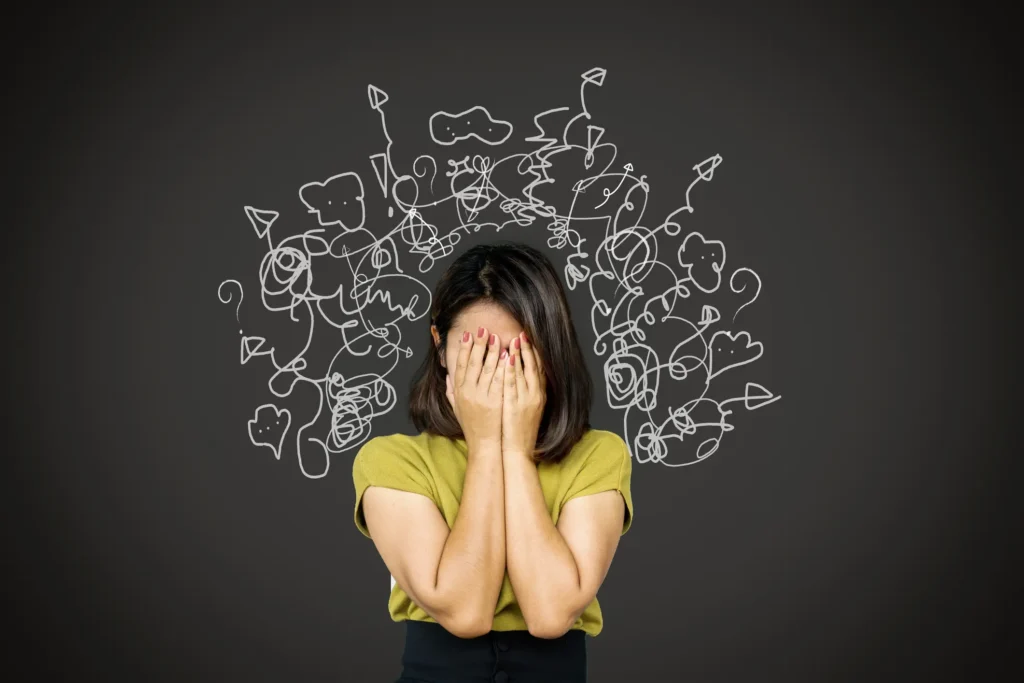

Anxiety is not a character flaw. It is not weakness, overthinking, or an inability to cope. It is a physiological state — a measurable pattern of cortisol elevation, amygdala hyperactivation, sympathetic nervous system overdrive, and gut microbiome disruption — that an estimated 150 million Indians now live with daily, according to the National Mental Health Survey. Most receive no treatment. Many do not even recognise it as a condition rather than simply “how they are.”
The most important thing modern neuroscience has clarified about anxiety is this: it is a nervous system state, not a personality trait. And nervous system states can be changed. The natural remedies for anxiety in this guide work precisely because they address the neurobiological mechanisms that maintain anxiety — not through suppression, but through genuine restoration of the body’s capacity to return to calm after activation. Several of these strategies have clinical trial evidence comparable to pharmaceutical anxiolytics. All of them are accessible. None of them require a prescription.
This guide is written with both compassion and clinical precision — because anxiety deserves both.
Important: Natural strategies are powerful adjuncts for mild to moderate anxiety and stress. Moderate to severe anxiety disorders — those significantly impairing daily function, relationships, or work — benefit most from professional mental health support alongside natural management. If your anxiety is overwhelming, please reach out to a mental health professional. In a crisis, contact iCall: 9152987821.
Understanding the Anxiety Mechanism — Why Your Body Gets Stuck in “Alert Mode”
To choose the right natural remedies, you need to understand what you are trying to change. Anxiety is not simply “too many worrying thoughts.” It is a whole-body physiological state rooted in the activation of the hypothalamic-pituitary-adrenal (HPA) axis — the body’s primary stress response system.
When the brain perceives threat (real, imagined, or chronic-environmental), the hypothalamus signals the pituitary, which signals the adrenal glands to release cortisol and adrenaline. Heart rate rises. Breathing becomes shallow and rapid. Digestion slows. Muscle tension increases. The prefrontal cortex (rational thinking, perspective) is partially suppressed. The amygdala (threat detection, emotional reactivity) becomes hyperactive.
In acute, short-term stress, this is healthy and adaptive. In chronic stress — the daily background hum of urban Indian life, work pressure, financial anxiety, information overload, relationship demands — the HPA axis never fully quietens. Cortisol remains chronically elevated. The amygdala remains sensitised. The nervous system never returns to its resting parasympathetic state.
This is the biology of chronic anxiety: not one dramatic fear, but a nervous system that has lost its ability to return to baseline. Every effective natural remedy addresses some part of this mechanism — either reducing cortisol production, activating the parasympathetic system directly, improving the neurotransmitter balance that determines anxiety threshold, or addressing the gut-brain axis disruption that chronic stress creates.
12 Natural Remedies for Anxiety and Stress — With the Neuroscience Behind Each
1. Ashwagandha (Withania somnifera) — The Cortisol Regulator
The mechanism: Ashwagandha’s withanolides — the primary bioactive compounds — modulate the HPA axis at multiple levels: they reduce cortisol synthesis, downregulate CRH (corticotropin-releasing hormone) receptor sensitivity, and normalise the HPA axis’s overactive stress response without suppressing its acute stress capacity. This is the adaptogenic action: not sedation, but regulation.
The evidence: A double-blind randomised controlled trial published in Medicine found ashwagandha root extract (300mg twice daily) significantly reduced anxiety scores, cortisol levels, and stress perception compared to placebo over 8 weeks. A second RCT in the Journal of the American Nutraceutical Association found equivalent significant anxiety reduction. The effect sizes were clinically meaningful — comparable to low-dose anxiolytic effects without sedation or dependency.
Who benefits most: People whose anxiety is driven primarily by chronic stress and elevated cortisol — the “always-on” anxiety of work pressure, perfectionism, and chronic overcommitment. Ashwagandha is less specifically targeted for acute panic episodes and more appropriate for the chronic, diffuse, low-grade anxiety that has become the norm for millions of Indians.
How to use: 300–600mg of standardised root extract (standardised to withanolide content) daily, with food. Morning or evening — both work; evening is preferred by those who find it relaxing. Allow 4–8 weeks for full benefit. The full evidence is in our ashwagandha guide.
Caution: Not recommended during pregnancy. Discuss with a physician if on thyroid medication or immunosuppressants.
2. Breathwork — The Fastest Nervous System Reset Available
The mechanism: Breathing is the only autonomic function under both voluntary and involuntary control. This dual control is the key to its power for anxiety. Slow, deliberate breathing — specifically breathing with an extended exhalation — directly activates the vagus nerve through afferent signals from the diaphragm and thorax. Vagal activation shifts the autonomic nervous system from sympathetic dominance (anxiety state) to parasympathetic dominance (calm state) within minutes. Heart rate variability (HRV) — the primary objective marker of vagal tone and anxiety resilience — improves measurably within a single session of slow breathing.
The evidence: A meta-analysis in Frontiers in Human Neuroscience covering 15 clinical trials confirmed that slow breathing significantly reduced self-reported anxiety, reduced salivary cortisol, and increased HRV. Studies specifically on pranayama (yogic breathing) from AIIMS and other Indian research institutions confirm significant reductions in anxiety and cortisol from 20 minutes of daily pranayama over 4 weeks.
The three most evidence-backed breathing techniques for anxiety:
- Anulom-Vilom (Alternate Nostril Breathing): Alternate nostril breathing balances activity between the left and right hemispheres of the prefrontal cortex through the differential nasal airflow mechanism, producing measurable symmetry in brain activity associated with emotional regulation. 10–20 minutes daily produces the most consistent anxiety reduction in Indian RCT data.
- Extended exhale (4:8 breathing): 4-second inhale, 8-second exhale (or any ratio with exhale double the inhale). The extended exhale specifically activates the vagal brake on heart rate — the most direct parasympathetic activation mechanism available. Practice for 5 minutes to interrupt an acute anxiety episode within minutes.
- Bhramari (Humming Breath): The vibration of humming activates the superior laryngeal branch of the vagus nerve and stimulates nitric oxide release in the nasal sinuses, producing vasodilation and direct parasympathetic calming. Research from AIIMS found Bhramari significantly reduced blood pressure, heart rate, and anxiety scores. The comprehensive breathing and yoga science is in our yoga for stress relief guide.
3. Magnesium — The Mineral Whose Deficiency Mimics Anxiety
The mechanism: Magnesium is a cofactor for GABA synthesis — GABA being the primary inhibitory neurotransmitter that “quiets” neural firing and produces calm. Magnesium also blocks NMDA glutamate receptors (the excitatory receptor that, when over-activated, produces the hyperexcitable neural state of anxiety), and regulates HPA axis cortisol secretion by modulating the pituitary’s sensitivity to CRH stimulation.
Magnesium deficiency produces a state that is neurochemically almost indistinguishable from anxiety: heightened neural excitability, poor sleep, irritability, muscle tension, and increased stress reactivity. The prevalence of magnesium deficiency in urban India — driven by the shift from magnesium-rich traditional millets to refined grains — means that a significant proportion of anxiety in urban Indian populations has a nutritional substrate that is entirely correctable.
The evidence: A systematic review published in Nutrients covering 18 studies found magnesium supplementation significantly reduced subjective anxiety scores, with the most pronounced effects in populations with established deficiency and in people with anxiety associated with chronic stress.
Dietary sources: Bajra and ragi (traditional millets with 8–11mg magnesium per gram — the most significant dietary change available for urban Indians), dark leafy greens (palak, moringa, methi), pumpkin seeds, all varieties of dal and rajma, almonds, cashews, dark chocolate (70%+ cocoa). The full magnesium-anxiety context connects to our blood pressure guide where magnesium’s cardiovascular calming mechanisms are detailed.
Supplementation: Magnesium glycinate (200–400mg at bedtime) — the most bioavailable and most calming form for anxiety. The glycine component has independent GABA-modulating and anxiolytic effects.
4. Meditation — Structurally Changing the Anxious Brain
The mechanism: Regular meditation practice produces measurable structural and functional changes in the brain — not just temporary relaxation but lasting neurological modification. Consistent meditators show reduced amygdala volume (the brain’s threat-detection centre), reduced Default Mode Network (DMN) activation (the rumination network that produces anxiety’s “thought loops”), increased prefrontal cortex grey matter density (supporting rational perspective and emotional regulation), and improved cortico-limbic connectivity (stronger “top-down” cortical control over amygdala reactivity).
The evidence: A landmark study published in Psychiatry Research found an 8-week Mindfulness-Based Stress Reduction (MBSR) programme produced measurable reduction in amygdala grey matter density alongside self-reported reductions in stress. A meta-analysis in JAMA Internal Medicine covering 47 trials found meditation programmes produced moderate reductions in anxiety, depression, and pain — comparable to effect sizes of antidepressant medications for mild anxiety.
For beginners: Begin with 5 minutes of breath-focused attention daily — simply noticing the breath without trying to control it. The goal is not to stop thoughts but to notice them without being swept away. Use the body-scan technique specifically for anxiety: systematically directing attention through each body part releases the unconscious muscular tension that anxiety maintains. The comprehensive meditation science and practice guide is at our power of meditation guide.
5. Regular Aerobic Exercise — The Antidepressant Your Body Makes
The mechanism: Exercise produces several direct neurochemical changes relevant to anxiety: it increases BDNF (brain-derived neurotrophic factor — a protein that stimulates neurogenesis, strengthens the hippocampus, and improves the brain’s adaptability to stress), increases serotonin and noradrenaline availability (the same neurotransmitters targeted by SSRI and SNRI antidepressant medications), reduces baseline cortisol, and provides the “completion” of the stress cycle that chronic anxiety prevents — discharging the stored energy that cortisol and adrenaline mobilise.
The evidence: A meta-analysis in Anxiety, Stress and Coping covering 90 randomised trials confirmed aerobic exercise produces significant reductions in anxiety — with effects comparable to cognitive behavioural therapy for mild-moderate anxiety. A single 30-minute aerobic exercise session reduces anxiety for up to 24 hours post-exercise — a “dose” of endogenous anxiolytic that no supplement can replicate.
What works: Any sustained moderate aerobic activity — brisk walking, cycling, swimming, jogging — for 30 minutes, 5 days weekly. The regularity matters more than the intensity. Morning exercise normalises cortisol’s daily rhythm (the natural cortisol peak at 7–9am is healthily expressed through exercise rather than accumulating as anxious arousal). The full evidence is in our exercise benefits guide.
6. Tulsi (Holy Basil) — Adaptogenic Calm From Your Own Plant
The mechanism: Tulsi’s ocimumosides A and B — unique to Ocimum tenuiflorum — are the primary anxiolytic compounds. They modulate the HPA axis through normalisation of cortisol secretion, and additionally modulate neurotransmitter systems in the limbic brain: they increase serotonin and dopamine availability in the hippocampus and prefrontal cortex (the same neurotransmitter changes targeted by SSRI medications) without the receptor downregulation that chronic SSRI use produces. Tulsi also modulates GABA-A receptor sensitivity through its apigenin content — providing a direct anxiolytic effect through the same receptor as benzodiazepines, but without dependence risk.
The evidence: A double-blind randomised trial found standardised tulsi extract (500mg twice daily) significantly improved anxiety scores, cognitive function, and stress measures over 6 weeks — with measurable plasma cortisol reduction confirming HPA axis normalisation. A separate placebo-controlled trial found tulsi significantly reduced generalised anxiety disorder symptoms in 35 adult patients.
How to use: 4–6 fresh tulsi leaves chewed in the morning before food. Tulsi tea (10–12 leaves steeped 10 minutes in hot water with honey) 1–2 cups daily. Tulsi + ashwagandha combination (the most classic Ayurvedic anxiety formulation) addresses HPA axis cortisol regulation from two complementary angles. The full tulsi science is in our tulsi benefits guide.
7. Sleep Optimisation — The Foundation Everything Else Rests On
The mechanism: Sleep deprivation directly increases amygdala reactivity — a landmark study in Nature Neuroscience found sleep-deprived participants showed 60% greater amygdala response to negative stimuli compared to rested participants, with simultaneous disconnection of the prefrontal cortex’s modulating influence. This is the neuroscience of why everything feels more catastrophic when you are sleep-deprived. Chronic sleep restriction also elevates cortisol, reduces BDNF, impairs hippocampal neurogenesis, and drives the anxiety-sleep cycle: anxiety impairs sleep, and impaired sleep worsens anxiety.
The evidence: A meta-analysis in Sleep Medicine Reviews confirmed bidirectional relationship between sleep disturbance and anxiety disorders — with sleep improvement alone producing significant anxiety symptom reduction in multiple trials. Research from AIIMS specifically on Indian populations found that sleep restriction below 6 hours was associated with a 2.5-fold increase in anxiety symptom prevalence.
The most evidence-backed sleep practices for anxiety:
- Consistent sleep and wake times 7 days a week — circadian rhythm stability directly reduces the nocturnal cortisol elevations that drive anxiety.
- No screens 60–90 minutes before bed — blue light suppresses melatonin and maintains the prefrontal cortex stimulation that prevents sleep onset.
- Warm milk with ashwagandha and a pinch of nutmeg at bedtime — the traditional Indian preparation of warm milk with adaptogenic herbs simultaneously provides tryptophan (melatonin precursor), ashwagandha’s HPA-calming effects, and nutmeg’s mild GABA-modulating activity.
- The full sleep and morning routine science is at our healthy morning routine guide.
8. The Gut-Brain Axis — Why Your Anxiety Might Be in Your Stomach
The mechanism: The gut contains 500 million enteric neurons, produces 95% of the body’s serotonin, and communicates bidirectionally with the brain through the vagus nerve and through cytokine signalling from the gut microbiome. Gut dysbiosis — an imbalanced microbiome with reduced diversity and reduced beneficial bacteria populations — produces systemic inflammatory cytokines (IL-6, IL-1β, TNF-α) that cross the blood-brain barrier and directly increase amygdala reactivity and reduce GABA availability. This is why so many people with anxiety report digestive symptoms (IBS, bloating, irregular bowel movements) — the gut-brain dysregulation drives both simultaneously.
The evidence: A randomised trial published in Psychosomatic Medicine found that probiotic supplementation (Lactobacillus rhamnosus) significantly reduced anxiety and depression scores and reduced cortisol reactivity in animal models — with human trials showing similar trends. A systematic review confirmed the emerging evidence that gut microbiome interventions improve anxiety symptoms through the gut-brain axis.
Dietary strategies for the anxiety-gut axis:
- Daily dahi or chaas (live culture fermented dairy — Lactobacillus and Streptococcus thermophilus).
- Diverse prebiotic plant foods: diverse dal varieties, seasonal vegetables, whole grains — 30 different plant foods weekly supports the microbiome diversity most associated with mental health resilience.
- Reduce sugar and refined carbohydrates: high glycaemic diets drive gut dysbiosis through selective feeding of inflammatory microbial species.
- Omega-3 from fatty fish, walnuts, and flaxseed: EPA and DHA reduce the neuroinflammation that worsens anxiety through the gut-brain axis. The comprehensive gut health science is in our digestion guide.
9. L-Theanine and Green Tea — Calm Without Drowsiness
The mechanism: L-theanine — an amino acid found almost exclusively in green tea — crosses the blood-brain barrier and directly increases alpha brain wave activity (the 8–12 Hz frequencies associated with relaxed alertness — the meditative state), increases GABA production, and reduces the excitatory glutamate activity that maintains anxious neural over-firing. Crucially, L-theanine produces calm without sedation — alpha waves represent wakeful relaxation rather than drowsiness, making it particularly useful for daytime anxiety management without cognitive impairment.
The evidence: Multiple randomised crossover trials have confirmed L-theanine (200mg) significantly increases alpha wave activity and reduces self-reported anxiety within 30–60 minutes of consumption. A trial published in the Journal of Functional Foods found L-theanine significantly reduced stress responses and cortisol in participants exposed to stressful tasks. When green tea is consumed (rather than isolated L-theanine supplements), the L-theanine moderates caffeine’s sympathetic activation — producing a calm, focused alertness that neither caffeine alone nor L-theanine alone produces.
How to use: 1–2 cups of high-quality green tea (matcha has the highest L-theanine concentration — 3–4x regular green tea) in the morning or early afternoon. Avoid late afternoon consumption due to caffeine. L-theanine supplements (200mg) can be used during high-anxiety periods for more consistent dosing than tea provides.
10. Yoga — The Complete Mind-Body Anxiety Intervention
The mechanism: Yoga’s anxiety reduction works through the most comprehensive set of simultaneous mechanisms of any practice in this guide: parasympathetic activation through diaphragmatic breathing, GABA increase (a key finding — a 2010 study in the Journal of Alternative and Complementary Medicine found yoga increases GABA levels by 27% as measured by brain spectroscopy, while walking produced no such increase), cortisol reduction through HPA axis modulation, amygdala volume reduction with regular practice, proprioceptive improvement through movement that reduces the muscular tension of anxiety, and the social-psychological benefit of group practice.
The evidence: The GABA study is particularly significant — it provides the neurochemical mechanism for yoga’s anxiety reduction that distinguishes it from simple exercise. The 27% GABA increase from a single yoga session is comparable to the increase produced by low-dose benzodiazepines — explaining why yoga feels powerfully calming rather than simply relaxing. A meta-analysis in Psychological Medicine confirmed yoga significantly reduces anxiety across multiple disorder types and populations. The comprehensive yoga guide with specific poses is at our yoga for stress relief guide.
Most effective poses for anxiety specifically: Viparita Karani (legs up the wall — the most direct parasympathetic activation pose), Balasana (child’s pose — activates baroreceptors and triggers vagal calming), Savasana with body scan (integration of the session’s neurochemical changes), and Nadi Shodhana pranayama (alternate nostril breathing — HPA normalisation and hemispheric balance).
11. Reducing Digital Overstimulation — The Modern Anxiety Driver
The mechanism: Smartphones and social media maintain the prefrontal cortex and amygdala in a state of continuous vigilance — the same neurological state as anxiety. Notifications trigger cortisol pulses. Social comparison activates threat-detection circuits. Information overload overwhelms working memory. The average Indian urban adult checks their phone 80–100 times daily — each check is a micro-activation of the stress response. Research from the University of Gothenburg found heavy smartphone use was independently associated with sleep disturbances, depressive symptoms, and anxiety — with dose-dependent effects.
The evidence-based digital boundaries:
- No phone in the first 30 minutes after waking — the morning cortisol peak (the “cortisol awakening response”) is a natural energising event that should not be immediately paired with stress-inducing notifications.
- No screens 60–90 minutes before bed (above).
- Designated phone-free meals — social media during meals has been found to prevent the parasympathetic “rest and digest” state required for proper digestion and post-meal calm.
- “Phone fasting” — at least 2 hours daily of completely phone-free time, allowing genuine DMN rest and recovery of the nervous system’s alert resource.
12. Social Connection and Nature — The Oldest Anxiolytics Available
Social connection: As discussed in our mental health strategies guide, adequate social connection is associated with a 50% improved survival rate (meta-analysis of 148 studies, 308,849 participants) — an effect larger than most pharmaceutical interventions. For anxiety specifically, social connection activates the ventral vagal complex (the social engagement branch of the vagus nerve), reduces cortisol through oxytocin-mediated HPA axis inhibition, and activates the endorphin-driven bonding that India’s bhajan, kirtan, and communal cultural traditions produce. The progressive atomisation of urban Indian life — nuclear families, work-from-home isolation, digital substitution for embodied presence — has significantly reduced the natural social anxiety buffering that extended community provided for millennia.
Nature exposure: The Japanese practice of Shinrin-yoku (forest bathing) produces measurable reductions in cortisol (12.4% reduction from 2-hour forest walks), reduced amygdala activity on fMRI imaging, and improved parasympathetic tone — effects attributed to phytoncides (terpenes released by trees that have direct neuroendocrine calming effects when inhaled), the attentional restoration of natural visual and auditory stimuli, and the reduction of the cognitive load that urban environments continuously impose. India’s tradition of temple gardens, dev vans (sacred groves), and riverside meditation sites embedded exactly this therapeutic nature contact within daily and weekly cultural practice. 120 minutes weekly in green space is the evidence-based threshold above which wellbeing benefits become significant (White et al., Scientific Reports, 2019).
Building Your Personal Anti-Anxiety System
The most common reason natural anxiety management fails is attempting too many changes simultaneously and then abandoning all of them when motivation wanes. The most effective approach: choose the two or three strategies that resonate most with your specific anxiety presentation, build them into non-negotiable daily practice for 30 days, then add the next layer.
For chronic background anxiety driven by work stress: begin with ashwagandha (the HPA axis intervention), daily breathwork for 10 minutes (the fastest nervous system reset), and reducing morning phone exposure (removing the first daily cortisol trigger). These three together address the cortisol cycle at its most impactful leverage points.
For anxiety with significant sleep disturbance: prioritise sleep first (the sleep section above), add magnesium glycinate at bedtime, and establish a screen-free evening practice. Sleep improvement alone produces enough anxiety symptom reduction in many people to make the rest of the interventions significantly more effective.
For anxiety with digestive symptoms (gut-brain axis): start with gut microbiome support (daily dahi, diverse fibre, omega-3), yoga for vagal activation, and stress reduction — addressing the inflammatory gut-brain signalling that is driving both the digestive and psychological symptoms simultaneously.
The Ayurvedic Framework — Vata, Rajas and the Restless Mind
Ayurveda describes the anxiety state through two intersecting frameworks. At the physiological level, anxiety reflects aggravated Vata — the dosha of air and ether, governing all movement and neural activity. When Vata is excessive, the mind becomes hyperactive, thoughts scatter, sleep is light and disturbed, and the nervous system operates in a state of heightened reactivity.
At the mental-psychological level, Ayurveda describes the anxious mind as dominated by Rajas — the quality of restlessness, striving, and reactivity that opposes the Sattva (clarity, equanimity) that mental health represents. Reducing Rajas and cultivating Sattva is the Ayurvedic equivalent of what neuroscience describes as moving from sympathetic dominance to parasympathetic calm.
The classical Ayurvedic anti-anxiety lifestyle is precisely the parasympathetic-activating lifestyle that modern neuroscience endorses: regular daily routine (Dinacharya — stabilising the cortisol rhythm), warm, oily, grounding foods (ghee, sesame, warm milk — providing the caloric density and warming quality that reduces Vata), regular oil massage (Abhyanga — skin pressure receptor activation producing oxytocin and serotonin), early bed and early rising (supporting the natural nocturnal cortisol dip), and the herbs ashwagandha, tulsi, Brahmi, and Shankhpushpi for adaptogenic and neuroprotective support.
Brahmi (Bacopa monnieri) deserves specific mention: its bacosides modulate acetylcholine, serotonin, and GABA activity in the limbic system with documented clinical trial evidence for reducing anxiety, improving cognitive function, and supporting neurological resilience under stress. It is the classic Medhya Rasayana (brain-nourishing tonic) of Ayurveda — used for millennia for the nervous system dysregulation that presents as anxiety and cognitive difficulty.
Anxiety: Myth vs. Fact
| ❌ The Myth | ✅ The Truth |
|---|---|
| Anxiety is just overthinking — you can think your way out of it | Anxiety is a whole-body physiological state involving measurable changes in cortisol, amygdala activity, heart rate, breathing patterns, and gut microbiome. Cognitive reappraisal (changing how you think) is one evidence-based intervention — but it is one tool among many, not the entire solution. Addressing the physiological substrate through breathwork, movement, nutrition, and sleep often produces better outcomes than cognitive strategies alone for chronic anxiety. |
| Natural remedies cannot work as well as medication for anxiety | Ashwagandha has RCT evidence showing cortisol reduction comparable to pharmaceutical anxiolytics without dependence risk. Yoga’s 27% GABA increase from a single session is comparable to low-dose benzodiazepine effects. Aerobic exercise produces anxiety reduction comparable to CBT in meta-analysis. Natural remedies are genuinely evidence-based for mild-moderate anxiety — not inferior alternatives. They are most appropriate as first-line interventions for mild anxiety and as adjuncts to professional treatment for moderate-severe conditions. |
| Avoiding all stress is the goal of anxiety management | The goal is not stress-free living — it is building a nervous system that recovers quickly and completely from stress exposure. Some stress is necessary for growth, learning, and motivation. The problem with chronic anxiety is not the stress itself but the inability to return to baseline afterward. Every intervention in this guide aims to restore that recovery capacity — not eliminate the normal stress of a full life. |
| Anxiety is a permanent condition — once anxious, always anxious | Anxiety is a neurological state that is highly responsive to consistent lifestyle intervention. The neuroplasticity research is unambiguous: the brain changes structurally with consistent practice. Amygdala volume reduces. Prefrontal cortical thickness increases. HPA axis reactivity normalises. These are documented, measured, physical changes — not hopeful metaphors. The timeline is months, not days. But the trajectory is clear. |
| Strong people don’t have anxiety | Anxiety is among the most prevalent medical conditions in the world, affecting artists, athletes, scientists, entrepreneurs, parents, and doctors equally. It reflects the sensitivity of a nervous system to a genuinely demanding environment — not a character deficiency. The most accomplished people in history have navigated significant anxiety. The goal is not to eliminate the sensitivity but to develop the neurological resilience to work with it rather than against it. |
Related Articles From HerbeeLife
📖 Ashwagandha for Stress and Anxiety: What Actually Happens in Your Body
📖 Yoga for Stress Relief: 12 Powerful Poses and Science-Backed Tips for Beginners
📖 Power of Meditation: 10 Science-Backed Benefits for Your Mind and Body
📖 Tulsi (Holy Basil) Benefits: 12 Powerful Science-Backed Reasons
📖 How to Improve Mental Health: 12 Unconventional Science-Backed Strategies
📖 How to Improve Digestion Naturally: 12 Powerful Science-Backed Strategies
📖 Healthy Morning Routine: 10 Powerful Habits That Transform Your Entire Day
Frequently Asked Questions: Natural Remedies for Anxiety
What is the fastest natural way to stop an anxiety attack?
The 4:8 breathing technique (4-second inhale, 8-second exhale) activates the vagal brake on the sympathetic nervous system within 2–5 minutes — producing measurable heart rate slowing and cortisol reduction. Combined with the physiological sigh (double inhale through the nose followed by a long exhale through the mouth — researched at Stanford), this is the fastest evidence-based acute anxiety interrupt available. Cold water splashed on the face activates the dive reflex (rapid parasympathetic activation through trigeminal nerve stimulation) as an additional immediate tool.
How long does it take for ashwagandha to reduce anxiety?
Most clinical trials show significant anxiety reduction within 4–8 weeks of consistent daily ashwagandha supplementation (300–600mg standardised extract). Some people notice improvement within 2 weeks — particularly those with high baseline cortisol whose HPA axis responds quickly to withanolide modulation. The 8-week mark is the most consistent timepoint for full therapeutic effect across the published trials.
Can the gut microbiome really affect anxiety?
Yes — the gut-brain axis is one of the most rapidly developing areas of neuroscience. The gut produces 95% of the body’s serotonin, and gut microbiome dysbiosis produces inflammatory cytokines that cross the blood-brain barrier and directly increase amygdala reactivity. Multiple human trials have now found that probiotic and prebiotic interventions improve anxiety symptoms through microbiome-mediated mechanisms. People with IBS and anxiety (frequently co-occurring) often find that improving gut health through dietary and probiotic interventions significantly reduces both conditions simultaneously.
Is it safe to combine ashwagandha and tulsi for anxiety?
Yes — the combination is a classical Ayurvedic formulation used for centuries. Ashwagandha addresses HPA axis cortisol regulation; tulsi addresses neurotransmitter (serotonin, GABA) modulation and provides complementary adaptogenic support. They work through different and complementary mechanisms, making their combination more effective than either alone for most people. Both are generally well-tolerated at standard doses. Discuss with a physician if you are on other medications, particularly thyroid medication or immunosuppressants.
When should I see a professional rather than managing anxiety naturally?
Professional support is appropriate when: anxiety significantly impairs daily functioning (work, relationships, basic self-care); anxiety is accompanied by panic attacks (sudden intense fear with physical symptoms); anxiety involves persistent avoidance of situations, places, or activities that were previously normal; anxiety includes intrusive thoughts, compulsive behaviours, or significant health anxiety; anxiety is accompanied by depression; or when 8–12 weeks of consistent natural management has not produced meaningful improvement. Natural remedies are most effective for mild-moderate anxiety — they complement rather than replace professional care for moderate-severe conditions.
Sources and References
1. Chandrasekhar K et al. A prospective, randomized double-blind, placebo-controlled study of safety and efficacy of a high-concentration full-spectrum extract of ashwagandha root in reducing stress and anxiety in adults. Indian Journal of Psychological Medicine, 2012.
2. Streeter CC et al. Effects of yoga versus walking on mood, anxiety, and brain GABA levels. Journal of Alternative and Complementary Medicine, 2010.
3. Hoge EA et al. Randomized controlled trial of mindfulness meditation for generalized anxiety disorder. Journal of Clinical Psychiatry, 2013.
4. Donaldson-Feilder E et al. The relationship between workplace stress, burnout and symptoms of burnout. Occupational Medicine, 2013.
5. Abdou AM et al. Relaxation and immunity enhancement effects of gamma-aminobutyric acid administration in humans. BioFactors, 2006.
6. White MP et al. Spending at least 120 minutes a week in nature is associated with good health and wellbeing. Scientific Reports, 2019.
7. Rao TS et al. Understanding nutrition, depression and mental illnesses. Indian Journal of Psychiatry, 2008.
Follow HerbeeLife
🌿 Stay connected for more evidence-based mental wellness, Ayurvedic wisdom, and natural health content:
📸 Instagram | 📌 Pinterest | 👥 Facebook | 🐦 X (Twitter)
Final Thought: Your Nervous System Can Learn to Feel Safe Again
Anxiety is your nervous system doing exactly what it was designed to do — protecting you from harm. It has simply been activated so continuously, in an environment of so much ambient stimulation and demand, that it has forgotten what rest feels like.
The strategies in this guide are not tricks to suppress it. They are the specific practices that teach your nervous system — through breathwork, through movement, through nourishment, through stillness, through consistent daily rhythm — that the threat has passed, that you are safe, and that it is permitted to put down the alarm.
Some of these practices will produce change within minutes. Others require months of consistent investment before their full effect is felt in the quality of your days. None of them require perfection. All of them require simply beginning — and then beginning again tomorrow.
Start with one. Let it become a habit. Then add the next.
Your nervous system has an extraordinary capacity to return to calm. It needs the right environment, the right inputs, and the trust that recovery is possible. This guide is the map. You are the one who walks it.
⚠️ Important: This article provides general wellness information and does not constitute medical advice. If you are experiencing significant anxiety that impairs daily functioning, please seek support from a qualified mental health professional. In a mental health crisis, call iCall: 9152987821. Read full disclaimer →
💬 Which of these 12 strategies has made the most noticeable difference to your anxiety — and how long did it take? Whether it was breathwork, ashwagandha, exercise, or simply putting the phone down in the morning — your experience matters to the thousands of people reading this who are just beginning their journey. Share in the comments.