
The phrase “boost your immune system” appears on thousands of supplement labels, wellness influencer posts, and health articles — yet it is one of the most scientifically imprecise claims in the entire wellness industry. Your immune system is not a single organ or function that can be simply “boosted” like turning up a volume knob. It is an extraordinarily complex network of over 37 different cell types, dozens of signalling proteins, bone marrow, lymph nodes, the spleen, the thymus, the gut-associated lymphoid tissue (GALT), and the skin and mucosal barriers — all operating in dynamic, interdependent balance.
The accurate framing of natural ways to boost your immune system is this: you cannot and should not try to make the immune system more active in a non-specific way. An overactive immune system does not produce better protection against infection — it produces allergies, autoimmune conditions, and chronic inflammation. What you can do — and what the most evidence-backed natural strategies accomplish — is create the conditions in which your immune system functions optimally: identifying genuine threats rapidly, mounting proportionate responses, resolving inflammation efficiently, maintaining tolerance to harmless stimuli, and protecting mucosal barriers against pathogen entry.
This guide covers 12 genuinely evidence-based, mechanistically understood natural ways to boost your immune system — with the science behind each one, the specific immune components they support, and Indian-specific applications that make this guidance immediately actionable for an Indian lifestyle.
The Immune System You Are Actually Trying to Support
Understanding the basic architecture of immunity makes every strategy in this guide more meaningful — and helps you avoid the superficial “immune boosting” claims that dominate the supplement industry.
The immune system operates through two interconnected layers. The innate immune system is the first line of defence — it includes physical barriers (skin, mucous membranes, stomach acid, respiratory cilia), non-specific cellular defenders (neutrophils, macrophages, natural killer cells, dendritic cells), and complement proteins that detect and destroy foreign material through pattern recognition. The innate system responds within minutes to hours and does not require prior exposure to a pathogen. It is also the primary source of the inflammation that causes the symptoms you feel when ill — fever, fatigue, pain, and congestion are largely innate immune responses, not direct viral effects.
The adaptive immune system — the T-cells and B-cells of the lymphatic system — mounts specific, targeted responses to particular pathogens and generates immunological memory that produces faster, stronger responses to subsequent encounters with the same pathogen. It takes days to weeks to respond fully but produces the lasting protection that prevents re-infection with pathogens the body has encountered before.
The most important determinant of immune function is not which supplement you take but whether the foundational conditions for optimal immune operation are in place: adequate sleep (during which cytokine production and immune memory consolidation occur), controlled stress (chronic cortisol suppresses virtually every immune cell type), nutritional adequacy (multiple micronutrients are required as cofactors for immune enzymatic reactions), gut microbiome health (70% of immune tissue is gut-associated), and physical activity (which improves immune cell circulation and surveillance).

These are the evidence-based natural ways to boost your immune system — not exotic supplements added to an otherwise depleted lifestyle.
12 Natural Ways to Boost Your Immune System — With Full Scientific Explanation
1. Optimise Sleep — The Single Most Powerful Immune Intervention
If there is one intervention that deserves the top position in any guide to natural ways to boost your immune system, it is sleep — not because sleep is the most glamorous recommendation, but because the evidence for its immune impact is more robust and mechanistically specific than virtually any supplement or dietary intervention studied.
Sleep is when the immune system does some of its most critical work. During slow-wave (deep) sleep, the pituitary gland releases growth hormone — which promotes immune cell proliferation and tissue repair. Prolactin production increases, enhancing natural killer cell activity and T-cell response. The pro-inflammatory cytokines IL-1β and TNF-α, which help orchestrate the immune response, peak during sleep — their production is directly suppressed by sleep deprivation. And the consolidation of immunological memory — the process by which the adaptive immune system “files” information about encountered pathogens for rapid future response — occurs primarily during sleep, explaining why sleep deprivation before or after vaccination significantly reduces the antibody response produced.
A landmark study published in Archives of Internal Medicine found that volunteers who slept fewer than 7 hours per night were nearly 3 times more likely to develop a cold after being directly exposed to rhinovirus than those who slept 8 or more hours — providing direct causal evidence (not just correlation) that sleep duration determines infection susceptibility. A follow-up study found that even sleep quality, independent of duration, independently predicted infection susceptibility.
The immune sleep connection is bidirectional: infections trigger sleep (cytokines from the innate immune response drive the fatigue and increased sleep that accompany illness, prioritising the immune response over activity) — and adequate sleep prevents infections. Our healthy morning routine guide covers the circadian anchoring practices — particularly consistent wake time and morning light exposure — that are the most effective interventions for improving sleep quality through circadian rhythm regulation.
Practical action: Aim for 7–9 hours of consistent, quality sleep. Maintain consistent sleep and wake times 7 days a week — including weekends. Reduce blue light exposure from screens in the 2 hours before bed. Keep the bedroom cool (18–20°C supports the temperature drop that triggers deep sleep). Treat sleep as a non-negotiable health practice with the same priority as nutrition and exercise.
2. Manage Stress — The Immune System’s Most Consistent Enemy
Chronic psychological stress is the most consistently identified modifiable factor associated with impaired immune function across decades of psychoneuroimmunology research. The mechanism is specific and well-characterised: cortisol — the primary glucocorticoid produced by the adrenal cortex in response to HPA axis activation — suppresses virtually every component of immune function at sustained elevated concentrations.
Cortisol reduces natural killer cell activity, suppresses T-cell and B-cell proliferation, reduces antibody production, impairs macrophage phagocytic activity, reduces interferon production (the primary antiviral signalling protein), and shifts the immune system from Th1 (cell-mediated, intracellular pathogen-fighting) toward Th2 (humoral, allergy-associated) dominance — increasing susceptibility to viral infections while paradoxically promoting allergic and inflammatory conditions. This cortisol-immune suppression mechanism directly explains why people consistently get ill during or immediately after periods of intense psychological stress — the exam period cold, the post-project crash, the holiday sickness after a stressful work sprint.
Research from Sheldon Cohen’s group at Carnegie Mellon University — which produced the most rigorously designed studies of stress and infectious disease susceptibility using controlled viral challenge — found that psychological stress in a dose-response relationship predicted infection susceptibility and illness severity across multiple virus types. Critically, the immune suppression from stress was measurable at cortisol concentrations well below what would be considered “clinical” hypercortisolism — meaning everyday work and life stress produces real, measurable immune impairment.
The most evidence-backed natural stress management tools with documented immune effects include regular meditation (covered in our power of meditation guide), yoga (covered in our yoga for stress relief guide), and adaptogenic herbs — particularly ashwagandha, whose cortisol-reducing mechanisms and clinical evidence are covered comprehensively in our article on ashwagandha benefits for stress and anxiety.
3. Build a Diverse, Anti-Inflammatory Diet — Immunity Through the Gut
Seventy percent of the immune system’s lymphoid tissue is located in or immediately adjacent to the gastrointestinal tract — in the gut-associated lymphoid tissue (GALT), including Peyer’s patches, mesenteric lymph nodes, and the intestinal epithelium itself. The gut microbiome — the ecosystem of 38 trillion microorganisms inhabiting the digestive tract — is in constant dialogue with this immune tissue, educating it about which microbes are commensals (to be tolerated) and which are pathogens (to be attacked), and producing short-chain fatty acids (butyrate, propionate, acetate) that maintain the intestinal barrier integrity that prevents pathogen translocation into the systemic circulation.
A diverse, plant-rich diet is the most powerful dietary intervention for supporting the gut microbiome and by extension the gut-immune axis. The American Gut Project found that eating 30 or more different plant species per week was associated with significantly more diverse gut microbiomes — and microbiome diversity is the strongest single predictor of immune resilience across multiple population studies. Diverse plant foods provide diverse fibre structures that feed different bacterial species, different polyphenols with specific immunomodulatory effects, and the prebiotic substrates that allow beneficial Bifidobacterium and Bacteroidetes species to dominate over inflammatory species.
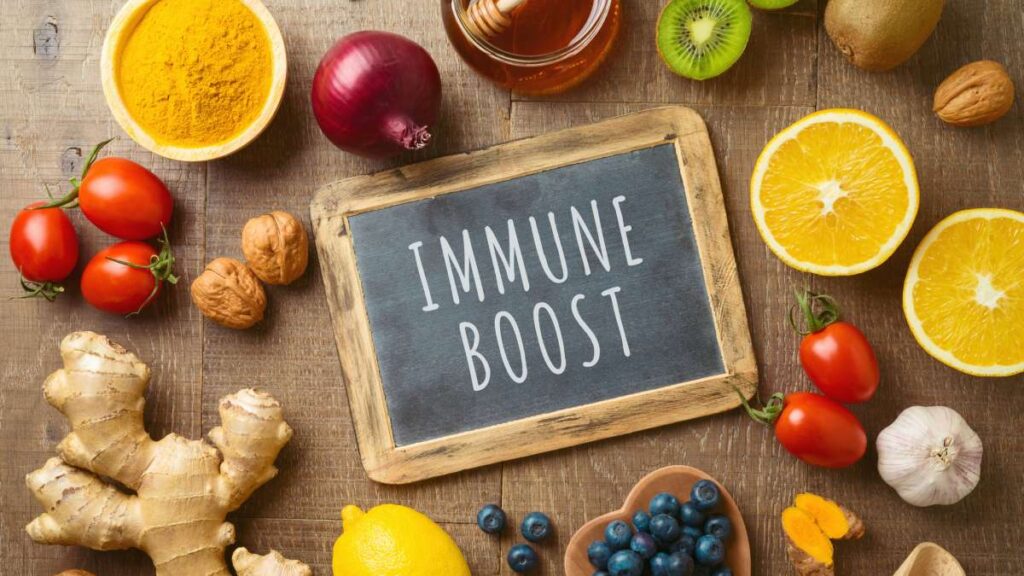
The specific foods with the strongest evidence for direct immune support include: turmeric (curcumin inhibits NF-κB, reducing chronic inflammatory cytokine production), garlic (allicin has broad-spectrum antimicrobial activity and directly stimulates natural killer cell activity), ginger (gingerols reduce inflammatory prostaglandin production), amla (highest naturally occurring stable Vitamin C, required for neutrophil and NK cell function), and neem (broad-spectrum antimicrobial across bacteria, viruses, and fungi). All of these are covered in depth in our articles on anti-inflammatory foods, essential herbs for winter immunity, and amla benefits for immunity and digestion.
Practical action for Indian kitchens: The traditional Indian diet — daily dal with turmeric and ginger, a variety of seasonal vegetables, fresh curd, chaas, and a diverse spice palette — is inherently and powerfully immune-supportive when prepared with whole, minimally processed ingredients. The problem is not the dietary tradition but the progressive substitution of traditional foods with ultra-processed alternatives that lack the phytonutrient diversity and fibre structures that support immune-microbiome health.
4. Prioritise Vitamin D — The Immune Hormone Most Indians Are Deficient In
Vitamin D is not merely a bone health nutrient — it is a pleiotropic steroid hormone with Vitamin D receptors (VDRs) expressed on virtually every immune cell type, including T-cells, B-cells, neutrophils, macrophages, and dendritic cells. VDR activation by Vitamin D regulates the expression of hundreds of genes involved in immune function — promoting the antimicrobial peptide cathelicidin (which disrupts bacterial and viral cell membranes), modulating T-cell differentiation, reducing excessive inflammatory cytokine production, and enhancing the phagocytic activity of macrophages.
Vitamin D deficiency is one of the most prevalent nutritional deficiencies globally — and in India specifically, despite abundant sunshine. Research published in the Indian Journal of Community Medicine found that Vitamin D deficiency affects 50–94% of the Indian population across demographic groups — including those in sunny climates — due to indoor work patterns, pollution reducing UV penetration, darker skin requiring longer sun exposure for equivalent Vitamin D synthesis, and cultural practices including sun avoidance and extensive clothing coverage.
A meta-analysis published in the BMJ covering 25 randomised controlled trials and over 11,000 participants found that Vitamin D supplementation significantly reduced the risk of acute respiratory tract infections — with the greatest protective effect in those who were most deficient at baseline. The mechanistic link between Vitamin D deficiency and respiratory infection susceptibility is one of the most clinically compelling examples of how a simple nutritional deficiency can profoundly impair immunity.
Practical action: 20–30 minutes of daily morning sunlight exposure (arms and legs exposed, between 10am–2pm for optimal UV-B wavelength), prioritising outdoor time. Test serum 25(OH)D levels — deficiency is common and simple to identify. Supplementation with 1,000–2,000 IU Vitamin D3 daily is generally appropriate for most urban Indians (adjust based on test results and medical guidance). Dietary sources (fatty fish, egg yolks, mushrooms exposed to sunlight) contribute but rarely achieve adequate levels without sun or supplementation in Vitamin D-deficient populations.
5. Support Gut Health Actively — Probiotics, Prebiotics, and Fermented Foods
Given the gut’s central role as an immune organ, actively supporting gut health — beyond simply eating a diverse diet — is one of the most high-leverage natural ways to boost your immune system available. The triad of prebiotics (fibre that feeds beneficial bacteria), probiotics (beneficial bacteria themselves), and postbiotics (the bioactive compounds that beneficial bacteria produce) collectively support the gut-immune axis through distinct and complementary mechanisms.
Multiple randomised controlled trials demonstrate that probiotic supplementation with specific strains — particularly Lactobacillus rhamnosus GG, Lactobacillus acidophilus, and Bifidobacterium longum — significantly reduces the incidence and severity of respiratory and gastrointestinal infections in adults and children. The Cochrane review of probiotics for preventing acute upper respiratory tract infections found a significant reduction in the number of participants experiencing at least one episode of ARTI, the duration of episodes, and antibiotic use in probiotic groups compared to controls.
The traditional Indian fermented food landscape is among the richest in the world — fresh curd (dahi), chaas (buttermilk), lassi, idli, dosa, dhokla, kanji, and fermented pickles all provide live beneficial bacteria alongside the prebiotic fibre structures they ferment. For maximum probiotic benefit, unheated fermented foods (fresh dahi, chaas, kanji, raw pickles) should be included daily — the heating involved in cooking idli and dosa destroys the bacteria while retaining the prebiotic benefit of the fermented starches. The full gut-immune framework is covered comprehensively in our guide to improving digestion naturally.
6. Exercise Regularly — But Calibrate Intensity Carefully
Regular moderate-intensity exercise is one of the most consistently documented natural ways to boost your immune system — but the dose-response relationship has an important nuance that most content ignores: the immune benefits of exercise are specific to moderate intensity and frequency, with evidence for both under-exercise and over-exercise impairing immune function in different ways.
The “J-shaped curve” of exercise and immune function is well-established in sports immunology: sedentary individuals have measurably higher infection susceptibility than moderately active individuals, but athletes training at very high volumes have immune parameters that are actually worse than those of sedentary individuals during peak training periods. The mechanism involves the acute cortisol and adrenaline surge of intense exercise, which transiently suppresses lymphocyte numbers and natural killer cell activity — the “open window” hypothesis, in which intense exercise creates a 3–72 hour period of reduced immune surveillance.
Moderate-intensity exercise (brisk walking, cycling, swimming, yoga, light resistance training — 30–60 minutes, 4–5 times per week) consistently improves immune function through several mechanisms: it mobilises natural killer cells and T-lymphocytes from secondary lymphoid tissue into circulation, improving immune surveillance. It reduces chronic inflammation through anti-inflammatory myokine (muscle-derived protein) production. It improves lymphatic circulation — the drainage system that removes cellular debris and pathogens from tissues. And it reduces cortisol levels over time, reducing the HPA axis-driven immune suppression of chronic stress.
A systematic review in the British Journal of Sports Medicine found that regular moderate exercise reduced the risk of upper respiratory tract infection by 29% and reduced symptom severity by 41% in those who did get ill — substantial effects from a lifestyle practice that simultaneously produces cardiovascular, metabolic, neurological, and musculoskeletal benefits. The comprehensive benefits of regular exercise are covered in our article on the benefits of regular exercise for longevity and wellbeing.
7. Optimise Vitamin C — From Amla, Not Supplements
Vitamin C (ascorbic acid) is the most marketed immune supplement in the world — and while it does have genuine and specific immune functions, the evidence for high-dose supplementation in immune-replete individuals is substantially weaker than the supplement industry suggests. The more important and genuinely effective Vitamin C strategy is ensuring adequate intake through food — where Vitamin C comes packaged with synergistic bioflavonoids, polyphenols, and phytonutrients that significantly enhance its bioavailability and immunological effects.
Vitamin C’s immune mechanisms are specific and well-characterised: it is required as a cofactor for the enzymatic production of collagen (which maintains the physical barrier integrity of skin and mucosal membranes — the first line of immune defence), for the synthesis of carnitine (required for fatty acid transport in immune cell mitochondria), and for neutrophil chemotaxis and phagocytic activity (directly enhancing the ability of neutrophils to migrate to sites of infection and destroy pathogens). Vitamin C is also a potent antioxidant that protects immune cells from the oxidative stress of their own antimicrobial activities — immune cells generate reactive oxygen species to destroy pathogens, and Vitamin C protects the cells themselves from this oxidative damage.
For Indian readers, amla (Emblica officinalis) is by far the most superior natural Vitamin C source available — containing 600–900mg of Vitamin C per 100g of fresh fruit in a tannin-stabilised form that resists oxidation far better than isolated ascorbic acid. A single fresh amla provides more bioavailable Vitamin C than multiple commercial Vitamin C tablets. The comprehensive evidence for amla’s immune benefits is covered in our dedicated article on amla benefits for immunity and digestion.
8. Harness Ayurvedic Immunomodulators — The Herbs With Clinical Evidence
Ayurveda classifies a category of herbs as Rasayana — rejuvenative tonics that enhance Ojas (the vital essence of immunity and wellbeing) and strengthen the body’s resistance to disease without overstimulating any single immune pathway. These Rasayana herbs are the most sophisticated natural immunomodulators available — plants that enhance immune function when it is depleted while simultaneously moderating excessive inflammatory responses, achieving the balanced immune regulation that genuine immunity requires.
Ashwagandha (Withania somnifera) has the strongest evidence base among Indian adaptogenic herbs for immune support. Multiple randomised controlled trials document its ability to increase natural killer cell activity, T-cell proliferation, and immunoglobulin production while simultaneously reducing the cortisol-driven immune suppression of chronic stress. Its comprehensive clinical evidence is covered in our article on ashwagandha benefits for stress and anxiety — the same stress-reducing mechanisms that benefit psychological health also directly benefit immune function.
Tulsi (Ocimum tenuiflorum) — holy basil — functions as both an adaptogen and a direct antimicrobial agent. Its eugenol, rosmarinic acid, and multiple flavonoids collectively provide broad-spectrum antimicrobial activity alongside immunomodulatory effects including enhanced macrophage and NK cell function. A double-blind clinical trial found tulsi supplementation significantly increased natural killer cell counts and T-helper cell activity compared to placebo — confirming the immunological basis of its traditional classification as a Rasayana herb.
Neem (Azadirachta indica) provides the broadest-spectrum antimicrobial coverage of any commonly available Ayurvedic herb — with documented activity against bacteria, viruses, fungi, and parasites through multiple bioactive compounds including nimbidin, nimbolide, and quercetin. The full evidence base is covered in our article on neem benefits for blood purification and immune health.
The comprehensive herbal immunity toolkit — including ginger, turmeric, garlic, echinacea, and the seasonal applications of these herbs — is covered in depth in our guide on essential herbs for winter immunity.
9. Maintain Healthy Weight — Adipose Tissue Is an Immune Organ
The relationship between body composition and immune function is more specific and mechanistically important than most immunity content acknowledges. Adipose tissue (body fat) is not metabolically inert storage tissue — it is an active endocrine organ that produces adipokines including leptin, adiponectin, resistin, and TNF-α that directly modulate immune cell activity.
Excess visceral adipose tissue (fat stored around internal organs) produces chronic low-grade inflammation through elevated TNF-α, IL-6, and MCP-1 production that maintains immune cells in a state of chronic, non-specific activation. This chronic inflammatory state simultaneously exhausts immune surveillance capacity (leaving the body less equipped to mount acute responses to genuine pathogens) and promotes the autoimmune and inflammatory conditions associated with obesity. Research consistently shows that individuals with obesity have impaired NK cell function, reduced vaccine antibody responses, and significantly higher infection severity scores for respiratory infections — all mediated by adipose-driven chronic inflammation.
Conversely, significant underweight is equally associated with immune impairment — through inadequate protein availability for immune cell synthesis, reduced adipose-derived leptin (which is required for T-cell function), and the direct immune suppression of caloric restriction below metabolic needs. Healthy weight maintenance — achieved through the evidence-based dietary and exercise strategies covered in our weight loss diet vs exercise guide — is therefore a direct immune health strategy, not merely an aesthetic or metabolic one.
10. Maintain Adequate Zinc and Selenium — The Overlooked Immune Micronutrients
Vitamin C and Vitamin D receive the majority of attention in immune nutrition discussions, but zinc and selenium are equally critical — and equally commonly deficient in Indian populations — for specific and non-redundant immune functions.
Zinc is required as a structural component and cofactor for over 300 enzymes involved in immune function, including those responsible for T-cell differentiation, NK cell development, and the enzymatic activities of macrophages and neutrophils. Even mild zinc deficiency produces measurable impairment of T-lymphocyte function, NK cell activity, and thymulin production — the thymic hormone that promotes T-cell maturation. Zinc deficiency is particularly prevalent in populations with high plant-based food intake (phytic acid in grains and legumes inhibits zinc absorption), in elderly populations, and in individuals with chronic gastrointestinal conditions impairing absorption. The immune-critical role of zinc in hair follicle function is connected to the hair health concerns in our article on hair fall after 30 in women — the same zinc deficiency that impairs immunity also impairs hair follicle health.
Selenium is required for the selenoprotein enzymes that protect immune cells from oxidative damage during the antimicrobial activities of phagocytes — and for the selenoprotein phospholipid hydroperoxide glutathione peroxidase (GPx4) that protects cell membranes from lipid peroxidation during inflammatory responses. Selenium deficiency impairs NK cell activity, antibody production, and the protective antioxidant enzymes that allow immune cells to function in the oxidatively hostile environment of active infection. Sunflower seeds, Brazil nuts (one nut provides the full daily requirement), tuna, and eggs are the most selenium-dense dietary sources.
11. Limit Alcohol and Avoid Smoking — The Two Most Immunosuppressive Habits
No list of natural ways to boost your immune system is complete without addressing the two most potent, evidence-based immunosuppressants that are entirely under voluntary control: alcohol and tobacco smoke.
Alcohol impairs immune function through multiple parallel mechanisms: it disrupts gut barrier integrity (increasing intestinal permeability and bacterial endotoxin translocation), suppresses dendritic cell function, impairs macrophage phagocytic activity, reduces NK cell cytotoxicity, disrupts T-cell differentiation, and increases susceptibility to bacterial pneumonia, tuberculosis, and other serious infections in dose-dependent fashion. Research published in Alcohol Research & Health found that even moderate alcohol consumption (2–3 drinks daily) produced measurable immune suppression in controlled studies — effects that accumulate with chronic consumption.
Tobacco smoke is equally immunosuppressive through different mechanisms: nicotine suppresses the cough reflex and mucociliary clearance that removes pathogens from the respiratory tract; tobacco-specific carcinogens and reactive oxygen species directly damage immune cells; and cigarette smoke alters the lung microbiome toward pro-inflammatory dysbiosis that impairs respiratory immune surveillance. Smokers have significantly higher rates of respiratory infection, more severe infection courses, and impaired vaccine antibody responses compared to non-smokers in every well-controlled study.
12. Social Connection and Positive Relationships — The Social Immune Booster
The final of the natural ways to boost your immune system is one that no supplement can replicate and that most immunity content ignores entirely: the quality and depth of social connections.
Research from Sheldon Cohen’s group — the same investigators whose viral challenge studies established the sleep-immunity connection — found that people with diverse, strong social networks were four times less likely to develop a cold after direct viral exposure than socially isolated individuals. The effect was larger than any dietary or supplemental intervention studied in the same laboratory context.
The immunological mechanism operates through the autonomic nervous system: positive social interactions and feelings of belonging activate the vagus nerve and parasympathetic nervous system, reducing cortisol, increasing oxytocin (which has direct immunomodulatory effects, enhancing NK cell function and reducing pro-inflammatory cytokines), and producing the neurobiological signature of safety and connection that allows the immune system to direct resources toward surveillance and maintenance rather than defensive preparation for threat. Social isolation produces the inverse — sustained sympathetic activation, elevated cortisol, and the progressive immune impairment that explains why loneliness is now classified by the WHO as a public health concern with mortality implications comparable to smoking. The full social health dimension of immunity is covered in our holistic health benefits guide.
The Ayurvedic Immunity Framework — Ojas, Agni, and Bala
Ayurveda provides a comprehensive framework for understanding and supporting immunity that modern immunology increasingly validates through molecular mechanisms.
Bala (strength and immune resistance) in Ayurveda is understood as the capacity of the body to resist disease — not through aggressive immune stimulation but through the balanced strength and vitality that comes from optimal Agni (digestive fire) and abundant Ojas (vital essence). Ojas is produced as the finest product of optimal digestion — it is the nutritive essence that, when adequate, produces immunity, vitality, mental clarity, and the radiance of health.
What modern immunology identifies as gut-immune axis function, microbiome health, nutritional adequacy, and homeostatic immune regulation, Ayurveda has described through the framework of Agni producing Ojas through optimal digestion of food and experience. The practical Ayurvedic recommendations for enhancing Bala — Rasayana herbs (ashwagandha, tulsi, amla, shatavari), digestive spices (turmeric, ginger, cumin), structured daily routine (dinacharya), seasonal adaptation (ritucharya), and adequate rest and moderate movement — map directly onto the evidence-based interventions that modern immunology endorses through different language.
The Indian traditional practices around immunity — drinking warm turmeric milk (haldi doodh) during illness, chewing tulsi leaves daily, consuming amla regularly, using neem preparations, and following seasonal dietary patterns — are not superstitions or placebo effects. They are sophisticated applied pharmacology refined over millennia of clinical observation, now confirmed by molecular research that identifies the specific bioactive compounds and signalling pathways responsible for their effects.
Natural Ways to Boost Your Immune System: Myth vs. Fact
| ❌ The Myth | ✅ The Truth |
|---|---|
| “Boosting” the immune system is always beneficial | An overactive immune system causes allergies, autoimmune diseases, and chronic inflammation — not better protection against infection. The goal is immune optimisation and balance, not blanket stimulation. The most effective natural immune strategies support the conditions for balanced, proportionate immune function — not indiscriminate activation. |
| Vitamin C supplements prevent colds | For most people, high-dose Vitamin C supplementation does not prevent colds. A Cochrane review of 29 controlled trials found that regular Vitamin C supplementation had no significant effect on cold incidence in the general population. It may modestly reduce cold duration (by about 8% in adults) and may have stronger preventive effects in those under extreme physical stress (like marathon runners or soldiers). Adequate dietary Vitamin C from whole food sources — amla, citrus, guava — is more effective than supplemental ascorbic acid alone. |
| The flu shot weakens your immune system | Vaccines — including flu shots — train the adaptive immune system to recognise specific pathogens through a controlled, safe exposure to antigens. The post-vaccination mild symptoms (arm soreness, brief fatigue) are signs of the immune system responding appropriately, not signs of immune weakening. Vaccination is the most effective preventive immune strategy available for the pathogens for which vaccines exist. |
| Antibiotics help fight viral infections | Antibiotics have no activity against viral infections — including colds, flu, and COVID-19. Their use for viral infections is not only ineffective but actively harmful: it disrupts the gut microbiome, reduces colonisation resistance (the microbiome’s protective competitive exclusion of pathogenic bacteria), and contributes to antibiotic resistance. Taking antibiotics unnecessarily for viral infections weakens rather than supports immunity in the long term. |
| More exercise always means a stronger immune system | The J-shaped dose-response curve of exercise and immunity means that very high volume exercise actually impairs immune function during peak training periods through the “open window” mechanism — transient lymphopenia and NK cell suppression following intense exercise. Moderate regular exercise consistently improves immunity; overtraining consistently impairs it. Balance and recovery are as immunologically important as the exercise stimulus itself. |
| You only need to support immunity during cold and flu season | Immune function is a year-round physiological system that responds continuously to the lifestyle factors that support or suppress it. The habits that impair immunity — poor sleep, chronic stress, sedentary behaviour, poor nutrition, excess alcohol — do so throughout the year. Seasonal immune support strategies are most effective when built on a year-round foundation of the lifestyle practices covered in this guide. |
A Practical Daily Immunity-Supporting Routine
Morning: Warm water with lemon and fresh ginger — supporting hydration, liver function, and gut motility. 20–30 minutes of morning sunlight for Vitamin D synthesis and circadian anchoring. A breakfast that includes fresh amla (or amla juice), fresh curd or chaas for probiotics, and protein sources to support immune cell synthesis. 4–5 fresh tulsi leaves — a 30-second daily immune Rasayana practice with thousands of years of support.
Throughout the day: Regular hydration (30–35ml per kg of body weight daily) — covered in our hydration guide. Turmeric and ginger in cooking — the most accessible daily anti-inflammatory and immune support available. A variety of seasonal vegetables at each meal — micronutrient diversity for the immune enzymatic reactions that require multiple cofactors simultaneously. Green tea as an afternoon beverage for EGCG-mediated immune support.
Evening: 30 minutes of moderate physical activity — prioritised even on busy days as one of the highest-leverage immune practices available. A brief stress management practice — 5 minutes of breathwork, a short meditation, or a yoga sequence from our yoga for stress relief guide. Haldi doodh (golden milk with turmeric, ginger, black pepper, and honey) before bed — combining anti-inflammatory curcumin with the sleep support of warm milk’s tryptophan content.
Consistently: 7–9 hours of quality sleep. Meaningful social connection. Maintained healthy weight through consistent, sustainable lifestyle habits. Regular testing for Vitamin D and addressing deficiency if found.
Related Articles From HerbeeLife
📖 Essential Herbs for Winter Immunity: 10 Powerful Natural Remedies That Actually Work
📖 Amla Benefits: Proven Immunity, Digestion and Whole-Body Health Backed by Science
📖 Ashwagandha for Stress and Anxiety: What Actually Happens in Your Body
📖 Neem Benefits: The Powerful Blood Purification and Immunity Guide
📖 Anti-Inflammatory Foods: 12 Powerful Choices That Fight Disease From the Inside Out
📖 How to Improve Digestion Naturally: 12 Powerful Science-Backed Strategies
📖 Holistic Health Benefits: 7 Life-Changing Reasons to Treat Your Whole Self
Frequently Asked Questions: Natural Ways to Boost Your Immune System
Can you really “boost” your immune system naturally?
The more accurate framing is “support” or “optimise” — not “boost.” The immune system functions best in balance, not in a state of maximal activation. Natural lifestyle practices — adequate sleep, stress management, diverse anti-inflammatory diet, regular moderate exercise, adequate micronutrients, gut microbiome support — collectively create the conditions for optimal immune function. The improvements these produce are real and clinically meaningful, but they work by removing the lifestyle factors that impair immunity rather than by simply stimulating immune activity above its optimal set point.
What is the fastest natural way to boost immunity when you feel a cold coming?
At the first sign of infection: prioritise sleep immediately (the immune response to a new pathogen requires substantial cytokine production and cell proliferation that sleep strongly supports); increase fluid intake including warm ginger-turmeric-honey tea; begin echinacea tincture if available (evidence supports its use within the first 24 hours of symptom onset); increase garlic intake (allicin’s antimicrobial activity is most relevant in the early phase of infection); and reduce or eliminate alcohol, refined sugar, and processed foods that suppress immune function. None of these will guarantee preventing illness, but they meaningfully support the immune response and reduce severity and duration in research settings.
How important is Vitamin D for immunity in India?
Critically important — and particularly underaddressed. Despite India’s abundant sunshine, Vitamin D deficiency affects an estimated 50–94% of the Indian population due to indoor work patterns, pollution, skin phototype, and cultural factors. Vitamin D is required for optimal function of virtually every immune cell type, and deficiency is independently associated with increased respiratory infection susceptibility, higher severity scores, and impaired vaccine responses. Testing and addressing Vitamin D status is one of the highest-leverage immune health interventions for most urban Indians.
Are commercial immune booster supplements worth buying?
Most commercial “immune booster” supplements are not worth the cost for people with adequate dietary intake of the nutrients they contain. The evidence for supplemental Vitamin C preventing infections in the general population is weak. Zinc and Vitamin D supplementation are appropriate if dietary intake and sun exposure are genuinely inadequate — which for many urban Indians, they are. Standardised herbal extracts (ashwagandha KSM-66, tulsi, amla standardised products) have better evidence than most synthetic supplements. The most effective immunity investment is whole food dietary improvement, sleep optimisation, and stress management — not supplementation on top of an unchanged lifestyle.
How does the gut microbiome affect immunity?
Profoundly. 70% of the immune system’s lymphoid tissue is gut-associated (GALT). The gut microbiome educates the immune system about which microbes to tolerate and which to attack, produces short-chain fatty acids that maintain the intestinal barrier preventing pathogen translocation, competes with pathogens for adhesion sites and nutrients (colonisation resistance), and produces immunomodulatory compounds that influence systemic immune tone. Microbiome diversity — strongly associated with dietary diversity — is the strongest single predictor of immune resilience across population studies. Supporting gut health through diet and fermented foods is therefore one of the most fundamental natural immune strategies available.
What is the Ayurvedic approach to improving immunity?
Ayurveda addresses immunity through the Rasayana (rejuvenation) concept — building Ojas (vital essence) through optimal Agni (digestive fire) rather than through direct immune stimulation. Practical Ayurvedic immune support includes: daily Rasayana herbs (ashwagandha, tulsi, amla, triphala), digestive spices in food (turmeric, ginger, cumin, fennel), structured dinacharya (daily routine including morning rituals, exercise, and evening wind-down), seasonal dietary adjustment (ritucharya — eating heavier, warming foods in winter, lighter foods in summer), and the avoidance of Agni-suppressing factors including excessive cold food and drink, irregular meals, and emotional eating. Modern research validates the immune mechanisms of all these Ayurvedic practices through identified bioactive compounds and signalling pathways.
Sources and References
1. Cohen S et al. Social ties and susceptibility to the common cold. JAMA, 1997.
2. Prather AA et al. Behaviourally Assessed Sleep and Susceptibility to the Common Cold. Sleep, 2015.
3. Martineau AR et al. Vitamin D supplementation to prevent acute respiratory tract infections: systematic review and meta-analysis. BMJ, 2017.
4. Hemilä H, Chalker E. Vitamin C for preventing and treating the common cold. Cochrane Database of Systematic Reviews, 2013.
5. Nieman DC, Wentz LM. The compelling link between physical activity and the body’s defense system. Journal of Sport and Health Science, 2019.
6. Segerstrom SC, Miller GE. Psychological stress and the human immune system: a meta-analytic study of 30 years of inquiry. Psychological Bulletin, 2004.
7. Wastyk HC et al. Gut-microbiota-targeted diets modulate human immune status. Cell, 2021.
Follow HerbeeLife
🌿 Stay connected for more evidence-based immunity science, Ayurvedic wisdom, and natural wellness content:
📸 Instagram | 📌 Pinterest | 👥 Facebook | 🐦 X (Twitter)
Final Thoughts: Real Immunity Is Built Daily — Not Bought in a Bottle
The supplement industry has built a multi-billion dollar business around the idea that immunity can be purchased — that the right combination of capsules, powders, and elixirs can compensate for chronic sleep debt, unmanaged stress, poor dietary habits, and a sedentary lifestyle. The evidence does not support this proposition.
Real immune strength — the kind that keeps you healthy through season changes and high-exposure environments, that reduces the severity of infections you do encounter, and that supports the long-term freedom from chronic inflammatory disease — is built through the consistent daily practices covered in this guide. It is built in the quality of your sleep, the diversity of your meals, the regularity of your movement, the management of your stress, the warmth of your relationships, and the traditional wisdom of your grandmother’s kitchen that turns out to have had the science right all along.
The natural ways to boost your immune system are not exotic. They are not expensive. They are not complicated. They are the fundamentals — done consistently, done intelligently, and done with the understanding that your immune system does not need to be stimulated. It needs to be respected.
⚠️ Medical Disclaimer: This article is for informational and educational purposes only and does not constitute medical advice. Always consult a qualified healthcare professional for evaluation and treatment of immune-related health concerns. Read full disclaimer →
💬 Which of these 12 natural ways to boost your immune system resonates most with where you need to focus right now — and which insight surprised you most? Share in the comments. And if you have a traditional Indian immunity ritual from your family kitchen, please share it — this community’s collective wisdom is one of our greatest resources.