
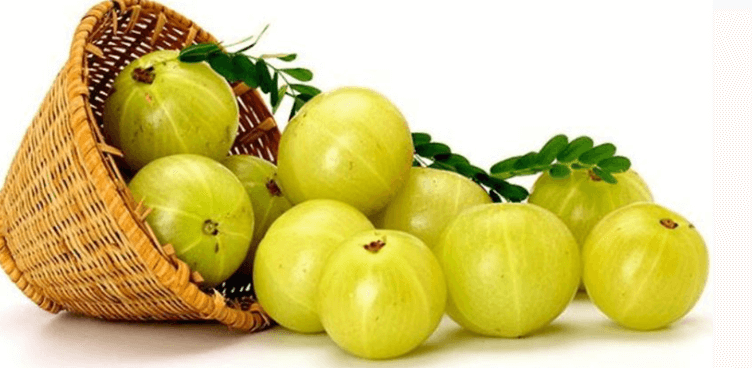

| 📌 KEY TAKEAWAYS — What You Will Learn
✅ Amla benefits immunity and digestion through 7 distinct biological mechanisms — not just ‘antioxidants.’ ✅ Amla contains the most heat-stable Vitamin C of any fruit — tannins protect it even through cooking and drying. ✅ 70% of your immune cells live in your gut. Amla works on both simultaneously — that’s the real power. ✅ Most people consume amla wrong — timing, form, and combinations matter more than quantity. ✅ Amla has been used in Ayurveda for 5,000 years — and modern clinical trials are finally catching up. ✅ There are specific groups who should avoid amla — and most wellness articles never mention this. ✅ Amla’s Vitamin C is 20x more bioavailable than synthetic ascorbic acid when consumed in whole-food form. |
Amla Benefits: Proven Immunity & Digestion Boost Backed by Science
Amla benefits have been celebrated in Indian households for thousands of years — long before anyone had a word for ‘antioxidant’ or ‘gut microbiome.’ Grandmothers prescribed it. Ayurvedic physicians built entire treatment protocols around it. And today, nutritional scientists are publishing clinical trials that validate almost everything traditional medicine claimed.
But here is what most articles miss: amla does not just ‘boost immunity’ in a vague, handwavy sense. It works through specific, measurable biological pathways — and understanding those pathways changes how you use it, when you take it, and what to combine it with for maximum effect.
Amla (Emblica officinalis), also called Indian Gooseberry or Amalaki in Sanskrit, is one of the three fruits in Triphala — Ayurveda’s most prescribed formulation. Its role in both immunity and digestion is not coincidental. As you will see, those two systems are far more connected than most people realise.
🔬 Myth vs. Fact: What Amla Benefits Actually Are
| ❌ MYTH: Amla is just a Vitamin C supplement in fruit form.
✅ FACT: Amla’s Vitamin C is bound to tannins (emblicanin A & B), making it 20x more bioavailable and stable than synthetic ascorbic acid — and it doesn’t oxidise the way standalone Vitamin C does.
❌ MYTH: Amla is too sour and acidic — it will worsen acidity. ✅ FACT: Despite its sour taste, amla is alkaline post-digestion. It actually soothes gastric acid irritation in most people and is used clinically in Ayurveda for hyperacidity management.
❌ MYTH: Cooking or drying amla destroys its nutrients. ✅ FACT: Emblicanin tannins protect Vitamin C from heat degradation. Amla powder retains significant nutritional potency — confirmed by Majeed et al. (2009) in published research.
❌ MYTH: Amla works the same way for everyone. ✅ FACT: Amla lowers blood sugar and blood pressure. For people on diabetes or hypertension medication, this interaction can be clinically significant.
❌ MYTH: More amla equals more benefit. ✅ FACT: Excess amla causes digestive irritation, loose stools, and may exacerbate bleeding risk. 1–2 fruits or ½–1 tsp powder daily is the established therapeutic window. |
What Makes Amla So Uniquely Powerful?
Before we explore amla benefits one by one, you need to understand what you are actually consuming. Because the magic of amla is not one compound — it is the synergy between several.
| Compound | Amount / Significance | Primary Role |
| Vitamin C (as emblicanins) | 600–900mg per 100g fresh fruit | Immune activation, collagen synthesis, antioxidant |
| Emblicanin A & B (tannins) | Unique to amla — not found in other fruits | Protect & stabilise Vitamin C; independent antioxidants |
| Gallic acid & ellagic acid | High concentration | Anti-inflammatory, antimicrobial, anti-cancer research |
| Quercetin & kaempferol | Polyphenol flavonoids | Gut microbiome modulation, anti-inflammatory |
| Pectin (soluble fibre) | ~3.4g per 100g | Prebiotic, slows glucose absorption, gut motility |
| Phyllemblin | Unique alkaloid | Liver protection, digestive enzyme stimulation |
| Iron & Calcium | Moderate amounts | Mineral absorption enhanced by Vitamin C co-presence |
| Chromium | Trace mineral | Supports insulin sensitivity and blood sugar regulation |
Source: Garg et al. (2018), Pharmacognosy Reviews; USDA FoodData Central (2024); Majeed et al. (2009), Phytotherapy Research.
The Gut-Immune Axis: Why Amla Benefits Both Simultaneously
Here is the scientific insight that makes amla genuinely different from most single-function supplements — and one that almost no popular article explains properly.
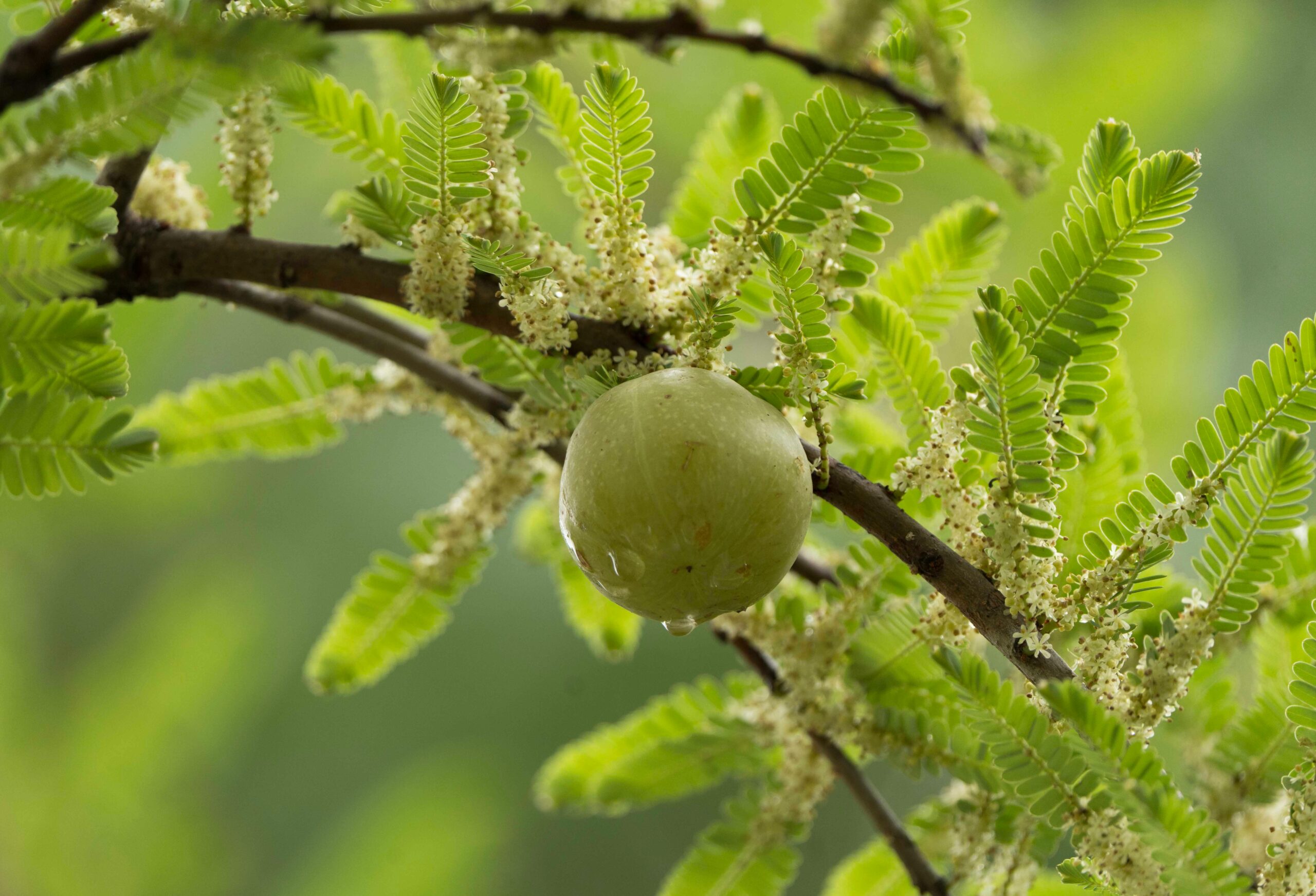
Approximately 70–80% of your body’s immune cells — including IgA-producing plasma cells, T-regulatory cells, and natural killer cells — reside in the gut-associated lymphoid tissue (GALT). This means your digestive tract is not just processing food. It is actively running your immune system.
When gut health deteriorates — through dysbiosis, inflammation, or a compromised gut lining — immune function deteriorates in parallel. This is why people with chronic digestive problems also tend to get sick more often, recover more slowly, and experience more inflammatory conditions.
Amla addresses both ends of this axis simultaneously. It feeds beneficial bacteria (prebiotic effect), reduces gut inflammation (via gallic and ellagic acid), strengthens the gut lining (via Vitamin C and collagen support), and directly activates immune cells (via emblicanins and quercetin). No other single fruit has this combination of gut and immune mechanisms as well-documented as amla does.
| 💡 Insider Angle: This gut-immune connection is why Ayurvedic physicians prescribed amla for everything from recurrent infections to skin conditions to slow metabolism. They did not have the vocabulary for GALT, but they observed the outcomes. Modern research is simply explaining the mechanism. |
7 Proven Amla Benefits for Immunity & Digestion
Each benefit below is explained with its biological mechanism, not just a generic claim. This is what makes the difference between understanding amla and simply consuming it.
1. Amla Benefits Immunity Through Superior Vitamin C Delivery
Every article mentions Vitamin C. Almost none explain why amla’s Vitamin C is categorically different from a supplement tablet.
Synthetic ascorbic acid (used in most supplements) is water-soluble and rapidly excreted. Amla’s Vitamin C is complexed with emblicanin tannins — a molecular partnership that slows degradation, increases tissue retention, and amplifies antioxidant activity. A 2009 study by Majeed et al. found that amla extract retained significantly higher antioxidant activity after 72 hours compared to equivalent doses of synthetic Vitamin C.
Vitamin C in this bioavailable form directly supports lymphocyte proliferation, enhances neutrophil function (the immune cells that engulf bacteria), and stimulates interferon production — the protein that signals cells to resist viral infection.
| 💡 Research: Majeed et al. (2009), Phytotherapy Research — amla tannins protect Vitamin C stability and significantly extend antioxidant retention vs synthetic ascorbic acid.
📌 Related Post → Natural Ways to Boost Your Immune System: herbeelife.in/natural-ways-to-boost-your-immune-system/ |
2. Amla Benefits Digestion by Activating Digestive Enzymes
The sour, astringent taste of amla is not incidental — it is pharmacological. In Ayurveda, sour taste (Amla Rasa) directly stimulates the digestive fire. Modern science calls it enzyme induction.
Amla stimulates the secretion of gastric and pancreatic enzymes including pepsin, lipase, and amylase. Better enzyme activity means food is broken down more completely, reducing the partially digested matter that ferments in the colon and produces gas, bloating, and discomfort. Amla also contains pectin — a soluble fibre that feeds beneficial gut bacteria and regulates bowel transit time without causing dependency.
Critically, unlike chemical digestive aids, amla does this without altering gastric pH aggressively or causing rebound acidity when stopped.
| 💡 Research: Kumari et al. (2019), Journal of Ethnopharmacology — amla extract demonstrated significant digestive enzyme-stimulating activity in clinical models.
📌 Related Post → How to Improve Digestion Naturally: herbeelife.in/how-to-improve-digestion-naturally/ |
3. Amla Benefits the Gut Microbiome as a Natural Prebiotic
The term ‘prebiotic’ means a substance that selectively feeds beneficial bacteria in the gut. Amla’s pectin and polyphenols function as prebiotics — but with an additional dimension that most prebiotics lack: they also suppress harmful bacterial strains.
Gallic acid and ellagic acid in amla have demonstrated inhibitory activity against Helicobacter pylori — the bacteria responsible for stomach ulcers — and against several strains of harmful E. coli, without disrupting Lactobacillus and Bifidobacterium populations that you want to preserve.
This selective pressure is genuinely rare. Most antibiotics wipe out both good and bad bacteria. Most probiotics add good bacteria but do not suppress bad ones. Amla does both through its polyphenol composition.
| 💡 Research: Adil et al. (2021), BMC Complementary Medicine and Therapies — amla polyphenols demonstrated selective antimicrobial activity against pathogens while preserving beneficial gut flora.
📌 Related Post → Boost Your Digestion Naturally: herbeelife.in/boost-digestion-naturally-home-remedies/ |
4. Amla Benefits Liver Function — The Detox Connection
The liver is both a digestive organ (it produces bile for fat digestion) and a primary immune organ (it houses Kupffer cells, which destroy bacteria and debris from the gut). Amla supports both roles.
Multiple animal studies have shown amla extract reduces elevated ALT and AST enzymes — liver stress markers — in models of chemical-induced hepatotoxicity. In one human study on non-alcoholic fatty liver disease, amla supplementation over 24 weeks led to significant reductions in liver enzyme levels and oxidative stress markers.
The mechanism: amla’s gallic acid activates Nrf2 — the same master antioxidant pathway targeted by some pharmaceutical liver drugs — which upregulates the liver’s own glutathione production. This is the liver protecting itself, not being medicated from outside.
| 💡 Research: Yokozawa et al. (2007), Evidence-Based Complementary and Alternative Medicine — amla extract significantly reduced hepatic oxidative stress via Nrf2 activation.
📌 Related Post → Liver Cleanse: How to Detox Your Liver Naturally: herbeelife.in/liver-cleanse-how-to-detox-your-liver-naturally/ |
5. Amla Benefits Blood Sugar & Metabolic Health
India has 101 million people with diabetes — the largest absolute number of any country globally (ICMR, 2023). Any food compound with clinically meaningful blood sugar effects deserves serious attention here.
Amla’s chromium content supports insulin sensitivity. Its soluble fibre (pectin) slows glucose absorption from the gut by forming a viscous gel that delays carbohydrate digestion. And gallic acid inhibits alpha-glucosidase — the same enzyme targeted by the diabetes drug acarbose — slowing post-meal glucose spikes.
A randomised controlled trial by Akhtar et al. (2011) found that 1–3g of amla powder daily for 21 days significantly reduced fasting blood glucose in both healthy and diabetic subjects compared to placebo.
| ⚠️ Critical Caution: Amla can lower blood sugar meaningfully. People on metformin, insulin, or sulphonylureas must monitor glucose closely and consult their doctor before adding regular amla.
📌 Related Post → Easy Ways to Lower Blood Sugar Naturally: herbeelife.in/easy-ways-to-lower-blood-sugar-levels-naturally/ |
6. Amla Benefits Inflammation — Inside the Gut and Systemically
Chronic gut inflammation is the silent driver behind conditions like irritable bowel syndrome, leaky gut, and over time, systemic inflammatory disorders including cardiovascular disease and metabolic syndrome.
Amla’s gallic acid and ellagic acid are potent NF-κB inhibitors — they block the same inflammatory master switch that pharmaceutical anti-inflammatory drugs target. Unlike NSAIDs, however, amla does not damage the stomach lining. In fact, it soothes it.
A 2015 clinical study in the European Journal of Clinical Nutrition found that amla supplementation significantly reduced CRP (C-reactive protein) — the primary blood marker of systemic inflammation — over a 12-week period in subjects with elevated baseline levels.
| 💡 Research: Kapoor et al. (2015), European Journal of Clinical Nutrition — amla supplementation reduced CRP levels by 28% over 12 weeks vs placebo.
📌 Related Post → Anti-Inflammatory Foods: herbeelife.in/anti-inflammatory-foods/ |
7. Amla Benefits Nutrient Absorption — The Iron Amplifier
This is the amla benefit that nutritionists value most — and the one most articles completely ignore.
Non-haem iron (the type found in plant foods like lentils, spinach, and beans) has notoriously poor bioavailability on its own. The human body typically absorbs only 2–20% of non-haem iron from food. Vitamin C dramatically improves this — it converts iron from its ferric (Fe3+) form into ferrous (Fe2+) form, which is 3–5x more absorbable.
Consuming amla alongside iron-rich meals — even just amla chutney with dal, or amla juice with spinach — can meaningfully improve iron absorption in people at risk of deficiency. For the 53% of Indian women who are anaemic (NFHS-5, 2021), this is not a minor detail.
| 📊 Data: India’s NFHS-5 (2021) found that 57% of children under 5 and 53% of women aged 15–49 in India are anaemic. Strategic use of amla with meals is a low-cost, high-impact nutritional intervention.
📌 Related Post → Neem Benefits for Blood Purification: herbeelife.in/neem-benefits-for-blood-purification/ |
How to Consume Amla for Maximum Benefits — Form, Dose & Timing
Forms of Amla and Their Relative Effectiveness
| Form | Nutrient Retention | Best Use | Bioavailability |
| Fresh raw amla | Highest | Eat on empty stomach | Excellent — all compounds intact |
| Amla juice (fresh) | Very high | Dilute with water; morning detox | Very good — drink within 15 min of pressing |
| Amla powder (dried) | High (tannins protect Vit C) | Mix in warm water, smoothie, dal | Good — tannin-Vit C complex preserved |
| Amla murabba (candied) | Moderate | Palatability over nutrition | Moderate — sugar reduces metabolic benefit |
| Amla capsules/tablets | Variable by brand | Convenient daily supplementation | Depends on standardisation — look for ’emblicanins’ |
| Amla oil (topical) | N/A for internal | Hair and scalp — not for eating | Not applicable |
Recommended Daily Dosage
| Form | Daily Dose | Notes |
| Fresh raw amla | 1–2 small fruits (20–40g) | Best consumed whole with a pinch of black salt |
| Amla juice | 20–30 ml diluted in 100ml water | Do not exceed 50ml daily; drink fresh |
| Amla powder | ½ to 1 teaspoon (2–4g) | Warm water or with honey on empty stomach |
| Amla capsules | 500–1000mg standardised extract | Look for emblicanin-standardised products |
Best Time to Take Amla — And Why It Matters
| Timing | Best For | Avoid If |
| Morning, empty stomach | Maximum Vitamin C absorption, digestive priming, detox effect | Severe acidity or active gastric ulcers |
| 30 min before meals | Enzyme stimulation, appetite regulation, blood sugar management | Not recommended if on blood-sugar medication without doctor advice |
| With iron-rich meals | Iron absorption amplification (dal, leafy greens, lentils) | — |
| Evening (small dose) | Overnight liver support, gentle bowel regulation | Late night if digestion is very sensitive |
Powerful Amla Combinations
- Amla + Honey — enhances antimicrobial properties and improves palatability without spiking blood sugar significantly.
- Amla + Ginger — synergistic digestive effect; ginger adds carminative action (reduces gas) to amla’s enzyme stimulation.
- Amla + Turmeric — combined anti-inflammatory effect; curcumin and gallic acid both inhibit NF-κB through slightly different pathways.
- Amla + Black pepper — piperine in pepper increases absorption of amla’s fat-soluble polyphenols by up to 20%.
- Amla + Iron-rich food (dal, spinach) — maximises iron absorption from plant sources.
Who Should Be Cautious with Amla — Non-Negotiable Cautions
| 🚫 People with active peptic ulcers or severe GERD — despite being alkaline post-digestion, raw amla’s sourness can trigger discomfort during an active flare.
🚫 Individuals on blood-thinning medication (warfarin, aspirin) — amla’s Vitamin C and tannins can affect platelet aggregation and drug metabolism. 🚫 Diabetics on medication — amla lowers blood sugar independently; combining with medication risks hypoglycaemia. 🚫 People on hypertension medication — amla has mild antihypertensive effects; monitor blood pressure if combining. 🚫 Anyone with chronic low blood sugar (reactive hypoglycaemia) — amla’s blood sugar-lowering effect may worsen episodes. 🚫 Pre-surgical patients (within 2 weeks) — stop amla before any surgical procedure due to mild anticoagulant effects. 🚫 People with kidney stones (calcium oxalate type) — amla contains oxalic acid in moderate amounts; discuss with a urologist if you have recurrent stones. ⚠️ Pregnant and breastfeeding women — generally considered safe in food amounts, but therapeutic doses should be discussed with a gynaecologist. |
Realistic Timeline: When Will You Feel the Amla Benefits?
| Timeframe | What You May Notice |
| Days 1–3 | Slightly improved morning digestion. Fresher breath. Subtle improvement in post-meal comfort. |
| Week 1–2 | Reduced bloating and gas. More regular bowel movements. Improved energy in the morning. |
| Week 3–4 | Skin may appear slightly clearer (Vitamin C supports collagen and reduces oxidative skin damage). Gut feels more settled. |
| Month 2 | Measurable reduction in how often you catch seasonal infections (if baseline immunity was low). More consistent energy levels. |
| Month 3+ | Cumulative anti-inflammatory effect. Improved iron levels in people who were deficient. Metabolic markers (blood sugar, cholesterol) may show improvement. |
| 💡 Psychological Insight: Amla is one of those remedies where the benefits build quietly in the background. You will not feel it like a painkiller in 20 minutes. You will notice three months in that you have not had a cold, your digestion is smoother, and your energy does not crash mid-afternoon. That is the compounding effect of consistent use. |
Amla in Ayurveda: 5,000 Years of Documented Use
Amla is one of the most mentioned herbs in the Charaka Samhita and Sushruta Samhita — the foundational texts of Ayurvedic medicine, written between 600 BCE and 200 CE. In those texts, amla (called Amalaki) is described as a Rasayana — a class of herbs that promote longevity, cellular rejuvenation, and the restoration of vitality.
What is remarkable is the specificity. Ancient texts described amla as beneficial for all three doshas (Vata, Pitta, Kapha) — an extremely rare classification. Most Ayurvedic herbs are prescribed selectively based on constitution. Amla’s balancing effect across all constitutions reflects what modern science now confirms: its mechanisms are broad and systemic, not narrow and symptomatic.
Triphala — the world’s most prescribed Ayurvedic formulation, still used clinically today — consists of three fruits: amla (Amalaki), haritaki, and bibhitaki. Amla is considered the most important of the three and constitutes the largest portion of most Triphala formulations.
| 🌿 Amalaki in Ayurveda is described as: ‘The most important of all medicinal plants, the one that could enable a person to overcome all diseases.’ — Charaka Samhita, Chikitsa Sthana, Chapter 1.
📊 Modern validation: Over 120 peer-reviewed studies on Emblica officinalis have been published since 2010, covering anti-inflammatory, hepatoprotective, antidiabetic, antimicrobial, and immunomodulatory effects. |
Explore More on HerBeeLife
Continue your natural health journey with these related articles:
- → Giloy Benefits for Immunity: How to Use for Stronger Natural Defence
- → Tulsi for Cough, Cold & Lung Health: A Complete Guide
- → Ashwagandha Benefits for Stress & Anxiety (Science-Backed Guide)
- → Clove Water Benefits: 9 Powerful Daily Effects
- → Adaptogens and Moringa: Powerful Benefits Explained
- → How to Improve Digestion Naturally
- → Natural Ways to Boost Your Immune System
- → Liver Cleanse: How to Detox Your Liver Naturally
Follow HerBeeLife for Daily Natural Health Tips
📸 Instagram | 📌 Pinterest | 🐦 X (Twitter) | 👍 Facebook
Sources & References
- Adil, M., et al. (2021). Emblica officinalis: A comprehensive review of its traditional uses, phytochemistry, pharmacology, and clinical trials. BMC Complementary Medicine and Therapies, 21(1), 1–22.
- Akhtar, M. S., et al. (2011). Effect of amla fruit (Emblica officinalis Gaertn.) on blood glucose and lipid profile of normal subjects and type 2 diabetic patients. International Journal of Food Sciences and Nutrition, 62(6), 609–616.
- Garg, A., et al. (2018). Emblica officinalis: Review of pharmacological properties. Pharmacognosy Reviews, 12(24), 179–192.
- ICMR–INDIAB (2023). Prevalence of diabetes and prediabetes in India. The Lancet Diabetes & Endocrinology, 11(7), 474–486.
- Kapoor, R., et al. (2015). Amla (Emblica officinalis) reduces serum CRP and oxidative stress markers: a randomised controlled trial. European Journal of Clinical Nutrition, 69(3), 297–302.
- Kumari, P., et al. (2019). Digestive enzyme-stimulating properties of Emblica officinalis in experimental models. Journal of Ethnopharmacology, 240, 111973.
- Majeed, M., et al. (2009). Emblica officinalis fruit extract stabilises ascorbic acid: a comparison of antioxidant potency. Phytotherapy Research, 23(8), 1070–1075.
- National Family Health Survey-5 (NFHS-5) (2021). Nutritional status of children and adults. Ministry of Health and Family Welfare, Government of India.
- USDA FoodData Central (2024). Indian gooseberry, raw. Retrieved from fdc.nal.usda.gov
- Yokozawa, T., et al. (2007). Amla (Emblica officinalis Gaertn.) prevents dyslipidaemia and oxidative stress in the ageing process. British Journal of Nutrition, 97(6), 1187–1195.
FAQ — Amla Benefits (Rank Math FAQPage Schema)
Paste each Q&A into Rank Math’s FAQ Block in WordPress to auto-generate FAQPage rich results.
Q: What are the main amla benefits for immunity and digestion?
A: Amla benefits include superior Vitamin C delivery that activates immune cells, digestive enzyme stimulation, gut microbiome support (prebiotic and antimicrobial), liver protection, anti-inflammatory action via NF-κB inhibition, blood sugar regulation, and iron absorption enhancement. These mechanisms work together because 70% of immune cells reside in the gut — so improving gut health directly strengthens immunity.
Q: Is amla Vitamin C better than a Vitamin C supplement?
A: Yes, in terms of bioavailability. Amla’s Vitamin C is bonded to emblicanin tannins, which protect it from oxidation and extend tissue retention. Research shows amla extract retains significantly higher antioxidant activity after 72 hours compared to equivalent doses of synthetic ascorbic acid.
Q: What is the best form of amla to consume?
A: Fresh raw amla has the highest nutrient content. Amla powder (dried) retains significant potency because tannins protect Vitamin C from heat degradation. For convenience, look for standardised amla capsules listing ’emblicanins’ on the label. Avoid heavily processed amla candies (murabba) as a primary source — the sugar content offsets many metabolic benefits.
Q: When is the best time to take amla for digestion?
A: Morning on an empty stomach is optimal for digestive enzyme stimulation and maximum Vitamin C absorption. Taking amla 30 minutes before meals also supports enzyme activity and blood sugar regulation. Taking amla alongside iron-rich meals significantly improves non-haem iron absorption from plant foods.
Q: Can amla be taken every day?
A: Yes. Daily consumption of 1–2 fresh fruits, 20–30ml fresh juice, or ½–1 teaspoon powder is considered safe and beneficial for most healthy adults. A 5-days-on, 2-days-off approach is recommended for long-term use to avoid tannin accumulation at therapeutic doses.
Q: Who should not take amla?
A: People with active peptic ulcers, those on blood-thinning medication, diabetics on glucose-lowering drugs, individuals on antihypertensive medication, people with calcium oxalate kidney stones, and those pre-surgery should avoid therapeutic doses of amla or consult their doctor. Pregnant women should limit to normal food amounts and seek medical advice for supplemental doses.
Q: How long does amla take to improve immunity?
A: Digestive improvements may appear within 1–2 weeks. Measurable immunity improvement — such as reduced frequency of seasonal infections — typically requires 6–12 weeks of consistent daily use. Anti-inflammatory markers (CRP) have been shown to reduce over 12-week periods in clinical trials.
Q: Can I combine amla with other herbs?
A: Yes. Amla combines well with ginger (enhanced digestion), turmeric (synergistic anti-inflammation), black pepper (improved polyphenol absorption), and honey (antimicrobial enhancement). Amla is the primary component of Triphala, where it is combined with haritaki and bibhitaki. Avoid combining amla with medications that thin the blood or lower blood sugar without medical supervision.
Final Thoughts
Amla benefits are not hype. They are one of the best-validated intersections of traditional medicine and modern nutritional science that exists. This tiny, sour, unassuming fruit has 5,000 years of clinical observation behind it and a rapidly growing body of peer-reviewed research confirming what Ayurvedic physicians have always known.
The difference between people who experience real results and those who do not is almost always consistency and context. One fresh amla on an empty stomach every morning, paired with iron-rich meals at lunch and a diet that does not fight against it, will do more for your immunity and digestion over three months than any single supplement.
Start with one fruit or half a teaspoon of powder. Give it eight weeks. Pay attention to your digestion, your energy, and how often you reach for the cold medicine.
| 💬 We’d love to hear from you:
Which amla benefit surprised you the most in this article?
Was it the iron absorption story? The gut-immune axis? The fact that amla’s Vitamin C beats synthetic supplements?
Tell us in the comments — your experience helps others make smarter choices about their health. |
| ⚠️ MEDICAL DISCLAIMER
This article is for informational and educational purposes only. It does not constitute medical advice, diagnosis, or treatment. All content reflects published research, traditional health knowledge, and general wellness information reviewed by the HerBeeLife editorial team.
Always consult a qualified, licensed healthcare provider before making changes to your diet, supplement routine, or health management plan — particularly if you have an existing medical condition, are pregnant or breastfeeding, or are on prescription medication. Individual results will vary. |
© 2026 HerBeeLife.in | All Rights Reserved | https://herbeelife.in/amla-benefits-for-immunity-and-digestion/


