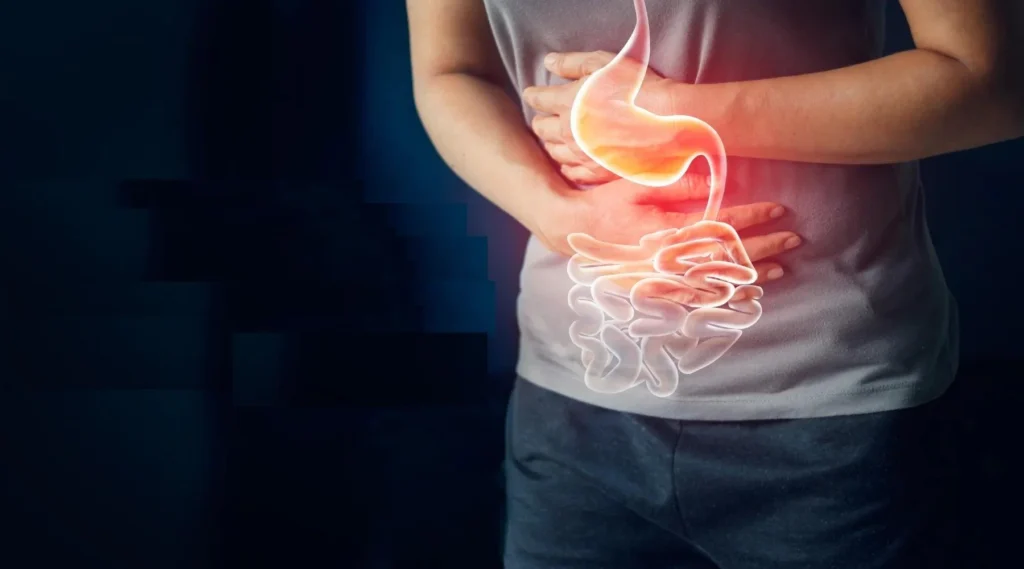

This guide goes past the “drink ginger tea” surface level. We’re covering the neuroscience of digestion, the vagus nerve’s role in gut function, the specific enzyme mechanisms of jeera and ajwain, the clinical trials behind triphala, why the timing of your remedies matters as much as what they are, and the common habits that are silently destroying your digestive capacity every single day. When you understand how to boost digestion naturally, you stop chasing symptoms and start fixing systems.
Why Digestion Fails — The Biology Nobody Explains
Before any remedy works, you need to understand what “good digestion” actually requires. It is not just stomach acid and enzymes. Digestion is a cascading, coordinated process involving the nervous system, the endocrine system, the liver, the pancreas, and 500 million neurons lining your gastrointestinal tract. Any disruption anywhere in this chain creates the bloating, gas, discomfort, and irregular motility that most people live with unnecessarily.
1. Insufficient digestive enzyme secretion: Salivary amylase, gastric pepsin, pancreatic lipase, and bile acids from the liver each break down different macronutrients. When any of these is inadequate — from stress, poor diet, or gut dysbiosis — partially digested food reaches the large intestine, where the wrong bacteria ferment it, producing gas, bloating, and inflammatory compounds.
2. Impaired gastric motility: Food needs to move through the digestive tract at the right speed. Too slow (gastroparesis or constipation) and food ferments abnormally and toxins accumulate. Too fast and nutrients aren’t absorbed. Gut motility is controlled by the enteric nervous system and directly suppressed by stress hormones.
3. Gut microbiome dysbiosis: The balance of bacteria in your gut determines how efficiently carbohydrates, proteins, and fats are processed, how much gas is produced, and how well the gut lining is maintained. See our full guide: Gut Health and Overall Wellness
4. Nervous system dysregulation: Digestion only works optimally in parasympathetic (“rest and digest”) mode. Eating under stress — which is how most urban Indians eat — actively suppresses enzyme secretion and gut blood flow, guaranteeing suboptimal digestion regardless of what you eat.

10 Science-Backed Ways to Boost Digestion Naturally
Jeera (cumin) is not just a spice. It is one of the most pharmacologically active digestive stimulants available — and a 2013 randomised controlled trial in the Middle East Journal of Digestive Diseases proved it. The study found that jeera supplementation significantly reduced bloating, abdominal pain, and stool irregularity in IBS patients within 4 weeks. The mechanism: thymol — the primary active compound in cumin — directly stimulates the salivary glands, pancreatic enzyme secretion, and bile acid release from the liver. All three of these are required to properly digest carbohydrates, fats, and proteins respectively. Jeera water before meals essentially primes your entire digestive system for what’s coming.
Additionally, cumin contains cuminaldehyde, which inhibits the growth of pathogenic bacteria (including H. pylori, a common cause of gastric discomfort in India) while leaving beneficial bacteria intact — making it simultaneously a digestive stimulant and a selective antimicrobial.
If jeera is the enzyme stimulator, ajwain is the carminative king — meaning it specifically targets gas production and spasmodic pain in the gut. The active compound thymol (present in even higher concentrations than in jeera) acts as a smooth muscle relaxant for the gastrointestinal tract, relieving the cramping and spasm that cause gas pain and bloating. It also inhibits fungal overgrowth in the gut — a common contributor to chronic bloating that goes unrecognised.
A 2012 review in the Journal of Pharmacy Research identified ajwain as one of the most potent natural antispasmodics, comparable in mechanism (though not in potency) to pharmaceutical antispasmodic medications — but without the side effects or dependency. For acute post-meal gas or bloating, ajwain is the fastest-acting herbal remedy in the Indian kitchen, typically producing relief within 10–20 minutes.
Triphala (“three fruits”) is the combination of amalaki (amla), bibhitaki (baheda), and haritaki (harad) — and it is arguably the single most evidence-backed Ayurvedic formulation in existence, with over 200 peer-reviewed studies across multiple clinical conditions. For digestion specifically, triphala works through four simultaneous mechanisms that no single herb can replicate alone.
First, it stimulates digestive enzyme activity in the stomach and small intestine. Second, it acts as a gentle laxative by stimulating bowel peristalsis through sennoside-like compounds in haritaki — but without the dependency associated with pharmaceutical laxatives. Third, its high tannin content (from amla) feeds and diversifies the gut microbiome — specifically increasing Bifidobacterium and Lactobacillus populations. Fourth, its anti-inflammatory anthraquinones reduce intestinal inflammation that impairs nutrient absorption.
A 2011 randomised trial published in the Journal of Alternative and Complementary Medicine found triphala significantly improved constipation, abdominal pain, and stool frequency in patients with chronic IBS — with effects comparable to a standard laxative but with the additional benefit of microbiome support that pharmaceutical interventions don’t provide.
Ginger’s digestive benefits are among the most clinically documented of any herb — but most people understand them superficially. The specific mechanism relevant to digestion isn’t just “anti-inflammatory.” Gingerols and shogaols in ginger act as agonists at 5-HT4 receptors in the gut — the same receptors that regulate gastric emptying speed (how fast food moves from the stomach into the small intestine).
Delayed gastric emptying is one of the most common causes of post-meal bloating, fullness, and nausea — and ginger directly accelerates this process. A 2008 study published in the European Journal of Gastroenterology and Hepatology found that ginger accelerated gastric emptying by 40% in healthy participants — a clinically significant improvement. This means food moves faster from the stomach onward, dramatically reducing the fermentation time that produces gas and bloating.
Ginger also stimulates bile secretion (critical for fat digestion), inhibits H. pylori, and reduces prostaglandin-driven gut inflammation — making it a genuinely multi-pathway digestive tool, not just a nausea remedy.
Hing is one of the most dramatically under-researched and under-appreciated digestive spices in Indian cooking — and one of the most potent. Its primary active compound, ferulic acid, directly inhibits the production of gas by gut bacteria and relaxes smooth muscle in the intestinal wall — addressing both the source and the symptom of bloating simultaneously. It also has significant antispasmodic effects on the colon, making it particularly effective for the cramping pain associated with IBS and irritable colon.
Traditional Ayurvedic use prescribes hing specifically for vata digestive disorders — characterised by gas, bloating, irregular bowel habits, and abdominal pain — which are the most common digestive complaints in modern India. A 2012 clinical study at the University of Westminster found that hing supplementation produced significant improvement in IBS symptoms within 30 days, with particular benefit for bloating and abdominal discomfort. The paradox of hing is that it smells intensely unpleasant raw but transforms completely when cooked in hot oil — releasing its medicinal compounds while mellowing its aroma.
Probiotics are one of the most important tools to boost digestion naturally — but the research consistently shows that food-based probiotics outperform supplement-based ones for microbiome diversity. A landmark 2021 Stanford University study in Cell directly compared high-fermented-food diets against high-fibre diets and found that fermented food groups showed significantly greater microbiome diversity and lower inflammatory markers within 10 weeks. India’s traditional fermented food culture is, from a microbiome science perspective, extraordinary.
Homemade curd (dahi) contains Lactobacillus bulgaricus and Streptococcus thermophilus — species that directly colonise the gut lining, produce bacteriocins that inhibit pathogenic bacteria, and improve intestinal motility. Idli and dosa batter fermented overnight contains lactic acid bacteria (LAB) that survive gastric acid and reach the colon intact. Kanji (fermented black carrot water) is one of the most potent probiotic drinks in Indian cuisine, with Lactobacillus counts rivalling commercial supplements.
This is one of the most commonly recommended wellness practices — and most people don’t know the actual mechanism. Warm water with lemon in the morning works specifically by stimulating bile production in the liver. Bile is stored in the gallbladder and released into the small intestine to emulsify dietary fats — without adequate bile, fats are incompletely digested, causing the heavy, greasy feeling after fatty meals and contributing to the fat-soluble vitamin deficiencies that drive fatigue and skin issues.
The sourness of lemon (citric acid) triggers the cephalic phase of digestion — stimulating digestive enzyme secretion even before food is consumed. Warm water itself stimulates intestinal peristalsis, particularly in the morning when the gut has been inactive for 7–9 hours. A 2016 study in the Journal of Neurogastroenterology and Motility found that warm water significantly improved bowel movement frequency and stool consistency in constipated patients compared to room-temperature water.
Fenugreek seeds contain a high concentration of galactomannan — a soluble fibre with a unique property: when mixed with water, it forms a viscous, gel-like substance that coats the lining of the stomach and intestine, protecting it from acid irritation and inflammation. This makes methi one of the most effective natural remedies for acid reflux and gastritis — conditions driving a significant proportion of digestive discomfort in Indian adults, particularly those with irregular eating schedules or high stress.
Galactomannan also acts as a prebiotic — feeding Bifidobacterium specifically, which produces short-chain fatty acids (particularly butyrate) that repair the intestinal epithelium, reduce leaky gut permeability, and regulate motility. A 2011 study in Phytotherapy Research found that fenugreek extract significantly reduced heartburn and regurgitation in participants with frequent acid reflux symptoms. Methi is also one of the few herbs that simultaneously reduces postprandial glucose spikes — making it particularly valuable for those with metabolic issues that affect digestive function.
This is the most underutilised digestive intervention available — and one of the best evidenced. A 2022 study published in the Journal of Gastrointestinal and Liver Diseases found that a 15-minute walk after meals reduced gastric emptying time by 30 minutes compared to sitting or lying down. A separate 2022 study in Sports Medicine found that a light post-meal walk significantly reduced postprandial blood glucose spikes compared to sitting — which is relevant to digestion because high blood glucose impairs gut motility through hyperglycaemia-induced autonomic dysfunction.
The mechanism: gentle physical movement stimulates the migrating motor complex (MMC) — the wave-like muscular contractions that move food through the small intestine and sweep digestive residue toward the colon. The MMC is suppressed by prolonged sitting and activated by moderate movement. Lying down after meals, a common post-lunch habit in India, temporarily reverses gravitational assistance for gastric emptying and increases acid reflux risk. Even a slow 10-minute walk is meaningfully better than rest for digestion.
This is the remedy that requires no ingredients, no preparation, and no cost — and is probably the most impactful change most people can make. Digestion is a parasympathetic function. It requires the nervous system to be in “rest and digest” mode. Eating while stressed, distracted, rushed, or while looking at screens (which elevates cortisol and maintains sympathetic nervous system dominance) actively suppresses the digestive enzyme cascade before a single bite of food is processed.
The vagus nerve is the master connection between the brain and the digestive system — it carries 80% of the signals from gut to brain and regulates enzyme secretion, bile release, intestinal motility, and gut-associated immune function. Slow, mindful eating activates vagal tone. Chewing food 20–30 times per bite begins starch digestion with salivary amylase that no supplement can replicate. Eating without screens lowers meal-time cortisol and allows the cephalic phase reflex — the anticipatory digestive response to the sight and smell of food — to fully prepare the gut. A 2013 review in the American Journal of Clinical Nutrition found that eating rate independently predicted digestive symptoms and postprandial glucose — fast eaters had significantly worse outcomes on both measures.
Digestion Myths vs. Facts — The Ones That Keep You Bloated
“Drinking water with meals dilutes stomach acid and harms digestion.”
Small sips of warm water with meals actually support digestion by helping food move through the gut and maintaining mucus layer integrity. The stomach regulates its own acid concentration continuously. Large quantities of cold water with meals can temporarily slow gastric emptying — but a glass of warm water is completely safe and beneficial.
“Apple cider vinegar fixes all digestive problems.”
ACV may help some people with clinically low stomach acid (hypochlorhydria). It worsens acid reflux in those with normal or high acid levels, and erodes tooth enamel over time. For the most common Indian digestive issues (bloating, gas, slow motility), jeera water, ajwain, and hing are better-evidenced, safer, and more culturally appropriate alternatives.
“You should rest after eating to support digestion.”
Lying down after meals increases acid reflux risk and slows gastric emptying. A slow 10–20 minute walk activates the migrating motor complex and accelerates gastric emptying by 30 minutes (RCT, 2022). Rest after meals is one of the most counterproductive post-meal habits for digestive health.
“Probiotics from supplements are better than food-based probiotics.”
Most commercial probiotic supplements contain 1–10 strains with variable survival through gastric acid. Homemade fermented foods (curd, idli batter, kanji) contain dozens of diverse live cultures that survive better and produce more durable microbiome diversity improvements — as confirmed by the Stanford Cell 2021 study. Food-based probiotics are the superior default.
When to Expect Results: The Honest Digestion Improvement Timeline
Jeera water before meals produces measurable enzyme stimulation within 15–20 minutes. Ajwain for acute gas relief works within 10–20 minutes. Hing tadka in your food reduces gas production during the same meal. A 15-minute walk after lunch meaningfully accelerates gastric emptying on the same day. These four interventions produce same-day relief for acute symptoms.
Within 5–7 days of consistent morning warm lemon water, most people notice better morning bowel regularity as liver and bile function is supported. Ginger before meals reduces post-meal fullness and nausea consistently by week one. Mindful eating, applied consistently, reduces post-meal bloating measurably within the first week as the cephalic digestive reflex is restored.
Daily fermented food intake begins showing microbiome effects at 10–14 days — most people notice reduced bloating from fermentable foods, more regular bowel movements, and improved tolerance of foods that previously caused gas. Methi seeds show gut lining coating effects immediately but cumulative acid reflux reduction typically becomes consistent in the second week.
Triphala’s full digestive benefit — improved motility, microbiome diversity, reduced constipation, better nutrient absorption — accumulates over 3–4 weeks of consistent nightly use. The 2011 clinical trial measured its primary outcomes at 4 weeks. Do not judge triphala in the first week. It is a systemic gut restoration tool, not an acute symptom reliever.
By 6–8 weeks of implementing multiple remedies from this list consistently, the changes become systemic: better energy from improved nutrient absorption, clearer skin from reduced gut-derived inflammation, more stable mood from enhanced serotonin production in a healthier gut, and genuine food tolerance expansion as the microbiome diversifies. Read more: Gut Health and Overall Wellness
Indian Home Remedies to Boost Digestion Naturally — Quick Reference
| Remedy | Primary Mechanism | Speed of Effect | Best Used For | How to Use |
|---|---|---|---|---|
| Jeera water | Enzyme + bile stimulation via thymol | 15–20 min | Bloating, slow digestion, gas | Before largest meal daily |
| Ajwain | Smooth muscle relaxant + antifungal | 10–20 min | Acute gas, cramps, bloating | Chew ½ tsp with kala namak after meals |
| Triphala | Motility + microbiome + enzyme stimulation | 3–4 weeks (cumulative) | Chronic constipation, IBS, poor absorption | ½ tsp in warm water, 30 min before bed |
| Ginger | 5-HT4 agonist → gastric emptying acceleration | 20–30 min | Post-meal fullness, nausea, slow stomach | Fresh ginger tea 20 min before meals |
| Hing (asafoetida) | Ferulic acid: gas inhibition + antispasmodic | Same meal | Gas, IBS, intestinal spasm | Pinch in hot oil as tadka in cooking |
| Homemade curd/chaas | Live LAB cultures + microbiome seeding | 5–7 days (cumulative) | Microbiome diversity, motility, immunity | One serving daily at room temp with meals |
| Warm lemon water | Bile stimulation + peristalsis activation | Morning effect | Morning sluggishness, constipation, fatty food digestion | Empty stomach, 30 min before breakfast |
| Methi (fenugreek) | Galactomannan: gut lining coating + prebiotic | 1–2 weeks | Acid reflux, gastritis, blood sugar modulation | Soaked overnight seeds, morning, empty stomach |
| Post-meal walk | MMC activation + gastric emptying acceleration | Same session | Bloating, post-meal heaviness, blood sugar | 10–20 min slow walk after largest meal |
| Mindful eating | Vagal activation + cephalic digestive reflex | Same meal | All digestive issues driven by stress eating | 5 breaths before eating, 20+ chews per bite |
What Is Silently Destroying Your Digestion — Even While You’re Using Remedies
Eating while stressed or distracted: The single biggest digestive mistake. Cortisol and adrenaline physically suppress gastric enzyme secretion, reduce gut blood flow, and impair bile release. Food consumed in stress is incompletely digested — full stop. No herbal remedy fully compensates for this.
Cold drinks with meals: Cold temperature temporarily constricts blood vessels in the gut wall, slowing the enzyme-rich mucosal secretion that initiates digestion. Traditional Indian food culture correctly served warm or room-temperature drinks with meals — a practice with real physiological rationale.
Overeating beyond comfortable fullness: The stomach’s mechanical stretch receptors send “full” signals to the brain approximately 20 minutes after the threshold is reached. Eating fast means overeating reliably. Overfilled stomach → impaired gastric emptying → bloating and reflux. This is a motility issue, not an enzyme issue — no herb fixes mechanical overloading.
Unnecessary antibiotic courses: A single course of broad-spectrum antibiotics can reduce gut microbiome diversity by 25–50%. For many common infections in India that are viral (colds, flu), antibiotics are completely ineffective against the pathogen and simultaneously devastate the microbiome that regulates digestion. Ask your doctor explicitly whether your infection is bacterial before consenting to antibiotics.
Chronic use of antacids (PPIs): Proton pump inhibitors reduce gastric acid — which provides temporary symptom relief but worsens the underlying cause in many cases. Stomach acid is required for protein digestion, vitamin B12 absorption, calcium absorption, and killing ingested pathogens. Long-term PPI use increases risk of gut infections, B12 deficiency, and paradoxically worsens SIBO (small intestinal bacterial overgrowth), a common cause of bloating.
Sedentary lifestyle — especially post-meal: Physical movement is required to activate the migrating motor complex (MMC) — the muscular wave that clears digestive residue between meals. Prolonged sitting suppresses the MMC, allowing fermentable material to accumulate in the small intestine and contribute to SIBO, bloating, and irregular motility.
Frequently Asked Questions: How to Boost Digestion Naturally
The fastest-acting natural remedies to boost digestion are: jeera water before meals (stimulates enzyme secretion within 15–20 minutes), ajwain for acute gas (acts within 10–20 minutes), hing tempered in hot oil in the same meal (prevents gas formation during digestion), and a 10-minute walk after eating (activates the migrating motor complex immediately). Mindful eating with slow chewing is also instantaneous in effect — the cephalic digestive reflex begins working from the first bite when the nervous system is calm.
Triphala is the most comprehensively evidence-backed Ayurvedic digestive remedy — combining three fruits that collectively stimulate digestive enzymes, improve bowel motility, support beneficial gut bacteria, and reduce intestinal inflammation. For acute symptoms, jeera water and ajwain are faster-acting. For long-term digestive restoration, triphala (½ tsp nightly in warm water for 4+ weeks) is the most evidence-supported choice.
Thymol in jeera (cumin) directly stimulates the salivary glands, pancreas, and liver to secrete digestive enzymes and bile acids simultaneously. A 2013 RCT found jeera supplementation significantly reduced bloating, pain, and stool irregularity in IBS patients within 4 weeks. Drinking jeera water 20 minutes before meals prepares the entire digestive system — not just the stomach — for optimal food processing.
Yes — profoundly. Chronic stress switches the body to sympathetic dominance, suppressing digestive enzyme secretion, slowing gut motility, and disrupting the gut-brain axis. Natural fixes include diaphragmatic breathing before meals, mindful eating without screens, post-meal walking, and adaptogenic herbs like ashwagandha that reduce cortisol. Read more: Ashwagandha Benefits for Stress & Anxiety
The best Indian foods to boost digestion naturally are: jeera (enzyme stimulator), ajwain (carminative), hing (antispasmodic gas reducer), homemade curd (probiotic), methi seeds (gut lining protector), haritaki/triphala (motility stimulator), amla (digestive enzyme activator), and raw banana as resistant starch prebiotic. Traditional Indian cuisine at its best is simultaneously a cooking tradition and a digestive medicine system.
ACV may help people with clinically low stomach acid (hypochlorhydria) but worsens acid reflux in those with normal or high acid. Clinical evidence is limited and inconsistent. For most digestive issues common in India — bloating, gas, slow motility — jeera water, ajwain, or hing are safer, better-evidenced, and more physiologically appropriate alternatives with no risk of tooth enamel erosion.
Related Articles You’ll Love
Your digestive system was not designed to fail. Bloating, gas, irregular motility, post-meal heaviness — these are not normal. They are signals. And almost every signal points back to the same set of fixable root causes: wrong timing, wrong nervous system state, depleted microbiome, missing enzymes. The remedies in this guide have been used for thousands of years in India — and now have the clinical trials to explain exactly why they work.
Start with jeera water tomorrow morning. Walk for 15 minutes after lunch. Add one fermented food. That’s three interventions — all free, all evidence-backed, all starting today.
Your gut has been waiting for this. Give it what it needs. 🌿Which home remedy to boost digestion naturally surprised you most — the 40% gastric emptying acceleration from ginger, the triphala clinical trial, or the post-meal walk science? Drop it in the comments. And tag the friend who always lies down after eating. 👇
Sources & Further Reading
- Middle East Journal of Digestive Diseases (2013) — Jeera Supplementation and IBS: RCT
- Journal of Pharmacy Research (2012) — Ajwain (Carom Seeds): Antispasmodic and Carminative Properties Review
- Journal of Alternative and Complementary Medicine (2011) — Triphala and IBS: Randomised Trial
- European Journal of Gastroenterology and Hepatology (2008) — Ginger and Gastric Emptying Acceleration
- Phytotherapy Research (2011) — Fenugreek Extract and Acid Reflux Reduction: RCT
- Journal of Gastrointestinal and Liver Diseases (2022) — Post-Meal Walking and Gastric Emptying
- Cell (2021, Stanford) — High-Fermented-Food Diet and Microbiome Diversity: RCT
- American Journal of Clinical Nutrition (2013) — Eating Rate and Digestive Outcomes
- HerbeeLife — Gut Health and Overall Wellness: The Full Science Guide
- HerbeeLife — Natural Health & Ayurvedic Wellness
Disclaimer: This content is for informational purposes only and does not constitute medical advice. Always consult a qualified healthcare professional before making significant changes to your health routine. Read full disclaimer →