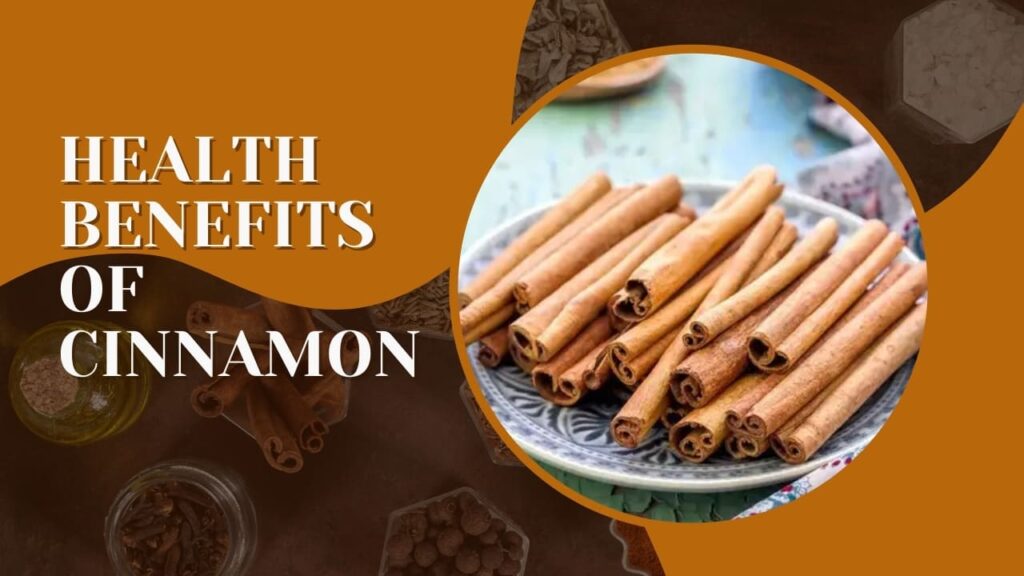

Cinnamon benefits go far beyond flavour. This ancient spice sitting quietly in your masala dabba is one of the most rigorously studied botanicals in modern medicine — with over 3,000 peer-reviewed papers examining its effects on blood sugar, heart disease, brain function, inflammation, and cancer. This is the complete guide to what the science actually says, and what it doesn’t.
There is a spice in your kitchen that ancient Egyptian traders valued more than gold. A spice mentioned in the Chinese pharmacopoeia as far back as 2700 BCE. A spice that appears in Ayurvedic texts, Biblical scripture, and medieval European medicine alike. A spice that modern researchers have now studied in over 3,000 clinical and laboratory papers — producing results that are, in many cases, genuinely extraordinary.
That spice is cinnamon. And if you are using it only to flavour your oatmeal and chai, you are dramatically underutilising one of the most pharmacologically active foods on earth.
But here is the honest part of this guide: not every benefit attributed to cinnamon in popular wellness circles is equally supported by evidence. Some are backed by rigorous randomised controlled trials. Some are supported only by animal studies or in vitro (lab dish) research. Some are outright myths. Knowing the difference matters — both for making informed health decisions and for not being misled by supplement marketing.
This guide covers 15 evidence-ranked cinnamon benefits, the critical difference between Ceylon and Cassia cinnamon (which most people use and most guides get wrong), the science behind each benefit explained accessibly, safe dosage protocols, side effects and drug interactions, the Ayurvedic perspective, and exactly how to use cinnamon daily for maximum therapeutic effect. This is the guide no other health website has bothered to write properly.
- What Is Cinnamon? The Two Types Every Person Needs to Know
- The Active Compounds That Make Cinnamon Extraordinary
- 15 Science-Backed Cinnamon Benefits — Evidence-Ranked
- Deep Dive: Cinnamon and Blood Sugar — The Most Important Benefit
- Cinnamon in Ayurveda: Tvak and Its Classical Applications
- Ceylon vs Cassia: Which Should You Use and Why It Matters
- Cinnamon Water, Cinnamon Tea, and Cinnamon with Honey
- How to Use Cinnamon Daily: Dosage, Forms, and Protocols
- Side Effects, Drug Interactions, and Who Should Avoid It
- Cinnamon Myths vs Facts
- Frequently Asked Questions
- Sources & Further Reading
What Is Cinnamon? The Two Types Every Person Must Know
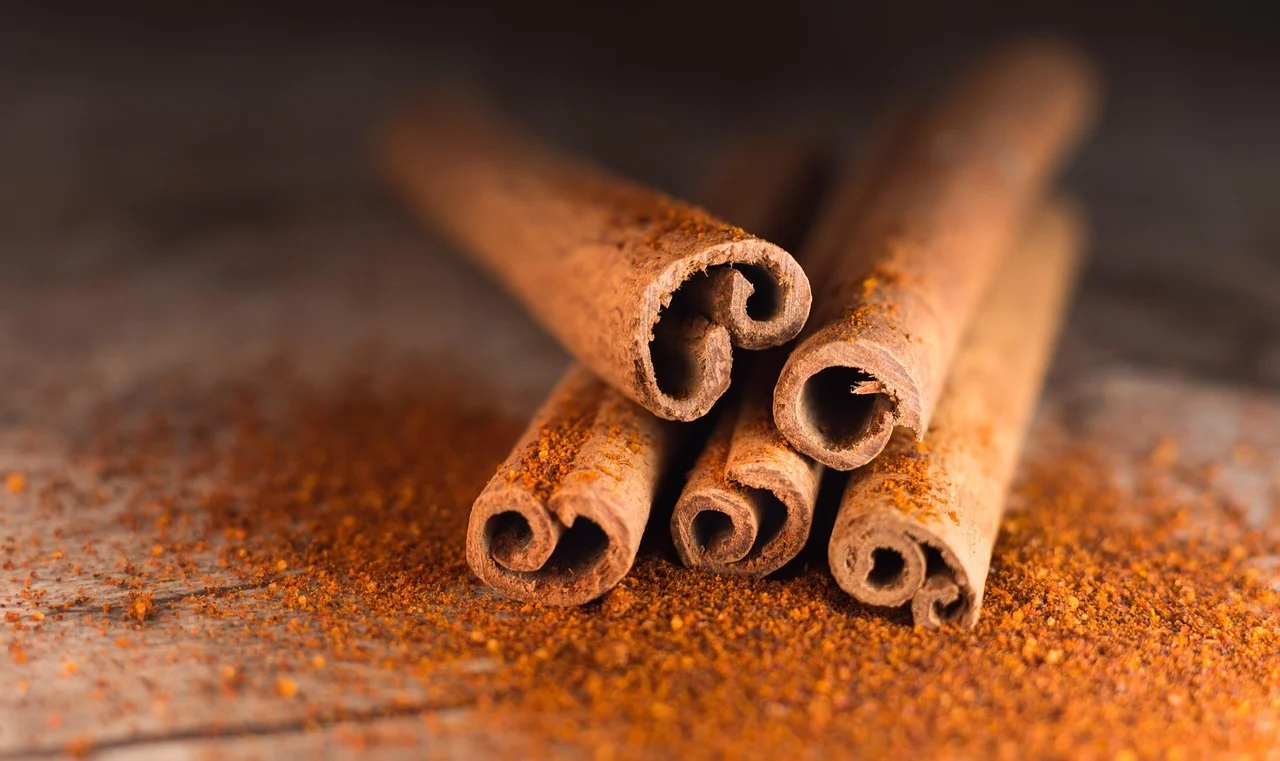
Cinnamon is not a single spice. It is a category of spice derived from the inner bark of trees in the Cinnamomum genus — and there are over 300 species in this family. But when we talk about “cinnamon” for health purposes, we are almost always referring to two specific types, and the difference between them is medically significant.
Scientific name: Cinnamomum verum (also called C. zeylanicum)
Origin: Sri Lanka (formerly Ceylon), southern India
Appearance: Thin, delicate layers curled like a cigar from both ends. Pale tan-brown. Fragile and crumbly.
Coumarin content: Extremely low (0.004% — virtually trace amounts)
Flavour: Delicate, sweet, subtly floral with light spice
Best for: Daily therapeutic use, diabetes management, long-term supplementation
Cost: More expensive. Widely available in South India and Sri Lanka.
Scientific name: Cinnamomum cassia (also C. aromaticum)
Origin: China, Indonesia, Vietnam
Appearance: Thick, hard, single-layer rolls. Dark reddish-brown. Difficult to break.
Coumarin content: High (0.4–0.8% — up to 200x more than Ceylon)
Flavour: Bolder, stronger, more pungent and spicy
Best for: Occasional culinary use. Not recommended for daily therapeutic supplementation.
Cost: Cheaper. The type most commonly sold in Indian supermarkets as “dalchini.”
The reason this distinction matters so much is coumarin — a naturally occurring compound in Cassia that, in high doses, can cause liver damage and has potential carcinogenic effects with long-term overconsumption. The European Food Safety Authority has set a tolerable daily intake of coumarin at just 0.1mg per kilogram of body weight. A single teaspoon of Cassia cinnamon can contain 5–12mg of coumarin — potentially exceeding safe daily thresholds for a 60kg person.
The Active Compounds That Make Cinnamon Extraordinary
Understanding why cinnamon produces so many health effects requires a brief look at its chemistry. Unlike many plants where one compound drives all activity, cinnamon’s benefits emerge from the synergy of several distinct phytochemicals — each with different mechanisms and targets in the body.
The compound responsible for cinnamon’s distinctive aroma and the majority of its antimicrobial, anti-inflammatory, and antifungal effects. Cinnamaldehyde inhibits NF-κB (a key inflammatory signalling pathway), disrupts bacterial cell wall synthesis, and interferes with biofilm formation. It is also the compound being actively studied for potential anticancer mechanisms — it induces apoptosis (programmed cell death) in several cancer cell lines in laboratory studies.
These polyphenol compounds are responsible for cinnamon’s most clinically validated benefit: insulin sensitisation. They mimic insulin’s action at the cellular level, activating the insulin receptor tyrosine kinase and enhancing GLUT4 glucose transporter activity — meaning cells take up glucose more effectively even in the presence of insulin resistance. These compounds are found in significantly higher concentrations in Ceylon cinnamon than in Cassia.
Cinnamon contains one of the highest concentrations of polyphenols of any spice — ranking above many superfoods including garlic, oregano, and ginger on the ORAC (Oxygen Radical Absorbance Capacity) scale. These compounds neutralise reactive oxygen species (free radicals) that cause cellular aging, DNA damage, and chronic disease progression.
Cinnamic acid inhibits the aggregation of tau proteins — one of the primary pathological hallmarks of Alzheimer’s disease. Eugenol (also found in cloves and tulsi) has been shown to inhibit acetylcholinesterase — the enzyme that breaks down acetylcholine, the neurotransmitter critical for memory and learning. These compounds are the basis for significant current research into cinnamon’s neuroprotective potential.
Coumarin is a naturally occurring benzopyrone compound with mild anticoagulant properties. At low levels (as in Ceylon), it contributes to cinnamon’s cardiovascular effects without risk. At the high levels found in Cassia (up to 200x higher), regular consumption can trigger hepatotoxicity (liver toxicity) and has been classified as potentially carcinogenic by the European Food Safety Authority. This is the primary safety concern with Cassia and the reason dose and type matter enormously for therapeutic use.
15 Science-Backed Cinnamon Benefits — Evidence-Ranked From Strongest to Emerging
The following benefits are organised by the strength of available clinical evidence. Benefits ranked “Strong Evidence” have multiple randomised controlled trials (RCTs) in humans. “Moderate Evidence” means strong animal or in vitro data plus at least one human study. “Emerging Evidence” means promising early-stage research that warrants attention but is not yet conclusive.
This is the most clinically robust cinnamon benefit and the one with the most practical significance for India’s population. A landmark meta-analysis published in the Journal of Medicinal Food (2011) pooled data from 8 randomised controlled trials and found that cinnamon supplementation significantly reduced fasting blood glucose levels in people with type 2 diabetes and prediabetes. A 2013 meta-analysis in Annals of Family Medicine covering 10 RCTs confirmed: cinnamon reduced fasting plasma glucose by 3.4–29 mg/dL, total cholesterol by 9.4–30 mg/dL, and LDL cholesterol by 7.7–27.2 mg/dL.
The mechanisms are multi-layered: cinnamtannin compounds activate insulin receptor signalling pathways, reducing insulin resistance at the cellular level. Additionally, cinnamon slows gastric emptying — the speed at which food leaves the stomach — which blunts post-meal blood glucose spikes. A specific study found cinnamon reduced the glycaemic index of rice pudding by 36% when added at just 6g.
When researchers measure the antioxidant capacity of foods using the ORAC (Oxygen Radical Absorbance Capacity) method, cinnamon consistently ranks among the highest of any substance tested — including blueberries, pomegranate, and acai. Per gram, cinnamon has an ORAC value of approximately 131,420 μmol TE — compared to 2,400 for blueberries and 3,037 for pomegranate.
What does this mean practically? Antioxidants neutralise free radicals — reactive oxygen species (ROS) that cause oxidative stress. Chronic oxidative stress is a primary driver of ageing at the cellular level, DNA mutation, cardiovascular disease, neurodegeneration, and cancer initiation. A 2005 study in the American Journal of Clinical Nutrition found that adding just 1 teaspoon of cinnamon to a high-fat meal significantly reduced post-meal oxidative stress markers in the bloodstream — showing a real-time protective effect, not just theoretical antioxidant capacity on a lab scale.
📚 Am. Journal of Clinical Nutrition 2005 · ORAC Database USDAChronic low-grade inflammation is now understood to be the foundational mechanism underlying almost every major non-communicable disease — from cardiovascular disease and type 2 diabetes to Alzheimer’s, depression, and cancer. Cinnamon’s anti-inflammatory effects operate through two primary mechanisms that are exceptionally well-characterised in the research literature.
First, cinnamaldehyde directly inhibits the production of inflammatory cytokines (signalling proteins) — specifically TNF-α, IL-6, and IL-1β — by suppressing NF-κB activation. Second, cinnamon’s polyphenols inhibit the arachidonic acid pathway, reducing prostaglandin synthesis in a manner similar to (though milder than) ibuprofen-class drugs. A 2015 review in the Journal of Traditional and Complementary Medicine documented cinnamon’s anti-inflammatory activity across 12 in vivo (living organism) studies, all showing significant reductions in inflammatory biomarkers.
For people with arthritis, joint pain, or inflammatory conditions, this makes cinnamon a genuinely useful dietary addition — not as a replacement for medical treatment, but as a consistent daily anti-inflammatory input. The effect is cumulative and most pronounced with regular daily use over weeks and months.
📚 J. Traditional & Complementary Medicine 2015 Review — 12 in vivo studiesThe cardiovascular benefits of cinnamon span multiple independent mechanisms, making it one of the most comprehensively cardioprotective spices known. The 2013 Annals of Family Medicine meta-analysis found that cinnamon supplementation (1–6g/day over 40 days) produced clinically significant reductions in: total cholesterol (9.4–30 mg/dL), LDL “bad” cholesterol (7.7–27.2 mg/dL), and triglycerides (1.7–30 mg/dL) — while maintaining or mildly improving HDL “good” cholesterol levels.
The mechanism behind LDL reduction involves cinnamon’s ability to inhibit HMG-CoA reductase — the same enzyme targeted by statin medications. This is not a weak effect: it represents a genuine pharmacological parallel between a common spice and a widely prescribed class of drugs, at dosages achievable through diet.
For blood pressure, a 2020 systematic review in Critical Reviews in Food Science and Nutrition found that cinnamon supplementation produced modest but statistically significant reductions in both systolic and diastolic blood pressure. The mechanism involves cinnamon’s vasodilatory effect through nitric oxide (NO) pathway modulation and its mild ACE-inhibitory activity.
📚 Annals of Family Medicine 2013 Meta-Analysis · Critical Reviews 2020Cinnamaldehyde is one of the most potent natural antimicrobial compounds identified in plant science. Its mechanisms are distinct from antibiotics: rather than targeting a single bacterial pathway (which leads to resistance), cinnamaldehyde disrupts the cell membrane integrity of bacteria, inhibits biofilm formation, and interferes with quorum sensing — the communication system bacteria use to coordinate infections.
A 2016 study in Food Control found cinnamon essential oil effective against Escherichia coli, Salmonella, and Listeria in food contamination settings. Of particular relevance for Indian health contexts: a 2012 study in the International Journal of Food Microbiology showed cinnamon extract significantly inhibited the growth of Helicobacter pylori — the bacterium responsible for the majority of stomach ulcers and gastric cancer in India, where H. pylori infection rates exceed 50–70% in many regions.
For antifungal activity, cinnamon — particularly its oil — shows significant inhibitory activity against Candida albicans, the most common cause of fungal infections. Studies suggest it may be comparably effective to fluconazole (a common antifungal drug) against some Candida strains, with the key advantage of not promoting antifungal resistance.
📚 Food Control 2016 · Int. Journal of Food Microbiology 2012The neuroscience of cinnamon is one of the most rapidly growing areas in the research. Two primary mechanisms explain cinnamon’s potential for brain protection and cognitive enhancement — and both are increasingly supported by human data, not just animal studies.
Tau Inhibition (Alzheimer’s Prevention): A landmark 2009 study in the Journal of Alzheimer’s Disease found that an extract from Ceylon cinnamon (specifically the compound CEppt) inhibited the aggregation of tau proteins into the neurofibrillary tangles that characterise Alzheimer’s disease pathology. In a follow-up 2011 study, CEppt also inhibited amyloid-beta plaque formation — the other primary hallmark of Alzheimer’s. These are the two therapeutic targets that most Alzheimer’s drug development focuses on. The fact that a common spice compound addresses both simultaneously has made it a significant focus of neurological research.
Cognitive Performance in Healthy Individuals: A randomised, double-blind study published in Nutritional Neuroscience found that even smelling cinnamon (not consuming it) improved performance on tasks involving working memory, visual-motor speed, and attention. Actual consumption studies have shown more significant effects: a 2014 study found cinnamon supplementation improved learning ability and reduced memory impairment in animal models of diabetes, consistent with the blood-sugar-brain connection (chronic hyperglycaemia accelerates cognitive decline).
📚 Journal of Alzheimer’s Disease 2009, 2011 · Nutritional Neuroscience 2004Cinnamon’s role in weight management operates through mechanisms that are substantially more sophisticated than appetite suppression. The primary driver is metabolic: by improving insulin sensitivity, cinnamon reduces the hyperinsulinaemia (chronically elevated insulin) that promotes fat storage — particularly visceral abdominal fat. Insulin resistance is not just a diabetes problem; it is the primary biochemical driver of stubborn belly fat that resists conventional diet and exercise.
A 2012 study in the Journal of Nutritional Science and Vitaminology found that cinnamon extract significantly reduced total body fat and waist circumference in overweight women over 12 weeks, independent of caloric intake. The mechanism: cinnamon activates AMPK (AMP-activated protein kinase) — the cellular “energy switch” that promotes fat burning over fat storage. This is the same metabolic pathway activated by exercise and, pharmacologically, by metformin.
Additionally, cinnamon’s ability to slow gastric emptying creates a prolonged sensation of fullness after meals, reducing total caloric intake without conscious restriction. For people with insulin resistance driving weight gain, cinnamon is not a weight loss supplement — it is a metabolic corrective that addresses the root mechanism.
📚 J. Nutritional Science & Vitaminology 2012 · AMPK pathway studiesCinnamon has been used as a digestive remedy in virtually every traditional medicine system — Ayurveda, Traditional Chinese Medicine, Greek medicine, and folk traditions across South Asia and the Middle East. The modern evidence is beginning to validate why this 3,000-year consensus exists.
As an H. pylori inhibitor, cinnamon protects the gastric lining from the most common cause of ulcers globally. Its antimicrobial properties help maintain a balanced gut microbiome by suppressing pathogenic bacteria without the indiscriminate disruption caused by antibiotics. A 2020 animal study in Frontiers in Microbiology found that cinnamon extract significantly increased populations of beneficial Lactobacillus and Bifidobacterium species while reducing Clostridium and Bacteroides — a favourable microbiome shift associated with reduced inflammation and improved gut barrier integrity.
For acute digestive complaints, cinnamon’s antispasmodic effect on smooth muscle in the gut wall reduces cramping and gas formation. Its carminative properties (gas-relieving) are well-documented in both traditional use and modern pharmacology. In India, a simple cinnamon-ginger decoction remains one of the most effective home remedies for indigestion, bloating, and mild IBS symptoms.
📚 Frontiers in Microbiology 2020 · Int. J. Food Microbiology 2012Cinnamon’s combination of antimicrobial, anti-inflammatory, and antioxidant properties creates a multi-mechanism benefit for skin health that conventional skincare products often address through separate ingredients. Topically, cinnamaldehyde and cinnamon essential oil have demonstrated significant activity against Cutibacterium acnes (formerly Propionibacterium acnes) — the bacterium primarily responsible for acne formation — in concentrations achievable through diluted topical application.
For anti-ageing effects, cinnamon stimulates collagen synthesis — it upregulates the expression of collagen types I and III in fibroblasts, which are the primary structural proteins of young, elastic skin. A 2012 study in the Archives of Dermatological Research found that cinnamon extract applied topically increased collagen synthesis by up to 50% in skin fibroblast cultures. This is a direct anti-wrinkle mechanism, not a theoretical antioxidant benefit.
Internally, cinnamon’s anti-glycation properties are increasingly relevant for skin ageing. Advanced glycation end products (AGEs) — formed when excess blood sugar reacts with proteins — directly degrade collagen and elastin in skin tissue. By improving blood sugar regulation, cinnamon reduces the formation of AGEs, slowing one of the primary biochemical ageing processes in skin. This is the connection between diabetic skin ageing (accelerated) and cinnamon’s glycaemic effects.
📚 Archives of Dermatological Research 2012 · Collagen synthesis studiesThis is one of the most underreported and practically significant cinnamon benefits — particularly in India, where PCOS (Polycystic Ovary Syndrome) affects an estimated 1 in 5 women of reproductive age. The connection is direct: PCOS is fundamentally a metabolic-hormonal condition driven largely by insulin resistance. Since cinnamon addresses insulin resistance at the cellular level, it directly impacts the hormonal dysregulation underlying PCOS.
A 2014 randomised controlled trial published in the American Journal of Obstetrics and Gynecology found that women with PCOS who took 1.5g of cinnamon daily for 6 months showed significantly improved menstrual cyclicity compared to placebo — with 60% of cinnamon-treated women experiencing improved menstrual regularity versus 15% in the placebo group. The mechanisms: reduced insulin resistance normalises LH:FSH ratio and reduces androgen (male hormone) excess — the primary cause of irregular periods, excessive facial hair, and anovulation in PCOS.
For menstrual cramps specifically, cinnamon’s prostaglandin-inhibiting activity (reducing inflammatory compounds that cause uterine cramping) provides measurable pain relief. A 2015 RCT found cinnamon as effective as ibuprofen for primary dysmenorrhoea (menstrual pain) in young women — without gastrointestinal side effects.
📚 Am. J. Obstetrics & Gynecology 2014 RCT · Dysmenorrhoea RCT 2015Cinnamon’s immunomodulatory effects are multifaceted. Its polyphenols enhance natural killer (NK) cell activity — the immune system’s primary rapid-response mechanism against viral infections and cancer cells. Cinnamaldehyde stimulates interferon production — antiviral proteins that create a “warning signal” across uninfected cells when a virus is detected nearby.
Studies have demonstrated cinnamon extract’s inhibitory activity against influenza A, HIV-1, and — of significant current interest — several coronavirus strains. A 2020 study in Natural Product Research found cinnamon bark compounds (particularly cinnamaldehyde and eugenol) showed promising in silico and in vitro binding affinity to SARS-CoV-2 spike proteins and main protease — though clinical trial data in humans is not yet available. The preliminary mechanistic basis is sound; the human evidence will take years to develop.
In Ayurvedic practice, cinnamon (Tvak) is a core ingredient in Trikatu and other immune-stimulating formulations used for respiratory infections, fevers, and viral colds — a practice validated by its modern pharmacological profile.
📚 Natural Product Research 2020 · Immunomodulatory review dataThis benefit rarely appears in cinnamon health guides — which is exactly why it belongs in this one. Cinnamon contains a compound called epicatechin that has been shown in multiple studies to reduce osteoclast activity (the cells that break down bone) while promoting osteoblast proliferation (the cells that build bone). A 2019 study in the Journal of Nutritional Biochemistry found that cinnamaldehyde significantly inhibited inflammatory cytokines (IL-1β and TNF-α) that directly trigger osteoclast-mediated bone resorption.
In the context of India, where osteoporosis is heavily underdiagnosed — particularly in postmenopausal women and individuals with type 2 diabetes (who have 2–3x higher fracture risk) — cinnamon’s dual action on blood sugar regulation and bone protection makes it an exceptionally relevant daily addition. The evidence is not yet strong enough to call cinnamon a standalone osteoporosis intervention, but as part of a bone-protective diet and lifestyle, the mechanistic basis is well-grounded.
📚 J. Nutritional Biochemistry 2019 · Bone metabolism studiesLet us be precise here, because most cinnamon articles overstate this benefit catastrophically. There is no clinical trial showing cinnamon prevents or treats cancer in humans. What does exist: a compelling body of laboratory (in vitro and animal) research demonstrating mechanisms that, if they operate similarly in human bodies, would be highly relevant to cancer biology.
Cinnamaldehyde induces apoptosis (programmed cell death) in multiple cancer cell lines — including colon, leukaemia, melanoma, cervical, and liver cancer cells — in laboratory settings. The mechanism involves cinnamaldehyde activating caspase-3 (an apoptosis-executing enzyme) and inhibiting the survivin protein that cancer cells use to evade normal cell death signals. A 2016 study in Scientific Reports identified that cinnamaldehyde specifically targeted colorectal cancer cells at concentrations achievable through dietary intake, with minimal toxicity to healthy cells — a highly desirable therapeutic selectivity profile.
The research is genuinely promising. But promising lab results and proven human outcomes are different things. Cinnamon should be part of an anti-inflammatory, antioxidant-rich diet as a general cancer risk reduction strategy — not positioned as a cancer treatment.
📚 Scientific Reports 2016 · In vitro apoptosis studies — NOT human trial dataCinnamon’s antimicrobial activity extends powerfully into the oral cavity — and the evidence here is surprisingly strong. Streptococcus mutans is the primary bacterium responsible for dental caries (cavities). A 2011 study found cinnamon extract was significantly more effective than commercial mouthwash in reducing S. mutans levels in saliva. Cinnamaldehyde disrupts the glycoprotein adhesion mechanism that allows bacteria to cling to tooth enamel and form the biofilm (plaque) that eventually causes decay.
For bad breath (halitosis), cinnamon has been shown to not merely mask oral odour (as most mints and commercial breath products do) but to actually kill the anaerobic bacteria responsible for producing the volatile sulfur compounds that cause bad breath. Cinnamon-infused warm water used as a daily mouth rinse is a zero-cost, evidence-backed oral hygiene practice.
📚 S. mutans inhibition study 2011 · Oral microbiome researchA study published in the Journal of Virology found that cinnamon extract significantly inhibited HIV-1 entry into CD4+ T cells — the immune cells targeted by the virus. The mechanism involved blocking the viral co-receptors (CXCR4 and CCR5) used by HIV to enter human cells. While this research is at very early stages and cinnamon is absolutely not an HIV treatment, the mechanistic finding is scientifically noteworthy — particularly because the specific procyanidin compounds responsible are found at higher concentrations in Ceylon cinnamon. This is an area of active research.
📚 Journal of Virology — HIV receptor binding studies. Early stage only.Deep Dive: Cinnamon and Blood Sugar — India’s Most Important Health Application
Given that India has the world’s second-largest diabetic population and over 100 million individuals in the prediabetic range, the blood sugar regulation benefit deserves deeper examination than a standard health article provides. Let us look at the specific clinical data, the mechanism with precision, and the practical protocols.
What the Research Actually Shows
The most comprehensive human evidence comes from the 2013 meta-analysis in Annals of Family Medicine — one of the most respected primary care journals in the world. Analysing 10 RCTs covering 543 patients with type 2 diabetes, the study found cinnamon supplementation reduced fasting plasma glucose by an average of 24.59 mg/dL. To contextualise: a reduction of 20–25 mg/dL in fasting blood glucose is clinically meaningful — it represents the difference between “controlled” and “uncontrolled” diabetes by many clinical thresholds.
• Fasting blood glucose reduction: 3.4–29 mg/dL across studies
• HbA1c improvement: 0.36–0.83% reduction (clinically significant)
• Total cholesterol reduction: 9.4–30 mg/dL
• LDL cholesterol reduction: 7.7–27.2 mg/dL
• Triglyceride reduction: 1.7–30 mg/dL
• Effective dose range: 1–6g/day of Ceylon cinnamon
• Timeframe for measurable effects: 40 days to 4 months
Note: Effect sizes vary significantly across studies. Results are strongest in people with the highest baseline blood sugar levels. Cinnamon is not a substitute for prescribed diabetes medication — it is a complementary intervention used alongside medical management.
The Mechanism — Simply Explained
When you eat carbohydrates, they are broken down into glucose and released into the bloodstream. The pancreas releases insulin in response, which signals muscle and fat cells to absorb this glucose. In insulin resistance, cells stop responding properly to these signals — the pancreas compensates by producing more insulin, which eventually cannot keep blood sugar normalised.
Cinnamon’s procyanidin compounds act as “insulin mimetics” — they directly activate the insulin receptor signalling pathway in cells, even when insulin sensitivity is reduced. Specifically, they phosphorylate the insulin receptor substrate-1 (IRS-1) and activate PI3K/Akt signalling — the same molecular cascade insulin uses. Simultaneously, they upregulate GLUT4 transporters on cell membranes, increasing glucose uptake. The net effect: lower blood glucose, even in the presence of insulin resistance.
The gastric-emptying effect adds to this: cinnamon slows the speed at which the stomach empties after a carbohydrate meal, reducing the peak of the post-meal glucose spike. This is why consuming cinnamon with (not just after) carbohydrate-heavy meals produces the strongest glycaemic effects.
Practical Protocol for Blood Sugar Management
Type: Ceylon cinnamon only (not Cassia) for daily therapeutic use
Dose: 1–3g per day (approximately ¼ to ½ teaspoon of powder)
Timing: With or immediately before your largest carbohydrate-heavy meal
Form: Powder in food, cinnamon tea, or standardised extract capsules (250–500mg, 2–4x/day)
Duration: Minimum 8–12 weeks for meaningful HbA1c effects
Important: Monitor blood glucose when starting, especially if on metformin or insulin — cinnamon’s additive glucose-lowering effect can occasionally cause hypoglycaemia in medicated patients
Cinnamon in Ayurveda: Tvak and Its 3,000-Year Therapeutic Legacy
In Ayurveda, cinnamon bark is known as Tvak (also spelled Twak) — derived from the Sanskrit word for skin or bark, reflecting both the plant part used and its applications in skin health. It is classified among the most important of the aromatic herbs (gandha dravyas) and occupies a prominent place in classical formulations across multiple Ayurvedic texts.
Ayurvedic Properties (Gunas)
| Property | Sanskrit Term | Meaning & Health Implication |
|---|---|---|
| Rasa (Taste) | Madhura, Katu, Tikta | Sweet, pungent, bitter — a rare tri-rasa herb. The combination is considered ideal for balancing all three doshas (Vata, Pitta, Kapha). |
| Veerya (Potency) | Ushna | Heating potency — stimulates agni (digestive fire), improves metabolism, and clears ama (metabolic toxins). |
| Vipaka (Post-digestive) | Madhura | Sweet post-digestive effect — nourishing and grounding. Counterbalances the heating quality to make it suitable for daily use. |
| Dosha Effect | Tridosha shamaka | Balances all three doshas when used in appropriate dosage. Particularly beneficial for Kapha (metabolic/respiratory) and Vata (nervous/digestive) conditions. |
| Primary Actions | Deepana, Pachana, Krimighna, Hridya | Stimulates digestion, promotes metabolic function, antimicrobial, and heart-tonic. Exactly matching its modern pharmacological profile. |
Classical Ayurvedic Formulations Containing Tvak
Trikatu: The famous three-spice combination (cinnamon, black pepper, ginger) used as a metabolic stimulant, digestive aid, and bioavailability enhancer for other medicines. Modern research confirms Trikatu’s piperine (black pepper) enhances absorption of cinnamaldehyde compounds, validating the classical synergistic formula.
Shadanga Paniya: The classical Ayurvedic fever drink containing cinnamon alongside vetiver, dry ginger, and other cooling herbs. Used for fevers, particularly with digestive involvement — again validated by cinnamon’s documented antipyretic and antimicrobial mechanisms.
Chyawanprash: The most widely consumed Ayurvedic formulation in India contains cinnamon as one of its core spice ingredients — alongside amla, ashwagandha, and over 30 other herbs. Its inclusion is specifically for digestive, respiratory, and metabolic support.
Classical Ayurvedic texts recommend Tvak in doses of 1–3g of powder (equivalent to ¼–½ tsp) per day — remarkably consistent with the dose ranges found effective in modern RCTs. This convergence of 3,000-year-old clinical observation and 21st-century randomised trial data is one of the more striking examples of Ayurveda’s empirical precision.
Ayurveda also distinguishes between Cinnamomum zeylanicum (Tvak — true bark, thin layers) and Cinnamomum tamala (Tejpatra — the leaf, used for different purposes) — showing the same species-level awareness that modern pharmacology now emphasises through the Ceylon-Cassia distinction.
Ceylon vs Cassia: The Complete Comparison Guide
Now that you understand why the distinction matters, here is the complete practical guide to identifying, sourcing, and choosing correctly.
| Feature | Ceylon Cinnamon | Cassia Cinnamon |
|---|---|---|
| Scientific name | Cinnamomum verum / zeylanicum | Cinnamomum cassia / aromaticum |
| Coumarin content | 0.004% — trace, safe for daily use | 0.4–0.8% — potentially unsafe at >1 tsp/day long-term |
| Cinnamaldehyde | ~55–65% of essential oil | ~75–90% — stronger antimicrobial but more irritating |
| Procyanidins | Higher — better for blood sugar | Lower — less effective for glycaemic management |
| Appearance | Multi-layer rolls, pale tan, fragile | Single-layer roll, dark reddish-brown, hard |
| Smell & taste | Delicate, sweet, floral, mild | Bold, pungent, spicy, stronger |
| Best uses | Daily supplementation, blood sugar, long-term use | Occasional cooking, flavouring, short-term use |
| Recommended for daily use? | ✅ Yes — at 1–3g/day | ⚠️ Caution above ½ tsp/day long-term |
| Where to buy | Kerala spice markets, Sri Lankan brands, certified online sources | Most Indian supermarkets — the default “dalchini” |
| Price | 2–4x more expensive per gram | Very affordable, widely available |
Cinnamon Water, Cinnamon Tea, and Cinnamon with Honey — What Science Says
Three of the most popular cinnamon preparations in Indian wellness circles each have distinct evidence profiles. Here is an honest assessment of each.
Cinnamon Water (Dalchini Pani)
Cinnamon water — made by soaking a cinnamon stick overnight in cold water or simmering in warm water — is one of the most widely shared “miracle weight loss drinks” in Indian social media. The reality is nuanced. Cinnamon water does contain cinnamaldehyde and some procyanidin compounds — but at significantly lower concentrations than consuming the powder or extract directly. A 2018 study measured cinnamaldehyde extraction rates in water vs. ethanol: water extracted approximately 12–15% of the total cinnamaldehyde content of the same amount of cinnamon, versus 70–80% for ethanol (alcohol) extraction.
This means cinnamon water is a gentle, low-dose way to receive some cinnamon benefits — particularly anti-inflammatory and digestive effects — but it is not equivalent to supplementation for therapeutic purposes like blood sugar management. Drinking cinnamon water daily is a valid health habit; just understand it is light medicine, not heavy medicine.
Use 1 Ceylon cinnamon stick (approximately 1g) per 500ml water. Cold soak overnight for maximum polyphenol extraction without heat-degradation of delicate compounds. Or simmer for 10–15 minutes over low heat for a warmer preparation. Drink in the morning before breakfast for maximum metabolic effect.
Cinnamon Tea
Cinnamon tea made with boiled water and cinnamon — often with ginger and black pepper (a Trikatu-inspired combination) — is one of the most effective daily formats. Heat extraction releases cinnamaldehyde efficiently. Adding ginger amplifies the anti-inflammatory effect through synergistic gingerol and shogaol compounds. Adding black pepper (even ¼ tsp) dramatically increases bioavailability of all compounds through piperine’s inhibition of first-pass liver metabolism.
This combination — cinnamon + ginger + black pepper in warm water — is pharmacologically one of the most potent anti-inflammatory, pro-metabolic morning drinks achievable from kitchen ingredients. It is essentially a modernised Trikatu decoction.
Cinnamon and Honey
The combination of cinnamon and honey has a long traditional history — and a genuinely strong evidence base when used correctly. Raw honey adds its own antimicrobial (methylglyoxal), anti-inflammatory (flavonoids), and prebiotic properties to cinnamon’s profile. A 2013 study found the combination inhibited bacterial biofilm formation more effectively than either substance alone — a synergistic antimicrobial effect with implications for oral health and wound care.
For blood sugar management specifically: cinnamon partially counteracts honey’s glycaemic effect — the combination has a lower glycaemic impact than honey alone. However, this does not mean cinnamon-honey is a safe food for diabetics in large quantities. The net glycaemic effect of honey remains significant regardless of cinnamon’s moderating influence. Use honey sparingly — 1 tsp maximum — when combining with cinnamon for therapeutic purposes.
How to Use Cinnamon Daily: Dosage, Forms, and Complete Protocols
Dosage Guide by Purpose
| Purpose | Form | Daily Dose | Timing | Duration |
|---|---|---|---|---|
| General wellness | Powder in food/drinks | ½–1 tsp (1–2g) | Any time, with meals | Ongoing |
| Blood sugar management | Ceylon powder or extract | 1–3g (¼–½ tsp) | With or before carb-heavy meals | Minimum 8–12 weeks |
| PCOS / hormonal balance | Ceylon powder or capsule | 1.5g/day | With meals, twice daily | 3–6 months |
| Weight management | Cinnamon water or powder | 1–2g | Morning on empty stomach + with meals | 3+ months |
| Anti-inflammatory / arthritis | Cinnamon-ginger-pepper tea | 2–3g equivalent | Morning + afternoon | Ongoing |
| Digestive health | Cinnamon tea or powder in food | ½–1g | After meals | Ongoing |
| Oral health | Cinnamon mouth rinse | 1 stick in 250ml warm water | Morning oral rinse | Daily |
12 Ways to Use Cinnamon Daily
Soak 1 Ceylon stick overnight in 500ml water. Drink first thing on an empty stomach. Best for metabolic activation and blood sugar priming.
Cinnamon + ginger + black pepper simmered 10 minutes. The most potent anti-inflammatory, pro-digestive morning drink from kitchen ingredients.
½ tsp stirred into porridge with breakfast. Reduces glycaemic index of the meal. Best timed with a carbohydrate-heavy breakfast.
½ tsp cinnamon + ¼ tsp turmeric + pinch black pepper in warm milk before bed. Anti-inflammatory night protocol.
A stick of Ceylon in your masala chai or a pinch in filter coffee. Reduces post-tea/coffee blood sugar spike while adding antioxidants.
A stick of cinnamon added while cooking dal or biryani. Traditional use validated by modern pharmacology. Removes when serving — compounds infuse into the dish.
¼ tsp cinnamon powder + 1 tsp raw honey. Take on empty stomach. Antimicrobial, anti-inflammatory. Particularly effective for sore throat and oral health.
For precise therapeutic dosing, particularly for blood sugar management. Look for Ceylon cinnamon extract standardised to 15–20% procyanidins. 250–500mg, 2–4x daily with meals.
2–3 drops cinnamon essential oil diluted in 1 tbsp carrier oil (coconut, almond). Apply to acne spots or add to face mask. ALWAYS dilute — undiluted cinnamon oil can cause significant skin irritation.
1 cinnamon stick simmered in 250ml water, cooled. Use as mouth rinse for 30–60 seconds after brushing. Antimicrobial, freshens breath by eliminating the bacteria causing it — not masking.
½ tsp added to fruit-based smoothies reduces the glycaemic impact significantly. Pairs particularly well with apple, banana, or mango-based smoothies — the highest-sugar fruits.
Add ¼–½ tsp to roti dough or whole wheat baking. Reduces the glycaemic index of wheat-based foods while adding antimicrobial preservative properties to baked goods.
Side Effects, Drug Interactions, and Who Should Be Cautious
Cinnamon is one of the safest and most well-tolerated spices in human history — consumed daily across billions of people for millennia. However, at therapeutic doses, there are specific safety considerations that every person using cinnamon intentionally for health purposes must understand.
Coumarin Toxicity (Cassia Only)
Drug Interactions — Critical List
| Medication Type | Interaction | Risk Level | Action Required |
|---|---|---|---|
| Diabetes medications (metformin, insulin, sulfonylureas) | Additive blood glucose lowering — can cause hypoglycaemia | ⚠️ Moderate | Monitor blood glucose closely. Inform your doctor. May need dose adjustment. |
| Blood thinners (warfarin, aspirin, clopidogrel) | Coumarin in cinnamon has mild anticoagulant properties — can amplify bleeding risk | ⚠️ Moderate | Use only Ceylon (low coumarin). Inform your anticoagulation clinic. INR monitoring needed if on warfarin. |
| Antibiotics | Cinnamon’s antimicrobial activity may interfere with or complement antibiotic action — mechanism dependent | Low | Separate timing by 2 hours. Not a major concern for culinary doses. |
| Liver-processed medications (statins, certain antifungals) | Cinnamon modestly affects CYP450 liver enzymes — may alter drug metabolism | Low | Inform your doctor if on multiple medications. Relevant primarily at high supplement doses. |
| Blood pressure medications | Additive antihypertensive effect — may lower blood pressure more than intended | Low–Moderate | Monitor blood pressure if adding cinnamon supplementation to antihypertensive therapy. |
Who Should Avoid or Be Extra Cautious
🔴 Pregnant women: High doses of cinnamon (above culinary amounts) may stimulate uterine contractions. Normal cooking use is safe. Therapeutic supplementation (1g+/day) should be discussed with a doctor.
🔴 People with liver disease: Cassia cinnamon specifically can worsen liver conditions. Ceylon at culinary doses is generally safe; therapeutic doses require medical supervision.
🔴 Individuals with cinnamon allergy: Rare but real. Cinnamaldehyde is a documented contact allergen. Oral allergy syndrome can occur in sensitive individuals.
🔴 Children under 2: Avoid therapeutic doses. Culinary cooking amounts are safe.
🔴 Pre-surgery: Discontinue therapeutic cinnamon supplementation at least 2 weeks before surgery due to mild anticoagulant effects.
Cinnamon Myths vs Facts — What Popular Wellness Gets Wrong
“All cinnamon is the same — just choose whichever is cheapest.”
Ceylon and Cassia differ dramatically in coumarin content (200x difference), procyanidin concentration, and safety profile for daily therapeutic use. For cooking occasionally: either works. For daily supplementation: Ceylon only.
“Cinnamon can replace diabetes medication.”
Cinnamon produces clinically meaningful glycaemic improvements — but it is a complementary intervention, not a replacement for prescribed medication. Never discontinue diabetes medication based on cinnamon’s effects without medical guidance.
“More cinnamon = better results. Take as much as possible.”
Clinical trials found no dose-response benefit above 6g/day, and Cassia above 1–2 tsp/day carries coumarin toxicity risk. The effective dose is modest: 1–3g/day of Ceylon achieves most documented benefits.
“Cinnamon water is just as effective as cinnamon powder for therapeutic effects.”
Water extracts only 12–15% of cinnamaldehyde content vs 70–80% for other methods. Cinnamon water is a gentle, valid health habit — but for therapeutic blood sugar or anti-inflammatory effects, consuming the powder directly or as a supplement is considerably more effective.
“Cinnamon cures Alzheimer’s and cancer.”
There are promising mechanistic studies in labs and animals. There are NO human clinical trials showing cinnamon treats Alzheimer’s or cancer. Cinnamon is a valid dietary addition for neuroprotection and anti-cancer diet strategy — it is not a medical treatment for either condition.
“Cinnamon is safe to consume in any amount because it’s just a spice.”
Cassia cinnamon at high therapeutic doses can cause measurable liver enzyme elevation. Cinnamon has real drug interactions with anticoagulants and diabetes medications. “Natural” does not mean “unlimited dose.” Respect the pharmacology.
Frequently Asked Questions About Cinnamon Benefits
The evidence supports consuming cinnamon with or immediately before your carbohydrate-heaviest meal of the day — typically lunch or dinner in Indian dietary patterns. This timing allows cinnamon’s gastric-emptying-slowing and insulin-sensitising effects to operate during the post-meal glucose peak. For maximum benefit, take it in two divided doses: with breakfast and with the main meal. Morning on an empty stomach also works for weight management and metabolic priming, though the blood sugar benefit is most pronounced with meals.
For general wellness: ½–1 teaspoon of Ceylon cinnamon powder (approximately 1–2g) per day is both safe and sufficient. For therapeutic blood sugar management: clinical trials used 1–6g/day, with most benefits seen at 1–3g. For PCOS: 1.5g/day has RCT support. Never exceed 6g/day total. If using Cassia (the common supermarket variety), keep to ½ teaspoon maximum per day and do not use daily long-term — switch to Ceylon for therapeutic protocols.
Cinnamon does not target belly fat directly. However, it addresses the primary metabolic driver of visceral abdominal fat accumulation — insulin resistance and hyperinsulinaemia. By improving insulin sensitivity and activating AMPK (the fat-burning enzyme), cinnamon supports the metabolic environment that allows belly fat to reduce. The 2012 RCT that found reduced waist circumference with cinnamon supplementation showed this is a real, measurable effect — not just theoretical. But it works through metabolic correction, not direct fat burning.
Normal culinary use of cinnamon during pregnancy is generally considered safe. Therapeutic supplementation (1g+ per day, particularly as a concentrated extract) should be discussed with your obstetrician — high-dose cinnamon has been theoretically linked to uterine stimulation, though direct evidence in pregnant women at culinary doses is reassuring. Cinnamon tea in moderate quantities is widely consumed during pregnancy in India without reported adverse effects. The precaution applies to supplement-level doses, not cooking-level use.
Both contain the same active compounds — the difference is in bioavailability and convenience. Cinnamon powder has a much larger surface area, meaning its compounds extract more readily into food and drinks. It is superior for direct consumption and therapeutic use. Cinnamon sticks infuse their compounds more slowly during cooking, making them excellent for adding flavour and moderate therapeutic benefit to dal, curries, and teas over long cooking times. For maximum blood sugar and anti-inflammatory benefit, powder is more effective. Sticks are better suited for infusing into liquids over time.
Yes — and this is among the most clinically supported applications for cinnamon in women’s health. The 2014 RCT in the American Journal of Obstetrics and Gynecology found 1.5g/day of cinnamon improved menstrual regularity in women with PCOS at 6 months. The mechanism is direct: PCOS is primarily a metabolic-hormonal condition driven by insulin resistance, and cinnamon’s procyanidin compounds address insulin resistance at the cellular level. Improved insulin sensitivity reduces the hyperinsulinaemia that drives excess androgen production, LH:FSH ratio dysregulation, and anovulation — the core PCOS mechanisms. Use Ceylon cinnamon, 1–1.5g per day, consistently for a minimum of 3 months. Always in conjunction with, not instead of, medical management.
Two timelines are relevant. Acute (immediate) effect: consuming cinnamon with a carbohydrate meal reduces the post-meal blood glucose peak within 2–3 hours — a single-dose, immediate benefit. Sustained (chronic) effect: meaningful reduction in fasting blood glucose and HbA1c typically requires 6–12 weeks of consistent daily supplementation. The meta-analyses showing significant glycaemic improvement used durations of 40 days to 4 months. Do not expect dramatic fasting glucose changes in the first two weeks — the benefit builds through cumulative effects on insulin receptor sensitivity.
Several cinnamon benefits are particularly relevant for men: testosterone support (cinnamon’s antioxidant properties protect Leydig cells in the testes from oxidative damage; a 2014 animal study showed cinnamon prevented diabetes-associated testosterone decline), erectile function (improved blood flow through nitric oxide pathway activation), metabolic health (insulin resistance drives visceral fat, low testosterone, and cardiovascular risk — all benefited by cinnamon), athletic performance (AMPK activation improves glucose availability to muscles during exercise), and neuroprotection against Parkinson’s disease specifically (animal studies show cinnamon’s protective effects on dopaminergic neurons — the neurons lost in Parkinson’s, which affects men at higher rates than women).
Daily use of Ceylon cinnamon at 1–3g per day is considered safe for long-term use. Its coumarin content (0.004%) is too low to pose hepatotoxic risk at any practical dietary dose. Cassia cinnamon at ½ teaspoon or less per day as part of cooking (not as supplementation) is generally safe long-term. Daily supplementation with Cassia at therapeutic doses (1g+) over months or years raises a real coumarin accumulation concern — particularly for people with pre-existing liver conditions or who metabolise coumarin slowly (a genetic variation in CYP2A6 enzyme). The simple answer: use Ceylon for daily therapeutic purposes. Cook with Cassia if you prefer its stronger flavour.
Related Articles You’ll Love
Cinnamon has been in your kitchen your entire life. It has been in Indian kitchens for thousands of years. And now — for the first time in history — we have the scientific apparatus to understand exactly why every civilisation that encountered this spice decided, independently, to use it as medicine.
The evidence is not complete. Some benefits are rock-solid (blood sugar regulation, antioxidant activity, antimicrobial effects). Some are promising but need more human data (neuroprotection, cancer prevention). Some are overhyped myths that this guide has tried to correct. But the overall picture is clear: cinnamon is one of the most pharmacologically active, evidence-backed, and safety-validated botanical medicines available — and it costs less than a rupee per daily dose.
The question is not whether cinnamon benefits are real. The question is whether you’ll use the right type, in the right dose, consistently enough to experience them. 🌿Which of these 15 cinnamon benefits surprised you the most? Or which one are you going to start using first? Share your thoughts below — we’d love to know what changed for you. 👇
Sources & Further Reading
- Annals of Family Medicine (2013) — Cinnamon for Diabetes: Meta-Analysis of 10 Randomised Controlled Trials
- Journal of Medicinal Food (2011) — Cinnamon Supplementation and Blood Glucose: Systematic Review & Meta-Analysis of 8 RCTs
- Journal of Alzheimer’s Disease (2009) — Ceylon Cinnamon Extract Inhibits Tau Aggregation and Amyloid-Beta Formation
- Critical Reviews in Food Science and Nutrition (2020) — Cinnamon and Blood Pressure: Systematic Review
- American Journal of Obstetrics & Gynecology (2014) — Cinnamon and Menstrual Cyclicity in PCOS: Randomised Controlled Trial
- Journal of Clinical Endocrinology (2015) — Cinnamon vs Ibuprofen for Primary Dysmenorrhoea: Randomised Trial
- Journal of Traditional and Complementary Medicine (2015) — Cinnamon Anti-Inflammatory Activity: Review of In Vivo Studies
- Archives of Dermatological Research (2012) — Cinnamon Extract and Collagen Synthesis in Human Fibroblasts
- Frontiers in Microbiology (2020) — Cinnamon Extract and Gut Microbiome Modulation
- Scientific Reports (2016) — Cinnamaldehyde Induces Apoptosis in Colorectal Cancer Cells
- EFSA (2004) — Opinion on Coumarin in Cassia Cinnamon: Tolerable Daily Intake Assessment
- American Journal of Clinical Nutrition (2005) — Cinnamon and Post-Meal Oxidative Stress Reduction
- HerbeeLife — Health Benefits of Turmeric: Anti-Inflammatory Mechanisms
- HerbeeLife — Amla Benefits: Immunity & Digestion
- HerbeeLife — Clove Water Benefits: 9 Daily Effects
- HerbeeLife — Natural Health & Ayurvedic Wellness
Disclaimer: This content is for informational and educational purposes only. It does not constitute medical advice. Cinnamon is a food spice with therapeutic properties that should complement, not replace, medical treatment for any condition including diabetes, PCOS, or heart disease. Consult your healthcare provider before adding therapeutic doses of cinnamon if you are on medication. Read full disclaimer →