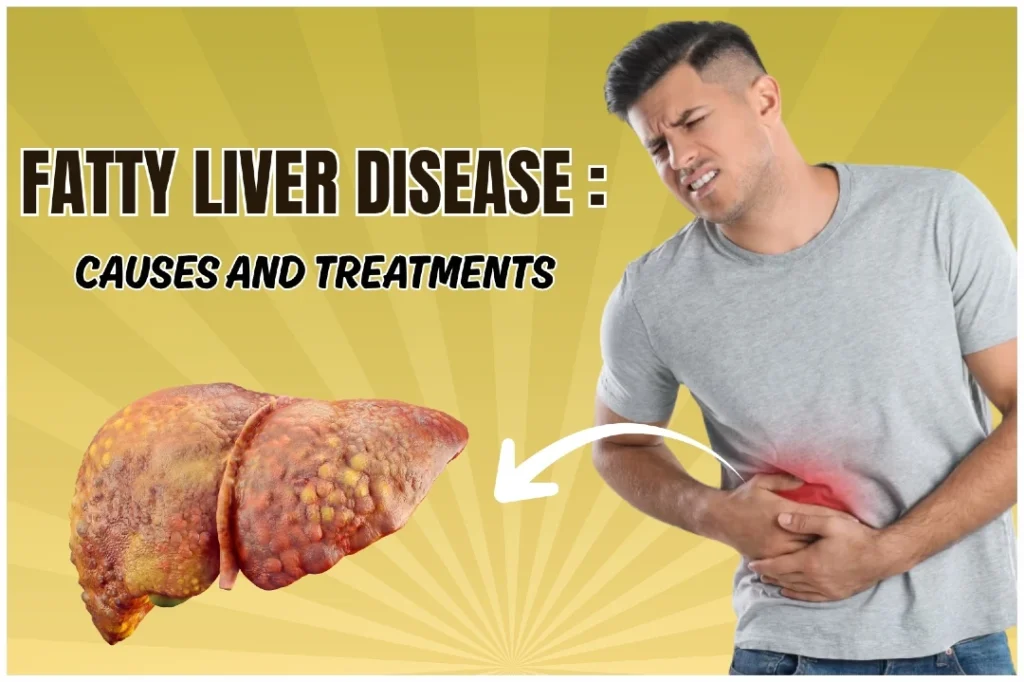

Fatty liver disease symptoms are quietly damaging millions of livers in India right now — and most people have no idea their liver is under attack. This is what your doctor sees but rarely explains in detail, and what Ayurveda has addressed for centuries before the term “NAFLD” was ever coined.
Your liver is the most overworked organ in your body. It processes everything you eat, drink, and breathe. It manages over 500 biochemical functions per day. And yet — it almost never complains. Not until the damage is already deep.
Fatty liver disease (medically called hepatic steatosis) now affects an estimated 1 in 4 adults worldwide. In India, the numbers are rising faster than almost anywhere else on earth — driven by changing diets, sedentary lifestyles, rising rates of type 2 diabetes, and a near-total absence of early warning symptoms. Most people discover it by accident, during a routine ultrasound for something else entirely.
This guide covers what fatty liver disease actually does to your liver, the real causes most health articles skip over, the symptoms that appear when the damage progresses, the evidence behind common home remedies, and exactly when to stop managing it yourself and see a specialist. This is everything you need to know — honestly and completely.
What Is Fatty Liver Disease — And Why Does It Matter?
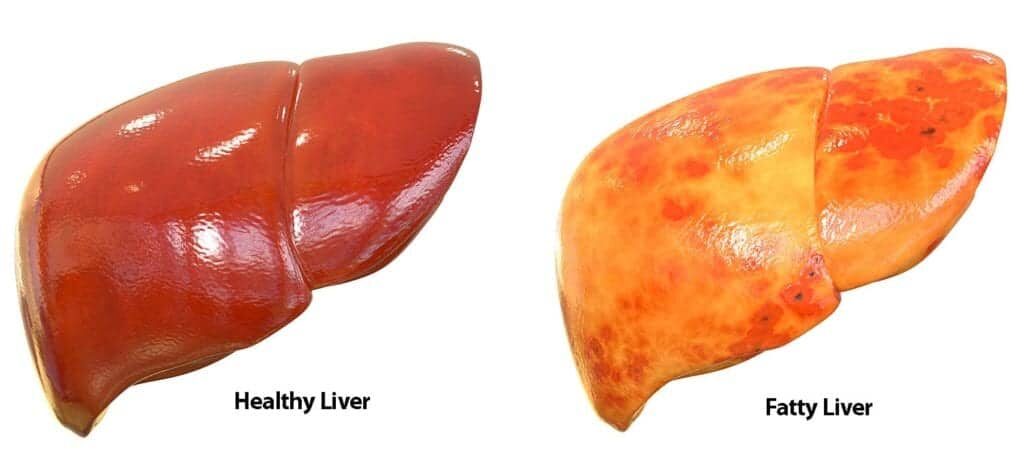
Under normal conditions, your liver contains a small amount of fat — around 2–5% of its total weight. This is completely healthy. The problem begins when fat accumulates beyond 5–10% of liver weight. At that threshold, your liver cells begin to struggle. Their normal functions — filtering toxins, producing bile, metabolising glucose, synthesising proteins — all become impaired.
There are two primary types of fatty liver disease, and understanding the difference is important because the triggers, risks, and management strategies differ significantly.
Not related to alcohol. Driven primarily by diet, insulin resistance, obesity, metabolic syndrome, and genetics. The most common form in India. Can occur in people with normal BMI. Accounts for roughly 75% of all fatty liver cases globally.
Directly caused by regular alcohol consumption. Even moderate drinking can trigger fat accumulation. The liver metabolises alcohol into toxic by-products that interfere with fat processing, causing fat to build up in liver cells. Completely reversible if alcohol stops early enough.
Both types exist on a spectrum. Early fatty liver (simple steatosis) is largely reversible. If ignored, it can progress to NASH (Non-Alcoholic SteatoHepatitis) — where the fat accumulation triggers chronic liver inflammation. From there, the damage can advance to fibrosis (scarring), cirrhosis (irreversible scarring), and in worst cases, liver failure or liver cancer.
Here is the good news that most health articles bury: simple fatty liver is one of the most reversible chronic conditions in medicine. With targeted lifestyle change — specifically, weight loss of 7–10% of body weight — liver fat can reduce measurably within 8–12 weeks. The liver has extraordinary regenerative capacity. But this window narrows as the disease progresses. The earlier you act, the more fully you can recover.
The Real Causes of Fatty Liver Disease Symptoms — Beyond “Too Much Fat”
Most health articles list “a high-fat diet” as the primary cause of fatty liver disease. This is misleading — and oversimplified enough to be dangerous. The metabolic reality is more complicated, and understanding it changes how you approach treatment.
1. Insulin Resistance: The Root Mechanism Most People Miss
Insulin resistance is not just a diabetes problem. It is the central driver of NAFLD in a majority of cases. When cells become resistant to insulin’s signals, the body overproduces insulin to compensate. This excess insulin stimulates the liver to convert glucose into fat (a process called de novo lipogenesis). Simultaneously, insulin resistance triggers the breakdown of fat stored in body tissue, releasing fatty acids into the bloodstream — which the liver absorbs and accumulates.
This is why people with normal body weight can develop severe fatty liver. It is not about how much fat you eat. It is about what is happening at the metabolic level inside your cells.
2. Excess Dietary Sugar — Not Fat
Counterintuitively, dietary fat is not the primary culprit in fatty liver. Sugar is — specifically fructose. Fructose is metabolised almost exclusively in the liver (unlike glucose, which the whole body uses). When you consume excess fructose — through sugary drinks, packaged juices, sweets, ultra-processed foods — the liver is the only organ processing it, and it rapidly converts the excess to fat.
3. Gut Microbiome Disruption
This is an emerging but significant area of fatty liver research. The gut microbiome — the community of trillions of bacteria in your digestive tract — plays a direct role in liver health. Dysbiosis (an imbalance in gut bacteria, often caused by ultra-processed diets, antibiotics, or chronic stress) increases intestinal permeability (“leaky gut”). This allows bacterial endotoxins to enter the bloodstream and travel directly to the liver, triggering chronic inflammation — the exact mechanism that converts simple fatty liver into the more serious NASH.
4. Genetics and Ethnicity
People of South Asian descent carry specific genetic variants (particularly in the PNPLA3 and TM6SF2 genes) that increase fat accumulation in liver cells. This is part of why India’s NAFLD rates are among the highest in the world despite lower average BMI compared to Western populations. This is not a pessimistic finding — it simply means that Indians need to be more proactive about liver health at lower weight thresholds than Western guidelines typically recommend.
5. Other Contributing Causes
Corticosteroids (like prednisone), methotrexate, tamoxifen, valproate, and some antiviral medications can cause drug-induced hepatic steatosis. If you are on long-term medication and have received a fatty liver diagnosis, discuss this with your doctor — it may be the primary or contributing cause.
Paradoxically, very rapid weight loss (crash diets, bariatric surgery complications) can worsen fatty liver by flooding the liver with fatty acids released from breaking down body fat faster than the liver can process them. This is why the evidence strongly recommends gradual weight loss of 0.5–1 kg per week, not aggressive caloric restriction.
Both are significantly underdiagnosed in India, particularly in women. Hypothyroidism slows liver metabolism. PCOS is directly associated with insulin resistance. Both are independent risk factors for NAFLD — and managing them improves liver health substantially.
Fatty Liver Disease Symptoms: What Your Body Actually Tells You (And What It Hides)
Here is the hard truth about fatty liver disease symptoms: in its early stages, fatty liver is almost entirely asymptomatic. The liver has no pain receptors, which means it can sustain years of damage without generating a single warning signal. The symptoms that do appear — when they appear — are non-specific enough to be easily dismissed.
Early-Stage Symptoms (Often Missed or Misattributed)
The most common and universally dismissed symptom. Not the tiredness that improves with rest — a deeper, metabolic fatigue. Often accompanied by difficulty concentrating, memory lapses, and a persistent feeling of mental slowness. This happens because an overloaded liver cannot efficiently clear metabolic waste products from the blood.
As the liver accumulates fat, it enlarges. The liver is encased in a capsule called Glisson’s capsule — this capsule stretches as the liver swells, causing a dull, aching pressure in the upper right quadrant of the abdomen. Many people mistake this for a pulled muscle or digestive discomfort.
The liver produces bile, which is essential for fat digestion. A fatty liver produces lower-quality bile and in reduced quantities. The result: poor fat digestion, bloating after meals (particularly fatty meals), and a sense of heaviness that lingers for hours after eating.
The metabolic dysfunction that drives fatty liver — particularly insulin resistance — simultaneously promotes abdominal fat accumulation. Many patients notice a widening waistline that resists dietary changes. This is not a willpower problem. It is a metabolic one driven by the same hormonal disruption causing the liver damage.
Progressive Symptoms (When Damage Advances)
If fatty liver is left unaddressed and progresses toward NASH and fibrosis, more serious symptoms begin to emerge:
🔴 Jaundice — yellowing of skin or eyes (indicates liver is failing to process bilirubin)
🔴 Swelling in legs or abdomen (ascites — fluid accumulation due to failing liver)
🔴 Spider angiomas — small, spider-shaped blood vessel clusters on skin
🔴 Palmar erythema — persistent redness of the palms
🔴 Easy bruising or prolonged bleeding (liver failing to produce clotting factors)
🔴 Dark urine, pale stools
🔴 Severe, persistent nausea
If you are experiencing any of these, do not manage this at home. See a hepatologist.
Fatty Liver Myths vs. Facts — What Most Health Guides Get Wrong
“You only get fatty liver if you drink heavily.”
Non-alcoholic fatty liver (NAFLD) now accounts for 75%+ of fatty liver cases globally. Sugar, refined carbs, and insulin resistance — not alcohol — are the primary drivers in most patients.
“Fatty liver only affects overweight people.”
Lean NAFLD affects an estimated 10–15% of the global population. In India, this percentage is significantly higher due to genetic factors. Normal BMI does not rule out fatty liver.
“If liver enzymes are normal, there’s no liver problem.”
Up to 80% of patients with biopsy-confirmed fatty liver have completely normal liver enzyme (ALT/AST) levels. Normal blood tests do not rule out fatty liver — an ultrasound is needed.
“Fatty liver will fix itself if I eat less.”
Caloric restriction alone without addressing insulin resistance, the type of food consumed, and exercise rarely produces meaningful liver fat reduction. The composition of the diet matters more than the quantity.
7 Proven Home Remedies for Fatty Liver Disease — With the Science Behind Each
The home remedies below are not folk wisdom unsupported by evidence. Each has been evaluated in peer-reviewed research. They are, however, supportive adjuncts to lifestyle change — not replacements for medical management. If you have been diagnosed with fatty liver disease, use these alongside your doctor’s guidance, not instead of it.
Curcumin, the active compound in turmeric, has been studied more extensively for fatty liver than almost any other natural compound. A 2019 meta-analysis published in Nutrition Research reviewed eight clinical trials and found that curcumin supplementation significantly reduced liver fat content, as well as liver enzyme levels (ALT and AST), compared to placebo groups.
The mechanisms are well-understood: curcumin suppresses NF-κB (a key inflammatory pathway activated in NAFLD), reduces oxidative stress in liver cells, improves insulin sensitivity, and directly inhibits hepatic lipogenesis (the conversion of sugar to liver fat).
Silymarin, extracted from the milk thistle plant (Silybum marianum), has been used for liver conditions for over 2,000 years. The modern evidence is substantial. A 2017 systematic review in the World Journal of Gastroenterology found silymarin improved liver enzyme levels and histological markers of liver damage in NAFLD patients. It works through multiple mechanisms: antioxidant activity protecting liver cell membranes from lipid peroxidation, anti-inflammatory action, and direct anti-fibrotic effects that slow the progression of scarring.
Bhumi Amla is one of Ayurveda’s most important liver herbs — and it is now backed by modern pharmacology. Research published in the Journal of Ethnopharmacology found that Phyllanthus niruri extract significantly reduced ALT and AST levels in liver disease patients. The plant contains phyllanthin and hypophyllanthin — compounds that protect liver cells from fat accumulation, reduce inflammation, and have documented hepatoprotective (liver-protecting) activity. Unlike many herbal remedies with theoretical mechanisms, the clinical evidence on Bhumi Amla for liver conditions is genuinely promising.
Green tea is one of the most studied beverages for liver health. A 2015 meta-analysis in the International Journal of Molecular Sciences found that EGCG (epigallocatechin gallate) — the primary catechin in green tea — reduced liver fat, lowered inflammatory markers, and improved insulin sensitivity in NAFLD patients. A key finding: people who drank more than 10 cups of green tea per day showed significantly lower rates of fatty liver than non-drinkers (a landmark Japanese cohort study). Even 3–5 cups per day produced measurable benefits in liver enzyme levels.
Raw garlic is among the most powerful food-based liver interventions supported by clinical data. A 2016 randomised controlled trial published in Advanced Biomedical Research found that consuming 800mg of garlic powder daily for 15 weeks significantly reduced liver fat and BMI in NAFLD patients compared to placebo. The active compound allicin reduces fat synthesis in the liver, activates liver detoxification enzymes, and improves fat metabolism through AMPK activation — the same metabolic pathway targeted by metformin (a common diabetes drug). Raw garlic is several times more bioactive than cooked.
Apple cider vinegar (ACV) is frequently overhyped, but the research for fatty liver is more grounded than its general wellness reputation suggests. A 2016 animal study in the Journal of Membrane Biology found that acetic acid (ACV’s active component) reduced liver fat, triglycerides, and total cholesterol in subjects on a high-fat diet. The mechanism: acetic acid activates AMPK in the liver (improving fat oxidation) and reduces the expression of fat-synthesis genes. Human data is limited but supportive, with one Japanese study finding reduced body fat and triglyceride levels in regular ACV consumers.
Dandelion root (Taraxacum officinale) is known in folk medicine across cultures as a liver tonic — and the science is beginning to validate this. Research in the journal Evidence-Based Complementary and Alternative Medicine found that dandelion extract reduced fat accumulation in liver cells and lowered oxidative stress markers. The root contains taraxacin and taraxacerin, bitter compounds that stimulate bile production and flow — directly improving fat digestion and liver detoxification pathways. It is also one of the few natural compounds shown to modestly increase FGF21 (fibroblast growth factor 21), a metabolic hormone that promotes fat burning in the liver.
The Fatty Liver Disease Diet: What to Eat, What to Eliminate
Diet is the most powerful tool in fatty liver reversal. But most “liver diet” advice focuses on what to avoid while underemphasising what to actively eat more of. Both matter.
Foods That Actively Help Reverse Fatty Liver
| Food | Why It Helps | How to Use It |
|---|---|---|
| Cruciferous vegetables (broccoli, cauliflower, methi) | Contains sulforaphane — directly activates liver detoxification enzymes (Phase II detox). Reduces liver fat in animal and human studies. | Daily. Lightly steamed preserves sulforaphane better than boiling. |
| Walnuts | Highest plant-based source of omega-3 fatty acids. Clinical trials show walnut consumption reduces liver fat and improves liver enzyme levels in NAFLD patients. | A small handful (6–8 walnuts) daily. Do not roast in oil. |
| Olive oil (extra virgin) | Oleocanthal reduces liver inflammation. Clinical trial in NAFLD patients showed significant improvement in liver enzymes vs. sunflower oil group. | 2 tbsp daily. Use cold or low-heat cooking. Not for deep frying. |
| Flaxseeds | Rich in lignans and alpha-linolenic acid. Research shows reduced liver fat and improved insulin resistance with regular consumption. | 1 tbsp ground daily in yoghurt, dal, or roti dough. |
| Amla (Indian Gooseberry) | One of the richest natural sources of Vitamin C. Reduces liver oxidative stress and prevents fat accumulation in liver cells. Multiple studies confirm hepatoprotective activity. | 1–2 fresh amla or 1 tsp amla powder in warm water daily. |
| Oats / Barley (beta-glucan) | Beta-glucan reduces liver fat by improving insulin sensitivity and reducing post-meal blood sugar spikes. Replaces refined carbohydrate burden on the liver. | Oat porridge or barley daliya as breakfast replacement. |
Foods to Eliminate (Or Drastically Reduce)
• Sugary beverages — packaged juices, sodas, energy drinks, sweetened chai: high fructose directly converts to liver fat
• Refined white carbohydrates — maida (white flour), white rice in large quantities, bakery products: cause rapid insulin spikes
• Trans fats — vanaspati ghee, commercially fried foods, most packaged biscuits and namkeen: directly increase liver inflammation
• Alcohol — even moderate drinking accelerates NAFLD progression in insulin-resistant individuals
• High-fructose corn syrup — found in many “diet” and “low-fat” processed foods
• Excessive red meat — particularly processed meats (sausages, cold cuts): increases liver inflammation through heme iron and saturated fat mechanisms
Exercise for Fatty Liver: Why the Type of Movement Matters More Than Duration
The evidence on exercise for fatty liver is unambiguous: regular physical activity reduces liver fat independently of weight loss. You can improve your liver without losing a kilogram — purely through movement. But not all exercise creates equal benefit.
1. Resistance Training (Most Underused) — A 2020 clinical trial found that 8 weeks of resistance training (3x/week) reduced liver fat by 13% even without dietary change. Muscle tissue acts as a glucose sink, dramatically reducing the liver’s sugar burden.
2. High-Intensity Interval Training (HIIT) — Multiple trials show HIIT reduces liver fat more efficiently than moderate steady-state cardio in the same time investment. Even 20-minute sessions 3x per week produce clinically meaningful results.
3. Brisk Walking — The most accessible intervention. 10,000 steps per day (roughly 7–8 km) reduces liver fat measurably within 12 weeks. Critical: after meals is more effective than morning walks for insulin regulation.
When Home Remedies Are Not Enough: Know Your Thresholds
There is a clear line between fatty liver you can manage with lifestyle and herbs, and fatty liver that requires medical intervention. Knowing this line could save your liver — and potentially your life.
🔴 Fatty liver diagnosed on ultrasound with elevated ALT/AST (even mildly)
🔴 Any of the progressive symptoms listed earlier (jaundice, swelling, easy bruising)
🔴 Fatty liver with type 2 diabetes, PCOS, or metabolic syndrome
🔴 No improvement after 3 months of consistent lifestyle change
🔴 FIB-4 score or liver elastography (FibroScan) showing fibrosis
🔴 Strong family history of cirrhosis or liver cancer
Specialist to see: A hepatologist or gastroenterologist, not a general physician, for progressive disease.
Frequently Asked Questions About Fatty Liver Disease
Simple fatty liver (Grade 1 steatosis without inflammation) is highly reversible with lifestyle changes — diet, weight loss, exercise, and targeted herbal support. Studies show 7–10% weight loss reduces liver fat by 30–40% and can normalise liver enzymes within 3–6 months. However, NASH (with inflammation) and fibrosis require medical supervision. Home remedies support the process — they cannot replace clinical monitoring for advanced disease.
The timeline depends on the severity. For simple steatosis, meaningful improvement can be seen in 8–12 weeks with consistent lifestyle change. Full reversal can occur within 3–6 months. For NASH with fibrosis, improvement is slower (6–24 months) and requires more intensive intervention. MRI and FibroScan can measure progress. Do not rely on how you feel — liver fat reduction often precedes any symptomatic change.
Yes, if it progresses. The spectrum goes: simple fatty liver → NASH → fibrosis → cirrhosis → liver failure or liver cancer. Approximately 20–25% of NAFLD cases progress to NASH over 10–20 years, and 10–20% of NASH cases progress to cirrhosis. The risk is not inevitable — it depends on genetics, lifestyle, and whether the underlying metabolic dysfunction is addressed. Early-stage fatty liver carries minimal direct risk; the danger is in ignoring it and allowing progression.
Based on the current clinical evidence, turmeric (curcumin) and milk thistle (silymarin) have the most robust evidence base for fatty liver. But the most effective “home remedy” is not a supplement — it is eliminating fructose-rich beverages, incorporating resistance training, and eating a whole-food diet with abundant cruciferous vegetables. No herb produces meaningful change in a diet that continues to drive fat accumulation. Foundation first, supplementation second.
In early stages, most people experience no pain at all — the liver has no pain receptors. Some people feel a dull, aching pressure or fullness in the upper right abdomen as the liver enlarges and stretches its outer capsule. Sharp or severe pain in the right upper abdomen is not typical of simple fatty liver and should always be evaluated medically — it may indicate inflammation (NASH), gallbladder issues, or other conditions.
A modified Indian diet for fatty liver focuses on: replacing refined maida products with whole grain alternatives (jowar, bajra, whole wheat), reducing rice portions and replacing with millets (ragi, foxtail millet), eliminating packaged juices and sweets, using extra-virgin olive oil or cold-pressed coconut oil instead of refined vegetable oils, prioritising dal, sabzi, and greens over roti-based meals, and adding amla, turmeric, and methi daily. The Mediterranean diet pattern — when adapted to Indian foods — has the strongest clinical evidence for NAFLD reversal.
Related Articles You’ll Love
Fatty liver is the condition most likely to be silently progressing inside someone reading this right now. The liver’s silence — its complete absence of pain signals in the early stages — is both its greatest strength and its most dangerous quality. It regenerates like no other organ. But it does so quietly, and it does not announce its damage until that damage is deep.
The good news is that the science has never been clearer: fatty liver disease symptoms and progression can be stopped, and in many cases fully reversed, through targeted diet, strategic exercise, and evidence-backed herbal support. Your liver is waiting for you to begin.
The most powerful remedy for fatty liver is not in a bottle. It is the decision to take the condition seriously before symptoms force you to. 🌿Which of these remedies surprised you the most — or which are you already using? Share your experience in the comments. 👇
Sources & Further Reading
- WHO — Liver Disease Global Overview
- Nutrition Research (2019) — Curcumin Supplementation and NAFLD: Meta-Analysis of 8 RCTs
- World Journal of Gastroenterology (2017) — Silymarin in NAFLD: Systematic Review
- Advanced Biomedical Research (2016) — Garlic Powder RCT in NAFLD Patients
- International Journal of Molecular Sciences (2015) — EGCG (Green Tea) and Liver Fat: Meta-Analysis
- Journal of Hepatology (2020) — Resistance Training and Liver Fat Reduction RCT
- Journal of Hepatology (2016) — Fructose Consumption and NAFLD: Meta-Analysis
- World J Gastroenterol (2017) — NAFLD in India: Epidemiology and Lean NAFLD Review
- HerbeeLife — Health Benefits of Turmeric: Anti-Inflammatory and Antioxidant Mechanisms
- HerbeeLife — Amla Benefits: Immunity & Digestion Boost
- HerbeeLife — Natural Health & Ayurvedic Wellness
Disclaimer: This content is for informational purposes only and does not constitute medical advice. Fatty liver disease requires professional diagnosis. If you suspect you have fatty liver disease, consult a qualified healthcare provider. Home remedies are supportive measures only and should not replace medical treatment for progressive liver disease. Read full disclaimer →