
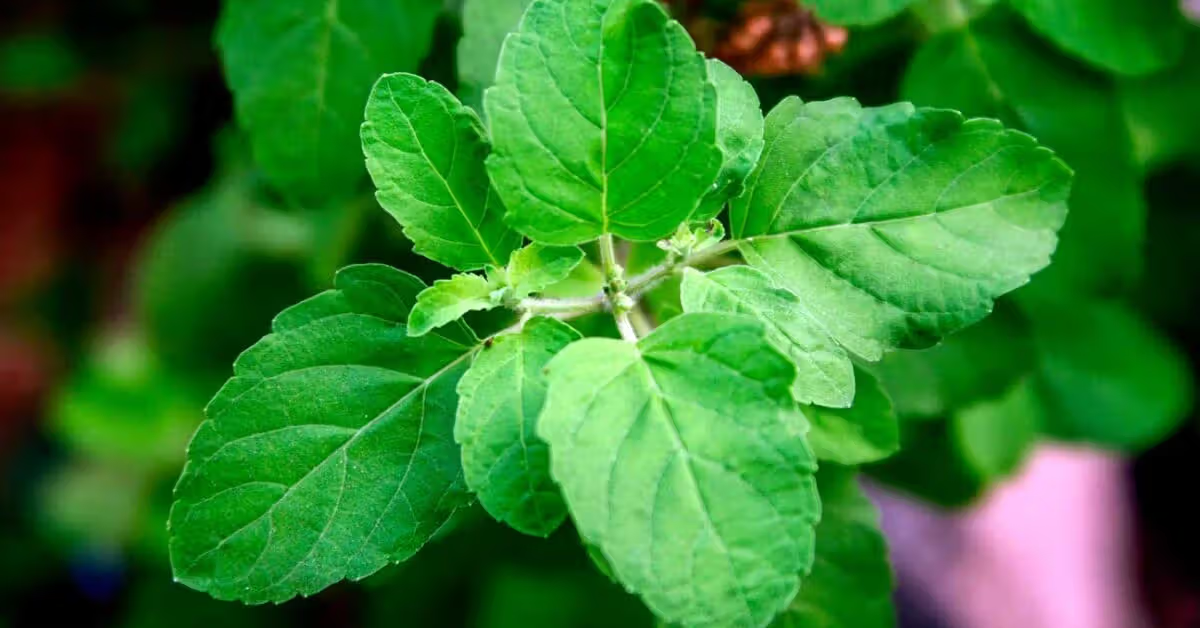
In nearly every Hindu household in India, a tulsi plant grows in the courtyard or on the verandah — tended daily, honoured with water and prayer, its leaves offered to deities and pressed into morning rituals that have continued without interruption for thousands of years. The cultural and spiritual significance of Ocimum tenuiflorum is beyond dispute. But what has changed in the last three decades is the scientific evidence base that explains, compound by compound and clinical trial by clinical trial, precisely why the ancient Indian tradition of revering and consuming this plant was not superstition. It was empirical observation encoded in sacred practice.
Over 300 published scientific studies on tulsi now document its pharmacological activities — adaptogenic, immunomodulatory, antimicrobial, anti-inflammatory, antidiabetic, hepatoprotective, neuroprotective, cardioprotective, and anticancer. The health benefits of tulsi extend across virtually every organ system in the body through mechanisms that are now well-characterised at the molecular level. This guide covers those mechanisms with the depth they deserve — connecting the specific bioactive compounds of tulsi to the specific biological effects they produce, and the specific clinical evidence that confirms those effects in human studies.
This is not a list of claims. It is an explanation of how tulsi actually works.
The Three Varieties of Tulsi and Their Different Profiles
Tulsi is not a single uniform herb — three primary varieties are cultivated and used in India, each with a distinct phytochemical profile and slightly different therapeutic emphasis:
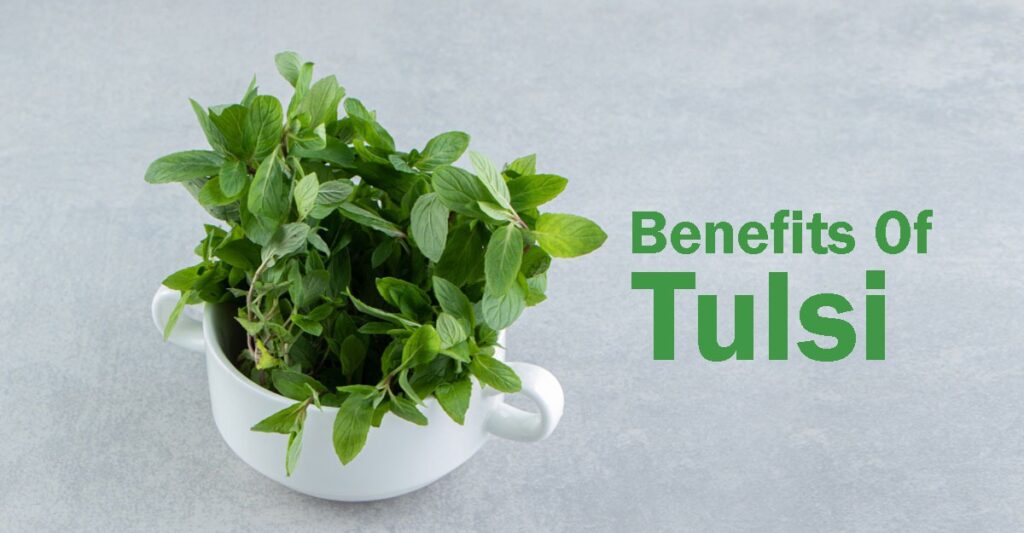
Rama tulsi (Ocimum tenuiflorum, green leaf variety) is the most commonly grown household variety — the one found in most Indian courtyards, with bright green leaves, a mild pleasant aroma, and a gentle flavour. It is the primary variety used in daily tea preparation and is rich in eugenol, rosmarinic acid, and ursolic acid.
Krishna tulsi (Ocimum tenuiflorum, purple leaf variety) has distinctively dark purple-tinged leaves with a more pungent, clove-like aroma reflecting its higher eugenol content. It is considered by classical Ayurveda to have more potent medicinal properties than Rama tulsi and is specifically prescribed for respiratory conditions, skin disorders, and infections. Its anthocyanin content (the pigment producing the purple colour) provides additional antioxidant activity.
Vana tulsi (Ocimum gratissimum, wild forest variety) grows wild across tropical India and has the most intense, camphoraceous aroma of the three, reflecting its different essential oil composition (higher in eugenol methyl ether and thymol). It is the most potent adaptogen of the three varieties and is the form most often used in standardised herbal extracts studied in clinical trials.
Most commercially available tulsi tea blends use a combination of varieties. For clinical purposes, the variety and part of the plant used (leaves versus seeds versus roots) significantly affects the phytochemical composition and the intended therapeutic application.
The Bioactive Compounds of Tulsi — The Molecules Behind the Medicine
Understanding which compounds in tulsi produce which effects illuminates why it has such a remarkably broad therapeutic profile. Tulsi’s primary bioactive constituents include:
Eugenol (the dominant essential oil component) — a phenylpropanoid with potent anti-inflammatory activity (COX-1 and COX-2 inhibition, comparable in mechanism to NSAIDs), antimicrobial activity against a broad spectrum of bacterial, fungal, and viral pathogens, and direct analgesic effects through TRPV1 receptor activation. Eugenol is responsible for tulsi’s characteristic clove-like aroma and is the primary anti-inflammatory and antimicrobial compound.
Ursolic acid — a pentacyclic triterpenoid with documented anti-inflammatory, antitumor, hepatoprotective, and adaptogenic activities. Ursolic acid inhibits NF-κB (the master inflammatory transcription factor), STAT3 (a transcription factor involved in cancer cell survival), and HIF-1α (the transcription factor that promotes tumour angiogenesis). It is one of the most studied natural anticancer compounds and is found in significant concentrations in tulsi leaves.
Rosmarinic acid — a caffeic acid ester with potent antioxidant, anti-inflammatory, and immunomodulatory activities. It scavenges reactive oxygen species, inhibits complement activation, and modulates T-cell and B-cell immune responses. Rosmarinic acid contributes significantly to tulsi’s immunomodulatory and anti-allergic effects.
Ocimumosides A and B — unique to tulsi, these flavonoids are the primary adaptogenic compounds responsible for normalising corticosterone (cortisol equivalent in rodent models) levels and modulating the HPA axis stress response. Their selective effect on the stress response without sedation is what distinguishes tulsi as an adaptogen rather than a simple anxiolytic.
Apigenin and luteolin — flavonoids with anti-inflammatory, antioxidant, and neuroprotective activities, including documented GABA-A receptor modulation (producing mild anxiolytic effects) and inhibition of microglial neuroinflammation relevant to cognitive health.
β-caryophyllene — a sesquiterpene present in tulsi’s essential oil that selectively activates CB2 (cannabinoid receptor type 2) — the peripheral cannabinoid receptor involved in immune regulation and anti-inflammatory signalling — without the psychoactive effects of CB1 activation. This makes β-caryophyllene an endocannabinoid system modulator with genuine immunomodulatory and anti-inflammatory effects.
12 Science-Backed Health Benefits of Tulsi
1. Adaptogenic Stress Relief — The HPA Axis Modulation Evidence
Tulsi is classified as an adaptogen — a substance that normalises physiological stress responses and increases non-specific resistance to stressors — and has more published evidence for this classification than almost any other Ayurvedic adaptogenic herb. The mechanisms are specific and well-characterised: ocimumosides A and B modulate the hypothalamic-pituitary-adrenal (HPA) axis, reducing the excessive cortisol secretion of chronic stress while maintaining the capacity for appropriate acute stress response. They also modulate the neurotransmitter systems dysregulated by chronic stress — particularly serotonin and dopamine in the prefrontal cortex and limbic system.
A double-blind randomised controlled trial published in the Journal of Ayurveda and Integrative Medicine found standardised tulsi extract (500mg twice daily) significantly improved cognitive function, stress scores, and anxiety levels compared to placebo over 6 weeks — with improvements in all seven measures of cognitive function assessed, including memory, attention, and information processing speed. Critically, the trial found these improvements accompanied reduction in plasma cortisol — providing the biochemical evidence that the cognitive and mood improvements were mediated through genuine HPA axis normalisation rather than simply placebo or stimulant effects.
The adaptogenic properties of tulsi complement those of ashwagandha (covered in our ashwagandha for stress and anxiety guide) through different and complementary mechanisms — tulsi acting more through HPA axis cortisol normalisation and neurotransmitter modulation, ashwagandha more through GABAergic and withanolide-mediated pathways. Their combination is commonly used in Ayurvedic practice for comprehensive adaptogenic support.
2. Immunomodulation — NK Cell Activation and Antibody Enhancement
The health benefits of tulsi for immunity are among the most clinically documented, with multiple double-blind trials demonstrating quantifiable improvements in both innate and adaptive immune parameters. A landmark double-blind crossover trial published in the Journal of Ethnopharmacology found that daily tulsi leaf extract supplementation for 4 weeks significantly increased natural killer (NK) cell activity, T-helper cell counts, and serum IgG and IgM antibody levels compared to baseline — demonstrating genuine enhancement of both the innate immune surveillance (NK cells) and adaptive antibody-mediated immunity.
The immunological mechanisms include rosmarinic acid’s modulation of T-regulatory cell function (reducing excessive inflammatory immune responses while enhancing pathogen-specific responses), eugenol’s inhibition of prostaglandin E2 (the primary immune-suppressive eicosanoid produced during chronic stress), and β-caryophyllene’s CB2-mediated immune modulation that reduces inflammatory cytokine production while supporting antibody synthesis. The net effect is what Ayurveda describes as “building Ojas” — the concept of fundamental immune and vitality reserve — through a specific immunomodulatory pattern rather than simple non-specific stimulation. The broader immune framework is covered in our natural immune system guide.
3. Respiratory Health — The Mucolytic and Bronchodilatory Evidence
Tulsi’s traditional use as the primary respiratory herb in Indian domestic medicine — prescribed for colds, coughs, asthma, bronchitis, and respiratory infections as the first intervention reached for by generations of Indian grandmothers — is supported by specific pharmacological mechanisms that modern respiratory medicine validates. The combination of eugenol (bronchodilatory through smooth muscle relaxation and direct bronchial anti-inflammatory activity), 1,8-cineole from the essential oil (mucolytic and antimicrobial — the same compound responsible for eucalyptus’s respiratory benefits), and camphor (decongestant through TRPM8 cold-receptor activation, improving mucosal airway clearance) makes tulsi a pharmacologically sophisticated respiratory preparation.
A clinical study published in the International Journal of Pharmaceutical Sciences found tulsi extract significantly improved forced vital capacity, forced expiratory volume, and peak expiratory flow rate in patients with mild-to-moderate asthma over 8 weeks — clinical parameters that measure actual bronchial airway function rather than subjective symptom reporting. The antimicrobial dimension is directly relevant to the sinusitis and respiratory infection context covered in our sinusitis guide — where tulsi is recommended as a primary ingredient in the Indian kadha preparation for its antimicrobial and anti-inflammatory respiratory effects.
4. Blood Sugar Regulation — The Hypoglycaemic and Insulin-Sensitising Mechanisms
Tulsi’s antidiabetic activity has been documented in multiple clinical trials and represents one of the most practically significant of all its health benefits for an Indian population in which type 2 diabetes and prediabetes are epidemic. The mechanisms are multi-dimensional: ursolic acid inhibits alpha-glucosidase (the enzyme that breaks down complex carbohydrates into glucose in the small intestine, slowing postprandial glucose absorption); eugenol stimulates insulin secretion from pancreatic beta cells; rosmarinic acid improves insulin receptor sensitivity in peripheral tissues; and the overall anti-inflammatory activity of tulsi reduces the chronic low-grade inflammation that drives insulin resistance.
A randomised placebo-controlled trial published in the Journal of Clinical Biochemistry and Nutrition found tulsi supplementation significantly reduced fasting blood glucose (by 17.6%), postprandial blood glucose (by 7.3%), and HbA1c (by 0.5%) compared to placebo over 8 weeks in patients with type 2 diabetes — effects that, while modest compared to pharmaceutical antidiabetic drugs, are clinically meaningful as adjunctive support for blood sugar management, particularly given the herb’s complete absence of adverse effects. The blood sugar management framework is covered comprehensively in our natural blood sugar management guide.
5. Anti-Inflammatory Activity — NF-κB Inhibition and COX Pathway Suppression
Tulsi’s anti-inflammatory effects operate through three principal pathways, making it one of the most multi-targeted natural anti-inflammatory agents available. Eugenol inhibits both COX-1 and COX-2 (the prostaglandin synthesis enzymes targeted by NSAIDs like ibuprofen) — producing anti-inflammatory effects comparable in mechanism to pharmaceutical NSAIDs but through a natural compound with a significantly more favourable safety profile for long-term use. Ursolic acid inhibits NF-κB — the master transcription factor governing the expression of all major pro-inflammatory genes including TNF-α, IL-1β, IL-6, and COX-2 — producing a more upstream and comprehensive anti-inflammatory effect that pharmaceutical COX inhibitors cannot provide. And rosmarinic acid inhibits 5-lipoxygenase (5-LOX) — the leukotriene synthesis pathway that NSAIDs do not target — providing the same mechanistic advantage that Boswellia’s AKBA provides for joint inflammation.
This triple pathway anti-inflammatory activity (COX inhibition, NF-κB suppression, 5-LOX inhibition) makes tulsi pharmacologically more comprehensive than any single-pathway pharmaceutical anti-inflammatory, and explains its clinical utility for conditions driven by multiple inflammatory mediators simultaneously — arthritis, asthma, inflammatory bowel conditions, skin inflammation, and the chronic low-grade inflammation underlying metabolic disease. The comprehensive anti-inflammatory food and herb framework is in our anti-inflammatory foods guide.
6. Antimicrobial Spectrum — Evidence Against Pathogens That Matter
Tulsi’s broad-spectrum antimicrobial activity has been documented against an extensive range of clinically important pathogens, with minimum inhibitory concentration (MIC) studies confirming activity against bacterial species including Staphylococcus aureus (including MRSA — methicillin-resistant strains), Streptococcus pneumoniae (the primary bacterial sinusitis and pneumonia pathogen), Escherichia coli, Klebsiella pneumoniae, Pseudomonas aeruginosa, and Mycobacterium tuberculosis; fungal species including Candida albicans and several dermatophyte species; and viral pathogens including herpes simplex virus type 1 and influenza virus.
The primary antimicrobial compounds are eugenol (which disrupts bacterial cell membranes through its lipophilic interaction with membrane phospholipids), 1,8-cineole (antimicrobial against respiratory pathogens), and linalool (antifungal through ergosterol synthesis disruption). The significance for clinical use is that this antimicrobial profile covers the primary pathogens responsible for the most common community-acquired infections — upper respiratory infections, urinary tract infections, skin infections, and oral infections — making tulsi a genuinely broad-spectrum natural antimicrobial for common infectious conditions, not merely a theoretical compound with laboratory activity.
7. Liver Protection — Hepatoprotective and Phase I/II Detox Support
Tulsi has documented hepatoprotective effects through multiple mechanisms relevant to both acute hepatotoxic insult and the chronic hepatic inflammation of NAFLD and metabolic liver disease. Ursolic acid protects hepatocytes from oxidative damage through direct antioxidant activity and upregulation of Nrf2 — the same transcription factor that sulforaphane from cruciferous vegetables activates, simultaneously inducing Phase II conjugation enzyme expression. Eugenol reduces hepatic NF-κB activation and TNF-α-driven hepatocyte apoptosis. And rosmarinic acid reduces hepatic lipid accumulation (steatosis) through PPAR-α activation that increases hepatic fatty acid oxidation.
Multiple animal model studies have documented tulsi’s reversal of hepatotoxin-induced liver damage comparable to silymarin (milk thistle) — the most evidence-backed hepatoprotective herb available. For human application, tulsi’s hepatoprotective mechanisms are most relevant as adjunctive support for NAFLD (India’s growing epidemic of fatty liver disease) and as a daily liver-protective practice for people with significant toxic exposures. The liver health and detoxification framework is in our liver cleanse guide, where tulsi’s specific Phase II enzyme activation role is discussed.
8. Cardiovascular Protection — Lipid, Blood Pressure and Platelet Effects
The cardiovascular protective activity of tulsi operates through multiple mechanisms with documented clinical evidence. Eugenol inhibits platelet aggregation (reducing thrombotic risk through a mechanism similar to aspirin’s COX-1 inhibition of thromboxane A2) while simultaneously relaxing vascular smooth muscle through calcium channel antagonism — producing modest antihypertensive effects. Ursolic acid improves the HDL:LDL cholesterol ratio through upregulation of hepatic LDL receptor expression and increased bile acid synthesis (increasing cholesterol clearance from the circulation).
A clinical study in the International Journal of Ayurveda Research found tulsi supplementation over 3 months significantly reduced total cholesterol, LDL cholesterol, and triglycerides while increasing HDL in patients with mild hyperlipidaemia — effects comparable to low-dose statin therapy in this population but without any adverse effects. The cardiovascular risk reduction framework that includes tulsi as part of a comprehensive approach is covered in our natural cholesterol management guide.
9. Cognitive Enhancement and Neuroprotection
Tulsi’s cognitive benefits are mediated through several convergent mechanisms. Ursolic acid crosses the blood-brain barrier and inhibits acetylcholinesterase — the enzyme that degrades acetylcholine in synaptic clefts — producing a cholinergic enhancement effect analogous to pharmaceutical acetylcholinesterase inhibitors used in Alzheimer’s disease, but through a natural compound without their adverse effect profile. Apigenin and luteolin modulate GABA-A receptor sensitivity and reduce neuroinflammation through microglial NF-κB inhibition — addressing the neuroinflammatory component of cognitive impairment and mood disorders. And the adaptogenic reduction of cortisol directly protects the hippocampus from the glucocorticoid-mediated neurodegeneration that chronic stress produces.
The clinical trial mentioned above (Journal of Ayurveda and Integrative Medicine) found improvements across all seven cognitive domains assessed — memory, attention, learning, anxiety, depression, stress, and social adjustment — representing one of the most comprehensive cognitive benefit profiles documented for any single herbal intervention in a placebo-controlled trial. The connection between stress, cortisol, and cognitive function links to the broader context in our meditation and mental health guide.
10. Skin Health — Antimicrobial, Anti-Inflammatory and Wound-Healing Properties
Tulsi’s value for skin health derives from the combination of antimicrobial activity (against Staphylococcus aureus — the primary acne-causing pathogen — and Candida species), anti-inflammatory activity (reducing the inflammatory component of acne, eczema, and psoriasis lesions), and wound-healing properties (ursolic acid stimulates fibroblast proliferation and collagen synthesis, accelerating wound closure and reducing scar formation). Research has documented significant reduction in acne lesion count and sebum production from topical tulsi preparations — making it a genuinely evidence-based natural acne treatment rather than a traditional remedy without pharmacological support.
For skin application, tulsi-infused water (boiled and cooled tulsi leaf decoction) as a facial rinse or toner, fresh tulsi leaf paste as a spot treatment for acne, and tulsi-infused coconut or sesame oil for general skin and scalp application are the most practical preparations. The anti-inflammatory dimension connects to the skin health and natural skincare evidence in our natural skincare guide.
11. Oral Health — Antimicrobial Activity Against Dental Pathogens
The use of tulsi leaves for oral hygiene — directly rubbing fresh tulsi leaves on the teeth and gums, or using tulsi-infused water as a mouthwash — is one of the most practically valuable and most evidence-supported of all tulsi’s traditional applications. Tulsi demonstrates potent antimicrobial activity against the primary oral pathogens: Streptococcus mutans (the primary cariogenic bacterium responsible for dental caries), Streptococcus sobrinus, and Lactobacillus acidophilus (cavity-associated); and the periodontal pathogens Porphyromonas gingivalis, Prevotella intermedia, and Actinobacillus actinomycetemcomitans.
A clinical trial published in the Journal of Indian Society of Periodontology found tulsi mouthwash significantly reduced plaque index, gingival index, and periodontal pocket depth compared to chlorhexidine mouthwash — with comparable efficacy and superior tolerability (chlorhexidine causes tooth staining and altered taste with prolonged use). The triterpenoid and essential oil content of tulsi also inhibits biofilm formation — the primary mechanism of dental plaque accumulation — through disruption of the initial bacterial adhesion that initiates plaque development. The Triphala-tulsi combination for comprehensive oral health is also discussed in our oral ulceration guide.
12. Radiation and Genoprotection — The Most Surprising Benefit
Among the most unexpected and most rigorously documented of all tulsi’s health benefits is its radioprotective activity — the capacity of tulsi constituents to protect cellular DNA from radiation-induced damage. Research conducted at institutions including the Bhabha Atomic Research Centre in Mumbai found that tulsi leaf extract, when administered before radiation exposure, significantly reduced chromosomal aberrations, micronucleus formation, and radiation-induced lipid peroxidation in irradiated cells — effects comparable to some pharmaceutical radioprotectants but without their toxicity.
The mechanisms include free radical scavenging (tulsi’s antioxidant compounds neutralise the reactive oxygen species that radiation generates in cellular water, which then attack DNA), direct DNA repair enzyme induction (Nrf2 activation upregulates the base excision repair and nucleotide excision repair enzyme expression), and anti-apoptotic effects in irradiated cells that preserve tissue integrity. While the primary clinical application is in radiation therapy patients (where tulsi supplementation during treatment has been explored as a means of reducing treatment-related tissue damage), the broader genoprotective implication is that tulsi’s regular consumption provides ongoing protection of cellular DNA from the cumulative environmental radiation, UV radiation, and oxidative DNA damage that occurs throughout daily life.
How to Use Tulsi — Preparations and Doses
The bioavailability and therapeutic concentration of tulsi’s active compounds varies significantly across different preparation methods:
Fresh tulsi leaves (4–6 leaves daily): The simplest and most bioavailable form — chewing 4–6 fresh leaves first thing in the morning provides direct mucosal delivery of eugenol and volatile compounds alongside the water-soluble phenolics. This is the traditional Dinacharya practice and delivers the full spectrum of fresh-leaf compounds including volatile oils that are partly lost in drying and heating.
Tulsi tea (1–3 cups daily): Steeping 10–15 fresh leaves (or 1 teaspoon dried tulsi) in boiling water for 5–10 minutes produces a tea delivering water-soluble rosmarinic acid, ocimumosides, flavonoids, and modest amounts of eugenol. Hot water extracts the hydrophilic compounds most efficiently. Adding ginger, black pepper (piperine enhances ursolic acid absorption), and honey provides the traditional Indian kadha preparation that combines the bioactive profiles of multiple herbs. The kadha preparation science is covered in our sinusitis and respiratory health guide.
Tulsi powder (0.5–1 teaspoon daily): Dried and powdered tulsi leaves preserve rosmarinic acid, ursolic acid, and flavonoids well, with modest loss of volatile compounds. Adding tulsi powder to warm water, golden milk (haldi doodh), or smoothies provides convenient daily supplementation. The addition of a fat source (milk, ghee, coconut oil) improves the absorption of lipophilic compounds including ursolic acid and β-caryophyllene.
Standardised tulsi extract (300–600mg daily): Standardised extracts — specifying content of rosmarinic acid, ursolic acid, or ocimumosides — provide the most consistent therapeutic dosing and are used in most clinical trials. These are appropriate for individuals using tulsi specifically for adaptogenic or therapeutic purposes rather than general daily wellness. The extract quality varies significantly between manufacturers — look for standardisation to specific compounds rather than simply “tulsi extract.”
Safety and contraindications: Tulsi is considered extremely safe at culinary and traditional daily use quantities. At higher medicinal doses, it has documented uterotonic (uterine-stimulating) effects — pregnant women should avoid medicinal doses and consult their physician. Tulsi may modestly slow blood clotting (platelet aggregation inhibition) — people on anticoagulant medications should discuss regular high-dose tulsi use with their physician. Tulsi may modestly lower blood sugar — people on antidiabetic medication should monitor glucose levels when increasing tulsi intake significantly. The herb is safe for children at appropriate reduced doses and for the elderly without significant interaction concerns at typical dietary quantities.
Tulsi and the Ayurvedic Concept of Divya Aushadhi
Classical Ayurveda classifies tulsi as a Divya Aushadhi — a divine or exceptional medicine — among the highest category of herbs in the Ayurvedic pharmacopoeia. Charaka classifies it as a Rasayana herb (promoting longevity, vitality, and rejuvenation) and an Udarda Prashamana (alleviating skin disorders). Sushruta describes it specifically for respiratory conditions, fevers, wounds, and eye diseases. Bhavaprakasha Nighantu (a classical Ayurvedic materia medica) attributes to tulsi properties including: Tikta (bitter taste), Katu (pungent), Ushna Virya (hot potency), Kapha-Vata shamaka (pacifying Kapha and Vata doshas), and Pitta prakopaka (mildly aggravating Pitta — relevant for people with strong Pitta constitutions who should use tulsi in moderation).
The contemporary understanding of tulsi’s pharmacology maps onto these classical descriptions with remarkable precision. The “hot potency” (Ushna Virya) corresponds to the vasodilatory, metabolic-stimulating, and antimicrobial properties driven by eugenol and camphor — warming and activating. The Kapha-reducing action corresponds to the mucolytic, decongestant, and anti-inflammatory effects on the mucous-forming tendencies of Kapha imbalance. The Vata-reducing action corresponds to the adaptogenic, nervous system-calming, and cortisol-normalising effects on the anxious, erratic quality of Vata excess. And the caution for Pitta constitutions corresponds to the COX-stimulating thermal effects that could theoretically worsen conditions of excess heat and inflammation in Pitta-dominant individuals — addressed by combining tulsi with cooling herbs (coriander, fennel, mint) in Pitta-aggravated states.
Tulsi Health Benefits: Myth vs. Fact
| ❌ The Myth | ✅ The Truth |
|---|---|
| Tulsi can cure cancer or replace cancer treatment | Tulsi contains compounds — particularly ursolic acid and rosmarinic acid — with documented anticancer activity in cell culture and animal models, including inhibition of tumour cell proliferation, angiogenesis, and metastasis. However, there is currently no clinical trial evidence sufficient to recommend tulsi as a cancer treatment. Its appropriate role is as a daily health practice that may reduce cancer risk through anti-inflammatory, antioxidant, and genoprotective mechanisms — as an adjunct to, not replacement for, conventional cancer treatment. Never delay or discontinue established cancer treatment based on claims about natural herbs. |
| Drinking tulsi water throughout the day provides maximum benefit | Moderate regular consumption is optimal — 4–6 leaves daily or 1–3 cups of tulsi tea. Excessive consumption at very high doses has been associated with hypoglycaemia in people on antidiabetic medication, anticoagulant effects that could be clinically significant before surgery, and theoretical Pitta aggravation in constitutionally Pitta-dominant individuals. The traditional practice of 4–6 leaves in the morning is calibrated for daily wellness; therapeutic doses for specific conditions are higher but should be taken under guidance. |
| Tulsi tea prepared in metal vessels diminishes its properties | This traditional prohibition exists in some household practices but is not pharmacologically supported for most metals used in Indian kitchens (stainless steel, food-grade copper). The caution historically applied to lead and other heavy metals that could leach into acidic infusions — a valid concern for those vessels but not relevant for modern food-grade cooking vessels. Clay or glass vessels are traditional preferences but not pharmacologically necessary for tulsi’s health benefits. |
| All tulsi products are equivalent regardless of form | The volatile compound profile (eugenol, 1,8-cineole, camphor) is significantly reduced in dried tulsi compared to fresh, and further reduced in long-stored powder or extracts. The water-soluble compounds (rosmarinic acid, ocimumosides, flavonoids) are better preserved across processing methods. For maximum benefit of the full compound spectrum, fresh leaf use is optimal. Standardised extracts provide the most consistent therapeutic dosing for specific health applications. Commercial tulsi tea bags vary widely in active compound content depending on leaf quality, drying method, and storage. |
| Tulsi is only useful when sick — it is not a daily wellness herb | The adaptogenic, immunomodulatory, and antioxidant properties of tulsi are most valuable with regular daily use — these are systems that benefit from consistent moderate support rather than occasional high-dose intervention. Daily consumption of 4–6 fresh leaves or 1–2 cups of tulsi tea over months and years builds the cumulative adaptogenic reserve, immune resilience, and anti-inflammatory nutritional foundation that represent tulsi’s greatest long-term health benefit. Tulsi is most accurately understood as a daily wellness herb that also has specific therapeutic applications during illness. |
| Tulsi benefits are purely spiritual and not scientifically documented | Over 300 published peer-reviewed studies document tulsi’s pharmacological activities at the molecular, cellular, animal model, and human clinical trial levels. Double-blind randomised controlled trials have confirmed its adaptogenic, immunomodulatory, antidiabetic, cognitive-enhancing, lipid-lowering, and antimicrobial effects in human subjects. The sacred status of tulsi in Indian tradition reflects millennia of empirical observation of its health effects — and modern pharmacology has now provided the mechanistic explanation for what traditional observation identified without the language of molecular biology. |
Related Articles From HerbeeLife
📖 Ashwagandha for Stress and Anxiety: What Actually Happens in Your Body
📖 Natural Ways to Boost Your Immune System: 12 Science-Backed Strategies
📖 Amla Benefits: Proven Immunity, Digestion and Whole-Body Health Backed by Science
📖 Anti-Inflammatory Foods: 12 Powerful Choices That Fight Disease From the Inside Out
📖 Sinusitis: Causes, Symptoms, Treatment and 12 Powerful Home Remedies
📖 Lower Blood Sugar Naturally: 12 Powerful Science-Backed Strategies
📖 Essential Herbs for Winter Immunity: 10 Powerful Natural Remedies That Work
Frequently Asked Questions: Health Benefits of Tulsi
How many tulsi leaves should I eat daily for health benefits?
The traditional and clinically supported daily dose for general wellness is 4–6 fresh tulsi leaves consumed in the morning on an empty stomach, or 1–2 cups of tulsi tea throughout the day. For specific therapeutic purposes (adaptogenic support during high-stress periods, active respiratory infection, blood sugar management), higher doses up to 500mg standardised extract twice daily have been used in clinical trials. Begin with the traditional daily practice and adjust based on your specific health goals and individual response.
Is it better to eat fresh tulsi leaves or drink tulsi tea?
Both forms provide significant health benefits, but through different compound profiles. Fresh leaves provide the full volatile compound spectrum (eugenol, 1,8-cineole, β-caryophyllene) with maximum biological activity — these are partly lost in brewing. Tulsi tea provides excellent extraction of water-soluble compounds (rosmarinic acid, ocimumosides, flavonoids) and is more convenient for consistent daily use. The optimal approach is fresh leaves in the morning (4–6 leaves) combined with tulsi tea once or twice daily — the traditional Indian daily practice that provides maximum compound diversity.
Can tulsi lower blood sugar too much if I am on diabetes medication?
Tulsi’s hypoglycaemic effects are modest at typical dietary doses (4–6 leaves daily, 1–2 cups of tea) and are unlikely to cause clinically significant hypoglycaemia on their own. However, the combination of tulsi supplementation at therapeutic doses (300–600mg extract) with antidiabetic medications (particularly insulin, sulphonylureas, or SGLT-2 inhibitors) could produce additive blood glucose lowering that requires monitoring. Inform your physician or diabetologist if you plan to increase tulsi intake significantly alongside antidiabetic medication, and monitor fasting and post-meal glucose more frequently during the initial weeks.
What is the difference between tulsi and regular basil (Ocimum basilicum)?
Tulsi (Ocimum tenuiflorum) and sweet basil (Ocimum basilicum) are members of the same genus but are quite different in both phytochemistry and culinary/medicinal application. Sweet basil (used in Italian cooking) has a primary essential oil composition of linalool and methyl chavicol — a pleasant flavour but limited medicinal activity. Tulsi’s primary compounds are eugenol, 1,8-cineole, and ursolic acid — the pharmacologically active compounds responsible for its therapeutic profile. They cannot be substituted for each other in medicinal applications. Tulsi is also significantly more potent in taste and aroma than sweet basil — a 4-leaf daily dose of tulsi provides dramatically more bioactive compound exposure than an equivalent amount of sweet basil.
Is the tulsi plant in my home courtyard as medicinal as commercial tulsi products?
Yes — and often more so. Fresh leaves from a healthy, established tulsi plant in your courtyard or garden provide the full spectrum of bioactive compounds at their highest concentration, including the volatile oils that are reduced during commercial drying, packaging, and storage. The traditional practice of maintaining a tulsi plant at home and using its fresh leaves daily is pharmacologically optimal and practically free. Ensure the plant is in a location with adequate sunlight and not exposed to exhaust fumes or pesticide spray. The older and more established the plant, the higher the ursolic acid and triterpenoid content tends to be relative to younger plants.
Sources and References
1. Cohen MM. Tulsi — Ocimum sanctum: A herb for all reasons. Journal of Ayurveda and Integrative Medicine, 2014.
2. Mondal S et al. Double-blinded randomized controlled trial for immunomodulatory effects of Tulsi in healthy adults. Journal of Ethnopharmacology, 2011.
3. Bhattacharyya D et al. Controlled programmed trial of Ocimum sanctum leaf on generalized anxiety disorders. Nepal Medical College Journal, 2008.
4. Agrawal P et al. Randomized placebo-controlled single-blind trial of holy basil leaves in patients with noninsulin-dependent diabetes mellitus. International Journal of Clinical Pharmacology and Therapeutics, 1996.
5. Mohan L et al. Antitumour activity of Ocimum sanctum and its possible mechanism of action. Indian Journal of Experimental Biology, 2011.
6. Nair R et al. Antibacterial activity of some selected Indian medicinal flora. Turkish Journal of Biology, 2007.
7. Kelm MA et al. Antioxidant and cyclooxygenase inhibitory phenolic compounds from Ocimum sanctum Linn. Phytomedicine, 2000.
Follow HerbeeLife
🌿 Stay connected for more evidence-based Ayurvedic herb science, immunity wisdom, and natural wellness content:
📸 Instagram | 📌 Pinterest | 👥 Facebook | 🐦 X (Twitter)
Final Thoughts: The Tulsi Plant in Your Courtyard Is a Pharmacy
The tulsi plant that grows in millions of Indian courtyards — tended every morning, offered water as prayer, its leaves pressed into the mouth before the day begins — is not merely a symbol of devotion. It is one of the most pharmacologically sophisticated medicinal plants on earth, with over 300 published studies now documenting the mechanisms behind what 3,000 years of daily domestic use had already established empirically.
Eugenol inhibiting NF-κB. Ursolic acid crossing the blood-brain barrier to inhibit acetylcholinesterase. Ocimumosides normalising cortisol through HPA axis modulation. Rosmarinic acid activating NK cells and enhancing IgG antibody production. β-caryophyllene modulating the endocannabinoid system through CB2 receptors. These are the molecular explanations for why every generation of Indian grandmothers pressed 4–6 fresh tulsi leaves into the hands of their grandchildren every morning. The language was devotion. The mechanism was pharmacology.
The tulsi plant growing in your home is accessible, free, and produces fresh medicinal leaves every day. The daily practice of consuming them — in whatever form appeals to your preference and routine — is one of the simplest and most comprehensively beneficial things you can do for your long-term health. Honour the tradition. And now understand why it deserved to be honoured.
⚠️ Medical Disclaimer: This article is for informational and educational purposes only and does not constitute medical advice. Consult a qualified Ayurvedic physician or healthcare professional before using tulsi at therapeutic doses, particularly during pregnancy, with anticoagulant medication, or alongside antidiabetic therapy. Read full disclaimer →
💬 Do you have a tulsi plant at home — and what daily ritual do you follow with it? Has the science in this guide changed how you understand a practice you may have followed for years without knowing the mechanisms? Share in the comments. The collective wisdom of this community about lived experience with tulsi is something no research paper can replicate.