

We go significantly past the standard “eat less, exercise more, drink green tea” framing into the actual mechanisms — the visceral fat endocrine activity that drives metabolic disease, the cortisol-cortisol receptor-visceral depot connection that makes stress literally fat-depositing, the GLUT4 science behind why walking after meals beats a single daily gym session for belly fat, and the specific Indian dietary patterns that drive abdominal fat accumulation most powerfully. The interventions here are ranked by evidence, calibrated for India, and explained with the mechanisms that make them work.
What Belly Fat Actually Is — The Biology That Explains Why It’s Dangerous
Not all body fat is equal. Understanding the distinction between the two primary types of abdominal fat determines which interventions work and why.
Subcutaneous fat (the fat you can pinch): Located between the skin and the abdominal muscle wall. Constitutes approximately 80% of total body fat in most people. While cosmetically concerning, subcutaneous fat is metabolically relatively inert — it does not independently drive the serious health consequences associated with obesity. Reduction requires caloric deficit and exercise but is primarily a cosmetic and health-adjacent concern.
Visceral fat (the fat you cannot pinch): Located deep in the abdominal cavity, surrounding the liver, pancreas, intestines, and kidneys. Constitutes approximately 20% of total body fat in lean individuals but a much higher proportion in metabolically at-risk individuals. Visceral fat is not metabolically inert — it is an active endocrine organ secreting adipokines (adiponectin, leptin, resistin, TNF-α, IL-6) that directly drive insulin resistance, systemic inflammation, hypertension, and atherosclerosis. Visceral fat also drains directly into the portal circulation — delivering inflammatory cytokines and free fatty acids straight to the liver, contributing to fatty liver disease and dyslipidaemia.
How to distinguish: Waist circumference is the most practical proxy for visceral fat. South Asian-specific thresholds: men >90cm and women >80cm indicate elevated visceral fat risk (lower than Western thresholds of 102/88cm — because South Asians carry more visceral fat per unit waist circumference). A waist-to-hip ratio above 0.90 in men and 0.85 in women similarly signals visceral fat dominance. The “pot belly” with normal or only mildly elevated weight is the classic presentation of TOFI visceral fat dominance.
What Causes Belly Fat to Accumulate — The Four Drivers
Insulin is the primary hormonal driver of visceral fat accumulation. When blood glucose is chronically elevated (from high-GI dietary patterns), insulin is chronically elevated. Chronically elevated insulin has two critical effects on fat metabolism: it actively promotes fat storage by activating lipoprotein lipase in fat cells, and it suppresses fat release from fat cells (inhibiting hormone-sensitive lipase). In a state of insulin excess, the body is physiologically locked into fat storage mode — unable to effectively mobilise stored fat even during a caloric deficit.
Visceral fat cells have particularly high insulin receptor density compared to subcutaneous fat — making them disproportionately responsive to the fat-storing signal of hyperinsulinaemia. This explains why the specifically Indian dietary pattern of high refined carbohydrate intake (white rice, maida, sugar) produces disproportionately visceral fat accumulation compared to subcutaneous fat — the high insulin from high-GI eating specifically drives visceral deposition.
⚗️ Hyperinsulinaemia → lipoprotein lipase activation → visceral fat preferential storage | Visceral fat: high insulin receptor densityCortisol — the primary stress hormone — has a direct, physiologically documented relationship with visceral fat accumulation. Visceral fat cells have approximately 4x the glucocorticoid receptor density of subcutaneous fat cells. This means visceral fat is disproportionately sensitive to cortisol’s fat-storage signals. When cortisol is chronically elevated (from work stress, financial stress, relationship stress, or sleep deprivation which itself elevates cortisol), it preferentially directs fat storage to the visceral depot while simultaneously mobilising fat from peripheral (limb) fat for energy — producing the characteristic combination of belly fat accumulation with relatively lean arms and legs seen in chronically stressed individuals.
Cortisol also stimulates appetite (particularly for high-calorie, high-GI comfort foods) through neuropeptide Y activation, increases insulin resistance, and suppresses the adipokine adiponectin (which normally promotes fat burning). The complete cortisol-belly fat cycle: stress → cortisol → visceral fat preferential storage + appetite increase + insulin resistance → more visceral fat. This is why stress management is not optional wellness advice but a direct metabolic intervention for visceral fat reduction.
⚗️ Visceral fat: 4x glucocorticoid receptor density vs subcutaneous | Cortisol → NPY appetite + insulin resistance + adiponectin suppressionA 2010 Annals of Internal Medicine study found that two weeks of sleep restriction (5.5 hours/night vs 8.5 hours/night) on the same caloric intake produced significantly more fat gain and specifically more visceral fat gain — even with identical caloric intake and activity. The mechanisms: sleep deprivation elevates cortisol (see above), raises ghrelin (the hunger hormone — increasing appetite by 24%), reduces leptin (the satiety hormone — reducing fullness signals by 18%), increases late-night eating, reduces insulin sensitivity, and increases cravings for high-GI foods. A single night of poor sleep produces measurable increases in hunger and poorer food choices the following day. Chronic sleep deprivation produces chronic visceral fat accumulation that cannot be fully offset by diet and exercise alone.
For the Indian urban population — averaging 6–6.5 hours of sleep nightly — this is a critical and underaddressed driver of the visceral fat epidemic. For evidence-backed sleep improvement: Home Remedies for Better Sleep That Actually Work
⚗️ Annals Internal Medicine 2010: sleep restriction → more visceral fat, same calories | Ghrelin +24%, Leptin -18% with sleep deprivationWhile the mechanisms above modulate where fat is stored and how readily it is mobilised, the foundational driver remains caloric surplus — consuming more energy than is expended. In the Indian context, the shift from physically active traditional lifestyles (agricultural labour, walking-heavy daily routines) to sedentary desk work, private transport, and screen-centred leisure has dramatically reduced energy expenditure without a corresponding reduction in caloric intake. The combination of higher caloric density modern foods (packaged snacks, restaurant eating, sweetened beverages) with dramatically lower physical activity compared to previous generations produces the caloric surplus that drives fat accumulation — preferentially visceral in genetically predisposed South Asians.
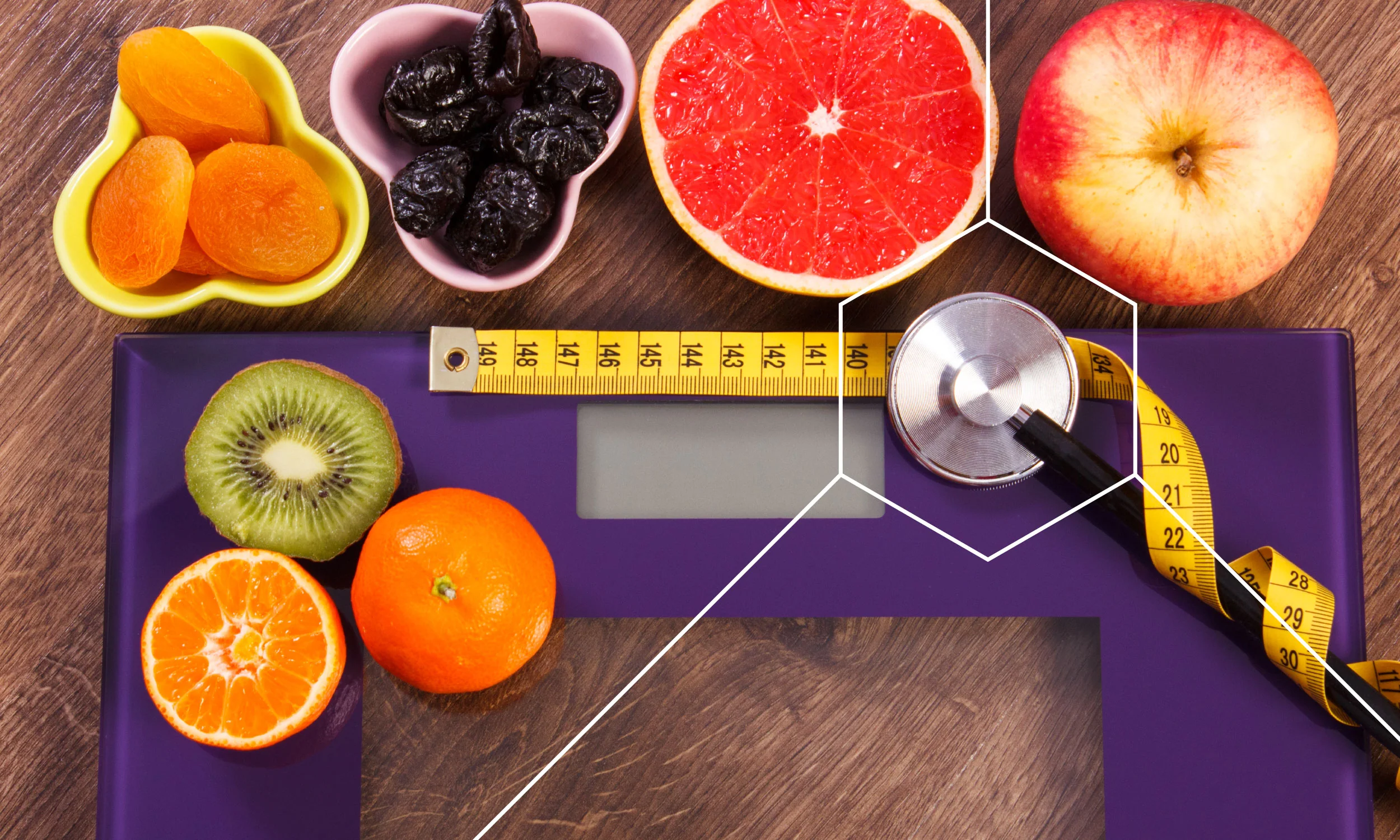
10 Evidence-Backed Ways to Lose Belly Fat Naturally at Home
Given that insulin resistance and hyperinsulinaemia are the dominant drivers of visceral fat accumulation in the Indian dietary context, reducing the primary insulin stimulus — refined carbohydrates — is the single most powerful dietary intervention for belly fat reduction in India. A 2011 Annals of Internal Medicine randomised trial compared low-carbohydrate vs low-fat diets and found that low-carbohydrate diets produced significantly greater visceral fat reduction even with identical total caloric intake — demonstrating that carbohydrate quality and insulin response, not just calories, determine visceral fat accumulation.
Practical Indian implementation: replacing white rice with millets (ragi, bajra, jowar) or reducing white rice portion by half and replacing with more dal and vegetables; replacing maida roti, naan, and puri with whole wheat or besan roti; eliminating sweetened chai (switching to plain chai with less sugar); eliminating packaged biscuits, namkeen, and fried snacks; and stopping all sweetened beverages. These changes reduce the daily glycaemic load by 30–50% without requiring calorie counting — and produce measurable reductions in fasting insulin and visceral fat within 4–8 weeks.
Protein is the most metabolically active macronutrient for belly fat reduction through three simultaneous mechanisms: appetite suppression (protein reduces ghrelin and increases PYY and GLP-1 — satiety hormones — more powerfully than carbohydrates or fat), dietary thermogenesis (the body expends 20–30% of protein calories in the process of digesting and metabolising protein — compared to 5–10% for carbohydrates and 0–3% for fat), and muscle preservation during caloric deficit (protein prevents the muscle loss that accompanies weight reduction, maintaining resting metabolic rate).
A 2012 Nutrition & Metabolism study found that higher protein diets (25% of calories from protein) produced significantly greater visceral fat reduction than lower-protein diets, independent of total caloric intake — supporting the specific role of protein in visceral fat mobilisation beyond its thermogenic effect. Indian target: 1.2–1.5g protein per kg body weight daily for belly fat reduction. For a 65kg person, this means 78–97g protein daily — achievable with 2 eggs + 1 cup paneer or fish + 1.5 cups dal + 200g curd through the day.
⚗️ Protein thermogenesis: 20–30% caloric cost vs 5–10% carbs | Nutrition & Metabolism 2012: protein diet → greater visceral fat reductionThe 2022 Sports Medicine RCT that found three 10-minute post-meal walks outperformed a single 30-minute daily walk for blood glucose control has direct belly fat implications. GLUT4 transporters activated by post-meal walking move blood glucose into muscle cells without requiring insulin — reducing the insulin spike that drives visceral fat storage. By intercepting the post-meal insulin peak at its highest point, post-meal walking directly reduces the primary hormonal driver of visceral fat accumulation.
Over time, consistent post-meal walking also improves systemic insulin sensitivity (reducing baseline insulin levels), increases GLUT4 expression in muscle tissue, and builds the modest but sustained fat-oxidation habit that, compounded over weeks and months, produces meaningful visceral fat reduction without any change in diet. The ancient Indian practice of shatapawali (post-dinner walk of 100 steps) is physiologically precise — the 10-minute post-meal walk protocol is its clinical validation. Start by walking after lunch and dinner. Even 7–10 minutes makes a measurable difference.
⚗️ 2022 Sports Medicine RCT: post-meal walks → 22% greater glucose reduction | GLUT4 insulin-independent activation reduces insulin-driven visceral storageMuscle tissue is the body’s primary fat-burning organ — it houses the mitochondria that oxidise fatty acids for energy and the GLUT4 transporters that remove glucose from blood without insulin. Every kilogram of muscle tissue increases resting metabolic rate by approximately 13–20 calories per day — modest individually, but compounding significantly with each kg of muscle added. More importantly, the 48-hour post-exercise insulin sensitivity elevation from resistance training means each session extends fat-mobilising capacity far beyond the workout itself.
A 2013 Obesity Reviews meta-analysis found resistance training significantly reduced visceral fat in overweight adults — independently of aerobic exercise. The combination of aerobic exercise + resistance training produced the greatest visceral fat reduction. Practical at-home programme: 3 sessions weekly of 30 minutes each — squats, lunges, push-ups, planks, and resistance band exercises. No gym required. Progressive resistance (gradually making exercises harder) is necessary to maintain the muscle-building stimulus over time.
⚗️ Muscle: 13–20 extra kcal/day resting metabolic rate per kg | 48-hour insulin sensitivity elevation post-training | Obesity Reviews 2013: RT reduces visceral fatGiven the 4x glucocorticoid receptor density of visceral fat cells, stress management is not a peripheral wellness recommendation for belly fat — it is a direct mechanistic intervention. Reducing chronic cortisol elevation specifically reduces the visceral fat preferential storage signal that cortisol produces. A 2012 Obesity journal study found that an 8-week mindfulness-based stress reduction (MBSR) programme produced significant reductions in abdominal fat and cortisol in overweight adults — with the cortisol reduction mediating the visceral fat reduction.
Evidence-backed stress management for belly fat: pranayama breathing (particularly nadi shodhana and Bhramari — both with documented cortisol-lowering effects); yoga (a 2016 meta-analysis found yoga significantly reduced cortisol and waist circumference in overweight adults); 10 minutes of daily meditation; adequate social connection and emotional support; and reduction of discretionary screen time (particularly doom-scrolling and stress-inducing social media use that chronically activates low-level cortisol through vicarious stress). For better sleep (which directly reduces cortisol): Home Remedies for Better Sleep
⚗️ Obesity 2012: MBSR → significant abdominal fat + cortisol reduction | Yoga meta-analysis 2016: significant waist circumference reductionThe Annals of Internal Medicine 2010 study showed that sleep restriction on identical caloric intake produced more visceral fat. The corollary is equally important: improving sleep quality and duration produces visceral fat reduction — without any dietary change — through the normalisation of cortisol, ghrelin, leptin, and insulin sensitivity. A 2014 SLEEP journal study found that adults who slept 6 hours or less had significantly larger waist circumferences and higher visceral fat than those sleeping 7–9 hours, after controlling for all other lifestyle factors.
The practical target: 7–8 hours of consistent-timed sleep. Going to bed and waking at the same time daily (even on weekends) stabilises the circadian cortisol rhythm — which peaks at dawn and tapers through the day. Disrupting this rhythm (late nights, variable sleep schedules) maintains cortisol elevation beyond its natural morning window, driving visceral fat storage throughout the day. Closing screens 1 hour before bed, keeping the bedroom cool (18–20°C), and a consistent wind-down routine (warm shower, light stretching, dimmed lights) are the most practical circadian-supporting sleep hygiene measures.
⚗️ SLEEP 2014: ≤6 hrs sleep → significantly larger waist circumference | Circadian cortisol rhythm disruption → visceral fat accumulationSoluble fibre has a uniquely documented effect on visceral fat that goes beyond its general digestive benefits. A 2011 Obesity journal study found that for every 10g increase in daily soluble fibre intake, visceral fat accumulation over 5 years was reduced by 3.7% — independent of physical activity and caloric intake. The mechanism: soluble fibre fermentation in the colon produces short-chain fatty acids (SCFAs — butyrate, propionate, acetate) that reduce liver fat synthesis, improve insulin sensitivity in hepatic tissue, and signal satiety through gut-brain axis hormones (GLP-1, PYY) that reduce appetite without restricting food.
Best Indian soluble fibre sources: isabgol (psyllium husk — highest soluble fibre concentration, 7g soluble fibre per tablespoon), all varieties of dal and legumes (4–6g per cup cooked), oats (4g per cup cooked), apple and guava (2–3g each), and methi seeds (galactomannan soluble fibre with additional blood glucose benefits). Adding isabgol to the daily routine before the main meal provides the most concentrated and consistent visceral-fat-specific soluble fibre intervention available without dietary overhaul.
⚗️ Obesity 2011: 10g soluble fibre/day → 3.7% less visceral fat accumulation over 5 years | SCFA → hepatic insulin sensitisationSeveral Indian herbs and preparations have documented mechanisms relevant to belly fat reduction — not as fat-burners in the magical sense, but as metabolic and digestive support that amplifies dietary efforts. Jeera (cumin): a 2014 RCT in Complementary Therapies in Clinical Practice found that 3g of cumin powder daily for 3 months significantly reduced body fat percentage, waist circumference, and fasting blood glucose. The mechanism: thymol stimulates digestive enzyme secretion (improving food utilisation efficiency), reduces fermentation-driven abdominal bloating, and has mild thermogenic effects through beta-3 adrenergic receptor stimulation. Methi (fenugreek): galactomannan fibre reduces postprandial insulin, directly reducing visceral fat storage signals. Cinnamon (dal chini): AMPK activation improves insulin sensitivity through the same pathway as metformin, reducing insulin-driven fat storage. Green tea: EGCG catechins increase fat oxidation by 17% during exercise (multiple meta-analyses confirm) and reduce abdominal fat accumulation specifically (2009 AJCN RCT).
Time-restricted eating (TRE) — limiting all food consumption to a defined daily window (typically 8–12 hours) and fasting the rest — is among the most compelling emerging strategies for visceral fat reduction. A 2020 Cell Metabolism RCT found that TRE (eating within a 10-hour window, ending by 6pm) significantly reduced visceral fat, blood pressure, and cholesterol — without any dietary restriction. The mechanism: aligning eating with the body’s circadian insulin sensitivity peak (highest in the morning, lowest in the evening) means carbohydrates consumed within the eating window are metabolised more efficiently; the fasting window extends fat oxidation (in the absence of food-derived glucose, the body mobilises stored fat); and consistent mealtimes stabilise the circadian rhythm governing cortisol and metabolic rate.
Practical Indian implementation: breakfast by 8am, finish dinner by 7pm — a 12-hour eating window with a 12-hour overnight fast. This is feasible for most Indian families and produces meaningful metabolic benefit without requiring calorie counting or food restriction. Not eating after 7–8pm eliminates the most insulin-inefficient meal timing (evening carbohydrate consumption) while extending the overnight fat-oxidation window.
⚗️ Cell Metabolism 2020 RCT: TRE reduces visceral fat without dietary restriction | Circadian insulin sensitivity: highest morning, lowest eveningLiquid calories — sweetened chai (4 cups with 2 tsp sugar each = 40g sugar and 160 extra calories daily from sugar alone), packaged fruit juices, cold drinks, lassi with added sugar, and energy drinks — represent one of the most significant and least-recognised sources of caloric surplus in the Indian diet. Unlike solid food, liquids do not produce equivalent gastric stretch and satiety hormonal responses — meaning the 160 extra calories from sweetened chai are not compensated for by eating less at the next meal. Eliminating or dramatically reducing liquid sugar is often the single change that produces the fastest visible waistline reduction in Indian adults.
Ultra-processed foods — defined by the NOVA classification as industrial formulations containing ingredients not used in home cooking (emulsifiers, artificial colours, preservatives, flavour enhancers) — are independently associated with visceral fat accumulation in multiple prospective studies, beyond their caloric contribution. This includes commercial biscuits, namkeen, packaged savoury snacks, instant noodles, commercially fried foods, and packaged flavoured curd. Replacing these with whole food snacks (handful of nuts, fresh fruit, boiled egg, homemade chikki) produces caloric quality improvements that measurably reduce visceral fat over months.
⚗️ Liquid sugar: no satiety compensation response | NOVA ultra-processed food: independent visceral fat association | 160 kcal/day from sugared chai aloneBelly Fat Myths vs. Facts — The Ones Making the Most Indian Readers’ Efforts Ineffective
“Sit-ups and crunches will reduce belly fat.”
Spot reduction is one of the most persistent fitness myths. You cannot reduce fat from a specific area by exercising the muscles beneath it. Ab exercises build abdominal muscle strength (which improves posture and core stability) but do not preferentially burn the fat overlying those muscles. Visceral fat is reduced systemically through caloric deficit, insulin reduction, and exercise — not locally through crunches. A strong core under a layer of visceral fat is not visible and does not reduce metabolic risk.
“Drinking lemon honey water in the morning melts belly fat.”
Lemon water provides Vitamin C (immune benefit) and warm water supports morning gastrocolic reflex (bowel movement). These are real and meaningful benefits. However, the water itself does not “melt” belly fat — there is no thermogenic or fat-mobilising compound in lemon or warm water at detectable concentrations. Honey adds sugar (which slightly counteracts the goal of insulin reduction). The benefit of this morning ritual is primarily the warm water hydration and the good habit of starting the day with a non-sugary drink — not fat melting.
“Ghee should be completely avoided to lose belly fat.”
In small quantities (1–2 tsp daily in home cooking), ghee provides fat-soluble vitamins, conjugated linoleic acid (which has anti-adipogenic properties in research), and butyrate (which feeds intestinal cells and reduces gut inflammation). The problem is not home-cooking ghee — it is the large quantities in restaurant cooking, mithai, and festive foods. Small amounts of ghee daily are not the driver of Indian belly fat. The main culprits are refined carbohydrates, sugar, vanaspati, and ultra-processed foods.
“I need to go to the gym to lose belly fat.”
Post-meal walks, bodyweight resistance training (squats, lunges, push-ups, planks), yoga, and consistent daily movement produce measurable visceral fat reduction without a gym. The 2022 Sports Medicine RCT showed post-meal walking outperforms a single daily gym walk for blood glucose and insulin control — directly relevant to belly fat. The most important exercise variables for visceral fat are consistency and frequency — three 10-minute post-meal walks daily is more visceral-fat-relevant than one 60-minute gym session three times a week.
What Doesn’t Work — And Why Indian Belly Fat Specifically Resists These Approaches
Severe calorie restriction (below 1,200 kcal/day): Produces rapid initial weight loss — primarily from water and muscle — then triggers starvation adaptation (metabolic slowdown), muscle loss (reducing resting metabolic rate), and cortisol elevation (increasing visceral fat preferential storage). The rebound weight gain after severe restriction is well-documented and specifically adds back visceral fat.
Fat-free diets: Eliminating dietary fat while maintaining high carbohydrate intake maintains the insulin elevation that drives visceral fat storage. Replacing fat with carbohydrates has been shown in multiple trials to worsen the TG:HDL ratio (the most visceral-fat-relevant cardiovascular risk marker for Indians).
Juice detoxes and cleanses: Fruit juice concentrates fructose without the fibre that slows its absorption. High fructose specifically promotes hepatic de novo lipogenesis (liver converting fructose to fat) and visceral fat accumulation — the reverse of the intended effect. No credible evidence supports detox juice fasts for fat loss.

Belly-fat-targeting supplements without evidence: Garcinia cambogia, raspberry ketones, green coffee bean extract, and most commercial “fat burner” products have weak or no clinical evidence for visceral fat reduction. The mechanisms proposed for most are not supported by human clinical trial data at commercially available doses. The money spent is better invested in whole food quality and professional dietary guidance.
A Realistic Timeline — What to Expect and When
| Timeframe | What’s Happening | What You’ll Notice | Key Drivers |
|---|---|---|---|
| Week 1–2 | Reduced water retention from lower carbohydrate intake; reduced bloating from better digestion | Looser waistband, reduced bloating, better morning energy | Carbohydrate reduction, meal sequencing, hydration |
| Week 3–6 | Insulin resistance begins improving; visceral fat mobilisation begins; improved metabolic markers | Measurable waist circumference reduction (1–3cm); improved fasting blood glucose if elevated | Post-meal walks, protein increase, sleep improvement, stress management |
| Month 2–3 | Sustained visceral fat reduction; improved body composition; possible muscle gain if resistance training | 2–5cm waist reduction; improved energy, mood; possible scale weight change | Combined dietary + exercise + sleep strategy |
| Month 4–6 | Significant visceral fat reduction (10–20% in well-adherent subjects); improved lipid profile; reduced insulin | Clothing size change; improved labs; sustained habit formation | Consistency of all strategies |
| 6+ months | Maintained fat loss; metabolic reset; significantly reduced disease risk markers | Stable, permanent improvements with sustained lifestyle | Habits maintained, not a “programme” — a new baseline |
Frequently Asked Questions About Losing Belly Fat Naturally
Belly fat (visceral fat) accumulates through: insulin resistance from high-GI dietary patterns (promoting visceral preferential fat storage); elevated cortisol from chronic stress (visceral fat has 4x glucocorticoid receptor density vs subcutaneous fat); sleep deprivation (raises cortisol + ghrelin, reduces leptin and insulin sensitivity); and caloric surplus from sedentary modern lifestyles. For South Asians, genetic predisposition (TOFI — Thin Outside Fat Inside) means visceral fat accumulates at lower BMI than in Western populations. Waist circumference (men >90cm, women >80cm for South Asians) is the most relevant risk marker.
The fastest belly fat reduction comes from addressing the primary drivers simultaneously: reducing refined carbohydrates and sugar (directly reduces insulin-driven visceral storage); increasing protein (appetite suppression + thermogenesis + muscle preservation); post-meal 10-minute walks (GLUT4 activation reduces insulin peak); stress management (reduces cortisol-driven visceral storage); and improving sleep duration and quality. Combined, these produce measurable waist circumference reduction within 4–8 weeks without calorie counting.
This is the TOFI (Thin Outside Fat Inside) phenomenon. South Asians genetically store fat preferentially as visceral (abdominal) fat rather than subcutaneous fat — at lower BMI than Western populations. A lean-appearing Indian adult may have the visceral fat mass and metabolic risk of a significantly overweight Western person. Indian waist circumference thresholds for metabolic risk are lower (men >90cm, women >80cm) than Western thresholds. Belly fat reduction is a health priority even for Indians who appear lean.
Exercise alone produces modest visceral fat reduction (approximately 7% from aerobic exercise without caloric restriction per a 2011 AJPH study). The combination of moderate carbohydrate reduction with regular exercise produces visceral fat reduction of 20–30% over 3–6 months — far superior to either alone. Diet without exercise produces faster initial weight loss; exercise without diet produces better body composition maintenance. The most effective approach for belly fat specifically is reducing refined carbohydrates + post-meal walking + resistance training.
Yes, with appropriate context. A 2014 RCT found 3g cumin powder daily significantly reduced waist circumference, body fat, and fasting blood glucose over 3 months. The mechanisms: digestive enzyme stimulation (reducing fermentation-driven bloating), mild thermogenic effect, and improved insulin sensitivity. Jeera water is a meaningful dietary adjunct — combined with dietary changes and exercise, not as a solo intervention. Boil 1 tsp jeera in 2 cups water, strain, and drink warm daily for best effect.
The main Indian dietary drivers of belly fat: white rice in large portions (high GI, insulin spike), maida-based preparations (puri, naan, commercial biscuits, namkeen), sweetened chai with multiple cups daily, packaged snacks and namkeen, sweetened beverages, trans fats in vanaspati and commercial fried foods, and high-carbohydrate late dinners (insulin sensitivity is lowest in the evening — evening carbohydrates are most likely to be stored as visceral fat). Millets replacing white rice, reducing sugar in chai, and eliminating packaged snacks address the three highest-impact drivers.
Related Articles You’ll Love
Belly fat in India is not a simple caloric imbalance problem. It is a metabolic syndrome with genetic predisposition (TOFI), insulin-driven preferential visceral deposition, cortisol amplification from chronic stress, and sleep-deprivation-mediated hormonal disruption — layered on top of a dietary transition toward high-GI refined foods and sedentary modern lifestyles. The interventions that work address these mechanisms directly: reducing insulin stimulus through carbohydrate quality, activating GLUT4 through post-meal movement, managing cortisol through stress reduction and sleep, and building the metabolically active muscle tissue that converts fat into energy.
None of this requires a gym membership, expensive supplements, or an extreme diet. It requires understanding your body’s biology and making consistent daily choices that work with it rather than against it.
Start tonight: finish dinner by 8pm, walk for 10 minutes after it, and go to bed 30 minutes earlier than usual. Three changes, zero cost, and the science says they work. 🌿Which belly fat strategy surprised you most — the TOFI South Asian genetic pattern, the cortisol-visceral fat receptor density finding, or the post-meal walk outperforming a single daily gym session? Share this with every Indian family navigating belly fat — the science-backed context makes all the difference. 👇
Sources & Further Reading
- Annals of Internal Medicine (2011) — Low-Carbohydrate Diet: Greater Visceral Fat Reduction vs Low-Fat Diet
- Obesity (2011) — Soluble Fibre and 5-Year Visceral Fat Accumulation: 3.7% Less Per 10g Fibre
- Sports Medicine (2022) — Post-Meal Walks vs Single Daily Walk: 22% Greater Blood Glucose Reduction
- Annals of Internal Medicine (2010) — Sleep Restriction and Visceral Fat Accumulation
- Complementary Therapies in Clinical Practice (2014) — Cumin Powder and Waist Circumference: RCT
- Cell Metabolism (2020) — Time-Restricted Eating: Visceral Fat Reduction Without Caloric Restriction
- Obesity (2012) — Mindfulness-Based Stress Reduction and Abdominal Fat: RCT
- Obesity Reviews (2013) — Resistance Training and Visceral Fat Reduction: Meta-Analysis
- HerbeeLife — Lower Blood Sugar Naturally: Including Meal Sequencing and Post-Meal Walk Science
- HerbeeLife — Natural Health & Ayurvedic Wellness
Disclaimer: This content is for informational purposes only and does not constitute medical advice. Significant belly fat, metabolic syndrome, or obesity should be assessed and managed with a qualified healthcare provider. Individuals with diabetes, heart disease, or other conditions should discuss dietary and lifestyle changes with their physician before implementation. Read full disclaimer →