
You have probably felt it — that frustrating cycle of treating one problem only to have another appear. A headache becomes a prescription. The prescription causes fatigue. The fatigue leads to stress eating. The stress eating affects your sleep. The poor sleep worsens your mood. And somewhere in all of this, nobody stops to ask the one question that might actually change everything: what is actually going on with this person as a whole?
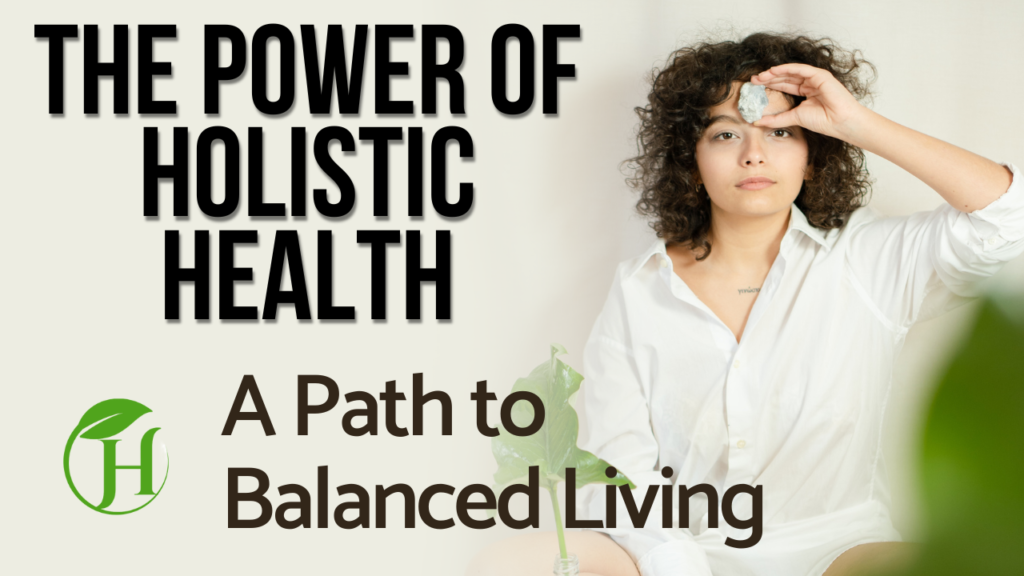
This is the gap that holistic health benefits are designed to fill. And in 2026, as chronic disease rates climb, mental health crises deepen, and people grow increasingly exhausted by symptom-chasing medicine, the conversation around holistic health has never been more urgent — or more scientifically grounded.
Holistic health is not alternative medicine. It is not crystals and incense and rejecting doctors. It is a philosophy — backed by a growing body of clinical evidence — that the human body, mind, emotions, relationships, and environment are deeply interconnected systems. What affects one, affects all. What heals one in isolation, while ignoring the others, produces results that are temporary at best and counterproductive at worst.
This guide unpacks what holistic health actually means, the specific and measurable holistic health benefits that research has documented, how ancient systems like Ayurveda understood this centuries before modern science confirmed it, and — most importantly — how to begin living it in a way that is practical, sustainable, and genuinely transformative.
What Holistic Health Actually Means — Beyond the Buzzword
The word “holistic” comes from the Greek holos, meaning whole. In the context of health, it refers to an approach that considers the complete human being — physical body, mental and emotional state, social connections, spiritual meaning, and environmental context — rather than isolating and treating individual symptoms or organ systems.

The World Health Organization’s definition of health, established in 1948 and still current today, is remarkably holistic for its era: “Health is a state of complete physical, mental and social well-being and not merely the absence of disease or infirmity.” This definition explicitly rejected the symptom-absence model of health decades before “holistic health” entered popular vocabulary. The science has been catching up ever since.
What makes holistic health genuinely different from conventional symptom-focused medicine is not the rejection of science — it is the expansion of what counts as relevant data. A holistic approach to a patient with chronic migraines does not only ask “what drug reduces the pain?” It asks: How is this person sleeping? What is their stress level and how is their cortisol being managed? What does their diet look like — are there inflammatory triggers? Are there unresolved emotional patterns creating chronic muscular tension? Is their home or work environment contributing? What gives their life meaning and are they living in alignment with it?
Every one of those questions has a body of clinical evidence connecting it to migraine frequency, severity, and resolution. Together, they paint a picture of a person — not just a symptom. And addressing that person as a whole produces holistic health benefits that no single medication can replicate.
The 7 Dimensions of Holistic Health — and Why Each One Matters
Modern holistic health frameworks typically identify seven interconnected dimensions of wellness. Understanding each one — and how they influence each other — is foundational to understanding the full scope of holistic health benefits.
1. Physical Health — The Body as an Ecosystem, Not a Machine
Physical health in the holistic model goes significantly beyond the conventional definition of “absence of disease.” It encompasses the quality of your energy, the vitality with which you engage daily life, the integrity of your sleep, the nourishment you provide your cells, and the movement that maintains your structural and metabolic health.
The holistic perspective on physical health recognises the body as a dynamic ecosystem rather than a mechanical system. Symptoms are not malfunctions to be suppressed — they are communications. Fatigue that persists despite adequate sleep is not simply “tiredness” to be managed with caffeine — it is the body signalling something about nutrition, hormonal balance, emotional load, or environmental toxin exposure that deserves investigation, not suppression.
This perspective produces measurably better long-term physical health outcomes. A 2019 meta-analysis in JAMA Internal Medicine found that lifestyle interventions addressing multiple dimensions simultaneously — diet, physical activity, stress management, and sleep — produced significantly better outcomes for chronic disease prevention and management than single-intervention approaches targeting only one factor.
The physical dimension of holistic health connects to everything else on this site. Building a consistent healthy morning routine is one of the most accessible entry points into physical holistic health — anchoring sleep, movement, nutrition, and stress management in a single daily practice.
2. Mental and Emotional Health — The Most Underestimated Dimension
The separation of mental health from physical health is one of the most consequential errors in modern healthcare — and one that holistic health corrects from the ground up. The mind and body are not two separate systems that occasionally influence each other. They are one continuous biological system communicating constantly through hormones, neurotransmitters, the vagus nerve, the gut-brain axis, and dozens of other bidirectional pathways.
The field of psychoneuroimmunology — established in the 1970s and now producing some of the most compelling research in all of medicine — has documented with precision how emotional states alter immune function, inflammatory markers, gene expression, and physical disease outcomes. Chronic psychological stress measurably increases cortisol, which suppresses immune surveillance, accelerates cellular ageing through telomere shortening, increases visceral fat deposition, disrupts gut microbiome composition, and elevates inflammatory cytokines associated with cardiovascular disease, autoimmune conditions, and cancer.
Conversely, positive emotional states — joy, gratitude, purpose, connection — produce measurable physiological benefits. A landmark study at Carnegie Mellon University found that people with higher positive emotional expression were significantly less likely to develop clinical colds when deliberately exposed to rhinovirus, regardless of their baseline health behaviours. The emotional state was, itself, an immune modifier.
For managing chronic stress — one of the most significant barriers to holistic health — both evidence-based psychological tools and natural adaptogens like those covered in our guide on ashwagandha benefits for stress and anxiety offer meaningful support for the emotional dimension of holistic wellness.
3. Spiritual Health — Purpose Is a Biological Force
This is the dimension that most often makes scientifically minded people uncomfortable — and the one with some of the most surprising evidence behind it. Spiritual health, in the holistic model, does not require religious belief. It refers to the experience of meaning, purpose, connection to something larger than oneself, and alignment between one’s values and one’s actions.
The evidence that this dimension affects physical health is substantial and growing. A 2016 meta-analysis of 148 studies — covering over 300,000 participants — found that people with strong social and purposeful engagement had a 50% higher likelihood of survival over the follow-up period, independent of age, sex, health status, and other lifestyle factors. This is a larger effect size than quitting smoking.
Viktor Frankl’s logotherapy — the therapeutic approach built on the observation that meaning and purpose are fundamental human drives — found clinical application in treating depression, anxiety, and post-traumatic stress. Modern research on ikigai — the Japanese concept of having a reason to get up in the morning — finds that people with a strong sense of purpose have lower rates of cardiovascular disease, cognitive decline, and all-cause mortality.
Spiritual health practices — meditation, time in nature, gratitude practice, creative expression, acts of service — produce measurable neurobiological effects: reduced amygdala reactivity, increased prefrontal cortex engagement, elevated DHEA (the “anti-ageing” hormone), reduced inflammatory markers. These are not mystical outcomes. They are the biological signature of a nervous system that has found its anchor.
4. Social Health — Loneliness Is as Deadly as Smoking
The social dimension of holistic health has moved from “soft” wellness territory to urgent public health concern. Former US Surgeon General Dr. Vivek Murthy declared loneliness a public health epidemic in 2023, citing research showing that social isolation increases mortality risk by 26–29% — comparable to smoking 15 cigarettes daily.
The biology of social connection is concrete and measurable. Oxytocin — released through positive social contact — reduces cortisol, lowers blood pressure, decreases inflammatory markers, and enhances immune function. Social pain — the experience of rejection, isolation, or relational conflict — activates the same neural circuits as physical pain, which is why being “hurt” by someone is not metaphorical. It is neurologically literal.
Research from Harvard’s 85-year Study of Adult Development — the longest running study of human happiness ever conducted — found that the quality of close relationships was the single strongest predictor of health, happiness, and longevity in later life. Not wealth. Not intelligence. Not even health behaviours. The depth and warmth of human connection.
Building and sustaining meaningful relationships is therefore not a lifestyle luxury — it is a biological necessity with measurable health outcomes, and a central pillar of genuine holistic health benefits.
5. Environmental Health — You Are a Product of Your Surroundings
The environments we inhabit — home, workplace, neighbourhood, natural landscape — profoundly shape our health through multiple pathways that the conventional medical model largely ignores. Indoor air quality, natural light exposure, noise pollution, access to green space, toxin load from household products, and relationship with the natural world all have documented effects on physical and mental health outcomes.
Research from the University of Exeter found that people living within 1km of green space had significantly lower rates of depression, anxiety, and stress-related illness than urban counterparts without nature access — even after controlling for income, age, and baseline health. Exposure to natural environments measurably reduces cortisol, lowers heart rate, enhances natural killer cell activity, and improves attentional capacity through a process researchers call “attention restoration.”
Indoor environments are equally significant. Modern homes contain an average of over 62 different synthetic chemical compounds from cleaning products, personal care products, furnishings, and building materials — many with documented endocrine-disrupting, neurotoxic, or carcinogenic properties. A holistic approach to environmental health involves making conscious, progressive choices to reduce this toxic load alongside improving the positive environmental inputs — light, air quality, natural elements, and connection to seasonal rhythms.
6. Nutritional Health — Food as Information, Not Just Fuel
The nutritional dimension of holistic health goes beyond macronutrient balance and caloric management. In the holistic model, food is understood as information — a complex set of molecular signals that interact with gene expression, microbiome composition, hormonal systems, inflammatory pathways, and neurotransmitter production in ways that profoundly shape physical and mental health.
The emerging field of nutritional psychiatry has demonstrated that dietary patterns directly affect mental health outcomes. A landmark 2017 randomised controlled trial — the SMILES trial — found that people with moderate-to-severe depression who adopted a Mediterranean-style dietary intervention showed significantly greater improvement in depression scores than those in social support groups. Food directly changed mental health outcomes in a way that rivalled antidepressant medication in effect size.
The gut microbiome — the ecosystem of approximately 38 trillion microorganisms inhabiting the digestive tract — has emerged as a central mediator of both physical and mental health. Gut bacteria produce 90% of the body’s serotonin, regulate immune responses, produce short-chain fatty acids that maintain gut barrier integrity and reduce systemic inflammation, and communicate directly with the brain through the vagus nerve. Supporting gut health through dietary diversity, fermented foods, and adequate fibre is one of the highest-leverage holistic health interventions available. Our article on amla benefits for immunity and digestion explores one of Ayurveda’s most powerful nutritional tools for gut and immune health.
7. Occupational and Purpose Health — How You Spend Your Hours Shapes Your Health
How you spend the majority of your waking hours — through work, contribution, creativity, and role — has profound effects on health outcomes that most wellness frameworks underaddress. Meaningful work is associated with lower cortisol, higher life satisfaction, and significantly better health outcomes. Conversely, occupational stress, lack of autonomy, poor work relationships, and the absence of meaning in daily tasks are independent risk factors for cardiovascular disease, depression, and immune suppression.
The holistic health approach recognises that no amount of dietary optimisation or exercise perfectly compensates for spending 8–10 hours daily in an environment that generates chronic stress, suppresses authentic expression, and lacks meaning. Addressing the occupational dimension of health — whether through role redesign, boundary-setting, creative expression outside of work, or deeper questioning of what constitutes meaningful contribution — is therefore a genuine health intervention, not merely a productivity or life satisfaction matter.
7 Proven Holistic Health Benefits — What the Research Actually Shows
Benefit 1: Dramatically Reduced Chronic Inflammation
Chronic low-grade inflammation is now recognised as the common underlying mechanism of most modern chronic diseases — cardiovascular disease, type 2 diabetes, autoimmune conditions, Alzheimer’s disease, depression, and many cancers. Holistic health interventions that address multiple lifestyle dimensions simultaneously produce the most powerful anti-inflammatory effects documented in clinical research.
A comprehensive lifestyle intervention study published in The Lancet Oncology found that men with prostate cancer who adopted a holistic programme — plant-rich diet, moderate exercise, stress management, and social support — showed measurable changes in gene expression, with over 500 cancer-related genes downregulated and tumour suppressor genes upregulated. The environment created by holistic lifestyle change reached all the way to the genome.
The natural anti-inflammatory tools covered throughout HerbeeLife’s content — turmeric, ginger, neem, omega-3 rich foods — are most powerful when used within a comprehensive holistic framework that also addresses the lifestyle sources of inflammation, not as isolated supplements on top of an unchanged lifestyle. Our guide on essential herbs for winter immunity covers the most evidence-backed anti-inflammatory herbs in depth.
Benefit 2: Profound and Lasting Stress Resilience
One of the most significant holistic health benefits is the development of genuine, durable stress resilience — not the suppression of stress symptoms, but the actual expansion of the nervous system’s capacity to encounter challenge without being destabilised.
Conventional approaches to stress management typically target the downstream effects — anxiety medication, sleep aids, pain relief for tension headaches. Holistic approaches address the upstream systems: HPA axis regulation through adaptogens and meditation, vagal tone improvement through breathwork and social connection, cortisol rhythm restoration through consistent sleep and morning light exposure, and meaning-making practices that reframe the cognitive appraisal of stressors.
Research on mindfulness-based stress reduction (MBSR) — an 8-week programme with perhaps the strongest evidence base of any mind-body intervention — consistently shows reductions in cortisol, inflammatory markers, amygdala reactivity, and psychological distress measures that persist at 12-month follow-up. These are structural changes in how the brain and body process stress — not temporary symptom relief.
Benefit 3: Significantly Better Long-Term Weight Management
The holistic health approach to weight management produces better long-term outcomes than diet or exercise interventions in isolation — and the reasons directly reflect the multi-dimensional model. As explored in our detailed article on weight loss diet vs exercise, metabolic adaptation, hormonal disruption, emotional eating, sleep deprivation, and chronic stress all contribute to weight management failure when addressed in isolation. Only a holistic approach that addresses all of these dimensions simultaneously produces durable results.
A 2020 systematic review in the International Journal of Obesity found that multi-component lifestyle interventions — combining dietary, physical activity, psychological, and sleep components — produced 2–3 times greater long-term weight maintenance than single-component interventions, even when short-term weight loss was similar across approaches.
Benefit 4: Measurably Stronger Immune Function
The immune system does not operate in biological isolation. It is continuously regulated by hormonal, neurological, nutritional, and psychological inputs — which is why the holistic health model produces immune outcomes that pure supplementation or single-intervention approaches cannot replicate.
Chronic stress, poor sleep, nutritional deficiencies, social isolation, and sedentary behaviour all measurably impair different components of immune function — from natural killer cell activity to antibody production to interferon signalling. A holistic lifestyle that addresses all of these factors simultaneously produces an immune environment that is qualitatively different from one maintained by supplements alone.
For seasonal immune challenges, the herbs covered in our essential herbs for winter guide are most effective when used as part of this holistic immune framework — supporting an already well-maintained system rather than compensating for an otherwise depleted one.
Benefit 5: Dramatically Improved Mental Health Outcomes
Perhaps the most well-documented of all holistic health benefits is the impact on mental health — particularly depression and anxiety, which now affect over 280 million people globally according to the WHO.
Multiple Cochrane reviews and meta-analyses have confirmed that lifestyle interventions addressing physical activity, diet quality, sleep, social connection, and meaning-making produce clinically significant improvements in depression and anxiety — with effect sizes comparable to antidepressant medication for mild to moderate presentations, and significantly better long-term outcomes due to the absence of tolerance development and the presence of meaningful lifestyle change.
The gut-brain axis represents one of the most compelling biological mechanisms behind this finding. Gut microbiome composition — shaped profoundly by diet, stress, and sleep — directly influences neurotransmitter production, neuroinflammation levels, and the emotional tone of everyday experience. Improving gut health through dietary means is therefore a direct mental health intervention, not merely a digestive one.
Benefit 6: Slower Biological Ageing
Biological age — measured through telomere length, epigenetic methylation patterns, and inflammatory biomarkers — is distinct from chronological age and far more relevant to health outcomes. Holistic lifestyle interventions have been shown to measurably slow biological ageing through multiple mechanisms.
Dr. Dean Ornish’s landmark research demonstrated that a comprehensive lifestyle programme — plant-rich diet, moderate aerobic exercise, stress management, and social connection — increased telomerase activity by 29% in men with prostate cancer over just 3 months. Telomerase maintains telomere length, slowing the cellular ageing process. This was the first controlled evidence that lifestyle changes could influence telomere dynamics — a finding that earned Elizabeth Blackburn the Nobel Prize in Physiology or Medicine.
The combination of anti-inflammatory nutrition, regular movement, stress management, quality sleep, and meaningful social connection creates a hormonal and cellular environment that measurably slows the biological markers of ageing — one of the most profound of all holistic health benefits.
Benefit 7: Personal Empowerment and Health Autonomy
This benefit is less clinical than the others but arguably more transformative in practical terms. When you understand health as a multi-dimensional system that you can influence through daily choices — rather than a set of symptoms that periodically require professional management — your entire relationship with your body and wellbeing changes.
People who adopt a holistic health model consistently report greater sense of health agency, reduced healthcare utilisation, better adherence to health behaviours, higher satisfaction with life, and greater resilience in the face of illness or injury. They are not passive recipients of health outcomes — they are active participants in their own biology.
This shift from reactive to proactive health engagement is, ultimately, what holistic health offers at its most fundamental level. Not just better outcomes — but a different, more empowered, more connected way of being in your own body.
Holistic Health and Ayurveda — Ancient Wisdom Meeting Modern Science
Ayurveda — the traditional Indian system of medicine developed over 5,000 years — is perhaps the most fully realised holistic health system in human history. Its foundational premise is that health is not the absence of disease but the dynamic balance of body (sharira), mind (mana), and spirit (atma) — a definition that maps precisely onto what modern holistic health frameworks articulate.
Ayurveda’s concept of prakriti — individual constitutional type — anticipates the personalised medicine revolution by millennia. The recognition that different bodies require different foods, different daily rhythms, different herbs, and different movement practices based on their unique constitution is not mysticism. It is the precursor to what genomic and microbiome medicine is now proving: that universal recommendations fail because human biology is profoundly individual.
The Ayurvedic concept of Ojas — the vital essence produced by optimal digestion, adequate rest, and balanced living — maps onto what modern research describes as immune competence, stress resilience, and cellular vitality. The herbs of Ayurveda — ashwagandha, tulsi, amla, neem, turmeric, brahmi — are not folk remedies. They are pharmacologically sophisticated plant medicines whose mechanisms are now understood at the molecular level and whose clinical evidence base grows each year. Our dedicated articles on ashwagandha, amla, and neem cover this evidence in depth.
The dinacharya — Ayurveda’s concept of a daily routine aligned with natural rhythms — is essentially what modern circadian biology confirms: that consistent sleep and wake times, morning light exposure, regular mealtimes, and evening wind-down practices produce measurable benefits for hormonal regulation, immune function, metabolic health, and psychological wellbeing. What Ayurveda called wisdom, neuroscience now calls chronobiology.
Holistic Health Benefits: Myth vs. Fact
| ❌ The Myth | ✅ The Truth |
|---|---|
| Holistic health means rejecting conventional medicine | Holistic health is integrative, not oppositional. The most effective approach combines the diagnostic precision and acute intervention capability of conventional medicine with the lifestyle, nutritional, and mind-body tools of holistic practice. Neither alone is as complete as both together. |
| Holistic health is not scientifically proven | Thousands of peer-reviewed studies document the health benefits of meditation, mindfulness, dietary intervention, social connection, time in nature, and purpose-driven living. The evidence base for holistic health practices has never been stronger — and continues to expand rapidly. |
| You need expensive practitioners or products for holistic health | The most impactful holistic health practices — sleep consistency, whole food nutrition, regular movement, stress management, social connection, time in nature — are free or low-cost. Holistic health is fundamentally a philosophy of daily choices, not a consumption category. |
| Holistic health is only for people who are already sick | Prevention and optimisation are the primary goals of holistic health — not just disease management. The most compelling holistic health benefits accrue to people who adopt these practices before illness appears, not after. |
| Mental health is separate from physical health | This is perhaps the most consequential healthcare myth of the modern era. The mind and body are one continuous biological system. Emotional states directly alter immune function, hormonal balance, gene expression, inflammatory markers, and physical disease outcomes — as documented by decades of psychoneuroimmunology research. |
| One holistic approach works for everyone | Genuine holistic health is deeply personalised. Ayurveda recognised constitutional individuality 5,000 years ago. Modern genomics and microbiome research confirm it today. Universal prescriptions — whether dietary, supplemental, or lifestyle — are inherently limited. The best holistic health approach is the one designed around your specific body, history, and circumstances. |
How to Begin Your Holistic Health Journey — Practically and Sustainably
The most common mistake people make when discovering holistic health is attempting to change everything at once. The psychological research on behaviour change is unambiguous: the number of simultaneous changes attempted is inversely correlated with the success rate of each. Trying to overhaul diet, sleep, exercise, stress management, and social life simultaneously produces overwhelming cognitive load that results in complete reversal to baseline within weeks.
The sustainable path is sequenced, patient, and rooted in self-knowledge rather than external prescription.
Start With One Dimension and Build From There
Choose the dimension of holistic health that feels most immediately relevant to your current experience. If you are chronically exhausted, start with sleep — consistent wake times, morning light, evening screen reduction. If stress is your dominant experience, start with one daily stress management practice — 5 minutes of breathwork, a short walk, or a gratitude journal. If your energy is flat, start with nutrition — adding protein to breakfast and replacing one processed food with a whole food alternative.
The dimensions are interconnected — improving one will naturally begin to pull the others into better balance. Better sleep reduces cortisol, which improves food choices, which supports gut health, which improves mood, which enhances social engagement. The system is self-reinforcing once you find the right entry point.
Build a Morning Anchor
A consistent morning routine is one of the highest-leverage holistic health practices available — because it addresses multiple dimensions simultaneously (physical movement, nutritional hydration, mental intention-setting, circadian anchoring) in a single brief daily practice. Our detailed guide on building a healthy morning routine provides a practical, evidence-based framework for doing this.
Nourish Your Gut as a Priority
Given the gut microbiome’s documented role as a mediator of immune function, mental health, hormonal balance, and inflammatory status, improving gut health is one of the single highest-leverage nutritional interventions in holistic wellness. Increase dietary fibre diversity, include fermented foods daily, reduce ultra-processed food intake, and consider targeted herbal support. Amla and clove water are two accessible, evidence-backed Ayurvedic tools for gut and immune health.
Treat Stress as a Medical Priority
Chronic stress is not a character flaw or a scheduling problem. It is a physiological state with measurable, damaging effects on every system in the body. Treating it with the same seriousness as a physical symptom — through consistent stress management practices, adaptogenic herb support, adequate sleep, and where needed, professional psychological support — is one of the most impactful holistic health decisions you can make. Our article on ashwagandha for stress and anxiety covers the most clinically studied natural adaptogen for cortisol management.
Invest in One Key Relationship
Social health research is unambiguous — relationship quality is one of the strongest predictors of health and longevity available. Choose one important relationship and invest in it with more presence, more genuine listening, more time. This is not a soft lifestyle suggestion. It is a biological health intervention with effect sizes that rival exercise and dietary change.
Related Articles From HerbeeLife
📖 Healthy Morning Routine: 10 Powerful Habits That Transform Your Entire Day
📖 Ashwagandha for Stress and Anxiety: What Actually Happens in Your Body
📖 Amla Benefits: Proven Immunity, Digestion and Whole-Body Health Backed by Science
📖 Neem Benefits: The Powerful Blood Purification and Immunity Guide Backed by Science
📖 Weight Loss Diet vs Exercise: The Honest Truth That Finally Settles the Debate
📖 Allergy Treatment Options: 10 Proven Ways to Get Real Relief
📖 Clove Water Benefits: 9 Powerful Daily Effects You Need to Know
Frequently Asked Questions About Holistic Health Benefits
What exactly are holistic health benefits?
Holistic health benefits are the measurable physical, mental, emotional, social, and spiritual improvements that come from addressing health as a complete, interconnected system rather than treating isolated symptoms. They include reduced chronic inflammation, improved stress resilience, stronger immunity, better mental health, more sustainable weight management, slower biological ageing, and a profound sense of personal health empowerment.
How is holistic health different from conventional medicine?
Conventional medicine excels at acute intervention — diagnosis, surgery, targeted medication for specific conditions. Holistic health addresses the upstream conditions that determine whether disease develops in the first place, and how effectively the body heals when it does. The most complete health approach is integrative — using both. Holistic health is not a replacement for conventional care; it is its most intelligent complement.
How long does it take to experience holistic health benefits?
Some benefits appear quickly — improved sleep within days of establishing a consistent wake time, reduced anxiety within weeks of a regular breathwork practice, digestive improvements within 2–4 weeks of dietary change. Deeper benefits — reduced inflammatory markers, improved body composition, measurable stress resilience — develop over months of consistent practice. Biological ageing changes take years. The timeline varies by dimension and intervention, but virtually all documented holistic health benefits require consistency rather than intensity to manifest.
Can holistic health help with chronic disease?
Yes — significantly, and with strong clinical evidence. Dean Ornish’s research demonstrated reversal of coronary artery disease through comprehensive lifestyle intervention. The PREDIMED study showed Mediterranean dietary patterns reduced cardiovascular events by 30%. MBSR produces clinically significant improvements in chronic pain, autoimmune conditions, and cancer-related psychological distress. Holistic lifestyle change is not a replacement for necessary medical treatment of established disease, but it is a powerful, evidence-backed complement that improves outcomes across virtually every chronic condition studied.
Where should I start with holistic health if I am completely new to it?
Start with sleep — specifically, a consistent wake time seven days a week. This single change anchors the circadian system that regulates cortisol, immune function, metabolic rate, mood, and appetite. It costs nothing, requires no products or practitioners, and produces measurable benefits in days to weeks. From this foundation, add one element at a time — morning sunlight, then dietary protein, then a daily 5-minute stress practice. Build slowly on a foundation of consistency rather than quickly on a foundation of enthusiasm.
Is Ayurveda a form of holistic health?
Ayurveda is one of the most comprehensive holistic health systems ever developed — arguably more fully holistic than most modern frameworks, given its explicit integration of constitutional individuality, seasonal adaptation, dinacharya (daily rhythm), dietary medicine, herbal pharmacology, and spiritual practice into a single coherent system. Modern research is progressively validating Ayurveda’s clinical observations through molecular and clinical science, and the convergence between Ayurvedic principles and contemporary holistic health frameworks is striking.
Do holistic health practices work alongside prescription medications?
In most cases, yes — but specific herb-drug interactions exist and should always be discussed with your prescribing physician. Lifestyle holistic health practices — sleep improvement, dietary change, moderate exercise, stress management — are generally safe alongside medication and frequently improve medication effectiveness while reducing required doses over time. Herbal supplements require individual assessment — particular caution is warranted with blood thinners, immunosuppressants, thyroid medications, and antidepressants.
Sources and References
1. World Health Organization. Constitution of the World Health Organization. 1948.
2. Ornish D et al. Intensive lifestyle changes for reversal of coronary heart disease. JAMA, 1998.
3. Holt-Lunstad J et al. Social relationships and mortality risk: a meta-analytic review. PLOS Medicine, 2010.
4. Epel ES et al. Accelerated telomere shortening in response to life stress. PNAS, 2004.
5. Jacka FN et al. A randomised controlled trial of dietary improvement for adults with major depression (the ‘SMILES’ trial). BMC Medicine, 2017.
6. Cohen S et al. Positive emotional style predicts resistance to illness after experimental exposure to rhinovirus. Psychosomatic Medicine, 2006.
7. Kabat-Zinn J. An outpatient program in behavioral medicine for chronic pain patients based on the practice of mindfulness meditation. General Hospital Psychiatry, 1982.
Follow HerbeeLife
🌿 Stay connected for more evidence-based holistic wellness, Ayurvedic wisdom, and natural health content:
📸 Instagram | 📌 Pinterest | 👥 Facebook | 🐦 X (Twitter)
Final Thoughts: Holistic Health Is Not a Trend — It Is the Direction Medicine Is Moving
The holistic health benefits covered in this guide are not the promises of an alternative wellness movement. They are the documented findings of decades of rigorous research in psychoneuroimmunology, nutritional psychiatry, circadian biology, social neuroscience, and epigenetics — sciences that collectively confirm what holistic health has always proposed: that the human being is a whole, interconnected system, and that treating any part of it in isolation misses the most important story.
We are living through a profound shift in how the most progressive corners of medicine understand health — away from symptom suppression and toward systemic balance, away from universal prescriptions and toward deep personalisation, away from passive patient and toward empowered participant. Holistic health is not where medicine is coming from. It is where medicine is going.
You do not need to wait for that shift to happen at a systems level. You can begin today — with one small, consistent choice in any one dimension of your wellbeing — and trust the interconnected nature of your own biology to do the rest.
⚠️ Medical Disclaimer: This article is for informational and educational purposes only and does not constitute medical advice. Always consult a qualified healthcare professional before making significant changes to your health practices, especially if managing a chronic condition or taking prescription medications. Read full disclaimer →
💬 Which of the 7 dimensions of holistic health do you feel is most neglected in your own life right now — and which holistic health benefit surprised you the most? Share in the comments. Your insight might be exactly what someone else needs to hear today.