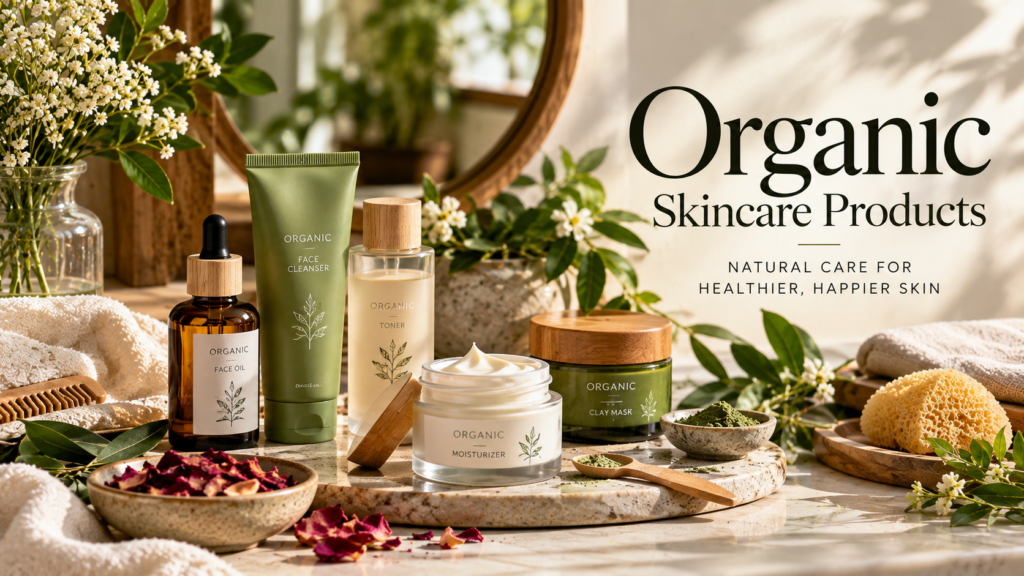

"Organic" on a label isn't the same as "gentle," and "natural" isn't automatically "safe." The organic skincare space has genuine winners — and a fair share of marketing noise. This guide separates the two, matches real organic products to real skin needs, and shows where they complement the broader world of Ayurvedic home remedies rather than compete with it.
Organic vs Conventional: What Actually Changes
Organic / Clean Formulas
- Fewer synthetic fragrances, parabens, and sulfates
- Often gentler for sensitive or reactive skin
- Ingredient sourcing tends to be more transparent
- Shorter shelf life without synthetic preservatives
Conventional Formulas
- Often more shelf-stable and longer-lasting
- Access to a wider range of clinically-tested actives
- Typically more affordable at scale
- Can contain irritants some sensitive users react to
You have to think of skincare as healthcare — what damages your skin ultimately penetrates into the bloodstream and affects every organ in your body, and the reverse is true too: when any organ is out of balance, it shows up on the skin.
— Dr. Howard Murad, Board-Certified Dermatologist, Founder of Murad SkincareUnderstanding Certifications (Because Not All "Organic" Labels Mean the Same Thing)
USDA Organic
Requires 95%+ certified organic ingredients by weight
COSMOS Organic
European standard covering organic content plus sustainable processing
Ecocert
Verifies both ingredient sourcing and environmental manufacturing practices
A product can be genuinely clean and beneficial without carrying any of these certifications — smaller brands often can't afford certification fees despite meeting the standard. Reading the actual ingredient list still matters more than the badge on the front.
Genuinely Good Organic Products, By Category
Face Cream (Normal to Dry Skin)
Cold-pressed argan and rosehip oils deliver deep hydration and antioxidants without synthetic fillers — a genuinely nourishing daily moisturizer.
Toner / Facial Mist
Pure, steam-distilled rose water rebalances skin without any synthetic fragrance or alcohol — gentle enough to mist throughout the day.
Night Serum (Investment Pick)
A luxury clean-beauty serum formulated with clinically studied botanicals, built for visible results without compromising on ingredient transparency.
Face Wash (All Skin Types)
A sulfate-free daily cleanser built on plant-derived surfactants, gentle enough for daily use without ever feeling stripping.
Body Oil
A nutrient-rich algae-based oil that absorbs quickly, leaving skin genuinely soft rather than greasy — a favorite in the clean-beauty world for good reason.
Lip Balm
A clean, fragrance-conscious formula that hydrates without the synthetic waxes and mineral oils found in many mainstream balms.
Body & Face Soap
An 18-in-1 castile soap made from organic oils, genuinely versatile enough to double for face, body, and even light household use.
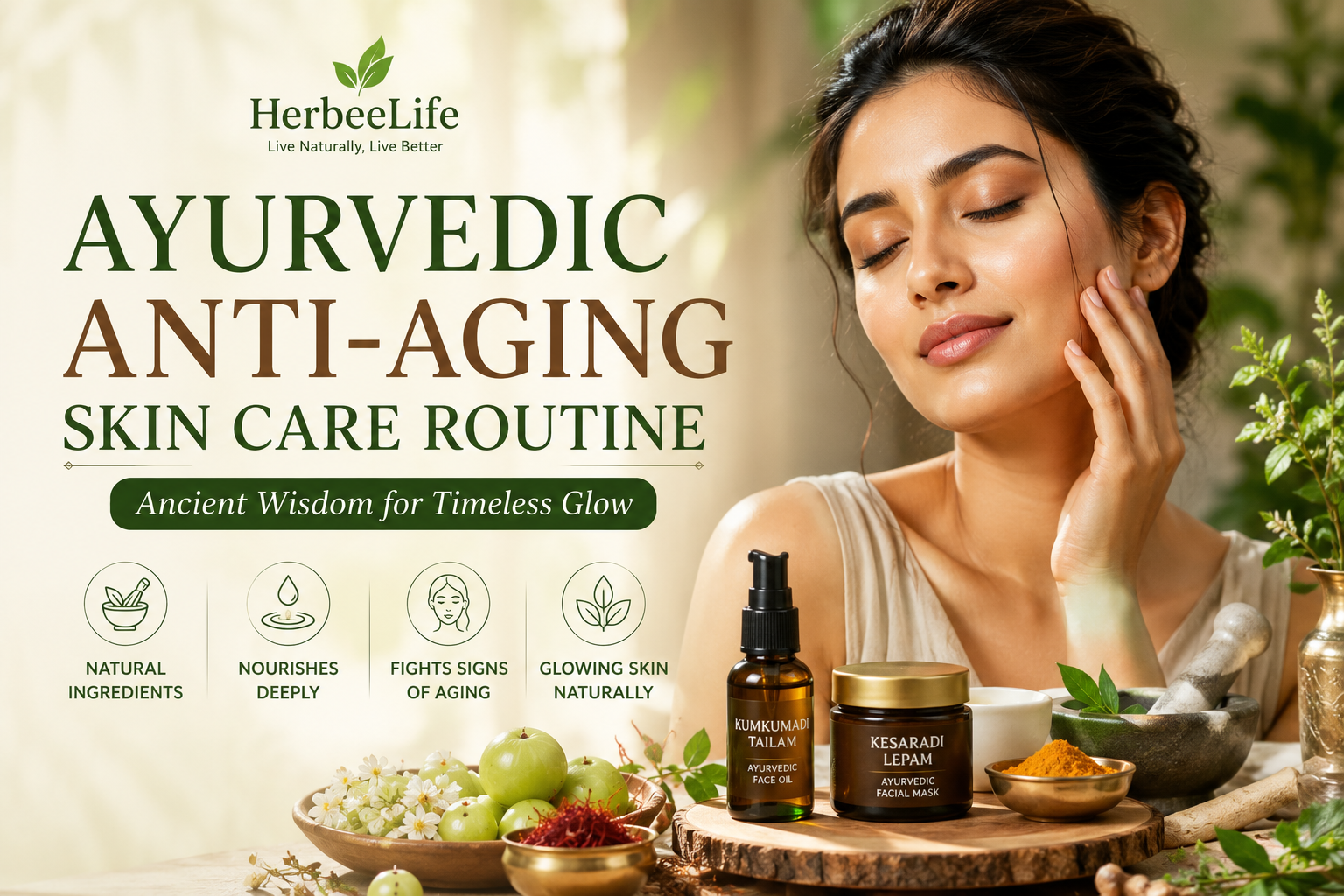
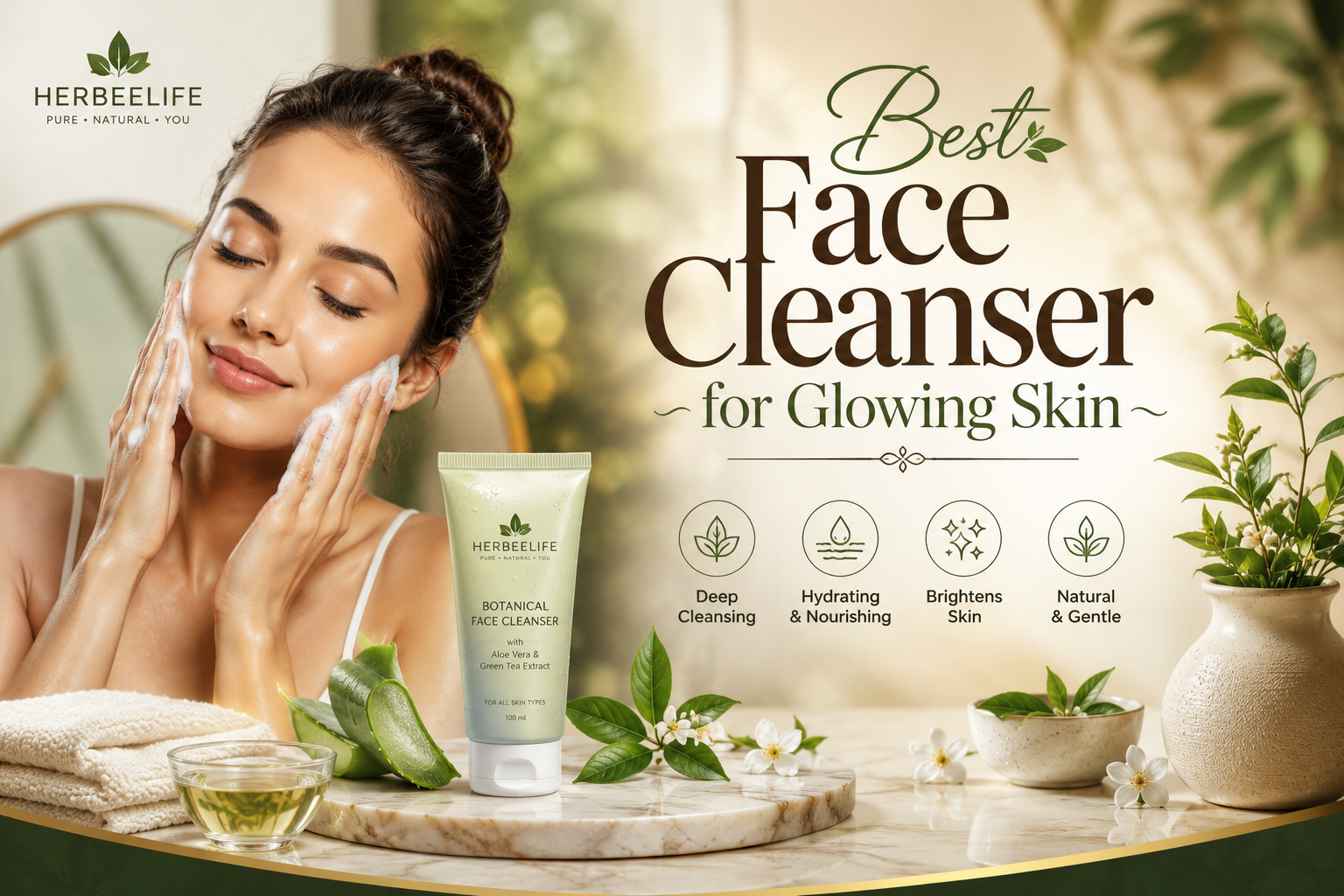
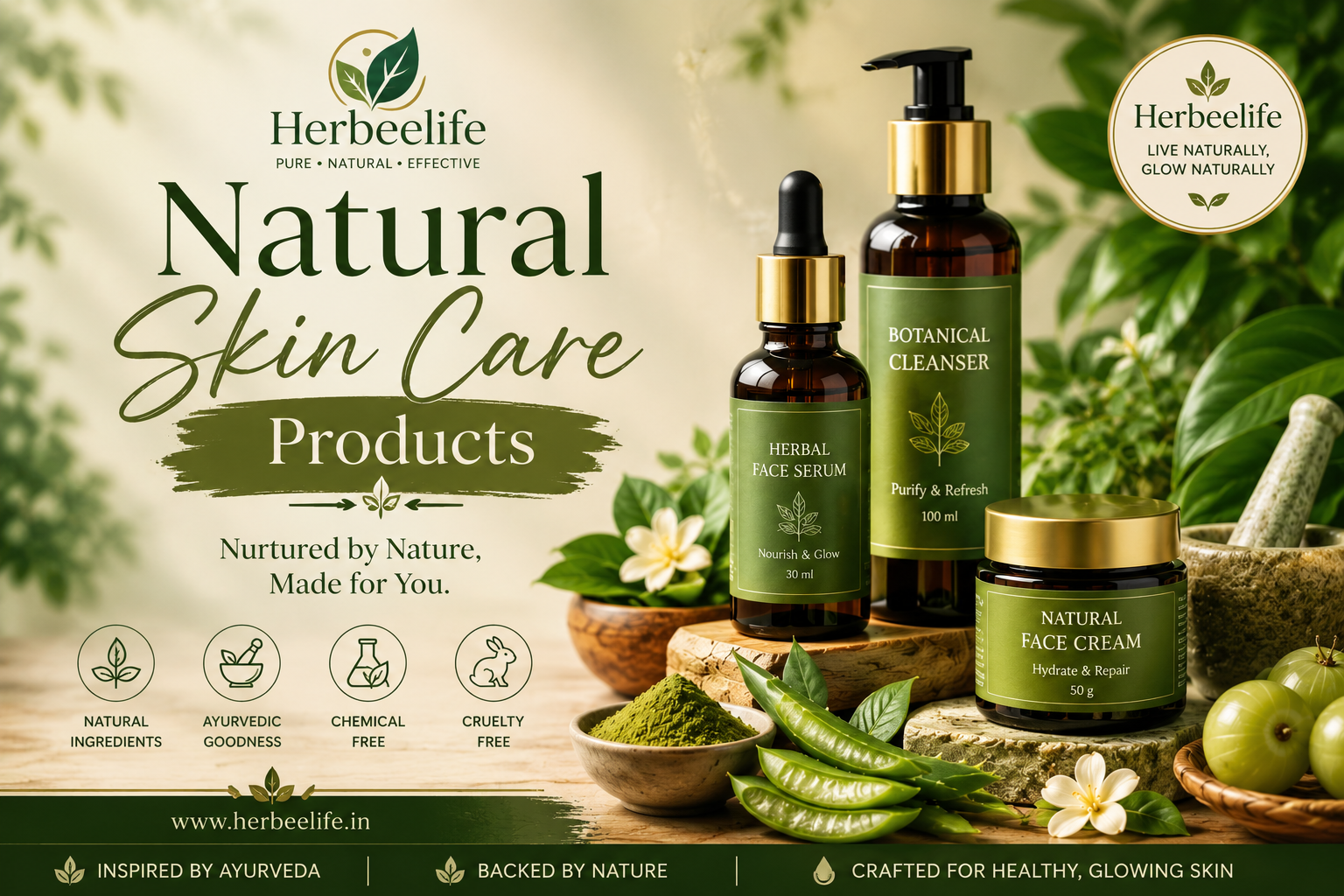
Once your organic essentials are in place, they layer well with a broader routine — our Ayurvedic anti-aging skin care routine shows how traditional herbs and clean formulas can work together, and our guide to the best face cleansers for glowing skin covers more options if you want to compare cleansers side by side. For a deeper dive into ingredient science across the natural skincare world, natural skin care products is worth reading next.
Ingredients Worth Steering Clear Of
🌿 More clean beauty edits, Ayurvedic wisdom, and honest ingredient breakdowns — follow along
Pinterest Instagram FacebookMaking the Switch Without Overwhelming Your Skin
Don't replace your entire routine overnight. Swap one product at a time — starting with cleanser or moisturizer, the two used most frequently — and give your skin two to three weeks to adjust before introducing the next. This also makes it far easier to identify which product is responsible if any irritation does occur.
When Organic Isn't Automatically the Better Choice
For certain concerns — active acne, diagnosed hyperpigmentation, or deep wrinkles — clinically-proven actives like retinoids or prescription-strength ingredients often outperform purely natural alternatives. Organic and clinical skincare aren't opposites; the best routines often use both, matched to what each specific concern actually needs.
Frequently Asked Questions
Is organic skincare actually better for sensitive skin?
Often yes, since it typically avoids common irritants like synthetic fragrance and sulfates, though "organic" doesn't guarantee safety for every skin type — patch testing new products always remains important.
Does organic skincare cost more than conventional skincare?
Generally yes, due to higher-cost ingredient sourcing and smaller production scale, though budget-friendly organic options exist and are often comparable in price to mid-range conventional brands.
Can organic products treat acne as effectively as clinical ones?
Some botanical ingredients like tea tree and neem show real antibacterial benefits, but clinically-proven actives such as salicylic acid or benzoyl peroxide generally work faster and more predictably for active breakouts.
How can I tell if a product is genuinely organic and not just marketed that way?
Check for recognized certifications like USDA Organic or COSMOS, and read the actual ingredient list rather than relying on packaging claims like "natural" or "clean," which aren't strictly regulated terms.
Do organic skincare products have a shorter shelf life?
Often yes, since they typically use fewer synthetic preservatives — storing them in a cool, dry place and following the "period after opening" symbol on packaging helps them stay effective longer.