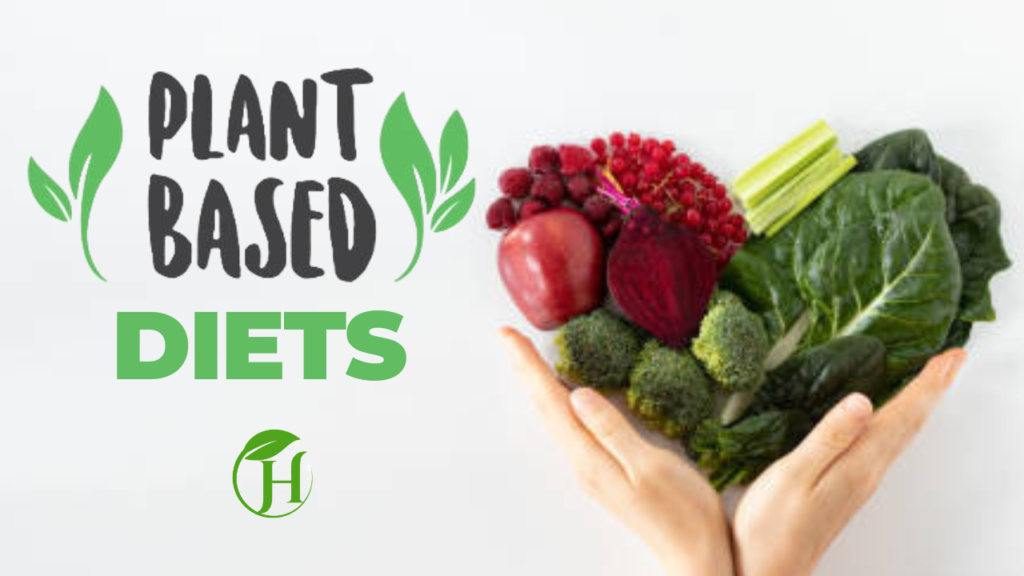

“Just eat more plants.” Sounds simple, right? But if plant-based diet benefits were really that obvious, why are so many people still confused, intimidated — or quietly surviving on sad salads and willpower? The truth is deeper, stranger, and far more fascinating than the Instagram smoothie bowl crowd lets on.
Plant-based diet benefits aren’t a wellness fad. They’re one of the most rigorously studied dietary patterns in modern science — linked not just to weight loss, but to rewiring how your cells age, how your gut communicates with your brain, and how quickly your cardiovascular system recovers. In this guide, we go past the basics and into the biology, the psychology, the practical roadblocks, and the real business of eating well. No rabbit food guilt, no extreme makeovers. Just truth.
What Does “Plant-Based Diet” Actually Mean? (It’s Not What Most People Think)
Before we dig into plant-based diet benefits, let’s kill a myth right now: a plant-based diet is not a vegan diet. The two are different animals — pun intended.
Plant-based = 100% vegan, no exceptions, forever.
Plant-based means plants dominate your plate. Occasional eggs, fish, or dairy don’t disqualify you.
Veganism is an ethical and lifestyle philosophy. A plant-based diet is a nutritional strategy. You can be plant-based and still eat a piece of salmon once a week. The key differentiator is that whole, minimally processed plants form the foundation — vegetables, legumes, fruits, whole grains, nuts, and seeds. Everything else is optional add-on, not a core requirement.
Flexitarian → Mostly plants, occasional meat | Pescatarian → Plants + seafood | Vegetarian → No meat, yes dairy/eggs | Whole-food plant-based (WFPB) → Plants only, no processed anything | Vegan → No animal products in any form
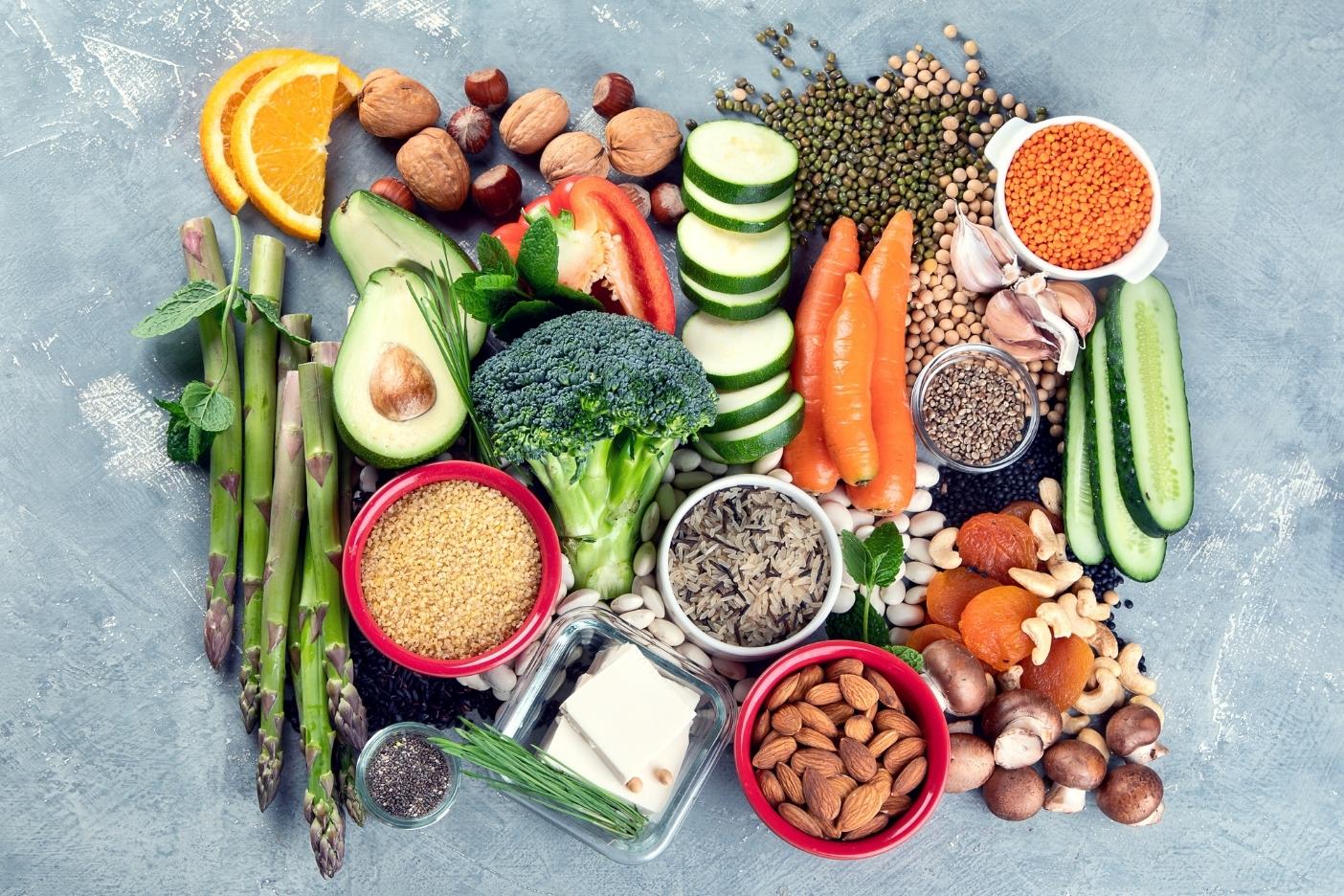
Most of the research supporting plant-based diet benefits applies to all points on this spectrum — particularly whole-food, plant-centered eating. You don’t need to choose the most extreme version to see life-changing results.
7 Powerful Plant-Based Diet Benefits Backed by Science
Here’s where it gets genuinely interesting. Most articles list the usual five bullet points. We’re going deeper — into why these benefits happen at the biological level.
1. Your Heart Doesn’t Just “Feel Better” — It Structurally Changes
One of the most documented plant-based diet benefits is cardiovascular protection. But the mechanism is more profound than “less saturated fat.” A 2019 study in the Journal of the American Heart Association found that plant-based diets lowered LDL cholesterol by up to 28% — comparable to some statin medications, without the side effects.
The reason? Fibre from legumes and oats binds to bile acids in your gut, forcing your liver to pull cholesterol from your bloodstream to make more bile. Your body literally uses its own LDL as raw material. This isn’t passive protection — it’s active biological housekeeping.
2. Weight Loss That Actually Sticks — Here’s the Psychological Reason
Standard weight loss advice says “eat less, move more.” The problem? Caloric restriction triggers cortisol and hunger hormones that make long-term compliance nearly impossible. Plant-based diet benefits flip this equation entirely.
High-fibre plant foods create a phenomenon called volumetric satiety — your stomach physically fills, stretch receptors fire, and your brain receives “full” signals before you’ve consumed excess calories. You don’t feel deprived. You feel satisfied. This is why studies consistently show plant-based eaters maintain lower BMIs over time — not because they’re more disciplined, but because the food itself doesn’t trigger the same binge-restrict psychology.
The psychological angle that nobody talks about: plant-based eating tends to shift your identity. People stop seeing themselves as “dieters” and start identifying as someone who eats a certain way. That identity shift is what makes the habit permanent.
3. Energy Levels That Feel Like a Cheat Code
The 3pm crash isn’t about willpower. It’s about blood sugar. High-fat, high-protein animal-heavy meals require enormous digestive energy and trigger insulin spikes followed by sharp drops. One of the most underrated plant-based diet benefits is metabolic stability.
Complex carbohydrates from sweet potatoes, lentils, and oats release glucose slowly. Combined with plant-sourced magnesium (critical for ATP energy production at the cellular level) and iron from spinach and chickpeas, your energy curve stays flat rather than jagged. Many people describe the first 2 weeks of plant-based eating as the period when the “brain fog” permanently lifts.
4. Skin Transformation — The Gut-Skin Axis Explains Everything
The skin-clearing reputation of plant-based diets isn’t just anecdotal. Science points to the gut-skin axis: when your gut microbiome is diverse and fibre-fed, it produces short-chain fatty acids (SCFAs) that reduce systemic inflammation — the root cause of acne, eczema, psoriasis, and premature ageing.
Processed animal products — particularly dairy — are strongly linked to elevated IGF-1 levels, a growth hormone that over-stimulates sebum production and skin cell turnover, clogging pores. Remove the trigger, diversify your gut flora with prebiotic plant fibre, and many people see significant skin changes within 6–8 weeks.
5. Gut Health: The 100 Trillion Reasons to Switch
Your gut contains approximately 100 trillion microbial cells — more than human cells in your entire body. A plant-based diet is the single most effective dietary strategy for diversifying this ecosystem. Diverse microbiome = stronger immunity, better mood (the gut produces ~95% of your serotonin), reduced anxiety, and lower inflammation markers system-wide.
The American Gut Project — one of the largest microbiome studies ever conducted — found that people eating 30+ different plant species per week had significantly more diverse gut microbiomes than those eating fewer than 10. You don’t need a supplement. You need variety.
6. Cancer Risk Reduction — What the Studies Say (and Don’t)
The World Health Organization classifies processed red meat as a Group 1 carcinogen (definitely causes cancer in humans) and red meat as Group 2A (probably does). Meanwhile, plant-based diet benefits for cancer prevention centre on phytonutrients — compounds like sulforaphane in broccoli, lycopene in tomatoes, and resveratrol in grapes that directly modulate gene expression related to tumour suppression.
This doesn’t mean eating plants makes you cancer-proof. But a 2022 EPIC study of 470,000+ participants found that plant-based diets were associated with a 10–15% lower risk of overall cancer — a meaningful statistical signal at population scale.
7. Environmental Impact — The Business Angle Nobody Talks About
Here’s the industry perspective: global food systems produce roughly 26% of all greenhouse gas emissions. Meat and dairy account for 14.5% alone. But beyond the environmental ethics, there’s a market reality: the global plant-based food market was valued at over USD 40 billion in 2023 and is projected to reach USD 80+ billion by 2030.
Why does this matter to you as a consumer? It means innovation is accelerating. Plant-based proteins, dairy-free alternatives, and whole-food convenience products are getting better, cheaper, and more accessible every single year. Adopting plant-based diet benefits today positions you ahead of where the mainstream food culture is inevitably heading.
The Plant-Based Diet Benefits Timeline: What Happens to Your Body Week by Week
This is the honest timeline most health bloggers skip — because it includes the difficult early phase.
Increased gas and bloating as gut bacteria adapt to higher fibre. Some people experience fatigue or headaches as the body shifts fuel sources. This is temporary and actually a sign your microbiome is actively changing. Push through.
Most people report noticeably better digestion, reduced bloating, and steadier energy throughout the day. Sleep quality often improves due to magnesium uptake from greens and legumes.
Skin starts clearing, inflammation markers drop, and weight (if applicable) begins moving. Blood pressure readings often improve measurably in this window.
Cholesterol panels, fasting blood glucose, and CRP (inflammation marker) show measurable improvement. The gut microbiome has substantially diversified. Mental clarity and mood stability are often reported as the most surprising long-term plant-based diet benefits.
How to Start Your Plant-Based Diet: A Practical Roadmap (No Extremism Required)
Before removing anything, spend one week writing down every meal. You’ll likely discover you’re already eating more plant foods than you thought. Most people are 60–70% there without realising it. This reframe removes the feeling of deprivation before you start.
Don’t ban anything. Instead: swap minced meat for 50% lentils in your favourite dishes. Replace cow’s milk in your tea with oat milk. Use chickpeas in your curry. These micro-swaps accumulate into real shifts without triggering resistance. Your taste buds adapt within 3–4 weeks.
The biggest beginner mistake: replacing meat with just one protein source. Combine: lentils + brown rice (complete amino acid profile), tofu + sesame (rich in methionine), edamame + quinoa (both complete proteins on their own). Variety ensures you never run short.
Stock these always: red and green lentils, canned chickpeas, tahini, nutritional yeast (B12 + cheesy flavour), and a good quality plant-based omega-3 oil or flaxseed. These five ingredients make it impossible to be “stuck” without a plant-based meal option.
Sweet potato is not a croissant. Brown rice is not white bread. Complex carbohydrates from whole plant sources are fibre-dense, nutrient-rich, and slow-burning. The anti-carb narrative was built around refined processed carbs — not legumes and root vegetables. Make this mental distinction early and stick to it.
If you go fully plant-based: supplement B12 (your only true non-negotiable), consider Vitamin D (especially in low-sunlight regions like much of India during monsoon), and omega-3 from algae oil (where fish actually get their omega-3 from). Get a blood test at 3 months. Most people are surprised by how optimal their numbers are.
Myth vs. Fact: Plant-Based Diet Benefits Edition
“You can’t get enough protein without meat.”
100g of cooked lentils = 9g protein. 100g of tofu = 8g. 100g of edamame = 11g. Variety + volume = protein met, no problem.
“Plant-based eating is too expensive.”
Lentils, beans, oats, seasonal vegetables, and bananas are among the cheapest foods on earth. A WFPB diet built on whole foods consistently costs less than meat-centred diets.
“It’s all salad and bland food.”
Dal makhani, chana masala, rajma, pav bhaji, biryani with jackfruit, coconut curries — Indian cuisine is already one of the world’s most sophisticated plant-based food cultures. You’re not starting from zero.
“You’ll lose muscle mass.”
Multiple elite athletes — including ultramarathoners and powerlifters — train and compete on fully plant-based diets. Muscle is built with adequate calories, protein quantity, and resistance training. The source of protein matters less than the amount and consistency.
Plant-Based Protein Sources: A Quick Reference Chart
| Food | Protein per 100g (cooked) | Bonus Nutrients | Best Used In |
|---|---|---|---|
| Lentils (masoor/moong) | 9–11g | Iron, Folate, Fibre | Dal, soups, patties |
| Chickpeas (chana) | 9g | Zinc, B6, Manganese | Curries, hummus, salads |
| Tofu (firm) | 8g | Calcium, Iron, Selenium | Stir-fries, scrambles, grills |
| Edamame | 11g | Magnesium, Vitamin K | Snacks, salads, grain bowls |
| Quinoa | 4g (complete protein) | All 9 essential amino acids | Base grain, porridge, salads |
| Hemp seeds | 31g (raw) | Omega-3, Omega-6 | Sprinkle on anything |
| Spirulina | 57g (dry powder) | B12 (partial), Iron, Antioxidants | Smoothies, lattes |
Why Corporations Are Quietly Betting Everything on Plant-Based Diet Benefits
Here’s the angle that wellness blogs skip: food companies aren’t pivoting to plant-based out of idealism. They’re doing it because the data says it’s where the money is going. Unilever, Nestlé, Tyson Foods, and Tata Consumer Products have all made significant acquisitions or launched plant-based product lines in the past five years.
The Indian market in particular is at an inflection point. The Indian plant-based food market is projected to grow at a CAGR of 12%+ through 2030, driven by a massive base of flexitarian consumers, rising lactose intolerance awareness, and a cultural tradition of vegetarianism that makes the psychological shift far easier than in Western markets.
What this means for you: the products available to support your plant-based diet will dramatically improve over the next 3–5 years. Starting now means you develop the habits and taste preferences before the mainstream catches up — with far less cost and far more choice than early adopters faced.
Frequently Asked Questions About Plant-Based Diet Benefits
The core plant-based diet benefits include reduced heart disease risk, better weight management, higher energy, clearer skin, improved gut health, and a smaller environmental footprint — all supported by peer-reviewed research.
Yes. Legumes, lentils, tofu, tempeh, edamame, quinoa, hemp seeds, and spirulina all provide substantial protein. Most people meet daily protein needs easily on a well-planned plant-based diet.
Many people notice better digestion and energy within 1–2 weeks. Measurable changes in cholesterol and blood sugar markers typically appear within 4–12 weeks of consistent plant-based eating.
Not necessarily. A plant-based diet centres whole plants but may include occasional animal products. Veganism is an ethical stance that eliminates all animal products entirely, including clothing and cosmetics.
B12, iron, zinc, omega-3 fatty acids, calcium, and Vitamin D deserve attention. Most can be obtained through food diversity; B12 supplementation is typically recommended for those eating fully plant-based.
Absolutely — arguably better suited than any other cuisine tradition in the world. Indian food already features dal, sabzi, chole, rajma, palak paneer (swappable with tofu), and hundreds of legume-based dishes that are inherently whole-food plant-based.
Related Articles You’ll Love
You don’t have to choose between flavour and longevity. You don’t have to go extreme to go far. The plant-based diet benefits we’ve covered today — heart health, weight management, skin transformation, gut diversity, cancer risk reduction, and even financial smart-spending — all point to the same conclusion:
The plants were always there. You just needed a reason to take them seriously.
Which plant-based diet benefit surprised you the most — the gut-skin axis, the business angle, or the timeline? Drop your answer below, or share this with the one friend who still thinks plants are “rabbit food.” 👇
Sources & Further Reading
- NIH/PubMed — Dietary Fibre and Coronary Heart Disease Meta-Analysis (2021)
- World Health Organization — Red Meat and Cancer Classification
- Journal of the American Heart Association — Plant-Based Diet and Cardiovascular Risk (2019)
- American Gut Project — Microbiome Diversity and Plant Variety
- FAO — Livestock’s Long Shadow: Environmental Issues and Options
- HerbeeLife — Natural Health & Ayurvedic Wellness
Disclaimer: This content is for informational purposes only and does not constitute medical advice. Always consult a qualified healthcare professional before making significant dietary changes. Read full disclaimer →