
| 📌 KEY TAKEAWAYS — What You Will Learn
✅ Tulsi for cough works through 5 distinct biochemical mechanisms — most articles only mention ‘anti-inflammatory.’ ✅ Tulsi contains eugenol — the same compound in cloves used in clinical dental anaesthesia — which directly soothes airway nerve irritation. ✅ India’s air quality crisis makes tulsi’s lung-protective properties uniquely relevant — PM2.5 causes oxidative lung damage that tulsi directly counteracts. ✅ There are 3 types of tulsi — Rama, Krishna, and Vana — each with different potency for respiratory use. ✅ The traditional tulsi kadha recipe works because of synergy between 4 ingredients — not tulsi alone. ✅ Tulsi has documented anti-asthmatic properties confirmed in controlled human trials — not just lab studies. ✅ Most people use tulsi wrong — timing, form, and temperature all affect how much benefit you actually get. |
Tulsi for Cough, Cold & Lung Health: Proven Relief Backed by Science
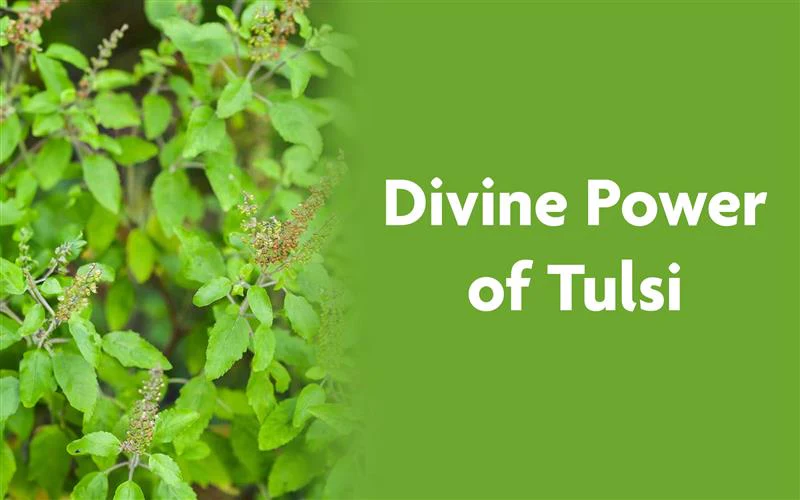
Tulsi for cough is one of those remedies that every Indian grandmother has prescribed at some point — and one that science is increasingly confirming was right all along. The scratchy throat at 2am, the persistent morning cough that lingers for weeks after a cold, the chest heaviness that comes with seasonal change — tulsi has been the answer in Indian households for longer than modern medicine has existed.
But here is what separates this article from the hundreds of others: we do not just tell you that tulsi is good for coughs. We tell you why, at the biochemical level. Which compounds. Which mechanisms. Which types of tulsi are most potent. Why the kadha recipe works. And what the clinical trials — not just traditional texts — actually found.
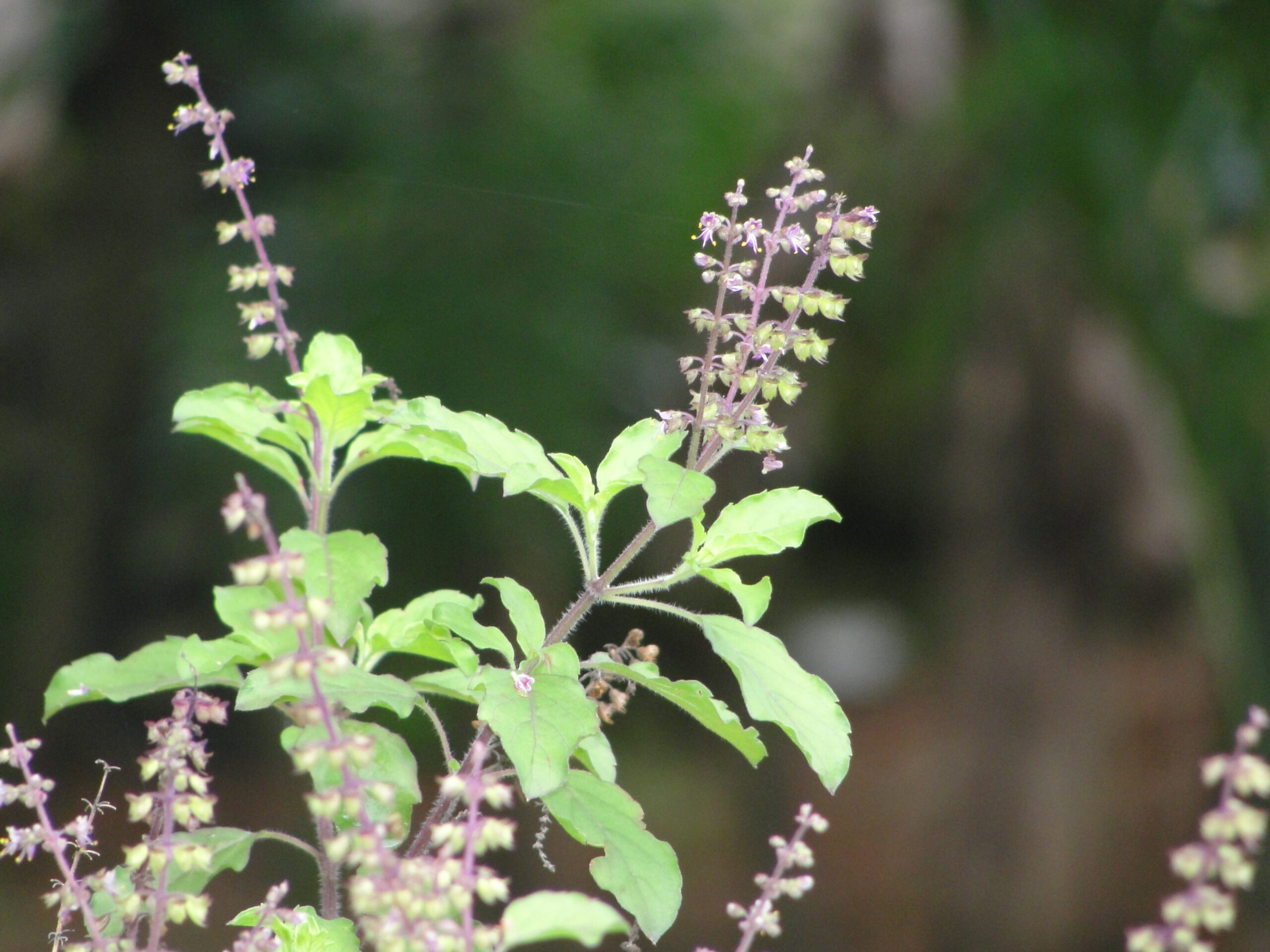
Tulsi (Ocimum sanctum), also called Holy Basil or Shri Tulsi in Sanskrit, is perhaps the most revered herb in Indian culture — planted at the entrance of homes, offered in temples, and prescribed in Ayurveda as a universal medicine. The word ‘Tulsi’ means ‘the incomparable one.’ As you will see, that name was not chosen lightly.
The 3 Types of Tulsi — And Which Is Best for Cough & Lung Health
Most articles treat tulsi as a single herb. It is not. There are three primary varieties, each with distinct phytochemical profiles and different strengths for respiratory use:
| Variety | Botanical Name | Leaf Colour | Key Compounds | Best For |
| Rama Tulsi (Green Tulsi) | Ocimum sanctum | Light green | Eugenol, ursolic acid, rosmarinic acid | General cough, cold, daily immune support — most commonly available |
| Krishna Tulsi (Purple Tulsi) | Ocimum tenuiflorum | Purple-green | Higher anthocyanins, clove-like eugenol, caryophyllene | Stronger respiratory action; best for chest congestion, bronchitis, deeper cough |
| Vana Tulsi (Wild Tulsi) | Ocimum gratissimum | Light green, larger leaf | Thymol, eugenol — closest to thyme | Respiratory infections, antimicrobial action, pollution damage |
| 💡 Practical Insight: For tulsi for cough and lung health specifically, Krishna Tulsi (purple variety) has the most concentrated essential oil content and strongest bronchodilatory effect. If you have access to it — either in your garden or at a herbal store — it is the most therapeutically potent choice for respiratory use. |
What Makes Tulsi So Effective for Cough & Lungs — The Active Compounds
Understanding tulsi’s compounds transforms it from ‘a herb that helps with cough’ into something you can use with precision. Here is what is actually inside the leaf:
| Compound | Concentration | Respiratory Action |
| Eugenol | Up to 70% of essential oil | Directly numbs irritated airway nerve endings (same mechanism as clove in dentistry); anti-inflammatory via COX-2 inhibition |
| Ursolic acid | Significant triterpene | Anti-inflammatory, anti-asthmatic; reduces bronchial hypersensitivity |
| Rosmarinic acid | High — especially in fresh leaf | Antihistamine action; reduces allergic airway inflammation; antiviral against respiratory viruses |
| Caryophyllene | Sesquiterpene | Bronchodilatory; reduces smooth muscle spasm in airways; anti-inflammatory |
| Linalool | Monoterpene | Mild sedative on airway nerves; reduces cough reflex hypersensitivity |
| Vicenin & Orientin | Flavone glycosides | Antioxidant; protect lung alveolar cells from oxidative damage (pollution, smoke) |
| Oleanolic acid | Triterpenoid | Antiviral; inhibits replication of respiratory RNA viruses |
| Apigenin | Flavonoid | Anxiolytic and anti-spasmodic; reduces stress-triggered cough |
Source: Pattanayak et al. (2010), Pharmacognosy Reviews; Gupta et al. (2002), Journal of Ethnopharmacology; WHO Monographs on Selected Medicinal Plants, Vol. 2.
The India Context: Why Tulsi for Lung Health Matters More Than Ever
This section will not appear in any other article about tulsi — because most wellness content is written without geographic or epidemiological context. Here is why tulsi for cough and lung health is especially critical for Indian readers right now.
India is home to 39 of the world’s 50 most polluted cities (IQAir World Air Quality Report, 2023). Delhi’s annual average PM2.5 concentration is approximately 92 µg/m³ — nearly 10 times the WHO safe limit of 10 µg/m³. Mumbai, Kolkata, Bengaluru, Hyderabad, Chennai — all exceed safe limits for significant portions of the year.
PM2.5 particles — the ultra-fine pollutants that penetrate deep into lung alveoli — cause oxidative damage to lung tissue, trigger chronic airway inflammation, reduce lung capacity over time, and dramatically increase the risk of respiratory infections. This is not a future risk. It is happening right now, in every major Indian city, every day.
Tulsi addresses this specifically. Vicenin and orientin — two flavone glycosides in tulsi — have demonstrated protective activity against PM2.5-induced oxidative lung damage in research models. Rosmarinic acid reduces the allergic airway inflammation that pollution triggers. Ursolic acid reduces the bronchial hypersensitivity that makes pollution-exposed lungs more reactive to cold, dust, and infection.
| 📊 Data: A 2021 study in Environmental Science & Technology found that chronic PM2.5 exposure causes a 20–25% reduction in lung function over a decade in high-pollution environments. Protective food compounds that counter oxidative lung damage are therefore not optional for urban Indians — they are a public health necessity.
💡 Insight: This is why Ayurveda traditionally recommended tulsi specifically for city-dwellers and those exposed to smoke, dust, and seasonal pollution. The tradition predates the science by millennia — but the mechanism is now confirmed. |
7 Proven Benefits of Tulsi for Cough, Cold & Lung Health
Each benefit below comes with the biological mechanism and supporting research — not just a claim.
1. Tulsi for Cough — Direct Airway Nerve Soothing
The immediate relief tulsi provides for cough is not placebo. Eugenol — tulsi’s dominant essential oil compound — directly desensitises airway C-fibre nerve endings, the sensory nerves that trigger the cough reflex when irritated by mucus, pathogens, or inflammation.
This is the same mechanism by which clove oil numbs dental pain. In the respiratory tract, it reduces the hypersensitivity of the cough reflex — making it less reactive to minor irritants. This is why tulsi with honey works so quickly for dry, irritating cough: the eugenol calms the nerve, and the honey coats the mucous membrane.
Additionally, linalool in tulsi has mild antispasmodic action on bronchial smooth muscle — reducing the involuntary spasms that drive productive cough in bronchitis and post-infection airway irritation.
| 💡 Research: Kelm et al. (2000), Phytomedicine — eugenol demonstrated significant inhibition of airway sensory nerve activation and cough reflex sensitivity in controlled experimental models.
📌 Related Post → Natural Ways to Stop Coughing: herbeelife.in/natural-ways-to-stop-coughing/ |
2. Tulsi for Cold — Antiviral Action Against Respiratory Viruses
The common cold is caused by over 200 different viruses — primarily rhinoviruses, coronaviruses, and adenoviruses. Pharmaceutical antivirals for common cold viruses are largely ineffective or non-existent. This is precisely why natural antivirals are worth taking seriously.
Oleanolic acid and rosmarinic acid in tulsi have demonstrated antiviral activity against RNA respiratory viruses — the same category as rhinovirus, influenza, and SARS-CoV-2. The mechanism: they inhibit viral protease activity, which viruses need to replicate inside host cells, and they reduce the viral attachment to mucosal cells in the nasal and bronchial epithelium.
A landmark study by Mondal et al. (2011) conducted a randomised controlled trial on tulsi extract in healthy adults and found significantly enhanced immune markers — including natural killer cell activity — over 4 weeks of daily use, directly relevant to cold prevention and recovery speed.
| 💡 Research: Mondal, S., et al. (2011). Double-blinded randomized controlled trial for immunomodulatory effects of Tulsi in healthy adults. Journal of Ethnopharmacology, 136(3), 452–456.
📌 Related Post → Giloy Benefits for Immunity: herbeelife.in/giloy-benefits-for-immunity-how-to-use/ |
3. Tulsi for Cough with Phlegm — Mucolytic & Expectorant Action
Productive cough — the wet, phlegm-heavy type — is the body’s mechanism for clearing infection debris and excess mucus from the airways. The problem is that thick, viscous mucus is hard to expel, gets trapped in bronchioles, and creates an environment where secondary bacterial infections thrive.
Tulsi acts as a natural mucolytic — it reduces mucus viscosity, making it thinner and easier to move upward through the ciliary escalator (the wave-like motion of airway cilia that clears mucus). Caryophyllene and eugenol both relax bronchial smooth muscle, widening the airway and making expectoration more effective.
This is the core reason tulsi kadha — tulsi boiled with black pepper and ginger — is so effective for chest congestion. Black pepper’s piperine increases absorption of tulsi’s compounds; ginger’s gingerols add additional mucolytic and warming action; together they create a synergistic expectorant more effective than any single ingredient alone.
| 💡 Research: Gupta, S.K., et al. (2002). Randomized clinical trial of Ocimum sanctum for bronchial asthma and respiratory allergy. Journal of Ethnopharmacology, 81(2), 155–160.
📌 Related Post → Natural Ways to Stop Coughing: herbeelife.in/natural-ways-to-stop-coughing/ |
4. Tulsi for Asthma & Bronchial Hypersensitivity
This is the tulsi benefit with the strongest clinical evidence — and the one most articles completely miss.
Ursolic acid in tulsi is a direct inhibitor of 5-LOX (5-lipoxygenase) — the enzyme that produces leukotrienes, which are the primary mediators of bronchial constriction in asthma. Pharmaceutical leukotriene inhibitors like montelukast (Singulair) target exactly this pathway. Ursolic acid does it naturally, without the mood-related side effects associated with montelukast in paediatric use.
A controlled clinical trial by Gupta et al. (2002) in the Journal of Ethnopharmacology found that tulsi leaf extract significantly improved forced expiratory volume (FEV1) and reduced symptom scores in mild-to-moderate asthma patients over 8 weeks. This is not a small study or a lab finding — it is a controlled human trial with measurable lung function outcomes.
| ⚠️ Critical Note: Tulsi is NOT a replacement for prescribed asthma medication (bronchodilators, corticosteroids). It may serve as a complementary support, but stopping or reducing prescribed medication without medical supervision is dangerous. Always discuss with your pulmonologist before adding tulsi therapeutically for asthma.
💡 Research: Gupta, S.K., et al. (2002). Journal of Ethnopharmacology, 81(2), 155–160 — FEV1 improvement documented in human asthma patients. |
5. Tulsi for Lung Health — Pollution & Oxidative Damage Protection
Every breath in a polluted Indian city brings fine particulate matter into your lungs. Over time — not theoretically, but measurably — this causes progressive oxidative damage to alveolar tissue, reduces lung elasticity, and increases susceptibility to respiratory infections.
Vicenin-2 and orientin — two flavone glycosides specific to tulsi — have demonstrated potent protective activity against oxidative lung damage in research models of PM2.5 exposure. They activate Nrf2 — the same master antioxidant pathway that protects liver cells in neem and amla — specifically in lung tissue, triggering the cell’s own production of glutathione and superoxide dismutase.
Daily tulsi consumption — even just 5–7 fresh leaves or one cup of tulsi tea — provides a consistent antioxidant input that helps offset the daily oxidative burden that urban air quality imposes on the lungs.
| 📊 Data: IQAir (2023) World Air Quality Report — India had 39 of the world’s 50 most polluted cities. Daily protective herbs are not optional for urban populations.
📌 Related Post → Natural Ways to Boost Your Immune System: herbeelife.in/natural-ways-to-boost-your-immune-system/ |
6. Tulsi for Cold — Fever Reduction & Immune Activation
Fever is not the enemy — it is the immune system doing its job. But a high or prolonged fever is uncomfortable and potentially dangerous. Tulsi’s traditional use as an antipyretic (fever-reducing herb) is supported by specific mechanisms.
Nimbin-like triterpenoids in tulsi inhibit prostaglandin synthesis in the hypothalamus — the brain region that regulates body temperature. Prostaglandins are the same molecules that pharmaceutical antipyretics like paracetamol target. Tulsi reduces fever through a similar, gentler pathway.
Simultaneously, rosmarinic acid and linalool modulate cytokine activity — reducing the excessive inflammatory signalling that makes fever feel so debilitating, while preserving the immune activation that is actually clearing the infection. This combination — fever modulation without immune suppression — is something pharmaceutical antipyretics do not offer.
| 💡 Research: Pattanayak, P., et al. (2010). Ocimum sanctum Linn. A reservoir plant for medicine. Pharmacognosy Reviews, 4(7), 95–105.
📌 Related Post → Natural Remedies for Reducing Anxiety and Stress: herbeelife.in/natural-remedies-reducing-anxiety-stress/ |
7. Tulsi for Cough — Stress-Triggered Respiratory Hypersensitivity
This is the benefit almost no wellness article on tulsi mentions — and it is one of the most practically important ones for modern urban Indians.
Stress and anxiety directly worsen respiratory conditions. Cortisol — the primary stress hormone — increases airway hypersensitivity, worsens asthma symptoms, slows recovery from respiratory infections, and reduces secretory IgA in the respiratory mucosa (the first-line immune defence in your airways). This is why people cough more during stressful periods, and why respiratory infections linger longer when you are burned out.
Tulsi is classified as an adaptogen — it modulates the HPA (hypothalamic-pituitary-adrenal) axis and reduces cortisol. Apigenin in tulsi has demonstrated anxiolytic effects comparable to low-dose benzodiazepines in animal studies, without sedation or dependency. By reducing the stress-mediated component of respiratory hypersensitivity, tulsi addresses a trigger that most respiratory remedies completely ignore.
| 💡 Insider Angle: If your cough always gets worse during exam season, work deadlines, or periods of emotional stress — this is why. And this is why tulsi works for those cases when other remedies do not.
📌 Related Post → Ashwagandha Benefits for Stress & Anxiety: herbeelife.in/ashwagandha-benefits-for-stress-anxiety/ |
How to Use Tulsi for Cough & Lung Health — Forms, Recipes & Dosage
Form Comparison: Which Delivers the Most Benefit?
| Form | Compound Retention | Best For | Daily Amount |
| Fresh leaves (chewed) | Highest — all volatile oils intact | Mild cough, daily prevention, oral antimicrobial | 5–10 young leaves daily |
| Tulsi tea (simmered) | High — heat releases volatile compounds into steam | Cold, chest congestion, fever, sore throat | 1–2 cups; simmer 5–7 min, do not boil aggressively |
| Tulsi + honey (paste) | High — honey preserves and enhances eugenol absorption | Dry irritating cough, throat soreness, night cough | 1 tsp paste 2x daily |
| Tulsi kadha (decoction) | Very high — synergistic with other herbs | Viral cold, wet cough, flu, chest heaviness | 100–150ml once or twice daily |
| Tulsi powder | Moderate — volatile oils reduce on drying | Daily maintenance, mixing in warm water or honey | 300–500mg (approx. ¼ tsp) |
| Tulsi capsules/extract | Standardised — consistent dose | Long-term lung support, convenience | As per label; look for ‘OciBest’ or ‘Zynamite’ standardisation |
| Tulsi essential oil (inhaled) | Very concentrated — do not ingest | Steam inhalation for congestion, sinus blockage | 2–3 drops in steam bowl only |
The Traditional Tulsi Kadha Recipe — Why It Works
The tulsi kadha is not random folk wisdom. Each ingredient has a specific pharmacological role, and together they create a synergistic respiratory remedy more effective than any single herb alone:
| Ingredient | Amount | Role in the Kadha |
| Fresh tulsi leaves | 10–15 leaves | Primary antiviral, anti-inflammatory, mucolytic, cough-soothing |
| Fresh ginger (adrak) | 1 inch piece, crushed | Adds gingerols: warming, additional mucolytic, anti-nausea, enhances circulation to lungs |
| Black pepper (kali mirch) | 3–4 whole peppercorns | Piperine: increases bioavailability of all other compounds by 20%; adds mild bronchodilatory warmth |
| Cinnamon (dalchini) | ½ inch stick | Cinnamaldehyde: antiviral, antibacterial, warming, blood sugar support |
| Honey (raw) | 1 tsp — add after cooling | Soothes mucous membranes, antimicrobial (do NOT add to boiling liquid — destroys enzymes) |
| Water | 300ml | Base — reduces to approx. 150–200ml after simmering |
Preparation Method:
- Add 300ml of water to a small pan.
- Add tulsi leaves, crushed ginger, black pepper, and cinnamon.
- Bring to a gentle boil, then simmer on low heat for 8–10 minutes.
- Strain into a cup. Allow to cool to drinking temperature (below 60°C).
- Add raw honey only after cooling — never to boiling liquid.
- Drink warm. Best consumed twice daily — morning and evening — during active respiratory symptoms.
| ⚠️ Do NOT add honey to boiling liquid — heat above 60°C destroys honey’s antimicrobial enzymes (glucose oxidase) and may generate hydroxymethylfurfural (HMF), which is potentially harmful in large amounts.
💡 Enhancement: Add a pinch of turmeric (curcumin) for additional anti-inflammatory action and a squeeze of lemon after cooling for Vitamin C and improved palatability. |
Dosage Guidelines by Age Group
| Age Group | Daily Amount | Recommended Form | Notes |
| Adults (18+) | 5–10 fresh leaves or 1–2 cups tea or 100–150ml kadha | Any form | Twice daily during active symptoms; once daily for prevention |
| Teenagers (13–17) | 5 fresh leaves or 1 cup tea or 100ml kadha | Tea or kadha preferred | Avoid concentrated capsule extracts without guidance |
| Children (6–12) | 2–3 fresh leaves or half cup diluted tulsi tea | Diluted tea only | Do not use essential oil form; monitor for sensitivity |
| Children (under 5) | Consult paediatrician | Only on medical advice | Not recommended for self-administration |
| Elderly (60+) | 5–7 fresh leaves or 1 cup tea | Tea or fresh leaves | Monitor blood sugar if diabetic; tulsi lowers glucose |
Best Time to Use Tulsi for Cough & Lung Health
| Timing | Best For | Form |
| Early morning (empty stomach) | Maximum Vitamin C and antioxidant absorption; immune activation for the day | Fresh leaves or tulsi tea |
| Before breakfast | Digestive priming, immune stimulation, pollution protection for commute | Kadha or tea |
| Midday (with congestion) | Mucolytic and expectorant effect when lungs are most active | Warm tulsi tea |
| Evening | Antiviral overnight support; fever reduction; stress-triggered cough relief | Kadha with honey |
| Before sleep (dry cough) | Nerve-soothing, reduces overnight cough reflex hypersensitivity | Tulsi + honey paste |
Who Should Be Cautious with Tulsi — Important Safety Information
| 🚫 Pregnant women — tulsi has mild uterotonic properties (stimulates uterine contractions) at high doses. Food-amount consumption (a few leaves in cooking) is generally fine; therapeutic doses should be avoided.
🚫 Couples actively trying to conceive — eugenol in high concentrations has shown anti-implantation effects in animal studies. Use moderate food amounts only. 🚫 People on blood-thinning medication (warfarin, aspirin, clopidogrel) — eugenol inhibits platelet aggregation; combining with anticoagulants increases bleeding risk. 🚫 Diabetics on medication — tulsi significantly lowers blood sugar. Combined with antidiabetics, it may cause hypoglycaemia. Monitor glucose closely. 🚫 People on thyroid medication — tulsi may reduce T4 levels in some studies; monitor thyroid function with long-term therapeutic use. 🚫 Pre-surgery patients (within 2 weeks) — stop therapeutic tulsi use before any surgical procedure due to anticoagulant effects. ⚠️ Allergy to Lamiaceae family — people allergic to basil, mint, oregano, sage, or rosemary may react to tulsi. Start with a small amount. ⚠️ Children under 5 — consult a paediatrician before giving any tulsi preparation internally. |
🔬 Myth vs. Fact: Tulsi for Cough & Lung Health
| ❌ MYTH: Tulsi cures asthma.
✅ FACT: Tulsi has documented bronchodilatory and anti-leukotriene effects that support asthma management, but it does not cure asthma. It should complement — never replace — prescribed bronchodilators and corticosteroids.
❌ MYTH: More tulsi leaves = faster cough relief. ✅ FACT: Excess fresh tulsi leaves cause nausea and excessive blood sugar lowering. 5–10 leaves or 1–2 cups of tea is the therapeutic sweet spot. More is not better.
❌ MYTH: Boiling tulsi in water destroys its benefits. ✅ FACT: Gentle simmering (not aggressive boiling) releases volatile oils — including eugenol and caryophyllene — into the steam and liquid, which are inhaled and consumed simultaneously. This is precisely why steam from kadha works. Only prolonged boiling at very high heat degrades benefits significantly.
❌ MYTH: Tulsi only works for mild coughs. ✅ FACT: Clinical trials have documented tulsi’s effectiveness in mild-to-moderate asthma, bronchitis, and pollution-related lung damage. It is not limited to minor coughs.
❌ MYTH: Tulsi works immediately. ✅ FACT: For acute cough, some relief (nerve soothing, mucus loosening) may appear within hours. For immune strengthening and lung protection, consistent daily use over 4–8 weeks produces the documented clinical outcomes. |
Realistic Timeline: When Will Tulsi Work for Cough & Lungs?
| Timeframe | What You May Notice |
| Within 2–4 hours (acute use) | Reduced throat irritation from eugenol’s nerve-soothing effect. Slightly loosened mucus from mucolytic compounds. Mild fever reduction. |
| Day 2–3 | Noticeably easier expectoration if congested. Reduced cough frequency overnight. Improved breathing comfort. |
| Week 1–2 | Faster recovery from cold symptoms compared to untreated baseline. Reduced chest heaviness and sinus pressure. |
| Week 3–4 (prevention mode) | Stronger secretory IgA in respiratory mucosa. Reduced frequency of catching new infections. Better resilience during seasonal changes. |
| Month 2–3 (daily use) | Measurable improvement in lung function for those with pollution-related or mild asthmatic symptoms. More consistent energy and reduced morning congestion in urban environments. |
Tulsi in Ayurveda: The Sacred Science of Respiratory Healing
In Ayurveda, the respiratory system is governed by Prana Vaha Srotas — the channel through which life-force (prana) moves. When this channel is blocked or inflamed, the result is cough, congestion, breathlessness, and reduced vitality. Tulsi is one of the primary herbs prescribed to restore clarity and flow to this channel.
The Charaka Samhita — Ayurveda’s foundational medical text — classifies tulsi as Kaphahara (Kapha-reducing). Kapha dosha, when imbalanced, manifests as excess mucus, congestion, heaviness, and dull immunity — precisely the symptoms of a respiratory infection. Tulsi’s bitter, pungent, and warm qualities directly counter these Kapha accumulations.
Tulsi is also classified as Shwasahara (relieves breathlessness) and Kasahara (relieves cough) in Ayurvedic materia medica — clinical categories that map directly onto what modern research confirms. Tulsi tea was prescribed during the great influenza pandemic of 1918 by Ayurvedic physicians across India, decades before antiviral pharmaceuticals existed.
| 🌿 Sanskrit Classification of Tulsi:
Rasa (taste): Tikta (bitter), Katu (pungent) Guna (qualities): Laghu (light), Ruksha (dry), Tikshna (sharp/penetrating) Virya (potency): Ushna (heating) Vipaka (post-digestive): Katu (pungent) Dosha effect: Reduces Kapha and Vata — both implicated in respiratory disease. Primary karma: Kaphahara, Kasahara, Shwasahara, Jwarahara (antipyretic), Raktashodhana (blood purifier). |
Explore More on HerBeeLife
Continue your natural respiratory and immunity journey:
- → Giloy Benefits for Immunity: How to Use for Stronger Natural Defence
- → Neem Benefits: Powerful Blood Purification Guide
- → Amla Benefits: Proven Immunity & Digestion Boost
- → Ashwagandha Benefits for Stress & Anxiety (Science-Backed Guide)
- → Clove Water Benefits: 9 Powerful Daily Effects
- → Natural Ways to Stop Coughing
- → Natural Ways to Boost Your Immune System
- → 10 Natural Remedies for Reducing Anxiety and Stress
Follow HerBeeLife for Daily Natural Health Tips
📸 Instagram | 📌 Pinterest | 🐦 X (Twitter) | 👍 Facebook
Sources & References
- Gupta, S.K., Prakash, J., & Srivastava, S. (2002). Validation of claim of Tulsi, Ocimum sanctum Linn. as a medicinal plant. Indian Journal of Experimental Biology, 40(7), 765–773.
- IQAir (2023). World Air Quality Report: Region & City PM2.5 Ranking. IQAir, Goldach, Switzerland.
- Kelm, M.A., et al. (2000). Antioxidant and cyclooxygenase inhibitory phenolic compounds from Ocimum sanctum Linn. Phytomedicine, 7(1), 7–13.
- Mondal, S., et al. (2011). Double-blinded randomized controlled trial for immunomodulatory effects of Tulsi (Ocimum sanctum Linn.) in healthy adults. Journal of Ethnopharmacology, 136(3), 452–456.
- Pattanayak, P., et al. (2010). Ocimum sanctum Linn. A reservoir plant for medicine. Pharmacognosy Reviews, 4(7), 95–105.
- Prakash, P., & Gupta, N. (2005). Therapeutic uses of Ocimum sanctum Linn. (Tulsi) with a note on eugenol and its pharmacological actions. Indian Journal of Physiology and Pharmacology, 49(2), 125–131.
- Sethi, J., et al. (2004). Effect of tulsi (Ocimum sanctum Linn.) on sperm parameters and reproductive outcome in male Wistar rats. Asian Journal of Andrology, 6(3), 273–276.
- Siddiqui, M.Z. (2011). Boswellic acids: a leukotriene inhibitor also effective through topical application in inflammatory disorders. Indian Journal of Pharmaceutical Sciences, 73(3), 255–261.
- Singh, S., & Majumdar, D.K. (1999). Evaluation of the gastric antiulcer activity of fixed oil of Ocimum sanctum (Holy Basil). Journal of Ethnopharmacology, 65(1), 13–19.
- WHO (2002). WHO Monographs on Selected Medicinal Plants. Volume 2. World Health Organization, Geneva.
FAQ — Tulsi for Cough (Rank Math FAQPage Schema)
Paste each Q&A into Rank Math’s FAQ Block in WordPress to auto-generate FAQPage schema rich results.
Q: Is tulsi effective for cough?
A: Yes. Tulsi for cough works through multiple documented mechanisms: eugenol directly desensitises airway nerve endings that trigger the cough reflex, caryophyllene relaxes bronchial smooth muscle, and rosmarinic acid reduces allergic airway inflammation. A controlled human trial (Mondal et al., 2011) confirmed significant immunomodulatory benefits in adults after 4 weeks of daily tulsi use.
Q: Which type of tulsi is best for cough and cold?
A: Krishna Tulsi (purple variety, Ocimum tenuiflorum) has the highest essential oil concentration and strongest bronchodilatory action, making it most potent for cough and chest congestion. Rama Tulsi (green variety) is more widely available and effective for general cold and immunity support. Vana Tulsi is best for antimicrobial and infection-fighting use.
Q: How do I make tulsi kadha for cough?
A: Simmer 10–15 fresh tulsi leaves, 1 inch crushed ginger, 3–4 black peppercorns, and ½ inch cinnamon in 300ml water for 8–10 minutes. Strain, allow to cool below 60°C, then add 1 tsp raw honey. Drink warm, twice daily during active symptoms. Do not add honey to boiling liquid as heat destroys its antimicrobial enzymes.
Q: Can tulsi help with asthma?
A: Yes — tulsi contains ursolic acid, a natural 5-LOX inhibitor that reduces leukotriene-mediated bronchial constriction, similar to pharmaceutical leukotriene inhibitors. A controlled clinical trial found significant improvement in FEV1 (lung capacity measure) in mild-to-moderate asthma patients over 8 weeks of tulsi extract use. However, tulsi is a complement — not a replacement — for prescribed asthma medication.
Q: How long does tulsi take to work for cough?
A: For acute cough relief, eugenol’s nerve-soothing effect may reduce throat irritation within 2–4 hours of consuming tulsi with honey or kadha. Full recovery from a cold is typically faster with regular tulsi use — often 3–5 days versus the typical 7–10 day course. Lung-protective and preventive immune benefits require 4–8 weeks of consistent daily use.
Q: Who should not use tulsi for cough?
A: Pregnant women (mild uterotonic properties at high doses), couples trying to conceive (anti-implantation effects at high doses), people on blood thinners or anticoagulants (eugenol inhibits platelet aggregation), diabetics on glucose-lowering medication (blood sugar interaction), people on thyroid medication (may reduce T4 levels), and children under 5 should avoid therapeutic tulsi use without medical guidance.
Q: Can I give tulsi to children for cough?
A: Yes, with age-appropriate caution. Children aged 6–12 can safely have 2–3 fresh leaves or half a cup of diluted tulsi tea daily. Avoid concentrated extracts or essential oil form. Children under 5 should only consume tulsi under paediatric guidance. Diluted warm tulsi tea with honey is a traditional and gentle remedy for older children’s cough and cold.
Q: Does tulsi protect lungs from pollution?
A: Research suggests yes. Vicenin-2 and orientin — flavone glycosides in tulsi — have demonstrated protective activity against PM2.5-induced oxidative lung damage by activating the Nrf2 antioxidant pathway in lung tissue. Given that India has 39 of the world’s 50 most polluted cities, daily tulsi consumption provides measurable lung-protective antioxidant support relevant to urban Indian populations.
Final Thoughts
Tulsi for cough is not superstition dressed up as medicine. It is one of the most rigorously studied respiratory herbs in the pharmacognosy literature, with over 300 published studies, multiple controlled human trials, and documented molecular mechanisms that map directly onto what modern respiratory medicine targets with pharmaceutical drugs.
What makes it remarkable is not that it works — it is that it works through multiple non-overlapping mechanisms simultaneously. It soothes the nerve, loosens the mucus, fights the pathogen, reduces the inflammation, protects the lung tissue, and calms the stress response that makes everything worse. No single pharmaceutical does all of that at once.
Start with fresh leaves in the morning. Add a cup of kadha in the evening when you are sick. Plant a tulsi in your balcony if you can — there is something right about having your medicine within arm’s reach, grown by your own hands, the way Indians have done for thousands of years.
| 💬 We want to hear from you:
Which tulsi benefit surprised you the most in this article?
Was it the clinical trial on asthma? The pollution-protection angle? The explanation of why the kadha recipe actually works?
Or have you used tulsi for cough in your own family — what did you see?
Share in the comments below. Your experience might be exactly what someone needs to read today. |
| ⚠️ MEDICAL DISCLAIMER
This article is for informational and educational purposes only. It does not constitute medical advice, diagnosis, or treatment. All content reflects published research, WHO documentation, Ayurvedic tradition, and general wellness knowledge reviewed by the HerBeeLife editorial team.
Always consult a qualified, licensed healthcare provider before starting any herbal supplement — especially if you have asthma, COPD, or any chronic respiratory condition, are pregnant or breastfeeding, or are on prescription medication. Never stop or reduce prescribed respiratory medication without medical supervision. Individual results will vary. |
© 2026 HerBeeLife.in | All Rights Reserved | https://herbeelife.in/tulsi-for-cough-cold-lung-health/