

Why “All Your Tests Are Normal” Often Means the Wrong Tests Were Done
The most frustrating experience for someone with persistent body aches is being told that all their tests are “normal” — and feeling dismissed. But “normal” refers only to the specific tests that were done. The standard minimum blood panel ordered for body pain in India typically includes: CBC, basic liver and kidney function, random blood glucose, and sometimes CRP. This panel will not detect: Vitamin D deficiency (the most common cause), hypothyroidism (if only TSH is done and interpreted with old reference ranges), magnesium deficiency (serum magnesium misses intracellular depletion), Vitamin B12 deficiency (particularly relevant in vegetarians), or fibromyalgia (there is no blood test — it is a clinical diagnosis).
Vitamin D receptors (VDRs) are expressed throughout skeletal muscle fibres — Vitamin D directly regulates calcium handling within muscle cells, muscle protein synthesis, and mitochondrial function in muscle tissue. Deficiency produces a characteristic syndrome: deep, diffuse aching in muscles, bones (particularly the shins, back, ribs, and hips), and joints — described by patients as “pain deep in the bone” or “feeling like the flu without fever.” The pain is typically worse in the morning, worse after rest, and may be associated with proximal muscle weakness (difficulty climbing stairs, rising from a chair, lifting arms above the head).
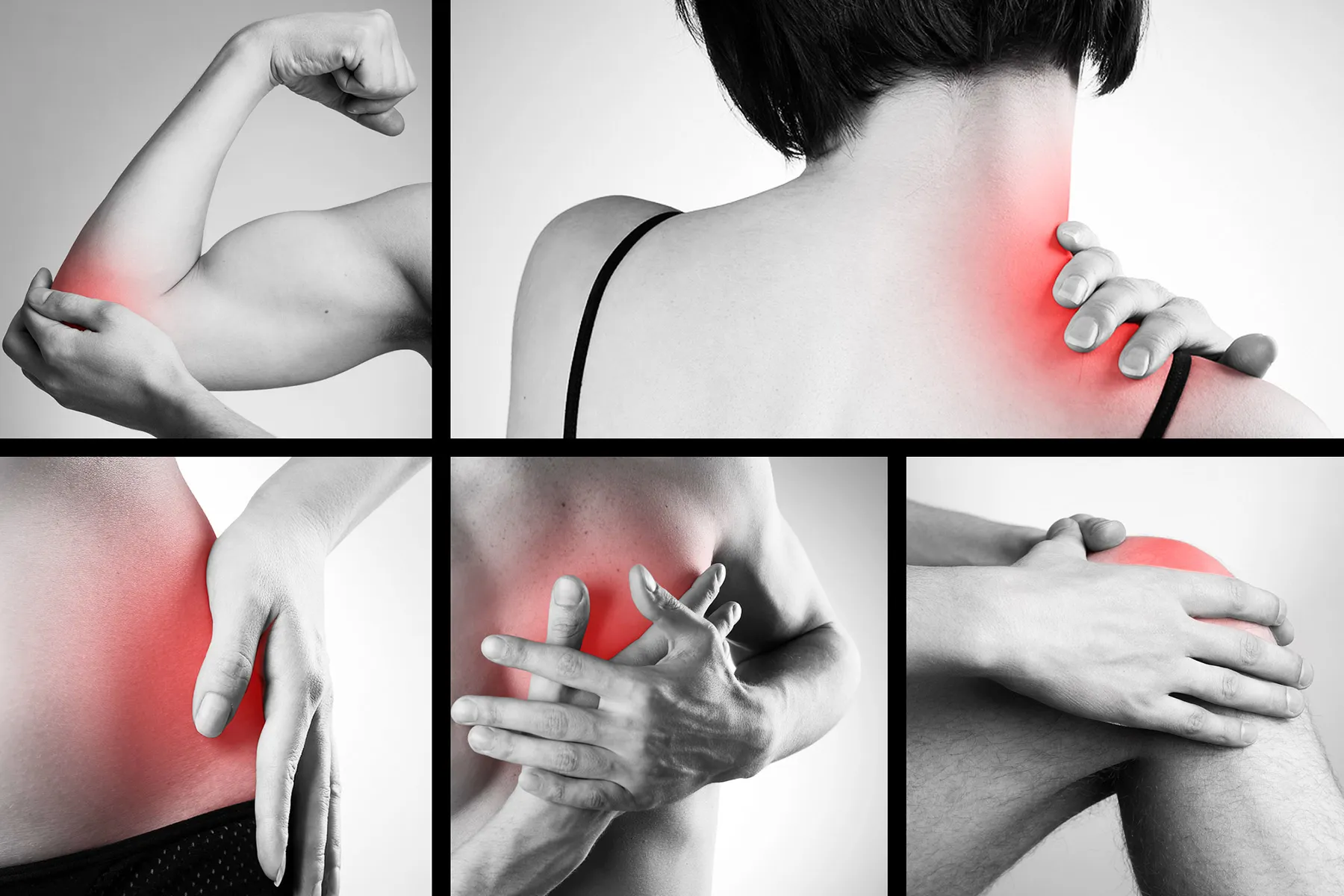
The India paradox: despite abundant sunlight, approximately 70% of urban Indians are Vitamin D deficient. Indoor office work (8–10 hours/day without sunlight exposure), traditional clothing covering most skin, high melanin (darker skin requires 3–6x longer sun exposure than fair skin for equivalent synthesis), heavy air pollution that blocks UVB radiation, and glass windows (which block UVB) all prevent adequate synthesis. The vegetarian and vegan population has additional risk — Vitamin D3 is found almost exclusively in animal foods (fatty fish, egg yolks, liver). Critically: Vitamin D cannot be activated without adequate magnesium — making combined Vitamin D + magnesium deficiency a compounding pain driver.
⚗️ VDRs in skeletal muscle regulate Ca²⁺ handling + protein synthesis | 70% urban Indians deficient | Mg required for both D3 hydroxylation steps — combined deficiency compounds pain
- Supplement:Vitamin D3 (cholecalciferol) 2,000–4,000 IU daily with a fat-containing meal — D3 is fat-soluble, requires dietary fat for absorption. Always with Vitamin K2 (100–200mcg MK-7 form) — directs calcium to bone rather than arteries. Always with magnesium glycinate 300–400mg — without magnesium, Vitamin D cannot be converted to its active hormonal form (calcitriol).
- Sunlight:15–30 minutes of direct midday sun (10am–2pm) on uncovered arms and face daily — this time of day provides the UVB wavelength needed for synthesis. Earlier morning or late afternoon sun provides insufficient UVB. Sunscreen and glass block UVB completely.
- Dietary sources:Fatty fish (surmai, rohu, mackerel — 2–3 servings weekly for non-vegetarians), egg yolks (2–3 daily), fortified milk. Plant sources are inadequate for correction of established deficiency.
- Timeline:Pain improvement typically begins at 4–6 weeks after adequate supplementation in deficient individuals; full correction takes 3–6 months. Retest 25-OH Vitamin D at 3 months to confirm adequate dosing.
Magnesium deficiency is discussed in detail in our companion guide — What Magnesium Deficiency Does to Your Body — but its role in body pain is central enough to summarise here. Calcium drives muscle contraction; magnesium drives muscle relaxation through Ca²⁺-ATPase pump function. Without adequate magnesium, muscles contract and cannot fully release — producing the chronic tension, tightness, and aching that is characteristic of magnesium-deficiency myalgia. The neural hyperexcitability from reduced NMDA receptor block additionally lowers the pain threshold — so normal sensations feel more painful than they should. The most characteristic presentation: muscle aches that are present even at rest, worsen with stress (stress depletes magnesium through cortisol-driven renal excretion), and are accompanied by muscle twitching (eyelid flicker), restless legs, and poor sleep.
- Magnesium glycinate 300–400mg at bedtime — most effective form for muscle and neural symptoms
- Dietary: til (sesame, 350mg/100g), pumpkin seeds, ragi, almonds, dark chocolate, palak
- Epsom salt bath (magnesium sulphate): dissolve 2 cups in a warm bath — transdermal absorption provides both magnesium and direct muscle relaxation from warmth
- Improvement typically within 1–2 weeks of adequate supplementation
Iron deficiency: Haemoglobin (which requires iron) carries oxygen to muscle tissue. When iron is deficient — particularly at the ferritin level (stored iron can be low while haemoglobin remains normal) — muscle tissue receives less oxygen. Oxygen-deprived muscle produces lactic acid faster and recovers more slowly from exertion, producing the characteristic muscle fatigue and aching after minimal activity associated with iron deficiency. The WHO estimates 53% of Indian women are iron deficient. Serum ferritin below 30 ng/mL is the most sensitive marker — haemoglobin alone misses most early deficiency. Related: Why Your Hair Is Falling Out Suddenly — Ferritin Connection
Vitamin B12 deficiency: Vitamin B12 is essential for myelin synthesis — the protective sheath surrounding nerve fibres. Deficiency produces demyelination: nerve signals become erratic, producing burning, tingling, and shooting pain (neuropathic pain) particularly in the hands and feet (peripheral neuropathy), alongside muscle weakness. B12 deficiency is extremely prevalent in India — the strict vegetarian and vegan population cannot obtain B12 from plant foods (B12 is found only in animal products), and Metformin (one of the most commonly prescribed diabetes medications in India) depletes B12 through ileal absorption interference. The pain of B12 deficiency is neurological in character rather than the deep muscle aching of Vitamin D — burning, electric, or pins-and-needles rather than dull and aching.
⚗️ Ferritin <30 ng/mL → muscle O₂ starvation even with normal Hb | B12 demyelination = neuropathic burning pain | 53% Indian women iron deficient | Metformin: ileal B12 transport inhibition
Hypothyroidism (underactive thyroid) produces a specific and frequently missed cause of body pain: hypothyroid myopathy. Thyroid hormones (T3 and T4) regulate the rate of muscle protein synthesis, muscle energy metabolism (including ATP production through mitochondrial oxidative phosphorylation), and the speed of muscle contraction-relaxation cycling. Deficiency produces: generalised muscle aching and stiffness (particularly worse in the morning and with cold), proximal muscle weakness (difficulty lifting, climbing), muscle cramps, and an elevated creatine phosphokinase (CPK) — the enzyme released from damaged or metabolically stressed muscle cells. The combination of muscle aching + CPK elevation + other hypothyroid symptoms (fatigue, weight gain, cold intolerance, dry skin, constipation, outer eyebrow loss) is classic hypothyroid myopathy and resolves completely with thyroid hormone replacement.
A frequently missed diagnostic nuance: subclinical hypothyroidism (TSH 2.5–4.5 mIU/L — within the “normal” range by old laboratory standards but above optimal for many individuals) can produce myopathic symptoms including body aching. If TSH is in the upper normal range and multiple hypothyroid symptoms are present — request Free T3 and Free T4 for a complete assessment rather than accepting “normal TSH” as a complete answer.
⚗️ T3/T4 regulate muscle ATP synthesis + contraction-relaxation cycling | CPK elevated in hypothyroid myopathy | Completely reversible with thyroid hormone replacement
- Thyroid hormone replacement (levothyroxine) under endocrinologist guidance is the primary treatment — myopathy resolves with adequate hormone replacement, typically within 3–6 months
- Selenium100–200mcg daily — selenium is required for thyroid hormone conversion (T4 → T3); deficiency worsens hypothyroid symptoms. Brazil nuts (2 per day), sunflower seeds, eggs
- Selenium + Vitamin D + magnesium— all three support thyroid function and muscle metabolism. Many hypothyroid patients have all three deficiencies simultaneously
- Avoid raw goitrogens in large quantities (raw cabbage, raw kale) — cooking reduces goitrogenic activity
Chronic stress causes physical body pain through documented physiological mechanisms — not just psychologically. Elevated cortisol promotes pro-inflammatory cytokine production (IL-6, TNF-α) that directly activates nociceptors (pain receptors) in muscle and connective tissue. Simultaneously, sympathetic nervous system activation from chronic stress produces tonic muscle contraction — particularly in the neck, shoulders, jaw (TMJ), and lower back. Sustained muscle contraction reduces local blood flow, producing muscle ischaemia and lactic acid accumulation — the same biochemical mechanism behind exercise-induced muscle soreness, occurring at rest without any exercise. The result: the chronic neck stiffness, shoulder tension, headaches, and lower back aching that characterises the Indian urban professional — desk-bound, screen-exposed, deadline-driven, chronically stressed.
The stress pain cycle: stress → muscle tension → ischaemia → pain → more stress (pain is itself a stressor). Interrupting this cycle requires addressing both the psychological stress and the physical muscle tension simultaneously. For a comprehensive cortisol guide: How to Reduce Cortisol Naturally
⚗️ Cortisol → IL-6 + TNF-α → nociceptor activation | Sympathetic activation → tonic muscle contraction → ischaemia → lactic acid → pain | Classic stress-pain locations: neck + shoulders + TMJ + lower back
- Magnesium glycinate 300–400mg at bedtime— directly relaxes muscle tone (Ca²⁺-ATPase restoration) and reduces cortisol HPA reactivity simultaneously
- Heat therapy— warm shower, hot water bottle, or heating pad to affected muscle groups. Heat increases local blood flow, reverses ischaemia, and reduces lactic acid accumulation
- Progressive muscle relaxation (PMR)— systematically tensing and releasing each muscle group. A 2018 meta-analysis confirmed PMR significantly reduces musculoskeletal pain
- Pranayama daily— Nadi Shodhana (alternate nostril breathing) reduces cortisol. Reduces the inflammatory cytokine burden driving pain
- Physical movement— gentle yoga or walking breaks every 60–90 minutes during desk work. Seated immobility worsens ischaemia and lactic acid accumulation in the muscles most affected by stress tension
The modern Indian urban diet — high in refined carbohydrates (white rice, maida), added sugar, refined vegetable oils rich in omega-6 fatty acids (sunflower, soybean oil), trans fats (vanaspati, commercial fried foods), and ultra-processed foods — produces chronic low-grade systemic inflammation through several converging mechanisms. Advanced glycation end-products (AGEs) from sugar-protein reactions activate the RAGE receptor and NF-kB. Omega-6 arachidonic acid from refined oils is the substrate for pro-inflammatory prostaglandins and leukotrienes. Ultra-processed food additives (emulsifiers, preservatives) disrupt gut barrier integrity, allowing bacterial lipopolysaccharides (LPS) to enter the bloodstream — triggering systemic inflammatory responses. The result: chronically elevated CRP and inflammatory cytokines (IL-6, TNF-α) that activate nociceptors throughout the body, producing a diffuse inflammatory body aching that varies from day to day but never fully resolves.
⚗️ AGEs → RAGE receptor → NF-kB → IL-6, TNF-α | Omega-6 arachidonic acid → PGE2 + LTB4 | LPS intestinal translocation → systemic inflammation → nociceptor activation
- Increase omega-3 (walnuts, flaxseed, fatty fish 2–3 weekly) — shifts prostaglandin balance from inflammatory 2-series to anti-inflammatory 3-series
- Turmeric + black pepper daily (NF-kB inhibition — the most evidence-backed dietary anti-inflammatory): haldi doodh or in all cooking. See: Health Benefits of Turmeric
- Eliminate added sugar, refined oils, trans fats, and ultra-processed foods
- Switch cooking oil to mustard oil (high omega-3 ALA) or cold-pressed coconut oil (anti-inflammatory medium-chain triglycerides)
- Daily amla (Vitamin C — antioxidant protection against AGE formation)
- Anti-inflammatory improvement typically measurable (reduced aching, better energy) within 3–4 weeks of dietary change
Fibromyalgia is not an inflammatory condition — it is a central sensitisation syndrome where the brain and spinal cord’s pain processing system becomes dysregulated, amplifying pain signals throughout the body without underlying tissue damage. The result: widespread pain that moves, fluctuates, and does not correspond to identifiable physical injury. Associated features: profound fatigue (unrefreshing sleep — the most consistent feature), cognitive difficulties (“fibro fog” — word-finding difficulty, poor concentration, memory problems), heightened sensitivity to touch, temperature, sound, and light, and often co-occurring with anxiety, depression, and IBS. Blood tests are entirely normal — there is no fibromyalgia blood test. The diagnosis is clinical, based on the 2016 American College of Rheumatology criteria: widespread pain for 3+ months + fatigue/sleep/cognitive symptoms + absence of other explanation.
The India-specific challenge: fibromyalgia is significantly underdiagnosed — the cultural normalisation of chronic body pain, the lack of specialist awareness in primary care, and the absence of a diagnostic blood test mean most patients are either told “nothing is wrong” or are diagnosed with depression and treated inappropriately. The evidence-based management: low-impact aerobic exercise is the most evidence-backed intervention (graded exercise therapy reduces central sensitisation over 3–6 months), CBT for pain catastrophising, optimising sleep (poor sleep worsens central sensitisation), and in selected cases low-dose tricyclic antidepressants or pregabalin under specialist guidance.
⚗️ Central sensitisation: spinal cord wind-up + reduced descending inhibition | Substance P elevated in CSF | Blood tests: entirely normal | Exercise therapy: most evidence-backed intervention
- Graded exercise:Start with 10 minutes of gentle walking daily, increase by 10% per week. Resistance training added after 4–6 weeks. This is the single most evidence-backed fibromyalgia intervention — it gradually desensitises central pain processing over 3–6 months
- Optimise sleep:Magnesium glycinate at bedtime + consistent sleep timing + ashwagandha — fibromyalgia is dramatically worsened by poor sleep (sleep deprivation increases substance P)
- Magnesium malatespecifically — malate participates in the citric acid cycle, supporting the impaired muscle energy metabolism of fibromyalgia. 300–400mg daily
- Warm hydrotherapy:Warm pool exercise (aquatherapy) provides exercise with minimal impact — particularly helpful for those whose pain limits land exercise. Multiple RCTs confirm aquatherapy significantly reduces fibromyalgia pain
- Specialist rheumatologist or pain medicine consultation for severe or treatment-resistant cases
Post-viral body pain — generalised musculoskeletal aching, fatigue, and cognitive difficulties persisting weeks to months after an acute viral infection — has become one of the most prevalent pain syndromes in India since 2020–2022. Post-COVID long hauler myalgia affects an estimated 20–30% of COVID-19 survivors; similar post-viral syndromes follow dengue, typhoid, chikungunya, and influenza. The mechanisms: persistent micro-inflammation (viral antigens and immune complexes trigger ongoing low-level inflammatory cytokine production long after the acute infection resolves); mitochondrial dysfunction (viral infections — particularly COVID-19 — impair mitochondrial electron transport chain function, reducing cellular ATP production and producing the profound fatigue and muscle aching of energy-depleted tissue); and post-viral autonomic nervous system dysregulation (postural orthostatic tachycardia syndrome, or POTS, is common after COVID — producing light-headedness and aching with any exertion).
The diagnostic difficulty: standard blood tests are often entirely normal in post-viral syndromes. hsCRP may be mildly elevated. Ferritin is often elevated (acute phase reactant). But the key marker — mitochondrial function — is not measured in routine blood panels. The clinical diagnosis is based on temporal relationship: body pain began after or during an acute viral illness, has not resolved, and blood tests do not reveal another cause. The post-COVID myalgia characteristic: aching that worsens with exertion (post-exertional malaise — PEM) and does not improve with rest the way ordinary muscle soreness would. For hair fall after COVID: Why Your Hair Is Falling Out Suddenly
⚗️ COVID-19 mitochondrial Complex I impairment → reduced ATP → muscle energy depletion → pain | Persistent immune activation: IL-6, TNF-α for months post-infection | PEM distinguishes post-viral from other causes
- Pacing (most important):Do NOT push through post-exertional malaise. PEM worsens the condition. Activity within the “energy envelope” — stopping before exhaustion, not after. This is counterintuitive but essential for post-viral recovery
- CoQ10 200–400mg daily:Coenzyme Q10 supports mitochondrial electron transport chain — the impaired system in post-viral fatigue. Multiple studies support CoQ10 for post-viral fatigue syndromes
- Vitamin D3 + magnesium:Post-viral individuals are frequently depleted in both; correction reduces pain burden and supports immune resolution
- Omega-3 fatty acids (EPA + DHA 2000mg daily):Reduces the persistent inflammatory cytokine burden driving post-viral myalgia
- Ashwagandha 300mg twice daily:Adaptogenic support for adrenal and immune dysregulation post-viral — multiple studies support ashwagandha for post-viral fatigue
- Graded activity restoration very gradually— starting with 5 minutes daily, increasing by 1 minute weekly if no PEM is triggered
The Body Pain Blood Test Guide — Request This Panel
| Test | What It Detects | Target / Concerning Value | Action If Abnormal |
|---|---|---|---|
| 25-OH Vitamin D | Vitamin D status — most commonly missed cause of body pain | 40–60 ng/mL optimal | Below 20: deficient | D3 2,000–4,000 IU + K2 + Magnesium daily |
| TSH + Free T3/T4 | Thyroid dysfunction — hypothyroid myopathy | TSH 0.5–2.5 mIU/L optimal | Above 4.5: hypothyroid | Endocrinologist assessment; levothyroxine if indicated |
| CPK (Creatine phosphokinase) | Muscle damage/inflammation — elevated in hypothyroid myopathy, myositis | Normal: below 200 U/L | Elevated: muscle stress or damage | Investigate cause — hypothyroid? Myositis? |
| CBC + Serum ferritin | Anaemia, iron deficiency | Ferritin: above 30 ng/mL minimum; Haemoglobin: above 12g/dL (women) | Iron supplementation + dietary correction + Vitamin C |
| Vitamin B12 | Neuropathic pain, nerve damage — common in vegetarians + Metformin users | Above 300 pg/mL | Below 200: deficient | B12 supplementation (methylcobalamin 500–1000mcg daily) |
| hsCRP + ESR | Systemic inflammation — elevated in RA, lupus, inflammatory conditions | hsCRP: below 1 mg/L optimal | ESR: below 20mm/hr (women <50) | Further rheumatological investigation if elevated |
| ANA (Anti-nuclear antibody) | Autoimmune conditions — lupus, Sjögren’s, MCTD | Negative normal | Positive: titres and pattern determine significance | Rheumatology referral if positive with symptoms |
| Rheumatoid factor + Anti-CCP | Rheumatoid arthritis | Negative normal | Anti-CCP more specific than RF | Rheumatology referral; early treatment prevents joint damage |
| Uric acid | Gout — intermittent pain in big toe, ankle, knee | Below 6 mg/dL (women), below 7 (men) | Dietary purine reduction; allopurinol if elevated + symptomatic |
| Fasting glucose + HbA1c | Diabetes — peripheral neuropathy causes burning pain in extremities | FBG below 100 | HbA1c below 5.7% | Glycaemic control; B12 if on Metformin |
| Serum magnesium | Gross magnesium deficiency — note: misses intracellular depletion | 1.8–2.4 mg/dL | Low normal: consider trial supplementation | Magnesium glycinate supplementation + dietary correction |
Evidence-Backed Natural Pain Relief — While the Cause Is Being Addressed
Body Pain Myths vs. Facts
“If all my blood tests are normal, the pain must be in my head.”
“Normal tests” reflects the tests that were done — not the absence of a real problem. Vitamin D deficiency (missed without specific testing), intracellular magnesium depletion (missed by serum Mg), subclinical hypothyroidism (missed without Free T3/T4), fibromyalgia (no blood test), and post-viral mitochondrial dysfunction (not measured in routine panels) all produce real physical pain while leaving standard blood panels entirely normal. The pain is real. The cause is identifiable with the right tests.
“Body pain that moves around must be ‘just stress’ or anxiety.”
Migrating, variable body pain is the clinical signature of fibromyalgia (central sensitisation), autoimmune conditions (RA, lupus — pain migrates with disease activity), and post-viral syndromes. While stress worsens all pain conditions, dismissing migrating pain as “just stress” delays the diagnosis of treatable medical conditions. A full evaluation is warranted before attributing widespread variable pain purely to psychological causes.
“Taking painkillers every day is the best management for chronic body pain.”
NSAIDs and paracetamol mask symptoms without addressing causes. Chronic NSAID use causes GI ulceration, kidney impairment, and cardiovascular risk — all serious long-term harms. For most chronic body pain causes in India, targeted nutritional correction (Vitamin D, magnesium, iron, B12), hormonal treatment (thyroid), anti-inflammatory dietary changes, and movement therapy address the root cause and resolve pain — eliminating the need for daily analgesics.
High fever (above 38.5°C): Serious infection — dengue, typhoid, septic arthritis, or other febrile illness requires urgent evaluation.
Significant unexplained weight loss: The combination of widespread pain + weight loss requires urgent evaluation to exclude malignancy, particularly lymphoma and multiple myeloma.
Swollen, red, hot joints: Inflammatory arthritis (RA, psoriatic arthritis, reactive arthritis, gout) — requires specialist assessment. Early treatment prevents joint destruction.
Severe muscle weakness (not just fatigue — inability to rise from chair, hold arms up, swallow): Possible polymyositis, dermatomyositis, or severe hypothyroid myopathy — all require urgent specialist evaluation.
Headache + jaw pain + scalp tenderness in adults over 50: Possible giant cell arteritis — a vascular emergency that can cause blindness. Urgent ophthalmological and rheumatological evaluation.
Neurological symptoms alongside pain: Numbness, weakness, bowel or bladder changes — requires neurological evaluation to exclude spinal cord pathology or peripheral nerve disease.
Frequently Asked Questions
The most common causes in India, in order of prevalence: (1) Vitamin D deficiency (70% of urban Indians — produces deep bone-muscle aching, worse in morning, proximal weakness); (2) Chronic stress and cortisol elevation (tonic muscle tension → ischaemia → lactic acid → aching in neck, shoulders, back); (3) Hypothyroidism (hypothyroid myopathy — muscle stiffness, weakness, elevated CPK); (4) Magnesium deficiency (Ca²⁺-ATPase failure → muscle cannot relax → chronic tension pain); (5) Post-viral syndrome (post-COVID myalgia — worsens with exertion); (6) Iron/B12 deficiency; (7) Dietary inflammation; (8) Fibromyalgia (central sensitisation — all blood tests normal). Request the comprehensive blood panel listed in this guide — it identifies the correctable cause in the majority of cases.
Yes — Vitamin D deficiency is the most common single correctable cause of persistent body aches in India. Vitamin D receptors in skeletal muscle regulate calcium handling and protein synthesis; deficiency produces deep diffuse aching in muscles, bones (particularly shins, back, ribs, hips), and joints. Affects 70% of urban Indians due to indoor lifestyles, full skin coverage, and melanin-related synthesis reduction. Test: 25-OH Vitamin D (target 40–60 ng/mL). Treatment: D3 2,000–4,000 IU daily with K2 and magnesium (required for D3 activation). Pain typically improves within 6–12 weeks of adequate supplementation.
Most persistent body aches in otherwise healthy adults are caused by correctable nutritional deficiencies, hormonal imbalances, or lifestyle factors — not serious pathology. Requires urgent medical evaluation if accompanied by: high fever, significant unexplained weight loss, swollen/red/hot joints, severe muscle weakness (not fatigue — inability to rise from chair or hold arms up), headache + jaw pain in adults over 50, or neurological symptoms. If aches have persisted more than 4 weeks without improvement: get the comprehensive blood panel. The goal is efficient diagnosis, not alarm.
Fibromyalgia is central sensitisation — the brain amplifies pain signals throughout the body without tissue damage. No inflammation on blood tests. Affects 2–4% of the population (predominantly women). Significantly underdiagnosed in India. Diagnostic features: widespread pain for 3+ months + fatigue + brain fog + heightened sensory sensitivity + all blood tests normal. Management: graded aerobic exercise (most evidence-backed), optimising sleep, magnesium malate, warm hydrotherapy, and in selected cases specialist pharmacological management. See a rheumatologist for formal diagnosis.
The comprehensive India-specific body pain panel: 25-OH Vitamin D, TSH + Free T3/T4, CPK, CBC + serum ferritin, Vitamin B12, hsCRP + ESR, ANA, rheumatoid factor + anti-CCP (if joint pain), uric acid, fasting glucose + HbA1c, and serum magnesium. Print the table from this article and bring it to your appointment — requesting the full panel in one blood draw is the most efficient approach to identifying the correctable cause. In most cases, at least one correctable deficiency or condition will be identified.
Related Articles You’ll Love
Body pain that has no clear injury behind it is not imaginary. It is not “just stress.” It is not an inevitable consequence of ageing or working hard. It is a signal from a body that is missing something — a vitamin, a mineral, a hormone, or the resolution of an immune activation that a viral illness started months ago. Every signal has a source. Every source has a name. Every name has a correction.
The most important step: the right blood tests, read with the right knowledge. The single most commonly correctable cause — Vitamin D deficiency, affecting 70% of urban Indians — is resolved in most cases with a supplement that costs less than a week’s worth of painkillers. The supplement works. The painkiller masks.
Find the cause. Correct it. Give your body the chance to feel the way it is supposed to feel. 🌿Which cause resonated with your experience — the deep bone aching of Vitamin D deficiency, the morning stiffness of hypothyroid myopathy, the post-COVID pain that worsens with any exertion, or the stress tension that lives in your neck and shoulders? Share this with everyone suffering with body pain that doctors haven’t been able to explain. 👇
Sources & Further Reading
- Archives of Internal Medicine (2008) — Vitamin D Deficiency and Musculoskeletal Pain: Systematic Review of the Evidence
- Journal of Evidence-Based Complementary Medicine (2015) — Ashwagandha RCT: Significant Reduction in Knee OA Pain and Disability
- Phytotherapy Research (2018) — Curcumin Meta-analysis: Efficacy for Musculoskeletal Pain — Comparable to NSAIDs
- Arthritis Research and Therapy (2010) — Fibromyalgia: Central Sensitisation — Pathophysiology and Management Review
- Nature Reviews Rheumatology (2021) — Post-COVID Myalgia: Mechanisms of Persistent Musculoskeletal Pain After COVID-19
- Pain Medicine (2016) — Omega-3 Fatty Acids and Musculoskeletal Pain: Systematic Review and Meta-analysis
- HerbeeLife — What Magnesium Deficiency Does to Your Body: The Complete Guide
- HerbeeLife — Natural Health & Ayurvedic Wellness
Disclaimer: This content is for informational and educational purposes only and does not constitute medical advice. Persistent body pain — particularly with fever, weight loss, joint swelling, or neurological symptoms — requires prompt medical evaluation. Never discontinue prescribed medications without medical guidance. Read full disclaimer →