
Your Body’s Actual Detox System — What It Is and What It Needs
Before any food recommendation means anything, the biology needs to be clear. “Detox” in the medically literal sense refers to the body’s enzymatic processing of endogenous waste (metabolic byproducts the body produces internally) and exogenous xenobiotics (external chemicals including medications, environmental pollutants, food additives, alcohol) — converting them from fat-soluble forms (which would accumulate in fat tissue if not processed) into water-soluble forms that can be excreted.
Glutathione is the liver’s master antioxidant and its primary Phase 2 conjugating agent. It is a tripeptide (glutamine + cysteine + glycine) synthesised in the liver — and it is the single most important molecule for hepatic detoxification. Glutathione directly conjugates Phase 1 reactive intermediates (preventing them from damaging hepatocytes), regenerates other antioxidants (Vitamin C and E), and protects liver cells from the oxidative stress of their own detoxification work. Without adequate glutathione: Phase 1 reactive intermediates accumulate and damage liver tissue. With adequate glutathione: the entire detox system runs efficiently and hepatocytes are protected. Foods and nutrients that support glutathione: cruciferous vegetables (sulforaphane induces Nrf2 → glutathione synthesis upregulation), Vitamin C (directly regenerates oxidised glutathione), N-acetylcysteine (NAC — provides cysteine, the rate-limiting glutathione precursor), magnesium (glutathione synthesis requires Mg-dependent enzymes), and sulphur-rich foods (garlic, onion, eggs — provide sulphur for cysteine synthesis).
The Detox Myths — Cleared Away First, So the Real Information Can Land
Foods That Genuinely Support Your Body’s Detox Pathways — With the Mechanisms
These are not miracle detoxers. They are foods that provide the specific nutrients, enzyme inducers, antioxidants, and structural support that the liver, kidneys, and gut need to do their work optimally. Organised by detox pathway supported.
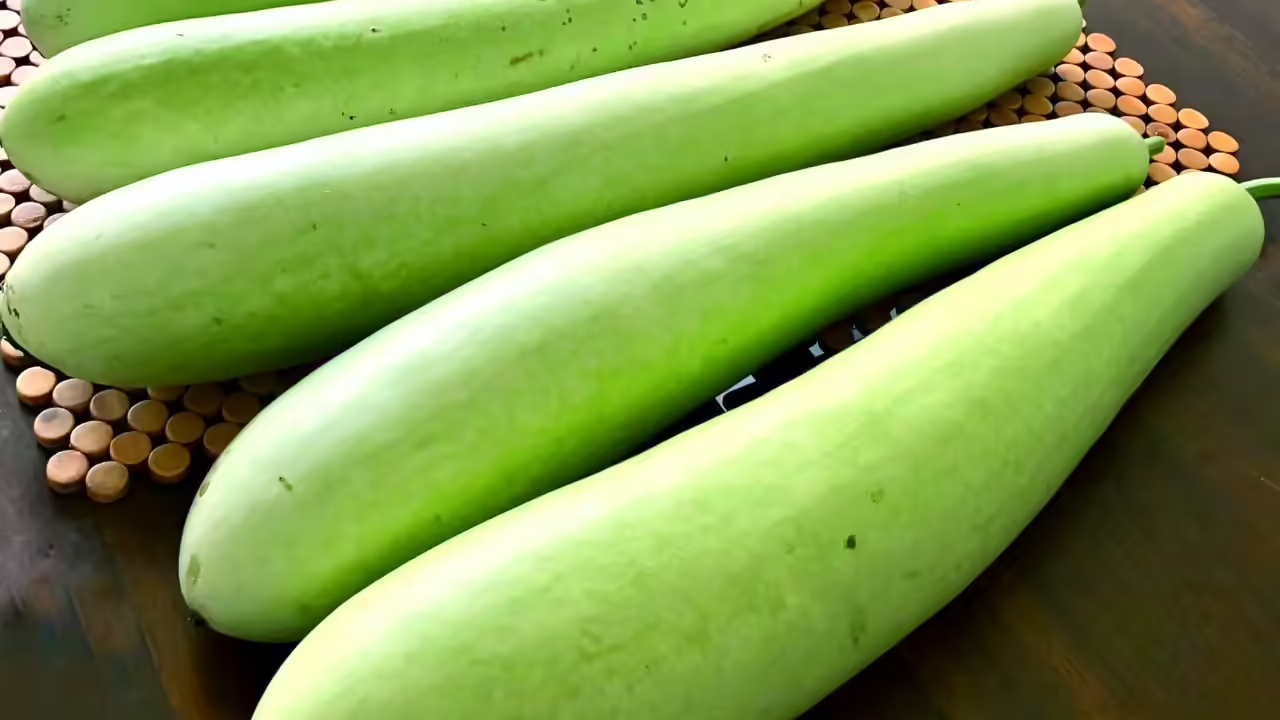
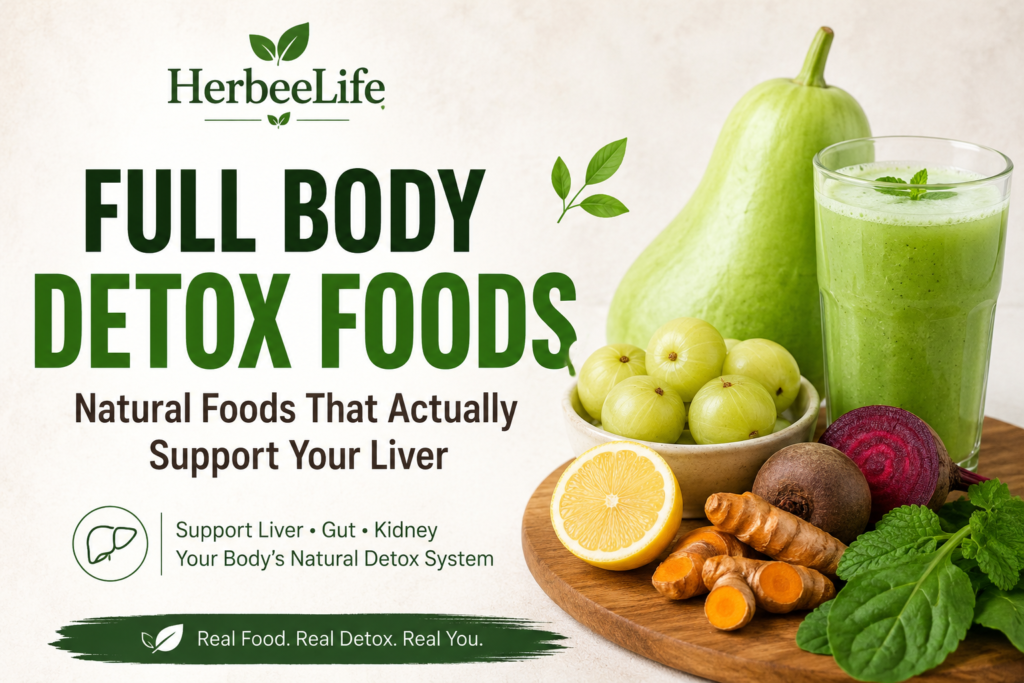
Lauki (bottle gourd, Lagenaria siceraria) is one of the most venerated vegetables in Ayurvedic medicine for liver health — and modern pharmacology is beginning to explain why. Multiple studies confirm lauki extract has significant hepatoprotective activity: its flavonoids (including vitexin and isovitexin) protect hepatocytes from oxidative damage and inhibit the NF-kB inflammatory pathway that underlies most liver disease. A 2012 study confirmed lauki extract significantly reduced liver enzyme elevations (ALT, AST) in chemically induced hepatotoxicity — the standard measure of liver cell damage protection.
Beyond liver protection: lauki’s high water content (96%) provides hepatic and renal hydration that supports optimal bile production, bile flow, and urinary toxin excretion. Its natural diuretic effect (from specific flavonoids and the high water and potassium content) gently increases urine output — supporting the kidney’s excretory function. In Ayurveda, lauki is classified as tikta (bitter) and sheetal (cooling) — prescribed specifically for liver conditions (yakrit roga), urinary conditions (mutraroga), and as a general cooling tonic for Pitta excess. As a vegetable in sabzi, sambar, or as fresh juice — it is one of the most gentle and appropriate Indian liver-support foods available.
⚗️ Vitexin + isovitexin: hepatocyte antioxidant protection + NF-kB inhibition | 2012: significant ALT/AST reduction in hepatotoxicity model | Ayurvedic yakrit (liver) classification validated
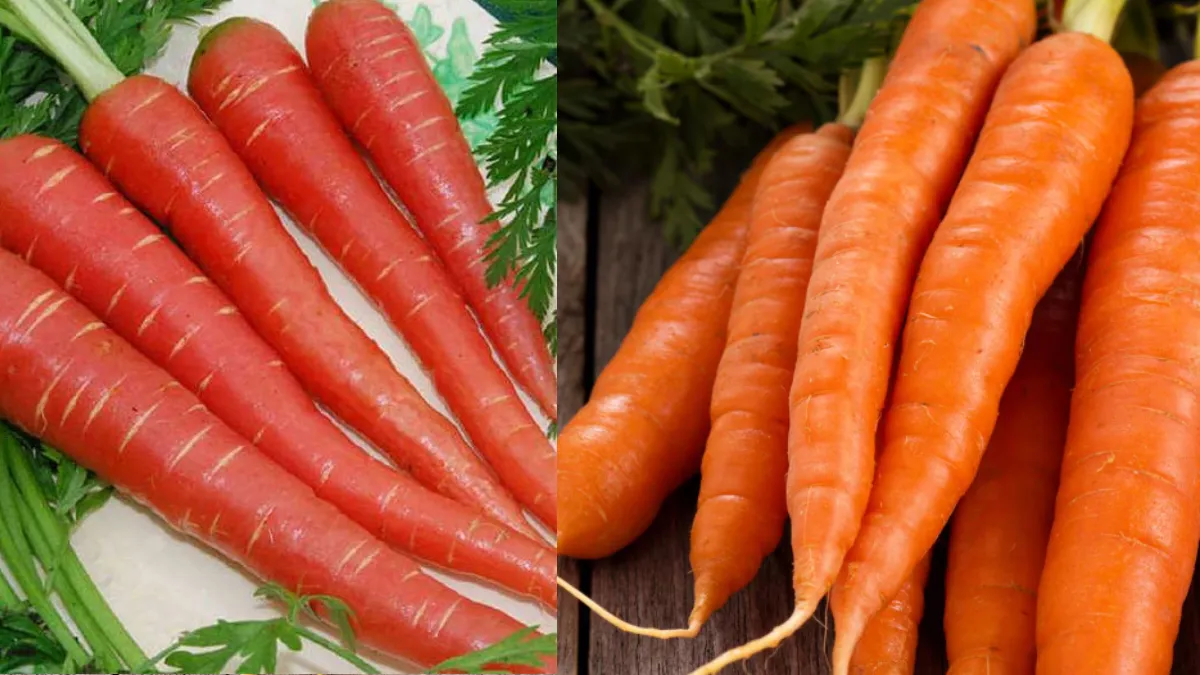
Carrot (Gajar): Beta-carotene (the orange pigment) is a powerful antioxidant that specifically protects hepatocytes (liver cells) from the reactive oxygen species produced during Phase 1 detoxification reactions. Falcarinol and falcarindiol — polyacetylene compounds in carrot — have direct cancer-protective activity in colon tissue. Carrot’s soluble fibre (pectin) acts as a prebiotic in the gut and binds bile acids — reducing their reabsorption and stimulating fresh bile production from the liver (a cholesterol-lowering and liver-stimulating mechanism). Multiple studies confirm daily carrot consumption reduces markers of oxidative liver stress and supports healthy bile acid metabolism.
Beet (Chukandar): Betalains — the deep red pigments unique to beets — are among the most potent natural hepatoprotective antioxidants identified. They directly protect liver mitochondria from oxidative damage and reduce hepatic NF-kB inflammatory signalling. Betaine (trimethylglycine) in beets is a methyl donor in Phase 2 liver methylation reactions — one of the critical conjugation pathways for toxin excretion and also for homocysteine clearance. Multiple clinical studies confirm beet juice (150–200ml daily) reduces liver enzyme markers, reduces oxidative stress, and improves hepatic blood flow. Nitrates in beets increase nitric oxide production, improving hepatic microvascular circulation.
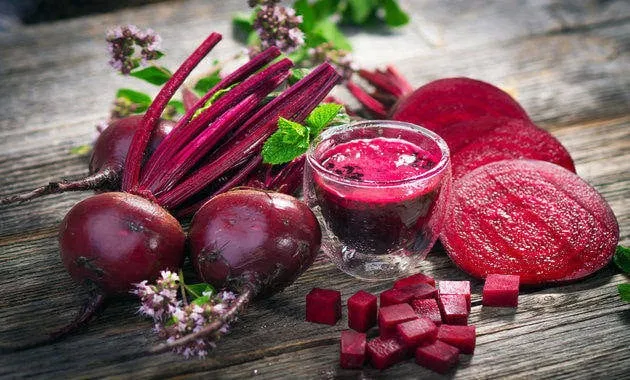
⚗️ Beta-carotene: hepatocyte Phase 1 ROS quenching | Pectin: bile acid binding → liver stimulation | Betalains: hepatic mitochondrial protection | Betaine: Phase 2 methylation cofactor | Clinical: reduced liver enzymes
Lemon’s primary contribution to liver detox support is through Vitamin C — approximately 30–50mg per half lemon. Vitamin C directly regenerates oxidised glutathione (GSH → GSSG back to GSH), maintaining the liver’s glutathione pool available for Phase 2 conjugation. Without adequate Vitamin C, glutathione is progressively depleted during active detoxification periods. D-limonene — the primary terpene in lemon peel — is one of the most studied natural Phase 2 enzyme inducers: it activates Nrf2 transcription factor, upregulating glutathione S-transferase and glucuronosyltransferase (key Phase 2 conjugating enzymes). This makes lemon peel, surprisingly, more pharmacologically active for liver support than lemon juice — though the peel is less commonly consumed in India.
The warm water + lemon morning practice has a physiological basis beyond Vitamin C: the warm water activates the gastrocolic reflex (promoting bowel movement — critical for preventing enterohepatic recirculation of conjugated toxins), citric acid mildly stimulates bile secretion from the gallbladder, and the acid-alkaline paradox: despite being acidic, lemon’s citric acid is metabolised to bicarbonate in the body — providing a mild alkalinising effect on urine that reduces the precipitation of uric acid crystals (gout prevention) and supports optimal kidney tubular function.
⚗️ Vitamin C: glutathione (GSH) regeneration | D-limonene (peel): Nrf2 → glutathione S-transferase upregulation | Citric acid: bile secretion stimulation | Warm water: gastrocolic reflex
Fresh greens are the liver’s most important dietary allies — for reasons that go well beyond “they are healthy.” Cruciferous vegetables (cabbage, cauliflower, broccoli, radish/mooli — all of which contain glucosinolates that convert to sulforaphane and indole-3-carbinol) are the most potent natural inducers of both Phase 1 and Phase 2 liver detox enzymes through Nrf2 pathway activation. Sulforaphane specifically upregulates glutathione S-transferase, NAD(P)H quinone oxidoreductase (NQO1), and heme oxygenase-1 — the enzyme trifecta of Phase 2 detoxification. Dark leafy greens (palak, methi, amaranth) provide folate — a critical methyl donor for Phase 2 methylation reactions; iron for liver enzyme function; and chlorophyll, which has bile-stimulating properties and may bind some dietary carcinogens before absorption.
Indian-specific high-value greens: Drumstick leaves / Moringa (sahjan ke patte) — the most nutritionally dense Indian leafy vegetable, containing isothiocyanates that activate Nrf2 for Phase 2 enzyme induction; Curry leaves (kadi patta) — mahanimbine and other carbazole alkaloids with documented hepatoprotective and liver enzyme-protective activity; Coriander / Dhania — chlorophyll with bile-stimulating properties, flavonoids that protect liver tissue, and specific heavy metal chelation activity (coriander’s compounds have been studied for mercury and lead mobilisation from tissue); Fresh methi leaves — saponins that reduce cholesterol absorption (reducing liver fat accumulation) and galactomannan that prevents bile acid reabsorption. See: Health Benefits of Turmeric and Ash Gourd for Gut Health
⚗️ Sulforaphane: Nrf2 → glutathione S-transferase + NQO1 upregulation | Moringa isothiocyanates: Phase 2 induction | Curry leaves carbazole alkaloids: hepatoprotective | Dhania chlorophyll: bile stimulation + carcinogen binding
Amla is the single most hepatoprotective food in the Indian kitchen — with multiple studies confirming its liver-protective effects. Emblicanin A and B (tannins unique to amla) have specific antioxidant activity in liver mitochondria, protecting the organelles most vulnerable to Phase 1 detox reactive intermediates. Amla’s Vitamin C (600–900mg per fruit — the highest plant concentration) continuously regenerates glutathione from its oxidised form, maintaining the liver’s primary detox agent at functional levels throughout the day. A 2012 EJCN RCT confirmed amla significantly reduced liver cholesterol markers and liver enzymes. Multiple animal studies confirm amla is protective against drug-induced hepatotoxicity (paracetamol, carbon tetrachloride — standard liver toxicity models). In Ayurveda, amla is classified as a medhya and rasayana with specific action on the liver (yakrit). See also: Best Morning Drinks for Gut Health
⚗️ Emblicanin A+B: liver mitochondrial antioxidant protection | Vitamin C 600–900mg: glutathione regeneration | 2012 EJCN RCT: reduced liver cholesterol + enzyme markers | Hepatoprotective against drug-induced toxicity
Turmeric (Haldi): Curcumin activates Nrf2 (nuclear factor erythroid 2-related factor 2) — the master transcription factor that upregulates the entire battery of Phase 2 detox enzymes, including glutathione S-transferase, NQO1, and heme oxygenase-1. Multiple human and animal studies confirm curcumin protects liver cells from oxidative damage, reduces NAFLD (non-alcoholic fatty liver disease), and directly upregulates glutathione levels in hepatic tissue. The fat-soluble nature of curcumin means it requires dietary fat and piperine (black pepper) for absorption — without both, curcumin has approximately 1% oral bioavailability. The traditional Indian practice of cooking turmeric in oil with black pepper in tadka is pharmacologically optimal. See full turmeric guide: Health Benefits of Turmeric
Garlic (Lahsun): Allicin and its transformation products (allyl sulphides — diallyl sulphide, diallyl disulphide) are among the most well-studied Phase 2 liver enzyme inducers in nutritional biochemistry. They directly induce glutathione S-transferase (the primary Phase 2 conjugating enzyme) and inhibit the cytochrome P450 enzymes responsible for converting procarcinogens to active carcinogens (Phase 1 modulation). Garlic’s sulphur compounds also provide the sulphur substrate for cysteine synthesis — the rate-limiting amino acid in glutathione production. Garlic must be chopped or crushed 10 minutes before cooking to allow allinase enzyme to convert alliin to allicin — unchopped or immediately cooked garlic retains negligible active allicin.
⚗️ Curcumin: Nrf2 activation → entire Phase 2 enzyme battery upregulation | Allicin: glutathione S-transferase induction + cysteine (GSH precursor) | Always with black pepper + fat (curcumin) and crush-then-wait (garlic)
No food, supplement, or protocol enhances detoxification more than adequate hydration — because water is the medium through which every detoxification pathway operates. The kidneys require approximately 1.5–2 litres of urine output daily to adequately excrete water-soluble conjugated toxins, urea, creatinine, and metabolic waste. Producing this urine volume requires consuming 2.5–3+ litres of fluid daily (accounting for insensible losses through breath, sweat, and stool) — significantly more in hot Indian summers when sweat losses are high. The liver requires water for bile production (bile is approximately 95% water) — bile is the hepatic excretory vehicle that carries conjugated toxins into the gut for faecal excretion. The lymphatic system requires adequate interstitial fluid — dehydration concentrates lymph and slows waste clearance. The gut requires water for healthy stool consistency — constipation means conjugated toxins are reabsorbed rather than excreted.
In the Indian context: inadequate hydration is extremely common in the office population (air-conditioned offices suppress thirst, people forget to drink water when focused on work), and the cultural norm of drinking chai rather than water through the day provides caffeine that is mildly diuretic — increasing fluid requirements while seeming to address them. The practical target: enough water to produce pale straw-coloured urine throughout the day. Dark yellow urine means dehydration and suboptimal kidney detox function.
⚗️ 1.5–2L urine/day required for adequate toxin excretion | Bile: 95% water — bile production requires hydration | Constipation + dehydration = enterohepatic recirculation of conjugated toxins
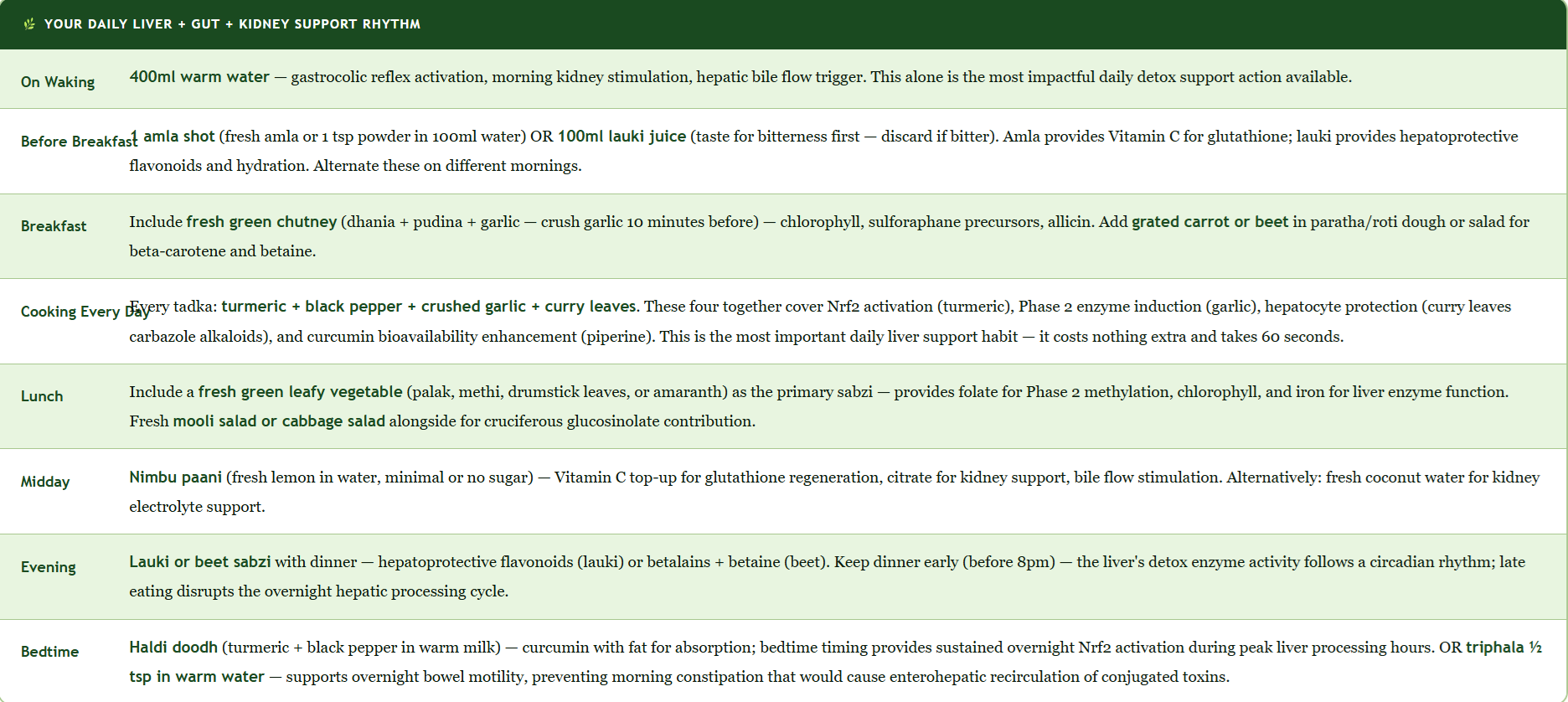
The Indian Kitchen Natural Detox Support Day — A Practical Protocol
The Other Half of Detox Support — Reducing What the Liver Has to Process
Supporting the liver’s detox capacity through food is one dimension. Reducing the load it has to process is equally important — and often more impactful than adding any food or supplement.
Eliminate or significantly reduce alcohol: Alcohol is directly hepatotoxic — it depletes glutathione, generates reactive oxygen species in liver cells, and is the leading cause of cirrhosis. No detox food compensates for regular alcohol consumption. Every drink is liver damage that the supplementary foods are trying to repair while more damage occurs.
Reduce ultra-processed food: Emulsifiers, artificial colours, preservatives, and synthetic flavourings all require hepatic Phase 1 and Phase 2 processing — adding to the liver’s daily workload. A diet of whole, minimally processed foods reduces this xenobiotic burden dramatically.
Avoid unnecessary medications and supplements: Every drug and supplement requires hepatic metabolism — paracetamol in excess is the world’s most common cause of drug-induced liver failure. Never take medications you don’t need. Always question supplements recommended without clinical indication.
Reduce exposure to environmental toxins: Pesticide-heavy produce (wash thoroughly or choose organic for the highest-pesticide items), plastic food containers heated in microwave, non-stick cookware at high temperatures (PFOA release), and air fresheners / synthetic fragrances (inhaled VOCs require liver processing). These are impractical to eliminate but awareness-led reduction is meaningful.
Manage chronic stress: Cortisol directly impairs liver detox enzyme function and depletes glutathione. Chronic stress is one of the most significant impairments of natural detoxification. See: How to Reduce Cortisol Naturally
Frequently Asked Questions
Yes — the body has a sophisticated continuous multi-organ detoxification system: the liver (Phase 1 and Phase 2 enzymatic processing), kidneys (filtering 180 litres of blood daily), gut (biliary excretion + microbiome transformation), lymphatic system (cellular debris clearance), and skin/lungs (volatile waste). This system operates 24 hours daily. No juice cleanse or detox tea does the work for these organs — they do it themselves, continuously, since birth. The value of detox-supporting foods is providing the nutritional cofactors these systems need: glutathione precursors, Nrf2-activating phytochemicals, adequate water, fibre to prevent enterohepatic recirculation, and antioxidants to protect hepatocytes from their own chemical work.
Foods with documented mechanisms for liver support: amla (Vitamin C → glutathione regeneration + emblicanin A/B hepatoprotection), turmeric with black pepper (curcumin → Nrf2 → Phase 2 enzyme upregulation), garlic (allicin → glutathione S-transferase induction + cysteine for GSH synthesis), fresh cruciferous vegetables/moringa (sulforaphane/isothiocyanates → Nrf2 + Phase 2 induction), beet (betalains + betaine → hepatocyte protection + Phase 2 methylation), carrot (beta-carotene → hepatocyte ROS protection + bile stimulation), lauki (flavonoids → hepatoprotective + NF-kB inhibition), and adequate water (required for bile production and urinary excretion). The Indian kitchen tadka of turmeric + garlic + curry leaves in oil is one of the most pharmacologically sophisticated liver-support preparations in any cuisine.
No — juice cleanses deprive the liver of the protein required for Phase 2 detox (glutathione synthesis needs cysteine and glycine from dietary protein), making them counterproductive for liver detoxification. The “feeling lighter” is from reduced food volume and fructose-driven bowel movements, not enhanced detoxification. Commercial detox teas typically contain senna or cassia — anthraquinone laxatives that cause diarrhoea masquerading as “cleansing,” with chronic use causing electrolyte imbalance, intestinal dependency, and colon lining changes. The liver’s actual needs: whole food nutrition, adequate protein, cruciferous vegetables, hydration, and reduction of alcohol and ultra-processed food.
The best evidence-based Indian liver support drinks: fresh amla juice (Vitamin C → glutathione + emblicanin hepatoprotection), beet + carrot + amla juice (betalains + betaine + beta-carotene + Vitamin C — the most comprehensive morning liver drink), haldi doodh with black pepper (curcumin → Nrf2 + Phase 2 enzyme upregulation — always with fat and pepper for bioavailability), and warm water with lemon (Vitamin C + bile stimulation + gastrocolic reflex). Plain water (2.5–3 litres daily) is the single most impactful daily liver and kidney support — it provides the medium for all excretion pathways.
Yes — lauki has documented hepatoprotective activity through vitexin and isovitexin flavonoids that protect hepatocytes from oxidative damage and inhibit NF-kB liver inflammation. A 2012 study confirmed lauki extract significantly reduced liver enzyme elevations (ALT, AST) in hepatotoxicity models. High water content supports hepatic hydration for bile production. Diuretic properties support kidney excretion. However: CRITICAL SAFETY NOTE — taste lauki before juicing. Any bitter taste = cucurbitacin toxicity = discard entirely. Bitter cucurbits have caused severe liver injury. Sweet-tasting lauki only. Fresh juice only — never stored.
Related Articles You’ll Love
The body is not a house that fills with dirt between cleanses. It is a system that continuously processes, converts, and excretes — every day, every hour, since you were born. The question was never “how do I detox.” The question was always “what does my detox system need to do this well?” The answer is not a bottle of detox tea or three days of juice. It is the dal you cook with turmeric and garlic, the amla you eat in the morning, the lauki sabzi you add to lunch, the warm water you drink before breakfast, the fresh dhania chutney you finish your meal with. These are the nutrients glutathione is built from, the phytochemicals that switch on Phase 2 enzymes, the water the kidneys need to excrete, and the fibre that keeps conjugated waste moving toward exit rather than back into the bloodstream.
Your body already detoxes. Your kitchen already has what it needs to detox better. You did not need a cleanse. You needed this guide.
Start with the tadka. End with warm water. The rest is just cooking. 🌿Which detox food mechanism surprised you most — the D-limonene in lemon peel activating Phase 2 enzymes, garlic’s allicin directly inducing glutathione S-transferase, or the fact that juice cleanses actually reduce the liver’s detox capacity by removing the protein it needs? Share this with everyone who has ever bought a detox tea. 👇
Sources & Further Reading
- Journal of Ethnopharmacology (2012) — Lauki (Bottle Gourd) Extract: Hepatoprotective Activity — Significant ALT/AST Reduction in Hepatotoxicity Model
- European Journal of Clinical Nutrition (2012) — Amla RCT: Reduced Liver Cholesterol Markers and Liver Enzymes
- Molecular Nutrition and Food Research (2008) — Sulforaphane: Nrf2 Activation and Phase 2 Liver Detox Enzyme Upregulation
- Journal of Clinical and Aesthetic Dermatology (2016) — Curcumin/Turmeric: Nrf2 Activation and Glutathione Synthesis Upregulation in Liver
- Nutrients (2014) — Betalains from Beet: Hepatic Mitochondrial Protection and Anti-inflammatory NF-kB Inhibition
- Food and Chemical Toxicology (2012) — Allicin (Garlic): Glutathione S-Transferase Induction and Phase 2 Liver Detox Enzyme Activation
- Phytotherapy Research (2015) — D-Limonene (Lemon Peel): Nrf2 Activation and Phase 2 Enzyme Induction in Liver Tissue
- HerbeeLife — Gut Health and Overall Wellness: The Science Guide
- HerbeeLife — Natural Health & Ayurvedic Wellness
Disclaimer: This content is for informational purposes only and does not constitute medical advice. Liver disease, kidney disease, or other chronic conditions require medical management — dietary changes are supportive measures only. Always consult a qualified healthcare provider for persistent symptoms. The lauki juice safety warning (discard all bitter lauki — cucurbitacin toxicity) is critical safety information. Read full disclaimer →