
Inside This Guide
Somewhere between the fifteen-step Korean routines and the two-ingredient viral hacks, most of us have lost the plot on what our hair actually needs. It doesn't need more products. It needs consistency, the right inputs, and a little patience — the same three things Ayurveda has been quietly right about for over three thousand years.
What Your Hair Is Really Telling You
In Ayurveda, hair (keha) is considered a by-product of bone tissue (asthi dhatu), which is why hair health is rarely treated as a standalone issue — it's read as a mirror of digestion, hormonal rhythm, and nervous system load. Dullness, premature greying, and excess shedding are less about "bad hair" and more about an internal signal asking to be heard.
This is where classical Ayurveda and modern dermatology quietly agree: a strand of hair grown from a nourished, balanced body will always outperform the most expensive serum applied to a depleted one.
"Healthy foods feed hair the same way they nourish the rest of the body — but organs get first claim on nutrients, so hair is often left running on scraps when the diet falls short."
— Elizabeth Cunnane Phillips, Trichologist, Philip Kingsley Trichological Clinic, New YorkYour Hair, Your Dosha: Why Generic Advice Fails
One of the biggest gaps in most hair-care content is that it treats every scalp the same. Ayurveda doesn't. Your dominant dosha shapes exactly what your hair needs most.
| Dosha | Common Hair Traits | What Helps Most |
|---|---|---|
| Vata | Dry, frizzy, thin, prone to split ends | Warm oil massage, sesame or almond oil, extra hydration |
| Pitta | Fine hair, early greying, sensitive/oily scalp | Cooling oils like bhringraj and coconut, brahmi, less heat exposure |
| Kapha | Thick, oily, prone to dandruff and buildup | Lighter oils, clarifying washes, stimulating herbs like neem and tulsi |
If you've tried every trending routine with little to show for it, this table is usually why. Once you're working with your constitution instead of against it, results tend to arrive faster — and last longer.
The Oiling Ritual, Done Right
Oiling isn't a trend Ayurveda borrowed from social media — social media borrowed it from Ayurveda. Abhyanga for the scalp has always been about circulation, follicle nourishment, and a genuinely calming ritual before wash day, not just slathering oil and hoping for the best.
Kama Ayurveda Bringadi Intensive Hair Treatment Oil
A cult-favourite among Ayurveda-first haircare brands, formulated with 14 herbs including bhringraj, brahmi, and amla in a sesame-oil base. It's the closest thing to a traditional vaidya's oil blend you'll find pre-made — ideal for weekly root-to-tip massage.
Check price on AmazonIf your hair falls, dulls, or thins faster than it should, oiling alone may not be enough. Our detailed guide on home remedies for hair fall breaks down targeted rituals for exactly that concern.
Herbs Worth Knowing By Name
- Bhringraj — often called the "king of herbs" for hair in Ayurvedic texts, known for supporting growth and reducing premature greying.
- Amla — rich in vitamin C, strengthens the hair shaft and supports natural pigmentation.
- Curry leaves — a kitchen staple with genuine follicle benefits; our piece on curry leaves for hair and blood sugar covers this in depth.
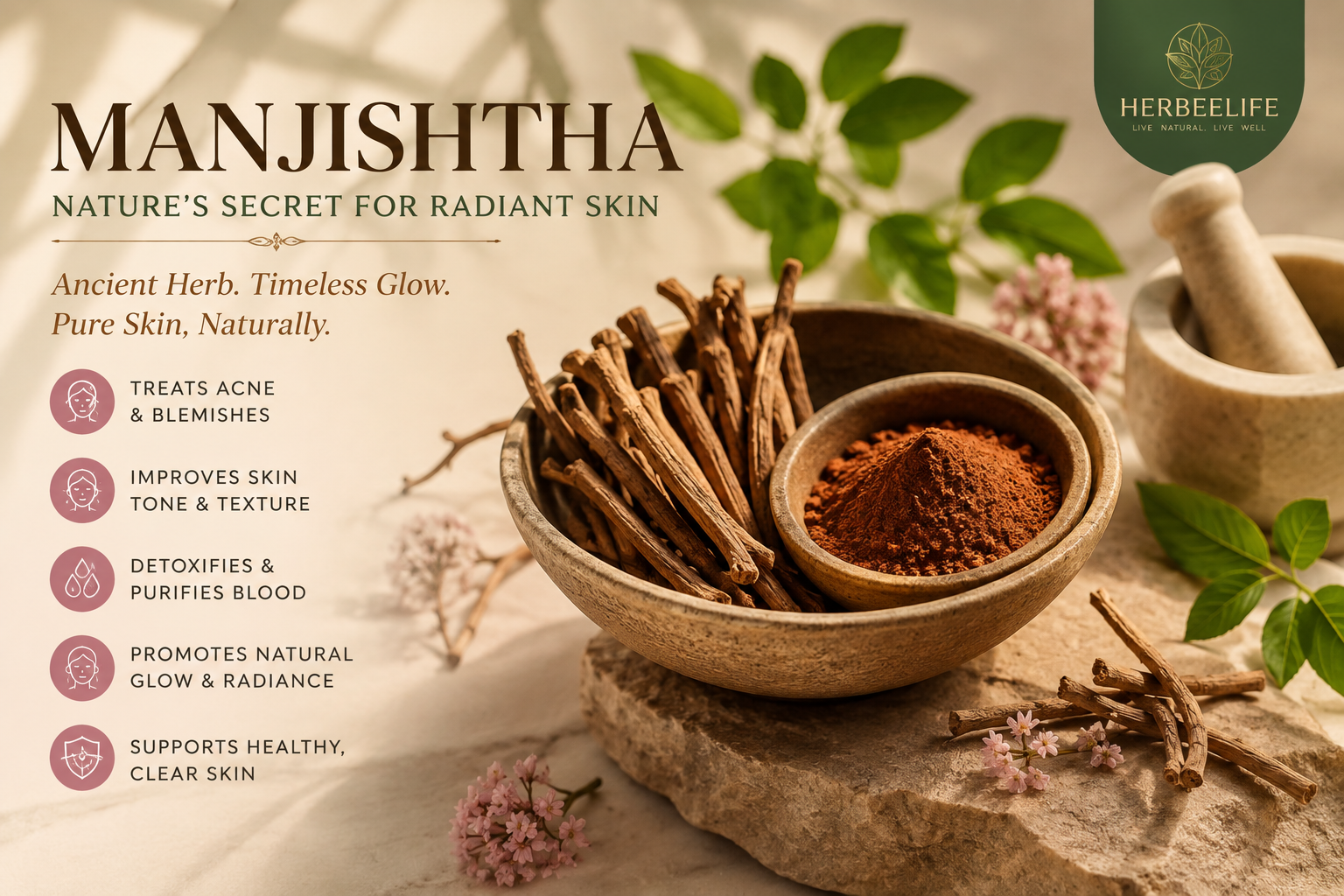
- Bhrami and Manjistha — cooling herbs that soothe an irritated scalp; read more in our Manjistha benefits guide.
Feeding Your Hair From Within
No amount of topical care outruns a nutrient-poor plate. Hair is roughly 90% protein (keratin), which means it sits fairly low on the body's priority list — it's one of the first places deficiency shows up, and one of the last to get fed.
| Nutrient | Food Sources | Why Hair Needs It |
|---|---|---|
| Protein | Moong dal, paneer, eggs, sprouts | Builds the keratin structure of every strand |
| Iron | Spinach, dates, jaggery, beetroot | Low iron is one of the most common causes of diffuse shedding |
| Omega-3 | Flaxseed, walnuts, fatty fish | Supports scalp hydration and shine |
| Zinc & Biotin | Pumpkin seeds, almonds, bananas | Aid follicle repair and reduce breakage |
WishCare Bhringraj & Amla Hair Growth Booster Serum
A lightweight, leave-in growth serum built on the same bhringraj-amla pairing Ayurveda has relied on for generations, minus the greasy residue of a traditional oil. A good companion for anyone whose diet is on track but wants extra support at the root.
Check price on AmazonThe Wash-Day Blueprint
Wash day is where most damage quietly happens — not from the shampoo itself, but from what comes after: rough towel-drying, wide-tooth combs used on the wrong hair type, and rinse water that's too hot.
Cleansing, the Ayurvedic Way
Traditional Ayurvedic cleansers skip sulfates entirely, relying instead on reetha (soapnut), shikakai, and hibiscus to clean without stripping the scalp's natural oil barrier.
Forest Essentials Ayurvedic Hair Cleanser, Rejuvenating Shirodhi
A silicone- and sulfate-free cleanser built around shikakai, reetha, and hibiscus. It lathers gently rather than aggressively, which is exactly what a scalp recovering from over-washing or chemical treatment needs.
Check price on AmazonConditioning That Actually Repairs
A conditioner's job isn't to add slip for five minutes in the shower — it's to temporarily patch the cuticle so hair resists breakage until the next wash.
Kérastase Nutritive Masque Magistral
A salon-grade deep conditioning mask trusted by stylists worldwide for genuinely dry, undernourished lengths. One weekly treatment noticeably softens texture that daily conditioner alone can't fix — worth the splurge if your ends are the problem area.
Check price on AmazonTangle Teezer The Original Detangling Hairbrush
An award-winning, dermatologist-recommended brush that works through knots without pulling on the follicle — a small switch that prevents a surprising amount of daily hair loss over time.
Check price on AmazonHeat, Chemicals & Damage Control
Ayurveda never had to contend with 230°C styling tools, so this is one area where a hybrid approach — traditional care plus smarter modern tools — genuinely serves you better than either alone.
Moroccanoil Treatment Original
An argan-oil-based finishing treatment that doubles as heat protection and a frizz-taming, shine-boosting layer. A few drops go a long way, and it works well over an Ayurvedic oiling routine rather than against it.
Check price on AmazonDyson Supersonic Hair Dryer
If heat styling is non-negotiable in your routine, intelligent heat control makes a measurable difference in how much thermal damage actually reaches the hair shaft, compared to a standard high-heat dryer used at close range.
Check price on AmazonMyths That Refuse to Die
Fact: Trims only prevent split ends from travelling upward — growth happens at the root, unaffected by scissors.
Fact: Even herbs like amla or hibiscus can trigger sensitivity in reactive scalps — always patch-test anything new.
Fact: For Kapha or already-oily scalps, overnight oiling can clog follicles and worsen dandruff — a 1–2 hour soak is often enough.
A Week in Your Hair's Life
Consistency beats intensity. Here's a rhythm that's realistic enough to actually stick with:
- Daily: Gentle detangling, a protective style for sleep, and one cup less caffeine if hair fall is a concern.
- 2–3x a week: Sulfate-free cleanse, cool-water rinse, leave-in protection before any heat.
- Weekly: Warm herbal oil massage the night before wash day, followed by a deep-conditioning mask.
- Monthly: A trim, a clarifying wash to clear product buildup, and an honest look at your protein and iron intake.
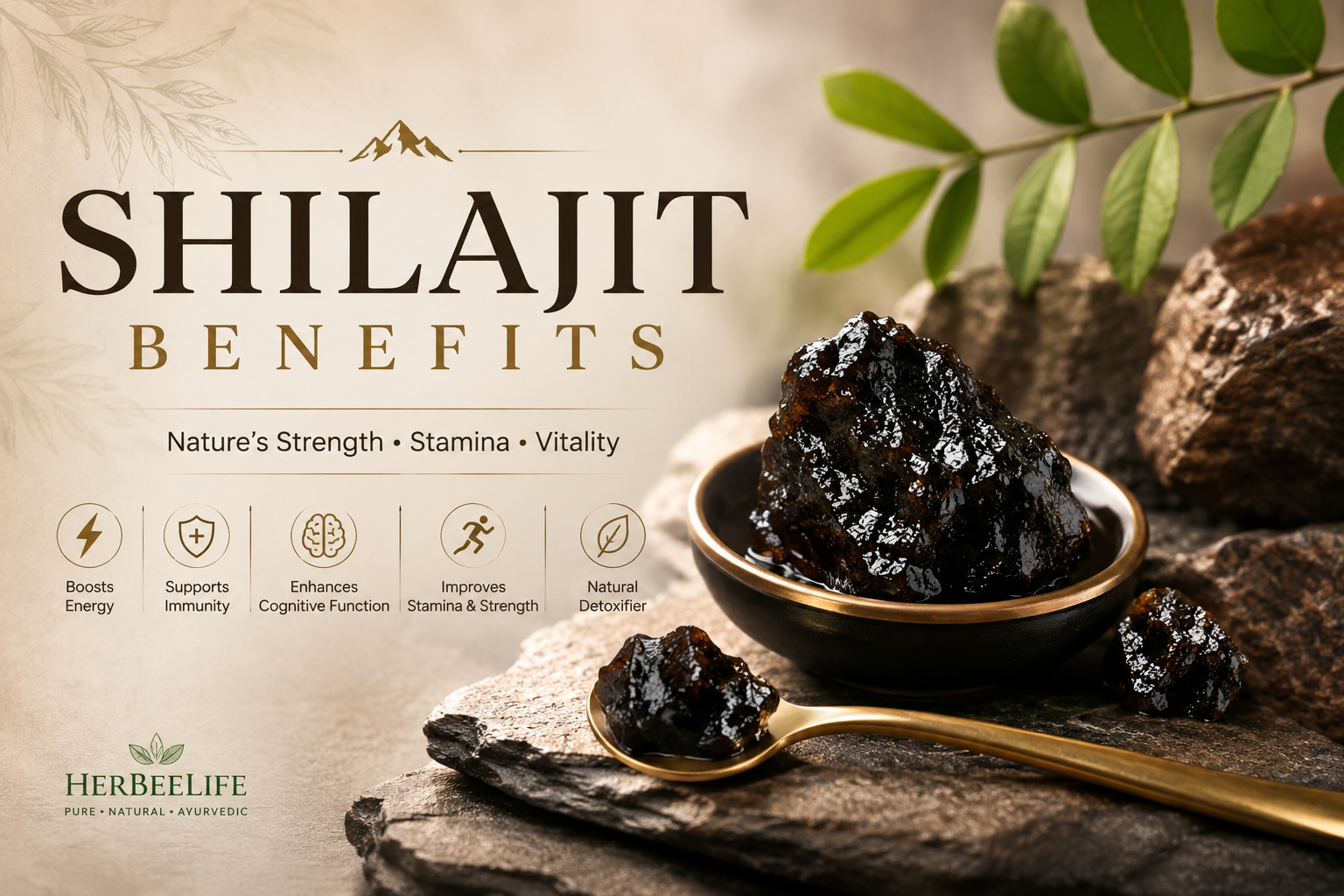
Stress deserves a mention here too — chronic stress is well documented to push hair follicles into a resting phase prematurely (telogen effluvium), which is why breathwork, sleep, and gentle movement belong in a hair routine as much as any oil does. If you're building a broader wellness practice around this, our Herbs & Ayurveda section has more grounded, home-first remedies worth exploring alongside herbs like mulethi and shilajit, which many people pair with hair and energy routines.
Want More Rituals Like This?
We share weekly Ayurvedic home remedies, seasonal hair rituals, and behind-the-scenes wellness tips across our social channels.
Follow on Instagram🌿 Save this guide, follow along, and be part of the HerbeeLife community
Pinterest Instagram FacebookWhen Home Care Isn't Enough
See a dermatologist or trichologist if you notice sudden clumps of shedding, visible bald patches, scalp pain, or hair thinning alongside fatigue and weight changes. These can point to thyroid, hormonal, or nutritional issues that need more than a routine adjustment — Ayurveda works best as a daily foundation, not a substitute for medical care when something's genuinely off.
Final Word
Healthy, lustrous hair was never really about the products stacked on your shelf. It's the compound effect of what you eat, how you manage stress, how gently you treat wet hair, and whether you show up for your routine on the weeks it feels boring. Start with one habit from this guide — the oiling ritual or the diet swap — and let consistency do the rest.
Frequently Asked Questions
How long does it take to see results from Ayurvedic hair care?
Most people notice reduced shedding and improved texture within 8–12 weeks of consistent oiling, diet correction, and gentle wash-day habits. Hair growth cycles are slow, so patience matters more than switching products every two weeks.
Can Ayurvedic remedies actually reverse hair thinning?
They can meaningfully support thicker, stronger regrowth when thinning is linked to nutrition, stress, or scalp imbalance. For thinning tied to genetics or hormonal conditions, Ayurvedic care works best alongside — not instead of — professional guidance.
What's the ideal oiling frequency for healthy hair?
1–2 times a week is generally ideal for most hair types. Very dry or Vata-dominant hair may benefit from oiling three times a week, while oily or Kapha scalps often do better with lighter, shorter oil sessions.
Is cold water rinsing really better for hair shine?
Yes — cool water helps flatten the hair cuticle after conditioning, which reflects more light and reduces frizz, giving hair a visibly smoother, shinier finish compared to a hot-water rinse.
Which foods should I prioritise first for visibly better hair?
Start with iron-rich foods (spinach, dates, beetroot) and protein (moong dal, eggs, paneer) since deficiencies here are the most common, fastest-fixable causes of dull or shedding hair.