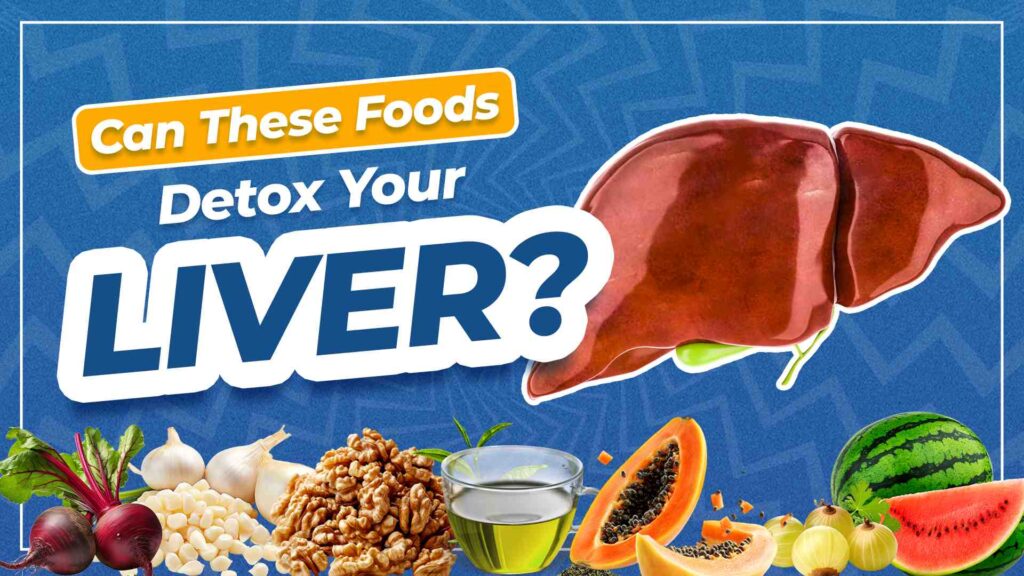

The “liver cleanse” industry is worth billions of dollars globally — built on the promise that a 3-day juice fast, a specific combination of supplements, or a proprietary herbal formula can rid the liver of accumulated toxins and restore its function. The inconvenient truth is that most commercial “liver cleanses” do not work in the way they claim, and some carry real risks. The more important truth — the one that genuinely serves your health — is that the liver does have specific nutritional, lifestyle, and herbal requirements for optimal function, and supporting these requirements produces real, measurable improvements in liver health.
But these requirements are not a 72-hour juice fast. They are a consistent daily practice of supplying the specific nutrients, compounds, and lifestyle conditions that the liver’s own biochemical machinery needs to perform its 500+ documented functions at full capacity.
This guide covers the real science of liver cleanse and natural liver detoxification — explaining what liver detoxification actually is at the biochemical level, which evidence-based strategies genuinely support it, the Indian herbs and foods with the strongest hepatoprotective evidence, the growing epidemic of non-alcoholic fatty liver disease (NAFLD) in India, and what the “liver detox” marketing industry is not telling you.
What Your Liver Actually Does — The 500 Functions That Make It Irreplaceable
The liver is the body’s largest internal organ — weighing approximately 1.5 kg in adults — and performs more physiological functions than any other single organ in the human body. Understanding its actual functions transforms your approach to a liver cleanse from a search for a single “detox protocol” to the intelligent, consistent support of a complex, continuously working biochemical factory.
The liver’s primary functions relevant to health and detoxification include: metabolic processing of all three macronutrients (carbohydrates, fats, and proteins); synthesis of nearly all blood plasma proteins (albumin, clotting factors, complement proteins, transport proteins); production and secretion of bile — the emulsifying agent required for fat and fat-soluble vitamin digestion and absorption; storage of glycogen, fat-soluble vitamins (A, D, E, K), iron, and copper; detoxification of endogenous waste products (ammonia from amino acid metabolism, bilirubin from haemoglobin breakdown, steroid hormones including oestrogen); and biotransformation of exogenous chemicals (drugs, alcohol, pesticide residues, food additives, environmental pollutants).
This biotransformation of exogenous chemicals — what most people mean when they talk about “liver detox” — is a two-phase enzymatic process. Phase I detoxification involves the cytochrome P450 enzyme family, which converts fat-soluble toxins into reactive intermediate metabolites through oxidation, reduction, and hydrolysis reactions. These intermediates are often more reactive and potentially more toxic than the original compounds — which is why Phase I alone is insufficient and must be immediately followed by Phase II. Phase II detoxification involves conjugation reactions (glucuronidation, sulfation, glutathione conjugation, amino acid conjugation, acetylation, and methylation) that attach water-soluble molecules to the Phase I intermediates, making them water-soluble and excretable through bile or urine.
Both phases require specific nutritional cofactors — and deficiency in any of these cofactors impairs the liver’s detoxification capacity in ways that no commercial “cleanse” product addresses. The specific nutrients required for Phase I include B vitamins (particularly B2, B3, B6, B12, folate), Vitamin C, Vitamin E, magnesium, iron, and molybdenum. Phase II requires glutathione precursors (N-acetylcysteine, cysteine, methionine), sulphur donors (from cruciferous vegetables and alliums), glycine, taurine, glutamine, and B vitamins. Providing these nutrients through food is the foundation of genuine, functional liver support.
The NAFLD Epidemic in India — Why Liver Health Has Become Urgent
Non-alcoholic fatty liver disease (NAFLD) — the accumulation of excess fat in liver cells in people who drink little or no alcohol — has become the most prevalent chronic liver condition globally and is reaching epidemic proportions in India specifically. Estimates suggest NAFLD now affects approximately 25–30% of the Indian urban population, with rates as high as 40% in obese individuals and significantly elevated in people with type 2 diabetes, metabolic syndrome, and PCOS.
NAFLD exists on a spectrum: simple steatosis (fat accumulation without significant inflammation) in its early stage is largely reversible with lifestyle change. Non-alcoholic steatohepatitis (NASH) — where fat accumulation is accompanied by hepatic inflammation and cellular damage — can progress to fibrosis (scarring), cirrhosis (advanced scarring with loss of hepatic function), and hepatocellular carcinoma (liver cancer) if untreated. The concerning reality is that NAFLD is almost entirely asymptomatic in its early stages — most people with significant hepatic steatosis feel normal and would not seek a liver cleanse unless prompted by a blood test or ultrasound finding.
The Indian-specific drivers of NAFLD include the “thin-fat India” phenomenon (high visceral fat accumulation at relatively low BMI), high dietary refined carbohydrate intake (fructose from sweetened beverages is particularly hepatotoxic — driving de novo lipogenesis in the liver more directly than any other dietary carbohydrate), insulin resistance, and the rapid urbanisation that has shifted Indian dietary patterns toward processed foods and away from the protective traditional whole-food diet.
The good news is that NAFLD in its early and moderate stages is one of the most reversible conditions in hepatology — with research showing that as little as 7–10% weight loss through dietary quality improvement and increased physical activity produces significant or complete resolution of hepatic steatosis in most affected individuals. The strategies in this guide directly address NAFLD through every relevant mechanism.
12 Science-Backed Ways to Support Natural Liver Detox
1. Provide Phase I and Phase II Detox Nutrients Through Food
The most important and most overlooked foundation of any genuine liver cleanse strategy is ensuring adequate intake of the specific nutrients that the liver’s detoxification enzyme systems require as cofactors. Without these, Phase I and Phase II cannot function at capacity regardless of what else you do.
For Phase I (cytochrome P450 support): B-vitamin rich foods — dal and legumes (B1, B2, B3, B6, folate), eggs and dairy (B12), whole grains (B1, B3, B6). Vitamin C from amla, citrus, and guava. Vitamin E from nuts and seeds. Magnesium from dark leafy greens, legumes, and millets. These are not exotic supplements — they are the foundational whole foods of a traditional Indian diet.
For Phase II (conjugation support): Glutathione precursors are the most critical Phase II nutrients. Glutathione — the liver’s most important antioxidant and Phase II conjugation molecule — cannot be effectively supplemented orally (it is largely degraded in the gut before reaching hepatocytes). It must be synthesised in the liver from its precursor amino acids: cysteine, glutamate, and glycine. The most important dietary strategy is providing these precursors through protein-rich foods (eggs are particularly rich in cysteine and glycine), cruciferous vegetables (which provide sulphur for cysteine synthesis and contain glucosinolates that directly upregulate glutathione synthesis), and selenium-rich foods (selenium is required for glutathione peroxidase enzyme function). This nutritional foundation is the real liver cleanse — not a 3-day juice fast that starves the liver of the amino acid precursors it needs for Phase II function.
2. Eat Cruciferous Vegetables Daily — The Liver’s Best Dietary Friends
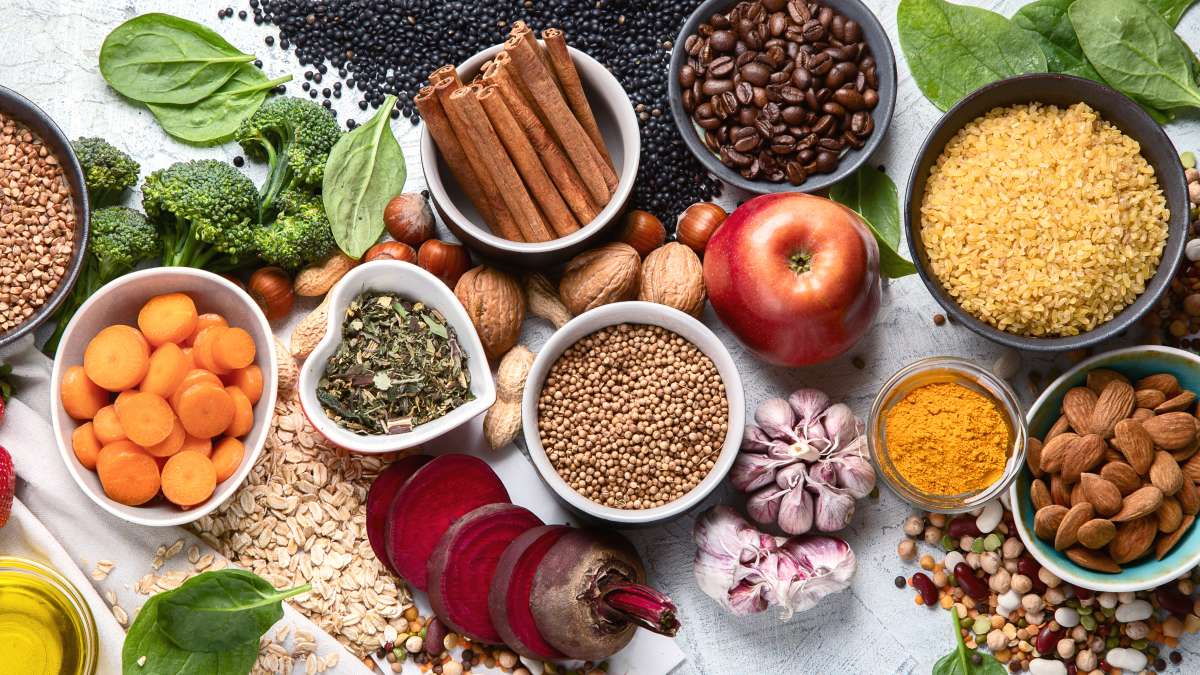
Cruciferous vegetables — broccoli, cauliflower, cabbage (patta gobhi), Brussels sprouts, kale, and radish (mooli) — deserve specific mention as the most hepatoprotective class of vegetables available, with multiple well-characterised mechanisms that directly support liver function.
The glucosinolate compounds in cruciferous vegetables are converted by gut bacteria and chewing-induced enzyme activation into indole-3-carbinol (I3C), diindolylmethane (DIM), and sulforaphane — compounds that produce extraordinary effects on liver detoxification capacity. Sulforaphane activates the Nrf2 transcription factor, which upregulates the expression of Phase II conjugation enzymes (glutathione S-transferases, glucuronosyltransferases, and NAD(P)H quinone oxidoreductase) simultaneously — essentially turning up the liver’s detoxification gene expression program across all major pathways at once. DIM specifically supports the hydroxylation of oestrogen metabolites toward the less proliferative 2-OH-oestrone pathway rather than the more potent 16α-OH pathway — directly relevant for women with oestrogen-dependent conditions including PCOS, endometriosis, and oestrogen-sensitive cancers.
Research published in the Journal of Nutrition found that a diet high in cruciferous vegetables significantly increased Phase II enzyme activity and urinary excretion of various environmental carcinogens — demonstrating measurable improvement in the liver’s actual detoxification output. Mooli (radish) deserves specific mention as an underutilised Indian cruciferous vegetable with documented hepatoprotective effects — its glucosinolate and anthocyanin content protects against liver cell oxidative damage and improves bile flow, making it a genuine and culturally appropriate liver support food.
Practical action: Include at least one cruciferous vegetable daily. Gobhi (cauliflower) sabzi, mooli paratha, broccoli subzi, cabbage salad, or radish salad with meals all provide significant glucosinolate content. Brief cooking (stir-frying or light steaming) preserves more sulforaphane than extended high-heat cooking. Eating raw radish as a side with meals is a traditional Indian practice with specific liver support rationale.
3. Milk Thistle (Silymarin) — The Most Evidence-Backed Hepatoprotective Herb
Milk thistle (Silybum marianum) contains silymarin — a complex of three flavonolignans (silybin, silydianin, and silychristin) that have the most thoroughly documented hepatoprotective evidence of any herb or nutraceutical studied. Understanding its mechanisms makes clear why it is genuinely worth considering as part of a comprehensive liver cleanse strategy.
Silymarin’s hepatoprotective actions are multiple and specific: it acts as a membrane stabiliser that prevents the entry of hepatotoxic substances into liver cells (by competing for binding at membrane transport receptors). It is a potent antioxidant — scavenging reactive oxygen species generated during Phase I detoxification and protecting hepatocyte membranes from lipid peroxidation. It stimulates ribosomal RNA synthesis, accelerating the regeneration of damaged hepatocytes through enhanced protein synthesis. And it has anti-fibrotic effects — reducing hepatic stellate cell activation and the production of transforming growth factor-beta (TGF-β) that drives fibrosis formation.
A meta-analysis covering 36 clinical trials found silymarin supplementation significantly reduced serum ALT, AST, and GGT (the primary liver enzyme markers of hepatocyte damage and cholestasis) in people with non-alcoholic fatty liver disease, alcoholic liver disease, and chronic hepatitis — providing clinical evidence of genuine hepatoprotection rather than theoretical biochemical effects. The dose used in most positive trials was 140–420mg of silymarin daily — achievable through standardised milk thistle extract supplements but not through the tiny amounts present in “liver cleanse” blended herbal teas.
4. Turmeric and Curcumin — Liver Protection Through Multiple Pathways
Turmeric’s curcumin is one of the most extensively studied natural compounds for liver health — with documented effects on every major aspect of hepatic function relevant to a natural liver cleanse. Its mechanisms are specific and well-characterised:
Curcumin inhibits NF-κB — the master transcription factor controlling pro-inflammatory gene expression — in hepatocytes, reducing the inflammatory damage that drives the progression from simple steatosis to NASH. It activates Nrf2 (alongside cruciferous vegetable sulforaphane), increasing the expression of Phase II detoxification enzymes and glutathione synthesis. It has direct anti-fibrotic effects — multiple studies show curcumin reduces hepatic stellate cell activation and collagen deposition, potentially reversing early fibrotic changes. And it improves bile flow (choleretic effect), supporting the excretion of conjugated toxins from the liver through the biliary route.
A randomised controlled trial published in Drug Research found curcumin supplementation significantly reduced fatty liver grade on ultrasound and reduced liver enzyme levels in NAFLD patients over 8 weeks — providing clinical evidence that turmeric’s liver effects are not merely theoretical. The anti-inflammatory mechanisms connect to the comprehensive evidence reviewed in our anti-inflammatory foods guide — the same curcumin pathways that reduce systemic inflammation specifically protect the liver from the inflammatory injury driving NAFLD progression.
The bioavailability solution: Curcumin is poorly absorbed from turmeric alone. Combining turmeric with black pepper (piperine inhibits curcumin glucuronidation, increasing bioavailability by up to 2,000%) and a fat source (curcumin is fat-soluble) dramatically improves absorption. The traditional Indian preparation of turmeric with ghee and black pepper is not accidental — it is the bioavailability-optimised preparation that folk knowledge developed before clinical pharmacokinetics confirmed it.
5. Dandelion Root and Chicory — Bile-Stimulating Liver Tonics
Dandelion root (Taraxacum officinale) and chicory root (Cichorium intybus) — both known in Indian herbal medicine, with chicory (kasni) having a long Unani and Ayurvedic history as a hepatic tonic — have documented choleretic (bile-stimulating) and hepatoprotective effects that directly support the liver’s detoxification output.
Bile is the vehicle through which Phase II conjugated toxins are excreted from the liver into the gastrointestinal tract for elimination. Adequate bile production and flow is essential for effective liver detoxification — and its role extends beyond fat emulsification to include the efficient excretion of conjugated bilirubin, oestrogen metabolites, cholesterol metabolites, and environmental toxins that the liver has processed and tagged for elimination. When bile flow is sluggish (bile stasis or cholestasis), processed toxins accumulate in the liver rather than being efficiently excreted — the hepatic equivalent of a clogged drain.
Dandelion root contains taraxacin and taraxacerin — sesquiterpene lactones with documented choleretic activity and direct hepatocyte-protective effects. Research published in Evidence-Based Complementary and Alternative Medicine found dandelion root extract significantly increased bile flow and reduced experimentally induced liver damage markers in animal studies, with human clinical data supporting its safety and modest choleretic effects. Chicory root contains inulin (a potent prebiotic supporting the gut microbiome whose health is directly linked to liver health through the gut-liver axis) alongside the sesquiterpene bitter compounds that stimulate bile production.
Practical action: Kasni (chicory) root tea — boiled and strained — provides both choleretic support and the prebiotic inulin that feeds beneficial gut bacteria. Dandelion root tea or tincture is available in Indian health food stores. The traditional Indian digestive herb haritaki (in Triphala) also has documented bile-stimulating effects alongside its gut motility benefits — making Triphala a dual gut-liver support formula, as covered in our guide to improving digestion naturally.
6. Reduce Fructose and Refined Carbohydrates — The Most Important Dietary Liver Cleanse
Among all dietary interventions for liver health, reducing fructose intake — from sweetened beverages, commercial fruit juices, high-fructose corn syrup in packaged foods, and excessive fruit consumption — is the single most hepatoprotective dietary change available, and one that is completely absent from most commercial “liver cleanse” protocols.
Fructose is uniquely hepatotoxic compared to glucose and other carbohydrates because of the specific way it is metabolised. Unlike glucose (which is metabolised across all tissues), fructose is almost exclusively metabolised in the liver — where it is converted to fructose-1-phosphate by fructokinase in a reaction that bypasses the principal regulatory enzymes of glycolysis, allowing unrestricted hepatic fructose uptake regardless of the liver’s energy status. Excessive hepatic fructose metabolism overwhelms the liver’s capacity for oxidative phosphorylation, shunting carbon into de novo lipogenesis (fat synthesis), producing the hepatic triglyceride accumulation that is the direct cause of NAFLD.
Research published in the Journal of Clinical Investigation found that even moderate daily fructose consumption (3 servings of fructose-sweetened beverages) produced measurable increases in hepatic de novo lipogenesis and visceral fat accumulation within 8 weeks compared to glucose-sweetened beverages of equivalent caloric content. Sweetened sodas, commercial fruit juices (even “natural” and “no-added-sugar” varieties — all fruit juices are high in fructose), sweetened chai, and packaged snack foods are the primary sources of hepatotoxic fructose in the modern Indian diet.
Eliminating or dramatically reducing sweetened beverages — replacing them with the hydration strategies covered in our hydration guide — is the liver cleanse that actually works for the epidemic of NAFLD driving metabolic liver disease in urban India.
7. Increase Fibre — The Gut-Liver Axis Connection
The liver and gut are in continuous bidirectional communication through the portal circulation — the vascular system that carries blood directly from the gut to the liver before it enters the systemic circulation. Every molecule that crosses the intestinal wall — nutrients, microbial metabolites, bacterial endotoxins, secondary bile acids — reaches the liver first through this portal route.
When gut barrier integrity is compromised (as occurs in intestinal dysbiosis, leaky gut syndrome, and inflammatory bowel conditions), bacterial lipopolysaccharide (LPS — endotoxin from gram-negative bacteria) translocates across the intestinal wall and reaches the liver in the portal blood, activating TLR-4 receptors on Kupffer cells (the liver’s resident immune cells) and triggering a pro-inflammatory hepatic response that directly contributes to NAFLD progression. The gut-liver axis is a well-characterised pathway through which gut dysbiosis drives hepatic inflammation and fibrosis — making gut health improvement a direct liver health intervention.
Adequate dietary fibre — from the diverse plant sources covered in our digestion guide — supports gut barrier integrity by feeding the beneficial bacteria that produce butyrate (the primary fuel for intestinal epithelial cells and the critical molecule for maintaining tight junction protein expression), reducing the dysbiosis-driven LPS translocation that drives hepatic inflammation. The entire gut health framework that supports the microbiome diversity associated with better liver function is addressed through the same dietary strategies that support overall digestive wellness.
8. Protect the Liver With Glutathione-Boosting Foods
Glutathione — the “master antioxidant” synthesised in the liver from cysteine, glutamate, and glycine — is the most critical molecule in Phase II liver detoxification and the primary antioxidant defence against the reactive oxygen species generated during Phase I processing. Hepatic glutathione depletion is a defining feature of serious liver injury — it is the mechanism through which paracetamol (acetaminophen) overdose causes acute liver failure, and it is chronically reduced in NAFLD, alcoholic liver disease, and viral hepatitis.
Rather than supplementing glutathione directly (which is poorly absorbed), the most effective strategy is providing the dietary precursors and cofactors that the liver uses to synthesise its own glutathione. The most important dietary sources of glutathione precursors include: eggs (rich in cysteine and glycine — the two rarest limiting precursors of glutathione), sulphur-rich alliums (garlic, onion, leeks — providing the sulphur required for cysteine synthesis), cruciferous vegetables (providing sulforaphane that upregulates glutathione synthase gene expression), and selenium-rich foods (required for glutathione peroxidase enzyme function — pumpkin seeds and sunflower seeds are accessible Indian sources).
Whey protein — if tolerated — is the most cysteine-rich dietary protein available and has documented effects on hepatic glutathione levels in clinical studies. N-acetylcysteine (NAC) — the pharmaceutical form of cysteine — is the most effective glutathione precursor supplement available and is used in hospitals as the antidote for paracetamol-induced liver failure precisely because of its liver glutathione restoration capacity. As a supplement for liver support, NAC has the strongest evidence base of any glutathione-supporting compound.
9. Eliminate Alcohol — The Most Direct Hepatoprotective Action
Alcohol is the most well-documented and most direct hepatotoxin to which most people are voluntarily exposed. Ethanol metabolism in the liver produces acetaldehyde — a highly reactive, mutagenic compound that forms protein adducts with hepatocyte proteins and DNA, generating reactive oxygen species, depleting hepatic glutathione, and activating hepatic stellate cells that produce fibrotic collagen. Even moderate alcohol consumption (2–3 standard drinks daily) produces measurable hepatic inflammation and early fibrosis in susceptible individuals over years of consistent use.
For people engaged in a genuine liver cleanse programme — particularly those with diagnosed NAFLD, elevated liver enzymes, or any form of liver condition — alcohol elimination is the single most impactful intervention available. There is no hepatoprotective food, supplement, or herbal preparation that meaningfully compensates for continued regular alcohol intake in terms of liver health outcomes. The combination of NAFLD (increasingly prevalent in India from dietary fructose and metabolic syndrome) with alcohol consumption (even moderate) produces synergistic liver damage that is far more serious than either factor alone — a combination called non-alcoholic metabolic-associated steatotic liver disease (MASLD) with alcohol-associated liver disease (ALD) that significantly accelerates progression to cirrhosis.
10. Exercise for Liver Fat Reduction — The NAFLD Reversal Strategy
Exercise is among the most potent interventions for reversing early-stage NAFLD — with clinical evidence showing that aerobic exercise alone, without dietary caloric restriction, produces significant reductions in hepatic fat content measurable by MRI. The mechanism is specific: aerobic exercise increases hepatic fatty acid oxidation through AMPK activation and PGC-1α-driven mitochondrial biogenesis in hepatocytes — essentially increasing the liver’s capacity to burn the fat it has accumulated rather than allowing it to accumulate further.
A meta-analysis published in the Journal of Hepatology found that regular exercise (both aerobic and resistance training) reduced hepatic fat by 20–25% on average in NAFLD patients — independent of body weight change. This means exercise improves liver fat content through direct metabolic effects on hepatic fat metabolism, not merely through the secondary effect of reducing body weight. The resistance training component specifically increases skeletal muscle GLUT-4 expression and insulin sensitivity, reducing the hyperinsulinaemia that drives hepatic lipogenesis — addressing a root cause rather than a symptom of hepatic fat accumulation. The comprehensive exercise science relevant to liver health is covered in our article on the benefits of regular exercise for longevity and wellbeing.
11. Morning Liver Rituals — The Ayurvedic and Chrononutrition Evidence
The liver is most metabolically active in the early morning hours — the period when it completes its overnight fasting-state gluconeogenesis, processes overnight metabolic waste products, and prepares for the next day’s digestive and metabolic demands. Supporting the liver specifically during this period of peak activity through morning rituals has both Ayurvedic tradition and emerging chrononutrition science behind it.
Warm water with lemon first thing in the morning has multiple liver-supportive mechanisms: lemon’s citric acid and d-limonene stimulate bile production and bile flow (improving the excretion of overnight-processed conjugated toxins through the biliary route), Vitamin C provides Phase I cofactor support and glutathione protection, and the warm water stimulates gut motility — facilitating the elimination of bile-conjugated toxins through the stool rather than allowing them to be reabsorbed. Research on d-limonene specifically has shown hepatoprotective effects in animal models of fatty liver disease, with anti-inflammatory effects on liver enzyme markers.
Amla (Indian gooseberry) consumed in the morning — fresh, as juice, or as amla murabba — provides the richest natural Vitamin C source alongside ellagic acid and gallic acid with documented hepatoprotective effects. A study in the Journal of Basic and Clinical Physiology and Pharmacology found amla extract significantly reduced ALT, AST, and hepatic oxidative stress markers in NAFLD animal models. The full evidence base is in our article on amla benefits for immunity and digestion.
In Ayurveda, the liver is governed by Pitta — the dosha of transformation and metabolic fire. The Ayurvedic morning routine (Dinacharya) emphasises practices that stimulate Pitta in the morning — warm liquids, digestive herbs, mild physical activity — to activate the liver’s metabolic functions at their circadian peak. Modern chronobiology validates this framework: the liver’s enzymatic activity and bile production both peak in the morning hours, meaning nutrients and herbs consumed at this time are processed and utilised by the most metabolically active hepatocytes.
12. The Indian Liver Support Diet — Foods With Direct Hepatoprotective Evidence
Beyond specific supplemental herbs, multiple commonly consumed Indian foods have clinical or strong preclinical evidence for hepatoprotective effects — making the Indian kitchen a genuine liver support pharmacy when used intentionally.
Garlic: Allicin and S-allyl cysteine (SAC) in garlic have documented effects on hepatic enzyme activity, NAFLD reversal, and liver fibrosis reduction. A randomised controlled trial found garlic supplementation significantly reduced hepatic fat content and liver enzyme levels in NAFLD patients over 15 weeks — likely through garlic’s enhancement of glutathione synthesis (SAC is a cysteine-containing compound) and its anti-inflammatory effects on NF-κB. Our article on essential herbs for health covers garlic’s complete evidence profile.
Green tea: EGCG (epigallocatechin gallate) — the primary polyphenol in green tea — has robust evidence for NAFLD improvement. A meta-analysis of clinical trials found green tea supplementation significantly reduced hepatic fat content, liver enzyme levels, and inflammatory markers in NAFLD patients. EGCG inhibits fatty acid synthase (reducing hepatic de novo lipogenesis), activates AMPK (stimulating hepatic fatty acid oxidation), and has direct anti-inflammatory effects on Kupffer cell activation.
Beetroot (Chukandar): Beetroot’s betalain pigments (betanin, vulgaxanthin) have hepatoprotective effects documented in multiple animal studies, reducing oxidative stress, NF-κB activation, and hepatic lipid accumulation. More importantly, dietary nitrates from beetroot improve hepatic blood flow through nitric oxide-mediated vasodilation — directly improving the liver’s oxygen and nutrient delivery and waste removal capacity.
Walnuts: A cross-sectional study published in the Journal of Hepatology found that walnut consumption was significantly inversely associated with NAFLD prevalence. The omega-3 fatty acid ALA in walnuts reduces hepatic inflammation, while arginine supports the detoxification of ammonia through the urea cycle — a key Phase II liver detoxification function.
The Truth About Commercial Liver Cleanses and Detox Products
The commercial liver cleanse market — worth billions of dollars globally — includes juice cleanses, detox teas, herbal supplements making specific “liver cleansing” claims, and proprietary “toxin flushing” programmes. The evidence for most of these products is either non-existent, weak, or derived from biochemical plausibility rather than clinical outcomes.
Several specific concerns deserve mention. Many commercial “liver detox” products contain combinations of herbs at doses that are too low to produce the effects documented in clinical trials of individual herbs. Some contain herbs (including pennyroyal, germander, greater celandine, and kava) that have documented hepatotoxic effects — the cruel irony of “liver cleanse” products that actually cause liver damage. And the widespread claim that extreme fasting or juice cleanses are necessary for liver detoxification is not only unsupported — it is potentially counterproductive, since the amino acid deprivation of prolonged juice fasting depletes the liver of the glutathione precursors (particularly cysteine and glycine) required for Phase II detoxification.
The genuinely evidence-based approach to supporting your liver’s natural detoxification processes is exactly what this guide covers: consistent nutritional support for Phase I and II enzyme systems, hepatoprotective foods and herbs used at therapeutic doses, elimination of the specific dietary and lifestyle factors that damage the liver, and the regular exercise and sleep that support hepatic metabolic function across every dimension.
Liver Cleanse: Myth vs. Fact
| ❌ The Myth | ✅ The Truth |
|---|---|
| Commercial juice cleanses detox the liver | A 3-day juice fast does not “detox” the liver. The liver detoxifies continuously, 24 hours a day — it does not need a “rest.” What it needs is consistent provision of the amino acid, vitamin, and mineral cofactors for Phase I and Phase II enzymes — which are depleted, not replenished, by juice fasting. The weight loss from juice cleanses is primarily water and glycogen depletion, not fat or toxin removal. |
| The liver stores toxins that accumulate over years and need periodic purging | The liver does not store the fat-soluble toxins it processes — it conjugates and excretes them continuously through bile and urine. What does accumulate is hepatic fat (in NAFLD), excess glycogen (in metabolic syndrome), and structural damage from chronic oxidative stress and inflammation — none of which are addressed by a short-term commercial “cleanse.” |
| If your liver is healthy, you don’t need to support it | The liver has enormous reserve capacity — significant hepatic damage (up to 70% of hepatocytes destroyed) can occur without symptoms because the remaining tissue compensates adequately. By the time liver symptoms appear, significant structural damage has often occurred. Supporting liver function proactively through the lifestyle and nutritional strategies in this guide is most effective when begun before symptoms develop, not after. |
| Expensive liver supplement stacks are necessary for liver health | The most evidence-backed liver support strategies — cruciferous vegetables, garlic, turmeric with black pepper, green tea, adequate protein for glutathione synthesis, reduced fructose intake, regular exercise — cost very little and require no special supplements. Milk thistle at therapeutic doses and NAC are the only supplements with strong enough evidence to justify routine use for liver support, and both are relatively inexpensive. |
| Liver health only matters if you drink alcohol | Non-alcoholic fatty liver disease (NAFLD) — which has nothing to do with alcohol — affects an estimated 25–30% of Indian urban adults. Its primary drivers are refined carbohydrate excess (especially fructose), insulin resistance, sedentary lifestyle, and obesity. Most people with NAFLD have never been heavy drinkers. Liver health is a metabolic issue for the modern Indian diet, not only an alcohol issue. |
| Liver disease always causes obvious symptoms | The liver has enormous functional reserve — most forms of liver disease, including significant NAFLD, hepatitis, and early cirrhosis, are asymptomatic until well-advanced. Regular liver function tests (ALT, AST, GGT, bilirubin) and periodic abdominal ultrasound are the only ways to identify early liver disease before symptoms appear. Any adult with metabolic syndrome, obesity, type 2 diabetes, or significant alcohol history should have annual liver function monitoring. |
Signs Your Liver May Need More Support — When to Get Tested
While most liver conditions are asymptomatic in their early stages, certain signs may indicate that liver function is compromised and warrants medical evaluation: persistent fatigue not explained by sleep or thyroid issues (the liver’s role in energy metabolism means hepatic dysfunction commonly presents as fatigue); unexplained nausea, particularly in the morning; right upper quadrant discomfort or fullness (the area beneath the right ribcage where the liver is located); hormonal symptoms disproportionate to age — particularly oestrogen excess signs (irregular periods, premenstrual symptoms, fibrocystic breasts) since the liver is responsible for oestrogen clearance and hepatic dysfunction leads to oestrogen accumulation; persistent skin itching without rash; yellowing of eyes or skin (jaundice — a late sign of serious liver dysfunction requiring immediate medical evaluation); and dark urine or pale, clay-coloured stools.
The most important screening tests for liver health: serum ALT and AST (liver enzyme markers of hepatocyte damage — elevated values indicate hepatic inflammation or injury), serum GGT (marker of cholestasis and alcohol-related liver injury — elevated in NAFLD, alcohol use, and bile duct problems), serum bilirubin (total and direct — elevated in biliary obstruction and haemolytic conditions), and abdominal ultrasound (the most sensitive readily available test for NAFLD, assessing hepatic echogenicity and liver size). These tests are inexpensive, widely available, and provide the objective information needed to assess liver health beyond subjective symptoms.
Related Articles From HerbeeLife
📖 Anti-Inflammatory Foods: 12 Powerful Choices That Fight Disease From the Inside Out
📖 How to Improve Digestion Naturally: 12 Powerful Science-Backed Strategies
📖 Amla Benefits: Proven Immunity, Digestion and Metabolic Health Backed by Science
📖 Essential Herbs for Health: 10 Powerful Natural Remedies That Actually Work
📖 Benefits of Regular Exercise: 10 Powerful Reasons It Transforms Your Longevity
📖 Role of Hydration in Weight Loss: 10 Powerful Science-Backed Reasons
📖 Lower Blood Sugar Naturally: 12 Powerful Science-Backed Strategies That Work
Frequently Asked Questions: Liver Cleanse and Natural Liver Detox
How long does a natural liver cleanse take to show results?
Genuinely measurable improvements in liver function markers (ALT, AST reduction in elevated individuals) from consistent dietary and lifestyle changes typically emerge within 4–8 weeks. NAFLD reversal — resolution of hepatic steatosis on ultrasound — typically requires 3–6 months of consistent dietary quality improvement and regular exercise, with the rate of improvement proportional to the degree of lifestyle change implemented. The liver has remarkable regenerative capacity — hepatocytes replace themselves approximately every 150–500 days, meaning that consistently supportive dietary and lifestyle practices produce genuine structural liver improvement over a 6–12 month period.
Is milk thistle safe to take daily?
Yes — milk thistle (silymarin) is one of the most extensively safety-tested herbal supplements available, with clinical trials lasting up to 2 years showing no significant adverse effects at standard doses (140–420mg silymarin daily). It has very low toxicity and no documented serious interactions with most medications (though it can theoretically affect the metabolism of drugs processed by cytochrome P450 enzymes — consult a pharmacist if on multiple medications). It is contraindicated in people with known allergy to plants in the daisy family (Asteraceae).
Can fatty liver (NAFLD) be reversed naturally?
Yes — early-stage NAFLD (simple hepatic steatosis) is highly reversible. Research consistently shows that 7–10% reduction in body weight through dietary quality improvement and exercise produces significant or complete resolution of hepatic steatosis in most affected individuals. Even without significant weight loss, the specific dietary changes (reducing fructose, increasing fibre, adding protective phytonutrients) and regular exercise produce direct improvements in hepatic fat oxidation and bile metabolism that reverse steatosis independently. Intermediate-stage NAFLD (NASH with early fibrosis) can be significantly improved but requires more intensive and sustained intervention under medical supervision. Advanced fibrosis and cirrhosis have limited reversibility.
What is the best morning drink for liver health?
Warm water with lemon (bile stimulation, d-limonene hepatoprotection, Vitamin C Phase I support) consumed first thing in the morning before food is the most evidence-supported morning liver support ritual. Fresh amla juice (hepatoprotective polyphenols, stable Vitamin C, Phase II glutathione cofactor support) is an excellent addition. Green tea (EGCG for NAFLD reversal) is appropriate at any time from mid-morning. Dandelion or chicory root tea (bile-stimulating, inulin prebiotic) is supportive as an herbal addition. Avoid commercially packaged “detox teas” and “liver cleanse” drinks — most have insufficient therapeutic doses of active compounds and some contain potentially hepatotoxic herbs.
Does the liver need a “rest” during fasting or cleanses?
No — the liver does not need rest from its detoxification functions; it performs them continuously and optimally when well-nourished. What fasting does produce (as covered in our intermittent fasting guide) is autophagy — the cellular self-cleaning process that removes damaged hepatocyte components and dysfunctional mitochondria, genuinely supporting liver cell quality. This autophagy benefit of fasting is real and significant — but it is an autophagy benefit, not a “toxin purging” benefit, and it requires adequate protein refeeding after the fast to support the Phase II enzyme synthesis that the fasting period temporarily reduces.
How does liver health affect hormonal balance?
Profoundly. The liver is the primary site of steroid hormone clearance — processing oestrogen, testosterone, progesterone, cortisol, and thyroid hormones through Phase I hydroxylation and Phase II conjugation (primarily glucuronidation and sulfation) before excreting them in bile. When hepatic Phase II function is impaired — through nutritional deficiencies, toxic overload, or NAFLD — steroid hormone clearance is reduced, leading to accumulation of active hormones and their metabolites. This produces the hormonal imbalance symptoms (oestrogen excess signs, thyroid dysfunction, cortisol dysregulation) covered in our article on how hormones affect women’s health. Supporting liver detoxification is therefore a direct strategy for improving hormonal balance, particularly for women with PCOS, endometriosis, or premenstrual symptoms.
Sources and References
1. Serviddio G et al. Mitochondrial dysfunction in nonalcoholic fatty liver disease. Expert Review of Gastroenterology and Hepatology, 2011.
2. Abenavoli L et al. Milk thistle in liver diseases: past, present, future. Phytotherapy Research, 2010.
3. Panahi Y et al. Efficacy of curcuminoids in non-alcoholic fatty liver disease. Drug Research, 2017.
4. Chalasani N et al. The diagnosis and management of non-alcoholic fatty liver disease. Hepatology, 2012.
5. Stine JG, Lavine JE. Systematic review: physical activity in nonalcoholic fatty liver disease. Alimentary Pharmacology and Therapeutics, 2017.
6. Stanhope KL et al. Consuming fructose-sweetened, not glucose-sweetened, beverages increases visceral adiposity. Journal of Clinical Investigation, 2009.
7. Yang J et al. Green tea catechins and non-alcoholic fatty liver disease. Hepatology, 2014.
Follow HerbeeLife
🌿 Stay connected for more evidence-based liver health, Ayurvedic wisdom, and natural wellness content:
📸 Instagram | 📌 Pinterest | 👥 Facebook | 🐦 X (Twitter)
Final Thoughts: The Real Liver Cleanse Happens Every Day — Not Every 3 Months
The liver you have is the only liver you will ever have. It regenerates its cells, yes — but the accumulated damage from decades of metabolic stress, dietary excess, and toxic burden does not reverse with a 72-hour juice fast. It reverses with the consistent daily practice of supplying what the liver needs and removing what damages it.
Garlic in your evening sabzi. Turmeric with black pepper in your dal. A morning glass of warm water with lemon. A daily cup of green tea. Cruciferous vegetables several times a week. An evening walk. Consistent sleep. And — the most important liver cleanse strategy of all — replacing the sweetened beverages, refined flour products, and ultra-processed snacks that are silently inflaming and fattening the liver of millions of Indians who have no idea it is happening.
The liver will respond. It has been waiting for you to give it what it needs.
⚠️ Medical Disclaimer: This article is for informational and educational purposes only and does not constitute medical advice. Diagnosed liver conditions require evaluation and management by a qualified gastroenterologist or hepatologist. Natural strategies in this guide are appropriate as lifestyle support and should not replace professional medical management for diagnosed liver disease. Read full disclaimer →
💬 Which of these 12 liver support strategies are you going to start with — and have you had your liver function tested recently? Share in the comments. If you have a traditional Indian liver support practice from your family, we would love to hear about it.