
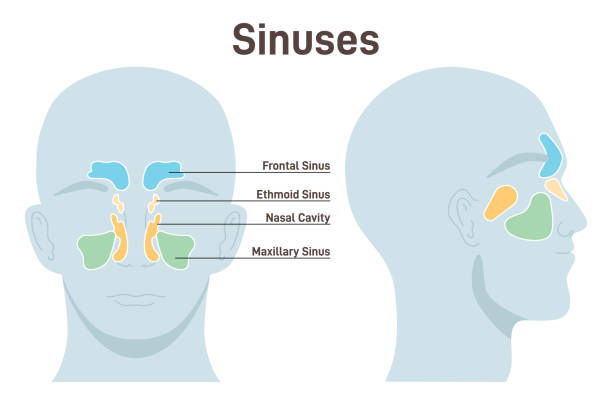


Sinus infection, also known as sinusitis, is a common condition that affects millions of people worldwide. This condition occurs when the sinuses, which are air-filled spaces in the skull, become inflamed due to infection or other factors. Understanding the causes, symptoms, and treatment options for sinusitis can help you manage and alleviate the discomfort associated with this condition.
Causes of Sinus Infection (Sinusitis)
Sinus infections can be triggered by various factors. Here are some common causes:
- Viral Infections: The most common cause of sinusitis is a viral infection, often following a cold or flu. The virus causes inflammation and swelling of the sinuses, leading to mucus buildup and discomfort.
- Bacterial Infections: In some cases, a bacterial infection can develop following a viral infection. Bacteria can thrive in the stagnant mucus trapped in the sinuses, leading to a more severe infection.
- Allergies: Allergic reactions to pollen, dust, mold, or pet dander can cause inflammation of the sinuses, resulting in sinusitis. Allergic sinusitis is often chronic and can lead to recurring infections.
- Nasal Polyps: These are non-cancerous growths in the nasal passages that can block the sinuses and lead to infection. Nasal polyps are often associated with chronic sinusitis.
- Deviated Septum: A deviated septum occurs when the nasal septum, the cartilage that divides the nasal cavity, is off-center. This can block the sinuses, making them more susceptible to infection.
- Air Pollution and Irritants: Exposure to pollutants, cigarette smoke, or other irritants can cause inflammation of the nasal passages and sinuses, leading to infection.
Symptoms of Sinus Infection (Sinusitis)
The symptoms of sinusitis can vary depending on the severity and type of infection. Common symptoms include:
- Nasal Congestion: One of the hallmark symptoms of sinusitis is a stuffy nose. This congestion is caused by the inflammation of the nasal passages and the buildup of mucus.
- Facial Pain or Pressure: Many people with sinusitis experience pain or pressure in the face, especially around the eyes, cheeks, and forehead. This discomfort is often worse when bending over or lying down.
- Thick Nasal Discharge: Sinus infections often cause a thick, yellow, or green nasal discharge. This mucus may drain from the nose or down the back of the throat, leading to a sore throat or cough.
- Headache: Sinusitis can cause headaches due to the pressure buildup in the sinuses. The pain is usually located in the forehead, temples, or behind the eyes.
- Fever: In cases of bacterial sinusitis, a fever may develop as the body tries to fight off the infection.
- Reduced Sense of Smell: Inflammation of the sinuses can lead to a reduced or lost sense of smell.
- Fatigue: The body’s response to infection, along with difficulty breathing, can lead to fatigue and general malaise.
Treatment Options for Sinus Infection (Sinusitis)
Treatment for sinusitis depends on the underlying cause and severity of the condition. Here are some common treatment options:
- Decongestants: Over-the-counter decongestants can help reduce nasal congestion and allow the sinuses to drain. However, these should be used for a short period to avoid rebound congestion.
- Nasal Corticosteroids: Nasal sprays containing corticosteroids can help reduce inflammation in the nasal passages, making it easier for the sinuses to drain.
- Saline Nasal Irrigation: Rinsing the nasal passages with a saline solution can help flush out mucus and allergens, reducing inflammation and easing symptoms.
- Antibiotics: If a bacterial infection is suspected, a doctor may prescribe antibiotics to clear the infection. It’s important to take the full course of antibiotics, even if symptoms improve.
- Pain Relievers: Over-the-counter pain relievers such as ibuprofen or acetaminophen can help alleviate the pain and discomfort associated with sinusitis.
- Antihistamines: If allergies are contributing to sinusitis, antihistamines can help reduce the allergic response and inflammation.
Home Remedies for Sinus Infection (Sinusitis)
In addition to medical treatments, several home remedies can help relieve the symptoms of sinusitis:
- Steam Inhalation: Inhaling steam from a bowl of hot water can help loosen mucus and soothe the sinuses. Adding a few drops of eucalyptus oil can enhance the effect.
- Warm Compress: Applying a warm compress to the face can help reduce facial pain and pressure by improving circulation and promoting drainage.
- Stay Hydrated: Drinking plenty of water helps thin the mucus, making it easier for the sinuses to drain. Herbal teas and clear broths are also good options.
- Humidifier: Using a humidifier in your home can add moisture to the air, which helps prevent the nasal passages from drying out and becoming irritated.
- Elevate Your Head: Sleeping with your head elevated can help reduce sinus pressure and promote drainage, reducing discomfort.
- Essential Oils: Certain essential oils, such as peppermint, eucalyptus, and tea tree oil, have anti-inflammatory and antimicrobial properties. These can be used in a diffuser or diluted and applied topically to help relieve symptoms.
- Ginger Tea: Ginger has natural anti-inflammatory properties. Drinking ginger tea can help reduce inflammation and alleviate sinus pain.
- Avoid Irritants: Try to avoid exposure to cigarette smoke, strong odors, and other irritants that can worsen sinusitis symptoms.
When to See a Doctor
While many cases of sinusitis can be managed with home remedies and over-the-counter treatments, it’s important to seek medical attention if symptoms persist or worsen. You should see a doctor if:
– Symptoms last longer than 10 days without improvement
- – You experience a high fever, severe headache, or swelling around the eyes
- – You have multiple episodes of sinusitis in a year
- – Over-the-counter treatments are not providing relief
A healthcare professional can perform a thorough examination and may recommend imaging tests or other diagnostic procedures to determine the underlying cause of your sinusitis. In some cases, surgery may be necessary to correct structural issues such as a deviated septum or remove nasal polyps.
Conclusion
Sinus infection, or sinusitis, can be a painful and frustrating condition, but understanding the causes, symptoms, and treatment options can help you manage it effectively. By using a combination of medical treatments and home remedies, you can alleviate symptoms and promote healing. If symptoms persist or become severe, be sure to consult a healthcare professional for further evaluation and treatment.


