
Superfoods for glowing skin aren’t a trend. They’re a biological strategy. This guide goes past the “eat more blueberries” surface advice — into the biochemistry of skin ageing, the specific compounds that rebuild collagen, protect against UV damage, regulate sebum, repair the gut-skin axis, and inhibit melanin overproduction. When you understand the mechanism, you’ll never skip these foods again.
Why Your Diet Is the Most Powerful Skincare Routine You’ll Ever Have
Your skin replaces itself completely every 28–40 days. Every new skin cell being manufactured right now is built from the raw materials you ate this week. Collagen fibres — the structural protein that keeps skin firm and plump — require Vitamin C as a cofactor. Without it, new collagen is structurally weak. Ceramides that form your skin’s barrier are built from fatty acids. No healthy dietary fats = compromised skin barrier.
Topical skincare works on the outermost 0.1–0.2mm of skin. Diet works systemically — influencing every layer including the deepest dermal collagen matrix that gives skin its architecture. You need both. But the science points clearly toward diet as the higher-leverage investment.
1. Collagen synthesis: Vitamin C, copper, zinc, and proline are the key cofactors. Without them, collagen cross-linking is incomplete and skin loses structure prematurely.
2. Oxidative stress defence: Free radicals from UV, pollution, and processed food attack skin cell membranes. Antioxidants (Vitamin C, E, lycopene, flavonoids) neutralise them before damage accumulates.
3. Inflammation regulation: Chronic low-grade inflammation degrades collagen, worsens acne, and accelerates pigmentation. Anti-inflammatory superfoods cool this response at the source.
4. Gut-skin axis: Your gut microbiome diversity directly controls systemic inflammation that surfaces as skin conditions. The most durable skin improvements come from feeding your gut — not just your face. Read our full guide: Gut Health and Overall Wellness
10 Powerful Superfoods for Glowing Skin — With the Science Behind Each One
A single fresh amla contains 600–900mg of Vitamin C — versus approximately 50mg in an orange. It also contains emblicanin-A and emblicanin-B, unique tannins that make amla’s Vitamin C dramatically more bioavailable than synthetic supplements. Vitamin C is the required cofactor for prolyl hydroxylase — the enzyme that stabilises collagen’s triple-helix structure. A 2011 study in the Journal of Ethnopharmacology found that amla extract significantly inhibited melanogenesis (melanin overproduction) — making it directly relevant for hyperpigmentation and uneven skin tone, a common concern for Indian skin types.
How to use: One fresh amla daily or 1 tsp amla powder in warm water on an empty stomach. Amla murabba, fresh amla, or fresh-pressed juice all count. Be consistent for 4+ weeks.
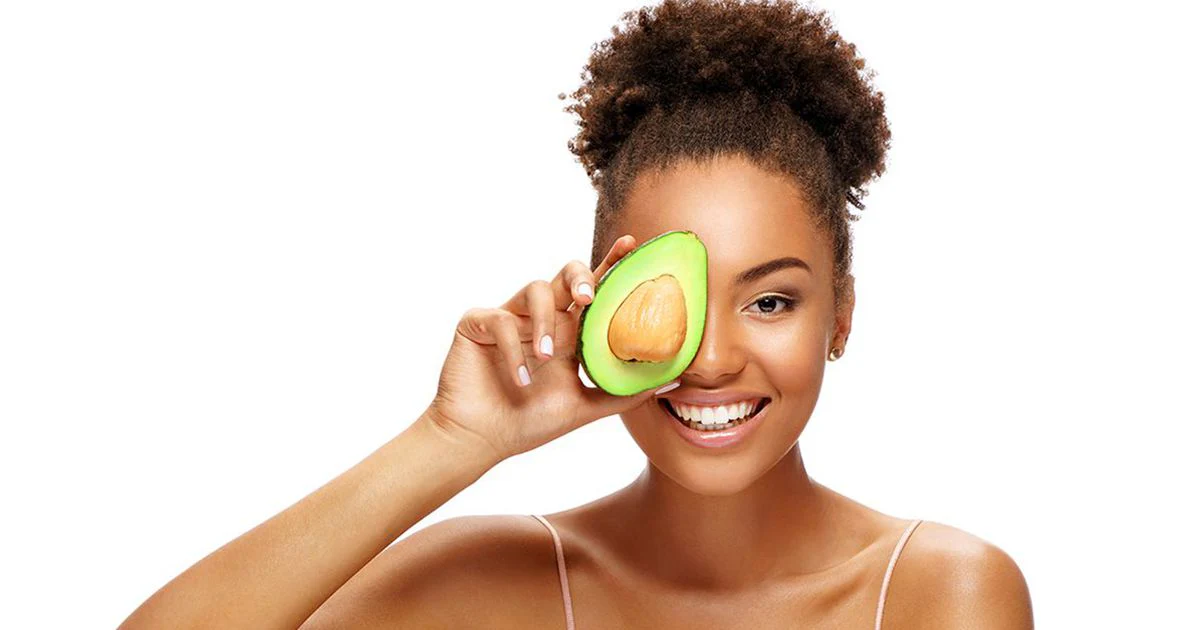
Avocado is rich in oleic acid — the same fatty acid that dominates your skin’s natural sebum. This directly supports the integrity of the stratum corneum (outermost skin layer) and prevents transepidermal water loss (TEWL). Avocado also contains beta-sitosterol, which inhibits 5-alpha reductase — the enzyme that converts testosterone to DHT, a key driver of hormonal acne. Its Vitamin E works synergistically with Vitamin C: eating avocado + amla together provides compounding antioxidant protection. A 2022 RCT in the Journal of Cosmetic Dermatology found daily avocado consumption significantly improved skin elasticity and firmness in women over 12 weeks.
How to use: Half an avocado daily. With a squeeze of lime for Vitamin C synergy. In smoothies, on toast, or as a dressing base.
One medium sweet potato provides more than the daily requirement of beta-carotene (which converts to Vitamin A in the body as needed). Vitamin A regulates skin cell turnover — preventing the build-up of dead cells that causes dullness, rough texture, and clogged pores. But beta-carotene has a second benefit: it accumulates in the skin itself, acting as an internal photoprotective agent. A 2012 study in the British Journal of Nutrition demonstrated that high dietary carotenoid intake measurably increased skin’s golden tone — independently linked to perceived radiance and health attractiveness in multiple cultures including South Asia.
How to use: Roasted, boiled, or as shakarkand sabzi. Always pair with a fat source — beta-carotene is fat-soluble. A drizzle of ghee or coconut oil maximises absorption.
Green tea’s main compound EGCG (epigallocatechin gallate) works through multiple skin pathways: inhibits UV-induced DNA damage, reduces skin cell death from sun exposure, downregulates inflammatory cytokines IL-6 and TNF-alpha (drivers of acne and redness), and inhibits collagenase — the enzyme that breaks down existing collagen. A 2013 RCT in the Journal of Nutrition found that women drinking high-flavanol green tea for 12 weeks had measurably better skin elasticity, hydration, and reduced UV-induced erythema. Green tea polyphenols also act as prebiotics, feeding Bifidobacterium in the gut — contributing to the gut-skin axis simultaneously.
How to use: 2–4 cups daily brewed at 70–80°C (boiling destroys EGCG). Japanese matcha delivers a concentrated EGCG dose. Do not sweeten — sugar partially counteracts the anti-inflammatory benefit.
Lycopene in tomatoes quenches singlet oxygen — the reactive oxygen species generated directly by UV exposure in skin — and suppresses MMPs (enzymes that break down collagen and elastin). The critical preparation detail: cooking tomatoes in oil increases lycopene bioavailability by up to 500% compared to raw. A 2011 RCT in the British Journal of Dermatology found that participants consuming tomato paste with olive oil for 12 weeks had 33% greater protection against UV-induced skin damage than controls. Every Indian sabzi cooked with tomato masala is delivering your lycopene dose — far better than any raw salad.
How to use: Cook tomatoes in oil — any dal, sabzi, or curry with tomato masala counts. Tomato puree in cooking, amchur-tomato chutneys — all excellent. The more cooked, the higher the lycopene yield.
Walnuts provide alpha-linolenic acid (ALA), the plant form of omega-3, which partially converts to EPA and DHA — the active anti-inflammatory forms. This matters for skin in two ways: directly, omega-3 fatty acids are incorporated into skin cell membranes, maintaining fluidity and reducing inflammatory signalling; indirectly, they significantly increase gut microbiome diversity — particularly Faecalibacterium prausnitzii (a major butyrate producer), which reduces the systemic inflammation driving eczema, acne, and psoriasis through the gut-skin axis. Walnuts also provide zinc (sebum regulation) and biotin (fatty acid synthesis for skin moisture retention). A 2020 JACN study found walnut supplementation significantly reduced inflammatory biomarkers in 8 weeks.
How to use: 5–7 whole walnuts daily, ideally soaked overnight. Add to oatmeal, curd, or eat as a mid-morning snack before breakfast.
A double-blind RCT published in the Journal of Nutrition found that participants consuming high-flavanol cocoa for 12 weeks had significantly improved skin texture, hydration, reduced transepidermal water loss, and better skin blood flow. The mechanism: cocoa flavanols (epicatechin + catechin) increase nitric oxide production, dilating dermal blood vessels and improving microcirculation — meaning more oxygen and nutrients reaching skin cells. Better blood flow is what produces that “glow” that no highlighter can replicate. Critical caveat: this only applies to 70%+ cacao. Milk proteins in lower-cacao chocolate bind flavanols and block absorption. The clinical benefit was found at 20–30g daily.
How to use: 20–30g (2–3 squares) of 70%+ dark chocolate after a meal. Melt into warm oat milk for a skin-nourishing evening drink.
Blueberry anthocyanins (the pigments giving their blue-purple colour) have a particular affinity for collagen structures — they bind directly to collagen fibres, strengthening them against enzymatic breakdown. This collagen cross-link reinforcement is the critical mechanism that separates blueberries from generic “high antioxidant” fruits. As we age, collagen fibres lose cross-link integrity — anthocyanins make them structurally more resilient. A 2019 review in Nutrients identified anthocyanins as among the most clinically significant dietary compounds for anti-photoageing, for both antioxidant protection and direct collagen reinforcement simultaneously.
How to use: 80–100g fresh or frozen blueberries daily. Frozen blueberries retain 90%+ of anthocyanin content. Combine with amla for synergistic Vitamin C + anthocyanin skin treatment.
Curcumin in turmeric inhibits NF-kB (the master inflammatory signalling pathway), suppresses collagenase and elastase (enzymes that break down skin structure), and directly inhibits tyrosinase — the key enzyme in melanin synthesis, making it clinically relevant for hyperpigmentation. The critical detail: curcumin’s bioavailability from turmeric alone is just 1%. Piperine in black pepper increases bioavailability by 2,000%. Every dal, sabzi, or curry with both turmeric and black pepper delivers genuinely bioavailable curcumin to your skin cells. The traditional Indian cooking practice of using both was nutritionally correct before the science explained why.
How to use: ½ tsp turmeric + a pinch of black pepper, always together, always with a fat source (curcumin is fat-soluble). In dal, sabzi, or haldi doodh (golden milk). Daily without exception.
Saffron’s unique compounds — crocin, crocetin, and safranal — inhibit tyrosinase and DOPA oxidase, two enzymes critical to melanin synthesis, making it one of the most potent natural skin-brightening compounds available. A 2013 RCT in JEADV (Journal of the European Academy of Dermatology and Venereology) found saffron extract significantly reduced hyperpigmentation, improved skin luminosity, and reduced UV-induced oxidative stress. This is particularly relevant for post-inflammatory hyperpigmentation — the dark marks left after acne — which disproportionately affects Indian skin types. Saffron also provides riboflavin (Vitamin B2), essential for cellular energy production in all skin cells.
How to use: 3–5 strands steeped in warm milk or water daily. In kheer, lassi, or biryanis. Very small amounts are needed — saffron is one superfood where a little genuinely goes a long way. Consistent use for 6–8 weeks produces visible tone improvement.
Skin Superfood Myths vs. Facts — The Ones That Cost You Money
“Expensive collagen supplements are the best way to boost collagen.”
Dietary Vitamin C from amla, tomatoes, and citrus is the rate-limiting cofactor for your body’s own collagen synthesis — producing structurally integrated collagen from your amino acid pool. Fix the Vitamin C before buying the supplement.
“Drinking more water directly gives you glowing skin.”
Adequate hydration supports kidney function and nutrient transport. But drinking beyond adequate hydration does not further improve skin. The limiting factor is nutrient availability and inflammation — not water volume. Hydration is necessary but not sufficient.
“Dairy is essential for skin health because of its nutrients.”
Commercial dairy contains IGF-1 which overstimulates sebum glands and promotes acne in susceptible people. Homemade curd is different — fermentation reduces IGF-1 and adds probiotic benefit, making it beneficial for the gut-skin axis. The distinction between packaged dairy and fermented homemade curd is important.
“Sunscreen makes dietary photoprotection unnecessary.”
Sunscreen blocks UV from reaching skin. Dietary carotenoids (sweet potato, tomatoes, carrots) build internal photoprotection within skin tissue, neutralising UV that does get through — including UVA, which penetrates glass and most sunscreens incompletely. The 33% UV protection from lycopene was measured above and beyond sunscreen use. These work synergistically.
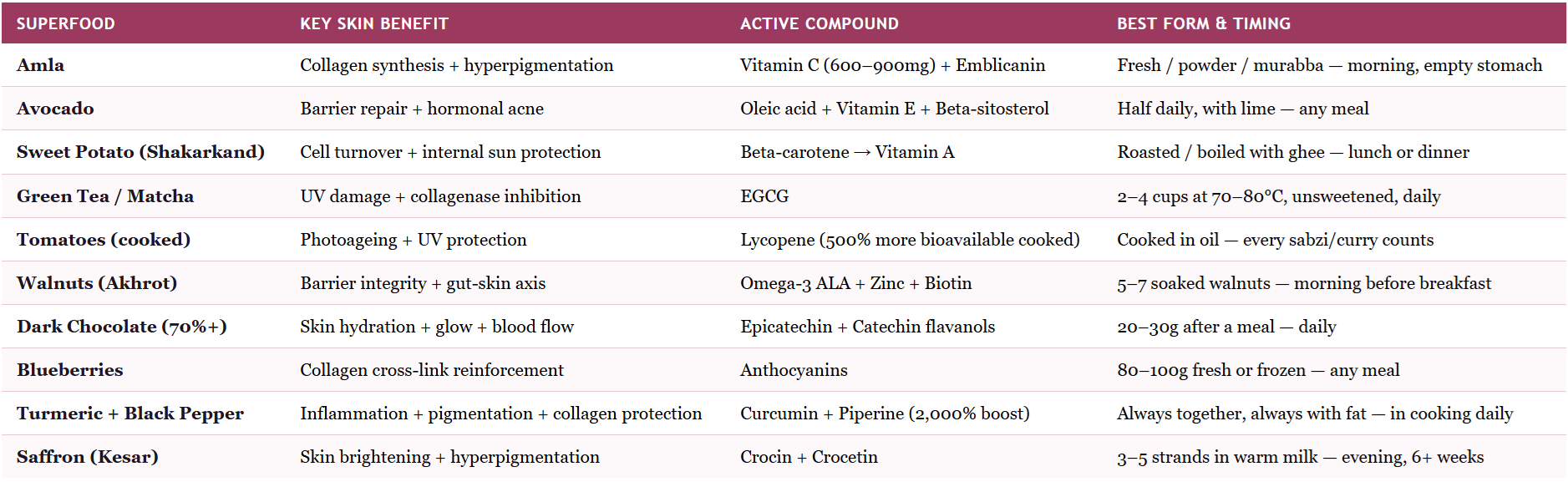
Indian Superfoods for Glowing Skin — Complete Quick Reference
What Is Silently Wrecking Your Skin — Even While You’re Eating Superfoods
High-glycaemic foods: Spike insulin → increases IGF-1 → stimulates sebum gland enlargement → promotes keratinocyte proliferation → acne. Pair rice with protein and fibre to moderate the response — this is more practical than elimination.
Refined seed oils (sunflower, soybean in excess): Extremely high omega-6 content shifts the inflammatory balance toward pro-inflammatory arachidonic acid pathways. Traditional Indian diets had an omega-6:omega-3 ratio of ~4:1. Urban Indian diets are now estimated at 30–50:1. This ratio shift is a significant driver of systemic skin inflammation.
Excess sugar (glycation): Advanced glycation end products (AGEs) form when sugar bonds to collagen and elastin, making fibres rigid and brown — the precise mechanism behind premature wrinkling and sallow skin tone. This damage is not reversible. Prevention matters more than any anti-ageing cream.
Alcohol: Depletes Vitamins A and C — the two most critical skin nutrients. Dehydrates the dermis, impairs liver detoxification, and disrupts sleep (the window when skin repair and growth hormone release occur).
Ultra-processed snacks with emulsifiers: Polysorbate 80 and carboxymethylcellulose thin the gut mucus layer, triggering LPS-driven systemic inflammation that surfaces on skin. Even while eating superfoods, ultra-processed snacks actively undermine the gut-skin axis.
Frequently Asked Questions About Superfoods for Glowing Skin
Q: Which superfoods are best for glowing skin?
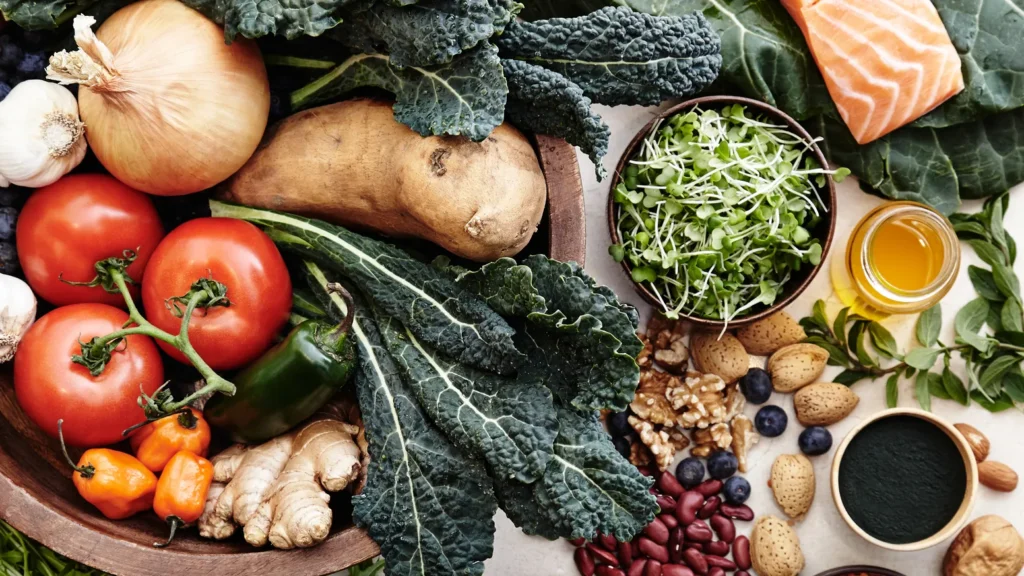
A: The most science-backed superfoods for glowing skin are amla (richest Vitamin C for collagen), avocado (barrier repair + DHT inhibition for acne), sweet potato (internal photoprotection), green tea EGCG (UV damage + collagenase inhibition), cooked tomatoes (lycopene photoageing protection), walnuts (omega-3 for gut-skin axis), dark chocolate 70%+ (flavanols for skin hydration and microcirculation), blueberries (anthocyanins for collagen reinforcement), turmeric + black pepper (curcumin anti-inflammatory + pigmentation), and saffron (crocin for skin brightening).
Q: How long does it take for superfoods to improve skin?
A: Early changes like reduced dullness can appear within 2–4 weeks. Measurable collagen improvements take 4–8 weeks. Gut-skin axis improvements (acne, eczema reduction) typically become visible at 6–8 weeks. Skin cell turnover takes 28–40 days, so at least one full cycle is needed before judging. Saffron and amla for hyperpigmentation show results at 6–12 weeks of consistent use.
Q: What Indian superfoods are best for glowing skin?
A: Amla, turmeric with black pepper, saffron, moringa, methi (fenugreek), homemade curd, and shakarkand are the strongest Indian superfoods for glowing skin — combining collagen support, melanin regulation, gut-skin axis healing, and internal photoprotection in ways that align precisely with modern dermatological science.
Q: Can diet really replace skincare for glowing skin?
A: Diet and skincare work synergistically, not in competition. Topical products work on the outermost 0.1–0.2mm of skin. Superfoods for glowing skin work at the cellular level across all layers — collagen synthesis, barrier integrity, inflammation, and melanin regulation systemically. Studies show dietary interventions produce more durable improvements than topical alone, particularly for inflammatory skin conditions.
Q: What foods damage skin and should be avoided?
A: The clearest dietary threats to skin are: high-glycaemic foods (increase acne via IGF-1), excess commercial dairy (IGF-1 overstimulates sebum glands), excess refined omega-6 seed oils (shift inflammatory balance), sugar glycation (cross-links collagen causing rigidity and dullness), alcohol (depletes Vitamins A and C), and ultra-processed foods with emulsifiers (damage gut-skin axis).
Q: Does water help skin glow?
A: Adequate hydration is necessary for skin cell function and nutrient transport. But drinking beyond adequate hydration does not further improve glow — the limiting factors are nutrient availability and inflammation levels, not water volume. For a complete guide, read: The Role of Hydration in Weight Loss and Wellness
Related Articles You’ll Love
HEALTH & WELLNESS
MIND & WELLBEING
Home Remedies for Better Sleep That Actually Work — 10 Science-Backed Natural Fixes
HERBS & AYURVEDA
Amla Benefits: Proven Immunity & Digestion Boost Backed by Science
NUTRITION & DIET
Role of Hydration in Weight Loss: 10 Powerful Science-Backed Reasons Water Is Your Best Tool
You don’t need a 12-step skincare routine. You need to stop treating your skin as a surface problem. The glow that every serum promises is already being manufactured inside you — in your collagen synthesis pathways, your gut microbiome, your melanin regulation enzymes, your skin cell membranes.
Superfoods for glowing skin are the raw materials your body has been waiting for. Give them consistently, and your skin will tell you.
The most expensive skincare in the world starts at your next meal.Which superfood for glowing skin surprised you most — the saffron clinical trial, the 500% lycopene boost from cooking, or the amla vs orange Vitamin C comparison? Drop it in the comments — and tag the friend who’s spending thousands on serums while skipping amla every morning. 👇
Sources & Further Reading
- Journal of Ethnopharmacology (2011) — Amla Extract and Melanogenesis Inhibition
- Journal of Cosmetic Dermatology (2022) — Avocado Consumption and Skin Elasticity RCT
- British Journal of Nutrition (2012) — Dietary Carotenoids and Skin Colour Perception
- Journal of Nutrition (2013) — High-Flavanol Green Tea and Skin: RCT
- British Journal of Dermatology (2011) — Tomato Paste and UV Protection: RCT
- Nutrients (2019) — Anthocyanins and Anti-Photoageing: Mechanisms Review
- Journal of Nutrition — Cocoa Flavanols RCT: Skin Hydration, Texture and Blood Flow
- JEADV (2013) — Saffron Extract and Hyperpigmentation: RCT
- HerbeeLife — Gut Health and Overall Wellness: The Science
- HerbeeLife — Natural Health & Ayurvedic Wellness
Disclaimer: This content is for informational purposes only and does not constitute medical advice. Always consult a qualified healthcare professional before making significant dietary changes. Read full disclaimer →