
Understanding the PCOD problem in women at the mechanism level is not academic — it directly changes what you eat, how you exercise, which supplements are evidence-backed, and what to expect from medical treatment. The standard “irregular periods, some cysts, take the pill” explanation leaves most women without the understanding they need to make meaningful long-term changes. This guide fills that gap.
PCOD vs. PCOS — Clearing Up India’s Most Confusing Medical Terminology
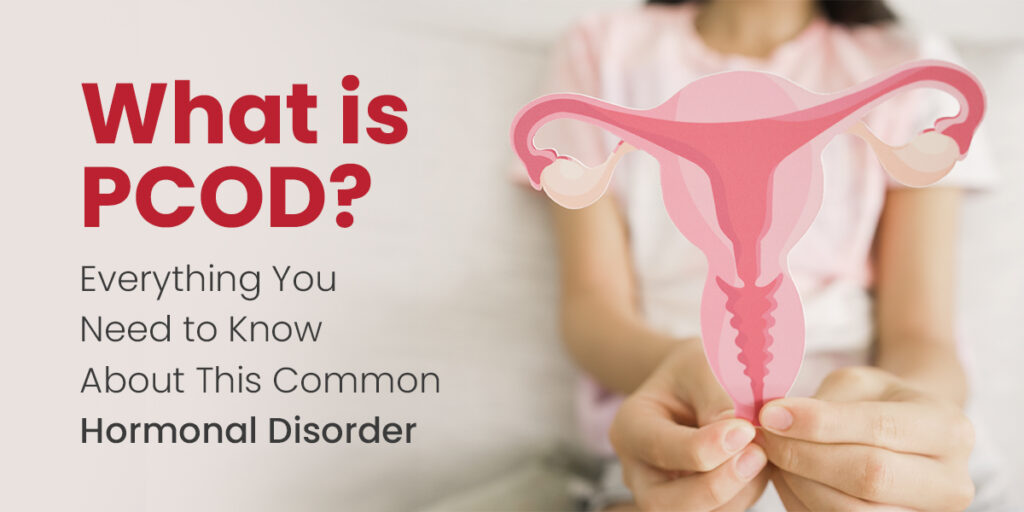
In India, PCOD (Polycystic Ovarian Disease) and PCOS (Polycystic Ovary Syndrome) are used almost interchangeably — by patients, often by doctors, and universally in media. They are not identical, and the distinction matters for understanding your condition and its treatment implications.
PCOD (Polycystic Ovarian Disease): A condition where the ovaries produce excess immature or partially mature eggs that accumulate as multiple small cysts. The hormonal imbalance is present but often milder. Some ovulation still occurs. More responsive to lifestyle intervention. Affects approximately 10% of women globally. Often reversible with sustained lifestyle change.
PCOS (Polycystic Ovary Syndrome): A more complex endocrine disorder diagnosed by the Rotterdam Criteria — requiring 2 of these 3 features: (1) oligomenorrhoea or anovulation, (2) clinical or biochemical androgen excess, (3) polycystic ovarian morphology on ultrasound. PCOS carries greater metabolic risk — higher rates of insulin resistance, type 2 diabetes, cardiovascular disease, endometrial hyperplasia, and metabolic syndrome. Affects approximately 6–15% of reproductive-age women globally.
The practical truth for Indian women: Most women diagnosed with “PCOD” in India have varying degrees of PCOS-spectrum disorder. This guide covers both, using PCOS as the clinically recognised term while acknowledging the Indian PCOD terminology throughout. Whatever the label, the underlying mechanisms and management principles are the same.
What Actually Causes PCOD — The Insulin-Androgen Cascade Nobody Explains Clearly
The single most important thing to understand about the PCOD problem in women is that insulin resistance is the primary driver in approximately 65–70% of cases — not the ovaries themselves. Understanding this cascade changes everything about treatment.
Insulin resistance means your cells don’t respond adequately to insulin’s signal to absorb glucose. The pancreas compensates by producing more insulin — leading to chronically elevated insulin levels (hyperinsulinaemia). This excess insulin acts on the ovaries in a specific and problematic way: it binds to insulin receptors on ovarian theca cells and directly stimulates them to produce androgens (testosterone and androstenedione) at excessive rates.
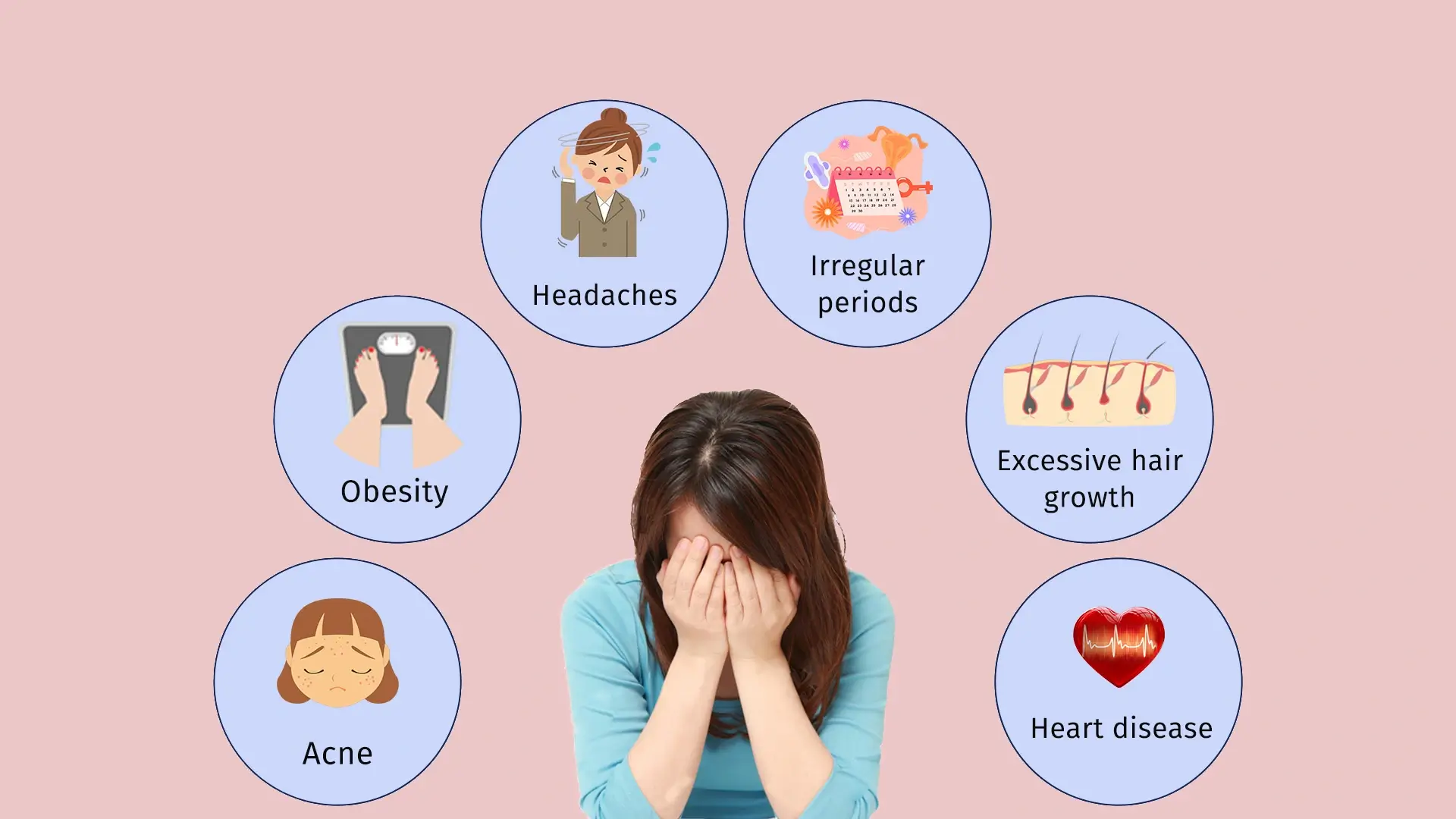
Simultaneously, high insulin reduces the liver’s production of sex hormone-binding globulin (SHBG) — the protein that binds testosterone and keeps it inactive. Less SHBG means more free (bioavailable) testosterone circulating in the blood — causing the visible androgen-excess symptoms: acne, hirsutism, and scalp hair thinning. It also disrupts the LH/FSH ratio needed for normal follicle maturation, preventing ovulation.
The important implication: any intervention that reduces insulin resistance — dietary change, weight loss, exercise, metformin, inositol — addresses the root cause of most PCOS, not just the symptoms. This is why lifestyle change is genuinely the most powerful first-line PCOS intervention, not just a vague recommendation.
Normal ovarian function requires a precisely timed hormonal dialogue between the pituitary gland and the ovaries. Luteinising hormone (LH) and follicle-stimulating hormone (FSH) are released in a specific ratio that drives follicle maturation and ovulation. In PCOS, this ratio is disrupted — LH is chronically elevated relative to FSH, which drives androgen production from theca cells (LH-dependent) while inadequately stimulating follicle maturation (FSH-dependent).
The result: multiple small follicles begin developing (creating the characteristic “string of pearls” appearance on ultrasound) but none mature to the dominant follicle stage required for ovulation. Each month, new follicles accumulate rather than one completing its cycle — producing the characteristic polycystic appearance that gives the condition its name, even though these “cysts” are actually immature follicles, not pathological cysts.
⚗️ Elevated LH:FSH ratio | Follicular arrest at antral stage | String of pearls ultrasound appearancePCOS has a strong hereditary component. Daughters of mothers with PCOS have approximately 50% risk of developing the condition. Sisters of PCOS patients have a 32–66% prevalence. The genetic architecture involves variants in genes controlling insulin signalling, androgen synthesis, LH receptor sensitivity, and inflammatory pathways. Multiple genome-wide association studies have identified PCOS loci — confirming this is a genetically complex condition with genuine hereditary risk.
In India, a critical cultural dynamic: families often normalise the pattern. “Irregular periods run in our family.” “My mother also had facial hair.” “I also struggled to conceive.” These family stories represent undiagnosed PCOS across generations — not normal female variation. Recognising the family pattern is clinically important because it raises the pre-test probability of PCOS in women presenting with symptoms, and because metabolic screening (for diabetes, blood pressure, lipids) is warranted in first-degree relatives.
⚗️ ~50% risk in daughters | 32–66% prevalence in sisters | GWAS-confirmed genetic lociOne of the most exciting emerging areas in PCOS research is the gut-hormone axis. Multiple studies published since 2020 have found that women with PCOS have measurably different gut microbiome compositions compared to healthy controls — specifically: reduced Lactobacillus and Bifidobacterium, increased Bacteroides and Prevotella, and lower overall microbial diversity. These differences correlate with insulin resistance severity, androgen levels, and inflammatory markers.
The mechanisms being investigated include: gut bacteria influencing bile acid metabolism (which regulates insulin sensitivity), LPS (bacterial endotoxin) from dysbiotic gut increasing systemic inflammation that worsens insulin resistance, and altered short-chain fatty acid production reducing the gut’s own insulin-sensitising signals. This is why improving gut health through dietary fibre diversity, fermented foods, and probiotic interventions may contribute to PCOS management — see our gut health guide: Gut Health and Overall Wellness
⚗️ PCOS gut dysbiosis: reduced Lactobacillus | LPS-insulin resistance connection | SCFA disruptionWomen with PCOS have measurably elevated inflammatory markers — elevated CRP, IL-6, TNF-alpha, and oxidative stress markers compared to healthy controls, independent of BMI. This chronic low-grade inflammation contributes to insulin resistance (inflammatory cytokines directly impair insulin receptor signalling), stimulates further androgen production in ovarian tissue, and creates the fatiguing, low-energy state many women with PCOS report even when weight is normal.
This inflammatory burden also explains why anti-inflammatory dietary and lifestyle interventions — turmeric with black pepper, omega-3 fatty acids, regular exercise, adequate sleep, and stress management — are not peripheral lifestyle add-ons but direct therapeutic interventions targeting a core pathological mechanism in PCOS. Read more on anti-inflammatory nutrition: Health Benefits of Turmeric
⚗️ Elevated CRP + IL-6 + TNF-alpha in PCOS | Inflammation → insulin receptor impairmentPCOD Symptoms in Women — The Complete Picture Including the Ones Frequently Missed
How PCOD is Diagnosed — The Rotterdam Criteria and What Tests You Actually Need
The internationally accepted diagnostic standard for PCOS is the Rotterdam Criteria (2003): diagnosis requires 2 of the following 3 features, after excluding other causes:
1. Oligo/anovulation: Irregular periods (cycles >35 days or <8 cycles/year) or absent periods — indicating absent or infrequent ovulation.
2. Clinical or biochemical androgen excess: Clinical: visible hirsutism, acne, or androgenetic alopecia. Biochemical: elevated total testosterone, free testosterone, or DHEAS on blood testing.
3. Polycystic ovarian morphology on ultrasound: ≥12 follicles (2–9mm) in one or both ovaries, or ovarian volume >10ml. Note: In adolescents (within 8 years of menarche), ultrasound alone should not be used — multifollicular ovaries are common in normal adolescent development.
Exclusion of other causes: Thyroid dysfunction (TSH), congenital adrenal hyperplasia (17-OHP), prolactinoma (prolactin), and Cushing’s syndrome must be excluded as they can mimic PCOS symptoms. These are standard blood tests your doctor should order at diagnosis.
Complete PCOS Workup — What to Ask Your Doctor For
| Test | What It Measures | Why It Matters in PCOS |
|---|---|---|
| Fasting insulin + fasting glucose | Insulin resistance (HOMA-IR calculation) | Most important metabolic marker — often not ordered routinely but essential for understanding root cause severity |
| LH and FSH (Day 2–3 of cycle) | Pituitary hormones; LH:FSH ratio | Elevated LH:FSH (>2:1) supports PCOS diagnosis; also essential for fertility planning |
| Total and free testosterone | Androgen levels | Biochemical androgen excess — needed for Rotterdam diagnosis and treatment monitoring |
| DHEAS | Adrenal androgen | Elevated DHEAS suggests adrenal contribution to androgen excess (affects treatment approach) |
| AMH (Anti-Müllerian Hormone) | Ovarian reserve / follicle pool | Elevated AMH in PCOS reflects the large immature follicle pool; also used for ovarian stimulation dosing in IVF |
| TSH | Thyroid function | Hypothyroidism mimics and worsens PCOS symptoms; must be excluded and treated |
| Prolactin | Pituitary hormone | Hyperprolactinaemia causes irregular periods and can mimic PCOS — must be excluded |
| HbA1c + oral glucose tolerance test | Long-term blood glucose + glucose metabolism | Screen for pre-diabetes and type 2 diabetes — highly prevalent in PCOS; should be repeated every 1–3 years |
| Lipid profile | Cholesterol, triglycerides, HDL, LDL | PCOS is associated with dyslipidaemia (low HDL, high triglycerides) — important for cardiovascular risk assessment |
| Vitamin D (25-OH) | Vitamin D status | Deficiency is near-universal in India and directly worsens insulin resistance — one of the most correctable PCOS drivers |
| Transvaginal ultrasound | Ovarian morphology, follicle count, volume | Third Rotterdam criterion — also identifies endometriomas and uterine pathology |
PCOD Treatment — What Each Approach Does and Who It’s For
This is not a polite recommendation — it is the most robustly evidence-based PCOS intervention that exists. A 2018 systematic review and meta-analysis published in Human Reproduction Update examined lifestyle intervention trials in PCOS and found that even modest weight loss (5–10% of body weight) in overweight PCOS patients produced: restoration of regular menstrual cycles in 55–60% of women, significant reduction in androgen levels, improved insulin sensitivity, and improved pregnancy rates — without any medication.
The mechanisms are direct: weight loss reduces adipose tissue (a significant source of oestrogen and inflammatory cytokines), reduces insulin resistance (less hyperinsulinaemia → less ovarian androgen stimulation), improves SHBG levels (→ less free testosterone), and reduces inflammation. For overweight and obese PCOS patients, lifestyle intervention is typically recommended as a first step before initiating medications — because for many, it resolves the clinical problem without pharmacological side effects.
For lean PCOS (normal BMI): lifestyle intervention still matters — exercise for insulin sensitisation even without weight loss, dietary quality improvements for inflammation reduction, and stress management for cortisol/insulin interaction.
⚗️ Meta-analysis: 5–10% weight loss → 55–60% ovulation restoration | Human Reproduction Update 2018The COCP is the most commonly prescribed medication for PCOS symptom management in India — and it is effective for specific goals: it suppresses LH (reducing ovarian androgen production), provides synthetic progesterone (protecting the endometrium from hyperplasia from unopposed oestrogen in anovulatory women), reduces acne and hirsutism, and regulates withdrawal bleeds. It is appropriate and effective for women who also need contraception or who are primarily seeking symptom control for acne and hirsutism.
The critical limitation: the COCP does not treat the underlying insulin resistance driving PCOS. When it is stopped — particularly for those wanting to conceive — the original hormonal pattern returns. Women who have taken the COCP for years and then stop frequently experience a return of irregular cycles, sometimes more severe than before, because the underlying metabolic root cause has not been addressed. This is not a failure of the woman’s body — it is a predictable consequence of symptomatic management without root-cause treatment.
⚗️ LH suppression → androgen reduction | Does not address insulin resistance | Symptoms return on discontinuationMetformin — originally a type 2 diabetes medication — is increasingly used in PCOS because it directly addresses insulin resistance: the primary driver of the condition. It reduces hepatic glucose production, improves peripheral insulin sensitivity, reduces the insulin signal that drives ovarian androgen overproduction, and has been shown in multiple trials to improve menstrual regularity, reduce androgens, and restore ovulation in PCOS patients — with a side effect profile generally milder than hormonal medications.
A 2020 Cochrane review found metformin superior to placebo for ovulation induction and comparable to clomiphene for live birth rates when used as a first-line ovulation induction agent. Its weight-loss side effect (modest, but consistent in PCOS patients) is an additional benefit given that excess weight drives insulin resistance. Metformin is typically started at 500mg daily and titrated to 1,000–1,500mg daily — GI side effects (nausea, diarrhoea) at initiation are the most common complaint and typically resolve within 2–4 weeks.
⚗️ Directly reduces insulin resistance | Cochrane 2020: comparable to clomiphene for ovulation | Addresses root causeFor women with PCOS who wish to conceive and do not ovulate with lifestyle change alone, ovulation induction medications are the established next step. Letrozole (an aromatase inhibitor) is now recommended as first-line ovulation induction in PCOS over clomiphene, based on a landmark 2014 NEJM multicentre RCT (the PPCOS II trial) that found letrozole produced significantly higher ovulation rates, pregnancy rates, and live birth rates than clomiphene in PCOS patients. Letrozole works by temporarily reducing oestrogen, which stimulates a robust FSH surge from the pituitary — more precisely targeting the follicular phase than clomiphene.
Clomiphene citrate remains widely used (particularly in government and lower-resource settings) and remains effective — approximately 80% of PCOS patients ovulate with clomiphene, and 40–50% conceive within 6 cycles. The anti-oestrogenic effect on the endometrium is clomiphene’s primary limitation — which letrozole avoids. Both require ultrasound monitoring and medical supervision to prevent ovarian hyperstimulation.
⚗️ PPCOS II NEJM 2014: letrozole superior to clomiphene for live birth in PCOS | First-line per international guidelinesEvidence-Based Natural Management of PCOD for Indian Women
Since insulin resistance drives PCOS, a diet that reduces postprandial insulin spikes is the most mechanistically sound dietary strategy. The glycaemic index (GI) of carbohydrates — how rapidly they raise blood glucose — directly determines the insulin response. High-GI foods (white rice in large amounts, maida, white bread, sugar, packaged snacks) produce rapid glucose spikes requiring large insulin responses. Low-GI foods (whole grains, legumes, vegetables, most fruits) produce gentler glucose and insulin curves.
A 2012 systematic review in Nutrition Journal found that low-GI diets produced significantly greater improvements in insulin sensitivity, menstrual regularity, and quality of life in PCOS patients compared to standard healthy eating diets. The Mediterranean dietary pattern — which is mechanistically similar to the traditional South Indian diet heavy in rice bran oil, vegetables, lentils, and fish — shows particularly strong evidence in PCOS research.
Indian low-GI PCOS diet framework:
✓ Replace white rice with millets (ragi, jowar, bajra) or add dal alongside rice to reduce GI. ✓ Prioritise whole dals and legumes as primary protein and fibre source. ✓ Include methi, jeera, ajwain, and cinnamon in cooking (all have evidence-backed insulin-sensitising effects). ✓ Cook with sesame or mustard oil (omega-3 content, anti-inflammatory). ✓ Begin meals with vegetables or salad (fibre first blunts glucose response). ✓ Avoid fruit juices — eat whole fruit for fibre. ✓ Limit processed snacks, packaged biscuits, and sweetened beverages entirely.
⚗️ Low-GI diet: improved insulin sensitivity + menstrual regularity (Nutrition Journal 2012 SR)Inositol is a naturally occurring sugar alcohol that acts as a second messenger in insulin signalling. Women with PCOS have been found to have impaired inositol metabolism — specifically, altered conversion of myo-inositol (MI) to D-chiro-inositol (DCI) in ovarian tissue. This metabolic defect impairs insulin signal transduction in the ovary, contributing to insulin resistance at the ovarian level independent of systemic insulin resistance.
Multiple randomised trials have found that inositol supplementation (particularly the 40:1 MI:DCI combination that mirrors physiological ratios) significantly improves: insulin sensitivity, fasting insulin levels, testosterone levels, LH:FSH ratio, menstrual regularity, and ovulation rates in PCOS patients. A 2019 meta-analysis in Endocrine Connections confirmed that inositol is as effective as metformin for insulin and androgen reduction in PCOS, with a superior tolerability profile.
Dosing: 2–4g myo-inositol + 50–100mg D-chiro-inositol daily (the 40:1 ratio). Available in Indian pharmacies as Inofolic, Ovacare, and other branded preparations. Generally safe and well-tolerated. Considered first-line supplementation for PCOS alongside dietary change by many reproductive endocrinologists.
⚗️ Inositol metabolism defect in PCOS ovary | 2019 meta-analysis: equal to metformin, better toleranceMethi (fenugreek) is the Indian spice with the most clinical evidence for PCOS management. Its active compounds — 4-hydroxyisoleucine, trigonelline, and galactomannan — work through multiple mechanisms simultaneously: direct improvement of insulin sensitivity (comparable in some studies to metformin), reduction in LH:FSH ratio, reduction in testosterone levels, and improvement in menstrual regularity.
A 2015 randomised controlled trial published in the International Journal of Medical Sciences found that 1g of standardised fenugreek seed extract daily for 90 days significantly reduced testosterone levels, improved insulin resistance, and restored menstrual cycle regularity in women with PCOS — with no significant adverse effects. A 2020 study found that hydroalcoholic fenugreek extract significantly reduced ovarian cyst size on ultrasound. Traditional Indian postpartum and menstrual practices of including methi in food are now supported by clinical evidence.
Spearmint (Mentha spicata) has documented anti-androgen activity — specifically, it reduces free testosterone by increasing SHBG levels and has direct antiandrogenic effects on tissue receptors. This mechanism is clinically relevant for PCOS, where elevated free testosterone drives hirsutism, acne, and scalp hair thinning.
A 2010 double-blind, randomised placebo-controlled trial published in Phytotherapy Research found that women drinking two cups of spearmint tea daily for 30 days had significantly lower free and total testosterone levels and significant subjective improvement in hirsutism compared to placebo. The effect size was meaningful within just 30 days — remarkable for a dietary intervention. Spearmint tea is caffeine-free, safe in PCOS management, widely available in Indian markets, and combines well with other herbal teas (green tea for metabolic benefit, cinnamon tea for insulin sensitisation).
⚗️ RCT: reduced free testosterone + hirsutism improvement (Phytotherapy Research 2010) | 2 cups/day protocolVitamin D deficiency — near-universal in Indian women — has a specific and direct relationship with PCOS pathophysiology. Vitamin D receptors are present on ovarian cells, pancreatic beta cells, and immune cells. Vitamin D deficiency directly impairs insulin secretion from pancreatic beta cells, worsens peripheral insulin resistance, increases inflammatory cytokine production, and impairs follicular development.
A 2011 pilot RCT found that Vitamin D supplementation in deficient PCOS patients significantly improved insulin resistance, restored menstrual regularity, and reduced ovarian cyst size. A 2020 meta-analysis confirmed that Vitamin D supplementation significantly reduces fasting insulin, testosterone levels, and HOMA-IR in PCOS patients. Given that the majority of Indian women are Vitamin D deficient and that correction is safe, inexpensive, and evidence-backed for PCOS — testing and correcting Vitamin D is one of the highest-priority interventions for Indian PCOS management.
⚗️ VDR on ovarian and pancreatic cells | Meta-analysis 2020: Vit D reduces insulin + testosterone in PCOSExercise is metabolic medicine for PCOS — but the type of exercise matters. Research specifically comparing exercise modalities in PCOS finds that resistance training (weight training, bodyweight exercises) may produce superior insulin sensitisation compared to aerobic exercise alone — because muscle tissue is the primary site of insulin-mediated glucose uptake, and increasing muscle mass directly increases insulin sensitivity regardless of weight change. A 2017 systematic review in Obstetrics and Gynaecology International confirmed that resistance training significantly improved insulin resistance, androgen levels, and menstrual regularity in PCOS patients independent of weight loss.
The practical recommendation: at minimum 150 minutes of moderate aerobic activity weekly plus 2–3 resistance training sessions weekly. Yoga — specifically the PCOS-focused protocols including kapalabhati pranayama, twisting postures (stimulate abdominal organs), and inversions — has specific evidence for PCOS: a 2012 RCT found a 3-month yoga programme significantly reduced androgens, improved insulin resistance, and improved menstrual frequency compared to conventional exercise in adolescents with PCOS.
⚗️ Resistance training: superior insulin sensitisation via muscle mass | Yoga RCT 2012: reduced androgens in PCOSCinnamon (Cinnamomum cassia and Cinnamomum verum) improves insulin sensitivity through multiple mechanisms: AMPK activation (the same energy-sensing pathway targeted by metformin), inhibition of glucose absorption from the intestine, and improvement of insulin receptor tyrosine kinase activity. For PCOS specifically, a 2014 double-blind RCT published in Fertility and Sterility found that 1.5g of cinnamon daily for 6 months significantly improved menstrual frequency in women with PCOS compared to placebo — with 62% of participants achieving at least one new menstrual cycle compared to 38% in the placebo group.
How to use: ½ tsp ground cinnamon added to warm water or chaas in the morning, in oatmeal, or sprinkled on fresh fruit. Ceylon cinnamon (true cinnamon, also called Sri Lanka cinnamon) is preferred over cassia cinnamon for daily use — cassia contains higher levels of coumarin, which at high doses may affect liver function. Both have insulin-sensitising effects. Available across India as dal chini.
⚗️ AMPK activation (metformin-like) | Fertility and Sterility RCT 2014: 62% menstrual improvementSleep is directly relevant to PCOS through multiple mechanisms that are rarely discussed. Sleep deprivation increases cortisol, which raises blood glucose and worsens insulin resistance. It disrupts the GH/IGF-1 axis, which influences ovarian function. It increases ghrelin (hunger hormone) and reduces leptin (satiety hormone), driving the overeating patterns that worsen PCOS weight management. And PCOS itself increases sleep apnoea risk (30x higher prevalence than general population) — which in turn worsens insulin resistance, creating a bidirectional cycle.
Poor sleep quality should be assessed and addressed as part of PCOS management — not treated as a separate issue. For evidence-backed sleep improvement strategies: Home Remedies for Better Sleep
⚗️ Sleep deprivation → cortisol → insulin resistance | Sleep apnoea 30x higher in PCOS | Bidirectional worseningLong-Term Health Risks of Untreated PCOD — Why This Is Not Just a Period Problem
Type 2 diabetes: Women with PCOS have a 2–5x higher lifetime risk of developing type 2 diabetes. At least 35% of PCOS women over 40 have pre-diabetes or diabetes. Annual HbA1c and fasting glucose screening is essential — not optional.
Cardiovascular disease: PCOS is associated with adverse cardiovascular risk factors — dyslipidaemia (low HDL, high triglycerides, elevated LDL), hypertension, endothelial dysfunction, and chronic inflammation — all independently contributing to cardiovascular risk. The increased risk of coronary artery disease and stroke in PCOS women is documented across multiple large cohort studies.
Endometrial hyperplasia and cancer: Anovulatory women produce oestrogen continuously (from ongoing follicular activity) without the progesterone that follows ovulation. This unopposed oestrogen thickens the endometrium — and without shedding (no period), this thickening can progress to endometrial hyperplasia and, over years, endometrial cancer. Women with PCOS who go months without periods need either progesterone supplementation to induce withdrawal bleed or investigation of endometrial thickness — not just watchful waiting.
Non-alcoholic fatty liver disease (NAFLD): NAFLD prevalence in PCOS is estimated at 35–70% — driven by insulin resistance, dyslipidaemia, and the same metabolic dysfunction that underlies the condition. Often completely asymptomatic until advanced.
Mental health: 3x higher rates of anxiety, depression, and disordered eating compared to the general population. The psychological burden of PCOS — including body image, fertility anxiety, and the chronic nature of the condition — requires active attention, not just physical symptom management.
PCOD Myths vs. Facts — The Ones Most Commonly Believed in India
“PCOD only happens to women who are overweight.”
Approximately 20% of PCOS patients are lean (normal BMI). Insulin resistance exists in lean PCOS at the cellular level without excess weight. In South Asian populations, metabolic dysfunction at lower BMIs is particularly common — a phenomenon called “thin-fat syndrome” or TOFI (thin outside, fat inside), where visceral fat and insulin resistance exist despite normal body weight.
“Having PCOD means you cannot get pregnant.”
PCOS is the most treatable cause of anovulatory infertility. 5–10% weight loss restores ovulation in 55–60% of overweight PCOS women without medication. Letrozole and clomiphene are highly effective ovulation induction agents. Most women with PCOS can conceive with appropriate management. PCOS should not be presented to women as a fertility death sentence — it is a manageable condition with generally good fertility outcomes.
“Taking the contraceptive pill will cure PCOD.”
The COCP manages PCOS symptoms (acne, hirsutism, irregular periods, endometrial protection) but does not treat the underlying insulin resistance. When stopped, symptoms return because the root cause has not been addressed. Women who take the pill for years and then stop for pregnancy often find their PCOS symptoms more severe — not because the pill “caused” PCOS, but because the lifestyle changes needed to address insulin resistance were deferred.
“You only have PCOD if your ultrasound shows cysts.”
PCOS is diagnosed by the Rotterdam Criteria — requiring 2 of 3 features. Polycystic ovarian morphology on ultrasound is only ONE of the three. A woman with irregular periods AND clinical androgen excess (acne, hirsutism) meets PCOS diagnostic criteria without any ultrasound finding. A normal ovarian ultrasound does not exclude PCOS.
“PCOD goes away after marriage/pregnancy.”
This is one of the most harmful myths in Indian PCOS discourse. PCOS does not resolve with marriage or pregnancy. Pregnancy suppresses symptoms temporarily (progesterone dominance). Post-delivery, the underlying insulin resistance and hormonal pattern return. The long-term metabolic risks — diabetes, cardiovascular disease, endometrial cancer — continue to accumulate regardless of reproductive events.
When to Expect Results — The PCOD Management Timeline
Dietary GI reduction and blood glucose stabilisation typically produce improved energy levels, reduced post-meal fatigue, and reduced bloating within the first 1–2 weeks. Starting methi seeds, cinnamon, and jeera water produces early digestive and blood glucose benefits.
Spearmint tea’s testosterone-reducing effect begins showing within 30 days (per the clinical trial). Inositol supplementation begins reducing insulin and androgen levels at 4–8 weeks. Skin oiliness and acne may begin improving. Weight movement (if applicable) should be visible by month 1 with dietary and exercise changes.
The cinnamon RCT showed 62% menstrual improvement at 6 months — measurable response typically begins at month 2–3. Inositol trials show menstrual improvement in 3–6 months. Fenugreek trials show results at 3 months. This is also the timepoint where laboratory tests (insulin, testosterone, LH:FSH) should show measurable improvement if interventions are being consistently implemented.
Hair follicle responses to androgen reduction are the slowest — hair growth cycles take 3–6 months. Visible reduction in facial hair growth speed, acne improvement, and early scalp hair density improvement typically become noticeable at 6 months. Patience and consistency are essential — the timeline is biological, not motivational.
Consistent lifestyle change over 12+ months produces the most significant metabolic improvements: normalised insulin sensitivity, reduced cardiovascular risk markers, regular ovulation restoration, and dramatically reduced long-term diabetes and cardiovascular risk. PCOS management is a lifestyle commitment, not a short-term fix — the women who achieve the greatest improvement are those who make consistent dietary and exercise changes their new baseline, not a temporary programme.
Frequently Asked Questions About PCOD Problem in Women
PCOD is a milder condition where ovaries produce excess immature eggs forming small cysts, sometimes with ongoing ovulation. PCOS is a more complex endocrine disorder diagnosed by Rotterdam Criteria (2 of 3: irregular ovulation, androgen excess, polycystic ovarian morphology). PCOS carries greater metabolic risk. In India both terms are used interchangeably — the underlying mechanisms and management are the same spectrum.
Key symptoms are: irregular or absent periods, hirsutism (excess facial/body hair), hormonal acne on the jawline and chin, scalp hair thinning, weight gain especially abdominal, acanthosis nigricans (dark skin patches in skin folds — a visible insulin resistance sign), difficulty conceiving, chronic fatigue, and mood disturbances. Approximately 20% of PCOS women are lean — PCOS is not exclusively a condition of overweight women.
The primary driver in 65–70% of cases is insulin resistance — causing excess ovarian androgen production and disrupted LH/FSH signalling. India’s high PCOS prevalence (22.5%) reflects genetic susceptibility (South Asian populations have inherently higher insulin resistance risk), dietary urbanisation toward high-GI refined foods, Vitamin D deficiency, gut microbiome dysbiosis, and chronic low-grade inflammation. Genetic predisposition (50% risk in daughters of PCOS mothers) is a key contributing factor.
The genetic predisposition cannot be eliminated. But the hormonal and metabolic manifestations of PCOD are highly responsive to lifestyle intervention. 5–10% weight loss in overweight PCOS restores ovulation in 55–60% of cases without medication (meta-analysis evidence). A low-GI diet, regular resistance training, inositol, Vitamin D correction, methi, cinnamon, and spearmint tea all produce measurable clinical improvements. Sustained lifestyle change achieves the most significant and durable results.
The best Indian foods for PCOD management are: methi seeds (RCT-proven androgen reduction and insulin sensitisation), spearmint tea (RCT-proven testosterone reduction), cinnamon/dal chini (RCT: 62% menstrual improvement), jeera water (insulin and digestive support), ragi and millets (low GI, high fibre — blood glucose management), amla (Vitamin C + chromium for insulin sensitivity), drumstick/moringa leaves (chromium and magnesium), and sabja seeds (soluble fibre to slow glucose absorption). Homemade curd supports gut microbiome for estrobolome health.
No. PCOS is the most treatable cause of anovulatory infertility. Lifestyle change alone restores ovulation in the majority of overweight PCOS patients. Letrozole (first-line) and clomiphene (second-line) are effective ovulation induction agents with good pregnancy rates. Most women with PCOS who wish to conceive do so with appropriate management — the fertility outlook is significantly better than for most other infertility diagnoses.
Related Articles You’ll Love
PCOD is not a life sentence. It is a metabolic signal — your body communicating that something in its insulin signalling, hormonal balance, or inflammatory environment needs attention. The women who achieve the greatest improvement are not the ones who found the perfect supplement or the right medication. They are the ones who understood the root cause well enough to address it consistently — through food, movement, sleep, and stress as daily practices, not 30-day programmes.
22.5% of Indian women have this condition. You are not alone, you are not broken, and the science of managing it is more evidence-backed than most people realise.
The first step is understanding. You just took it. 🌿Which PCOD fact surprised you most — the insulin-androgen cascade, the lean PCOS reality, or the inositol vs. metformin equivalence? Share this with the 1 in 4 Indian women who may have this condition and not know the full picture. 👇
Sources & Further Reading
- Human Reproduction Update (2018) — Lifestyle Intervention Meta-Analysis: 55–60% Ovulation Restoration in PCOS
- NEJM (2014) — PPCOS II Trial: Letrozole Superior to Clomiphene for PCOS Ovulation Induction
- Endocrine Connections (2019) — Inositol Meta-Analysis: Equal to Metformin, Superior Tolerability
- Phytotherapy Research (2010) — Spearmint Tea RCT: Reduced Free Testosterone in PCOS
- Fertility and Sterility (2014) — Cinnamon RCT: 62% Menstrual Improvement in PCOS
- International Journal of Medical Sciences (2015) — Fenugreek Seed Extract RCT: Reduced Testosterone in PCOS
- Meta-Analysis (2020) — Vitamin D Supplementation Reduces Fasting Insulin + Testosterone in PCOS
- Obstetrics & Gynaecology International (2012) — Yoga RCT: Reduced Androgens in Adolescent PCOS
- HerbeeLife — Endometriosis: Symptoms, Causes and Natural Treatment Guide
- HerbeeLife — Natural Health & Ayurvedic Wellness
Disclaimer: This content is for informational purposes only and does not constitute medical advice. PCOD/PCOS requires professional diagnosis and individualised medical management. Always consult your gynaecologist or healthcare provider for diagnosis and treatment decisions. Read full disclaimer →