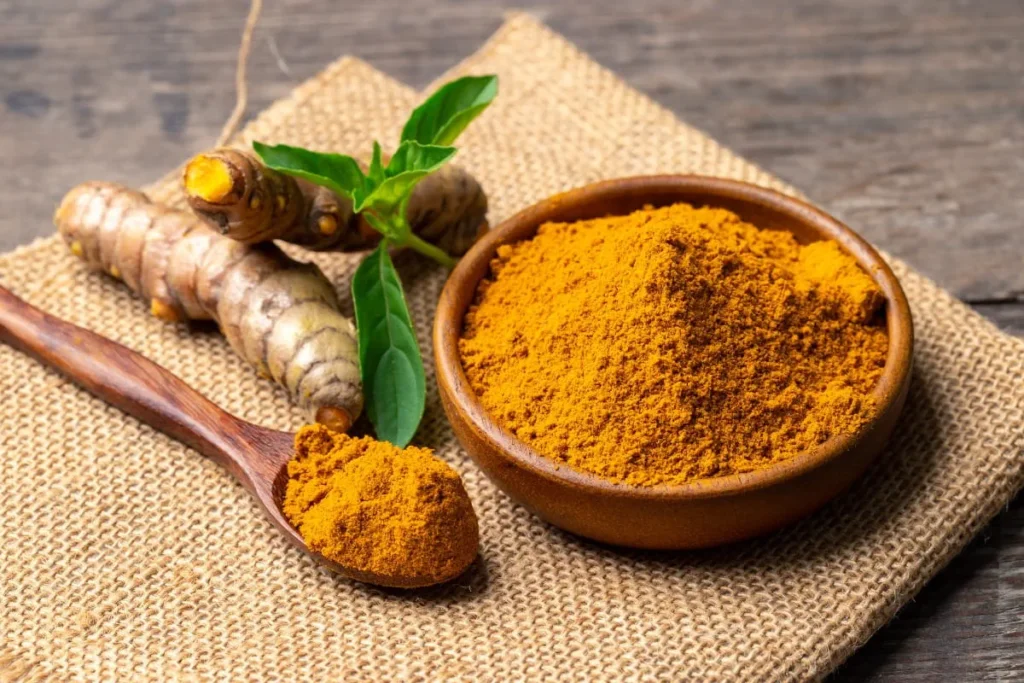

This guide covers what health benefits of turmeric actually look like at the molecular level — the NF-kB pathway, the BDNF mechanism, the endothelial repair story, the curcumin-cancer research, and the gut-skin connection. Then it tells you the exact preparation rules that determine whether the curcumin in your turmeric reaches your bloodstream or gets immediately eliminated. Understanding the difference will change how you use this spice every single day.
The Bioavailability Problem: Why Most People’s Turmeric Does Nothing
Before any health benefit of turmeric can work, curcumin must reach your bloodstream in meaningful concentrations. This is the critical conversation that almost nobody is having. Curcumin’s oral bioavailability in its natural state is approximately 1%. The other 99% is rapidly conjugated in the intestinal wall and liver — converted into inactive metabolites and eliminated before it can reach target tissues.
Rule 1 — Black pepper is non-negotiable: Piperine in black pepper inhibits CYP3A4 and UDP-glucuronosyltransferase — the liver and intestinal enzymes that rapidly break down curcumin. This single addition increases curcumin bioavailability by 2,000%, as documented in a landmark 1998 study in Planta Medica. Without black pepper, the health benefits of turmeric are largely theoretical at dietary doses.
Rule 2 — Fat is required: Curcumin is highly lipophilic (fat-soluble). It is absorbed via the lymphatic system alongside dietary fats, bypassing first-pass liver metabolism when consumed with fat. Cooking turmeric in ghee, oil, or coconut oil — as traditional Indian cooking has always done — is nutritionally correct. Cold mixing of turmeric powder into water produces almost no systemic absorption regardless of piperine addition.
Rule 3 — Heat activates turmerones: Heating turmeric in oil activates ar-turmerone — a sesquiterpene that independently crosses the blood-brain barrier and stimulates neurogenesis. This means the haldi in your cooked sabzi delivers brain-health benefits that cold preparations like raw turmeric shots do not.
The traditional Indian combination — turmeric cooked in ghee or oil with black pepper — satisfies all three bioavailability rules simultaneously. This was formulated through empirical observation over thousands of years before the biochemistry existed to explain it. Modern science has simply confirmed what Indian cuisine already practised.
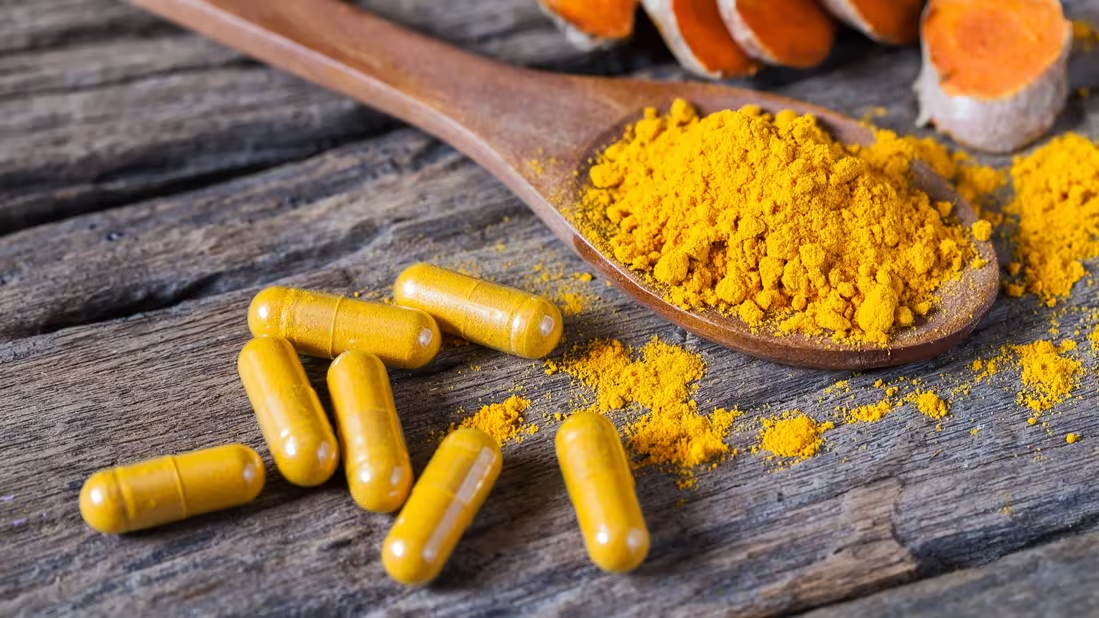
10 Health Benefits of Turmeric — With the Molecular Mechanisms Behind Each
Nuclear factor kappa B (NF-kB) is the master regulatory protein for inflammatory gene expression in the human body. When activated — by stress, processed food, environmental toxins, or infection — NF-kB switches on hundreds of genes that produce pro-inflammatory cytokines (IL-1β, IL-6, TNF-α). These cytokines, when chronically elevated, drive virtually every major chronic disease: cardiovascular disease, type 2 diabetes, Alzheimer’s, arthritis, and multiple cancers.
Curcumin is one of the most potent natural NF-kB inhibitors identified in pharmacological research. It works by preventing IκBα degradation — blocking the molecular cascade that would normally activate NF-kB — and by directly binding to NF-kB’s p65 subunit, preventing it from binding to DNA. The result is a broad suppression of the inflammatory gene expression programme that no single pharmaceutical drug can match without significant side effect profiles.
A 2004 review in Oncogene identified curcumin as one of the most effective known inhibitors of NF-kB activity, comparing its mechanism favourably to pharmaceutical anti-inflammatories while noting its exceptional safety profile in human trials extending up to 8 weeks at 8g/day.
Brain-Derived Neurotrophic Factor (BDNF) is sometimes called “fertiliser for the brain.” It is a protein that promotes the growth of new neurons (neurogenesis), strengthens synaptic connections, and protects existing neurons from degeneration. Low BDNF levels are consistently associated with depression, anxiety, cognitive decline, Alzheimer’s disease, and accelerated brain ageing.
Curcumin increases BDNF expression through multiple pathways — most significantly by activating CREB (cAMP response element-binding protein), which directly upregulates the BDNF gene. It also inhibits monoamine oxidase (MAO) — an enzyme that breaks down serotonin, dopamine, and norepinephrine — producing an antidepressant effect that has been validated in multiple clinical trials.
A 2014 RCT in Phytotherapy Research found that bioavailable curcumin supplementation produced antidepressant effects comparable to fluoxetine (Prozac) in patients with major depressive disorder — without the side effects. A 2018 randomised trial in The American Journal of Geriatric Psychiatry found that daily curcumin significantly improved memory and attention in older adults over 18 months — with fMRI showing reduced amyloid and tau accumulation in brain regions associated with memory.
The health benefits of turmeric for the heart work through four distinct cardiovascular pathways — making it one of the most comprehensively cardioprotective dietary compounds identified in research. First, curcumin improves endothelial function — the ability of the inner lining of blood vessels to regulate blood pressure, clotting, and inflammatory response. Endothelial dysfunction is the earliest stage of atherosclerosis, preceding measurable plaque formation by years.
Second, curcumin reduces LDL oxidation — the specific process that makes LDL cholesterol dangerous. Unoxidised LDL is relatively benign; oxidised LDL triggers macrophage foam cell formation that initiates arterial plaque. Third, curcumin reduces platelet aggregation — the clumping of platelets that contributes to clot formation and stroke risk. Fourth, curcumin reduces serum triglycerides and total cholesterol in multiple clinical trials.
A 2012 study in the American Journal of Cardiology found that curcumin supplementation reduced post-bypass surgery heart attack risk by 65% in a randomised controlled trial — an extraordinary single-intervention outcome for cardiac risk reduction.
Osteoarthritis and rheumatoid arthritis are among the most studied conditions for curcumin’s therapeutic potential — and the results are among the most clinically convincing in the entire turmeric literature. Curcumin targets joint inflammation through NF-kB suppression, COX-2 inhibition (the same enzyme targeted by ibuprofen and celecoxib), and direct inhibition of pro-inflammatory cytokines IL-1β and TNF-α that drive cartilage degradation.
A landmark 2014 randomised controlled trial in Phytotherapy Research directly compared bioavailability-enhanced curcumin to ibuprofen in patients with knee osteoarthritis. Both groups showed significant pain reduction and improved function — with the curcumin group showing equivalent pain relief and significantly fewer gastrointestinal side effects. A 2019 meta-analysis in the Journal of Medicinal Food reviewed 15 RCTs and concluded curcumin significantly reduced pain and inflammation in osteoarthritis patients versus placebo.
This is the health benefit of turmeric that has the most direct pharmaceutical comparator — and it performs creditably against a drug class that millions of Indians take daily, with a superior safety profile.
Curcumin improves glucose metabolism through several interacting mechanisms that are particularly relevant to the Indian population, where type 2 diabetes prevalence has reached epidemic proportions — with over 77 million diagnosed cases and an estimated equal number undiagnosed. Curcumin activates AMPK (AMP-activated protein kinase) — the cellular energy sensor that triggers glucose uptake by muscle cells and inhibits hepatic glucose production. This is the same pathway activated by metformin, the world’s most prescribed diabetes medication.
Curcumin also improves insulin receptor sensitivity, reduces glycosylation of proteins (the mechanism behind diabetic complications), and reduces pancreatic beta-cell inflammation — potentially preserving insulin-secreting capacity in early-stage diabetes. A landmark 2012 randomised trial in Diabetes Care found that curcumin supplementation for 9 months prevented progression from prediabetes to type 2 diabetes in 100% of the intervention group, compared to 16.4% progression in the placebo group — an extraordinary preventive outcome.
The health benefits of turmeric for gut health are more nuanced than “anti-inflammatory.” Curcumin selectively modifies the gut microbiome — increasing Lactobacillus and Bifidobacterium populations while reducing pathogenic bacteria including Clostridium perfringens and certain Enterobacteriaceae species. It also increases butyrate production — the short-chain fatty acid that repairs gut lining integrity, reduces intestinal permeability, and fuels colonocytes.
There is also a critical two-way relationship: the gut microbiome substantially transforms curcumin into more bioavailable metabolites (tetrahydrocurcumin and hexahydrocurcumin) that are actually more potent antioxidants than curcumin itself. A diverse, healthy microbiome converts more curcumin into these active metabolites — meaning gut health improves curcumin’s effectiveness, while curcumin simultaneously improves gut health. This virtuous cycle is one of the most elegant mechanisms in nutritional biochemistry. Read more: Gut Health and Overall Wellness
Turmeric’s skin benefits operate through two distinct pathways. Topically, curcumin inhibits tyrosinase and DOPA oxidase — the enzymes responsible for melanin synthesis — making it a clinically relevant natural depigmenting agent for hyperpigmentation, post-inflammatory dark marks (PIH), and melasma. A clinical trial comparing topical curcumin to hydroquinone (the pharmaceutical gold standard for depigmentation) found comparable efficacy, without the skin thinning and rebound hyperpigmentation associated with hydroquinone long-term use.
Systemically, curcumin reduces the LPS-driven inflammatory cascade that drives acne, eczema, and psoriasis through the gut-skin axis. When gut barrier integrity is compromised, bacterial endotoxins (LPS) enter circulation and trigger systemic inflammation that surfaces on skin. Curcumin addresses this at two levels: reducing gut barrier permeability and suppressing the downstream NF-kB inflammatory response that causes the skin manifestations. Read more: Superfoods for Glowing Skin
The liver performs over 500 metabolic functions — including drug metabolism, fat processing, glycogen storage, and phase I/II detoxification. Curcumin is one of the most hepatoprotective natural compounds identified in pharmacological research. It protects liver cells from oxidative damage, stimulates bile production and flow (hepatoprotective in fatty liver conditions), reduces liver fibrosis progression by inhibiting stellate cell activation, and upregulates phase II detoxification enzymes (glutathione S-transferase, quinone reductase) that neutralise carcinogens and environmental toxins.
For non-alcoholic fatty liver disease (NAFLD) — which affects an estimated 38% of urban Indians, driven by insulin resistance and sedentary lifestyles — curcumin’s ability to reduce hepatic fat accumulation, improve liver enzyme levels (ALT, AST), and address the underlying insulin resistance simultaneously makes it one of the most relevant natural interventions. A 2019 meta-analysis in Complementary Therapies in Medicine found that curcumin supplementation significantly reduced liver fat, liver enzymes, and metabolic markers in NAFLD patients across multiple trials.
Curcumin is one of the most extensively studied natural compounds in cancer research — with thousands of in vitro (cell culture) and animal model studies demonstrating anti-tumour activity. The mechanisms are genuinely impressive: curcumin induces apoptosis (programmed death) in cancer cells by activating caspase-3 and -8; suppresses angiogenesis (blood vessel formation that feeds tumour growth) by inhibiting VEGF; reduces tumour invasion by blocking MMP-9; and modulates multiple oncogenes and tumour suppressor genes simultaneously.
The critical caveat: most cancer research is in laboratory settings. Clinical trials in human cancer patients are fewer, and bioavailability limitations mean achieving therapeutic curcumin concentrations in tumour tissue is challenging with current delivery systems. However, epidemiological evidence is compelling: India, with the world’s highest turmeric consumption, has some of the world’s lowest rates of colorectal, breast, prostate, and lung cancer per capita — a correlation that researchers continue to investigate causally.
The honest conclusion: curcumin has the most comprehensive anti-tumour mechanism of any naturally occurring compound in the research literature. Its role in cancer prevention through daily dietary exposure is plausible and supported by epidemiology. Its role as a cancer treatment requires clinical-grade delivery systems currently in development. It should supplement — not replace — conventional oncological care.
Most “immunity boosting” claims in wellness content are either oversimplified or clinically unsupported. Turmeric’s effect on immunity is more sophisticated — and more valuable — than simple “boosting.” Curcumin is an immunomodulator: it enhances immune responses that are insufficient (innate immunity against pathogens) while simultaneously suppressing immune responses that are excessive (autoimmune overreaction, chronic inflammation). This bidirectional regulation is rare in pharmacological literature and is the mechanism that makes turmeric relevant to such a wide range of conditions.
Specifically: curcumin increases macrophage activation against bacterial pathogens, enhances natural killer (NK) cell cytotoxicity against virally infected cells and tumour cells, and upregulates regulatory T-cells (Tregs) that prevent autoimmune self-attack. Simultaneously, it downregulates Th1 and Th17 responses responsible for inflammatory tissue damage in autoimmune conditions. A 2007 review in the Journal of Clinical Immunology characterised curcumin as “a model for immune regulation” — achieving the balance that neither pro-inflammatory nor blanket immunosuppressive approaches can match.
Turmeric Myths vs. Facts — The Ones That Cost You Real Benefit
“More turmeric = more benefit. Just add extra to everything.”
Turmeric powder contains approximately 3% curcumin by weight. To reach doses used in clinical studies, you would need 17–67g of turmeric daily. The solution is not more turmeric — it’s better bioavailability: black pepper + fat + heat. These three together make a small amount far more effective than large amounts without them.
“Raw turmeric shots are more potent than cooked turmeric.”
Heat activates ar-turmerone (brain and neurogenesis benefit), releases curcumin from cell matrices, and when combined with fat, dramatically increases lymphatic absorption by bypassing first-pass liver metabolism. Cold raw turmeric shots deliver low curcumin bioavailability regardless of concentration. Cooked turmeric with black pepper and ghee is more effective.
“Turmeric supplements are always better than dietary turmeric.”
Standard curcumin supplements have the same 1% bioavailability problem as dietary turmeric without an enhanced delivery system. Enhanced-bioavailability formulations (BCM-95, Meriva, Theracurmin) genuinely outperform standard turmeric for clinical applications. Dietary turmeric optimised with black pepper and fat provides the full spectrum of turmeric phytonutrients — not just isolated curcumin — and is superior for general wellness and prevention.
“Turmeric is safe in any amount for everyone.”
Dietary turmeric in normal cooking quantities is exceptionally safe. However: high-dose curcumin supplements interact with blood-thinning medications (warfarin, aspirin), may enhance the effects of diabetes medications (risk of hypoglycaemia), should be avoided in gallstone conditions (curcumin stimulates bile contraction), and require caution in pregnancy at supplemental doses. Food is safe; therapeutic doses require physician awareness.
When to Expect Results: The Honest Turmeric Health Benefit Timeline
Curcumin’s COX-2 inhibition produces measurable anti-inflammatory effects within hours of a well-absorbed dose. Turmeric’s bile-stimulating effect on the liver is apparent in the same meal — improving fat digestion immediately. Post-meal bloating reduction is frequently noticed within the first week of consistent use in cooking.
People with chronic low-grade joint inflammation typically notice reduction in morning stiffness and post-exercise soreness within 7–14 days of consistent curcumin intake (optimised form). Skin tone improvements from tyrosinase inhibition begin at the cellular level immediately but become visibly noticeable after one full skin cell turnover cycle (28–40 days). Energy improvements from reduced systemic inflammation are often reported in the first two weeks.
Measurable improvements in LDL oxidation markers, endothelial function parameters, and fasting blood glucose typically appear in blood tests at 4 weeks of consistent enhanced-curcumin intake. The 2012 Diabetes Care study showing prediabetes prevention was conducted over 9 months — consistent long-term use, not short-term supplementation, produces the most significant metabolic outcomes.
BDNF elevation from curcumin is a cumulative process. The 2018 memory and cognitive function trial used 18 months of supplementation. Most people report noticeable mood stability and cognitive clarity improvements by 6–8 weeks of consistent intake. Neuroplasticity changes measured by fMRI require months — but subjective experience often precedes the measurable biomarker changes.
The cancer prevention epidemiological data from India reflects populations consuming turmeric consistently across decades of life. NF-kB suppression as a cancer-prevention strategy is not a short-term intervention — it is a lifestyle practice. The health benefits of turmeric for prevention compound over years, not weeks. This is the rationale behind the Indian culinary tradition’s daily use — not occasional supplementation.
Health Benefits of Turmeric — Complete Reference Guide
| Health Benefit | Key Mechanism | Clinical Evidence Level | Optimal Form | Timeline |
|---|---|---|---|---|
| Anti-inflammation | NF-kB + COX-2 inhibition | Strong (multiple RCTs) | Dietary + enhanced supplement | Days–weeks |
| Brain health / BDNF | CREB activation + MAO inhibition | Moderate–Strong (RCTs) | Haldi doodh + supplements | Weeks–months |
| Heart health | Endothelial function + LDL oxidation inhibition | Strong (RCT: 65% cardiac risk reduction) | Enhanced curcumin supplement | Weeks |
| Arthritis / joint pain | COX-2 inhibition (comparable to ibuprofen) | Strong (multiple RCTs vs NSAID) | Enhanced bioavailability supplement | 2–4 weeks |
| Blood sugar | AMPK activation (metformin-like) | Strong (Diabetes Care RCT) | Enhanced supplement + dietary | Weeks–months |
| Gut health | Microbiome modulation + butyrate | Moderate (emerging) | Dietary in cooked food | Weeks |
| Skin / hyperpigmentation | Tyrosinase inhibition | Moderate (clinical comparator trials) | Topical + dietary | 4–8 weeks |
| Liver / NAFLD | Hepatoprotection + phase II enzyme induction | Moderate–Strong (meta-analysis) | Morning warm turmeric water | Weeks–months |
| Cancer prevention | Apoptosis + VEGF inhibition + multi-pathway | Preliminary (epidemiology + in vitro) | Daily dietary (lifelong) | Years (prevention) |
| Immunity | Bidirectional NK cell + Treg modulation | Moderate (immune panel studies) | Haldi doodh nightly | Weeks |
What Cancels Out Turmeric’s Benefits — Common Mistakes
Using turmeric without black pepper: This is the single most common mistake. Without piperine, curcumin bioavailability is ~1%. You are consuming the colour and flavour of turmeric — not its therapeutic compounds. Every turmeric preparation must include black pepper. Always.
Adding turmeric to cold water or cold drinks: Curcumin does not dissolve in cold water and has negligible absorption without fat and heat. Cold turmeric water provides the appearance of a health drink with very little curcumin uptake. Use warm water with a fat source (ghee drop, coconut oil) and black pepper for any liquid preparation.
Excessive alcohol alongside curcumin supplementation: Alcohol competitively inhibits the same liver cytochrome enzymes that curcumin modulates, reducing the net hepatoprotective effect and creating unpredictable metabolic interactions. Separate therapeutic turmeric use from alcohol consumption.
Using adulterated commercial turmeric: Indian food safety surveys have found significant proportions of commercial turmeric adulterated with metanil yellow (a carcinogenic synthetic dye), chalk powder, or starch. Always source organic turmeric from verified suppliers, or buy whole turmeric roots and grind fresh. The colour of authentic turmeric is orange-yellow — not intense bright yellow.
Expecting dietary turmeric to replace medical treatment: The health benefits of turmeric are genuine and extensively documented. But they operate at a preventive and adjunctive level for most conditions — not as a treatment replacement. Curcumin works magnificently alongside evidence-based medicine. It is not a substitute for it.
Frequently Asked Questions About Health Benefits of Turmeric
The most evidence-backed health benefits of turmeric are: NF-kB pathway anti-inflammatory inhibition (master switch for chronic disease), BDNF elevation for brain health and neuroplasticity, cardiovascular protection through endothelial function improvement and LDL oxidation inhibition, arthritis pain relief comparable to ibuprofen in RCTs, blood sugar regulation via AMPK activation, gut microbiome modulation, tyrosinase inhibition for skin brightening, liver protection in NAFLD, and bidirectional immune modulation. All require turmeric consumed with black pepper and a fat source for meaningful bioavailability.
Curcumin’s bioavailability from turmeric alone is approximately 1%. Piperine in black pepper inhibits the liver and intestinal enzymes that rapidly break down curcumin, increasing its bioavailability by 2,000% (documented in Planta Medica, 1998). Without black pepper, consuming turmeric delivers the colour and flavour of curcumin — not its therapeutic effect at meaningful blood concentrations.
Clinical studies use 500–2,000mg of curcumin daily — equivalent to 17–67g of turmeric powder, far beyond practical dietary amounts. The practical solution is optimised bioavailability rather than higher quantity: ½–1 tsp of turmeric with a pinch of black pepper and a fat source (ghee, oil) with each use. For therapeutic applications (arthritis, metabolic conditions), enhanced-bioavailability curcumin supplements (BCM-95, Meriva) are more appropriate than relying on dietary turmeric alone.
Haldi doodh — warm milk with turmeric, black pepper, and optionally ginger and honey — is one of the oldest Ayurvedic formulations and is now supported by modern evidence. The fat in milk increases curcumin absorption. Black pepper adds 2,000% bioavailability. A 2017 review in Foods journal confirmed that combining curcumin with fat-containing milk and piperine produces significantly higher plasma curcumin levels than any component used separately. The traditional preparation was nutritionally correct before the biochemistry explained why.
For chronic low-grade inflammation, curcumin’s NF-kB inhibition produces effects comparable to NSAIDs for conditions such as osteoarthritis in multiple RCTs — with significantly fewer gastrointestinal side effects. A 2014 Phytotherapy Research RCT found bioavailability-enhanced curcumin equivalent to ibuprofen for knee pain with better GI tolerability. Curcumin does not replace pharmaceuticals for acute or severe inflammation, but for chronic prevention it is among the most evidence-backed natural interventions available.
Enhanced-bioavailability curcumin supplements (BCM-95, Meriva, Theracurmin) deliver significantly more curcumin systemically than dietary turmeric for clinical applications. However, dietary turmeric provides ar-turmerone, turmerones, atlantone, and other phytonutrients absent in isolated supplements. For general wellness and prevention: optimised dietary turmeric (with black pepper and fat, cooked) is sufficient and provides the broadest phytonutrient spectrum. For therapeutic management of specific conditions: enhanced supplements are more appropriate.
Related Articles You’ll Love
You have been using turmeric your entire life — in your food, in your grandmother’s remedies, in haldi milk on cold nights. And you were right to. Not because of tradition alone, but because the science has now spent decades confirming what Indian cuisine practised empirically for over four millennia.
The health benefits of turmeric are real, documented, and extraordinary. But they require one thing most people skip: black pepper. Every single time.
Start with haldi doodh tonight. With black pepper. The rest follows. 🌿Which health benefit of turmeric surprised you most — the 2,000% bioavailability jump from black pepper, the ibuprofen comparison RCT, or the 100% prediabetes prevention trial? Drop it in the comments — and tag the person in your family who adds turmeric without black pepper. 👇
Sources & Further Reading
- Planta Medica (1998) — Piperine Increases Curcumin Bioavailability by 2,000%: Landmark Bioavailability Study
- Oncogene (2004) — Curcumin as a Potent NF-kB Inhibitor: Mechanism Review
- Phytotherapy Research (2014) — Curcumin vs Ibuprofen for Knee Osteoarthritis: RCT
- American Journal of Cardiology (2012) — Curcumin Reduces Post-Bypass Cardiac Events by 65%: RCT
- Diabetes Care (2012) — Curcumin Prevents Progression from Prediabetes to T2DM: RCT
- American Journal of Geriatric Psychiatry (2018) — Curcumin Improves Memory and Reduces Amyloid in Older Adults: RCT
- Journal of Medicinal Food (2019) — Curcumin Meta-Analysis: Osteoarthritis Pain and Inflammation
- Complementary Therapies in Medicine (2019) — Curcumin and Non-Alcoholic Fatty Liver Disease: Meta-Analysis
- Journal of Clinical Immunology (2007) — Curcumin as a Model for Immune Regulation: Review
- HerbeeLife — Boost Digestion Naturally: 10 Ayurvedic Home Remedies
- HerbeeLife — Natural Health & Ayurvedic Wellness
Disclaimer: This content is for informational purposes only and does not constitute medical advice. Always consult a qualified healthcare professional before making significant changes to your health routine, especially if you are on medication. Read full disclaimer →