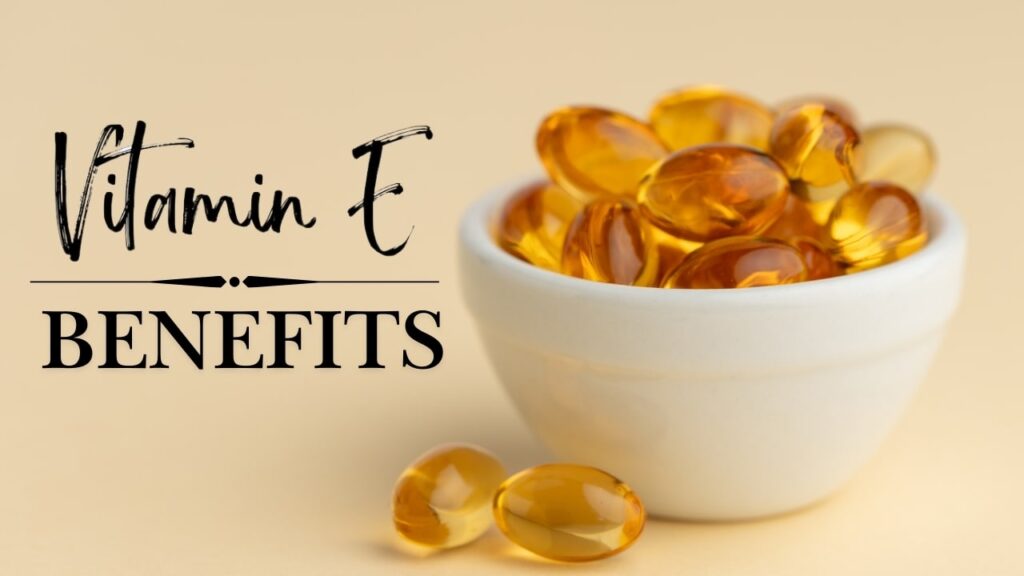

This guide covers what vitamin E benefits look like at the cellular level — the lipid peroxidation chain-breaking mechanism, the T-cell enhancement story, the skin barrier repair science, and the critical distinction between tocopherols and tocotrienols that changes everything about how you should be consuming this nutrient. Plus a complete Indian food source guide, the deficiency signs most people overlook, and the supplement truth that the wellness industry would rather you didn’t know.
What Vitamin E Actually Is — And Why Most People Are Only Getting One-Eighth of It
Here is the foundational misconception that undermines most of what people know about vitamin E: it is not a single compound. Vitamin E is a family of eight fat-soluble molecules — four tocopherols (alpha, beta, gamma, delta) and four tocotrienols (alpha, beta, gamma, delta). They share a common chromanol ring structure but have profoundly different biological activities, tissue distribution, and health outcomes.
Alpha-tocopherol: The most abundant form in blood and tissues, preferentially retained by the liver via alpha-TTP protein. The primary form in most supplements. Strongest antioxidant against lipid peroxidation chain reactions in cell membranes.
Gamma-tocopherol: The dominant form in the US diet (nuts, seeds, vegetable oils). Better than alpha at neutralising reactive nitrogen species — the free radicals associated with chronic inflammatory disease. Largely absent from standard supplements.
Tocotrienols (all four): Found in palm oil, rice bran oil, and annatto. Possess unique biological activities that tocopherols cannot replicate: superior neuroprotection via HMG-CoA reductase inhibition, anti-angiogenic effects relevant to tumour growth, and cholesterol reduction. A 2014 review in Nutrients concluded that tocotrienols are “the overlooked members of the vitamin E family” with distinct clinical applications.
The critical insight: A diet rich in diverse vitamin E sources — nuts, seeds, plant oils, leafy greens — provides all eight forms synergistically. A supplement providing only alpha-tocopherol at high doses actually displaces gamma-tocopherol from tissues, potentially reducing overall vitamin E protection despite “supplementing.” Whole food first, always.
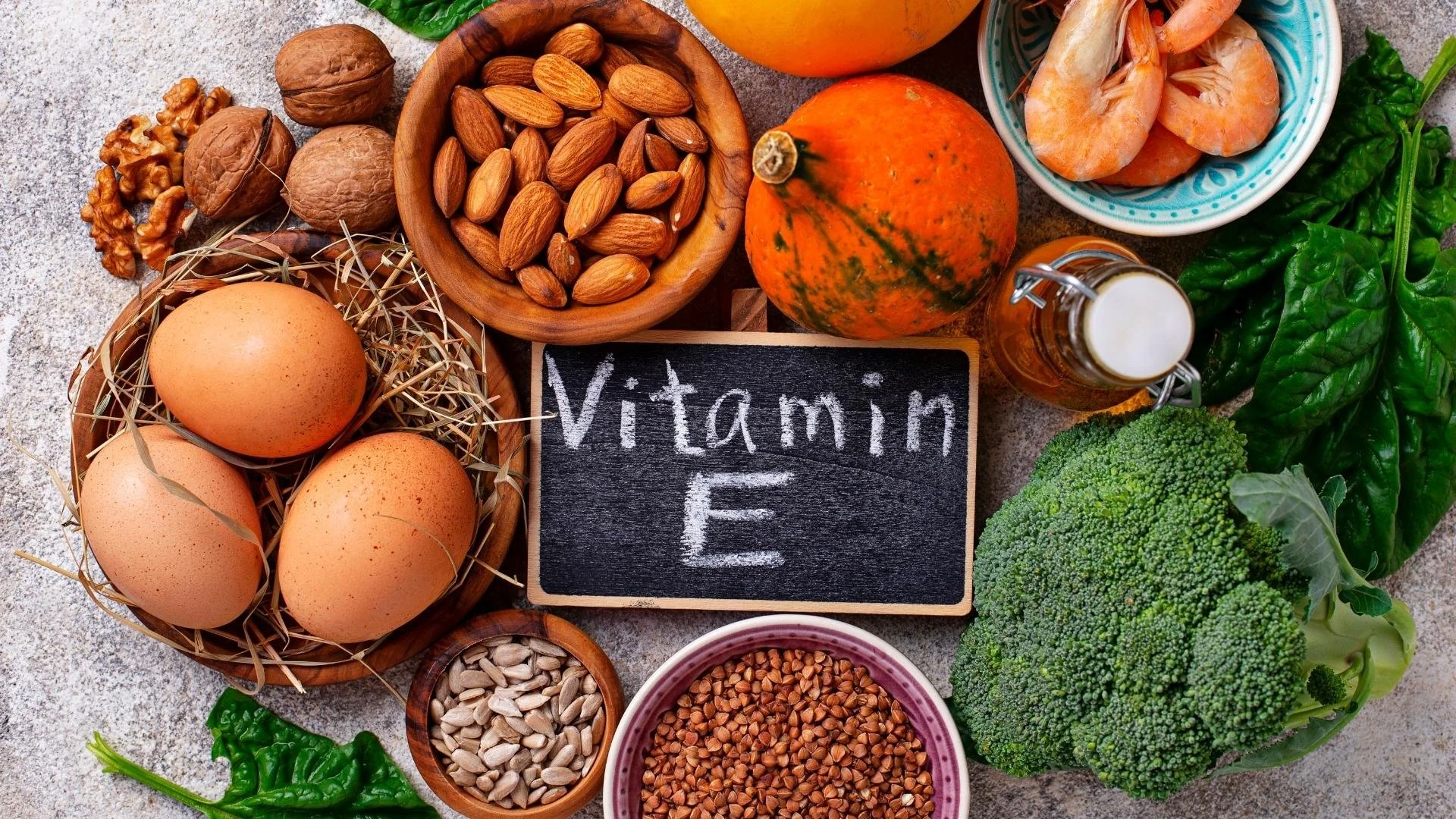
10 Vitamin E Benefits Backed by Science — With the Mechanisms Behind Each
The primary and most fundamental of all vitamin E benefits is its role as a chain-breaking antioxidant in cell membranes. Every cell in the human body is enclosed by a phospholipid bilayer — a double-layered membrane composed primarily of polyunsaturated fatty acids (PUFAs). PUFAs are vulnerable to oxidation by free radicals in a chain reaction: one free radical attacks a PUFA, generating another radical, which attacks the next PUFA, cascading through the membrane and destroying its structural integrity.
Alpha-tocopherol is the only fat-soluble antioxidant that embeds directly in cell membrane phospholipids, positioning itself precisely where lipid peroxidation occurs. It donates a hydrogen atom to the lipid radical, neutralising it and breaking the chain reaction before it propagates. The resulting tocopheroxyl radical is relatively stable and is regenerated back to active tocopherol by Vitamin C (ascorbate) in the aqueous phase — creating a synergistic antioxidant regeneration cycle between Vitamin E and Vitamin C that no supplement can replicate in isolation.
This mechanism protects every cell membrane in every organ simultaneously — making vitamin E benefits systemic in a way that no other nutrient quite matches. Oxidised cell membranes are a fundamental driver of ageing, neurodegeneration, and chronic disease.
Vitamin E’s immune benefits go well beyond “supporting immunity” — a phrase used so vaguely it has become meaningless. Specifically, vitamin E enhances the proliferation of T-lymphocytes (the adaptive immune cells that target specific pathogens and cancer cells) and increases natural killer (NK) cell cytotoxicity against virally infected and malignant cells. It does this by reducing prostaglandin E2 production — a lipid mediator that normally suppresses T-cell function — allowing the immune response to proceed at full strength.
A pivotal 1997 JAMA study by Meydani et al. — one of the most methodologically rigorous nutrition-immunity trials ever conducted — found that vitamin E supplementation (200 IU daily for 4 months) in elderly subjects significantly enhanced T-cell-mediated immunity, improved antibody responses to hepatitis B and tetanus vaccines, and reduced upper respiratory infections. This immune benefit is particularly pronounced in older adults, whose vitamin E requirements increase as antioxidant capacity declines with age.
A 2000 follow-up study in The American Journal of Clinical Nutrition identified 200 IU/day as the optimal dose for immune enhancement — lower and higher doses both produced smaller benefits, making it one of the clearest dose-response curves in the vitamin research literature.
Vitamin E benefits for skin are among the most well-documented in nutritional dermatology — but the mechanisms are more specific than the vague “moisturising” claim on most product labels. Alpha-tocopherol in skin serves three distinct functions: first, it absorbs UV radiation directly (particularly UVB), acting as a photon absorber that reduces the energy reaching DNA and lipids in skin cells. Second, it neutralises lipid peroxides generated by UV that would otherwise trigger inflammatory cascades and collagen-degrading MMP activation. Third, when combined with vitamin C in the skin, it provides photoprotective synergy that outperforms either vitamin alone — a 2001 study in the Journal of Investigative Dermatology found the combination reduced UV-induced erythema by 4x compared to placebo.
For wound healing, vitamin E promotes keratinocyte migration — the process by which skin cells move to close a wound — and supports fibroblast collagen synthesis. It also reduces scar formation by modulating TGF-beta signalling that drives fibrotic tissue production. Topical vitamin E directly on fresh scars (within 48 hours of wound closure) accelerates resolution, though older, established scars show more modest response.
The gut-skin axis connection is also relevant: vitamin E reduces the systemic LPS-driven inflammation that drives acne, eczema, and psoriasis — complementing the gut health interventions detailed in our guide Superfoods for Glowing Skin.
Hair follicles are among the most metabolically active structures in the body — rapidly dividing cells with high energy requirements and correspondingly high oxidative stress exposure. Vitamin E benefits for hair work through two primary mechanisms: reduction of oxidative damage to hair follicle cells (which can impair the proliferative phase of the hair growth cycle and trigger premature follicle miniaturisation), and improvement of scalp microcirculation through its antioxidant protection of vascular endothelium.
A 2010 randomised, double-blind, placebo-controlled trial published in Tropical Life Sciences Research found that tocotrienol supplementation (specifically the tocotrienol-rich fraction from palm oil) produced a 34.5% increase in hair number over 8 months versus a 0.1% decrease in the placebo group. The mechanism proposed was reduction of lipid peroxidation in the scalp and improvement of vascular endothelial health in the scalp’s dermal papilla — the blood supply network of hair follicles.
Importantly, this trial used tocotrienols — not standard alpha-tocopherol supplements. This distinction is critical for anyone using vitamin E specifically for hair loss: tocotrienol-rich formulas (available from palm or rice bran sources) outperform standard tocopherol supplements for this specific application.
Cardiovascular disease begins not with cholesterol per se, but with oxidised LDL cholesterol. Unoxidised LDL is a normal, necessary lipoprotein. When LDL particles are attacked by free radicals — oxidised — they become recognised by macrophage scavenger receptors, triggering foam cell formation, the first step in atherosclerotic plaque. Vitamin E, embedded in LDL particles, directly protects them from this oxidation — and this is among the most mechanistically compelling of all vitamin E benefits.
Beyond LDL protection, alpha-tocopherol inhibits protein kinase C (PKC) — an enzyme that promotes smooth muscle cell proliferation in arterial walls, a key step in plaque formation — and reduces platelet aggregation by inhibiting arachidonic acid metabolism. Gamma-tocopherol adds additional cardiovascular protection by reducing reactive nitrogen species (peroxynitrite) that damage endothelial cells — a mechanism alpha-tocopherol alone cannot address.
The CHAOS trial (Cambridge Heart Antioxidant Study) found that 400–800 IU vitamin E supplementation reduced non-fatal myocardial infarction by 77% in patients with established coronary disease. However, later large trials showed inconsistent results for all-cause mortality — suggesting the cardiovascular benefit of vitamin E is most pronounced in people with established oxidative stress and existing cardiovascular risk, rather than as universal prevention.
The eye is uniquely vulnerable to oxidative damage — the retina has the highest oxygen consumption per gram of any tissue in the body, and photoreceptors contain extraordinarily high concentrations of PUFAs that are prone to light-initiated lipid peroxidation. Vitamin E benefits for eye health are well-supported by both mechanistic and epidemiological evidence.
The AREDS (Age-Related Eye Disease Study) — the landmark $40 million NIH-funded clinical trial on eye nutrients — found that a combination of vitamins C, E, beta-carotene, and zinc reduced progression to advanced age-related macular degeneration (AMD) by 25% and reduced vision loss from AMD by 19%. Vitamin E was an essential component of this combination — as the lipid-soluble protector of the highly unsaturated retinal tissue that water-soluble vitamin C alone cannot access.
For cataracts — the leading cause of blindness globally, with India accounting for approximately 23% of the world’s blind population due to cataracts — a 2015 Cochrane review found that higher dietary vitamin E intake was associated with lower cataract risk in observational studies, though supplement trials showed inconsistent effects. This again points to whole food vitamin E as the more reliably beneficial strategy.
Non-alcoholic fatty liver disease (NAFLD) — affecting an estimated 38% of urban Indians — is driven by insulin resistance combined with hepatic oxidative stress. Fat accumulation in the liver generates reactive oxygen species that damage hepatocyte membranes, trigger inflammation, and can progress to non-alcoholic steatohepatitis (NASH), cirrhosis, and hepatocellular carcinoma. Vitamin E benefits for liver health are directly mechanistically relevant to this pathway.
A landmark 2010 randomised controlled trial published in The New England Journal of Medicine (the PIVENS trial) found that 800 IU of vitamin E daily for 96 weeks produced histological improvement (measurable reduction in liver inflammation and ballooning) in 43% of NASH patients — significantly outperforming placebo (19%) and comparable in efficacy to the diabetes medication pioglitazone, without its metabolic side effects. This trial established vitamin E as the first non-pharmacological intervention with documented histological benefit in NASH.
The mechanism: alpha-tocopherol reduces lipid peroxidation in hepatocyte membranes, suppresses NF-kB activation in the liver (reducing hepatic inflammation), and reduces hepatic stellate cell activation — the cells responsible for fibrosis progression. Combined with turmeric’s phase II enzyme induction, vitamin E and curcumin represent a complementary dual approach to hepatic antioxidant defence.
The brain is uniquely vulnerable to oxidative stress: it constitutes only 2% of body weight but consumes 20% of total oxygen, has high PUFA content in neuronal membranes, and has comparatively low intrinsic antioxidant enzyme capacity. These factors make neuronal lipid peroxidation a central mechanism in cognitive ageing and neurodegenerative disease. Vitamin E benefits for the brain operate through the same lipid peroxidation chain-breaking mechanism — but in the most metabolically stressed organ in the body.
Tocotrienols add a unique neuroprotective dimension beyond tocopherols: they inhibit HMG-CoA reductase (the same enzyme targeted by statin drugs) in the brain’s glial cells, suppressing neuroinflammation, and cross the blood-brain barrier more efficiently than tocopherols due to their unsaturated side chain. A 2010 study in the Journal of Neurochemistry found that nanomolar concentrations of tocotrienol protected neurons from glutamate-induced death — concentrations achievable through dietary intake, not supplementation. This makes rice bran oil — a rich tocotrienol source common in South Indian cooking — particularly relevant for brain health.
The WHICAP study (Washington Heights-Inwood Columbia Ageing Project) found that higher dietary vitamin E intake was associated with lower risk of developing Alzheimer’s disease over a 4-year follow-up — with the protective association observed for total dietary vitamin E, not for supplemental vitamin E, reinforcing the whole-food advantage.
Vitamin E benefits for women’s hormonal health are clinically significant and clinically underutilised. For primary dysmenorrhoea (painful menstrual cramps) — affecting approximately 70% of Indian women of reproductive age — vitamin E’s prostaglandin-suppressing mechanism provides measurable relief. A 2005 double-blind RCT in BJOG found that 500 IU of vitamin E, started 2 days before menstruation and continued for 3 days, significantly reduced pain intensity and duration compared to placebo.
For PCOS — affecting an estimated 22.5% of Indian women — oxidative stress is a central pathophysiological driver that worsens insulin resistance, disrupts follicular development, and promotes androgen excess. A 2015 randomised trial in the International Journal of Fertility and Sterility found that vitamin E supplementation significantly reduced oxidative stress markers, improved insulin sensitivity, and improved hormonal profiles in PCOS patients. Combining vitamin E with vitamin D and omega-3 produced additive benefits in subsequent PCOS trials.
Vitamin E also supports endometrial thickening in women undergoing fertility treatment — a 2010 study found that vitamin E supplementation significantly improved endometrial thickness and uterine blood flow, improving implantation rates in women with thin endometrium.
Cellular ageing is driven by two interconnected processes: telomere shortening (the “biological clock” at the end of chromosomes) and mitochondrial dysfunction (declining energy production efficiency in cells). Oxidative stress accelerates both. Vitamin E benefits for longevity and cellular ageing operate through both pathways — and the research on this is among the most compelling in the vitamin E literature, though also the most recent and evolving.
A 2014 study in Oxidative Medicine and Cellular Longevity found that vitamin E supplementation significantly reduced oxidative DNA damage — including the 8-OHdG marker of oxidative DNA damage that predicts telomere shortening rate. Mitochondrial membranes are particularly rich in cardiolipin — a phospholipid with four PUFA chains, making it exceptionally vulnerable to lipid peroxidation. Vitamin E protects cardiolipin integrity, maintaining the mitochondrial membrane potential required for efficient ATP production. Declining mitochondrial efficiency is one of the most universal hallmarks of cellular ageing, and vitamin E’s lipid membrane protection is directly relevant to its prevention.
The epidemiological link is clear: multiple large cohort studies associate higher plasma vitamin E levels with slower biological ageing markers, better preserved muscle mass (sarcopenia prevention), and reduced frailty in elderly populations — with the protective association consistently stronger for dietary vitamin E than for supplemental forms.
Vitamin E Myths vs. Facts — The Ones That Cost You Real Benefit
“More vitamin E supplements = more benefit. Just take a high-dose capsule.”
A 2005 meta-analysis in Annals of Internal Medicine found that vitamin E supplementation above 400 IU/day was associated with increased all-cause mortality. High-dose alpha-tocopherol also displaces gamma-tocopherol from tissues — reducing an important reactive nitrogen species scavenger. The optimal supplemental range for immune benefit is 100–200 IU. Food-based vitamin E has no upper toxicity risk.
“All vitamin E supplements are the same.”
Natural d-alpha-tocopherol has twice the bioavailability of synthetic dl-alpha-tocopherol. Tocotrienol supplements (for hair, brain, cholesterol) are pharmacologically distinct from tocopherol supplements. A product labelled “Vitamin E” without specifying the form is almost certainly synthetic dl-alpha-tocopherol — the least bioavailable and most limited in scope. Always check for ‘d-alpha’ (natural) vs ‘dl-alpha’ (synthetic).
“Rubbing vitamin E oil on a scar makes it disappear.”
A 1999 study in Dermatologic Surgery found that topical vitamin E actually worsened scar appearance in 33% of participants and caused contact dermatitis in 33%. For fresh wounds: vitamin E supports healing. For established, healed scars: the evidence for topical vitamin E is weak and results are inconsistent. Silicone sheets and sun protection are better-evidenced for mature scar management.
“Vitamin E deficiency is rare and nothing to worry about.”
Clinical deficiency is indeed rare. But subclinical insufficiency — plasma levels adequate to avoid clinical symptoms but insufficient for optimal antioxidant function — is common, particularly in people on very low-fat diets, those with gut malabsorption, and people eating predominantly ultra-processed foods stripped of fat-soluble nutrients. Subclinical insufficiency impairs immune function, accelerates skin ageing, and reduces cellular antioxidant capacity without producing obvious symptoms.
Signs of Vitamin E Deficiency — Including the Subtle Ones Most People Miss
Neurological (most specific): Peripheral neuropathy — numbness, tingling, or burning in hands and feet — caused by progressive degeneration of peripheral nerve myelin sheaths. Difficulty with balance and coordination (spinocerebellar ataxia). These symptoms typically indicate prolonged severe deficiency.
Immune: Increased frequency and severity of infections, slower recovery from illness, poor response to vaccinations. Often attributed to ageing or stress when subclinical vitamin E insufficiency may be the underlying cause.
Skin and hair: Dry, rough skin with poor barrier function; premature fine lines and loss of elasticity; increased sun sensitivity; diffuse hair thinning not explained by hormonal or nutritional causes.
Visual: In severe deficiency: retinal degeneration causing visual disturbances and reduced visual acuity. This is rare but has been documented in children with malabsorption conditions.
Muscle: Unexplained muscle weakness and fatigue — vitamin E is required for mitochondrial membrane integrity in muscle cell energy production.
Who is most at risk: People with fat malabsorption (Crohn’s, coeliac, cystic fibrosis, cholestatic liver disease), long-term very low-fat diet followers, premature infants, people with abetalipoproteinaemia (genetic lipid disorder), and elderly individuals with reduced dietary diversity.
Best Indian Food Sources of Vitamin E — Complete Reference
| Food | Vitamin E (mg/100g) | Primary Form | Best Used As |
|---|---|---|---|
| Wheat germ oil | 149mg | Alpha-tocopherol | Add 1 tbsp to smoothies or salad dressing (don’t heat) |
| Sunflower seeds (til-like, common) | 35mg | Alpha-tocopherol | Sprinkle on curd, add to chutney, eat as snack |
| Almonds (badam) | 26mg | Alpha-tocopherol | Handful daily, soaked overnight for better absorption |
| Rice bran oil | 32mg (mixed) | Tocotrienol-rich | Primary cooking oil (South Indian cuisine staple) |
| Mustard greens (sarson ka saag) | 5mg | Gamma-tocopherol | Traditional Punjabi winter dish — seasonal consumption |
| Peanuts / groundnuts (moongfali) | 8mg | Mixed tocopherols | Roasted snack, chutney base, peanut oil in cooking |
| Spinach (palak) | 2mg | Alpha-tocopherol | Palak paneer, sabzi — with fat for absorption |
| Avocado | 2mg + healthy fats | Alpha-tocopherol | Available year-round in Indian metros — eat with lime |
| Mango (aam) | 0.9mg + carotenoids | Alpha-tocopherol | Fresh seasonal consumption — natural synergist |
| Sesame seeds / til | 1.4mg | Gamma-tocopherol | Til laddoo, chutney, til oil in cooking |
| Mustard oil (sarson ka tel) | 5mg | Mixed tocopherols | Traditional cooking oil — raw use in mustard dressing |
The Supplement Truth — What the Wellness Industry Won’t Tell You
High doses may increase mortality: A 2005 meta-analysis in Annals of Internal Medicine (Miller et al., Johns Hopkins) pooled data from 19 clinical trials and found that supplemental vitamin E above 400 IU/day was associated with a statistically significant increase in all-cause mortality — not a decrease. This does not apply to dietary vitamin E. The mechanism may involve alpha-tocopherol displacing other important antioxidants at high doses.
Natural vs. synthetic is not marketing fluff: d-alpha-tocopherol (natural) has 2x the bioavailability of dl-alpha-tocopherol (synthetic). In clinical trials, this 2x difference can determine whether an intervention reaches therapeutic plasma concentrations. If you supplement, always choose ‘d-alpha’ (natural). The ‘l-‘ in ‘dl’ indicates the presence of synthetic stereoisomers with minimal biological activity.
Most supplements miss 7 of 8 forms: Standard vitamin E supplements provide only alpha-tocopherol. They miss gamma-tocopherol (reactive nitrogen species protection), all four tocotrienols (neuroprotection, hair, cholesterol), and delta-tocopherol (anti-cancer properties). If you want the full spectrum: mixed tocotrienol/tocopherol formulas or, preferably, diverse whole food sources.
Drug interactions are clinically significant: Vitamin E at supplemental doses (above 400 IU) enhances anticoagulant effects of warfarin and may increase bleeding risk in people on aspirin, clopidogrel, or NSAIDs. It can also interfere with chemotherapy efficacy. Always disclose vitamin E supplementation to your physician if on any blood-modifying medication.
Topical vitamin E on scars: the evidence is mixed: A 1999 RCT found topical vitamin E worsened scars in one-third of participants and caused dermatitis in another third. Use cautiously on established scars — evidence supports its use for fresh wounds and dry skin barrier repair, not for eliminating healed scar tissue.
Frequently Asked Questions About Vitamin E Benefits
The most evidence-backed vitamin E benefits are: lipid peroxidation chain-breaking in all cell membranes (the foundational antioxidant mechanism), T-cell and NK cell immune enhancement, skin UV photoprotection and wound healing, hair follicle oxidative stress reduction, LDL oxidation prevention for cardiovascular health, NAFLD liver fat reduction (PIVENS trial), AMD eye protection, neuroprotection via tocotrienols, PCOS hormonal balance support, and cellular anti-ageing via telomere and mitochondrial membrane protection.
Vitamin E has eight forms — four tocopherols and four tocotrienols. Tocopherols (especially alpha-tocopherol) are the most abundant in the body and are what most supplements contain. Tocotrienols — found in rice bran oil, palm oil, and annatto — have unique properties: superior neuroprotection, HMG-CoA reductase inhibition (cholesterol reduction), anti-tumour activity, and a specific benefit for hair follicle health (34.5% hair increase in RCT). Most people need both forms from diverse food sources.
Clinical deficiency signs include peripheral neuropathy (numbness/tingling), muscle weakness, immune dysfunction, visual disturbances, and dry skin. Subclinical insufficiency — more common and often missed — presents as accelerated skin ageing, poor wound healing, increased infection rates, and diffuse hair thinning without other obvious cause. High-risk groups include people with fat malabsorption, very low-fat diet followers, and elderly individuals with reduced dietary diversity.
The best Indian food sources of vitamin E are: sunflower seeds (35mg/100g), almonds — badam (26mg/100g), wheat germ oil (149mg/100g — add to smoothies unheated), rice bran oil (tocotrienol-rich, common in South Indian cooking), mustard greens (sarson ka saag), peanuts/groundnuts, spinach with mustard oil, sesame seeds/til, and seasonal mango. Traditional Indian cooking with diverse whole foods and traditional fats naturally provides all eight vitamin E forms.
Yes — natural d-alpha-tocopherol has approximately twice the bioavailability of synthetic dl-alpha-tocopherol because the liver’s alpha-TTP protein preferentially binds and retains the natural form. Always look for ‘d-alpha’ on supplement labels (natural) rather than ‘dl-alpha’ (synthetic). The ‘l-‘ prefix indicates synthetic stereoisomers with minimal biological activity in the human body.
Yes. The Tolerable Upper Intake Level is 1,000mg (1,500 IU) daily for adults. A 2005 meta-analysis found that doses above 400 IU/day were associated with increased all-cause mortality. High-dose alpha-tocopherol also displaces gamma-tocopherol from tissues, reducing an important antioxidant. Drug interactions with blood thinners are clinically significant. Food-based vitamin E has no known toxicity risk — the concern is exclusively with high-dose supplements.
Related Articles You’ll Love
Vitamin E is not a single compound on a supplement label. It is a family of eight molecules, embedded in every cell membrane in your body, working continuously to break the chain reactions that age you from the inside out. The supplement industry has reduced this to one form — alpha-tocopherol — in one dose — usually too high — from one source — usually synthetic.
The food version is eight forms, perfectly dosed, from sources your body was designed to absorb. It is available in every Indian kitchen that hasn’t abandoned its traditional fats, seeds, and greens.
Eat the almonds. Cook with rice bran oil. Dress the palak with mustard oil. The supplement is the backup plan. 🌿Which vitamin E benefit surprised you most — the hair tocotrienol RCT, the PIVENS liver trial, or the high-dose supplement mortality finding? Drop it in the comments — and tag the person in your family still buying high-dose vitamin E capsules. 👇
Sources & Further Reading
- JAMA (1997) — Meydani et al.: Vitamin E Supplementation Enhances Immune Response in Elderly: RCT
- Journal of Investigative Dermatology (2001) — Vitamins C+E: 4x UV Photoprotection Synergy
- Tropical Life Sciences Research (2010) — Tocotrienol and Hair Growth: 34.5% Increase RCT
- Lancet (1996) — CHAOS Trial: 77% Reduction in Non-Fatal MI with Vitamin E
- AREDS Report: NIH Age-Related Eye Disease Study — AMD Progression Reduction 25%
- New England Journal of Medicine (2010) — PIVENS Trial: Vitamin E 800 IU vs NASH: RCT
- Journal of Neurochemistry (2010) — Tocotrienol Neuroprotection at Nanomolar Concentrations
- Annals of Internal Medicine (2005) — Miller et al.: High-Dose Vitamin E and Increased Mortality: Meta-Analysis
- BJOG (2005) — Vitamin E Reduces Dysmenorrhoea Pain: Double-Blind RCT
- HerbeeLife — Superfoods for Glowing Skin: The Full Science Guide
- HerbeeLife — Natural Health & Ayurvedic Wellness
Disclaimer: This content is for informational purposes only and does not constitute medical advice. Always consult a qualified healthcare professional before making significant dietary changes or starting supplementation, particularly if you are on medication. Read full disclaimer →