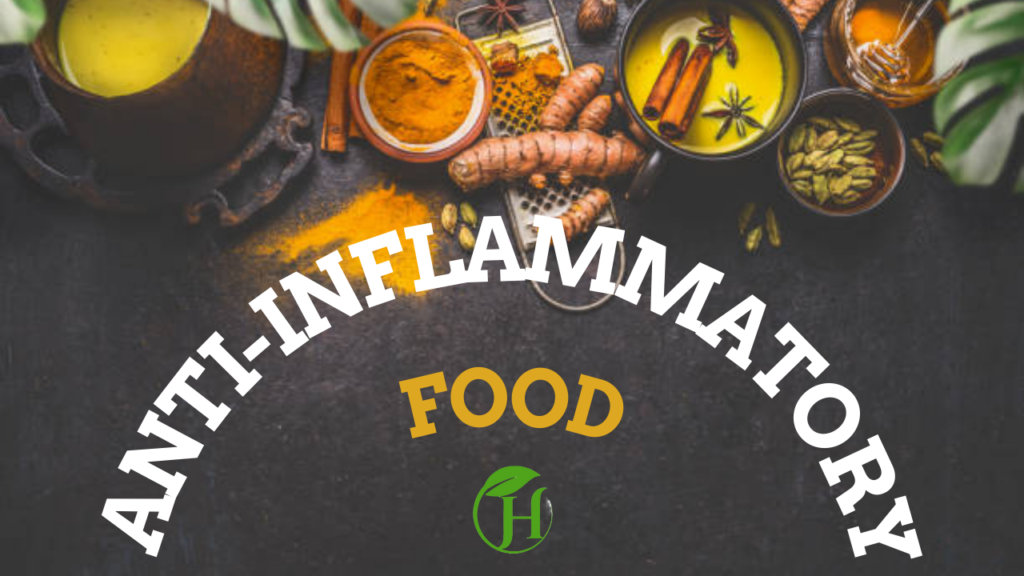

Inflammation is one of those words that appears everywhere in modern health conversations — and for good reason. It sits at the root of almost every significant chronic disease that affects people today. Heart disease. Type 2 diabetes. Alzheimer’s. Autoimmune conditions. Certain cancers. Even the premature skin ageing you are trying to fight with serums and sunscreen.
And yet, despite how widely discussed inflammation has become, most people still do not understand what it actually is, why the chronic version is so dangerous, or — most practically — how powerfully the right food choices can either fuel it or extinguish it.
The anti-inflammatory foods covered in this guide are not wellness trends or superfoods hyped by the supplement industry. They are foods with documented, mechanistically understood anti-inflammatory activity — backed by peer-reviewed research, validated in human clinical trials, and deeply aligned with both modern nutritional science and centuries of Ayurvedic wisdom.
More importantly, most of them are already familiar to an Indian kitchen. The spice rack you inherited from your mother and grandmother? It is one of the most potent anti-inflammatory pharmacies available anywhere in the world. This guide explains why — and how to use it most effectively.
Understanding Inflammation: The Biological Fire You Cannot Ignore
Before diving into anti-inflammatory foods, understanding inflammation itself — what it is, how it works, and what makes the chronic version so damaging — is essential context that transforms how you approach food choices.
Inflammation is not inherently harmful. Acute inflammation is one of the immune system’s most critical defensive mechanisms. When you cut your finger, catch a bacterial infection, or strain a muscle, the inflammatory response rushes white blood cells, cytokines, and growth factors to the affected area — clearing pathogens, removing damaged tissue, and initiating repair. Without it, minor infections would become life-threatening and wounds would not heal. Acute inflammation is your body doing exactly what it should.
The problem is chronic low-grade inflammation — a state where the inflammatory response never fully resolves. Instead of a sharp, targeted response followed by resolution, the immune system maintains a persistent low-level activation that gradually damages tissues, disrupts hormonal signalling, impairs cellular function, and accelerates virtually every disease process in the body.
What causes this chronic state? Multiple overlapping factors — and the diet is one of the most significant and modifiable among them. Ultra-processed foods, refined carbohydrates, industrial seed oils, excess sugar, and chronic alcohol consumption all activate inflammatory signalling pathways (particularly NF-κB — the master inflammatory transcription factor) and drive the production of pro-inflammatory cytokines including IL-6, IL-1β, and TNF-α. Chronic stress elevates cortisol, which initially suppresses acute inflammation but paradoxically promotes chronic inflammatory cytokine production over time. Poor sleep disrupts the circadian regulation of inflammatory gene expression. Gut dysbiosis increases intestinal permeability, allowing bacterial endotoxins (lipopolysaccharides) to enter the bloodstream and trigger systemic inflammatory responses.
The right anti-inflammatory foods work against this chronic inflammatory state through multiple mechanisms simultaneously — which is why dietary change produces broader, more sustained anti-inflammatory effects than any single pharmaceutical anti-inflammatory agent.
How Anti-Inflammatory Foods Work — The Science Behind the Plate
Anti-inflammatory foods do not work through a single mechanism — they work through a complex, overlapping web of biological actions that collectively shift the body’s inflammatory tone. Understanding this helps you see why diversity of anti-inflammatory food choices matters as much as the individual ingredients themselves.
Antioxidant activity neutralises reactive oxygen species (ROS) — the free radicals generated by metabolic processes, UV radiation, pollution, and inflammatory reactions themselves. Chronic oxidative stress is both a cause and consequence of inflammation — a vicious cycle that dietary antioxidants help interrupt. Polyphenols, carotenoids, Vitamin C, Vitamin E, and selenium from food sources quench free radicals before they can damage DNA, oxidise LDL cholesterol, or activate inflammatory signalling proteins.
NF-κB pathway inhibition is the most direct anti-inflammatory mechanism of several key dietary compounds. NF-κB (nuclear factor kappa-light-chain-enhancer of activated B cells) is the master switch that controls the production of pro-inflammatory cytokines, enzymes, and adhesion molecules. Curcumin from turmeric, resveratrol from berries, EGCG from green tea, and oleocanthal from olive oil all directly inhibit NF-κB activation — producing anti-inflammatory effects that are mechanistically equivalent to pharmaceutical NSAIDs in some pathways, but without the gastric and cardiovascular risks associated with long-term NSAID use.
Omega-3 to omega-6 ratio is one of the most significant dietary determinants of inflammatory status. The modern diet has dramatically shifted toward omega-6 dominance (from vegetable oils, processed foods, and grain-fed animal products) — driving the production of pro-inflammatory eicosanoids. Omega-3 fatty acids (EPA and DHA from fatty fish, ALA from flaxseeds and walnuts) compete with omega-6s for the same enzymatic pathways, shifting eicosanoid production toward anti-inflammatory resolvins, protectins, and maresins that actively resolve rather than simply suppress inflammation.
Gut microbiome support is the emerging and increasingly important mechanism through which anti-inflammatory foods exert systemic effects. Dietary fibre — from vegetables, fruits, legumes, and whole grains — feeds Bacteroidetes and Bifidobacterium species that produce short-chain fatty acids (SCFAs), particularly butyrate. Butyrate maintains intestinal barrier integrity (preventing the “leaky gut” that drives systemic inflammation from bacterial endotoxins), suppresses NF-κB in intestinal epithelial cells, and reduces pro-inflammatory cytokine production systemically. A diet rich in diverse anti-inflammatory plant foods is, simultaneously, a diet that optimises the gut microbiome for anti-inflammatory function — connecting food choices to immune regulation through the gut-immune axis.
12 Powerful Anti-Inflammatory Foods — With Full Scientific Explanation
1. Turmeric — The Most Potent Anti-Inflammatory Spice on Earth
Turmeric (Curcuma longa) leads this list of anti-inflammatory foods not merely because of its cultural familiarity in Indian cooking, but because curcumin — its primary bioactive polyphenol — has been more extensively studied as an anti-inflammatory agent than almost any other natural compound, with over 3,000 published studies documenting its mechanisms and clinical applications.
Curcumin’s anti-inflammatory mechanism is remarkably broad: it inhibits NF-κB activation, suppresses COX-2 and 5-LOX enzymes (the same targets as pharmaceutical NSAIDs and leukotriene inhibitors respectively), reduces pro-inflammatory cytokine production (IL-1β, IL-6, TNF-α), and activates Nrf2 — the master regulator of the body’s endogenous antioxidant defence system. This multi-target action makes curcumin more comprehensively anti-inflammatory than any single-target pharmaceutical agent.
Clinical evidence spans multiple inflammatory conditions: a meta-analysis in the Journal of Medicinal Food found curcumin supplementation significantly reduced CRP (C-reactive protein — the primary clinical marker of systemic inflammation) across multiple randomised controlled trials. Studies in rheumatoid arthritis patients found curcumin comparable in efficacy to diclofenac (a prescription NSAID) for pain and inflammation reduction — with significantly fewer gastrointestinal side effects.
The famous bioavailability challenge is real but solvable. Curcumin is poorly absorbed from the digestive tract when consumed alone — but combining it with piperine from black pepper increases bioavailability by approximately 2,000%. Fat-soluble preparations (consuming turmeric with healthy fats like ghee, coconut oil, or the fat-containing milk in golden milk) further enhance absorption. This is why the traditional Indian preparation — turmeric cooked in ghee with black pepper — is not merely culinary tradition. It is practical pharmacology refined over centuries.
For topical anti-inflammatory and skin benefits of turmeric, see our detailed article on natural skincare ingredients — where turmeric’s role as a tyrosinase inhibitor and skin brightener is fully explored.
How to use it: Add 1–2 teaspoons to daily cooking — curries, dals, rice dishes, scrambled eggs, soups. Golden milk (warm milk, 1 tsp turmeric, pinch black pepper, half tsp ginger, honey) as an evening anti-inflammatory ritual. Turmeric-ginger tea for acute inflammation. For therapeutic supplementation, curcumin with piperine (BioPerine) at 500–1,000mg daily has the strongest evidence base.
2. Ginger — The Anti-Inflammatory Root That Rivals NSAIDs
Ginger (Zingiber officinale) is turmeric’s most powerful anti-inflammatory partner in the Ayurvedic tradition — and modern pharmacology confirms why these two roots have been combined in remedies for thousands of years. They work through complementary and overlapping mechanisms that produce synergistic anti-inflammatory effects when used together.
Gingerols (in fresh ginger) and shogaols (in dried ginger — formed when gingerols are dehydrated by heat or drying) are the primary bioactive compounds responsible for ginger’s anti-inflammatory activity. They inhibit COX-1 and COX-2 enzymes — the same prostaglandin synthesis pathway targeted by ibuprofen and aspirin — through a mechanism that reduces inflammatory eicosanoid production without the gastric side effects associated with pharmaceutical COX inhibitors at equivalent therapeutic doses.
A landmark randomised controlled trial published in Arthritis and Rheumatism found that concentrated ginger extract significantly reduced knee pain in patients with osteoarthritis compared to placebo — with the effect increasing over the 6-week trial period, consistent with the cumulative bioactive compound loading that characterises herbal medicine. A systematic review of 5 clinical trials confirmed ginger’s efficacy for reducing inflammatory markers including CRP and TNF-α in human subjects.
For the gut-inflammation connection — which underpins many chronic inflammatory conditions — ginger’s prokinetic (gut-motility enhancing) and carminative properties support healthy digestive function, reducing the intestinal stasis and fermentation that contribute to gut dysbiosis and endotoxin translocation. This is one of the mechanisms behind ginger’s traditional use for virtually every digestive complaint in both Ayurvedic and Traditional Chinese Medicine.
Fresh ginger also has potent antiviral properties — particularly relevant for respiratory inflammation during winter months. Our guide on essential herbs for winter immunity covers ginger’s antiviral mechanisms in detail alongside other winter-specific anti-inflammatory herbs.
How to use it: Fresh ginger tea (3–4 slices steeped 10 minutes with honey and lemon) daily. Add freshly grated ginger to dals, curries, stir-fries, and chutneys. Ginger-turmeric golden milk. For maximum anti-inflammatory benefit, fresh ginger provides gingerols while dried/cooked ginger provides shogaols — both have distinct but complementary anti-inflammatory profiles.
3. Fatty Fish — The Omega-3 Anti-Inflammatory Foundation
Fatty fish — salmon, mackerel, sardines, herring, and anchovies — represent the most bioavailable source of long-chain omega-3 fatty acids (EPA and DHA) available in the human diet, and the omega-3 content of these fish makes them among the most clinically validated anti-inflammatory foods in nutritional medicine.
EPA (eicosapentaenoic acid) and DHA (docosahexaenoic acid) exert their anti-inflammatory effects through multiple pathways. They competitively inhibit arachidonic acid — the omega-6 fatty acid that is the primary substrate for pro-inflammatory prostaglandins and leukotrienes — reducing the production of inflammatory eicosanoids at the enzymatic level. More recently, researchers have identified that EPA and DHA are converted into a novel class of lipid mediators — resolvins, protectins, and maresins — that actively resolve inflammation and restore tissue homeostasis after the initial inflammatory response. This resolution of inflammation, not simply its suppression, is what the body requires for long-term health.
A meta-analysis covering 68 randomised controlled trials found that omega-3 supplementation significantly reduced CRP, IL-6, and TNF-α — the primary clinical markers of systemic inflammation. The cardiovascular benefits are particularly well-documented: omega-3 supplementation reduces triglycerides by 15–30%, modestly lowers blood pressure, reduces platelet aggregation, and has direct anti-arrhythmic effects on cardiac tissue — making fatty fish one of the most comprehensively heart-protective of all anti-inflammatory foods.
The omega-3 to omega-6 ratio in the modern diet — estimated at 1:15 to 1:20 compared to the evolutionary ratio of approximately 1:4 — is one of the most significant dietary drivers of chronic inflammation. Regular fatty fish consumption (2–3 times per week as recommended by the American Heart Association) is the most effective dietary intervention for improving this ratio.
Indian context: Rohu, katla, hilsa (ilish), pomfret, and mackerel are excellent omega-3 sources readily available across India. Sardines (mathi in Kerala, pedvey in Goa) are among the most omega-3 dense and also among the most sustainable fish options. The traditional South Indian practice of cooking fish with turmeric, black pepper, and ginger creates a synergistic anti-inflammatory combination that modern nutritional science fully validates.
4. Berries — Nature’s Most Potent Polyphenol Delivery System
Berries — blueberries, strawberries, raspberries, blackberries, and the increasingly recognised Indian berry jamun (Indian blackberry) — are among the most antioxidant-dense of all commonly consumed foods, with their colour itself being the biomarker of anti-inflammatory potency.
The pigments responsible for berries’ deep red, blue, and purple colours are anthocyanins — a class of flavonoids with documented multi-mechanism anti-inflammatory activity. Anthocyanins inhibit NF-κB activation, reduce COX-2 expression, decrease production of inflammatory cytokines, and activate Nrf2 — producing antioxidant enzyme upregulation that extends their anti-inflammatory effect well beyond their direct radical-scavenging activity.
A clinical trial published in the Journal of Nutrition found that regular blueberry consumption (1 cup daily for 6 weeks) significantly reduced NF-κB signalling in peripheral blood mononuclear cells — providing direct human evidence of the anti-inflammatory mechanism observed in laboratory studies. A separate study found that strawberry consumption reduced inflammatory markers in overweight adults more effectively than caloric restriction alone — suggesting anti-inflammatory food quality independent of caloric effects.
Jamun deserves specific mention for Indian readers: Indian blackberry (Syzygium cumini) contains exceptionally high anthocyanin concentrations alongside jambosine and other compounds with documented anti-diabetic and anti-inflammatory properties. Ayurveda has long classified jamun as a blood purifier and anti-inflammatory agent — modern phytochemistry confirms these properties through identified molecular mechanisms. Amla — the Indian gooseberry covered extensively in our article on amla benefits for immunity and digestion — is similarly among the most antioxidant-dense foods available and functions as a powerful anti-inflammatory alongside its remarkable Vitamin C content.
How to use them: Fresh or frozen berries in breakfast — yoghurt, oatmeal, or eaten directly. Jamun fresh during its seasonal availability (June–September in India) or as juice. Mixed berry smoothies. Berries added to green salads for a polyphenol and vitamin boost alongside the anti-inflammatory greens.
5. Leafy Green Vegetables — The Anti-Inflammatory Foundation of Every Diet
Dark leafy green vegetables — spinach, kale, methi (fenugreek leaves), moringa leaves, curry leaves, drumstick leaves, amaranth — are fundamental anti-inflammatory foods that deliver concentrated anti-inflammatory benefit through multiple complementary nutritional pathways.
Vitamin K — found in highest concentrations in leafy greens — directly regulates inflammatory gene expression through its role as a cofactor for proteins that inhibit NF-κB signalling. A prospective cohort study found that higher dietary Vitamin K intake was associated with significantly lower levels of circulating inflammatory markers including IL-6 and CRP. Vitamin K deficiency — increasingly common in people who avoid leafy greens — is associated with elevated inflammatory status.
Folate (Vitamin B9) — abundant in spinach, methi, and moringa — regulates homocysteine metabolism. Elevated homocysteine is an independent inflammatory risk factor for cardiovascular disease, and adequate dietary folate is one of the primary dietary determinants of homocysteine levels. Magnesium — found in significant quantities in leafy greens — is required as a cofactor for over 300 enzymatic reactions, many of which regulate inflammatory signalling. Magnesium deficiency — affecting an estimated 60–70% of urban Indians — is independently associated with elevated CRP and inflammatory cytokines.
Moringa (Moringa oleifera) deserves particular mention as one of India’s most nutrient-dense leafy vegetables — containing isothiocyanates (glucosinolate derivatives) with documented NF-κB inhibitory activity, 46 documented antioxidants, and significant anti-inflammatory quercetin and chlorogenic acid content. Ayurveda classified moringa as a “miracle tree” — modern phytochemistry is confirming this designation with molecular precision.
Eating enough leafy greens is one of the highest-leverage daily dietary changes for reducing chronic inflammation — particularly for the majority of Indians whose vegetable intake falls significantly short of recommended amounts. Supporting your body with this nutrition is also key to maintaining the holistic health outcomes discussed in our comprehensive holistic health guide.
6. Extra Virgin Olive Oil — Liquid Anti-Inflammatory Medicine
Extra virgin olive oil (EVOO) — the cold-pressed, unrefined form that retains its full complement of bioactive compounds — is the most clinically validated dietary fat in terms of anti-inflammatory and cardiovascular protective effects, with the PREDIMED study — one of the largest nutritional trials ever conducted — demonstrating that a Mediterranean diet supplemented with EVOO reduced major cardiovascular events by 30% compared to a low-fat control diet.
The primary anti-inflammatory compound in EVOO is oleocanthal — a phenolic compound that inhibits COX-1 and COX-2 enzymes through the same mechanism as ibuprofen, producing a detectable “throat burn” sensation that functions as a natural biomarker of oleocanthal content. Researchers discovered this mechanism when Gary Beauchamp — a chemist — noticed that freshly pressed EVOO produced the same throat irritation as liquid ibuprofen, leading to the identification of oleocanthal as a natural NSAID-equivalent.
EVOO also contains oleuropein and hydroxytyrosol — polyphenols with potent antioxidant and anti-inflammatory activity — and a high monounsaturated fatty acid content (primarily oleic acid) that supports healthy inflammatory balance by reducing pro-inflammatory saturated fat influence on cellular membranes and lipid signalling.
An important practical note: the anti-inflammatory polyphenols in EVOO are heat-sensitive but more stable than commonly believed. Cooking with EVOO at temperatures below 180°C (standard stovetop cooking) preserves most polyphenol content. Using EVOO cold — in dressings, drizzled over finished dishes, or taken by the spoonful — maximises bioactive delivery.
7. Green Tea — The Anti-Inflammatory Beverage With Extraordinary Evidence
Green tea (Camellia sinensis) is one of the most extensively studied anti-inflammatory foods in the world — with a research base spanning thousands of studies across cardiovascular, neurological, metabolic, and oncological outcomes that collectively identify its primary bioactive compound, EGCG (epigallocatechin gallate), as one of the most pharmacologically potent natural anti-inflammatory and antioxidant agents identified in nutritional science.
EGCG inhibits NF-κB activation, reduces pro-inflammatory cytokine production, activates Nrf2-mediated antioxidant enzyme expression, inhibits STAT3 signalling (a pathway implicated in chronic inflammatory and cancer progression), and modulates the gut microbiome toward Bifidobacterium and Lactobacillus dominance — simultaneously reducing inflammatory gut permeability. This breadth of action explains why green tea epidemiology consistently shows associations with reduced risk across diverse chronic disease categories.
A meta-analysis of 11 randomised controlled trials found that green tea supplementation significantly reduced CRP, IL-6, and TNF-α compared to placebo — confirming the anti-inflammatory effects observed in population studies through controlled experimental evidence. Prospective cohort data from Japan — where green tea consumption is among the highest globally — show significantly lower rates of cardiovascular disease, type 2 diabetes, and several cancers in high consumers compared to low consumers, even after controlling for confounding lifestyle factors.
The L-theanine content of green tea — an amino acid found almost exclusively in tea plants — modulates the neurological effects of caffeine, producing a state of calm alertness distinct from the anxiety-provoking stimulation of isolated caffeine. This combination of EGCG (anti-inflammatory), caffeine (metabolic activation), and L-theanine (anxiolytic) makes green tea a uniquely comprehensive wellness beverage — particularly relevant for managing the stress-inflammation connection explored in our article on ashwagandha for stress and anxiety.
8. Nuts and Seeds — The Anti-Inflammatory Snack With Extraordinary Nutritional Density
Walnuts, almonds, chia seeds, flaxseeds, pumpkin seeds, and sunflower seeds are among the most nutrient-dense anti-inflammatory foods available, delivering concentrated doses of anti-inflammatory omega-3 fatty acids, Vitamin E, magnesium, zinc, and polyphenols in caloric packages that also support satiety and metabolic health.
Walnuts are the standout anti-inflammatory nut — containing the highest ALA (alpha-linolenic acid, an omega-3 fatty acid) content of any nut, plus ellagitannins that are converted by gut bacteria to urolithins — compounds with documented anti-inflammatory activity and emerging evidence for muscle health and longevity benefits. A clinical trial published in the Journal of the American College of Cardiology found that daily walnut consumption for 2 years significantly reduced LDL cholesterol and inflammatory markers in older adults.
Flaxseeds deserve special attention for Indian readers — they are affordable, widely available, and among the highest ALA-containing foods in the plant kingdom. Ground flaxseeds (not whole — the hull of whole flaxseeds resists digestion, limiting bioavailability) added to rotis, dals, or smoothies provide omega-3s, lignans (phytoestrogenic compounds with anti-inflammatory and hormonal balancing properties), and soluble fibre that feeds anti-inflammatory gut bacteria. For women managing hormonal imbalances that manifest as hair fall or skin issues, flaxseed’s lignan content provides additional relevance — connecting nutritional choices to the hormonal concerns covered in our article on hair fall after 30 in women.
Chia seeds provide approximately 5g of ALA per 28g serving — the highest omega-3 content per gram of any commonly consumed seed — along with significant soluble fibre and antioxidant quercetin. Their extraordinary water absorption capacity (forming a gel 10x their dry weight) also supports healthy intestinal transit — a key factor in maintaining gut microbiome health and preventing the endotoxin translocation that drives systemic inflammation.
9. Tomatoes — Lycopene’s Anti-Inflammatory Power Is Unlocked by Cooking
Tomatoes are one of the most important anti-inflammatory foods in the Indian diet — and the traditional practice of cooking tomatoes in oil, which forms the base of almost every Indian curry and sabzi, turns out to be the most bioavailable possible preparation method for their primary anti-inflammatory compound: lycopene.
Lycopene is a carotenoid responsible for tomatoes’ red colour with documented anti-inflammatory, antioxidant, and anti-carcinogenic properties. What makes tomatoes nutritionally unique among anti-inflammatory foods is the counterintuitive improvement in lycopene bioavailability with processing and heat: cooking tomatoes in oil increases lycopene bioavailability by 2.5 times compared to raw tomatoes, and homogenising (as in tomato paste or puree) increases it further by disrupting cell walls. The traditional Indian practice of making a tempering base of tomatoes, onions, and spices cooked in oil — and doing this regularly throughout the week — delivers therapeutically meaningful lycopene doses in a way that raw salads cannot match.
Lycopene specifically accumulates in the prostate, testes, adrenal glands, and liver — tissues with high antioxidant demands — and epidemiological evidence consistently associates higher dietary lycopene with reduced risk of prostate cancer, cardiovascular disease, and age-related macular degeneration. A meta-analysis found that higher dietary lycopene intake was associated with a 26% reduction in cardiovascular disease risk — making tomatoes, prepared correctly, among the most heart-protective of all anti-inflammatory foods.
10. Legumes and Pulses — India’s Anti-Inflammatory Superfoods
Lentils, chickpeas, kidney beans, moong dal, chana dal, rajma, and the full diversity of Indian pulses deserve prominent inclusion in any anti-inflammatory foods guide — particularly for an Indian readership, because this food category is both the nutritional cornerstone of the traditional Indian diet and significantly underappreciated in Western-centric health content.
Legumes deliver anti-inflammatory benefit through multiple complementary mechanisms. Their high soluble fibre content (15–20g per cooked cup) feeds Bifidobacterium and Bacteroidetes species that produce butyrate — the short-chain fatty acid that maintains gut barrier integrity and systemically reduces inflammatory cytokine production. Legumes contain polyphenols including isoflavones, anthocyanins (in coloured varieties), and saponins with direct anti-inflammatory activity. Their low glycaemic index prevents the post-meal blood sugar spikes that activate inflammatory NF-κB signalling through advanced glycation end-product (AGE) production.
A comprehensive meta-analysis published in Advances in Nutrition found that higher legume consumption was associated with significantly reduced CRP, IL-6, and TNF-α — confirming population data showing lower rates of inflammatory chronic disease in populations consuming legumes regularly. The Mediterranean and traditional Indian dietary patterns — both associated with lower chronic disease rates than Western diets — share legume consumption as a central feature.
Dal — in all its regional Indian variations — is arguably the most nutritionally complete, affordable, and anti-inflammatory daily food available to the Indian population. The combination of dal (legume protein, fibre, polyphenols), turmeric (curcumin), ginger (gingerols), and ghee or oil (fat for fat-soluble compound absorption) in a single preparation is a nutritionally synergistic anti-inflammatory meal that most superfoods marketed at premium prices cannot rival.
11. Dark Chocolate and Cacao — The Guilt-Free Anti-Inflammatory Indulgence
Dark chocolate (70% cacao or above) and raw cacao are among the most polyphenol-dense foods available — and their inclusion in a list of anti-inflammatory foods is not wishful thinking. The flavanol content of high-quality dark chocolate, particularly epicatechin and catechin, produces documented anti-inflammatory effects that have been confirmed in human clinical trials.
A randomised crossover trial published in the American Journal of Clinical Nutrition found that dark chocolate consumption significantly reduced circulating inflammatory markers including CRP and adhesion molecules — suggesting direct endothelial anti-inflammatory effects. Flavanols in dark chocolate activate nitric oxide synthase, improving endothelial function and reducing vascular inflammation in ways that directly reduce cardiovascular disease risk.
The anti-inflammatory benefits require quality and quantity discipline: the benefits are specific to high-cacao-content dark chocolate (70%+ cacao) in moderate portions (20–30g daily). Milk chocolate — where the high milk content inhibits flavanol absorption — and white chocolate — which contains no cacao solids — do not share these properties. Alkalisation (Dutch processing) of cacao destroys a significant proportion of flavanol content, which is why raw or minimally processed cacao provides more anti-inflammatory activity than processed cocoa powder.
12. Neem — Ayurveda’s Broadest-Spectrum Anti-Inflammatory Plant
Neem (Azadirachta indica) completes this list as the Ayurvedic ingredient with perhaps the broadest documented anti-inflammatory mechanism of any plant in traditional Indian medicine. While neem is less commonly consumed as food in the modern context, neem leaves, flowers, and tender shoots have been eaten as bitter vegetable preparations in South India for generations — and neem’s anti-inflammatory bioactive compounds consumed in food amounts produce meaningful systemic effects.
Nimbidin — neem’s primary anti-inflammatory compound — has documented inhibitory effects on both COX and 5-LOX inflammatory pathways in human studies, comparable in mechanism to dual COX/LOX inhibitor drugs being developed pharmaceutically. Neem also contains quercetin, β-sitosterol, and multiple limonoids with additional anti-inflammatory, antioxidant, and immunomodulatory activities. We cover neem’s full evidence base in our dedicated article on neem benefits for blood purification and health.
For those not accustomed to consuming neem in food form, neem’s winter-specific benefits alongside other Ayurvedic anti-inflammatory herbs — including turmeric, ginger, and tulsi — are comprehensively covered in our guide on essential herbs for winter immunity.
Inflammatory Foods to Reduce or Avoid — The Other Side of the Equation
The anti-inflammatory diet is not just about what you add — it is equally about what you reduce. The following food categories have strong evidence for promoting chronic inflammation and should be minimised alongside increasing anti-inflammatory food intake.
Ultra-Processed Foods
Foods with long ingredient lists containing emulsifiers, artificial sweeteners, flavour enhancers, and preservatives — biscuits, packaged snacks, instant noodles, chips, most breakfast cereals — activate inflammatory pathways through multiple mechanisms: high refined carbohydrate content drives AGE production, emulsifiers disrupt the gut mucosal layer increasing intestinal permeability, and artificial sweeteners alter gut microbiome composition toward pro-inflammatory species.
Refined Sugar and High-Fructose Products
Excess sugar — particularly fructose from corn syrup and highly sweetened beverages — drives de novo lipogenesis in the liver, producing inflammatory lipid mediators and contributing to non-alcoholic fatty liver disease. High sugar intake directly activates NF-κB through AGE formation and oxidative stress. Reducing added sugar is one of the most impactful single dietary changes for reducing systemic inflammation. This connects to the metabolic health benefits of the weight loss and dietary strategies covered in our comprehensive guide.
Refined Vegetable Oils High in Omega-6
Sunflower oil, corn oil, soybean oil, and other refined seed oils contain extremely high omega-6 to omega-3 ratios (50:1 to 71:1) that strongly promote pro-inflammatory eicosanoid production. Replacing these with extra virgin olive oil, cold-pressed coconut oil, ghee, or mustard oil — traditional Indian cooking fats with more balanced fatty acid profiles — is one of the most impactful dietary shifts for reducing chronic inflammatory burden.
Refined Carbohydrates
White bread, maida-based foods, white rice consumed in excess, and packaged baked goods cause rapid blood glucose spikes that activate inflammatory pathways through multiple mechanisms including AGE formation, oxidative stress, and insulin signalling disruption. Replacing with whole grain versions — whole wheat atta, brown rice, millets (bajra, jowar, ragi) — reduces the glycaemic impact and adds the anti-inflammatory fibre that refined versions have lost.
The Indian Anti-Inflammatory Diet — Your Daily Framework
The good news for Indian readers is that the traditional Indian diet — when prepared with whole, minimally processed ingredients — is inherently and powerfully anti-inflammatory. The problem is that modern food choices have progressively substituted refined and ultra-processed options for traditional whole foods, stripping the anti-inflammatory character from what was once one of the world’s most health-supportive dietary patterns.
Rebuilding that anti-inflammatory diet from within Indian culinary tradition is simpler than adopting exotic Western superfoods — and more culturally sustainable:
Morning: Start with warm water and fresh ginger — supporting gut motility and initial anti-inflammatory priming. A breakfast of whole grain poha or oats with nuts, seeds, and fresh fruit (berries, amla when available) delivers polyphenols, omega-3s, and fibre before the day begins. Pair with green tea rather than high-sugar chai for EGCG delivery alongside gentle caffeine.
Lunch: Dal (any variety) with sabzi cooked in mustard oil or ghee with turmeric and ginger, served with whole grain roti or brown rice. This single meal delivers curcumin, gingerols, legume polyphenols, fibre for gut health, and fat-soluble compound absorption simultaneously. Add a small salad of raw vegetables for additional polyphenols and Vitamin C.
Snacks: A handful of walnuts and almonds with a few dates. Or fresh fruit (jamun when in season, berries, guava). Or roasted chana — one of India’s most underrated anti-inflammatory snacks, combining legume polyphenols with resistant starch for gut microbiome benefit.
Dinner: A lighter version of lunch, or a vegetable soup with leafy greens, tomatoes, and legumes. Finish with a small piece of dark chocolate or golden milk — turmeric, ginger, milk, black pepper, honey — as an evening anti-inflammatory ritual that simultaneously supports sleep quality through the amino acids in warm milk.
This framework aligns with the healthy morning routine habits and the broader holistic health approach that recognises food as one pillar of a complete wellness system — not the only intervention, but a foundational one.
Anti-Inflammatory Foods: Myth vs. Fact
| ❌ The Myth | ✅ The Truth |
|---|---|
| You need expensive superfoods to eat anti-inflammatory | The most potent anti-inflammatory foods in the world — turmeric, ginger, dal, leafy greens, tomatoes, flaxseeds, garlic — are among the most affordable and widely available foods in India. The anti-inflammatory diet is not a premium lifestyle choice. It is a return to traditional whole food eating. |
| Anti-inflammatory diets mean giving up all pleasures | Dark chocolate, olive oil, fatty fish, avocados, nuts, and berries are all anti-inflammatory. Good food and anti-inflammatory eating are not in opposition — the richest, most flavourful traditional diets (Mediterranean, traditional Indian) are also the most anti-inflammatory. |
| Supplements are as effective as anti-inflammatory foods | Whole foods deliver anti-inflammatory compounds in complex matrices that enhance bioavailability and produce synergistic effects between components. Isolated supplements (curcumin extract, omega-3 capsules) are useful but do not replicate the full matrix effect of the whole food. Supplements complement — they do not replace — dietary anti-inflammatory foods. |
| If you eat anti-inflammatory foods occasionally, it helps | The anti-inflammatory effects of food are cumulative and dose-dependent. Occasional consumption of turmeric or berries does not meaningfully reduce systemic inflammatory burden. Consistent daily intake of multiple anti-inflammatory foods, over weeks and months, produces the measurable reductions in CRP and inflammatory cytokines documented in clinical research. |
| Vegetarians cannot get enough omega-3s for anti-inflammatory benefit | ALA omega-3s from flaxseeds, chia seeds, walnuts, and hemp seeds are available from plant sources. ALA converts to EPA and DHA, though at low efficiency (5–10%). Vegetarians and vegans with limited conversion benefit from algae-based EPA/DHA supplements — the original marine source from which fish accumulate their omega-3s. Combined with high ALA plant food intake, this provides meaningful anti-inflammatory omega-3 support without fish. |
| Ghee is inflammatory | Traditional ghee (clarified butter) contains butyric acid — the same short-chain fatty acid produced by gut bacteria from dietary fibre — which has documented anti-inflammatory effects on intestinal epithelial cells. Ghee also has a favourable fatty acid profile for cooking stability. Moderate consumption of traditional ghee is not inflammatory and may provide gut anti-inflammatory benefit. Industrially processed vegetable ghee (vanaspati) — a different product entirely — contains trans fats and is genuinely pro-inflammatory. |
Related Articles From HerbeeLife
📖 Amla Benefits: Proven Immunity, Digestion and Anti-Inflammatory Power Backed by Science
📖 Neem Benefits: The Powerful Blood Purification and Anti-Inflammatory Guide
📖 Essential Herbs for Winter Immunity: 10 Powerful Natural Remedies That Actually Work
📖 Natural Skincare Ingredients: 10 Powerful Science-Backed Secrets to Glowing Skin
📖 Holistic Health Benefits: 7 Life-Changing Reasons to Treat Your Whole Self
📖 Weight Loss Diet vs Exercise: The Honest Truth That Finally Settles the Debate
📖 Hair Fall After 30 Women: 9 Alarming Causes — And the Nutritional Root Causes
Frequently Asked Questions About Anti-Inflammatory Foods
How quickly do anti-inflammatory foods reduce inflammation?
Acute effects — such as reduced post-meal oxidative stress after a polyphenol-rich meal — occur within hours. Measurable reductions in circulating inflammatory markers (CRP, IL-6) typically require 4–12 weeks of consistent dietary change to show in clinical testing. The most meaningful anti-inflammatory dietary benefit — reduced chronic disease risk through sustained lower inflammatory burden — accumulates over months and years of consistent whole food eating. This is not a short-term intervention but a long-term nutritional investment.
Is the Indian diet naturally anti-inflammatory?
The traditional Indian whole food diet — characterised by daily dal, vegetables with turmeric and ginger, whole grains, fermented foods, and moderate dairy — is inherently anti-inflammatory and nutritionally sophisticated. The problem is the progressive replacement of traditional foods with ultra-processed, refined alternatives that strip anti-inflammatory benefit while adding inflammatory inputs. Returning to traditional whole food Indian cooking is one of the most effective anti-inflammatory dietary strategies available.
Can anti-inflammatory foods help with joint pain and arthritis?
Yes — with meaningful clinical evidence. Omega-3 fatty acids from fatty fish reduce joint inflammation in rheumatoid arthritis. Curcumin has been shown comparable to diclofenac for pain and inflammation in knee osteoarthritis in clinical trials. Ginger extract significantly reduced knee pain in osteoarthritis patients in randomised trials. A whole dietary pattern rich in anti-inflammatory foods consistently reduces inflammatory markers associated with joint disease. These effects complement but do not replace medical management of moderate-to-severe arthritis.
Do anti-inflammatory foods help with skin conditions?
Significantly — because most common skin conditions (acne, eczema, rosacea, psoriasis) have a systemic inflammatory component that topical treatments alone cannot fully address. Omega-3s reduce inflammatory skin cytokines. Curcumin and ginger reduce skin inflammation systemically. Gut-healing foods (legumes, fermented foods, leafy greens) reduce the intestinal permeability that drives skin inflammatory conditions through the gut-skin axis. For the full connection between nutrition and skin health, see our article on natural skincare ingredients and inside-out skin health.
What is the single best anti-inflammatory food to add to your diet today?
If forced to choose one, turmeric consumed with black pepper and a fat source is the most evidence-backed single anti-inflammatory dietary addition available — due to curcumin’s extraordinary mechanistic breadth and the volume of clinical research confirming its efficacy. However, the anti-inflammatory diet is most powerful as a complete pattern — diversity of plant foods, fatty fish or omega-3 plant sources, EVOO, minimisation of ultra-processed foods — rather than as any single ingredient. Adding one ingredient without addressing the overall dietary pattern provides limited benefit.
Can children eat anti-inflammatory foods?
All the whole foods in this guide are appropriate for children — and establishing anti-inflammatory dietary habits in childhood produces lifelong health benefits through the inflammatory programming that occurs during development. Traditional Indian home cooking — dal, sabzi with turmeric and ginger, seasonal vegetables, whole grains, nuts — is an excellent anti-inflammatory diet for children. The main age-specific consideration is introducing highly potent herbs (strong neem preparations, high-dose ginger) gradually and in amounts appropriate to body size.
Sources and References
1. Aggarwal BB et al. Curcumin: An Orally Bioavailable Blocker of TNF and Other Pro-Inflammatory Biomarkers. British Journal of Pharmacology, 2013.
2. Calder PC. Omega-3 fatty acids and inflammatory processes. Nutrients, 2010.
3. Estruch R et al. Primary Prevention of Cardiovascular Disease with a Mediterranean Diet (PREDIMED). New England Journal of Medicine, 2013.
4. Khan N et al. Tea and Health: Studies in Humans. Current Pharmaceutical Design, 2013.
5. Schwingshackl L, Hoffmann G. Mediterranean dietary pattern, inflammation and endothelial function. European Journal of Nutrition, 2014.
6. Altorf-van der Kuil W et al. Dietary protein and blood pressure. PLOS ONE, 2010.
7. Mozaffarian D. Dietary and Policy Priorities for Cardiovascular Disease, Diabetes, and Obesity. Circulation, 2016.
Follow HerbeeLife
🌿 Stay connected for more evidence-based nutrition, Ayurvedic wisdom, and natural health content:
📸 Instagram | 📌 Pinterest | 👥 Facebook | 🐦 X (Twitter)
Final Thoughts: Your Plate Is Your Most Powerful Anti-Inflammatory Tool
Chronic inflammation is not an inevitable consequence of ageing or modern life. It is, in significant part, a consequence of what we consistently eat — and it is, therefore, significantly within our control through the food choices we make every single day.
The anti-inflammatory foods in this guide are not exotic, expensive, or complicated. Most of them are already in the traditional Indian kitchen — waiting to be used more consistently, more intentionally, and with a deeper understanding of why they work. Turmeric has not been in Indian cooking for 4,000 years by accident. Dal is not the cornerstone of Indian nutrition by coincidence. The spice rack your grandmother built is not superstition — it is accumulated wisdom that molecular biology is now confirming compound by compound.
Build your anti-inflammatory diet the same way you would build any sustainable habit — one consistent addition at a time, rooted in understanding rather than fear, and sustained by the genuine improvements in energy, mood, skin, joint comfort, and long-term health that this way of eating produces. Your body is continuously responding to what you give it. Give it what it was designed to thrive on.
⚠️ Medical Disclaimer: This article is for informational and educational purposes only and does not constitute medical or dietary advice. Always consult a qualified healthcare professional or registered dietitian for personalised nutritional guidance, especially if managing a chronic health condition. Read full disclaimer →
💬 Which anti-inflammatory food from this list is already a daily staple in your home — and which one surprised you most? Share in the comments below. And if there is a traditional Indian anti-inflammatory food or recipe we should cover, tell us — we would love to learn from your kitchen too.