
You wake up exhausted after eight hours of sleep. Your weight is creeping up despite eating carefully. Your hair is thinning. Your skin is breaking out. Your mood swings are so unpredictable that even you cannot explain them. And somewhere in the middle of all of this, someone tells you it is “just stress” — or worse, “just getting older.”
It is not just stress. It is not just age. And it is most definitely not “just in your head.”
It is your hormones — and understanding how hormones affect your health at every level is one of the most important and most underserved conversations in women’s wellness. These chemical messengers govern virtually every system in your body. They determine how you metabolise food, how you sleep, how you feel emotionally, how your skin looks, whether your hair grows or falls, how your immune system responds — and even how you age.
When they are in balance, you barely notice them. When they are not — and for an increasing number of women, they are not — the effects touch every corner of your daily experience. This guide explains exactly how, through the lens of real endocrinology, Ayurvedic understanding, and the practical tools that actually work.
What Are Hormones — And How Do They Actually Work?
Hormones are chemical messengers produced by endocrine glands — the hypothalamus, pituitary, thyroid, parathyroid, adrenal glands, pancreas, ovaries, and testes — and transported through the bloodstream to target cells throughout the body. Each hormone carries a specific instruction, received by cells that carry matching receptor proteins — a lock-and-key system of extraordinary precision.
The human body produces over 50 identified hormones, operating across multiple interconnected axes. The most clinically important for understanding how hormones affect your health in daily life include:
The HPA axis (Hypothalamic-Pituitary-Adrenal) — governing the stress response through cortisol and adrenaline, with cascading effects on every other hormonal system. When the HPA axis is chronically activated by sustained stress, it is not just stress hormones that are affected — virtually the entire endocrine system is disrupted downstream.
The HPT axis (Hypothalamic-Pituitary-Thyroid) — governing metabolic rate, energy production, body temperature regulation, and protein synthesis through thyroid hormones T3 and T4. Thyroid dysfunction is one of the most commonly missed diagnoses in women, with subclinical hypothyroidism particularly frequently overlooked in standard screening.
The HPG axis (Hypothalamic-Pituitary-Gonadal) — governing reproductive hormones including oestrogen, progesterone, testosterone, FSH, and LH. This axis drives the menstrual cycle, fertility, sexual function, bone density, cardiovascular protection, and the profound physiological changes of puberty, pregnancy, postpartum, perimenopause, and menopause.
The critical insight that most hormonal health content misses is this: these axes do not operate independently. They are deeply interconnected — disruption in one cascades into all others. Chronic HPA axis activation (from sustained stress) directly suppresses the HPG axis — reducing oestrogen and progesterone production, disrupting menstrual cycles, and impairing fertility. It simultaneously disrupts HPT axis function, reducing T3 conversion from T4. Understanding how hormones affect your health requires understanding this interconnectedness, not treating each hormone in isolation.
The 10 Key Hormones Every Woman Should Understand
1. Cortisol — The Master Hormone That Disrupts All Others
Cortisol is produced by the adrenal cortex in response to signals from the hypothalamic-pituitary-adrenal axis — and it is the hormone whose dysregulation most commonly underlies the collection of symptoms that women describe as “feeling off” without a clear diagnosis.
Cortisol’s primary physiological role is mobilising energy for acute stress response — raising blood glucose through gluconeogenesis, suppressing non-essential functions (digestion, reproduction, immune surveillance), increasing cardiovascular output, and sharpening short-term cognitive focus. This is the “fight or flight” response — brilliant for acute survival, catastrophically damaging when chronically activated.
Chronic cortisol elevation — driven by persistent psychological stress, sleep deprivation, blood sugar dysregulation, excessive exercise, or inflammatory conditions — produces a cascade of effects that directly explain many of the most common complaints women present with in clinical settings. It promotes visceral fat deposition through activation of lipoprotein lipase in abdominal adipocytes. It suppresses thyroid function by reducing TSH secretion and impairing T4-to-T3 conversion. It depletes progesterone by diverting the progesterone precursor pregnenolone toward cortisol synthesis — a phenomenon called the “pregnenolone steal.” It disrupts insulin signalling, promoting insulin resistance. It suppresses immune function, increases inflammatory cytokine production, and accelerates cellular ageing through telomere shortening.
For women experiencing the cluster of symptoms — fatigue, weight gain, low mood, poor sleep, reduced libido, irregular cycles, increased susceptibility to illness — the first question to ask is not “which hormone is out of balance?” but “is my HPA axis chronically activated?” Addressing cortisol dysregulation through the strategies covered later in this guide is frequently the most upstream and most effective intervention for restoring overall hormonal balance. Our detailed guide on ashwagandha for stress and anxiety covers one of the most clinically validated natural interventions for HPA axis regulation.
2. Oestrogen — The Hormone Behind More Than Just Reproduction
Oestrogen is not a single hormone — it is a family of hormones including oestradiol (E2, the most potent and predominant form in reproductive years), oestrone (E1, dominant post-menopause), and oestriol (E3, produced in large amounts during pregnancy). Together they constitute the primary female sex hormone, produced predominantly by the ovarian follicles in reproductive years, with additional production from adipose tissue, adrenal glands, and (in men) the testes.
Oestrogen’s influence extends far beyond reproductive function — which is why its decline in perimenopause and menopause produces such wide-ranging systemic effects. It maintains bone density by inhibiting osteoclast activity and promoting osteoblast differentiation. It protects cardiovascular health through its effects on lipid profiles (raising HDL, lowering LDL), endothelial function, and vasodilation. It maintains skin collagen content — studies show skin loses approximately 30% of its collagen in the first five years post-menopause, with oestrogen decline as the primary driver. It supports cognitive function through neurotrophin production in the hippocampus and prefrontal cortex. It regulates serotonin synthesis and receptor density — which is why oestrogen fluctuations are so powerfully connected to mood, anxiety, and depression.
Understanding how hormones affect your health through oestrogen means recognising that its symptoms of imbalance go in both directions. Oestrogen dominance — relative excess of oestrogen to progesterone — drives symptoms including heavy periods, breast tenderness, bloating, mood instability, and increased risk of oestrogen-sensitive conditions. Oestrogen deficiency — in perimenopause, post-menopause, or in younger women with hypothalamic amenorrhoea — drives hot flashes, vaginal dryness, accelerated bone loss, cardiovascular risk increase, and cognitive changes.
The nutritional connection to oestrogen metabolism is significant: excess refined carbohydrates and sugar elevate insulin, which stimulates ovarian androgen production and reduces sex hormone binding globulin (SHBG) — increasing free oestrogen. The anti-inflammatory dietary approach that includes cruciferous vegetables (broccoli, cauliflower, cabbage), flaxseeds (lignans support oestrogen metabolism), and adequate dietary fibre (supporting oestrogen clearance through gut-mediated routes) directly supports healthy oestrogen balance.
3. Progesterone — The Calming Hormone Most Women Are Deficient In
Progesterone is produced primarily by the corpus luteum following ovulation and, during pregnancy, by the placenta. It is the primary counterbalancing hormone to oestrogen in the menstrual cycle — and its relative deficiency to oestrogen is one of the most common hormonal patterns in modern women, with profound implications for physical and psychological health.
Progesterone’s effects are often described through the contrast with oestrogen — where oestrogen is stimulating, progesterone is calming and stabilising. It promotes GABA receptor sensitivity in the brain — producing anxiolytic (anti-anxiety) and sedative effects that explain why progesterone levels in the second half of the menstrual cycle typically produce calmer, more settled emotional states (when progesterone is adequate), and why progesterone deficiency or rapid decline produces anxiety, irritability, and sleep disruption.
Progesterone deficiency — often called “luteal phase deficiency” in clinical terms — produces the symptoms collectively labelled as premenstrual syndrome (PMS): irritability, anxiety, bloating, breast tenderness, sleep disruption, and low mood in the 1–2 weeks before menstruation. It also drives irregular cycles, shortened luteal phases, spotting before periods, and in more significant deficiency, contributes to difficulty conceiving and maintaining early pregnancy.
The cortisol connection here is critical: as noted above, chronic stress diverts progesterone precursors toward cortisol synthesis, progressively depleting progesterone production. This is why women under sustained stress frequently develop worsening PMS symptoms, cycle irregularities, and fertility challenges. Addressing stress is not peripheral to hormonal health — for progesterone specifically, it is central.
4. Thyroid Hormones — The Metabolic Controllers Women Most Often Overlook
The thyroid gland produces thyroxine (T4) and triiodothyronine (T3) — hormones that regulate the metabolic rate of virtually every cell in the body. T4 is the storage form, converted to the active T3 primarily in the liver, kidneys, and target tissues. This conversion step is frequently disrupted by nutritional deficiencies, chronic stress, and inflammation — meaning a “normal” T4 (which is what standard TSH screening indirectly measures) can coexist with genuinely insufficient T3 activity at the cellular level.
Hypothyroidism — underactive thyroid function — is one of the most common hormonal imbalances in women, affecting an estimated 1 in 8 women during their lifetime. It is also one of the most frequently missed, because subclinical hypothyroidism (TSH elevated but T4 within “normal” range) produces real, impactful symptoms that are often attributed to depression, stress, or ageing rather than investigated as a hormonal condition.
The symptom profile of hypothyroidism directly maps onto how hormones affect your health at a metabolic level: persistent fatigue despite adequate sleep, unexplained weight gain that resists dietary restriction, cold intolerance, constipation, dry skin and hair, hair loss (including the outer third of the eyebrows — a classic but underrecognised sign), brain fog, slow reflexes, depression, and irregular or heavy menstrual periods. Every one of these symptoms is the direct result of reduced cellular metabolic rate across multiple organ systems.
Nutritional deficiencies directly impair thyroid function — iodine (required for thyroid hormone synthesis), selenium (required for T4-to-T3 conversion and for protecting the thyroid gland from oxidative damage), zinc (required for TSH production and thyroid hormone receptor function), and iron (required for thyroid peroxidase, the enzyme that synthesises thyroid hormones). These are the same nutritional deficiencies implicated in the hair fall concerns we address in detail in our article on hair fall after 30 in women — because thyroid dysfunction and iron/selenium/zinc deficiency drive hair loss through the same nutritional pathway.
5. Insulin — The Metabolic Hormone With Hormonal System-Wide Effects
Insulin is produced by the beta cells of the pancreas in response to rising blood glucose — and while it is primarily understood as a metabolic hormone, its influence on the entire hormonal landscape is profound and often underappreciated in hormonal health discussions.
Insulin resistance — where cells respond inadequately to insulin’s signalling, requiring progressively higher insulin levels to achieve the same glucose clearance — is not merely a precursor to type 2 diabetes. It is an independent driver of hormonal imbalance across multiple axes. Elevated insulin reduces SHBG (sex hormone binding globulin), increasing free testosterone and oestrogen levels and driving the hormonal pattern of PCOS (polycystic ovary syndrome). It impairs ovulation by disrupting LH pulsatility and promoting androgen excess in the ovaries. It accelerates aromatase activity in adipose tissue — converting androgens to oestrogen and contributing to oestrogen dominance. And it amplifies cortisol’s effects on visceral fat deposition, creating a vicious cycle of metabolic and hormonal disruption.
PCOS — affecting approximately 10% of women of reproductive age and representing the most common hormonal disorder in women globally — is fundamentally a condition of insulin resistance in the majority of affected women. Addressing insulin sensitivity through diet, movement, and where appropriate medical support is therefore the most upstream intervention for PCOS-related hormonal dysregulation — far more foundational than symptomatic treatments. The dietary strategies covered in our weight loss diet vs exercise guide — particularly the role of low-glycaemic eating and resistance training in improving insulin sensitivity — are directly relevant to hormonal health management.
6. Testosterone — The Overlooked Female Hormone
Testosterone in women is produced by the ovaries and adrenal glands in amounts approximately one-tenth of male production — but at this concentration, it plays critical roles in female health that are almost entirely absent from mainstream women’s health conversations.
In women, testosterone supports libido, sexual responsiveness, and satisfaction — its decline in perimenopause being the primary driver of reduced sexual desire that many women experience but are rarely told has a hormonal explanation. It contributes to muscle maintenance, bone density, and the energy and motivation that women often describe as “vitality.” It supports cognitive function — verbal memory and spatial processing are both affected by testosterone levels in women. And it plays a role in mood, confidence, and assertiveness that connects meaningfully to the psychological dimension of hormonal health.
Both excess and deficiency create problems in women. Excess testosterone — as seen in PCOS — drives acne along the jawline and chin, hirsutism (excess facial and body hair), scalp hair thinning in a male pattern distribution, irregular periods, and fertility challenges. Testosterone deficiency — as seen after surgical menopause, in hypopituitary conditions, or with chronic high-dose oral contraceptive use — produces low libido, fatigue, difficulty building and maintaining muscle, and reduced sense of wellbeing.
7. Melatonin — The Chronobiological Hormone Affecting Everything
Melatonin is produced by the pineal gland in response to darkness and is primarily understood as the sleep hormone — but its role in overall health extends significantly beyond sleep initiation. Melatonin is a powerful antioxidant, an immune modulator, a regulator of inflammatory gene expression, and a chronobiological signal that synchronises virtually every physiological process in the body to the 24-hour light-dark cycle.
Understanding how hormones affect your health through melatonin means recognising that artificial light exposure at night — particularly the blue-light spectrum from screens, LED lighting, and electronic devices — suppresses melatonin production at concentrations measurable in the clinical range. This is not a minor inconvenience. Chronically suppressed melatonin disrupts circadian regulation of cortisol (which should be low at night and peak in the morning), insulin sensitivity (which follows a circadian rhythm, being highest in the morning), immune function (most active during deep sleep when melatonin is highest), and reproductive hormone cycling.
The practical implication: protecting melatonin production through consistent sleep timing and blue light reduction in the evening is not a peripheral wellness suggestion. It is a direct hormonal health intervention. The morning routine habits that anchor circadian rhythms — covered in our article on building a healthy morning routine — are simultaneously melatonin-rhythm interventions, because morning light exposure in the first 30 minutes of waking sets the timing of melatonin release that evening.
8. Leptin and Ghrelin — The Appetite Hormones Governing More Than Hunger
Leptin (produced by adipose tissue, signalling fullness and energy sufficiency to the hypothalamus) and ghrelin (produced by the stomach, signalling hunger) together govern appetite regulation — but their dysregulation has cascading effects on the broader hormonal system that explain several puzzling aspects of how hormones affect your health.
Leptin resistance — where the hypothalamus becomes insensitive to leptin’s fullness signal despite adequate or excess leptin production — is now understood as both a consequence and a driver of hormonal imbalance. It disrupts hypothalamic regulation of reproductive hormones (contributing to menstrual irregularities and reduced fertility in overweight women), amplifies inflammatory signalling (leptin is pro-inflammatory at high concentrations), and impairs thyroid hormone conversion — connecting adiposity-related leptin resistance to thyroid dysfunction.
Sleep deprivation of just two nights reduces leptin by 18% and increases ghrelin by 28% — producing a measurable hormonal drive to overconsume approximately 300–400 extra calories. This is the biological mechanism behind the common experience of food cravings after poor sleep — and it is a hormonal phenomenon, not a failure of willpower. Understanding this prevents the self-blame cycle that many women with sleep disruption and weight management challenges experience.
9. DHEA — The Precursor Hormone That Declines With Stress and Age
DHEA (dehydroepiandrosterone) is produced by the adrenal glands and serves as the most abundant circulating steroid hormone in the human body — functioning as a precursor from which sex hormones (oestrogen, testosterone) are synthesised peripherally in target tissues. It peaks in the mid-20s and declines progressively with age, with chronic stress accelerating this decline through the same pregnenolone diversion that depletes progesterone.
DHEA is sometimes called the “youth hormone” — a simplification, but one with biological basis. It counteracts several of cortisol’s catabolic and immunosuppressive effects, promotes lean body composition, supports immune function, and has documented effects on mood, cognitive function, and sense of wellbeing. Women with chronic fatigue, accelerated ageing, and reduced resilience to stress frequently show low DHEA-S (the sulfated storage form measured in blood tests) alongside elevated cortisol — a pattern called “adrenal dysregulation” that is not well-captured by the binary “adrenal fatigue” framework but is clinically meaningful.
10. Growth Hormone — The Night-Time Repair Signal
Growth hormone (GH), produced by the anterior pituitary, is released in pulses predominantly during deep slow-wave sleep and in response to high-intensity exercise, fasting, and certain amino acids. In adults, its primary role is not growth but repair and regeneration — stimulating protein synthesis, promoting fat mobilisation, supporting immune function, and maintaining the structural integrity of tissues from muscle and bone to skin and cartilage.
Growth hormone’s connection to sleep makes it particularly relevant to understanding how hormones affect your health in the modern context: chronic sleep deprivation, poor sleep architecture (insufficient slow-wave sleep), and irregular sleep timing all significantly reduce GH pulsatility. The result over years is accelerated loss of muscle mass, increased visceral fat, impaired tissue repair, and the premature physical ageing that many people attribute to genetics but which is significantly modifiable through sleep quality optimisation.
How Hormonal Imbalance Manifests — The Most Common Symptom Patterns
Pattern 1: Fatigue That Sleep Does Not Fix
This is almost always a hormonal story. The primary suspects: hypothyroidism (reduced cellular metabolic rate), HPA axis dysregulation with cortisol pattern disruption (cortisol that is low in the morning when it should be high, and elevated at night when it should be low), insulin resistance (impaired cellular energy utilisation despite adequate glucose), and iron deficiency anaemia (oxygen delivery impairment to mitochondria). Each has a distinct hormonal mechanism — and addressing the underlying pattern produces recovery that no amount of caffeine can replicate.
Pattern 2: Weight Gain That Resists Reasonable Dietary Effort
Cortisol-driven visceral fat accumulation, insulin resistance impeding fat mobilisation, hypothyroidism reducing basal metabolic rate, oestrogen dominance promoting fat deposition in oestrogen-sensitive areas, leptin resistance disrupting satiety signalling, and reduced growth hormone impairing fat metabolism — all can contribute simultaneously to treatment-resistant weight gain. Addressing this requires hormonal assessment, not simply more caloric restriction or more exercise. Exploring the real science of diet vs exercise for weight management is essential context for any woman in this situation.
Pattern 3: Skin and Hair Changes
Androgenic alopecia (hair loss in a diffuse or male-pattern distribution) driven by elevated DHT — the potent androgen converted from testosterone. Telogen effluvium triggered by thyroid dysfunction, iron deficiency, or the dramatic oestrogen drop post-pregnancy. Hormonal acne along the jaw and chin driven by androgen excess in PCOS. Dry, dull skin driven by hypothyroidism reducing sebum production. Accelerated skin ageing driven by oestrogen decline reducing collagen synthesis. The full hormonal picture behind skin and hair changes is covered in detail in our article on hair fall after 30 in women — and the natural skincare strategies that complement hormonal management are explored in our guide on evidence-backed natural skincare ingredients.
Pattern 4: Mood Instability, Anxiety, and Depression
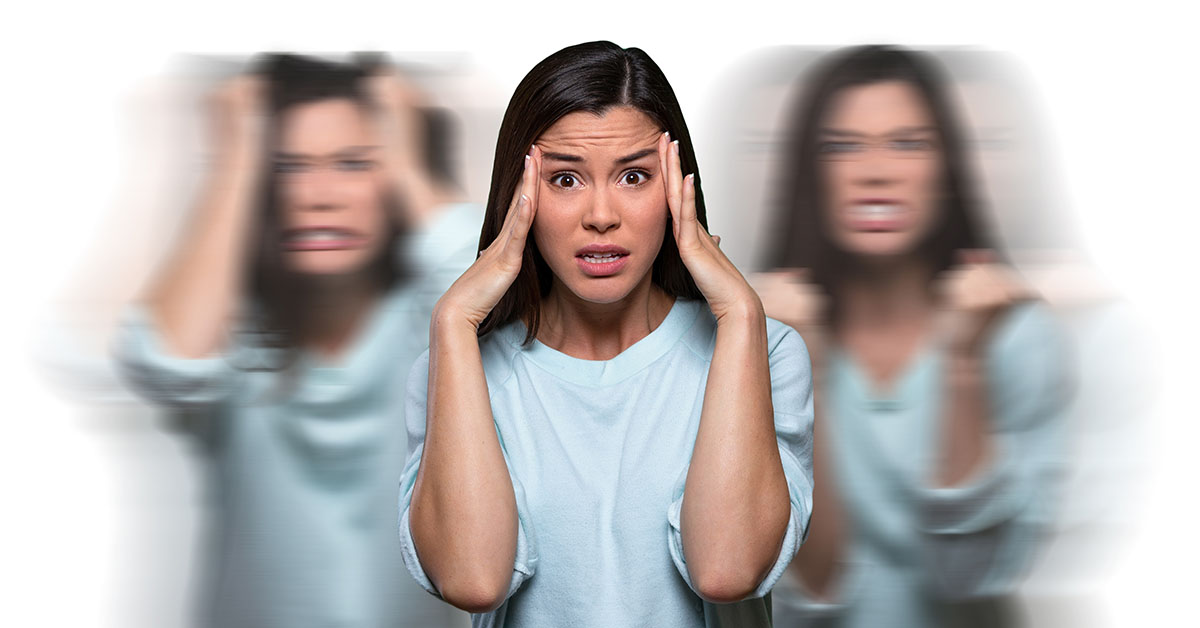
The hormonal drivers of mood disturbance in women are multiple and interconnected. Oestrogen modulates serotonin, dopamine, and noradrenaline synthesis and receptor sensitivity — which is why mood changes track closely with oestrogen fluctuations across the menstrual cycle, in postpartum, and in perimenopause. Progesterone deficiency removes its GABAergic anxiolytic effect, increasing anxiety and sleep disruption. Cortisol excess drives the hypervigilance and emotional reactivity of chronic stress response. Thyroid dysfunction produces depression (hypothyroidism) or anxiety and agitation (hyperthyroidism). And insulin dysregulation produces the mood instability of blood sugar cycling — the “hangry” experience as a chronic condition.
Pattern 5: Irregular, Painful, or Heavy Periods
Menstrual irregularity is one of the clearest external signals of hormonal imbalance — because the menstrual cycle is essentially a monthly report card on the health of the HPG axis. Irregular cycles signal disrupted ovulation, most commonly from PCOS (androgen excess and insulin resistance disrupting LH pulsatility), hypothalamic amenorrhoea (HPA axis suppression of GnRH from extreme stress or caloric restriction), or thyroid dysfunction. Heavy periods signal oestrogen dominance relative to progesterone. Painful periods involve elevated prostaglandin production from inflammatory states — connecting menstrual pain directly to the anti-inflammatory dietary strategies covered in our anti-inflammatory foods guide.
How Hormones Affect Your Health: Timeline Across a Woman’s Life
Teens and early 20s: The HPG axis is establishing its patterns. Irregular cycles, acne, and mood variability in early reproductive years are common as the axis matures. This is when PCOS often first becomes apparent — frequently dismissed as “normal teenage hormones” for years before diagnosis.
Mid-20s to early 30s: Reproductive hormones are typically at their most stable and productive. This is when the impact of lifestyle factors — chronic stress, poor sleep, inflammatory diet, excessive exercise — begins to accumulate and express itself in hormonal patterns. Oestrogen and progesterone cycling is optimal when lifestyle supports it; when it does not, symptoms begin here.
30s: The decade when hormonal changes begin their slow but meaningful shifts. Progesterone production starts declining modestly from its peak, while oestrogen remains relatively stable — creating the relative oestrogen dominance that produces worsening PMS, heavier periods, and increased emotional sensitivity. Thyroid conditions and PCOS diagnoses frequently emerge or worsen during this decade. This is the hormonal backdrop to the comprehensive health concerns we cover in our article on the alarming causes of hair fall after 30 in women.
40s: Perimenopause begins — on average 4–8 years before the final menstrual period, but with highly variable onset. Oestrogen becomes erratic rather than simply declining — producing the hot flushes, night sweats, sleep disruption, and mood instability that characterise this transition. FSH rises as the ovaries become less responsive to pituitary signalling. Cycles become irregular. Testosterone begins its decline. This is hormonally the most complex and most under-supported decade for women’s health.
50s and beyond: Post-menopause. Oestrogen stabilises at a new, lower level (primarily oestrone from peripheral conversion rather than oestradiol from the ovaries). The protective cardiovascular and bone effects of oestrogen are reduced. Bone density loss accelerates. Cardiovascular risk increases. Cognitive changes become more apparent for some women. Hormone replacement therapy (HRT) decisions become individually relevant — a complex conversation between each woman and her physician that requires personalised assessment rather than population-level generalisation.
Natural Strategies for Hormonal Balance — What the Evidence Supports
1. Prioritise Sleep as a Hormonal Reset Mechanism
Sleep is arguably the single most powerful natural hormonal reset available. During deep slow-wave sleep, growth hormone is released, cortisol is suppressed to its daily minimum, prolactin rises (supporting immune function), melatonin peaks, and the cellular repair processes that maintain hormonal receptor sensitivity occur. Seven to nine hours of consistent, quality sleep — at regular timing — is a non-negotiable foundation for hormonal health.
Practical implementation: consistent sleep and wake times (the most important single circadian anchor), blue light reduction from 2 hours before bed, a cool sleeping environment (18–20°C supports the temperature drop that triggers deep sleep), and avoiding significant alcohol consumption within 3 hours of bedtime — alcohol suppresses REM sleep and reduces growth hormone pulsatility.
2. Manage Blood Sugar Stability as an Insulin and Cortisol Strategy
Blood sugar instability — driven by refined carbohydrates, skipped meals, excessive caffeine, and insufficient protein — is one of the most significant daily drivers of cortisol elevation and insulin dysregulation in women. Every blood sugar crash triggers a cortisol response to restore glucose levels — adding to the HPA axis burden that is already elevated from psychological stressors.
Eating protein at every meal (the most significant single dietary change for blood sugar stability), including healthy fats and fibre, avoiding refined carbohydrates and excessive sugar, and not skipping breakfast — particularly relevant for women whose hormonal systems are more sensitive to fasting signals — are the most evidence-backed dietary approaches to hormonal blood sugar management. The full nutritional approach is covered in our anti-inflammatory foods guide.
3. Exercise Intelligently — Not Excessively
Regular moderate exercise improves insulin sensitivity, reduces cortisol reactivity, supports dopamine and serotonin production, promotes growth hormone release, and maintains the muscle mass that supports healthy metabolic rate. Resistance training specifically supports testosterone levels in women and improves the hormonal drivers of bone density and body composition.
The critical caveat: over-exercise — particularly excessive endurance training without adequate caloric intake — drives hypothalamic suppression of GnRH, producing menstrual irregularities and reproductive hormone deficiency (athlete’s triad). Exercise intensity and volume should be calibrated to individual recovery capacity, sleep quality, and hormonal status — not to social media fitness culture. The nuanced relationship between exercise and hormonal health is explored in our guide on the real benefits of regular exercise for longevity.
4. Adaptogenic Herbs for HPA Axis Support
Adaptogens — a pharmacological category of herbs that normalise HPA axis function by reducing excessive cortisol production and improving the body’s resilience to physical and psychological stress — represent the most clinically validated natural hormonal support tools available.
Ashwagandha (Withania somnifera) has the strongest evidence base among adaptogens for cortisol regulation, with multiple randomised controlled trials demonstrating significant reduction in serum cortisol (by 14–28% compared to placebo), improvement in sleep quality, and reduction in self-reported stress and anxiety scores. Its direct relevance to hormonal balance through HPA axis normalisation makes it one of the most important herbs in this context. Our dedicated article on ashwagandha’s science-backed benefits for stress and anxiety covers its full mechanism and clinical evidence in depth.
Shatavari (Asparagus racemosus) — the primary Ayurvedic herb for female reproductive hormonal support — contains phytoestrogenic compounds (saponins) that modulate oestrogen receptor activity, adaptogenic glycosides that support adrenal function, and immunomodulatory polysaccharides. Ayurveda has classified shatavari as the primary rasayana (rejuvenative tonic) for women throughout all reproductive life stages — modern research is confirming its oestrogen-modulatory and reproductive supportive effects.
Tulsi (Ocimum tenuiflorum) — covered in detail in our essential herbs for winter guide — has documented adaptogenic and cortisol-modulating effects alongside its antimicrobial and anti-inflammatory properties, making it a valuable daily practice for hormonal stress management.
5. Support Liver Function for Hormone Clearance
The liver is responsible for metabolising and clearing used hormones — particularly oestrogen — through Phase 1 and Phase 2 detoxification pathways. Impaired liver function (from excess alcohol, processed food burden, medication load, or fatty liver) reduces hormonal clearance, allowing oestrogen and other hormones to recirculate rather than being eliminated — a significant contributor to oestrogen dominance.
Cruciferous vegetables (broccoli, cauliflower, Brussels sprouts, kale) contain indole-3-carbinol and DIM (diindolylmethane) that specifically support Phase 2 liver oestrogen metabolism through the 2-hydroxyoestrone pathway — directing oestrogen metabolism away from the more proliferative 16-hydroxyoestrone pathway. Adequate dietary fibre (25–35g daily) supports bowel transit that prevents the reabsorption of oestrogen that gut bacteria have deconjugated from bile. These are not alternative medicine claims — they are well-characterised pharmacological mechanisms with clinical relevance to oestrogen balance.
6. Address Nutritional Deficiencies That Directly Impair Hormonal Function
Several nutritional deficiencies specifically impair the synthesis, conversion, or function of key hormones — and are surprisingly common even in apparently well-nourished women.
Iodine deficiency impairs thyroid hormone synthesis — and iodine insufficiency is re-emerging as a concern in urban Indian populations whose traditional dietary iodine sources (iodised salt, seafood) have been replaced by processed salt of variable iodine content. Selenium deficiency impairs the selenoprotein enzymes required for T4-to-T3 conversion and for protecting the thyroid gland from oxidative damage. Zinc deficiency impairs TSH production, testosterone synthesis, and aromatase regulation. Vitamin D deficiency — epidemic in urban Indian women — impairs insulin sensitivity, reduces testosterone production in the ovaries, and is associated with higher rates of PCOS. Magnesium deficiency — affecting the majority of urban Indians — impairs over 300 enzymatic reactions including those governing cortisol regulation, insulin signalling, and thyroid hormone conversion.
Hormonal Health: Myth vs. Fact
| ❌ The Myth | ✅ The Truth |
|---|---|
| Hormonal imbalance only matters for fertility | Hormones affect every body system — energy, mood, weight, skin, hair, immune function, bone density, cardiovascular health, and cognitive function. Hormonal imbalance is a whole-body health issue at every life stage, not exclusively a reproductive concern. |
| PMS symptoms are normal and nothing can be done | PMS is common but not inevitable. The symptoms of PMS — irritability, anxiety, bloating, breast tenderness, disrupted sleep in the 1–2 weeks before menstruation — are driven by progesterone deficiency relative to oestrogen, and are meaningfully addressable through stress management, dietary change, magnesium supplementation, and adaptogenic herbs. |
| A “normal” blood test means your hormones are fine | Standard hormonal blood panels (TSH, basic sex hormones) are relatively crude tools that miss many clinically significant hormonal patterns. Subclinical thyroid dysfunction, progesterone deficiency, cortisol pattern disruption (requiring multiple timed measurements), and functional oestrogen metabolism problems all typically produce symptoms without flagging in standard panels. |
| Hormonal contraceptives fix hormonal imbalances | Hormonal contraceptives suppress ovulation and the body’s own hormonal cycling — masking symptoms rather than addressing root causes. PCOS-related cycles may appear “regular” on hormonal contraception while the underlying insulin resistance and androgen excess continue unaddressed. This is not an argument against contraceptives — it is a clarity about their mechanism and limitations for hormonal health management. |
| Menopause is the only time women experience hormonal changes | Women experience significant hormonal transitions at puberty, across the menstrual cycle monthly, during pregnancy, postpartum (the most dramatic hormonal shift in human biology), perimenopausal years (beginning on average in the early 40s), and throughout ageing post-menopause. Hormonal health management is a lifelong conversation, not a menopause-specific one. |
| Weight gain after 40 is inevitable due to hormones | Hormonal changes after 40 do shift metabolic rate, fat distribution, and muscle maintenance in ways that make weight management more challenging. But the degree of this shift is highly modifiable through resistance training (countering the muscle-mass decline that reduces basal metabolic rate), dietary quality (managing insulin sensitivity), sleep optimisation, and stress management. “Inevitable” overestimates genetic determinism and underestimates lifestyle modifiability. |
When to See a Doctor About Hormonal Health
Natural strategies for supporting hormonal balance are powerful — but they work best when you know what you are dealing with. Seek professional assessment if you experience any of the following:
Periods that are consistently irregular (cycle length varying by more than 7–10 days, or cycles shorter than 21 or longer than 35 days), absent for more than 3 months outside of pregnancy, or significantly heavier or more painful than they used to be. Significant unexplained weight gain or difficulty losing weight despite genuine dietary effort. Persistent fatigue that does not improve with adequate sleep. Hair loss that is diffuse, patchy, or associated with other symptoms. Acne that is severe, persistent, or appears with other signs of androgen excess (excess facial hair, irregular cycles). Signs of thyroid dysfunction (as described above). Difficulty conceiving after 12 months of regular unprotected intercourse (or 6 months if over 35). Perimenopausal symptoms that significantly impact quality of life or function.
Request comprehensive hormonal testing that includes: TSH, free T4, free T3, and thyroid antibodies; full sex hormone panel (FSH, LH, oestradiol, progesterone — timed to day 21 of cycle for progesterone), free and total testosterone, DHEA-S; fasting insulin and glucose; full iron panel including ferritin; Vitamin D; and where appropriate, a cortisol rhythm assessment (salivary cortisol curve provides the most clinically meaningful cortisol pattern data).
Related Articles From HerbeeLife
📖 Hair Fall After 30 Women: 9 Alarming Hormonal and Nutritional Causes
📖 Ashwagandha for Stress and Anxiety: The Science Behind the Most Studied Adaptogen
📖 Anti-Inflammatory Foods: 12 Powerful Choices That Fight Disease From the Inside Out
📖 Holistic Health Benefits: 7 Life-Changing Reasons to Treat Your Whole Self
📖 Healthy Morning Routine: 10 Powerful Habits That Transform Your Entire Day
📖 Weight Loss Diet vs Exercise: The Honest Truth That Finally Settles the Debate
📖 Benefits of Regular Exercise: 10 Powerful Reasons It’s the Closest Thing to a Longevity Drug
📖 Natural Skincare Ingredients: 10 Science-Backed Secrets to Glowing Skin
Frequently Asked Questions: How Hormones Affect Your Health
What are the most common signs of hormonal imbalance in women?
The most common signs include persistent fatigue despite adequate sleep, unexplained weight gain particularly around the abdomen, irregular or abnormal menstrual cycles, mood instability and anxiety (particularly premenstrually), hair loss or thinning, hormonal acne along the jaw and chin, sleep disruption, reduced libido, brain fog, and cold intolerance. The challenge is that each of these symptoms has multiple possible hormonal causes — professional assessment with appropriate testing is more informative than symptom-guessing alone.
How does stress specifically affect hormones?
Chronic stress activates the HPA axis, maintaining elevated cortisol that disrupts virtually every other hormonal system. It suppresses thyroid function (reducing TSH and impairing T4-to-T3 conversion), depletes progesterone through pregnenolone diversion, disrupts LH pulsatility and therefore ovulation, impairs insulin sensitivity, reduces growth hormone pulsatility, and suppresses melatonin-regulated sleep architecture. Stress management is therefore not peripheral to hormonal health — it is foundational to every other intervention.
Can diet balance hormones naturally?
Significantly — yes. Reducing refined sugar and carbohydrates directly improves insulin sensitivity, which has cascading benefits for sex hormone binding globulin, PCOS-related androgen excess, and oestrogen dominance. Cruciferous vegetables support oestrogen metabolism. Omega-3 fatty acids reduce prostaglandin-driven menstrual pain and systemic inflammation that impairs hormonal receptor function. Adequate protein supports thyroid hormone and sex hormone synthesis. Fibre supports hormonal clearance. While diet alone cannot resolve all hormonal imbalances, it is the most consistently modifiable factor underlying hormonal health.
Does the contraceptive pill affect long-term hormonal health?
This is a nuanced question that deserves honest answering. Hormonal contraceptives suppress the body’s own HPG axis cycling for the duration of use and sometimes for months after cessation. They deplete several key nutrients including B6, B12, folate, zinc, and magnesium — all of which are important for hormonal function. They reduce SHBG production in some formulations, affecting free hormone levels. They mask underlying hormonal conditions including PCOS. None of these effects make hormonal contraception wrong or dangerous for most women — but they do make nutritional support and awareness of underlying hormonal patterns important for women using them long-term.
What is the best herb for female hormonal balance?
No single herb addresses all hormonal imbalances, but ashwagandha has the broadest evidence base for the most common hormonal concern — HPA axis dysregulation from chronic stress. For oestrogen and reproductive hormonal support specifically, shatavari (Asparagus racemosus) is the most clinically studied Ayurvedic herb. For thyroid support, selenium-rich foods and ashwagandha both have evidence for improving thyroid function markers. For PCOS and insulin-related hormonal imbalance, inositol (particularly myo-inositol) has strong clinical evidence for improving insulin sensitivity and restoring ovulation.
At what age should women start paying attention to hormonal health?
From puberty onwards — though the most actionable window for prevention is the 20s and 30s, when lifestyle-driven hormonal patterns are establishing themselves. Women in their 20s who address stress, sleep, nutrition, and movement are building hormonal health capital that significantly affects how they experience their 30s, 40s, and beyond. Hormonal health is not a crisis intervention — it is a lifelong practice that begins as early as possible.
Sources and References
1. Tsigos C, Chrousos GP. Hypothalamic-pituitary-adrenal axis, neuroendocrine factors and stress. Journal of Psychosomatic Research, 2002.
2. Azziz R et al. Polycystic ovary syndrome. Nature Reviews Disease Primers, 2016.
3. Wuttke W et al. Phytoestrogens: endocrine disrupters or replacement for hormone replacement therapy? Maturitas, 2003.
4. Chandrasekhar K et al. A prospective, randomized double-blind, placebo-controlled study of safety and efficacy of a high-concentration full-spectrum extract of ashwagandha root. Indian Journal of Psychological Medicine, 2012.
5. Mauvais-Jarvis F et al. The role of estrogens in control of energy balance and glucose homeostasis. Endocrine Reviews, 2013.
6. Leproult R, Van Cauter E. Role of sleep and sleep loss in hormonal release and metabolism. Endocrine Development, 2010.
7. Speroff L, Fritz MA. Clinical Gynecologic Endocrinology and Infertility. 8th edition. Lippincott Williams & Wilkins, 2011.
Follow HerbeeLife
🌿 Stay connected for more evidence-based women’s health, Ayurvedic wisdom, and hormonal wellness content:
📸 Instagram | 📌 Pinterest | 👥 Facebook | 🐦 X (Twitter)
Final Thoughts: Understanding How Hormones Affect Your Health Is the Beginning of Real Healing
The conversation about how hormones affect your health is one of the most important — and most underserved — in women’s wellness. For too long, hormonal symptoms have been dismissed as normal, inevitable, or psychosomatic. Too many women have been told their blood tests are “fine” while living with daily symptoms that profoundly impair their quality of life.
Understanding the biological reality of your hormonal system — how cortisol disrupts everything downstream, how progesterone deficiency drives PMS, how thyroid dysfunction hides in plain sight, how insulin resistance connects to reproductive health — transforms the experience of hormonal imbalance from mysterious suffering to understandable, addressable physiology.
You are not too sensitive. You are not imagining it. You are not “just stressed.” You are a human being with a complex, interconnected hormonal system that responds — powerfully and measurably — to how you sleep, eat, move, and care for yourself. That responsiveness is not a vulnerability. It is the mechanism of healing.
⚠️ Medical Disclaimer: This article is for informational and educational purposes only and does not constitute medical advice. Always consult a qualified endocrinologist, gynaecologist, or healthcare professional for evaluation and management of hormonal health concerns. Read full disclaimer →
💬 Which hormonal symptom resonates most with your experience right now — and which insight from this guide surprised you the most? Share in the comments. Your experience might be exactly what another woman needs to feel seen and understood today.