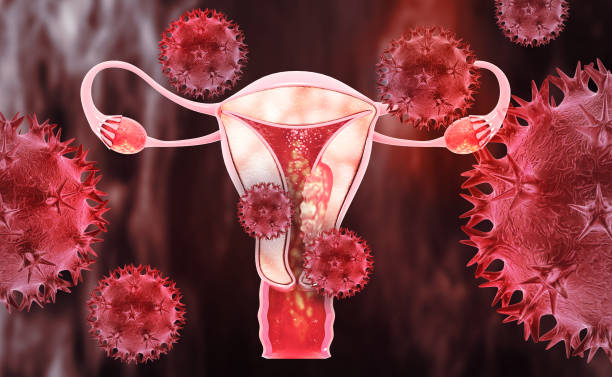
Endometriosis is a chronic, often painful disorder in which tissue similar to the lining inside the uterus (the endometrium) grows outside the uterus. This condition affects approximately 10% of women of reproductive age globally, translating to about 176 million women. The impact of endometriosis can range from mild discomfort to debilitating pain, and it is also one of the leading causes of infertility. This comprehensive guide delves into the causes, symptoms, diagnosis, treatment options, and home remedies for endometriosis, offering detailed insights to help you manage this condition more effectively.
What Causes Endometriosis?
The exact cause of endometriosis remains unclear, but research points to several contributing factors that may increase the risk of developing the condition.
1. Retrograde Menstruation
Retrograde menstruation is one of the most widely accepted theories. In this condition, menstrual blood containing endometrial cells flows backward through the fallopian tubes into the pelvic cavity instead of leaving the body. These displaced endometrial cells then implant on pelvic organs, such as the ovaries, fallopian tubes, or the outer surface of the uterus, where they continue to thicken, break down, and bleed with each menstrual cycle.
2. Hormonal Imbalance
Estrogen, a hormone that regulates the female reproductive system, plays a crucial role in the growth and proliferation of endometrial tissue. High levels of estrogen or an imbalance between estrogen and progesterone can stimulate the abnormal growth of endometrial tissue outside the uterus, contributing to endometriosis.
3. Immune System Dysfunction
An impaired immune system may fail to recognize endometrial tissue growing outside the uterus, allowing it to survive and proliferate. Additionally, autoimmune diseases, where the immune system mistakenly attacks the body’s own tissues, have been linked to a higher risk of endometriosis.
4. Genetic Predisposition
Endometriosis tends to run in families, suggesting a genetic component to the disease. Women with first-degree relatives (mother, sister) who have endometriosis are at a significantly higher risk of developing the condition themselves.
5. Surgical Scars
After surgeries such as a hysterectomy or C-section, endometrial cells may attach to the surgical incision, leading to endometriosis in these areas. This is known as iatrogenic endometriosis.
6. Environmental Factors
Exposure to certain environmental toxins, such as dioxins, has been linked to an increased risk of endometriosis. These toxins can disrupt the hormonal balance in the body, potentially contributing to the development of the condition.
Symptoms of Endometriosis

The symptoms of endometriosis can vary widely from one woman to another, depending on the location of the endometrial tissue and the extent of its growth. Some women experience severe symptoms, while others may have no symptoms at all.
1. Chronic Pelvic Pain
Chronic pelvic pain is the hallmark symptom of endometriosis. This pain often correlates with the menstrual cycle, but it can also be present at other times. The pain may be severe and can radiate to the lower back, abdomen, and legs.
2. Painful Periods (Dysmenorrhea)
Women with endometriosis often report experiencing extremely painful menstrual cramps that may begin before the period and extend several days into the period. The pain may be accompanied by heavy menstrual bleeding or bleeding between periods.
3. Pain During or After Intercourse (Dyspareunia)
Pain during or after sexual intercourse is a common symptom, especially if the endometrial tissue is located behind the uterus or near the pelvic floor. This pain can range from mild discomfort to severe, stabbing pain.
4. Infertility
Endometriosis is a leading cause of infertility, affecting up to 30-50% of women with the condition. The growth of endometrial tissue can cause scarring and adhesions that obstruct the fallopian tubes, preventing the egg and sperm from meeting. In some cases, endometriosis may also affect the quality of the eggs or interfere with implantation of the embryo.
5. Gastrointestinal Symptoms
Endometriosis can affect the intestines, leading to gastrointestinal symptoms such as diarrhea, constipation, bloating, and nausea, especially during menstruation. These symptoms are sometimes mistaken for irritable bowel syndrome (IBS).
6. Fatigue
Chronic fatigue is a common but often overlooked symptom of endometriosis. The constant pain and inflammation can drain energy, leading to persistent tiredness.
7. Other Symptoms
Endometriosis can also cause pain during bowel movements or urination, especially during menstruation. In rare cases, the condition may lead to the formation of endometriomas (ovarian cysts filled with old blood), which can cause further complications.
How is Endometriosis Diagnosed?

Diagnosing endometriosis can be challenging because its symptoms overlap with other conditions such as pelvic inflammatory disease (PID) or irritable bowel syndrome (IBS). However, there are several diagnostic methods that can help identify the presence and extent of endometriosis.
1. Pelvic Examination
During a pelvic exam, a doctor may feel for abnormalities such as cysts on the reproductive organs or scars behind the uterus. However, small areas of endometriosis are often undetectable during a pelvic exam, making further testing necessary.
2. Ultrasound
Ultrasound imaging, particularly transvaginal ultrasound, uses sound waves to create images of the reproductive organs. While it cannot definitively diagnose endometriosis, it can detect ovarian cysts known as endometriomas, which are a common feature of the condition.
3. Magnetic Resonance Imaging (MRI)
MRI provides detailed images of the body’s soft tissues and can help in identifying the location and extent of endometrial tissue. It is especially useful for mapping out endometriosis before surgery.
4. Laparoscopy
Laparoscopy is the most definitive way to diagnose endometriosis. During this minimally invasive surgery, a small camera is inserted into the pelvic cavity through a tiny incision in the abdomen. This allows the doctor to directly view the endometrial tissue and assess its severity. Tissue samples (biopsies) may also be taken during the procedure for further examination.
5. Histopathology
A biopsy taken during laparoscopy can be analyzed under a microscope to confirm the diagnosis of endometriosis. This helps distinguish endometriosis from other conditions with similar symptoms.
Treatment Options for Endometriosis
Treatment for endometriosis aims to relieve symptoms, slow the growth of endometrial tissue, and improve fertility outcomes. The choice of treatment depends on the severity of the symptoms, the extent of the disease, and the patient’s desire for future pregnancies.
1. Pain Management
For many women, managing pain is a primary concern. Over-the-counter pain relievers such as ibuprofen or naproxen sodium can help reduce menstrual pain. In more severe cases, a doctor may prescribe stronger pain medications or suggest alternative therapies such as acupuncture or physical therapy.
2. Hormonal Therapy
Hormonal therapies are designed to reduce or eliminate menstruation, which in turn slows the growth of endometrial tissue and reduces symptoms. Options include:
- Birth Control Pills, Patches, and Vaginal Rings: These methods regulate hormones and reduce or stop menstruation, leading to a decrease in endometriosis symptoms.
- Gonadotropin-Releasing Hormone (GnRH) Agonists and Antagonists: These drugs reduce estrogen levels, creating a temporary menopause-like state that shrinks endometrial tissue.
- Progestin Therapy: Progestin, available in pills, injections, or IUDs, helps suppress the growth of endometrial tissue by counteracting the effects of estrogen.
- Danazol: This synthetic steroid inhibits the growth of endometrial tissue by reducing estrogen production. However, it can cause significant side effects and is less commonly used today.
3. Surgical Treatment
Surgery may be recommended for women with severe endometriosis, especially if hormonal treatments are ineffective or if fertility is a concern. Surgical options include:
- Laparoscopic Excision Surgery: The surgeon removes as much of the endometrial tissue as possible while preserving the uterus and ovaries. This procedure can relieve pain and improve fertility, although endometriosis may recur over time.
- Hysterectomy: In cases where endometriosis is severe and other treatments have failed, a hysterectomy (removal of the uterus) may be considered. If the ovaries are also removed, this procedure significantly reduces the risk of recurrence but results in infertility and immediate menopause.
- Ovarian Cystectomy: If endometriomas (ovarian cysts) are present, they can be surgically removed to reduce pain and improve fertility outcomes.
4. Fertility Treatment
For women with endometriosis-related infertility, assisted reproductive technologies (ART) such as in vitro fertilization (IVF) may be recommended. In some cases, surgery to remove endometrial tissue may be performed before attempting ART to increase the chances of success.
Home Remedies for Managing Endometriosis
While medical treatments are often necessary, several home remedies can complement traditional therapies and help manage the symptoms of endometriosis naturally.
1. Dietary Changes
A diet rich in anti-inflammatory foods such as fruits, vegetables, whole grains, and omega-3 fatty acids can help reduce inflammation and alleviate symptoms. Some women find relief by avoiding foods that trigger inflammation, such as processed foods, red meat, and dairy products.
2. Exercise
Regular physical activity, such as walking, swimming, or yoga, can help reduce pain by releasing endorphins, the body’s natural painkillers. Exercise also helps reduce estrogen levels, which can slow the growth of endometrial tissue.
3. Heat Therapy
Applying a heating pad or warm bath to the lower abdomen can relax the muscles and reduce pelvic pain. This simple remedy can provide immediate relief during painful menstrual periods.
4. Herbal Remedies
Herbs such as turmeric, ginger, and evening primrose oil have anti-inflammatory properties that may help reduce endometriosis symptoms. However, it’s important to consult with a healthcare provider before starting any herbal supplements, as they can interact with medications.
5. Stress Management
Chronic stress can exacerbate endometriosis symptoms. Mindfulness practices such as meditation, deep breathing exercises, and progressive muscle relaxation can help reduce stress levels and improve overall well-being.
6. Acupuncture
Acupuncture, a traditional Chinese medicine practice, involves inserting thin needles into specific points on the body to balance energy flow and reduce pain. Some women with endometriosis find acupuncture helpful in managing chronic pain and improving fertility.
When to Seek Help
If you suspect you have endometriosis or if you’re experiencing severe symptoms that interfere with your daily life, it’s important to seek medical advice. Early diagnosis and treatment can help manage symptoms, prevent complications, and improve fertility outcomes.
In conclusion, endometriosis is a complex and challenging condition that requires a multifaceted approach to treatment and management. By understanding the causes, symptoms, and available treatment options, women with endometriosis can take proactive steps to manage their health and improve their quality of life.