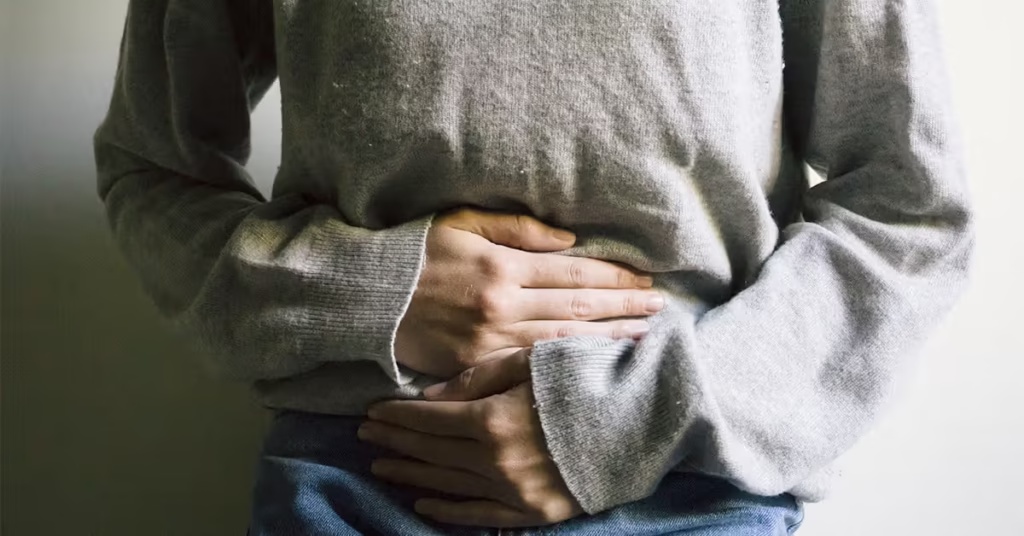

Stomach gas and bloating are among the most universal daily discomforts — experienced by virtually everyone at some point, and by a significant proportion of the population chronically. In India specifically, where a predominantly plant-based diet rich in legumes, cruciferous vegetables, and fermentable carbohydrates is the nutritional foundation, the generation of intestinal gas is not a pathological event but a normal consequence of the microbial fermentation that healthy gut function depends upon. The problem arises not from the presence of gas but from its excessive production, impaired passage, or the visceral hypersensitivity that makes normal quantities of gas feel painful and distressing.
The most effective approach to natural remedies for gas relief therefore begins with understanding where the gas comes from, why some people produce more than others, and why the same meal produces bloating on some days and not others. This mechanistic understanding transforms the selection of natural remedies from a hopeful experiment into a targeted physiological intervention.
This guide covers the complete science of intestinal gas — its sources, its quantities, the factors that determine whether it passes comfortably or accumulates as bloating — and 12 evidence-based natural remedies, with a particular focus on the Indian kitchen pharmacy of carminative herbs and spices that Ayurveda has been prescribing for three millennia, now with their molecular mechanisms confirmed by modern gastroenterology.
Where Stomach Gas Actually Comes From — The Physiology You Need to Know
The average adult produces 500–2,000ml of intestinal gas daily — a quantity that most people find surprisingly large. Understanding the two primary sources of this gas explains both why gas is so common and why the remedies that work for one type may not work for the other.
Source 1: Swallowed air (aerophagia). Every swallow takes air into the oesophagus — most of it is reflexively belched back up, but a portion passes into the small intestine and colon. Eating rapidly, talking during meals, drinking through straws, chewing gum, and consuming carbonated beverages all dramatically increase the quantity of swallowed air. This is the primary source of upper gastrointestinal gas — the belching and upper abdominal bloating that develops during or shortly after a meal. It has nothing to do with food fermentation and is entirely addressed by behavioural modification (slower eating, no carbonated beverages, no straws) rather than digestive herbs.
Source 2: Bacterial fermentation in the colon. Undigested carbohydrates — primarily resistant starch, soluble fibre, oligosaccharides, disaccharides, monosaccharides, and polyols (collectively called FODMAPs) — pass through the small intestine unabsorbed and reach the colon, where the 100 trillion bacteria of the gut microbiome ferment them. This fermentation produces hydrogen (H₂), methane (CH₄), and carbon dioxide (CO₂) as primary gases — plus short-chain fatty acids (butyrate, propionate, acetate) that are absorbed and have significant health benefits including colonocyte nutrition and anti-inflammatory effects. This colonic gas production is therefore inseparably linked to the gut microbiome’s health-beneficial fermentation activity — some gas production is not a problem to be eliminated but a sign of a healthy, fibre-feeding microbiome at work.
The distinction between these two sources has direct practical implications: carminative herbs (hing, jeera, ajwain, saunf) primarily address Source 2 (bacterial gas) through their effects on intestinal smooth muscle, gut motility, and the microbiome. Behavioural changes (eating slowly, avoiding carbonated drinks) primarily address Source 1 (swallowed air). Getting this distinction right means getting the remedy right.
Why Some People Get More Gas Than Others — The Variable Factors
Several factors determine individual variation in gas production and gas-related discomfort, understanding which is essential for targeted natural management:
Gut microbiome composition is the primary determinant of fermentation gas production. People with high populations of methane-producing archaea (Methanobrevibacter smithii) produce significantly more methane from equivalent fermentable substrate, and methane specifically slows gut transit — explaining the frequent co-occurrence of excess gas with constipation in methane producers. People with diverse, balanced Firmicutes-Bacteroidetes microbiomes produce more butyrate and less hydrogen and methane from the same food substrate — the same foods produce less problematic gas in people with healthier microbiomes.
Digestive enzyme sufficiency determines how completely food is broken down in the small intestine before reaching the colon. Insufficient lactase (lactose intolerance) allows lactose to reach the colon for fermentation. Insufficient sucrase, isomaltase, or pancreatic enzymes allows undigested disaccharides and oligosaccharides to reach the fermentative environment of the colon in higher quantities than a fully enzymatically equipped gut would permit. Gas that predominantly follows specific foods suggests specific enzyme deficiency as a component.
Gut transit speed affects fermentation time. Slow colonic transit (constipation, reduced physical activity) allows more time for fermentative gas production from retained intestinal contents. Faster transit produces less gas because substrate leaves the fermentative environment more quickly. This is one mechanism through which exercise reduces bloating — by accelerating colonic transit and reducing fermentation time.
Visceral sensitivity — the enteric nervous system’s sensitivity to gut distension — determines whether normal volumes of intestinal gas produce discomfort. People with IBS (irritable bowel syndrome) have measurably lower pain thresholds for gut distension, meaning the same quantity of gas that is imperceptible to most people produces significant pain and discomfort. Visceral hypersensitivity is largely driven by gut-brain axis dysregulation — stress, anxiety, and the central sensitisation of chronic pain conditions all lower the gut’s distension threshold. This is why gas symptoms worsen dramatically during stress even when diet has not changed.
The Indian Dietary Context — Why the Dal-Roti-Sabzi Diet Requires Specific Gas Management
The traditional Indian diet — built around legumes (multiple varieties of dal, chana, rajma, lobhia), cruciferous vegetables (gobhi, mooli, mustard greens), onion-garlic, and whole grains — contains some of the highest concentrations of FODMAP carbohydrates of any major dietary pattern in the world. This is not a flaw but a feature: these foods are nutritionally extraordinary, microbiome-supportive, anti-inflammatory, and are the dietary foundation of some of the healthiest traditional populations globally.
The elevated gas production that the traditional Indian diet produces in some people is the natural consequence of providing the gut microbiome with abundant fermentable substrate — and Ayurvedic and traditional Indian culinary practice has addressed this for millennia through the systematic use of carminative spices (hing, jeera, ajwain, saunf, methi, ginger) in food preparation. These spices are not merely flavour additions — they are pharmacologically active carminative agents added precisely to manage the gas that the legume and cruciferous-vegetable-rich diet predictably produces. The Indian culinary tradition of adding hing (asafoetida) and jeera (cumin) to dal, ajwain to beans and parathas, and saunf to post-meal digestive preparations is a thousands-year-old functional food technology for gas management that modern gastroenterology is only beginning to characterise scientifically.
12 Natural Remedies for Gas Relief — With Full Mechanisms
1. Hing (Asafoetida) — India’s Most Powerful Carminative
Hing (Ferula assa-foetida) — the pungent, sulphurous dried resin from the Ferula plant — is the most potent single carminative agent in the Indian kitchen pharmacy and one of the most pharmacologically active of all culinary anti-flatulent preparations. Its primary bioactive compounds are ferulic acid, umbelliferone, and a complex of sulphur-containing organic compounds (primarily sec-butyl propenyl disulphide) that produce its characteristic aroma and its specific anti-flatulent mechanisms.
Hing’s carminative activity operates through two specific, well-characterised mechanisms. First, it directly relaxes the smooth muscle of the intestinal wall — reducing the spasmodic contractions that trap gas bubbles against the intestinal lining and preventing them from moving toward expulsion. By reducing intestinal spasm, hing allows trapped gas pockets to coalesce and move through the intestinal lumen more freely. Second, it inhibits the growth of gas-producing gut bacteria (particularly the Clostridia species that produce the highest volumes of fermentation gas from legume and cruciferous vegetable substrates) while supporting the growth of beneficial Lactobacillus species that produce less gas from equivalent substrate. This selective antimicrobial activity reduces the fermentative gas yield from the same dietary intake — not by eliminating fermentation but by shifting it toward less gas-producing microbial species.
Research published in the Journal of Ethnopharmacology documented hing’s antispasmodic activity at concentrations achievable from culinary use, confirming the traditional Indian practice of tempering dal with hing has genuine pharmacological basis. A study in Food Chemistry confirmed the antimicrobial selectivity against Clostridium species alongside prebiotic effects on Lactobacillus growth.
Practical use: A tiny pinch of hing (approximately 1/8 teaspoon) added to hot oil or ghee in the tadka at the beginning of dal preparation diffuses through the entire dish — providing carminative coverage for the whole legume-based meal. Hing can also be mixed with warm water as a direct gas-relief preparation: a pinch dissolved in half a cup of warm water and consumed provides relief within 10–20 minutes for acute gas discomfort. The traditional Indian practice of feeding hing-water to infants with colic (heeng ka paani) is the same pharmacological mechanism applied to the most sensitive population — and represents the most ancient evidence of hing’s carminative clinical application.
2. Jeera (Cumin Seeds) — The Digestive Enzyme Stimulator
Jeera (Cuminum cyminum) is the most universally used digestive spice in Indian cooking and has specific pharmacological mechanisms for gas relief that go beyond its pleasant flavour contribution. Cuminaldehyde — the primary essential oil component of jeera — has documented stimulatory effects on the secretion of pancreatic digestive enzymes (lipase, amylase, and protease), directly improving the completeness of food digestion in the small intestine and reducing the quantity of undigested substrate reaching the colon for fermentation. More complete digestion upstream means less fermentable substrate and less gas production downstream.

Jeera additionally has specific anti-bloating mechanisms through its thymol content (which stimulates salivary and gastric secretion, improving the initial phases of food breakdown), its direct antispasmodic activity on gut smooth muscle (reducing the cramping component of gas-related discomfort), and its documented effects on gastric motility acceleration (reducing the gastric stasis that allows gas accumulation in the stomach).
A clinical trial published in the Middle East Journal of Digestive Diseases found jeera powder supplementation significantly reduced IBS symptoms including bloating, flatulence, and abdominal pain compared to placebo over 4 weeks — providing direct human evidence for jeera’s clinical efficacy for gas-related digestive symptoms. The comprehensive evidence for jeera water specifically — including its insulin sensitivity effects and the RCT data for metabolic benefits — is covered in our detox water guide.
Practical use: Roasting jeera seeds until aromatic and adding to all dal and sabzi preparations provides carminative coverage throughout the meal. Jeera water (1 teaspoon of jeera boiled in 500ml water for 5 minutes, strained) consumed warm before or after meals is one of the most effective acute gas-relief preparations available. A teaspoon of roasted jeera powder mixed with a pinch of black salt provides the concentrated carminative dose for immediate acute gas relief.
3. Ajwain (Carom Seeds) — The Most Potent Immediate Gas Remedy
Ajwain (Trachyspermum ammi) — carom seeds — contains thymol as its primary active compound at higher concentrations than any other common culinary herb (2–4% thymol by weight in dried seeds). Thymol is the most potent carminative compound in the Indian spice palette, operating through direct calcium channel antagonism in intestinal smooth muscle cells that produces profound antispasmodic relaxation — allowing trapped gas to pass freely and eliminating the cramping that accompanies gas accumulation.
A randomised controlled trial published in the Journal of Food Science and Technology found ajwain extract significantly reduced bloating, flatulence, and abdominal cramping compared to placebo in participants with functional bloating — confirming that ajwain’s traditional reputation as the “instant gas remedy” has a documented clinical evidence basis, not merely anecdotal support.
The traditional Indian practice of chewing a half-teaspoon of ajwain seeds with a pinch of black salt and washing down with warm water — consumed immediately upon experiencing gas or bloating — is the most evidence-consistent method of using ajwain for acute gas relief. The direct oral delivery of thymol through seed chewing (rather than the diluted form in cooked food) provides the most concentrated carminative dose and typically produces noticeable relief within 5–15 minutes. Ajwain-infused water or ajwain steam inhalation provides the same compounds through alternative delivery routes, but the direct oral-mucosal absorption of chewed seeds is the most rapid.
4. Saunf (Fennel Seeds) — The Post-Meal Gas Preventer
Saunf (Foeniculum vulgare) — the green fennel seeds served at Indian restaurant exits and kept in every Indian home as a post-meal digestive — has specific pharmacological mechanisms that make it particularly appropriate as a preventive rather than acute gas remedy. Anethole (the primary essential oil component of saunf) relaxes intestinal smooth muscle through calcium channel antagonism (the same mechanism as ajwain’s thymol, but at lower potency), reducing both the spastic cramping of gas and the bloated distension that accompanies it.
More distinctively, saunf has documented stimulatory effects on gastric secretion (salivary amylase, gastric acid, and pepsin) that are most active when chewed at the beginning of or during a meal — explaining why saunf chewing traditionally occurs after meals (where it continues digestive support through the post-prandial phase) but also makes physiological sense before meals (where it primes digestive enzyme secretion). A clinical study found fennel seed oil emulsion significantly reduced infant colic — the most concentrated gas-pain syndrome in clinical medicine — confirming its direct antispasmodic and carminative activity in the most sensitive population.
The microbiome-supportive dimension of saunf is also relevant: anethole has selective antimicrobial activity against gas-producing Clostridium species while supporting Lactobacillus growth — the same beneficial selectivity as hing, achieved through a different compound. Regular post-meal saunf consumption therefore progressively shifts the gut microbiome toward less gas-producing fermentative species, providing long-term gas prevention alongside immediate antispasmodic relief.
5. Ginger — Anti-Inflammatory and Motility-Stimulating
Ginger’s gingerols and shogaols provide three specific mechanisms for gas relief: they stimulate the migrating motor complex (MMC) — the coordinated muscular contractions of the small intestine that sweep undigested food and bacteria through the digestive system between meals, preventing the bacterial overgrowth that produces excessive fermentation gas; they accelerate gastric emptying (reducing the gastric stasis that contributes to upper abdominal gas accumulation); and they reduce the inflammatory prostaglandin signalling in the intestinal wall that produces the visceral hypersensitivity of gas-related pain.
A clinical trial published in the European Journal of Gastroenterology found ginger extract significantly accelerated gastric emptying compared to placebo — the mechanism by which post-meal bloating from delayed gastric transit is directly relieved. The anti-nausea effects that accompany gas in some people (particularly the nausea of trapped intestinal gas in the small intestine) are additionally addressed through ginger’s 5-HT3 receptor antagonism. The comprehensive digestive ginger evidence is in our digestion guide.
Practical use: Fresh ginger tea (1-inch piece steeped in boiling water for 5–10 minutes) consumed before meals primes gastric emptying and MMC activation. Adding generous fresh ginger to cooking provides the gingerol content through food. Ginger-lemon-honey tea (fresh ginger + lemon juice + raw honey in warm water) is one of the most palatable and most therapeutically effective gas and bloating management preparations for regular use.
6. Peppermint — The IBS and Gas Research Champion
Peppermint oil has the strongest clinical trial evidence of any single natural remedy for gas relief, particularly for the gas and bloating associated with irritable bowel syndrome (IBS). Multiple randomised controlled trials and a Cochrane systematic review have confirmed that enteric-coated peppermint oil capsules significantly reduce abdominal pain, bloating, flatulence, and overall IBS symptom scores compared to placebo.
The primary mechanism is menthol’s direct calcium channel antagonism in the smooth muscle of the entire gastrointestinal tract — producing a more comprehensive and more potent smooth muscle relaxation than any other natural compound studied for IBS. Importantly, peppermint oil’s effects specifically on lower gastrointestinal smooth muscle (jejunum, ileum, colon) are more pronounced than its effects on upper gastrointestinal smooth muscle — making it most appropriate for the lower abdominal gas, cramping, and distension of colonic gas accumulation rather than the belching and upper gas of aerophagia.
For acute gas relief, peppermint tea (5–10 fresh mint/pudina leaves steeped in boiling water) provides menthol through the beverage and through the vapour inhaled during consumption — with the vapour component providing particularly rapid relaxation of upper gastrointestinal smooth muscle through direct mucosal contact. For chronic IBS-related gas, enteric-coated peppermint oil capsules (IBGard, Colpermin) are the appropriate form — plain peppermint oil without enteric coating dissolves in the stomach (rather than reaching the small intestine and colon where the therapeutic effect is needed) and can cause heartburn in people with gastroesophageal reflux.
7. Methi (Fenugreek) Water — Fibre That Paradoxically Reduces Gas
Fenugreek seeds contain galactomannan — a highly viscous soluble fibre that, when consumed before meals through overnight soaking water, slows gastric emptying and reduces the rate of carbohydrate digestion in the small intestine. This paradoxically reduces colonic gas production despite providing soluble fibre: by slowing carbohydrate absorption in the small intestine, galactomannan ensures that carbohydrates are more completely absorbed proximally before reaching the fermentative environment of the colon — reducing the quantity of fermentable substrate and therefore the gas produced from a high-carbohydrate meal.
Additionally, fenugreek’s saponin content has documented antimicrobial effects on gas-producing bacteria and direct antispasmodic activity on intestinal smooth muscle. Research published in the International Journal for Vitamin and Nutrition Research found fenugreek consumption significantly reduced post-meal flatulence compared to baseline — providing clinical evidence for its traditional use as a post-meal digestive and gas preventive in Indian food culture.
The comprehensive metabolic evidence for methi water (blood sugar, insulin sensitivity, hormonal effects) is covered in our detox water guide. For gas specifically, soaking 1 teaspoon of methi seeds overnight and drinking the water with the seeds in the morning addresses both gas and blood sugar simultaneously.
8. Gut Microbiome Support — The Long-Term Gas Prevention Strategy
The most durable and most comprehensive approach to reducing chronic gas production is optimising the gut microbiome toward less gas-producing fermentative species — the long-term strategy that complements the immediate carminative remedies above. The gut microbiome composition that produces the least gas from high-fibre Indian food is characterised by: high diversity across bacterial phyla; adequate populations of butyrate-producing Firmicutes (Roseburia, Faecalibacterium prausnitzii); adequate Bacteroidetes (efficient fermenters that produce less hydrogen than Firmicutes from equivalent substrate); and low populations of methane-producing Methanobrevibacter and high-gas-producing Clostridium species.
Dietary strategies that shift the microbiome toward this less gas-productive composition: regular consumption of diverse fermented foods (dahi/yogurt with live cultures, buttermilk/chaas, idli and dosa fermented batter, kanji during seasonal preparations) providing Lactobacillus and Bifidobacterium species that directly compete with gas-producing bacteria; diverse prebiotic fibre from a wide variety of plant foods rather than a narrow range (microbiome diversity is primarily determined by dietary plant diversity — the “30 different plant foods per week” evidence); and resistant starch from cooled cooked rice, cooled dal, and green bananas (feeding specifically the butyrate-producing species that reduce gas production and strengthen the intestinal barrier).
The comprehensive gut microbiome science is in our digestion guide and the related constipation guide, where the microbiome-transit-gas connection is explored.
9. Chaas (Spiced Buttermilk) — India’s Traditional Post-Meal Gas Remedy
Traditional Indian chaas — diluted yogurt with jeera, hing, fresh ginger, curry leaves, and black salt — is one of the most pharmacologically well-designed natural gas remedies available, combining multiple carminative mechanisms in a single preparation. The yogurt base provides Lactobacillus acidophilus and other live cultures that directly compete with gas-producing bacteria in the gut; the dilution (1:2 or 1:3 yogurt to water) and churning creates a pro-kinetic liquid that moves rapidly through the stomach and stimulates the gastrocolic reflex; the jeera provides cuminaldehyde’s digestive enzyme stimulation and antispasmodic activity; the hing provides direct smooth muscle relaxation and Clostridium inhibition; the ginger provides MMC stimulation and gastric emptying acceleration; and the black salt provides the sulphur-containing compounds that reduce intestinal fermentation.
A glass of spiced chaas consumed with or immediately after the main meal of the day is one of the most effective single dietary practices for post-meal gas and bloating prevention. It was traditionally consumed precisely at the time (with or after the largest meal) and in the combination (multiple carminative spices) that produces maximum gas prevention from the high-FODMAP foods that constitute the traditional Indian lunch. The full evidence for chaas as a digestive beverage is discussed in our digestion guide.
10. Soaking and Cooking Techniques — The FODMAP Reduction Strategy
One of the most effective and most underutilised strategies for reducing gas from legume-heavy Indian meals is optimising the preparation technique of gas-producing foods — reducing their FODMAP (Fermentable Oligosaccharides, Disaccharides, Monosaccharides and Polyols) content before consumption rather than managing the gas produced after consumption.
Soaking legumes: Soaking dal, rajma, chana, and other legumes for 8–12 hours before cooking reduces oligosaccharide (primarily raffinose and stachyose — the primary gas-causing carbohydrates in legumes) content by 25–40% through leaching into the soaking water. Discarding the soaking water (rather than cooking in it) removes a significant portion of the fermentable substrate that would otherwise reach the colon for gas-producing fermentation. Adding a pinch of hing or a few seeds of jeera to the soaking water further inhibits gas-producing enzyme activity in the soaked legumes before cooking.
Pressure cooking: Pressure cooking legumes to complete softness (versus al dente cooking that leaves some structural resistance) more completely gelatinises the starch and breaks down the cell wall polysaccharides that protect oligosaccharides from digestive enzyme access in the small intestine. More digestible legumes produce less colonic fermentation gas. The Indian tradition of slow, thorough cooking of dal until it is completely soft — and the use of a pressure cooker specifically to ensure complete softness — is, from a FODMAP reduction perspective, specifically appropriate gas management practice.
Choosing lower-gas varieties: Moong dal (split mung bean) is the lowest-FODMAP, most easily digestible of all Indian dal varieties — specifically prescribed in Ayurvedic practice for people with digestive weakness, post-illness recovery, and excess Vata-driven gas. Replacing rajma, chana, or mixed dal with moong dal during periods of heightened digestive sensitivity dramatically reduces gas production while maintaining the nutritional profile of a legume-based meal.
11. Activated Charcoal and Black Salt (Kala Namak) — The Gas Adsorbers
Kala namak (black salt) — the sulphurous, distinctive-smelling salt used throughout Indian cooking and as a digestive additive — contains significant quantities of hydrogen sulphide, sodium sulphate, and various iron and sulphur compounds that have direct effects on intestinal gas dynamics. The hydrogen sulphide compounds react with intestinal fermentation gases, reducing the total gas volume in the intestinal lumen. The sulphur compounds also reduce the growth of gas-producing bacteria through direct antimicrobial activity.
The traditional Indian practice of adding kala namak to jal jeera, chaas, nimbu paani, and various digestive preparations is a conscious gas management strategy — the combination of its direct gas-volume reduction with the carminative effects of the other components (jeera, mint, lemon) creates a synergistic gas relief preparation. A preparation of kala namak + jeera + ajwain + ginger powder in warm water is the most complete combination carminative available from Indian kitchen ingredients alone.
Activated charcoal — available as supplemental capsules — has documented gas adsorption activity (charcoal’s enormous surface area physically adsorbs gas molecules, reducing intestinal gas volume), and clinical trials have found it reduces post-meal flatulence in people consuming high-gas diets. However, it also adsorbs medications and nutrients, making it inappropriate before medication times and not appropriate as a daily supplement.
12. Yoga Poses for Gas Relief — Mechanical Gas Expulsion
Specific yoga poses directly manipulate the intestinal contents through abdominal compression, twisting, and inversion — physically moving trapped gas bubbles through the intestinal lumen toward expulsion. These are among the most immediately effective natural gas relief strategies available, producing results within minutes of practice:
Pawanmuktasana (Wind-Relieving Pose): The name translates directly as “wind-relieving pose” — named specifically for its gas relief function. Lying on the back, pull one knee to the chest (compressing the ascending or descending colon on the respective side) and hold for 30–60 seconds while breathing deeply. Alternate sides. The compression of the colonic segments directly moves gas bubbles toward the rectum. Practising with both knees simultaneously compresses the transverse colon. This is the single most effective individual yoga pose for immediate gas relief, with effects typically felt within 1–2 minutes of practice.
Ardha Matsyendrasana (Seated Spinal Twist): The sequential compression and release of the ascending and descending colon during spinal twisting mechanically propels gas through the colon. Seated with legs extended, bend one knee and cross the foot over the other thigh, twist the trunk toward the bent knee. Hold 30–60 seconds each side.
Balasana (Child’s Pose): Kneeling forward with the forehead on the floor and arms extended — the abdominal compression against the thighs and the forward-folded posture shift the diaphragm upward, increasing intra-abdominal pressure that helps move trapped gas. The gentle sustained pressure is particularly effective for gas trapped in the upper abdomen.
Supta Matsyendrasana (Supine Spinal Twist): Lying on the back, knees bent, dropping both knees to one side while the upper body faces the ceiling. The rotational stretch of the abdomen in this supine position is gentle enough for post-meal practice and specifically effective at mobilising sigmoid colon and lower colonic gas.
A 5–10 minute daily yoga sequence combining these poses — particularly in the morning and after the main meal — produces both immediate gas relief and the regular mechanical gut stimulation that reduces chronic gas accumulation. The comprehensive yoga science for digestive health is in our yoga for stress relief guide.
The Ayurvedic Framework — Vatanulomana and the Pachaka Pitta Dimension
Ayurveda classifies intestinal gas as a primary manifestation of aggravated Vata — specifically the Apana Vayu subtype that governs all downward and outward movement in the lower abdomen (defaecation, flatulence, menstruation, urination). When Apana Vayu is obstructed or moves in the wrong direction (upward rather than downward), gas accumulates in the colon and produces the distension, cramping, and discomfort of Adhmana (bloating) and Anaha (gas retention).
The Ayurvedic treatment principle for Vata-driven gas is Vatanulomana — the restoration of the correct downward movement of Apana Vayu. The classical Vatanulomana herbs are the carminative spices covered throughout this guide (hing, jeera, ajwain, saunf, ginger, methi, pipali, haritaki), classified specifically as Apana Vayu regulators in Ayurvedic pharmacopoeia. The dietary principles for Vata-driven gas — avoiding cold food and beverages, eating warm, oily, well-cooked foods, regular meal timing, and thorough cooking of legumes with carminative spices — are precisely the dietary interventions that modern gastroenterology endorses for reducing fermentation gas production and visceral sensitivity to gas.
The secondary digestive dimension — Pachaka Pitta (the digestive fire governing metabolic transformation of food) — is relevant when gas is accompanied by heartburn, acid reflux, or a burning quality, suggesting that the Vata-driven gas obstruction is accompanied by Pitta aggravation from impaired digestion. In this context, the Ayurvedic approach adds cooling, Pitta-pacifying herbs (coriander, fennel, kokum, amla) to the Vatanulomana carminative treatment.
Stomach Gas and Bloating: Myth vs. Fact
| ❌ The Myth | ✅ The Truth |
|---|---|
| All gas is caused by food and can be eliminated by avoiding problem foods | Two distinct sources produce intestinal gas: swallowed air (aerophagia — primarily behavioural, unrelated to food) and bacterial fermentation (dietary — related to fermentable carbohydrates). Additionally, the gut microbiome composition determines how much gas is produced from equivalent fermentable substrate — the same meal produces dramatically different gas quantities in different people depending on their microbiome. Complete elimination of fermentable foods to avoid gas would require eliminating virtually all plant foods — which would harm gut microbiome health and overall health far more than modest gas production. |
| Gas and bloating are always signs of food intolerance and require food elimination | Gas is normal and healthy — a sign that the gut microbiome is actively fermenting the fibre and resistant starch it needs to produce butyrate and other health-promoting metabolites. Problematic gas (painful, excessive, significantly disruptive) warrants investigation of specific triggers and management strategies. But the goal is not zero gas production (which would indicate a non-functional microbiome) but comfortable, manageable gas production that does not cause distress. |
| Beans and dal should be avoided if you have gas problems | Legumes are among the most nutritious foods available — rich in protein, fibre, folate, iron, and prebiotic oligosaccharides that feed the gut microbiome. The gas they produce is reduced by 40–70% through soaking, discarding soaking water, and thorough cooking, and is further managed through the carminative spices that Indian culinary tradition systematically adds to all legume preparations. Avoiding legumes eliminates one of the primary nutritional foundations of the Indian diet rather than addressing the preparation and spice practices that make legume consumption comfortable. |
| Warm drinks make bloating worse by adding gas | Warm liquids reduce gas. The warmth relaxes gastrointestinal smooth muscle (reducing the spasm that traps gas), stimulates the gastrocolic reflex (accelerating transit and gas movement), and in the case of carminative teas (ginger, jeera, peppermint, fennel) provides direct antispasmodic and gas-expulsion-promoting compounds. Cold and carbonated beverages, conversely, worsen gas — carbon dioxide directly adds gas to the digestive system, and cold liquids cause temporary smooth muscle contraction that temporarily impairs gas transit. |
| Gas pain in the left upper chest is a heart problem | Gas trapped in the splenic flexure of the colon (the bend near the left side of the abdomen near the spleen) — called “splenic flexure syndrome” — produces left upper abdominal and left chest pain that is frequently alarming and often misattributed to cardiac causes. It is typically relieved by lying down, by the Pawanmuktasana yoga pose, and by warm carminative beverages. However, chest pain that is accompanied by shortness of breath, arm or jaw pain, sweating, or significant cardiovascular risk factors requires immediate medical evaluation — the distinction between splenic flexure gas and cardiac chest pain cannot be made without professional assessment in high-risk individuals. |
| Probiotics immediately fix gas and bloating | Probiotics can significantly reduce gas over weeks to months of consistent use by shifting the gut microbiome toward less gas-producing species — but they do not provide immediate gas relief. The immediate relief remedies are carminative spices (hing, ajwain, jeera, saunf, ginger), yoga poses, and warm herbal teas. Probiotics address the long-term microbiome composition that determines chronic gas production — not acute gas accumulation. Paradoxically, some people experience temporarily increased gas during the first 1–2 weeks of probiotic supplementation as the microbiome adjusts — this is normal and resolves with continued use. |
When to See a Doctor — Gas Symptoms That Require Medical Evaluation
Most gas and bloating is functional and benign — managed effectively with the natural remedies in this guide. However, certain presentations require medical evaluation to exclude serious underlying conditions: persistent, severe bloating that does not resolve with dietary and natural management over 4 weeks; gas accompanied by unexplained weight loss; gas associated with rectal bleeding; gas and bloating that has suddenly worsened without dietary change (new-onset change in bowel function in adults over 40 warrants colonoscopy); gas associated with significant abdominal pain that persists beyond the gas episode; gas in someone with jaundice, dark urine, or pale stools (potential biliary obstruction); gas associated with fever and abdominal tenderness (peritonitis, acute pancreatitis, or bowel obstruction require urgent evaluation); and gas symptoms that significantly disrupt quality of life and daily function despite 4–6 weeks of systematic natural management (formal evaluation for IBS, SIBO — small intestinal bacterial overgrowth, or other functional gastrointestinal disorders is appropriate).
Related Articles From HerbeeLife
📖 How to Improve Digestion Naturally: 12 Powerful Science-Backed Strategies
📖 Natural Remedies for Constipation: 12 Science-Backed Strategies That Actually Work
📖 Detox Water: Real Health Benefits, Busted Myths and 10 Science-Backed Indian Recipes
📖 Anti-Inflammatory Foods: 12 Powerful Choices That Fight Disease From the Inside Out
📖 Yoga for Stress Relief: 12 Powerful Poses and Science-Backed Tips for Beginners
📖 Piles (Hemorrhoids): Causes, Grades, Natural Remedies and When LASER Treatment Is Right
📖 Amla Benefits: Proven Immunity, Digestion and Whole-Body Health
Frequently Asked Questions: Natural Remedies for Gas Relief
What is the fastest natural remedy for immediate gas relief?
For immediate relief (5–15 minutes): chew half a teaspoon of ajwain seeds with a pinch of kala namak and warm water — ajwain’s thymol produces the fastest antispasmodic smooth muscle relaxation of all the Indian carminative spices. Alternatively, Pawanmuktasana yoga pose (knees to chest, holding 30–60 seconds per side) mechanically moves trapped gas toward expulsion within 1–2 minutes. For somewhat slower relief (15–30 minutes): jeera water or ginger tea consumed warm. The combination of ajwain + kala namak + warm water is the most potent immediate carminative preparation available from standard Indian kitchen ingredients.
Why does dal cause so much gas for some people and not others?
The primary reason is gut microbiome composition: people with high populations of methane-producing archaea (Methanobrevibacter smithii) and Clostridium gas-producing species produce dramatically more gas from the raffinose and stachyose oligosaccharides in legumes than people with more balanced microbiomes. Secondarily, some people have lower levels of the enzyme alpha-galactosidase (which breaks down legume oligosaccharides in the small intestine) — available as the commercial supplement Beano. Preparation technique matters enormously: 8-hour soaking with soaking water discarded reduces legume gas by 25–40%. And adding hing + jeera + ginger to the cooking reduces gas production from equivalent legume substrate by shifting fermentation toward less gas-productive bacterial species.
Is it normal to have more gas in the evening than in the morning?
Yes — this is physiologically expected. The gut microbiome ferments food throughout the day, with maximum gas accumulation occurring in the late afternoon and evening, 8–12 hours after the day’s main meals. Gas that has accumulated throughout the day in the sigmoid colon builds to its highest volume by evening. Additionally, cortisol (which supports gut motility during the active day) falls in the evening, reducing the propulsive contractions that would otherwise move gas through the colon. Evening-specific gas management: fennel/saunf tea or chaas with the evening meal, Pawanmuktasana before bed, and walking for 15–20 minutes after the evening meal (to stimulate gastrocolic motility before the overnight slow-motility period).
Can stress really cause gas and bloating without any dietary change?
Yes — and this is one of the most practically important facts about gas management. The enteric nervous system (the “second brain” with 500 million neurons governing gut function) is in continuous bidirectional communication with the central nervous system through the vagus nerve. Psychological stress activates the sympathetic nervous system, which directly alters gut motility patterns — reducing the MMC (migrating motor complex) activity that sweeps gas through the intestine between meals, increasing visceral sensitivity to gas-related distension (making normal gas quantities feel painful), and altering the microbiome composition toward more gas-producing species through stress-driven changes in intestinal secretions and immune function. This is why gas symptoms reliably worsen during exams, travel, work deadlines, and emotional upheaval — even with identical food intake.
How does hing (asafoetida) relieve gas so quickly?
Hing’s rapid action comes from two mechanisms working simultaneously. Within minutes of consuming hing in warm water or in food, the ferulic acid and organosulphur compounds directly relax the intestinal smooth muscle through calcium channel antagonism — releasing the spastic tension that traps gas bubbles against the intestinal wall and allowing them to coalesce into larger bubbles that move more freely toward expulsion. Simultaneously, the antispasmodic relaxation reduces the cramping pain that accompanies trapped gas. The result is typically noticeable within 5–20 minutes of consumption. Longer-term carminative benefit comes from hing’s selective inhibition of Clostridium gas-producing bacteria — reducing gas production from subsequent meals when hing is used regularly in cooking.
Sources and References
1. Suárez FL et al. Gas production in humans ingesting a soybean flour derived from beans naturally low in oligosaccharides. American Journal of Clinical Nutrition, 1999.
2. Khanna R et al. Peppermint oil for the treatment of irritable bowel syndrome: a systematic review and meta-analysis. Journal of Clinical Gastroenterology, 2014.
3. Valussi M. Functional foods with digestion-enhancing properties. International Journal of Food Sciences and Nutrition, 2012.
4. Ghosheh OH, Houdi AA. High performance liquid chromatographic analysis of the pharmacologically active quinones and related compounds in the oil of the black seed (Nigella sativa). Journal of Pharmaceutical and Biomedical Analysis, 1999.
5. Micklefield GH et al. Effects of ginger on gastroduodenal motility. International Journal of Clinical Pharmacology and Therapeutics, 1999.
6. Dajani EZ, Shahwan TG. Effects of natural herbs on functional bowel disorders. Egyptian Journal of Basic and Applied Sciences, 2016.
7. Ford AC et al. Yield of diagnostic tests for celiac disease in individuals with symptoms suggestive of irritable bowel syndrome. Archives of Internal Medicine, 2009.
Follow HerbeeLife
🌿 Stay connected for more evidence-based digestive health, Ayurvedic wisdom, and natural wellness content:
📸 Instagram | 📌 Pinterest | 👥 Facebook | 🐦 X (Twitter)
Final Thoughts: The Indian Kitchen Has Always Been a Gas Pharmacy — Now You Know Why
The hing that goes into every dal. The jeera that is toasted in every tadka. The saunf on the restaurant counter. The chaas served with the thali. The ajwain in every paratha, every bean dish, every preparation of food that the Indian kitchen has learned, over three thousand years, to pair specifically with the foods that produce gas.
This was not accidental. This was empirical pharmacology developed through generations of observation — the discovery that adding these specific spices to these specific foods made them more digestible and more comfortable, codified into culinary tradition and then into Ayurvedic pharmacopoeia. Modern gastroenterology is now confirming, compound by compound, that the mechanisms are exactly what the tradition implied: antispasmodic smooth muscle relaxation, selective antimicrobial activity against gas-producing bacteria, digestive enzyme stimulation, MMC activation, and gut microbiome support.
The best approach to gas and bloating is therefore not finding a new supplement — it is understanding the Indian food tradition you already have, using it fully and correctly, adding the carminative herbs in the amounts that make functional pharmacological sense, and building the microbiome through diverse plant food that makes the whole system produce less gas from the same magnificent food in the first place.
Your grandmother’s cooking was already the remedy. Now you understand the chemistry.
⚠️ Medical Disclaimer: This article is for informational and educational purposes only and does not constitute medical advice. Gas accompanied by severe abdominal pain, rectal bleeding, unexplained weight loss, or significant changes in bowel habit requires professional medical evaluation. Read full disclaimer →
💬 Which carminative spice from your kitchen has given you the fastest gas relief — and which combination has become your go-to digestive preparation? Share your experience in the comments. The collective wisdom of generations of Indian cooking around gas management is exactly the kind of practical knowledge this community exists to preserve and share.