
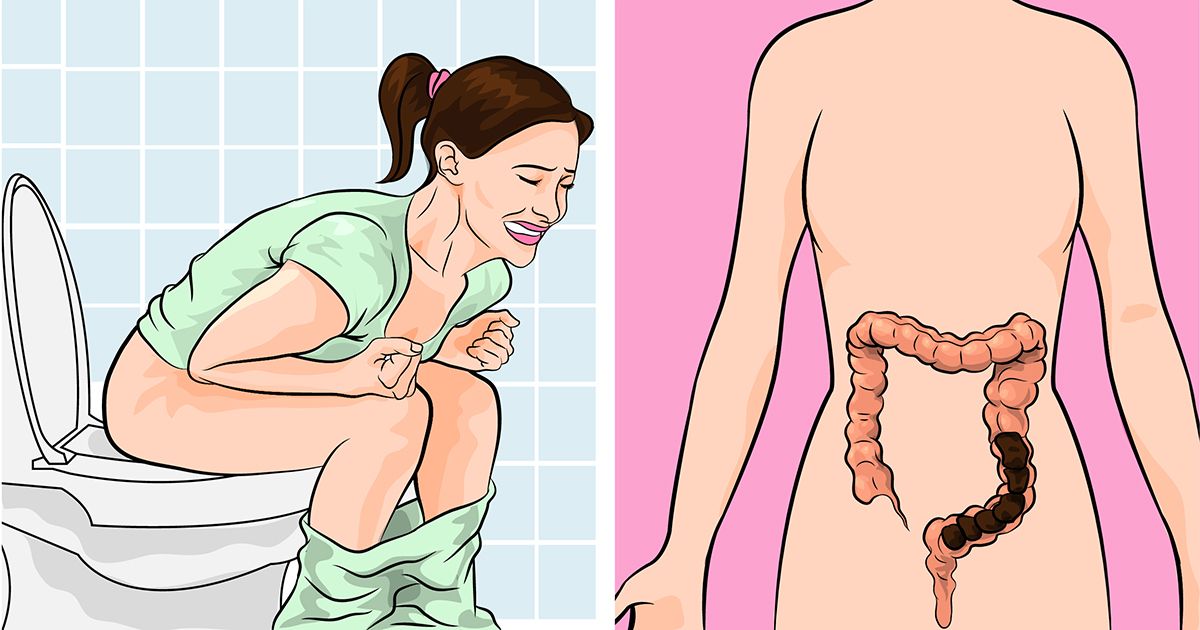
Constipation is one of the most universal human experiences and one of the most universally under-discussed. Affecting an estimated 22% of Indians — with prevalence higher in urban populations, women, the elderly, and people with sedentary desk-based work — it is the most common gastrointestinal complaint globally, and yet most people manage it with either passive waiting, commercial laxative dependence, or inadequate home remedies that address the symptom but not the cause.
The most important insight about natural remedies for constipation is that constipation is not a single condition — it is a symptom with multiple distinct underlying mechanisms, and the remedy that works for one mechanism may be irrelevant to another. Understanding why you are constipated is the prerequisite for choosing which natural intervention will actually work. Giving isabgol (psyllium husk) to someone constipated because of dehydration and poor dietary fibre will be effective. Giving isabgol to someone constipated because of colonic dysmotility from hypothyroidism, slow transit colon, or medication side effects will not produce the same result. Getting the mechanism right gets the remedy right.
This guide covers the physiology of normal and disrupted bowel function, the primary causes of constipation in the Indian context, and 12 natural remedies with specific mechanisms and evidence — from the most basic dietary interventions to Ayurvedic Virechana therapy to the gut-brain axis management that addresses the stress-constipation cycle most people do not know exists.
What Constipation Actually Is — The Physiology of Normal Bowel Function
The Rome IV criteria — the standard clinical definition of constipation — define it as the presence of two or more of the following for at least 3 months: fewer than three complete bowel movements per week; straining during more than 25% of defaecations; lumpy or hard stools (Bristol Stool Scale types 1–2) in more than 25% of defaecations; sensation of incomplete evacuation in more than 25% of defaecations; sensation of anorectal obstruction or blockage in more than 25% of defaecations; or manual manoeuvres needed to facilitate evacuation in more than 25% of defaecations.
Understanding these criteria is practical: straining, hard stools, and the sense of incomplete emptying are each independently diagnostic — the focus on stool frequency alone (the “less than three times a week” criterion) misses many people who have daily bowel movements but consistently incomplete, effortful evacuations that are still clinically significant constipation.
Normal colonic function involves the coordinated activity of smooth muscle in the colon wall (producing the propulsive contractions that move stool toward the rectum), the enteric nervous system (the “gut brain” — 500 million neurons governing gut motility independently of the central nervous system), and the haustral segmentation and giant migrating contractions that are activated by meals (the gastrocolic reflex — the reason most people feel the urge to defaecate after breakfast). Water absorption in the ascending and transverse colon progressively concentrates the stool — normal transit time from ingestion to defaecation is approximately 24–72 hours; transit times beyond 72 hours produce the excessively dry, hard stools of constipation as water continues to be absorbed from stool that is retained in the colon.

The primary physiological mechanisms of constipation are: (1) inadequate dietary fibre providing insufficient bulk to stimulate propulsive contractions; (2) inadequate fluid intake producing excessive stool dehydration; (3) colonic dysmotility — reduced frequency and amplitude of propulsive contractions from sedentary lifestyle, hypothyroidism, medications (opioids, anticholinergics, iron supplements), diabetes-related autonomic neuropathy, or slow-transit colon syndrome; (4) defaecatory dysfunction — impaired coordination of the pelvic floor muscles and anal sphincter complex that prevents effective evacuation even when stool reaches the rectum; and (5) psychological factors — stress and anxiety activating the sympathetic nervous system and suppressing the parasympathetic (rest-and-digest) tone that governs gut motility. The management strategies in this guide address all five mechanisms.
Indian-Specific Constipation Drivers — Why the Problem Is Particularly Prevalent in Urban India
The rising prevalence of constipation in urban India reflects a specific set of dietary, lifestyle, and environmental changes that have occurred over two to three decades. Understanding these India-specific drivers makes the natural remedies more precisely targeted:
The shift from traditional whole-grain diets (bajra, jowar, ragi rotis providing 8–12g of fibre per meal) to refined wheat flour (maida), white rice, and ultra-processed foods (providing 1–2g of fibre per equivalent meal) has dramatically reduced dietary fibre intake in urban populations. India’s daily fibre consumption has fallen from the traditional 35–40g daily to an estimated 15–20g in urban settings — a halving of the most important single determinant of bowel regularity.
Chronic inadequate hydration in India’s heat — where daily fluid requirements are 3–4 litres in summer months — combined with displacement of water by sweetened beverages (which do not contribute to stool hydration equivalently) produces the colonic desiccation that hardens stools. The comprehensive hydration evidence is in our hydration guide.
Sedentary desk-based work — the dominant employment pattern of urban India — eliminates the physical activity that stimulates colonic motility through physical movement, abdominal muscle activation, and the general increase in parasympathetic tone that exercise produces. The exercise-colonic motility connection is covered in our exercise benefits guide.
The rapid increase in stress and anxiety associated with competitive urban Indian work culture activates the sympathetic nervous system that suppresses gut motility — the same mechanism through which examination-period constipation and travel constipation occur. The stress-gut axis is one of the most practically important and most overlooked drivers of chronic constipation.
12 Natural Remedies for Constipation — Mechanisms and Evidence
1. Isabgol (Psyllium Husk) — India’s Best-Evidenced Fibre Supplement
Isabgol — the dried husk of Plantago ovata seeds — is the most clinically studied and most evidence-backed natural remedy for constipation available, and one of the few that is formally recommended in gastroenterological guidelines globally. Its mechanism is specific and mechanistically elegant: the mucilaginous soluble fibre in isabgol absorbs water from the intestinal contents (expanding to 10–15 times its volume), forming a soft, bulky gel that: (1) mechanically distends the colon wall, stimulating the enteric nervous system stretch receptors that trigger propulsive contractions; (2) retains water in the stool, preventing the desiccation that hardens it; and (3) lubricates the stool passage, reducing the friction and straining of defaecation.
A Cochrane systematic review covering multiple randomised controlled trials confirmed psyllium significantly improves stool frequency, stool consistency, and straining compared to placebo — with effects beginning within 12–24 hours of first dose and maintained with consistent use. Critically, isabgol produces no tolerance (does not require dose escalation over time) and has no dependency risk — unlike stimulant laxatives (senna, bisacodyl) which can produce rebound constipation with prolonged use.
Optimal dose and preparation: 5–10g isabgol (1–2 teaspoons) stirred briskly into a full glass (250–300ml) of warm water or buttermilk, consumed immediately before it gels into the glass. Must be followed immediately by an additional full glass of water. Take in the evening before bed for overnight formation of the softened, bulked stool ready for morning defaecation. Without adequate water, isabgol can paradoxically worsen constipation by absorbing the available intestinal fluid without adequate expansion — the water co-administration is non-negotiable.
2. Triphala — Ayurveda’s Complete Bowel Regulation Formula
Triphala — the classical Ayurvedic three-fruit formulation of amla (Emblica officinalis), haritaki (Terminalia chebula), and bibhitaki (Terminalia bellirica) — is the most important single Ayurvedic remedy for constipation and one of the few with human randomised controlled trial evidence specifically for this indication.
The three components address constipation through different and complementary mechanisms. Haritaki — the dominant laxative component — contains anthraquinones and chebulosides that stimulate colonic motility through direct smooth muscle activation and through increasing intestinal prostaglandin E2 production (the same prostaglandin pathway activated by castor oil). Its laxative mechanism is genuinely pharmacologically active — not merely fibre-based bulk. Amla provides the bile-stimulating, digestive enzyme-enhancing, and anti-inflammatory properties that support overall gastrointestinal function; its gallic and ellagic acid content reduces the intestinal inflammation that impairs normal gut motility in people with chronic inflammatory bowel tendencies. Bibhitaki provides the astringent, mucous-membrane-toning effects that improve colonic wall response to the mechanical stimulus of stool.
A randomised controlled trial published in the Journal of Research in Ayurvedic Sciences found Triphala powder significantly improved stool frequency, consistency, straining, and sensation of incomplete evacuation compared to placebo over 8 weeks — with no adverse effects and no rebound constipation after cessation. The prebiotic effects of Triphala (its tannins and polyphenols selectively feed beneficial Lactobacillus and Bifidobacterium species) additionally support the gut microbiome health that governs long-term colonic motility regulation. The comprehensive Triphala evidence is discussed in our guide to improving digestion naturally.
Preparation: Half to one teaspoon of Triphala powder in warm water, consumed at bedtime. The taste is strongly astringent and bitter — traditionally taken with honey or warm milk to improve palatability. Consistent nightly use over 4–8 weeks produces the best long-term bowel regulation outcomes; it is not designed as an acute same-night laxative but as a gentle daily regulation formula.
3. Warm Water First Thing in the Morning — The Gastrocolic Reflex Activation
The practice of drinking warm water immediately upon waking — before any food, coffee, or other beverage — is among the simplest and most physiologically rational natural constipation remedies, and one whose mechanism is directly relevant to the most common form of constipation: morning defaecation difficulty.
The gastrocolic reflex — the neural reflex that triggers propulsive colonic contractions in response to gastric distension — is most sensitive and most responsive in the morning hours, when overnight fasting has produced the maximal gastric-colonic quiescence that primes the reflex for strong activation. Consuming warm water (warm being specifically more effective than cold — temperature-sensitive receptors in the gastric mucosa amplify the gastrocolic signal in response to warm fluid) on an empty stomach triggers the strongest gastrocolic reflex activation of the day, propelling the stool formed overnight in the sigmoid colon toward the rectum and generating the natural defaecatory urge.
The traditional Indian and Ayurvedic practice of drinking copper-vessel-stored water or warm water upon waking — Ushna Jala in Sanskrit — is physiologically precise in its rationale. Research has documented that warm water specifically increases colonic peristaltic activity compared to cold water, and that the morning gastrocolic reflex is the strongest of the day’s three principal reflex activations (the other two occurring after the largest meals). Consistently exploiting this morning reflex window — rather than suppressing the urge because of morning rush — is the single most accessible behavioural change for improving chronic morning constipation.
Practical approach: Drink 2–3 glasses (500–750ml) of warm water upon waking, before any food or other beverage. Allow 15–20 minutes for the gastrocolic reflex to produce the defaecatory urge. Respond to the urge immediately — habitual suppression of the morning defaecatory urge progressively desensitises the rectal stretch receptors and worsens chronic constipation.
4. Dietary Fibre Restoration — The Root Cause Intervention
Inadequate dietary fibre is the most common underlying cause of chronic constipation in the modern Indian diet — and restoring adequate fibre intake is therefore the most fundamental and most lasting of all natural constipation remedies. The distinction between fibre types is important for constipation management:
Soluble fibre (isabgol, oats, legumes, amla, figs) absorbs water and forms a viscous gel that softens stool and slows intestinal transit. It is the most effective fibre type for stool softening and is the primary fibre in isabgol. It also serves as the primary prebiotic substrate for beneficial gut bacteria, whose fermentation produces short-chain fatty acids (particularly butyrate) that stimulate colonic motility through enteric nervous system activation.
Insoluble fibre (wheat bran, millets, vegetable skins, seeds) does not dissolve in water but adds bulk to stool and accelerates intestinal transit by mechanically stimulating the colonic wall. It is the most effective fibre type for increasing stool frequency and reducing transit time.
The most fibre-rich whole foods in the traditional Indian diet: bajra (pearl millet roti provides 8–10g fibre per 100g), ragi (finger millet, 11g/100g), whole masoor and chana dal (7–8g/100g cooked), rajma and chickpeas (6–7g/100g cooked), seasonal vegetables (bitter gourd, ridge gourd, drumstick — all excellent), amla (8g/100g fresh), figs (anjeer — 9.8g/100g dried), and methi seeds (45g/100g). The return to traditional whole-grain rotis and diverse legume dal preparations — replacing refined flour and white rice — is the single most impactful dietary change for chronic constipation, with effects often apparent within 2–3 days of consistent application.
5. Castor Oil — The Fastest-Acting Natural Laxative
Castor oil — extracted from the seeds of Ricinus communis (Arandi) — is one of the most potent and fastest-acting natural laxatives available, with a mechanism that distinguishes it from all other natural remedies in this guide: ricinoleic acid (the primary fatty acid in castor oil, comprising approximately 90% of its composition) is converted in the small intestine to its active form by intestinal lipases, which then acts as a direct agonist at the EP3 prostanoid receptor on intestinal smooth muscle cells, triggering rapid, strong propulsive contractions of both the small intestine and colon.
The result is typically a bowel movement within 2–6 hours of consumption — making castor oil the appropriate choice for acute constipation relief when other gentler remedies have failed, but specifically not appropriate for regular or chronic use. The strong smooth muscle stimulation of castor oil produces the cramping abdominal pain that most people experience, and chronic use can lead to electrolyte depletion, colonic hypomotility (paradoxical constipation from smooth muscle fatigue), and dependence. Castor oil is best reserved for occasional acute use — 1–2 tablespoons in warm water or milk, taken once, not repeatedly.
The Ayurvedic Virechana (purgative therapy) prescribed in Panchakarma uses castor oil as the primary therapeutic purgative — but in a carefully calibrated clinical context with specific preparation, specific timing (morning, on an empty stomach), and specific aftercare to restore digestive function. Attempting a complete Virechana programme without qualified Ayurvedic supervision is not appropriate.
6. Warm Ghee and Milk — The Ayurvedic Intestinal Lubricant
Warm milk with a teaspoon of ghee (clarified butter) consumed at bedtime is one of the most traditional and most physiologically rational Indian home remedies for constipation — particularly for the dry, hard stool variety (Vata-type constipation in Ayurvedic classification, characterised by pellety or very hard stools, straining, bloating, and gas).
Ghee contains butyric acid (the short-chain fatty acid most critical for colonocyte health, produced endogenously by gut bacteria from dietary fibre but also available directly from ghee), oleic acid (anti-inflammatory), and conjugated linoleic acid (CLA). Butyrate from ghee directly fuels the colonocytes that line the colon wall, improving the contractile function of the colonic smooth muscle that drives propulsion. It also lubricates the intestinal lumen — reducing the friction that contributes to difficult stool passage — and mildly stimulates bile production (choleretic effect), which in turn stimulates the gastrocolic reflex. Warm milk provides additional fat-soluble lubrication and the tryptophan that promotes the serotonin production governing gut motility (95% of the body’s serotonin is in the gut, where it directly stimulates enteric neurons governing peristalsis).
This preparation — one teaspoon of good-quality ghee in a cup of warm whole milk, consumed at bedtime — is the most appropriate overnight constipation remedy for Vata-type constipation with dry, hard stools. It is gentle, has no dependency risk, and works through physiologically appropriate mechanisms rather than forcing the bowel.
7. Prunes and Figs — The Most Evidence-Backed Constipation Fruits
Prunes (dried plums) are the natural food with the strongest clinical evidence for constipation relief — with multiple randomised controlled trials finding prune consumption significantly superior to psyllium supplementation for improving stool frequency and consistency in people with chronic constipation. The mechanism of prunes is more complex than simple fibre content: prunes contain sorbitol (an osmotic laxative that draws water into the intestinal lumen), chlorogenic acids (that stimulate colonic motility through prostaglandin-mediated smooth muscle activation), and isatin (a naturally occurring compound with direct stimulant laxative activity). This combination of three distinct laxative mechanisms explains why prunes outperform fibre supplementation alone in head-to-head clinical comparisons.
Figs (anjeer) — available both fresh and dried in India — are among the richest dietary sources of dietary fibre (9.8g/100g dried) with the additional benefit of ficin (a proteolytic enzyme that supports digestive protein breakdown and gastrointestinal motility). Soaking 2–3 dried figs in water overnight and consuming them with the soaking water in the morning provides both the osmotic water-drawing effect of the soaked fibre and the ficin activity for a gentle, effective morning constipation remedy.
8. Saunf (Fennel Seeds) — Carminative and Motility-Stimulating
Fennel seeds (saunf) — the post-meal digestive that is served at virtually every Indian restaurant and has been chewed after meals in Indian tradition for millennia — contain anethole, fenchone, and estragole as primary bioactive compounds. Anethole has specifically documented smooth muscle-relaxing effects in the gastrointestinal tract — reducing the intestinal spasm and cramping that accompanies constipation and IBS-type conditions — while simultaneously stimulating gastric secretion and intestinal peristaltic activity. This dual action (reducing spasmodic cramping while stimulating propulsive contractions) makes fennel a particularly appropriate remedy for the constipation associated with irritable bowel syndrome, where both impaired propulsion and heightened visceral sensitivity to cramping are present.
A clinical study published in the Italian Journal of Pediatrics found fennel seed oil emulsion significantly improved constipation and colic in infants — with confirmed increases in bowel movement frequency and reductions in abdominal cramping. For adults, fennel seed tea (1 teaspoon of crushed fennel seeds steeped in boiling water for 10 minutes) or simply chewing a teaspoon of fennel seeds after meals stimulates the digestive motility and reduces the gas accumulation that compounds constipation discomfort.
9. Adequate Hydration — The Most Under-Appreciated Constipation Factor
The colon’s primary function is water absorption from intestinal contents — and the efficiency of this absorption is continuously adjusted by the body’s hydration status. In states of inadequate hydration, the colon increases water absorption from faecal material to maintain systemic fluid balance, producing the hard, dry stools and slow transit that characterise dehydration-driven constipation. This is the most direct and most reversible mechanism of constipation — and restoring adequate hydration reverses it within 24–48 hours in most cases.
The specific target of 30–35ml per kg of body weight daily — with increased intake in Indian summer heat (reaching 40–50ml/kg in extreme heat) — is detailed in our hydration guide. For constipation specifically, the distribution of fluid intake matters: consuming 500ml of warm water upon waking (gastrocolic reflex activation), consistent fluid intake throughout the day (not concentrated in the evening), and specific warm herbal teas in the evening provide the sustained intestinal hydration that fibre requires to function as a bulking and softening agent.
10. Exercise and Physical Activity — Colon Motility Through Movement
Physical activity is one of the most consistently effective and most mechanistically well-understood natural remedies for constipation — with multiple studies confirming that increasing physical activity from sedentary to moderately active improves stool frequency by 30–40% through specific physiological mechanisms:
Physical movement mechanically stimulates the colon through the compression and release cycle of abdominal muscles during walking and running — providing the physical perturbation that activates enteric nervous system mechanoreceptors and triggers propulsive contractions. Aerobic exercise specifically increases the amplitude and frequency of the giant migrating contractions (GMC) that propel stool through the left colon toward the rectum — the largest propulsive movements in the gut that are directly dependent on physical activity levels. And regular exercise increases overall parasympathetic tone (reducing the sympathetic nervous system activation that suppresses gut motility) and reduces the systemic inflammation that impairs enteric nervous system function in sedentary, metabolically unhealthy individuals.
The most effective forms of exercise for constipation are: brisk walking (the most accessible — 30 minutes daily consistently produces measurable improvement in colon transit time), yoga specifically targeting abdominal and pelvic floor activation (covered below), and any aerobic activity that engages the core muscles with rhythmic movement. The evidence base is in our exercise benefits guide.
11. Yoga Poses Specifically for Constipation — The Peristalsis Activators
Yoga provides a uniquely targeted set of physical interventions for constipation — combining the general exercise benefits of physical movement with specific poses that directly compress, twist, and stimulate the abdominal contents in ways that mechanically activate colonic motility.
Pawanmuktasana (Wind-Relieving Pose): Lying on the back, both knees pulled to the chest and arms wrapped around the shins. The compression of the ascending and transverse colon produced by this pose directly stimulates enteric nervous system mechanoreceptors, triggering the peristaltic reflex. Rocking gently side to side amplifies the compression. Hold for 30–60 seconds, repeat 3–5 times.
Malasana (Garland Pose / Deep Squat): A deep squat with feet flat on the floor (or supported on a folded blanket if Achilles flexibility is limited), knees wider than hips, hands in prayer position pressing against the inner knees. This pose replicates the physiologically optimal squatting defaecation position (relaxing the puborectalis muscle and straightening the anorectal angle as discussed in our piles treatment guide) while also compressing the descending colon and sigmoid colon directly. 2–5 minutes held in the morning before attempting defaecation significantly improves evacuation efficiency.
Ardha Matsyendrasana (Half Spinal Twist): Seated spinal twists sequentially compress the ascending colon (twisting right) and descending colon (twisting left), mechanically stimulating colonic propulsion by physically moving the contents in the direction of normal transit. The alternating compression and release of the twist cycle is one of the most direct physical manipulations of colonic motility available through yoga. Hold each side 30–60 seconds, breathing deeply.
Uttanasana (Standing Forward Bend): The complete inversion of the abdominal organs in a full forward bend creates a gravitational shift in the colonic contents that stimulates propulsive contractions. Combined with deep abdominal breathing (expanding the belly fully on inhale, releasing completely on exhale), this pose provides both mechanical colonic stimulation and the vagal activation of diaphragmatic breathing that improves parasympathetic gut motility tone.
The comprehensive yoga framework including breath-gut axis science is in our yoga for stress relief guide.
12. Stress Management and the Gut-Brain Axis — Addressing the Root Cause Most Remedies Miss
The enteric nervous system — the 500 million neurons embedded in the gut wall that govern all aspects of gastrointestinal function — is in continuous bidirectional communication with the central nervous system through the vagus nerve and the hypothalamic-pituitary-adrenal axis. Psychological stress activates the sympathetic nervous system and suppresses the parasympathetic (“rest and digest”) tone that is the primary driver of normal gut motility. Elevated cortisol reduces colonic propulsive activity, slows transit, increases water absorption from the colon (producing harder stools), and reduces the gastrocolic reflex sensitivity that drives morning defaecation.
Chronic stress is a significantly underappreciated driver of chronic constipation — and the reason why constipation that does not respond adequately to dietary and hydration interventions alone often has a stress management component that must be addressed for lasting resolution. The complete gut-brain axis framework — including the microbiome’s role in mood and the bidirectional gut-brain communication pathways — is covered in our digestion guide. The strategies most impactful for the stress-constipation cycle: diaphragmatic breathing (direct vagal activation restoring parasympathetic gut tone within minutes), regular yoga practice, and adequate sleep (chronic sleep deprivation increases cortisol and worsens gut dysmotility through the same HPA axis mechanism as psychological stress).
The Ayurvedic Framework for Constipation — Vibandha and Vata
Ayurveda classifies constipation as Vibandha — a Vata-dominant condition characterised by the dryness (Rookshata), irregularity, and downward-moving obstruction (Apana Vayu disturbance) that reflects Vata’s air-and-ether qualities expressing as dysfunctional bowel. The Ayurvedic approach to constipation is systematically Vata-pacifying: providing warmth, lubrication, regular rhythm, and specific herbs that restore the downward movement of Apana Vayu (the subtype of Vata governing elimination).
The classical Ayurvedic treatment hierarchy for Vibandha follows a specific graduated protocol:
Snehana (internal oleation): Warm ghee or sesame oil (anuvasana basti) — as simple as a teaspoon of warm ghee in warm milk at bedtime — to lubricate the intestinal lining and restore the unctuous quality that dry Vata has depleted. This is the foundation of all Ayurvedic constipation treatment and the mechanism behind the warm ghee-milk remedy described above.
Triphala Churna: The classical first-choice herbal remedy for Vibandha — addressing all three doshas simultaneously through haritaki (Vata), amla (Pitta), and bibhitaki (Kapha), and providing the gentlest effective laxative action available in the Ayurvedic pharmacopoeia.
Virechana (therapeutic purgation): The most comprehensive Ayurvedic treatment for chronic constipation, involving a preparatory period of dietary modification and internal oleation followed by the administration of a medicated purgative (most commonly Trivrit churna — the anthraquinone-rich root of Operculina turpethum) under the supervision of a qualified Ayurvedic physician. Virechana is one of the five Panchakarma cleansing procedures and is indicated for moderate-to-severe chronic constipation that has not responded to gentler measures, accompanied by other signs of Pitta accumulation. It should never be self-administered without Ayurvedic supervision.
Basti (medicated enema therapy): The classical Ayurvedic treatment most specifically indicated for Vata disorders — including severe constipation — involving the administration of medicated oil or decoction through the rectum under Ayurvedic clinical supervision. Basti is considered in classical Ayurveda to be the most effective single treatment for Vata disturbances and addresses constipation from a fundamentally different direction from oral therapies — providing the local colonic lubrication, stimulation, and microbiome support that oral remedies achieve more slowly and indirectly.
Constipation: Myth vs. Fact
| ❌ The Myth | ✅ The Truth |
|---|---|
| You must have a bowel movement every day to be healthy | Normal stool frequency ranges from three times daily to three times weekly — the entire range is physiologically normal provided the stools pass without significant straining, are of adequate consistency (Bristol Stool Scale 3–4), and are accompanied by a sense of complete evacuation. What matters is your pattern, not a specific frequency. The concern is change from your normal pattern, not deviation from an arbitrary daily target. |
| Commercial laxatives are safe for regular long-term use | Stimulant laxatives (senna, bisacodyl, castor oil) can cause rebound constipation, electrolyte depletion (particularly potassium — relevant for cardiac and muscle function), and colonic smooth muscle hypomotility with prolonged daily use. They are appropriate for short-term acute use. Osmotic laxatives (lactulose, polyethylene glycol) are generally safer for longer-term use but remain substitutes for addressing the underlying cause rather than treatment of it. Bulk-forming laxatives (isabgol) are the only category appropriate for regular long-term use without concern for dependency or adverse effects. |
| Constipation is only caused by not eating enough fibre | Dietary fibre deficiency is the most common cause but far from the only one. Hypothyroidism (the most common hormonal constipation cause), diabetes-related autonomic neuropathy, medication side effects (opioids, iron supplements, anticholinergics, some antidepressants), pelvic floor dysfunction, slow-transit colon syndrome, chronic psychological stress, dehydration, and structural colorectal pathology are all significant causes of constipation that do not respond to increased fibre alone. Constipation that does not improve within 2–4 weeks of consistent dietary and hydration improvement should be investigated professionally. |
| A bowel movement every 3–4 days is normal and doesn’t need attention | Consistently infrequent bowel movements (less than 3 per week) produce significant accumulated intraluminal pressure, bacterial fermentation of retained stool (causing the bloating and gas that accompany constipation), and increased exposure of the colonic mucosa to potential carcinogens in retained stool. Chronic constipation is associated with increased risk of colorectal cancer, diverticular disease, and haemorrhoidal disease — not a benign nuisance to be ignored. |
| Drinking warm water with lemon cures constipation through “detox” | Warm water with lemon genuinely helps constipation — not through any “detox” mechanism but through two specific physiological effects: the warm liquid triggers the gastrocolic reflex on an empty stomach (stimulating propulsive colonic contractions), and the citric acid mildly stimulates bile production (which in turn stimulates the intestinal motility reflex). The benefit is real but the mechanism is gastrocolic reflex activation, not toxin elimination. |
| Once you start taking natural remedies for constipation, you need them forever | Natural remedies that address the root causes of constipation (isabgol providing missing fibre, hydration restoring stool hydration, exercise restoring colonic motility, stress management restoring parasympathetic gut tone) produce lasting improvement in bowel function that does not require permanent supplementation — because they are correcting deficiencies and lifestyle factors rather than forcing bowel function through pharmacological override. The exception is people with structural causes of constipation (slow-transit colon, pelvic floor dysfunction) who may require ongoing management. |
When to See a Doctor — Red Flags That Require Medical Evaluation
Seek medical evaluation for constipation that is associated with any of the following: rectal bleeding or blood in or on the stool; unexplained weight loss; a palpable abdominal mass; constipation alternating with diarrhoea (classic IBS pattern or early colorectal cancer warning); constipation that has developed suddenly in someone who previously had normal bowel habits (particularly in anyone over 40 — new-onset constipation in this age group warrants colonoscopy to exclude colorectal cancer); constipation that does not improve after 4 weeks of consistent dietary, hydration, and lifestyle modification; constipation accompanied by significant abdominal pain; and constipation in a diabetic patient (autonomic neuropathy causing gastroparesis and colonic dysmotility requires specific management).
These presentations require professional evaluation — including colonoscopy, thyroid function testing, and anorectal function studies as appropriate — before attributing constipation to dietary factors and managing with natural remedies alone.
Related Articles From HerbeeLife
📖 How to Improve Digestion Naturally: 12 Powerful Science-Backed Strategies
📖 Role of Hydration: 10 Powerful Science-Backed Reasons Water Is Your Best Health Tool
📖 Anti-Inflammatory Foods: 12 Powerful Choices That Fight Disease From the Inside Out
📖 Benefits of Regular Exercise: 10 Powerful Reasons It Transforms Your Health
📖 Piles (Hemorrhoids): Causes, Grades, Natural Remedies and When LASER Treatment Is Right
📖 Yoga for Stress Relief: 12 Powerful Poses and Science-Backed Tips for Beginners
📖 Amla Benefits: Proven Immunity, Digestion and Whole-Body Health
Frequently Asked Questions: Natural Remedies for Constipation
What is the fastest natural remedy for immediate constipation relief?
For fastest acute relief (2–6 hours): 1–2 tablespoons of castor oil in warm water or warm milk on an empty stomach produces a bowel movement within 2–6 hours through direct smooth muscle stimulation. This is appropriate for occasional acute use but not for regular or daily use. For somewhat slower relief (12–24 hours): warm water with isabgol at bedtime produces a well-formed, soft stool the following morning. The morning warm water + yoga (Pawanmuktasana, Malasana) routine consistently produces a bowel movement within 30–60 minutes for most people when practised daily.
Can Triphala be taken every night indefinitely?
Yes — Triphala at the standard dose (half to one teaspoon in warm water at bedtime) is safe for indefinite long-term use and does not produce dependency or tolerance. Unlike stimulant laxatives, Triphala’s laxative mechanism (haritaki’s mild anthraquinone stimulation) combined with its prebiotic and gut-microbiome-supporting effects produces long-term improvement in gut function rather than pharmacological override of bowel function. Classical Ayurveda recommends Triphala as a Rasayana (rejuvenative) herb for lifelong daily use — the long-term safety is well-established across centuries of continuous use.
Why does stress worsen constipation?
Stress activates the sympathetic nervous system — the “fight or flight” state that evolved to prioritise immediate survival over digestion. Sympathetic activation reduces colonic propulsive contractions (by inhibiting the parasympathetic enteric nervous system that drives them), increases colonic water absorption (producing harder stools), reduces the gastrocolic reflex sensitivity (suppressing the morning defaecatory urge), and increases visceral sensitivity to pain from the abdominal cramping of constipation. Chronic stress therefore produces both reduced stool frequency and increased discomfort from retained stool — the classic stress-constipation cycle. Diaphragmatic breathing activates the vagus nerve within minutes, restoring parasympathetic tone and often producing the defaecatory urge within 10–15 minutes of practice.
Is it safe to use isabgol (psyllium) during pregnancy?
Yes — bulk-forming laxatives including isabgol are the safest and most recommended class of constipation treatment during pregnancy. They work through mechanical means (fibre bulk and water retention) rather than pharmacological smooth muscle stimulation, making them safe for both mother and foetus throughout pregnancy. They are specifically recommended over stimulant laxatives (senna, castor oil) during pregnancy, as stimulant laxatives can cause uterine contractions at high doses. Adequate water co-administration is essential. Triphala at standard doses is generally considered acceptable during pregnancy by most Ayurvedic practitioners but should be discussed with the treating obstetrician.
How does the gut microbiome affect constipation?
The gut microbiome profoundly influences colonic motility through multiple mechanisms: butyrate-producing bacteria (Firmicutes, particularly Clostridiales) generate the short-chain fatty acid butyrate that is the primary fuel for colonocytes and the primary activator of the enteric nervous system’s propulsive reflex circuits. Low butyrate producer populations — a consistent finding in constipated individuals — produce inadequate colonocyte energy and impaired enteric neuron activation, contributing directly to slow transit. Additionally, the serotonin produced by Enterochromaffin cells (regulated partly by gut microbiome signals) is the primary neurotransmitter activating enteric peristaltic contractions — dysbiosis reduces this serotonin production and directly impairs propulsive motility. The dietary strategies most effective for restoring a butyrate-producing microbiome (resistant starch from cooled rice and dal, diverse plant fibre, fermented foods) are covered in our digestion guide.
Sources and References
1. Muller-Lissner SA et al. Myths and misconceptions about chronic constipation. American Journal of Gastroenterology, 2005.
2. Mehmood MH et al. Plantago ovata: a comprehensive review on botany, phytochemistry, pharmacological and clinical aspects. Journal of Medicinal Plants Research, 2011.
3. Peterson CT et al. Effects of turmeric and curcumin on gut microbiota and metabolic profile. Journal of Evidence-Based Integrative Medicine, 2018.
4. Lever E et al. Systematic review: the effect of prunes on gastrointestinal function. Alimentary Pharmacology and Therapeutics, 2014.
5. Bharucha AE et al. American Gastroenterological Association technical review on constipation. Gastroenterology, 2013.
6. Meshkinpour H et al. Effects of regular exercise in management of chronic idiopathic constipation. Digestive Diseases and Sciences, 1998.
7. Tabibian JH et al. Untangling the pathophysiology of chronic constipation. American Journal of Gastroenterology, 2010.
Follow HerbeeLife
🌿 Stay connected for more evidence-based digestive health, Ayurvedic wisdom, and natural wellness content:
📸 Instagram | 📌 Pinterest | 👥 Facebook | 🐦 X (Twitter)
Final Thoughts: Consistent Bowel Health Is Built Daily — Not Fixed Occasionally
Chronic constipation does not develop overnight, and it does not resolve overnight. It develops from months or years of accumulated dietary fibre deficiency, inadequate hydration, insufficient physical activity, stress accumulation, and progressive gut microbiome dysbiosis — each factor compounding the others until the system that was designed to work effortlessly every morning requires significant effort to function at all.
The natural remedies in this guide address these causes at their roots — not by forcing bowel movement through pharmacological override, but by restoring the specific physiological conditions that allow normal gut motility to reassert itself. Warm water and a morning yoga practice to activate the gastrocolic reflex. Isabgol and dietary fibre to provide the bulk and hydration that normal stool requires. Triphala at bedtime to gently activate haritaki’s motility-stimulating effects while simultaneously feeding the beneficial gut microbiome. Regular exercise to maintain the colonic motility that sedentary life suppresses. And consistent stress management to restore the parasympathetic gut tone without which no amount of fibre produces the smooth, complete daily evacuations that good digestive health feels like.
Build these practices into your day. Give them three weeks. Your gut will respond — because it was designed to.
⚠️ Medical Disclaimer: This article is for informational and educational purposes only and does not constitute medical advice. Constipation accompanied by rectal bleeding, unexplained weight loss, or significant changes from your normal bowel pattern requires professional medical evaluation. Always consult a qualified healthcare professional before using herbal preparations therapeutically. Read full disclaimer →
💬 Which of these 12 natural remedies has made the most difference for you — and is there an Indian home remedy for constipation that your family has used for generations? Share in the comments. Practical real-world experience is often the most useful guidance of all.