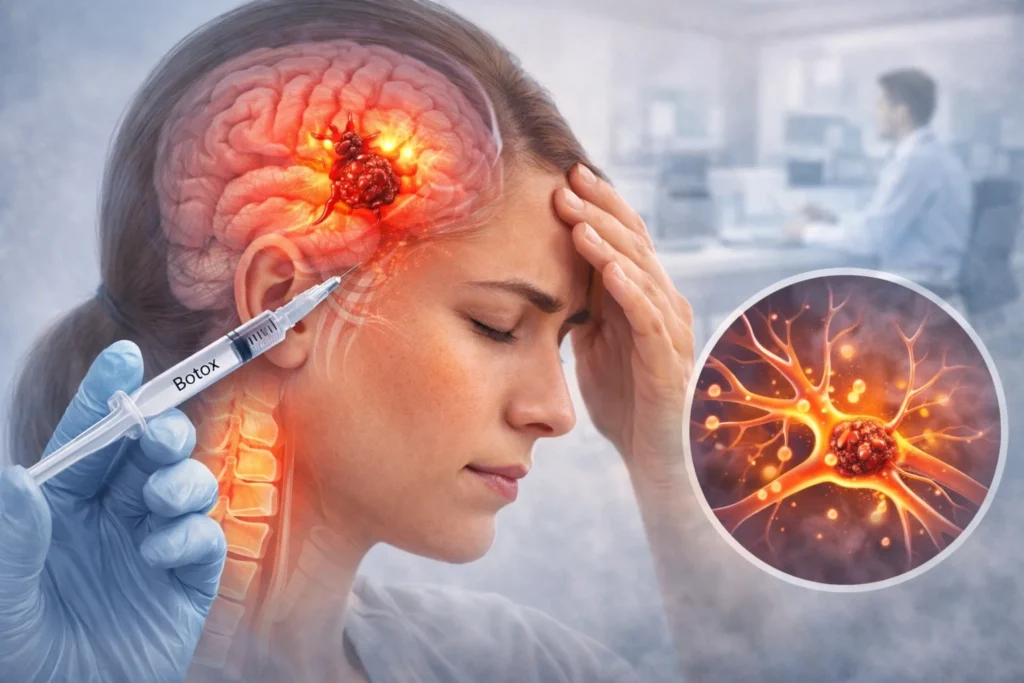

Migraine is not “just a bad headache.” It is the third most prevalent disease in the world, the second leading cause of disability globally, and a complex neurological disorder with a pathophysiology that neuroscientists have spent decades unravelling — and are still not done. Approximately 1 in 7 people worldwide experience migraines, with women affected two to three times more often than men. In India, an estimated 25 million people suffer from migraines — many of them undertreated, misdiagnosed as sinus headaches, or managing their attacks with inadequate over-the-counter painkillers that worsen the condition through medication overuse headache.
Understanding migraine as a neurological condition — not a structural problem, not a stress response, not a personality trait — is the most important reframe this guide offers. Migraine attacks are the clinical manifestation of a brain that is structurally and functionally hyperexcitable — responding to sensory, hormonal, metabolic, and environmental triggers with a cascade of neurochemical and vascular events that produce the characteristic throbbing, nausea, light and sound sensitivity, and prostrating pain of a migraine attack.
This guide covers the neuroscience of migraine in accessible depth, the most evidence-backed natural migraine relief and prevention strategies (including several with clinical trial evidence comparable to pharmacological preventives), the Indian-specific triggers and Ayurvedic approaches that most migraine content ignores, and the practical framework for building a personal migraine management system that addresses both acute relief and long-term prevention.
Understanding Migraine — The Neuroscience Behind the Pain
Migraine is not caused by blood vessels expanding and contracting — the “vascular theory” that dominated migraine understanding for decades has been substantially revised. The current understanding centres on the concept of central sensitisation and the trigeminovascular pain system.
Migraine attacks begin in the brain — specifically with the activation of the trigeminovascular system, a network of pain-sensing neurons (trigeminal nerve fibres) that innervate the meningeal blood vessels and the leptomeninges (the membranes surrounding the brain). These neurons release calcitonin gene-related peptide (CGRP) and substance P — neuropeptides that produce neurogenic inflammation in the meningeal vasculature, sensitising the trigeminal neurons and activating pain pathways that project to the thalamus and cortex, ultimately producing the characteristic pulsating pain of migraine.
Preceding the headache phase, in the 20–30% of migraineurs who experience aura, a phenomenon called cortical spreading depression (CSD) occurs — a wave of neuronal depolarisation followed by suppression that moves slowly across the cortex, producing the visual, sensory, or motor disturbances of migraine aura. CSD is now understood to be the trigger for trigeminovascular activation, explaining why aura consistently precedes the headache phase.
The prodromal phase — occurring up to 48 hours before the headache in many migraineurs — includes yawning, fatigue, food cravings (particularly for carbohydrates and chocolate), neck stiffness, and mood changes. These prodromal symptoms reflect hypothalamic changes that precede the trigeminovascular cascade — making the hypothalamus the likely origin of migraine attacks and opening the possibility of interventions that target this hypothalamic sensitisation window before the full attack develops.
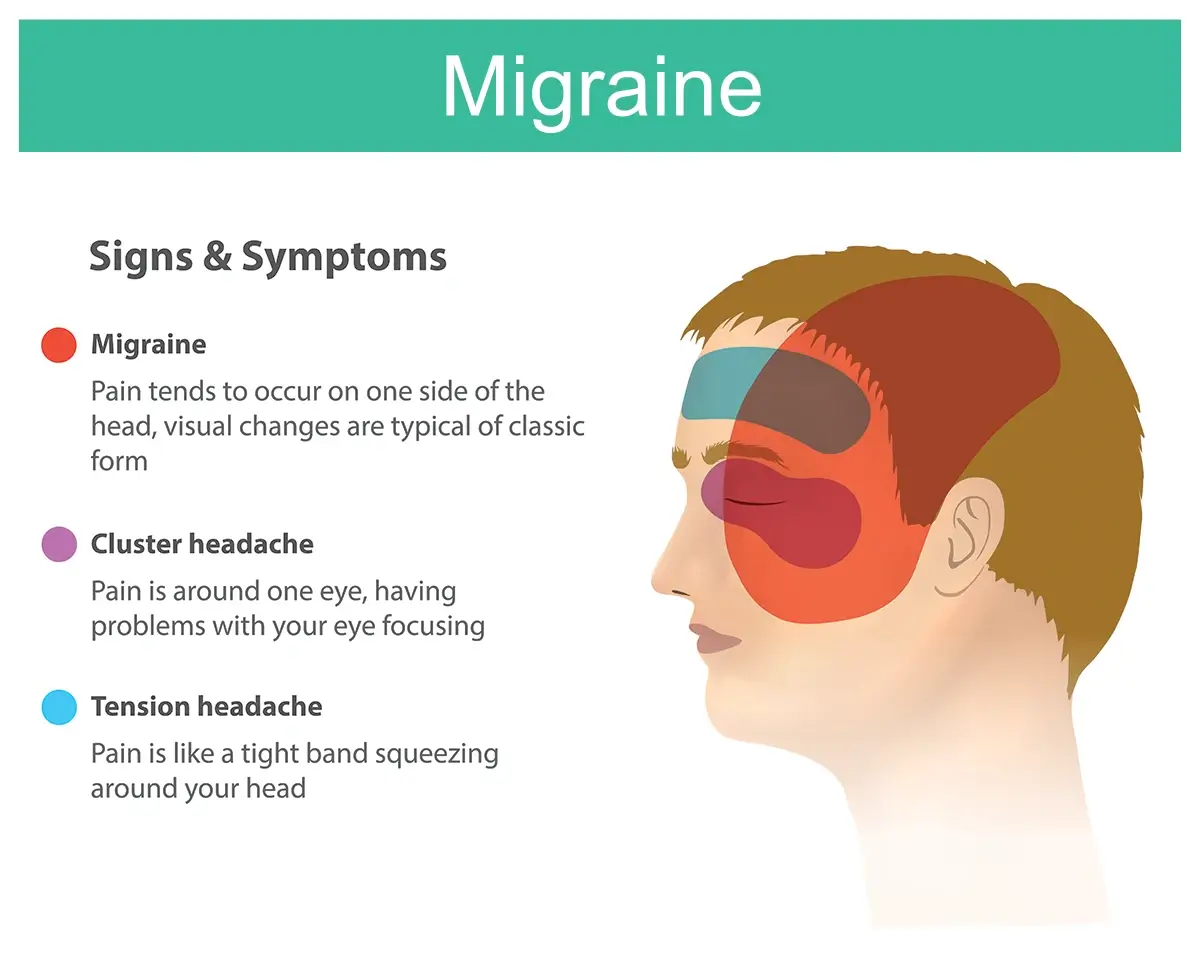
Central to understanding natural migraine relief is the concept of the “migraine threshold” — the level of neurological excitability above which triggers provoke attacks. Every migraineur has a threshold, and attacks occur when accumulated triggers push excitability above it. This explains why the same trigger (a glass of wine, a stressful day, a missed meal) sometimes causes an attack and sometimes does not — because the threshold fluctuates based on sleep quality, hormonal status, hydration, stress accumulation, and the combination of multiple simultaneous triggers. Effective migraine management is fundamentally about raising the threshold through lifestyle optimisation and reducing the trigger burden that pushes against it.
The Four Phases of a Migraine Attack — Why Timing Matters
Migraine is not a single event but a four-phase neurological process — and understanding the phases is essential for using natural remedies most effectively, since different interventions are most appropriate at different stages.
Prodrome (24–48 hours before headache): Hypothalamic changes produce the premonitory symptoms. This is the optimal window for early intervention — taking preventive action (hydration, rest, avoiding known triggers, taking prophylactic magnesium) in the prodromal phase can sometimes prevent the headache phase from developing fully. Many migraineurs learn to recognise their personal prodromal symptoms — specific food cravings, unusual fatigue, neck stiffness — and use this recognition window strategically.
Aura (20–60 minutes before or during headache, in ~30% of migraineurs): Visual, sensory, or speech disturbances reflecting cortical spreading depression. This window is the “last call” for acute interventions — triptans (the most effective acute migraine medications) taken during aura produce superior outcomes to those taken after headache onset. Natural interventions like ginger (shown to be as effective as sumatriptan in one clinical trial, discussed below) and peppermint oil are most effective when applied at this stage.
Headache phase (4–72 hours): The primary clinical presentation. Natural interventions during this phase focus on pain modulation, nausea management, reduction of sensory sensitivity, and restoration of calm through cold compresses, darkness, rest, and specific natural analgesics.
Postdrome (up to 48 hours after headache): The “migraine hangover” — characterised by fatigue, cognitive foginess, mood changes, and residual head sensitivity. Gentle hydration, rest, light nutrition, and adaptogenic support are most appropriate in this phase.
12 Natural Migraine Relief Strategies — With Clinical Evidence and Mechanisms
1. Magnesium — The Most Evidence-Backed Natural Migraine Prevention
Magnesium is the natural migraine relief intervention with the strongest and most consistent evidence base — with multiple randomised controlled trials confirming its efficacy for migraine prevention, and a clear mechanistic rationale explaining why.
Magnesium deficiency is significantly more prevalent in migraineurs than in matched headache-free controls — with studies finding that up to 50% of people with acute migraine attacks have low serum or cerebrospinal fluid magnesium during attacks. The mechanisms connecting magnesium deficiency to migraine pathophysiology are specific: magnesium inhibits NMDA receptor activation (the primary receptor for glutamate, the excitatory neurotransmitter that drives cortical hyperexcitability in migraine-susceptible brains), blocking the cortical spreading depression that initiates aura and the trigeminovascular activation cascade. Magnesium also modulates serotonin receptor activity, platelet aggregation, and nitric oxide synthesis — all factors involved in migraine pathogenesis.
A randomised controlled trial published in Cephalalgia found that oral magnesium supplementation (600mg of magnesium citrate daily) reduced migraine attack frequency by 41.6% compared to 15.8% in the placebo group over 12 weeks. A systematic review by the American Headache Society found sufficient evidence to classify magnesium as “probably effective” for migraine prevention — placing it in the same evidence category as established pharmaceutical preventives like propranolol and topiramate.
Dietary magnesium sources most relevant for Indians: bajra (pearl millet) and jowar (sorghum) — India’s traditional millets are among the richest magnesium food sources available; dark leafy greens (palak, methi, moringa); legumes (all varieties of dal); nuts (cashews, almonds, peanuts); and seeds (pumpkin seeds provide 150mg per 28g serving). The anti-inflammatory and blood sugar-stabilising dietary patterns in our anti-inflammatory foods guide and blood sugar guide naturally increase magnesium intake through their emphasis on whole grains, legumes, and leafy greens.
Supplementation guidance: Magnesium glycinate or magnesium citrate (400–600mg daily) are the most bioavailable forms — magnesium oxide is cheaper but poorly absorbed. Take with food to reduce the laxative effects that can occur with higher doses. Start at 200mg and increase gradually over 2–4 weeks. Allow 8–12 weeks of consistent use to assess preventive benefit — magnesium’s preventive effects are not immediate.
2. Riboflavin (Vitamin B2) — Mitochondrial Energy for the Migraine Brain
Riboflavin (Vitamin B2) is the second most evidence-supported natural migraine preventive, and its mechanism reveals something important about the neurological nature of migraine that most discussions miss.
The migraine brain shows measurable defects in mitochondrial energy metabolism — specifically in the efficiency of oxidative phosphorylation in neurons, reducing their capacity to maintain ion gradients and the energy-expensive process of neuronal resting potential restoration after depolarisation. This mitochondrial energy deficit increases neuronal excitability (neurons that cannot efficiently restore resting potential fire more easily and stay depolarised longer), contributing to the cortical hyperexcitability that characterises the migraine-susceptible brain. Riboflavin is required as a precursor to flavin mononucleotide (FMN) and flavin adenine dinucleotide (FAD) — the cofactors for the electron transport chain complexes that are specifically deficient in migraine-susceptible neurons.
A randomised controlled trial published in Neurology found that high-dose riboflavin (400mg daily) reduced migraine attack frequency by 50% in 59% of participants over 3 months — a remarkable response rate that led the European Federation of Neurological Societies to include riboflavin as a recommended migraine preventive. A subsequent systematic review confirmed riboflavin’s efficacy for migraine prevention, with an effect size comparable to low-dose beta-blockers and significantly better tolerability.
Supplementation guidance: 400mg of riboflavin daily — this is far above dietary intake from food alone and requires supplementation. Riboflavin supplementation turns urine bright yellow (a harmless effect of its fluorescent properties). Side effects are minimal. Allow 3 months of consistent use before assessing preventive effect — the energy metabolism improvement takes time to develop.
3. Ginger — The Acute Migraine Relief Herb With Clinical Trial Evidence
Ginger deserves prominent mention in any guide to natural migraine relief for a remarkable reason: a randomised controlled trial published in Phytotherapy Research found that ginger powder (250mg) was as effective as sumatriptan (the most widely prescribed migraine-specific medication) for relieving acute migraine headache — with comparable pain reduction, nausea relief, and patient satisfaction scores, and significantly better tolerability and side effect profile.
The mechanisms through which ginger provides migraine relief are multiple and specific to migraine pathophysiology. Gingerols and shogaols inhibit prostaglandin synthesis through COX-1 and COX-2 inhibition — reducing the neurogenic inflammation that drives and maintains migraine pain. They also have documented antiemetic activity through 5-HT3 receptor antagonism — the same mechanism as ondansetron, addressing the nausea that is often more disabling than the headache itself for many migraineurs. And ginger inhibits platelet aggregation and thromboxane synthesis — reducing the platelet aggregation that contributes to migraine attack initiation in susceptible individuals.
The practical migraine application of ginger: at the first warning sign of an attack (prodromal symptoms, visual aura, or early headache), consume half a teaspoon of ginger powder in warm water or 250ml of strong ginger tea (1-inch fresh ginger steeped in water for 10 minutes). The timing is critical — the evidence for ginger’s efficacy, like that of triptans, is strongest when treatment begins early in the attack rather than after peak headache intensity develops. The comprehensive anti-inflammatory and digestive properties of ginger are covered in our digestion guide.
4. Peppermint Oil — The Most Effective Topical Natural Migraine Relief
Peppermint oil applied to the forehead and temples at the onset of migraine headache has impressive clinical trial support for acute migraine relief — and a specific mechanism that makes it a uniquely appropriate topical intervention for migraine pain.
Menthol — peppermint oil’s primary active compound — activates cold-sensitive TRPM8 (transient receptor potential melastatin 8) receptors in the trigeminal nerve fibres of the facial skin. This TRPM8 activation produces competing sensory input through the same neural pathways that transmit migraine pain — activating the gate control mechanism that reduces pain signal transmission in the trigeminal nucleus. Research by Göbel et al., published in Cephalalgia, found that 10% peppermint oil applied to the forehead and temples significantly reduced headache intensity within 15 minutes — an effect comparable to 1,000mg of paracetamol in the same study, with longer duration of relief and no systemic side effects.
Menthol also produces local vasodilation through TRPV1 (heat receptor) activation — improving local circulation and reducing the ischaemic component of trigeminal nerve sensitisation. And its anti-inflammatory effects on the trigeminal nucleus through TRPM8-mediated modulation of neuroinflammatory signalling provide a third mechanism for pain relief beyond simple sensory competition.
Practical application: Apply 2–3 drops of 10% peppermint essential oil (diluted in a carrier oil like coconut or sesame) to the forehead, temples, and back of the neck at migraine onset. Do not apply near eyes or mucous membranes. Reapply every 30 minutes as needed. The cooling sensation should be felt within 1–2 minutes of application and typically provides meaningful pain relief within 10–15 minutes for mild-to-moderate attacks.
5. CoQ10 (Coenzyme Q10) — Mitochondrial Support for Migraine Prevention
CoQ10 works alongside riboflavin to address the mitochondrial energy deficit hypothesis of migraine — providing the electron carrier function in the mitochondrial electron transport chain that complements riboflavin’s cofactor role. Research has found that CoQ10 levels are measurably low in a significant proportion of migraineurs compared to headache-free controls, and that supplementation produces clinically meaningful reductions in attack frequency.
A randomised controlled trial published in Neurology found that CoQ10 (300mg daily, as three 100mg doses) reduced migraine attack frequency by 47.6% over 3 months compared to 14.4% in the placebo group. The European Federation of Neurological Societies includes CoQ10 in its migraine prevention guidelines, classifying it as “probably effective” alongside riboflavin and magnesium. The combination of magnesium, riboflavin, and CoQ10 — sometimes called the “natural preventive triad” for migraine — addresses the mitochondrial and excitatory neurotransmitter dimensions of migraine susceptibility through complementary mechanisms, and is often recommended as an integrated natural prevention protocol.
6. Feverfew (Tanacetum parthenium) — The Traditional Migraine Herb With Clinical Evidence
Feverfew has been used for migraine prevention for centuries — and modern pharmacology has identified the mechanism: parthenolide, the primary bioactive compound in feverfew leaves, inhibits platelet aggregation and serotonin release from platelets and neutrophils, and inhibits the release of arachidonic acid from phospholipid membranes — reducing the neuroinflammatory and platelet-mediated mechanisms that contribute to migraine initiation and maintenance.
A Cochrane systematic review of six randomised controlled trials found that feverfew was significantly more effective than placebo for migraine prevention — reducing attack frequency by approximately 24% compared to placebo in the pooled analysis. While this effect size is modest compared to magnesium and riboflavin, feverfew provides mechanistic complementarity — addressing the platelet and serotonin dimensions of migraine pathophysiology that the mitochondrial-targeting nutrients do not.
Important safety note: Feverfew should not be used during pregnancy (uterotonic effects documented). Do not abruptly stop feverfew after prolonged use — gradual reduction is recommended. Drug interactions possible with anticoagulants and NSAIDs. Use standardised extracts providing at least 0.2% parthenolide per dose.
7. Cold and Warm Compresses — Neurologically Targeted Pain Relief
The application of cold or warm compresses for migraine is not merely comfort care — both thermal modalities have neurologically specific mechanisms that directly modulate trigeminovascular pain signalling.
Cold compress applied to the forehead and neck (particularly over the carotid artery in the neck) activates cold-sensitive trigeminal afferents through TRPM8 receptors — the same mechanism as menthol from peppermint oil, producing competing sensory input that reduces pain signal transmission through gate control. Cold also reduces local neuroinflammation through vasoconstriction and reduction of inflammatory mediator release — relevant during the headache phase when neurogenic inflammation in meningeal vessels is driving the pain. A randomised trial published in Hawai’i Journal of Medicine found that ice packs applied to the neck reduced migraine pain by 33% within 25 minutes.
Warm compress applied to the neck and shoulder muscles addresses a different but equally important component: the muscular tension and cervicogenic component that accompanies and amplifies migraine pain in many sufferers. Neck muscle hyperalgesia — heightened pain sensitivity in the neck and shoulder muscles during and between migraine attacks — is now recognised as a significant contributor to migraine severity and chronification. Warm compresses reduce the muscular component of this hyperalgesia through vasodilation and muscle relaxation, while also increasing local pain threshold through activation of TRPV1 (heat receptor) competing input.
8. Yoga and Mind-Body Practices for Migraine Prevention
Multiple randomised controlled trials have confirmed that regular yoga practice significantly reduces migraine attack frequency, duration, and intensity — with a 2020 clinical trial published in Neurology India specifically finding that yoga combined with conventional care was superior to conventional care alone for migraine prevention, with participants in the yoga group experiencing a 50% reduction in headache frequency.
The mechanisms through which yoga prevents migraines are multiple and act at different points in the migraine pathophysiology cascade. Yoga reduces cortisol and HPA axis dysregulation — the chronic stress response that lowers migraine threshold and is one of the most common migraine triggers. It improves parasympathetic tone (heart rate variability — a key marker of autonomic nervous system function that is consistently impaired in migraineurs), reducing the sympathetic hyperactivation that predisposes to trigeminovascular activation. And it reduces the cervicogenic and musculoskeletal component of migraine through improved neck and shoulder mobility and reduced tension in the suboccipital muscles that directly refer pain to the head.
Specific poses particularly relevant to migraine prevention: Viparita Karani (legs up the wall — the most direct parasympathetic activation pose, particularly beneficial before potential migraine triggers), Balasana (child’s pose — forward-bending activation of baroreceptors), and Savasana (corpse pose — the nervous system integration that accumulates the session’s autonomic benefits). The comprehensive yoga and stress relief framework is covered in our yoga for stress relief guide.
9. Identifying and Managing Migraine Triggers — The Most Important Long-Term Strategy
Trigger identification and management is the foundation of long-term migraine prevention — because no natural supplement or lifestyle intervention produces optimal results in the context of ongoing unmanaged trigger exposure. Understanding the migraine threshold model (described above) makes trigger management strategic rather than simply restrictive.
The most commonly identified and most evidence-supported migraine triggers include:
Hormonal fluctuations: Oestrogen withdrawal — the drop in oestrogen that occurs premenstrually (the perimenstrual window from 2 days before to 3 days after the onset of menstruation) — is the most potent and most consistent migraine trigger for women, accounting for the dramatically higher migraine prevalence in women compared to men (and explaining why migraines typically improve after menopause). The hormonal context is covered in our article on how hormones affect women’s health.
Sleep disruption: Both too little and too much sleep are well-documented migraine triggers. Irregular sleep schedules — including weekend “sleep-ins” that shift the body’s circadian rhythm — are a particularly common trigger that migraineurs often overlook. Maintaining consistent sleep and wake times 7 days a week is one of the highest-impact lifestyle interventions for reducing migraine frequency. The comprehensive sleep science is covered in our healthy morning routine guide.
Dehydration and hunger: Both dehydration and hypoglycaemia (blood sugar drop from skipping meals) are powerful migraine triggers through hypothalamic activation and cortical excitability changes. Maintaining consistent meal timing and adequate hydration is essential migraine management — with the strategies in our hydration guide directly applicable to migraine prevention.
Sensory overload: Bright or flickering lights, loud environments, strong perfumes or chemical smells, and screen overexposure are common sensory triggers that reflect the migraine brain’s fundamental sensory hypersensitivity. Screen management, blue light filtering, and avoiding high-contrast environments during low-threshold periods are practical strategies.
Weather changes: Barometric pressure changes are among the most consistently reported migraine triggers — with migraineurs showing measurable increases in attack frequency during rapid pressure drops. Indian climate-specific triggers include monsoon pressure changes, summer heat, and the dry dust of pre-monsoon months that combine with dehydration to create a particularly high-trigger environment.
The trigger diary: Keeping a structured migraine diary (recording attack timing, duration, severity, potential triggers in the 48 hours preceding the attack, weather, sleep quality, hormonal phase, and medications used) for 2–3 months is the most reliable method for identifying personal trigger patterns. Several dedicated migraine diary apps are available and significantly improve the quality of trigger tracking compared to paper diaries.
10. Stress Management and Biofeedback — Raising the Threshold Through Nervous System Training
Psychological stress is the most commonly reported migraine trigger globally — and its mechanism is neurobiologically specific: cortisol and catecholamines released during stress lower the migraine threshold through direct effects on trigeminal nerve sensitisation, changes in serotonin availability, and hypothalamic activation patterns that prime the trigeminovascular cascade. Importantly, it is often the “let-down” after stress (the weekend migraine, the post-exam migraine, the post-deadline migraine) that produces the attack — the cortisol drop after sustained elevation creating the threshold change that triggers the cascade.
Biofeedback — the technique of learning voluntary control over physiological parameters (skin temperature, muscle tension EMG, heart rate variability) through real-time monitoring feedback — has the strongest evidence base of any behavioural intervention for migraine prevention. Multiple meta-analyses confirm that biofeedback achieves migraine frequency reductions of 40–50%, comparable to pharmaceutical preventives, with effects that persist after the active treatment period ends — suggesting genuine neural adaptation rather than simple symptom management.
For those without access to clinical biofeedback, the mindfulness-based stress reduction (MBSR) programme and the regular yoga practice from our yoga for stress relief guide and power of meditation guide produce the same HRV improvement and sympathetic-to-parasympathetic balance shift that biofeedback achieves — at no cost and with additional mental health, sleep, and metabolic benefits.
11. Acupressure and Acupuncture — Ancient Points with Modern Evidence
Acupressure — the application of pressure to specific anatomical points — and acupuncture — the insertion of fine needles at the same points — have substantial evidence for migraine prevention and acute relief, with a Cochrane systematic review of 22 trials finding that acupuncture was as effective as prophylactic drug treatment for migraine prevention, with fewer adverse effects.
The LI4 point (Hegu) — located in the web of tissue between the thumb and index finger — is the most widely studied acupressure point for headache and migraine relief, with studies showing that sustained firm pressure (using the opposite thumb and forefinger) for 3–5 minutes significantly reduces headache intensity. The mechanism likely involves endogenous opioid release and modulation of the descending pain inhibitory system through spinal cord interneurons.
For Indian readers, the marma therapy of Ayurveda — the system of vital energy points (marma sthanas) that parallels the Chinese acupressure point system — includes several head and neck points specifically prescribed for Shirashoola (head pain). Shankha marma (temporal points), Krikatika marma (posterior cervical junction), and Adhipati marma (crown of the head) are the primary marma points targeted in Ayurvedic headache management — applied with gentle circular pressure and warm sesame oil for combined physical and thermal stimulation.
12. The Ayurvedic Framework for Migraine — Shirashoola, Vata, and Pitta
Ayurveda classifies migraine-type headaches primarily as Ardhavabhedaka — literally “half-head pain,” an extraordinarily accurate description — within the broader category of Shirashoola (head pain). Ardhavabhedaka is understood as a condition of aggravated Vata and Pitta doshas, with Vata’s air and ether qualities producing the throbbing, pulsating quality of the pain, its unilateral distribution, and the sensitivity to sensory stimulation; and Pitta’s fire and water qualities producing the burning intensity, the photophobia, and the nausea.
The Ayurvedic treatment approach for Ardhavabhedaka encompasses three dimensions: Shodhana (cleansing — addressing the root accumulation through Panchakarma procedures including Nasya for removing Kapha accumulation from the head and Shirodhara for pacifying Vata), Shamana (pacification — internal herbs and preparations that reduce the aggravated doshas), and Nidana Parivarjana (trigger elimination — identifying and avoiding the specific foods, activities, and circumstances that aggravate the patient’s constitutional vulnerabilities).
Shirodhara — the Panchakarma procedure of continuously pouring a thin stream of warm medicated oil (typically Brahmi oil or sesame oil) onto the forehead — is the most celebrated Ayurvedic intervention for Ardhavabhedaka and one of the most extraordinary neurological interventions in traditional medicine. Research on Shirodhara for migraine has found significant reductions in attack frequency, pain intensity, and accompanying symptoms (nausea, photophobia, phonophobia) with regular Shirodhara sessions. The proposed mechanism includes activation of cutaneous pressure and temperature receptors that modulate trigeminal pain pathways, induction of parasympathetic dominance through frontal sinus and forehead receptor activation, and the profound relaxation response that reduces the cortisol-driven threshold lowering that makes migraineurs attack-prone.
Brahmi (Bacopa monnieri) — used internally as a nervine tonic — has documented neuroprotective effects and adaptogenic properties that support the neurological stability and stress resilience that reduces migraine frequency. Research on Brahmi for migraine is limited but mechanistically plausible — its bacosides modulate acetylcholinesterase activity, GABA receptor function, and serotonin synthesis, addressing the neurotransmitter imbalances underlying migraine susceptibility.
Ayurvedic dietary guidance for Ardhavabhedaka includes: avoiding all Vata and Pitta-aggravating foods during attacks and in the day preceding anticipated high-trigger periods; prioritising warm, oily, grounding foods (sesame, ghee, warm milk, cooked root vegetables) for Vata types; and cooling, bitter foods (coriander, fennel, coconut water, dark leafy greens) for Pitta types. This dietary individualisation maps onto the contemporary understanding that migraine dietary triggers are highly individualised and require personal identification through diary rather than universal food restrictions.
Medication Overuse Headache — The Most Important Migraine Warning
One of the most critically important topics in migraine management — and one that most natural health content fails to address — is medication overuse headache (MOH), also called “rebound headache.” MOH develops when pain medications (including OTC analgesics like paracetamol, ibuprofen, and aspirin, as well as triptans) are used for headache on 10 or more days per month for 3 or more months.
MOH is now the third most common headache disorder globally — and it transforms episodic migraine (attacks separated by pain-free intervals) into chronic daily headache with a progressively reducing threshold for attacks. The mechanism involves progressive sensitisation of central pain pathways and downregulation of endogenous pain inhibitory systems in response to repeated analgesic use.
Recognising MOH is essential: if you are reaching for pain medication more than 2 days per week for headache, you may be at risk. If your headaches have become more frequent rather than less frequent despite regular medication use, MOH should be strongly suspected and discussed with a neurologist. Natural migraine prevention strategies are particularly valuable in this context — by reducing attack frequency, they reduce the medication use that drives MOH, breaking the cycle from outside the pharmacological pathway.
Migraine: Myth vs. Fact
| ❌ The Myth | ✅ The Truth |
|---|---|
| Migraine is just a bad headache | Migraine is a complex neurological disorder with a distinct pathophysiology involving cortical spreading depression, trigeminovascular activation, and central sensitisation. It is categorised as the second leading cause of disability globally by the WHO and affects virtually every aspect of the lives of severe sufferers — work, relationships, mobility, and quality of life. The headache is one component of a multi-phase neurological attack that also includes prodromal symptoms, aura, photophobia, phonophobia, nausea, and postdromal cognitive impairment. |
| Chocolate causes migraines | The chocolate-migraine association is complicated by the bidirectional relationship between chocolate cravings and the prodromal phase. Chocolate cravings are a common prodromal symptom — occurring hours before the headache as a result of hypothalamic changes that precede the attack. Many migraineurs eat chocolate in the prodrome and then attribute the subsequent headache to the chocolate, when in fact they were already in the early phase of a migraine when they craved it. Clinical challenge studies for chocolate as a direct migraine trigger have generally not confirmed it as a consistent independent trigger in most people. |
| Migraine is a woman’s condition and not a serious medical issue | While women are 2–3 times more commonly affected than men (due to oestrogen’s role in migraine threshold modulation), migraine significantly affects men and children as well. Migraine is classified by the WHO as one of the top 10 most disabling medical conditions globally and the leading cause of disability in the 15–49 age group — the prime working years. The dismissal of migraine as “just stress” or a personality trait has contributed to chronic underdiagnosis and undertreatment, particularly in women. |
| There is nothing you can do to prevent migraines — they just happen | Migraine frequency is highly modifiable through lifestyle interventions, nutritional strategies, and trigger management. Natural preventive strategies (magnesium, riboflavin, CoQ10 supplementation; consistent sleep; stress management; regular exercise; adequate hydration; trigger identification and avoidance) produce migraine frequency reductions of 40–60% in well-controlled studies — comparable to pharmaceutical preventives for many patients. Migraine is not a fixed, immutable condition — it is a threshold disorder that responds significantly to the factors that raise or lower that threshold. |
| Caffeine always helps migraines | Caffeine has a dose-dependent and context-dependent relationship with migraine. In acute attacks (particularly in regular caffeine users), a small amount of caffeine (50–100mg, approximately one cup of coffee) can augment analgesic efficacy and provide mild vasoconstriction. However, caffeine withdrawal is a significant migraine trigger — the “weekend headache” that affects regular caffeine users is often caffeine withdrawal combined with sleep pattern change. And chronic high caffeine consumption is associated with increased migraine frequency through the same medication overuse mechanism. Caffeine should be used judiciously and consistently rather than as a reactive acute remedy. |
| Natural remedies cannot work as well as migraine medication | Ginger (250mg) has been shown in a randomised trial to be as effective as sumatriptan (a prescription triptan) for acute migraine relief. Magnesium supplementation achieves prevention rates comparable to pharmaceutical preventives in clinical trials. Acupuncture is as effective as prophylactic drug treatment per Cochrane review. Riboflavin and CoQ10 are classified as “probably effective” in European neurological guidelines — the same classification as established pharmaceutical preventives. Natural interventions can be genuinely effective — particularly for prevention, where their effect sizes rival pharmacological approaches with superior tolerability profiles. |
When to Seek Medical Attention — Red Flags That Require Urgent Evaluation
Natural migraine relief strategies are appropriate for established, diagnosed migraine managed by a person who knows their attack pattern. However, certain headache presentations require urgent medical evaluation to exclude serious underlying conditions.
Seek emergency care immediately for: a sudden, severe headache described as “the worst headache of my life” (thunderclap onset — subarachnoid haemorrhage must be excluded); headache with neck stiffness, fever, and photophobia (meningitis); headache with progressive neurological symptoms (weakness, speech problems, vision changes that persist beyond aura and worsen over time); headache following head trauma; headache in a person over 50 who has not previously had similar headaches; and headache with personality change or cognitive decline.
See a neurologist if: headaches are occurring more than 4 days per month (preventive therapy is indicated); headaches are progressively worsening over weeks or months; acute medications are being used more than 2 days per week; or headaches are severely impacting quality of life despite adequate acute treatment. Effective prescription preventive treatments (including the newer CGRP antagonists and anti-CGRP monoclonal antibodies like erenumab) have transformed migraine prevention for severely affected patients who do not achieve adequate response from natural strategies — and these should be considered rather than indefinitely managed with suboptimal natural approaches alone.
Related Articles From HerbeeLife
📖 Yoga for Stress Relief: 12 Powerful Poses and Science-Backed Tips for Beginners
📖 Power of Meditation: 10 Science-Backed Benefits for Your Mind and Body
📖 How Hormones Affect Your Health: The Complete Guide Women Must Read
📖 Anti-Inflammatory Foods: 12 Powerful Choices That Fight Disease From the Inside Out
📖 Role of Hydration: 10 Powerful Science-Backed Reasons Water Is Your Best Tool
📖 Healthy Morning Routine: 10 Powerful Habits That Transform Your Entire Day
📖 Ashwagandha for Stress and Anxiety: What Actually Happens in Your Body
Frequently Asked Questions: Natural Migraine Relief
What is the most effective natural supplement for migraine prevention?
Magnesium has the strongest and most consistent clinical trial evidence for migraine prevention among natural supplements — with multiple RCTs confirming 40–50% reduction in attack frequency at 400–600mg daily. Riboflavin (400mg daily) and CoQ10 (300mg daily) are the other two evidence-backed supplements classified as “probably effective” by European neurological guidelines. The combination of all three — sometimes called the “natural preventive triad” — addresses multiple aspects of migraine pathophysiology simultaneously and is often more effective than any individual supplement alone.
Can magnesium stop a migraine attack in progress?
For acute attacks, intravenous magnesium sulfate has documented efficacy in emergency settings — but oral magnesium’s acute efficacy is limited because absorption is too slow for meaningful blood level changes within the timeframe of an acute attack. Oral magnesium works for prevention, not acute relief. For acute relief, ginger (at first sign of attack), peppermint oil (topical to forehead and temples), cold compress to the neck, and rest in a dark, quiet environment are the most effective natural acute interventions.
Is ginger really as effective as sumatriptan for migraines?
A single randomised controlled trial found ginger powder (250mg) as effective as sumatriptan (50mg) for acute migraine relief — this is a remarkable finding and represents the strongest evidence for any single natural acute migraine remedy. However, this was one trial with 100 participants, and the comparison with only 50mg sumatriptan (the lower end of the therapeutic dose range) is a limitation. Ginger is most appropriately used as a first-line natural acute remedy, especially during the prodrome or early headache phase — with the understanding that triptans remain significantly more reliably effective for established moderate-to-severe attacks. Ginger’s advantage is its availability, safety, and absence of rebound potential.
How does hormonal change trigger migraines in women?
Oestrogen withdrawal — specifically the sharp drop in oestrogen that occurs in the late luteal phase (2–3 days before menstruation) — is the most potent migraine trigger for women, producing the “menstrual migraine” that many women experience as their most severe and most treatment-resistant attacks. Oestrogen modulates trigeminal nerve sensitivity through oestrogen receptor expression in trigeminal ganglion neurons — high oestrogen produces relative trigeminal inhibition, and oestrogen withdrawal produces relative disinhibition and sensitisation. Natural management includes magnesium supplementation started 10 days before expected menstruation, consistent sleep throughout the cycle, and the hormonal health support strategies in our hormone health guide.
What is Shirodhara and does it help migraines?
Shirodhara is an Ayurvedic Panchakarma therapy involving the continuous pouring of warm medicated oil (typically sesame oil with brahmi or other herbs) onto the forehead in a continuous stream for 30–45 minutes. Research on Shirodhara for migraine has shown significant reductions in attack frequency and severity, with proposed mechanisms including parasympathetic nervous system activation through frontal skin and sinus pressure receptors, modulation of the trigeminocervical complex through the forehead-trigeminal nerve connection, and the profound relaxation response reducing cortisol and HPA axis activation. It is performed by trained Ayurvedic practitioners and is most appropriate as a course of treatment (typically 7–14 sessions) for chronic migraine with a stress-sensitive component.
Sources and References
1. Peikert A et al. Prophylaxis of migraine with oral magnesium: results from a prospective, multi-center, placebo-controlled and double-blind randomized study. Cephalalgia, 1996.
2. Schoenen J et al. Effectiveness of high-dose riboflavin in migraine prophylaxis. Neurology, 1998.
3. Maghbooli M et al. Comparison between the efficacy of ginger and sumatriptan in the ablative treatment of the common migraine. Phytotherapy Research, 2014.
4. Göbel H et al. Effectiveness of peppermint oil and paracetamol in the treatment of tension type headache. Cephalalgia, 1994.
5. Linde K et al. Acupuncture for the prevention of episodic migraine. Cochrane Database of Systematic Reviews, 2016.
6. Sándor PS et al. Efficacy of coenzyme Q10 in migraine prophylaxis: a randomized controlled trial. Neurology, 2005.
7. Varkey E et al. Exercise as migraine prophylaxis: a randomized study using relaxation and topiramate as controls. Cephalalgia, 2011.
Follow HerbeeLife
🌿 Stay connected for more evidence-based neurology, Ayurvedic wisdom, and natural health content:
📸 Instagram | 📌 Pinterest | 👥 Facebook | 🐦 X (Twitter)
Final Thoughts: Migraine Management Is a System, Not a Single Remedy
The most important insight from this guide is that migraine relief is not about finding the one remedy that stops an attack — it is about building a system that raises your threshold, reduces your trigger burden, and gives you tools for each phase of the attack cycle.
Magnesium, riboflavin, and CoQ10 raise the threshold over months of consistent use. Trigger identification and management reduces the daily push against it. Yoga and meditation improve the autonomic nervous system balance that makes the threshold resilient. Ginger and peppermint oil provide early acute relief before the attack escalates. Cold compresses, rest, and darkness manage the established attack. And the Ayurvedic wisdom of Shirodhara, marma therapy, and constitutional dietary adjustment addresses the neurological and constitutional dimensions that modern neurology is only beginning to explore.
This system cannot be built in a day. But every consistent small action — taking your magnesium, keeping your sleep consistent, drinking your morning water, practising 10 minutes of breathwork — raises the threshold fractionally. Over months, those fractions become the difference between an attack every week and an attack every month. That is not a small improvement in quality of life. For a migraineur, it is transformative.
⚠️ Medical Disclaimer: This article is for informational and educational purposes only and does not constitute medical advice. Migraine is a medical condition that benefits from professional neurological evaluation. Natural strategies complement but should not replace medical assessment and treatment, especially for severe, frequent, or atypical headaches. Read full disclaimer →
💬 Which natural migraine relief strategy has made the biggest difference for you — and have you tried any of the Ayurvedic approaches like Shirodhara or marma therapy? Share your experience in the comments. The collective wisdom of this community about what works is invaluable for people newly managing migraines.