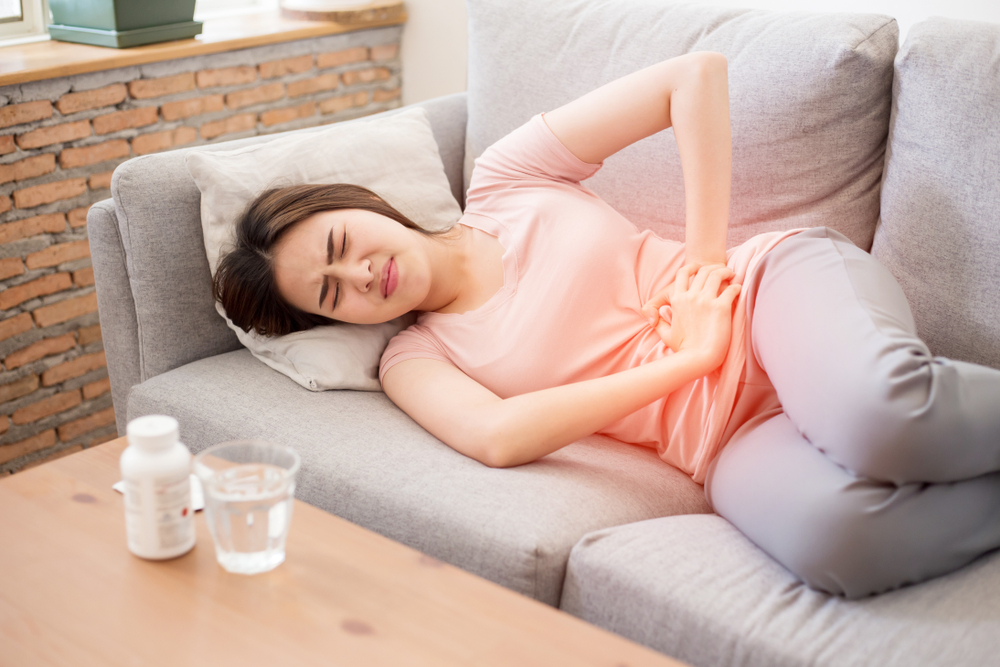

Menstrual cramps — clinically called dysmenorrhea — are the most common gynaecological complaint worldwide, affecting an estimated 45–95% of menstruating women and ranking as the leading cause of short-term school and work absenteeism among women of reproductive age globally. Despite this extraordinary prevalence, period pain is one of the most historically dismissed and under-researched medical conditions — with decades of women being told their pain was “normal,” “psychological,” or something to “push through” rather than a physiologically real, treatable condition with well-characterised biochemical mechanisms.
The science of menstrual pain has advanced significantly — and with it, the evidence base for specific natural interventions that work through the same mechanisms as pharmaceutical pain relief, sometimes with comparable efficacy and consistently superior tolerability. Understanding menstrual cramps relief through a mechanistic lens — knowing why the pain occurs and how specific remedies interrupt those mechanisms — transforms the approach from hopeful trial-and-error to targeted, evidence-based self-care.
This guide is written for every woman who has ever been told her period pain was not that bad. The pain is real. The mechanisms are documented. And the remedies that address those mechanisms work.
Why Period Cramps Hurt — The Prostaglandin Mechanism
Understanding the cause of menstrual cramps is the prerequisite for choosing remedies that actually address it. The pain is not caused by “the uterus contracting” in a vague, general sense — it is caused by a specific, documented biochemical cascade that begins 24–48 hours before menstruation and continues through the heaviest days of flow.
As progesterone levels fall at the end of the luteal phase (the week before menstruation begins), the endometrium (uterine lining) begins to produce prostaglandins — particularly prostaglandin E2 (PGE2) and prostaglandin F2α (PGF2α). These prostaglandins bind to receptors on the uterine myometrium (the muscular layer of the uterus), triggering powerful, rhythmic contractions that expel the endometrial lining. This is the normal physiological mechanism of menstruation — and it explains why some degree of cramping is universal.
The pathological dimension in primary dysmenorrhea (cramps without underlying structural disease) is prostaglandin overproduction: women with severe dysmenorrhea have measurably higher prostaglandin levels in their menstrual fluid and endometrium than women with mild or no cramps. This prostaglandin excess produces uterine contractions so powerful that they temporarily reduce uterine blood flow and oxygen delivery — creating ischaemic pain (the same mechanism as angina in the heart) alongside the direct pain of uterine muscle spasm. This ischaemic component explains why the pain of severe dysmenorrhea is qualitatively different from and more intense than the mild cramping of low-prostaglandin periods: it is genuinely ischaemic muscle pain, not simply discomfort.
The most potent natural interventions for dysmenorrhea therefore target prostaglandin production through the same pathway as pharmaceutical NSAIDs — inhibition of cyclooxygenase (COX) enzymes that convert arachidonic acid into prostaglandins. The most clinically significant natural COX inhibitors — ginger, omega-3 fatty acids, and curcumin — work through this mechanism, which is why they genuinely relieve dysmenorrhea rather than merely providing comfort or distraction.
Secondary dysmenorrhea — cramps caused by an underlying pathological condition — includes endometriosis, adenomyosis, uterine fibroids, pelvic inflammatory disease, and intrauterine device (IUD)-related cramps. Secondary dysmenorrhea tends to worsen over time (unlike primary dysmenorrhea, which often improves with age and after childbirth), may occur throughout the menstrual cycle rather than only during menstruation, and may be accompanied by additional symptoms (abnormal bleeding, dyspareunia — pain with intercourse, pelvic pain between periods). Natural remedies can supplement management of secondary dysmenorrhea but the underlying condition requires professional diagnosis and specific medical treatment.
Types of Menstrual Pain — Know What You Are Treating
Dysmenorrhea presents in several distinct patterns, and identifying your pattern helps target the most appropriate remedies:
Cramping pain — the most common presentation — rhythmic, wave-like spasmodic pain in the lower abdomen and pelvis, often radiating to the lower back and inner thighs. This is direct uterine myometrial spasm from prostaglandin-driven contractions. Responds best to smooth muscle antispasmodics (heat, magnesium, ginger), prostaglandin-reducing strategies (omega-3, ginger), and NSAIDs or their natural equivalents.
Ischaemic pressure pain — a constant, heavy, deep pelvic pressure that accompanies severe cramping when uterine contractions are powerful enough to reduce blood flow. This is the most severe form and the most debilitating. Responds to strategies that improve uterine circulation (heat, exercise, omega-3), alongside prostaglandin reduction.

Lower back and radiating pain — referred pain from the uterine and pelvic ligaments and the shared innervation of the uterus and lumbosacral nerve roots. Responds to targeted lower back heat, stretching, and yoga poses (particularly forward folds and gentle twists that release pelvic ligament tension).
Systemic symptoms — nausea, diarrhoea, headache, fatigue, and even low-grade fever accompanying severe dysmenorrhea are caused by prostaglandins entering the systemic circulation and acting on the gut (PGE2 triggers intestinal smooth muscle contraction, causing diarrhoea and nausea), brain, and vascular system. Remedies that reduce prostaglandin levels address the systemic symptoms as a consequence of the same mechanism as the pain relief.
12 Science-Backed Natural Remedies for Menstrual Cramps
1. Heat Therapy — The Most Immediately Effective Remedy
Heat applied to the lower abdomen is the most evidence-backed, most rapidly effective, and most universally accessible natural remedy for menstrual cramp relief — and its mechanisms are now well characterised at the molecular level.
A landmark study published in Evidence-Based Nursing compared topically applied heat (39°C continuous low-level heat wrap) to ibuprofen (400mg) and paracetamol (1,000mg) for primary dysmenorrhea. The findings were remarkable: the continuous heat wrap was as effective as ibuprofen for pain relief, significantly more effective than paracetamol, and provided faster initial pain relief than both oral analgesics in the first hour (while ibuprofen takes 30–45 minutes to reach therapeutic concentrations).
The mechanism is specific: heat at 39–41°C activates TRPV1 (transient receptor potential vanilloid 1) receptors in the abdominal skin — the same receptors activated by capsaicin and menthol — that produce a competing sensory input that suppresses pain signal transmission through the gate control mechanism. Heat simultaneously produces local vasodilation (increasing uterine blood flow and reducing the ischaemic component of pain), reduces myometrial smooth muscle spasm (warm muscle relaxes more effectively than cold), and activates descending pain inhibitory pathways from the periaqueductal grey matter.
How to use: A hot water bottle or heating pad applied to the lower abdomen at the onset of cramps provides the most immediate relief. Maintain comfortable warmth (not scalding) — approximately 39–41°C is the therapeutic range. A warm cloth soaked in ginger-infused water applied as a compress adds the direct anti-inflammatory topical benefit of gingerols alongside the heat mechanism. Maintain heat application for at least 20–30 minutes continuously for maximum benefit. The traditional Indian practice of applying warm sesame oil or castor oil packs to the lower abdomen and placing a hot water bottle over it amplifies both the heat and the transdermal anti-inflammatory oil delivery simultaneously.
2. Ginger — The Natural Remedy With the Strongest Clinical Evidence
Ginger has the most impressive clinical trial evidence of any natural remedy for menstrual cramp relief — evidence that most women and many healthcare providers are unaware of.
A randomised double-blind controlled trial published in the Journal of Alternative and Complementary Medicine compared ginger powder capsules (250mg four times daily, equivalent to 1g daily total) to ibuprofen (400mg three times daily) for primary dysmenorrhea over two menstrual cycles. The results: ginger was as effective as ibuprofen for pain relief, with no significant difference in pain scores between the groups. A separate randomised trial comparing ginger to mefenamic acid (a commonly prescribed period pain medication in India) also found comparable efficacy. These are extraordinary findings — a kitchen spice performing equivalently to prescription-strength pain medication in head-to-head trials.
The mechanism is directly relevant: gingerols and shogaols inhibit both COX-1 and COX-2 cyclooxygenase enzymes (the prostaglandin synthesis pathway targeted by NSAIDs like ibuprofen and mefenamic acid) and additionally inhibit 5-lipoxygenase (5-LOX — the leukotriene synthesis pathway). This dual COX/LOX inhibition makes ginger mechanistically broader than standard NSAIDs — it reduces both prostaglandins and leukotrienes, both of which contribute to dysmenorrhea inflammation. Ginger’s antiemetic activity (through 5-HT3 receptor antagonism) additionally addresses the nausea and vomiting that accompany severe dysmenorrhea through a separate mechanism.
How to use: Begin ginger supplementation 2–3 days before expected menstruation (when prostaglandin synthesis is increasing) rather than waiting until pain begins — this prophylactic approach more closely replicates the clinical trial protocol and produces better outcomes than reactive use. Fresh ginger tea (1-inch piece grated into boiling water, steeped 10 minutes, with honey and lemon) 3–4 times daily. Ginger capsules (standardised to 250mg four times daily) for consistent dosing. Ginger-jaggery decoction (adrak-gur kadha) — the traditional Indian preparation specifically for period pain — delivers therapeutic gingerol concentrations with the additional iron support of jaggery, relevant for women with heavy flow-associated anaemia. The broader evidence for ginger is in our digestion guide and anti-inflammatory foods guide.
3. Magnesium — The Uterine Muscle Relaxant
Magnesium is the most physiologically direct natural uterine muscle relaxant available — and its deficiency is a major, underappreciated driver of severe dysmenorrhea in Indian women. Magnesium is an essential cofactor for the calcium-ATPase pumps that remove calcium from smooth muscle cells after contraction, allowing relaxation. Inadequate magnesium means the uterine myometrium cannot fully relax between prostaglandin-driven contractions — producing sustained tetanic-like spasm rather than the rhythmic contract-relax cycle of normal dysmenorrhea.
Multiple randomised controlled trials have confirmed that magnesium supplementation significantly reduces dysmenorrhea pain and the need for rescue analgesia. A systematic review published in the European Journal of Obstetrics and Gynecology found magnesium supplementation significantly superior to placebo for primary dysmenorrhea, with the pain-reducing effect particularly pronounced in women with severe baseline cramping — consistent with the hypothesis that magnesium deficiency-driven smooth muscle spasm is a primary driver of severe dysmenorrhea.
The Indian dietary context is critical here: magnesium deficiency is widespread in urban India due to the shift from magnesium-rich traditional whole grain preparations (bajra, jowar, ragi rotis) to refined wheat flour (maida) and white rice, which have dramatically lower magnesium content. Women with heavy menstrual flow additionally lose magnesium through blood loss, compounding dietary inadequacy. Correcting magnesium deficiency through dietary restoration and supplementation is therefore both a menstrual cramp intervention and a general metabolic health investment.
How to use: Dietary magnesium restoration: bajra and ragi rotis (traditional millets with 8–11mg magnesium per gram), dark leafy greens (palak, methi, moringa), pumpkin seeds (highest plant magnesium source — 150mg per 28g serving), all varieties of dal and rajma, almonds and cashews, and dark chocolate (70%+ cocoa). Supplementation: magnesium glycinate or magnesium citrate (300–400mg daily) — begin 2 weeks before menstruation for prophylactic effect. Avoid magnesium oxide — poorly absorbed. Epsom salt (magnesium sulphate) warm baths provide transdermal magnesium absorption alongside the heat mechanism described above — doubling the benefit of the warm soak.
4. Omega-3 Fatty Acids — Rebalancing the Prostaglandin Profile
Omega-3 fatty acids (EPA and DHA) address dysmenorrhea at the most fundamental level — by competing with arachidonic acid for the COX enzyme pathway and shifting prostaglandin production from the highly inflammatory omega-6-derived prostaglandins (PGE2 and PGF2α — the primary drivers of dysmenorrhea) toward the less inflammatory omega-3-derived prostaglandins (PGE3 and PGF3α). This prostaglandin rebalancing directly reduces the inflammatory stimulus driving uterine spasm and pain.
A randomised double-blind crossover trial published in the European Journal of Clinical Nutrition found omega-3 fatty acid supplementation significantly reduced dysmenorrhea pain, reduced analgesic consumption, and reduced the duration of pain compared to placebo — with the benefits becoming apparent from the first menstrual cycle of supplementation and increasing over subsequent cycles as the cellular fatty acid profile shifted. The effect size was clinically meaningful — comparable to low-dose NSAID effect sizes.
Dietary omega-3 sources most accessible in India: fatty fish (mackerel, sardines, hilsa — eaten regularly in coastal India but often absent from landlocked urban diets), walnuts (one of the richest plant sources of ALA omega-3), flaxseeds/alsi (ground flaxseed provides the highest plant ALA concentration — 2.35g per tablespoon), and chia seeds. For women not consuming fatty fish regularly, supplementation with fish oil (1–2g EPA+DHA daily) or algae-derived omega-3 (for vegetarians) provides the therapeutic omega-3 concentrations needed for dysmenorrhea benefit. The anti-inflammatory context is comprehensively covered in our anti-inflammatory foods guide.
5. Turmeric (Curcumin) — Anti-Inflammatory and Antispasmodic
Curcumin’s NF-κB inhibition reduces the production of the inflammatory cytokines (IL-1β, IL-6, TNF-α) that amplify prostaglandin synthesis during the luteal phase and menstruation, addressing dysmenorrhea at a pathway upstream of prostaglandin production itself. Curcumin also has direct smooth muscle relaxant effects on uterine myometrium — mediated through calcium channel antagonism similar to the mechanism of pharmaceutical smooth muscle relaxants.
A randomised controlled trial published in Complementary Therapies in Medicine found curcumin supplementation significantly reduced the severity and duration of primary dysmenorrhea compared to placebo over three consecutive menstrual cycles. Importantly, the benefit increased across cycles — consistent with curcumin’s anti-inflammatory effects building as chronic systemic inflammation is reduced.
The bioavailability requirement is critical and non-negotiable: plain turmeric powder has negligible curcumin absorption without piperine (black pepper) and a fat source. The therapeutic curcumin preparation for dysmenorrhea is haldi doodh (golden milk) with warm whole milk, a pinch of black pepper, and a teaspoon of ghee — providing fat for curcumin dissolution and piperine for 2,000% improved absorption. Begin 5–7 days before expected menstruation and continue through the first 2–3 days of flow for prophylactic anti-inflammatory effect. The complete curcumin science is covered in our anti-inflammatory foods guide.
6. Yoga for Menstrual Cramps — The Evidence and the Poses
Yoga has compelling clinical trial evidence for dysmenorrhea relief — multiple randomised controlled trials confirming that a regular yoga practice (not specifically during menstruation, but as a consistent monthly practice) significantly reduces both the severity and duration of primary dysmenorrhea compared to no intervention or stretching-only controls.
A study published in the Journal of Alternative and Complementary Medicine found women who practised yoga regularly experienced significantly less menstrual pain, shorter pain duration, and reduced use of pain medication compared to controls. The proposed mechanisms include: yoga’s reduction of prostaglandin-sensitising cortisol through HPA axis modulation; improved pelvic circulation (reducing the ischaemic component of dysmenorrhea); relaxation of pelvic floor and uterine ligament tension that amplifies cramping pain; and the parasympathetic tone improvement that reduces the heightened visceral pain sensitivity of dysmenorrhea.
Best yoga poses for period pain:
Balasana (Child’s Pose): Kneeling forward with hips back toward heels and forehead to the floor. The gentle compression of the lower abdomen against the thighs provides mild counter-pressure to cramping, and the forward bend activates baroreceptors that trigger parasympathetic nervous system calming. Hold for 1–3 minutes with deep, slow breathing through the discomfort.
Supta Baddha Konasana (Reclining Bound Angle): Lying on the back with the soles of the feet together and knees falling outward — a fully passive hip opener that releases pelvic floor and inner thigh tension, reducing the radiating thigh and groin pain that accompanies dysmenorrhea. Supports under the knees make this more comfortable for severe cramping. Hold for 3–5 minutes.
Viparita Karani (Legs Up the Wall): Lying with legs resting up against a wall — the inversion of the lower body shifts blood pooling away from the pelvis and reduces pelvic venous congestion that worsens menstrual pain. This pose is one of the most effective parasympathetic activators in yoga and is specifically recommended in classical Ayurveda for menstrual discomfort management. Hold for 5–10 minutes.
Supine Twist: Lying on the back, both knees to the chest, then gently dropping both knees to one side while the upper body remains flat. The rotational stretch releases uterine ligament tension and lower back pain that radiates during menstruation. Alternate sides, holding each 30–60 seconds.
Cat-Cow (Marjaryasana-Bitilasana): On hands and knees, alternating between arching the back (cow — belly drops, chest lifts) and rounding the spine (cat — back rounds, navel draws in). The rhythmic movement of the pelvis and lower back directly mobilises the sacral joints that become compressed during dysmenorrhea, provides gentle uterine massage through the abdominal movement, and coordinates breath with movement for vagal activation. 5–10 slow cycles.
The comprehensive yoga science for hormonal and pain management is in our yoga for stress relief guide.
7. Ajwain (Carom Seeds) — India’s Traditional Uterine Antispasmodic
Ajwain has been specifically prescribed in Ayurvedic and folk Indian medicine for menstrual cramps for millennia — and the pharmacological mechanism for this specific application is now characterised. Thymol, ajwain’s primary active compound (present at 2–4% by weight), is a calcium channel antagonist that produces direct smooth muscle relaxation in uterine myometrium — the same muscle that prostaglandins are causing to spasm. This makes ajwain a genuinely uterotrophic antispasmodic, not merely a general digestive herb that happens to provide some comfort.
The traditional Indian preparation — ajwain boiled in water with jaggery (ajwain-gur kadha) — combines the uterine antispasmodic effect of thymol with the iron of jaggery (particularly relevant for women losing iron through menstrual blood) and the warming properties that augment the smooth muscle-relaxing effect. This is the Ayurvedic antispasmodic + iron + warming combination in a single preparation.
Preparation: Boil 1 teaspoon of ajwain seeds in 250ml of water for 5 minutes. Strain. Add a small piece of jaggery (gur) and stir until dissolved. Drink warm. Begin 1–2 days before expected menstruation and continue through the first 2–3 days of flow. The warmth of the preparation also contributes to the uterine blood flow improvement that reduces the ischaemic pain component.
8. Methi (Fenugreek) Seed Water — Hormonal and Anti-Inflammatory Support
Fenugreek seeds have specific relevance to dysmenorrhea beyond their general digestive benefits. Diosgenin — the steroidal sapogenin in fenugreek — has documented mild anti-oestrogenic and progestogenic activity, relevant for the hormonal fluctuations that drive prostaglandin overproduction in dysmenorrhea. Fenugreek’s anti-inflammatory activity (through NF-κB inhibition and direct prostaglandin synthesis reduction) addresses the biochemical cascade that produces cramping. And for women with PCOS-associated menstrual irregularity and painful periods, fenugreek’s insulin-sensitising effects (covered in our blood sugar guide) address the underlying hormonal imbalance that worsens dysmenorrhea in this population.
A randomised controlled trial published in the Journal of Reproduction and Infertility found fenugreek seed powder (900mg three times daily) significantly reduced dysmenorrhea severity and systemic symptoms (nausea, fatigue, headache) compared to placebo — confirming that fenugreek’s effects on dysmenorrhea are pharmacologically real, not merely theoretical. The connection between fenugreek, hormonal balance, and women’s health is explored further in our hormone health guide.
9. Cinnamon — Anti-Inflammatory and Uterine Blood Flow
Cinnamon (Cinnamomum verum — true Ceylon cinnamon, not cassia) has documented anti-inflammatory activity through multiple pathways including NF-κB inhibition and direct prostaglandin synthesis reduction, alongside the blood flow-improving properties of cinnamaldehyde’s vasodilatory effects. A randomised controlled trial published in the Iranian Red Crescent Medical Journal compared cinnamon capsules (420mg three times daily) to placebo for primary dysmenorrhea and found cinnamon significantly reduced pain intensity, nausea, vomiting, and menstrual bleeding compared to placebo — a particularly comprehensive symptom profile suggesting effects through multiple mechanisms simultaneously.
Cinnamon’s traditional Indian use in period-pain preparations — added to herbal teas, warm milk, and spiced preparations consumed during menstruation — reflects the accumulated empirical observation of these anti-inflammatory and antispasmodic effects. Cinnamon tea (a cinnamon stick simmered in water for 10 minutes with fresh ginger, a pinch of ajwain, and jaggery) combines four of the most evidence-backed natural dysmenorrhea interventions in a single warming preparation that addresses pain, nausea, and uterine spasm simultaneously.
10. Castor Oil Pack — The Deep Abdominal Penetrating Anti-Inflammatory
The castor oil pack — castor oil applied to a cloth placed over the lower abdomen, covered with a hot water bottle — is a traditional natural medicine preparation with specific pharmacological rationale for dysmenorrhea that goes beyond simple heat application. Ricinoleic acid — castor oil’s primary fatty acid — has documented anti-inflammatory activity through PGE2 synthesis inhibition and through activation of EP3 prostanoid receptors that modulate smooth muscle contractility. Transdermal penetration of ricinoleic acid through the lower abdominal skin delivers this prostaglandin-modulating activity directly to the uterine myometrium — the site of dysmenorrhea pathology.
Research published in the Journal of Naturopathic Medicine found castor oil pack application significantly enhanced lymphatic circulation and reduced local inflammation in clinical applications — the mechanism through which pelvic congestion and the lymphatic stasis that worsens premenstrual and menstrual pelvic pain are relieved. The warm heat pack component provides the vasodilatory and gate-control mechanisms of heat therapy simultaneously — making the castor oil warm pack a genuinely multi-mechanism preparation for severe dysmenorrhea.
How to use: Saturate a folded cotton or flannel cloth with cold-pressed castor oil. Place over the lower abdomen. Cover with an old towel. Place a hot water bottle over the towel. Lie comfortably for 45–60 minutes. Begin 2–3 days before expected menstruation and use through the first 2 days of flow. Do not use during pregnancy. Do not use with a heating pad that could overheat — warm water bottle at comfortable temperature is appropriate.
11. Dietary and Lifestyle Modifications — Reducing the Monthly Inflammatory Load
Chronic dietary patterns that drive systemic inflammation and hormonal imbalance directly worsen prostaglandin overproduction and therefore worsen dysmenorrhea. Several specific dietary changes have documented evidence for reducing menstrual pain severity over multiple cycles of consistent application:
Reducing dietary arachidonic acid: Arachidonic acid (the precursor to the inflammatory prostaglandins PGE2 and PGF2α that cause dysmenorrhea) is derived primarily from animal products — particularly red meat, processed meat, and full-fat dairy. Reducing these foods during the luteal phase (the two weeks before menstruation) reduces the arachidonic acid substrate available for prostaglandin synthesis — directly reducing the inflammatory potential of the next menstruation. Research has specifically found that vegetarian and plant-forward diets are associated with significantly lower dysmenorrhea severity and prevalence — the arachidonic acid reduction is the primary mechanism.
Increasing dietary antioxidants: Vitamin C, Vitamin E, and beta-carotene from diverse plant foods reduce the oxidative stress that amplifies prostaglandin-driven inflammation. A study published in Obstetrics and Gynaecology Research found that Vitamins C and E together significantly reduced dysmenorrhea pain when supplemented for three months, with the combined supplement outperforming either vitamin alone — confirming synergistic antioxidant protection of the prostaglandin-inflamed endometrium.
Reducing refined carbohydrates and added sugar: High glycaemic index diets increase insulin levels, which increase ovarian androgen production and downstream oestrogen synthesis, worsening the luteal phase oestrogen-to-progesterone ratio and increasing endometrial prostaglandin production. The blood sugar and insulin management framework in our blood sugar guide is therefore directly relevant to dysmenorrhea management through hormonal mechanisms.
Iron-rich foods for heavy flow: Women with menorrhagia (heavy menstrual flow) lose significant iron through blood loss each cycle — with the resulting iron deficiency anaemia producing the fatigue, weakness, and heightened pain sensitivity that makes dysmenorrhea more severe and more debilitating. Dark green leafy vegetables (palak, methi, moringa), sesame seeds (til), jaggery, rajma, and iron-rich preparations with Vitamin C for absorption optimisation are the most relevant Indian dietary iron sources. The iron deficiency and hair fall connection is in our hair fall guide — the same deficiency drives both symptoms.
12. Stress Management and Sleep — The Cortisol-Prostaglandin Connection
Psychological stress directly worsens dysmenorrhea through a specific and well-documented hormonal pathway: cortisol released during chronic stress stimulates the same arachidonic acid cascade that produces prostaglandins, increases the expression of COX-2 (the inducible prostaglandin synthesis enzyme), and reduces the progesterone levels of the luteal phase — amplifying the prostaglandin overproduction that is the root biochemical cause of dysmenorrhea. Multiple prospective studies have found that women with high baseline stress levels have significantly more severe dysmenorrhea — not as a psychological effect but as a direct hormonal and inflammatory consequence of cortisol’s effects on prostaglandin biology.
Sleep deprivation specifically worsens dysmenorrhea through reduced pain tolerance: growth hormone secreted during deep sleep has direct analgesic properties, and sleep deprivation reduces the activation of descending pain inhibitory pathways that modulate how intensely pain is perceived. Women who are sleep-deprived report significantly more severe period pain from equivalent uterine contractile activity — meaning that the same dysmenorrhea feels worse when you have not slept adequately.
The comprehensive stress management approaches covered in our meditation guide, yoga for stress relief guide, and ashwagandha guide are therefore directly applicable to dysmenorrhea management through the cortisol-prostaglandin pathway — ashwagandha’s specific evidence for reducing HPA axis reactivity and cortisol makes it a particularly relevant adaptogen for women whose dysmenorrhea correlates with stress-heavy periods.
The Ayurvedic Understanding of Dysmenorrhea — Kasht Artava
Ayurveda classifies painful menstruation as Kasht Artava (literally “difficult menstruation”) or Artava Krichra — a Vata-dominant condition characterised by the cold, dry, irregular, spasmodic qualities that reflect Vata’s air-and-ether character expressing as uterine dysfunction. The Ayurvedic approach to Kasht Artava is systematically Vata-pacifying and Apana Vayu-normalising (restoring the correct downward movement of the Vata subtype that governs menstruation and elimination).
Classical Ayurvedic treatment for Kasht Artava includes: warming, anti-Vata foods and herbs (ginger, ajwain, sesame, ghee, jaggery — all consistent with their modern pharmacological mechanisms); Abhyanga (warm sesame oil massage) of the lower abdomen and lower back (providing the heat, vasodilation, and transdermal anti-inflammatory delivery of the castor oil pack through sesame oil’s anti-inflammatory sesamol); Nasya with Anu Taila for systemic Vata reduction; and specific Rasayana herbs including Shatavari and Ashwagandha for hormonal nourishment and adaptogenic stress resilience.
Shatavari (Asparagus racemosus) — the primary Ayurvedic tonic for female reproductive health — contains steroidal saponins (shatavarin I–IV) with documented phytoestrogenic and anti-inflammatory activity relevant to dysmenorrhea management. A study published in the Journal of Ethnopharmacology found Shatavari extract significantly reduced uterine contractions in animal models of dysmenorrhea — confirming antispasmodic activity at the organ level. For women with dysmenorrhea in the context of hormonal imbalance (PCOS, perimenopause, post-pill hormonal disruption), Shatavari provides the adaptogenic hormonal support that addresses a root cause rather than just the acute pain. The hormonal balance context is in our hormone health guide.
The Monthly Dysmenorrhea Protocol — Timing Your Interventions
The most effective approach to menstrual cramp management uses different interventions at different phases of the menstrual cycle — not just reacting to pain when it arrives but preparing the body’s inflammatory biochemistry in advance:
Days 15–26 (Luteal phase, after ovulation): This is when prostaglandin precursors are accumulating in the endometrium. Anti-inflammatory support during this phase reduces the substrate available for prostaglandin overproduction: consistent omega-3 consumption, reducing red meat and processed foods, maintaining magnesium intake, and stress management to prevent cortisol-driven prostaglandin amplification. Turmeric golden milk daily. Ashwagandha for cortisol management.
Days 27–28 / 1–2 days before period (Prophylactic phase): Begin specific anti-dysmenorrhea interventions before pain begins — this is when maximum clinical benefit from prophylactic use is achieved: ginger tea 3–4 times daily, ajwain-jaggery kadha morning and evening, castor oil pack warm application to the lower abdomen, magnesium citrate supplementation if not already established, and ensuring adequate sleep in the 2 nights before menstruation.
Days 1–3 (Active dysmenorrhea phase): Acute relief: heat (hot water bottle or heating pad to lower abdomen), ginger tea every 2–4 hours, yoga poses (Balasana, Viparita Karani, Supta Baddha Konasana, Cat-Cow), magnesium supplement if not already taking, warm cinnamon-ginger tea, and rest with legs elevated. NSAIDs (ibuprofen, mefenamic acid) are appropriate alongside natural remedies for moderate-to-severe pain — the natural remedies work through complementary mechanisms and do not duplicate NSAID activity.
Menstrual Cramps: Myth vs. Fact
| ❌ The Myth | ✅ The Truth |
|---|---|
| Period pain is normal and just has to be endured | Mild cramping is physiologically normal. Pain that is severe enough to limit daily activities, require pain medication, or cause nausea, fainting, or significant distress is primary dysmenorrhea — a treatable medical condition, not a character test. In some women it indicates secondary dysmenorrhea from endometriosis or adenomyosis that requires specific diagnosis and treatment. No woman should accept severe period pain as simply “how it is.” |
| Exercise makes period pain worse | Research consistently finds that regular aerobic exercise significantly reduces dysmenorrhea severity across multiple menstrual cycles through improved pelvic circulation, prostaglandin-reducing anti-inflammatory effects, and endorphin-mediated pain modulation. The recommendation to rest during painful periods is appropriate for acute pain management — but regular exercise during the rest of the cycle is one of the most evidence-backed preventive strategies for dysmenorrhea. |
| Natural remedies cannot be as effective as ibuprofen for period pain | Ginger (250mg four times daily) was found equivalent to ibuprofen for dysmenorrhea in randomised controlled trials. Magnesium supplementation has clinical trial evidence for significant dysmenorrhea reduction. Omega-3 fatty acids reduce pain and analgesic consumption comparable to low-dose NSAIDs in RCTs. Heat therapy was found as effective as ibuprofen and more effective than paracetamol in head-to-head comparison. Natural remedies can be genuinely effective — particularly as prophylactic interventions begun before the painful phase rather than reactive treatments once pain is established. |
| Endometriosis always causes very heavy bleeding | Endometriosis can cause severe dysmenorrhea with normal or even light menstrual flow. The pain of endometriosis arises from endometrial tissue growing outside the uterus (on the ovaries, peritoneum, bowel, and bladder) where it responds to cyclical hormonal changes — causing inflammation, adhesions, and pain that may be completely disproportionate to the flow volume. Severe dysmenorrhea that worsens over time, occurs throughout the cycle (not only during menstruation), or accompanies dyspareunia (pain with intercourse) warrants gynaecological evaluation regardless of flow volume. |
| Hormonal contraceptives are the only effective treatment for severe dysmenorrhea | Combined hormonal contraceptives reduce dysmenorrhea by suppressing prostaglandin production through endometrial thinning — they are effective but not the only effective approach. Comprehensive natural interventions (omega-3, magnesium, ginger, dietary anti-inflammatory pattern, regular exercise) address prostaglandin overproduction through multiple complementary mechanisms and can significantly reduce dysmenorrhea severity without hormonal contraception. For women who prefer not to use hormonal contraceptives or for whom they are contraindicated, evidence-based natural interventions provide a genuinely effective alternative framework. |
| Dysmenorrhea always improves after childbirth | Primary dysmenorrhea (without underlying pathology) often improves after childbirth — attributed to increased cervical canal size allowing easier menstrual flow and possibly to changes in uterine innervation after labour. However, secondary dysmenorrhea from endometriosis or adenomyosis does not reliably improve after childbirth and may worsen. Attributing severe dysmenorrhea to “it will improve after you have a baby” without investigating for secondary causes is poor medical advice that delays appropriate diagnosis. |
When to See a Doctor — Red Flags in Menstrual Pain
Seek gynaecological evaluation for: period pain that is new or has worsened progressively over multiple cycles (particularly if beginning after age 25 — when primary dysmenorrhea typically improves); pain that begins more than 24 hours before menstruation, persists after menstruation ends, or occurs throughout the cycle; period pain accompanied by pain during intercourse (dyspareunia) or pain with bowel movements during menstruation (possible endometriosis); period pain with very heavy bleeding (menorrhagia — soaking through a sanitary pad or tampon every hour for 2+ consecutive hours); pain accompanied by fever or unusual vaginal discharge (pelvic inflammatory disease must be excluded); dysmenorrhea with infertility concerns; and period pain that does not respond to 3–4 months of consistent natural management and standard NSAIDs.
These presentations warrant investigation for endometriosis (requires specialist gynaecological assessment and often laparoscopy), adenomyosis (identified on MRI or transvaginal ultrasound by an experienced radiologist), fibroids, pelvic inflammatory disease, or other secondary causes of dysmenorrhea — all of which require specific diagnosis before appropriate management can be determined.
Related Articles From HerbeeLife
📖 How Hormones Affect Your Health: The Complete Guide Women Must Read
📖 Ashwagandha for Stress and Anxiety: What Actually Happens in Your Body
📖 Anti-Inflammatory Foods: 12 Powerful Choices That Fight Disease From the Inside Out
📖 Yoga for Stress Relief: 12 Powerful Poses and Science-Backed Tips for Beginners
📖 Hypothyroidism Symptoms and Causes: The Complete Guide Every Indian Woman Needs
📖 Hair Fall After 30 in Women: 9 Alarming Causes You Must Stop Ignoring
📖 Natural Ways to Boost Your Immune System: 12 Science-Backed Strategies
Frequently Asked Questions: Natural Remedies for Menstrual Cramps
What is the fastest natural remedy when cramps are already severe?
For fastest acute relief when pain is already significant: heat (hot water bottle to lower abdomen — as effective as ibuprofen in head-to-head research, faster-acting than oral analgesics in the first hour) combined with the Balasana yoga pose (child’s pose) for 3–5 minutes of pelvic floor release. Follow with strong ginger tea and, if tolerated, an ajwain-jaggery decoction. Ibuprofen or mefenamic acid alongside these natural remedies is entirely appropriate for severe acute pain — the natural remedies work through complementary mechanisms and do not reduce the effectiveness of NSAIDs when used together.
Should I start natural remedies before my period begins?
Yes — this is the most clinically important practical point in all dysmenorrhea management. Natural anti-inflammatory remedies (ginger, omega-3, curcumin, magnesium) need to be established before the prostaglandin cascade begins to be most effective. Beginning ginger tea 2–3 days before expected menstruation, ensuring adequate magnesium in the 2 weeks before menstruation, maintaining omega-3 intake throughout the luteal phase, and using heat and castor oil packs in the 1–2 days before menstruation produces dramatically better outcomes than reaching for these remedies after severe pain has already developed.
Can diet changes really reduce period pain over time?
Yes — through specific mechanisms documented in clinical research. Dietary patterns that reduce arachidonic acid intake (the prostaglandin precursor from animal products) reduce the substrate available for prostaglandin overproduction during menstruation. Omega-3-rich diets shift the prostaglandin profile toward less inflammatory species. Anti-inflammatory dietary patterns reduce the chronic systemic inflammatory state that amplifies prostaglandin-driven pain. Studies on vegetarian diets and high-omega-3 diets specifically show significant reductions in dysmenorrhea severity over multiple menstrual cycles compared to typical Western dietary patterns. Dietary change produces its most significant effect over 3–6 months of consistent application — it is a long-term investment rather than an immediate remedy.
Is Shatavari appropriate for PCOS-related menstrual pain?
Shatavari has phytoestrogenic and adaptogenic properties that support hormonal balance — appropriate for women with PCOS-related hormonal imbalance contributing to dysmenorrhea. Its anti-inflammatory and antispasmodic activity additionally addresses the acute pain. However, PCOS management is complex and individualised — Shatavari is most appropriately used within a comprehensive Ayurvedic or integrated medical programme for PCOS rather than in isolation. Women with oestrogen-sensitive conditions (oestrogen-receptor-positive breast cancer, endometriosis driven by oestrogen excess) should discuss Shatavari with their physician before use, as its phytoestrogenic activity may be contraindicated in these contexts.
What is the difference between primary and secondary dysmenorrhea and why does it matter?
Primary dysmenorrhea is period pain caused by prostaglandin overproduction without any underlying structural disease — the type that typically begins in adolescence, is worst in the first few days of flow, and responds well to NSAIDs and the natural remedies in this guide. Secondary dysmenorrhea is period pain caused by an underlying pathological condition — most commonly endometriosis, adenomyosis, fibroids, or pelvic inflammatory disease. The distinction matters because secondary dysmenorrhea will not resolve with natural remedies alone — it requires diagnosis of and specific treatment for the underlying condition. Progressive worsening of period pain over time, pain outside the first 1–2 days of flow, pain with intercourse, or pain that does not respond to NSAIDs suggest secondary dysmenorrhea requiring gynaecological evaluation.
Sources and References
1. Marjoribanks J et al. Nonsteroidal anti-inflammatory drugs for dysmenorrhoea. Cochrane Database of Systematic Reviews, 2015.
2. Dawood MY. Primary dysmenorrhea: advances in pathogenesis and management. Obstetrics and Gynecology, 2006.
3. Ozgoli G et al. Comparison of effects of ginger, mefenamic acid, and ibuprofen on pain in women with primary dysmenorrhea. Journal of Alternative and Complementary Medicine, 2009.
4. Proctor ML, Farquhar CM. Dysmenorrhoea. Clinical Evidence, 2007.
5. Barnard ND et al. Diet and sex-hormone binding globulin, dysmenorrhea, and premenstrual symptoms. Obstetrics and Gynecology, 2000.
6. Harel Z et al. Supplementation with omega-3 polyunsaturated fatty acids in the management of dysmenorrhea in adolescents. American Journal of Obstetrics and Gynecology, 1996.
7. Akin M et al. Continuous, low-level, topical heat wrap therapy as compared to acetaminophen for primary dysmenorrhea. Journal of Reproductive Medicine, 2001.
Follow HerbeeLife
🌿 Stay connected for more evidence-based women’s health, Ayurvedic wisdom, and natural wellness content:
📸 Instagram | 📌 Pinterest | 👥 Facebook | 🐦 X (Twitter)
Final Thoughts: Your Period Pain Deserves to Be Taken Seriously
For too long, and in too many medical consultations, Indian women have been told that their period pain is normal — something to manage with a painkiller and push through. The science says otherwise. Severe dysmenorrhea is a measurable, mechanistically understood, treatable condition. The prostaglandins are real. The ischaemic pain is real. And the interventions that address those mechanisms — ginger equivalent to ibuprofen in clinical trials, heat equivalent to ibuprofen in a separate trial, magnesium significantly reducing cramping severity, omega-3s reducing pain and analgesic need — are also real.
You do not have to earn relief from period pain by suffering first. You do not have to wait until the pain arrives. And you do not have to choose between pharmaceutical relief and natural management — both work through complementary mechanisms and can be used together.
Start before your next cycle. Establish the ginger tea, the magnesium, the omega-3. Apply the castor oil pack in the two days before. Have the heat ready. Prepare the ajwain kadha. Do the yoga poses. And give your body the specific biochemical support that reduces the inflammatory storm of prostaglandin overproduction before it becomes the pain that derails your day.
You deserve a period that does not define the worst days of your month.
⚠️ Medical Disclaimer: This article is for informational and educational purposes only and does not constitute medical advice. Severe, worsening, or unusual period pain requires professional gynaecological evaluation to exclude secondary causes including endometriosis and adenomyosis. Never delay medical evaluation based on information in this article. Read full disclaimer →
💬 Which natural remedy has made the most difference to your period pain — and have you discovered that starting before your period begins changes how effective it is? Share in the comments. This community of women sharing real experience with what works is genuinely more valuable than any single article.