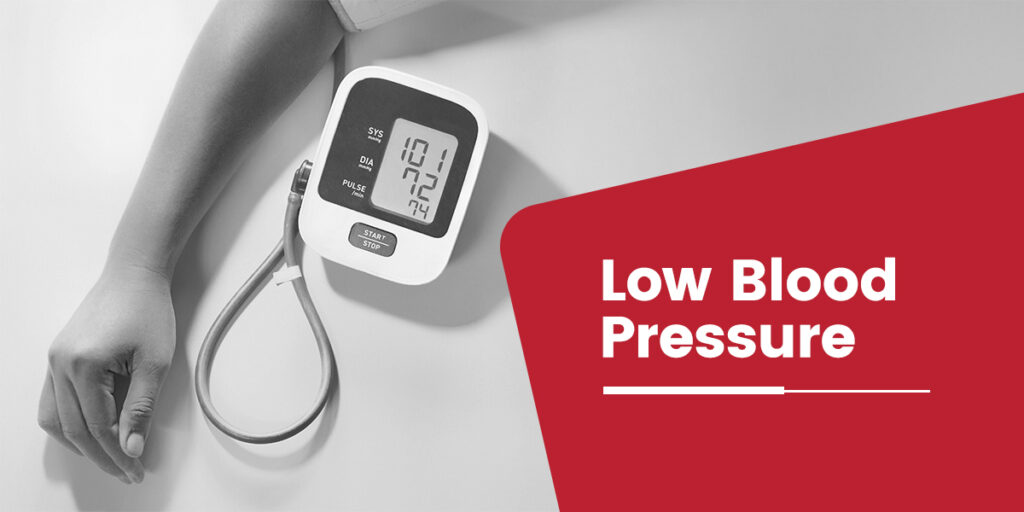

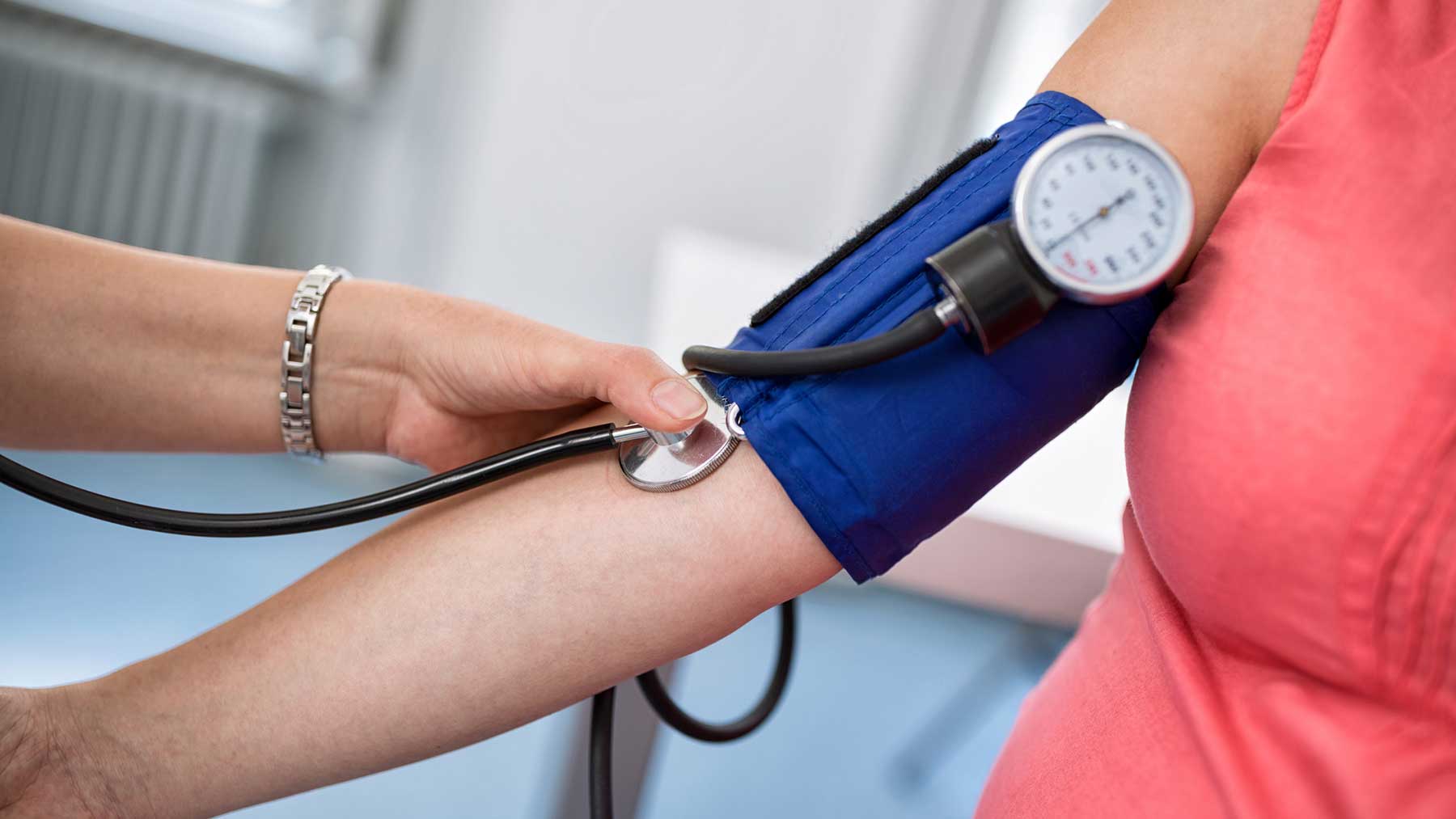
Blood pressure is the force of blood pushing against artery walls. When it stays consistently elevated — above 130/80 mmHg by current guidelines — it silently damages blood vessels, the heart, kidneys, brain, and eyes over years before producing any symptoms. Hypertension is called “the silent killer” because most people feel nothing unusual until a heart attack, stroke, or kidney failure makes the damage undeniable.
The most important thing to know about natural ways to lower blood pressure is this: they work. Not as vague lifestyle suggestions, but as measurable interventions with documented millimetre-of-mercury (mmHg) reductions confirmed in clinical trials. Many produce reductions equivalent to starting a low-dose antihypertensive medication. Combined, they can produce additive reductions that match moderate-dose pharmaceutical therapy — with no side effects and a cascade of additional health benefits that medications cannot replicate.
This guide gives you the numbers, the mechanisms, and the specifically Indian applications for each strategy — because hypertension management in India requires Indian solutions, not simply translated Western advice.
Understanding Your Blood Pressure Reading
Before the strategies: understanding what you are trying to move.
Blood pressure is expressed as two numbers: systolic / diastolic (e.g., 130/85 mmHg). Systolic is the pressure when your heart contracts. Diastolic is the pressure when it relaxes between beats. Both matter.
| Category | Systolic (mmHg) | Diastolic (mmHg) | What It Means |
|---|---|---|---|
| ✅ Normal | Below 120 | Below 80 | Maintain with lifestyle |
| ⚠️ Elevated | 120–129 | Below 80 | Lifestyle change now |
| 🟡 Stage 1 HTN | 130–139 | 80–89 | Lifestyle + medication discussion |
| 🔴 Stage 2 HTN | 140+ | 90+ | Medication + lifestyle essential |
| 🚨 Crisis | 180+ | 120+ | Emergency medical care immediately |
⚕️ Critical note before you continue: Natural strategies are appropriate as first-line management for elevated and Stage 1 hypertension, and as essential adjuncts to medication for Stage 2. They are not alternatives to emergency treatment for hypertensive crisis (BP ≥180/120). If you are on antihypertensive medication, do not reduce or stop it without medical guidance — these strategies work alongside medication, not instead of it.
The 12 Strategies — Each With Its Clinical Numbers
Strategy 1: Reduce Sodium Intake
📉 Evidence: Reduces systolic BP by 4–8 mmHg
Excess sodium causes the kidneys to retain water to dilute it, increasing blood volume and therefore blood pressure. The pressure-sodium relationship is direct, dose-dependent, and well established across hundreds of clinical trials. India has one of the highest salt intake levels globally — an estimated average of 10–12g daily, versus the WHO-recommended limit of 5g. The hypertension burden directly reflects this excess.
The hidden sodium problem in Indian cooking: Most Indians assume their sodium intake is low because they do not add “extra” salt at the table. But Indian food preparation involves salt at every cooking stage — in the dough, in the water for boiling, in the curry, in the tempering. Pickles (achaar), papads, and packaged snacks are the highest per-serving sodium sources: a single large papad contains 200–400mg sodium; one tablespoon of commercial pickle can contain 300–500mg sodium; one serving of packaged namkeen provides 400–800mg. These are not “extras” — for most Indian families they are daily staples.
The action:
- Measure salt for one week — use a measuring spoon rather than pouring directly. Awareness alone reduces intake by 20–30%.
- Replace table salt with potassium chloride (salt substitute) in a 50:50 blend — a meta-analysis found this substitution reduces systolic BP by an additional 5.4 mmHg beyond sodium reduction alone.
- Reduce pickle and papad to 2–3 times weekly rather than daily. Use fresh lemon juice and tamarind for sourness instead.
- Cook rice and pasta without salt — add flavour through spices instead.
- Read labels on packaged products: aim for less than 400mg sodium per 100g.
🌿 Ayurvedic angle: Excessive Lavan (salt) is specifically described in classical Ayurveda as aggravating Pitta and causing blood thickening and vascular damage — remarkably consistent with sodium’s documented role in endothelial inflammation and vascular stiffness that modern cardiology confirms.
Strategy 2: Follow the DASH-Indian Diet
📉 Evidence: Reduces systolic BP by 8–14 mmHg
The Dietary Approaches to Stop Hypertension (DASH) diet produces the largest single dietary blood pressure reduction of any eating pattern studied — and it maps remarkably well onto the traditional whole-food Indian diet, with important modifications.
The DASH diet emphasises: fruits and vegetables (8–10 servings daily), whole grains (7–8 servings), low-fat dairy (2–3 servings), lean protein, legumes and nuts, and limits saturated fat, sodium, and added sugar. The primary blood pressure-lowering mechanism is the potassium-magnesium-calcium triad: these three minerals work cooperatively to counteract sodium’s vasoconstrictive and volume-expanding effects, relax vascular smooth muscle, and support normal nitric oxide production in blood vessel endothelium.
The DASH-Indian adaptation:
- Potassium: Bananas, coconut water, sweet potato, rajma, palak, moringa — all common Indian foods that are DASH-aligned. A banana contains ~420mg potassium. Coconut water (250ml) provides ~600mg. Increasing these daily counteracts sodium’s blood pressure effect directly.
- Magnesium: Bajra and ragi rotis (replace maida and white rice), all varieties of dal, pumpkin seeds, dark chocolate — shifting from refined to whole grain provides the magnesium the DASH diet relies on.
- Calcium: Dahi, chaas, paneer in appropriate portions — dairy is a DASH staple, and India’s traditional dairy preparations are among the most DASH-compatible foods available globally.
- Reduce the contradiction: The traditional Indian thali already contains most DASH elements — but the excessive salt, ghee, and refined flour in modern urban Indian cooking undermines the framework. Restore the traditional whole-food base; reduce the modern refinements.
The detailed dietary guidance connecting to the full anti-inflammatory evidence is in our anti-inflammatory foods guide.
Strategy 3: Regular Aerobic Exercise
📉 Evidence: Reduces systolic BP by 5–8 mmHg; diastolic by 3–6 mmHg
Regular moderate aerobic exercise is one of the most consistently effective blood pressure interventions available — producing reductions equivalent to a low-dose antihypertensive drug in multiple meta-analyses, with the added benefits of weight loss, cardiovascular fitness, and metabolic health improvement that no medication can replicate.
The mechanisms: exercise acutely increases blood pressure during effort (normal and expected) but produces post-exercise hypotension — a sustained fall in blood pressure lasting 12–24 hours after a single exercise session. With consistent exercise, this becomes a chronic adaptation: improved endothelial function (increased nitric oxide production → vasodilation), reduced arterial stiffness, lower resting heart rate, improved baroreflex sensitivity, and reduced sympathetic nervous system activation — all producing sustained lower resting blood pressure.
The Indian-specific exercise barriers and solutions:
- Early morning walking before heat peaks is the most accessible and culturally embedded exercise for most Indian adults. 30–45 minutes of brisk walking 5 days weekly produces the full documented blood pressure benefit.
- Yoga — addressed specifically in Strategy 8 — produces additional blood pressure reduction through parasympathetic mechanisms that aerobic exercise alone does not fully address.
- Air quality is a real barrier in Indian cities: early morning (pre-7am) walking and indoor alternatives (stairclimbing, home yoga) are appropriate solutions for high-pollution days.
- The comprehensive evidence for exercise and cardiovascular health is at our exercise benefits guide.
Strategy 4: Weight Loss
📉 Evidence: Approximately 1 mmHg reduction per kilogram lost
The blood pressure-weight relationship is linear and consistent: losing 1kg of excess body weight reduces systolic blood pressure by approximately 1 mmHg. Losing 10kg therefore produces a 10 mmHg systolic reduction — equivalent to a standard antihypertensive drug at full dose. The mechanism is multidimensional: reduced blood volume (less adipose tissue to perfuse), reduced sympathetic activation (adipose tissue releases leptin, which directly stimulates the sympathetic nervous system), improved insulin sensitivity (hyperinsulinaemia increases renal sodium retention and sympathetic activation), and reduced adipokine-driven vascular inflammation.
The Indian-specific context: the “thin-fat India” phenomenon — where individuals with relatively normal BMI carry high visceral (abdominal) fat — means that waist circumference is a more clinically meaningful measure than BMI for Indian populations. Indian-specific cutoffs for abdominal obesity are 90cm (men) and 80cm (women) — lower than Western cutoffs — reflecting Indian populations’ higher cardiometabolic risk at equivalent waist measurements. Even modest visceral fat reduction through dietary quality improvement and exercise produces blood pressure benefits disproportionate to total weight change. The weight management framework is at our weight loss guide.
Strategy 5: Reduce Alcohol
📉 Evidence: Reducing from 3+ drinks daily to ≤1 reduces systolic BP by 5.5 mmHg
Alcohol has a direct dose-dependent pressor effect at intakes above 1–2 standard drinks per day: it activates the renin-angiotensin-aldosterone system (RAAS), increases cortisol (a vasoconstrictive hormone), and directly impairs the baroreceptor reflexes that normally regulate blood pressure. For people consuming significant quantities regularly, reducing alcohol intake is among the most rapidly effective blood pressure interventions — with effects visible within days of reduction. The comprehensive lifestyle framework in our guides addresses alcohol reduction in the context of overall metabolic health improvement.
Strategy 6: Hibiscus Tea (Gudhal)
📉 Evidence: Reduces systolic BP by 7.58 mmHg; diastolic by 3.53 mmHg
(Meta-analysis of 5 randomised controlled trials)
Hibiscus sabdariffa (gudhal flowers — dried to make the deep red tea known across India and globally) has the most impressive single-food blood pressure reduction evidence available among beverages, with a clinical profile comparable to low-dose ACE inhibitor therapy.
The mechanism: the anthocyanins in hibiscus flowers — specifically delphinidin-3-sambubioside and cyanidin-3-sambubioside — act as ACE inhibitors (blocking angiotensin-converting enzyme that narrows blood vessels), produce direct vasodilation through nitric oxide-dependent pathways, and have mild diuretic effects that reduce blood volume. The Cochrane-quality evidence from the Journal of Hypertension meta-analysis is specific enough to describe hibiscus as a clinically meaningful antihypertensive beverage — not merely a pleasant drink.
How to use:
- 2–3 cups of hibiscus tea daily: steep 2 tablespoons of dried gudhal flowers in 400ml boiling water for 10–15 minutes. Strain. Consume without sugar (or with a minimal amount of jaggery). Can be consumed hot or refrigerated for a pleasantly tart cold drink.
- Hibiscus-ginger combination: adding 1-inch fresh ginger to the hibiscus steep adds mild vasodilatory and anti-inflammatory gingerol activity to the ACE-inhibitor mechanism of hibiscus. Two mechanisms in one cup.
- The full hibiscus evidence is in our detox water guide.
- Do not combine with antihypertensive medications without medical guidance — additive hypotensive effect possible.
Strategy 7: Omega-3 Fatty Acids
📉 Evidence: Reduces systolic BP by 4.5 mmHg; diastolic by 3.0 mmHg
(Meta-analysis, most significant in people with existing hypertension)
EPA and DHA — the marine omega-3 fatty acids — reduce blood pressure through three documented mechanisms: they increase nitric oxide production in vascular endothelium (producing direct vasodilation), reduce arterial stiffness (increasing arterial compliance — the ability of arteries to expand with each heartbeat rather than transmitting full pressure to peripheral vessels), and reduce the systemic inflammation that drives endothelial dysfunction and progressive vascular damage. The effect is most pronounced at higher intakes (≥2g EPA+DHA daily) and in people with elevated baseline blood pressure.
India-specific context: Fatty fish — mackerel, sardines, hilsa (Indian salmon) — are consumed regularly in coastal Indian states (Kerala, Tamil Nadu, West Bengal, Goa) with measurably lower hypertension rates than landlocked urban populations on largely fish-free diets. For vegetarians, algae-derived omega-3 (the direct source of EPA and DHA, with fish being an intermediate) is the most effective supplement, and walnuts + ground flaxseed provide ALA omega-3 that is partially converted. The full omega-3 evidence is in our anti-inflammatory foods guide.
Strategy 8: Yoga and Breathing Practices
📉 Evidence: Reduces systolic BP by 5–10 mmHg; diastolic by 3–7 mmHg
(Multiple RCTs — largest effects from pranayama-focused practices)
Yoga’s blood pressure reduction mechanisms are distinct from and complementary to aerobic exercise — making yoga an additive intervention rather than a substitute. The primary pathway is parasympathetic nervous system activation: yoga reduces resting sympathetic tone (the “fight-or-flight” activation that maintains elevated vascular resistance), increases heart rate variability (the parasympathetic marker most consistently associated with lower resting blood pressure), and reduces cortisol — the stress hormone that directly constricts blood vessels and promotes renal sodium retention.
Pranayama (yogic breathing) specifically shows the largest blood pressure reductions in the yoga RCT literature. Slow breathing (below 10 breaths per minute — versus the typical 12–18) directly stimulates baroreceptors in the aortic arch and carotid sinus, triggering the baroreflex that lowers blood pressure. The 4-7-8 breathing pattern (4-second inhale, 7-second hold, 8-second exhale) and the extended exhale technique (twice the exhale duration as inhale — 4-second inhale, 8-second exhale) directly activate the vagal brake on heart rate and vascular tone.
Most effective yoga practices for blood pressure:
- Anulom-Vilom (alternate nostril breathing): The pranayama practice most specifically studied for hypertension — found in multiple Indian RCTs to produce significant BP reduction with 20 minutes daily over 4 weeks. It directly balances sympathetic-parasympathetic tone and has the most evidence of any yogic technique specifically for hypertension.
- Bhramari pranayama (humming breath): The vibrational resonance of humming activates the vagus nerve through its superior laryngeal branch — producing parasympathetic activation and nitric oxide release in the nasal sinuses (which dilates blood vessels). Research from AIIMS found Bhramari significantly reduced blood pressure in hypertensive patients over 8 weeks.
- Shavasana (corpse pose): Complete relaxation in this pose activates the parasympathetic system comprehensively — a 20-minute Shavasana at the end of a yoga session has been shown to reduce systolic BP by 15–20 mmHg acutely in some studies, exceeding the acute effect of many medications.
- The complete yoga and pranayama science is in our yoga for stress relief guide.
🌿 Ayurvedic angle: Hypertension is classified in Ayurveda as Raktagata Vata — Vata imbalance in the Rakta (blood) dhatu, producing the excessive pressure and flow irregularity of hypertension. The Ayurvedic treatment principle centres on Vata pacification — which the pranayama and yoga practices above achieve through the same parasympathetic mechanism that Ayurveda describes as “nourishing and calming the nervous system.”
Strategy 9: Stress Reduction — The Cortisol-Blood Pressure Axis
📉 Evidence: Mindfulness-based stress reduction reduces systolic BP by 4–5 mmHg over 8 weeks
Chronic psychological stress maintains blood pressure at elevated levels through a specific and well-characterised hormonal cascade: cortisol directly activates the renin-angiotensin-aldosterone system (RAAS — the primary hormonal blood pressure regulator), promotes renal sodium retention, increases vascular sensitivity to angiotensin II and noradrenaline (vasoconstrictors), and drives the sympathetic overactivation that increases resting heart rate and cardiac output.
The most relevant Indian context: occupational and socioeconomic stress in urban India — competitive work environments, long commutes, financial pressure, family obligations in the joint family context — creates a specific chronic stress profile that drives the sympathetically mediated hypertension particularly prevalent in Indian urban males aged 30–50. This form of hypertension responds particularly well to parasympathetic activation strategies (yoga, pranayama, meditation) in addition to dietary management.
The mechanisms and practical approaches are at our meditation guide.
Strategy 10: Garlic
📉 Evidence: Reduces systolic BP by 8.4 mmHg; diastolic by 7.3 mmHg in hypertensive patients
(Cochrane systematic review, 12 trials)
Garlic has the strongest single-food blood pressure reduction evidence of any culinary ingredient — producing reductions in hypertensive patients comparable to a standard antihypertensive drug, according to a Cochrane systematic review.
The mechanism: allicin (produced when garlic is crushed or chopped, triggering alliinase-mediated conversion of alliin) acts as a potent ACE inhibitor and activates hydrogen sulphide-mediated vasodilation — a specific pathway that relaxes vascular smooth muscle through a mechanism different from all other natural and pharmaceutical antihypertensives. Allicin also reduces arterial stiffness and platelet aggregation (reducing thrombotic risk), and has direct anti-inflammatory effects on vascular endothelium through NF-κB inhibition.
Critical preparation note: Allicin is formed when garlic is crushed or finely chopped and then left for 10 minutes before cooking or consuming. This 10-minute rest allows the alliinase enzyme reaction to complete before heat (which destroys alliinase) is applied. Adding garlic to hot oil immediately after chopping destroys the enzyme before allicin forms — eliminating the blood pressure benefit. Crush or chop garlic, wait 10 minutes, then add to cooking. This single change restores the cardiovascular benefit of garlic in traditional Indian cooking.
Best preparations:
- 2–4 raw garlic cloves daily (crushed, rested 10 minutes, consumed directly or in salad dressing) provides the maximum allicin dose.
- Garlic in dal, sabzi, and chutney — crushed and rested before adding — maintains significant allicin activity through gentle cooking.
- Aged garlic extract (AGE) supplements provide stable allicin-derived compounds without the need for raw garlic consumption — used in most clinical trials.
- The full garlic evidence is across our anti-inflammatory guide and liver health guide.
Strategy 11: Reduce Caffeine (Strategically)
📉 Evidence: Acute effect 3–4 mmHg for non-habitual users; habitual users show tolerance
Caffeine acutely raises blood pressure through adenosine receptor blockade (caffeine blocks adenosine — a vasodilatory neurotransmitter — producing temporary vasoconstriction) and mild catecholamine release. For habitual caffeine consumers (daily chai and coffee drinkers), tolerance develops to the acute pressor effect — making habitual moderate caffeine consumption relatively neutral for blood pressure in most people.
The Indian-specific nuance: chai preparation matters. A standard sweet milky chai with 1–2 teaspoons of sugar adds significant glycaemic load (promoting insulin-driven sodium retention) that may outweigh caffeine’s modest BP effect. Switching to unsweetened or minimally sweetened chai and limiting to 2–3 cups daily is the practical Indian blood pressure-relevant caffeine strategy — the sugar is more relevant than the caffeine for most Indian chai drinkers.
Green tea as a chai substitute: green tea’s L-theanine modulates caffeine’s sympathetic effects while providing EGCG (epigallocatechin gallate) — a catechin with documented vasodilatory and antioxidant vascular effects. Research finds green tea consumption associated with significantly lower blood pressure and cardiovascular risk compared to both coffee and sweet chai — making it a useful strategic substitution for blood pressure management.
Strategy 12: Sleep Quality and Quantity
📉 Evidence: Each hour of additional sleep below 7 hours adds ~1 mmHg to blood pressure risk; sleep quality improvement reduces systolic BP by 5–7 mmHg in hypertensive patients
Sleep deprivation and poor sleep quality are underappreciated but significant drivers of hypertension — particularly in the urban Indian population where sleep is chronically compromised by late evening screen time, late-night meals, irregular work schedules, and the cultural normalisation of 5–6 hour sleep as sufficient. The mechanism is direct: sleep is the primary period of cardiovascular rest — normally, blood pressure falls by 10–20% during sleep (the “dip”). Insufficient or poor-quality sleep prevents this nocturnal dip, maintaining 24-hour average blood pressure at a higher level, and activates the HPA axis (elevating cortisol) and sympathetic nervous system that keep resting blood pressure elevated through the following day.
Sleep apnoea — obstructive episodes of breathing cessation during sleep — is an increasingly prevalent and massively under-diagnosed cause of treatment-resistant hypertension in overweight Indian adults. If blood pressure is not responding to dietary and lifestyle management, and particularly if snoring, morning headache, excessive daytime sleepiness, or high BMI are present, obstructive sleep apnoea should be evaluated — it is directly causal for hypertension through nocturnal hypoxia-driven sympathetic activation and RAAS upregulation.
The comprehensive sleep and circadian health guidance is in our morning routine guide.
The Combined Impact: What Happens When You Stack These Strategies
The most important clinical insight about natural blood pressure management is that these strategies are additive — each addresses a different mechanism, and implementing multiple simultaneously produces effects that exceed any individual intervention. The INTERSALT study estimated that the full combination of sodium reduction, weight loss, exercise, dietary quality improvement, and stress management could reduce population systolic blood pressure by 20–30 mmHg — enough to move most Stage 1 hypertensive patients to normal range without medication, and to significantly reduce medication requirements for Stage 2 patients.
📊 Potential Combined Systolic BP Reduction (indicative ranges from trial data):
- Sodium reduction: 4–8 mmHg
- DASH diet: 8–14 mmHg
- Aerobic exercise: 5–8 mmHg
- Weight loss (5–10kg): 5–10 mmHg
- Garlic: 8 mmHg
- Hibiscus tea: 7–8 mmHg
- Omega-3: 4–5 mmHg
- Yoga / pranayama: 5–10 mmHg
- Sleep improvement: 5–7 mmHg
Note: These reductions are not simply additive (mechanisms overlap). Real-world combined lifestyle management typically produces 15–25 mmHg systolic reduction in hypertensive patients. Individual responses vary. Values are illustrative from clinical trial data.
The Ayurvedic Hypertension Framework — Raktagata Vata
Classical Ayurveda did not use the term “blood pressure” but described the condition of excess pressure and flow in the Rakta dhatu (blood tissue) as Raktagata Vata — the lodging of deranged Vata in the blood, producing its characteristic qualities of erratic, high-force movement. Secondary Pitta involvement produces the inflammatory vascular component; Kapha involvement produces the viscous, sticky quality that impairs smooth blood flow.
The Ayurvedic treatment framework for Raktagata Vata is remarkably coherent with the evidence-based strategies above:
- Arjuna (Terminalia arjuna) — the primary Ayurvedic cardioprotective herb — has documented blood pressure-lowering activity through ACE inhibition and beta-blocking effects in clinical studies. Arjunarishta (classical preparation) is the most commonly prescribed Ayurvedic cardiac tonic. A study in the Journal of Ethnopharmacology found Arjuna extract significantly reduced blood pressure in hypertensive patients.
- Sarpagandha (Rauvolfia serpentina) — contains reserpine, the first antihypertensive drug isolated from a plant, and was the basis of the modern antihypertensive drug class before synthetic alternatives were developed. It is a genuine, potent antihypertensive and requires the same medical oversight as pharmaceutical antihypertensives.
- Ashwagandha — its cortisol-reducing adaptogenic activity directly addresses the stress-driven sympathetic hypertension. The full evidence is in our ashwagandha guide.
- Triphala — through its antioxidant and endothelial-protective activity, addresses the vascular damage component of chronic hypertension rather than the blood pressure itself.
Hypertension: Myth vs. Fact
| ❌ The Myth | ✅ The Truth |
|---|---|
| High blood pressure causes headaches and dizziness — I would know if I had it | Hypertension is called “the silent killer” specifically because it produces no reliable symptoms in most people even at significantly elevated levels. Most people with Stage 1 and Stage 2 hypertension feel completely normal. Severe hypertensive crises (BP ≥180/120) may produce headache, but routine Stage 1–2 hypertension does not. Regular blood pressure measurement is the only way to know your status. |
| Once on medication, you need it forever | For many patients with Stage 1 hypertension (130–139/80–89), consistent comprehensive lifestyle management can achieve blood pressure normalisation that makes medication unnecessary — with the medication being appropriate to restart if lifestyle adherence is interrupted. For Stage 2 and above, medication is typically long-term, but lifestyle improvement reduces the dose required and improves overall cardiovascular outcomes beyond blood pressure alone. |
| Salt restriction means tasteless food | The perception that reducing salt produces tasteless food is an adaptation effect — taste receptors recalibrate to lower sodium concentrations within 4–8 weeks of reduction, after which lower-sodium food tastes normally seasoned and previously normal-sodium food tastes excessively salty. The transition period of relative tastelessness is real but temporary. Indian cuisine’s diverse spice palette — cumin, coriander, garam masala, chilli, asafoetida — provides flavour complexity that does not depend on sodium. |
| Young people don’t need to worry about blood pressure | Hypertension prevalence in Indian adults aged 18–40 has increased dramatically — driven by sedentary urban lifestyles, high-sodium processed food consumption, stress, and the cardiometabolic effects of early-onset insulin resistance. Blood pressure screening should begin at age 18 and be repeated annually from age 30, regardless of symptoms. Early identification and lifestyle intervention prevents the decades of vascular damage that leads to heart attack and stroke in middle age. |
When to See a Doctor Urgently
Seek immediate medical evaluation for: blood pressure readings at or above 180/120 mmHg (hypertensive crisis — even if asymptomatic); blood pressure above 160/100 with headache, chest pain, shortness of breath, vision changes, or neurological symptoms; any new headache in the context of known hypertension; blood pressure that has been well-controlled on medication and is now significantly elevated without obvious cause; and blood pressure readings that are consistently above 140/90 despite 3+ months of consistent lifestyle management (medication is appropriate and beneficial at this level).
Related Articles From HerbeeLife
📖 Anti-Inflammatory Foods: 12 Powerful Choices That Fight Disease From the Inside Out
📖 Yoga for Stress Relief: 12 Powerful Poses and Science-Backed Tips for Beginners
📖 Detox Water: Real Health Benefits, Busted Myths and 10 Science-Backed Indian Recipes
📖 Role of Hydration: 10 Powerful Science-Backed Reasons Water Is Your Best Health Tool
📖 Ashwagandha for Stress and Anxiety: What Actually Happens in Your Body
📖 Lower Blood Sugar Naturally: 12 Powerful Science-Backed Strategies
📖 Benefits of Regular Exercise: 10 Powerful Reasons It Transforms Your Health
Frequently Asked Questions
How quickly can lifestyle changes lower blood pressure?
Some changes are rapid: hibiscus tea reduces blood pressure within 2–6 weeks of daily consumption. Sodium reduction produces BP changes within days to 2 weeks. Exercise produces acute post-exercise BP reduction within 24 hours of a single session, building to chronic adaptation over 4–8 weeks. Garlic shows effects within 2–4 weeks of regular consumption. The full benefit of the DASH dietary pattern takes 4–8 weeks to manifest. Weight loss effects are proportional to the weight lost, accumulating over the months of weight loss. Most natural interventions require 4–12 weeks of consistent application to show their full blood pressure reduction benefit — significantly longer than the days it takes for antihypertensive medication to work, which is why lifestyle change alone is appropriate for early-stage hypertension but medication is the appropriate immediate intervention for significantly elevated blood pressure.
Can I stop my blood pressure medication if I make lifestyle changes?
Never discontinue antihypertensive medication without medical guidance. Stopping antihypertensive medication abruptly can cause rebound hypertension that is significantly worse than pre-treatment levels. If lifestyle changes produce sustained blood pressure normalisation, discuss medication reduction or discontinuation with your cardiologist or physician — who can guide a carefully supervised reduction with regular monitoring. Many patients with Stage 1 hypertension can successfully discontinue medication with persistent comprehensive lifestyle management under medical oversight.
Is Indian food inherently bad for blood pressure?
Traditional whole-food Indian cooking is actually highly DASH-aligned — diverse legumes (high potassium-magnesium), vegetables, spices with cardiovascular benefits (garlic, turmeric, ginger), and the structural framework of dal-sabzi-roti as the main meal. The problem is what modern urban Indian food has become: high salt in cooking, pickles, and papads; refined flour (maida) replacing whole grains; excessive ghee and oil; and processed snacks (namkeen, biscuits, packaged foods) with very high sodium and refined carbohydrate content. Returning to the principles of traditional Indian whole-food cooking while reducing salt, pickles, and maida is itself a blood pressure management strategy.
Does coconut water lower blood pressure?
Yes — coconut water’s potassium content (approximately 600mg per 250ml serving) and mild ACE-inhibiting properties have documented blood pressure-lowering effects. A small clinical study found regular coconut water consumption produced significant reductions in systolic blood pressure compared to water alone, attributed to potassium’s direct counteraction of sodium-driven blood volume and vascular resistance. Coconut water is most useful as a potassium-rich beverage that replaces higher-sodium or higher-sugar beverages — not as a standalone antihypertensive treatment.
Sources and References
1. Whelton PK et al. 2017 ACC/AHA Guideline for the Prevention, Detection, Evaluation, and Management of High Blood Pressure in Adults. Journal of the American College of Cardiology, 2018.
2. Appel LJ et al. A clinical trial of the effects of dietary patterns on blood pressure (DASH Trial). New England Journal of Medicine, 1997.
3. Hopkins AL et al. Hibiscus sabdariffa L. in the treatment of hypertension and hyperlipidemia. Fitoterapia, 2013.
4. Ried K et al. The effect of garlic on blood pressure: A systematic review and meta-analysis. BMC Cardiovascular Disorders, 2016.
5. Miller PE et al. Long-chain omega-3 fatty acids and blood pressure: a meta-analysis of randomized controlled trials. American Journal of Hypertension, 2014.
6. Cramer H et al. Effects of yoga on blood pressure in patients with hypertension. Journal of Human Hypertension, 2014.
7. Kario K et al. Sleep and hypertension: implications for management. Current Hypertension Reports, 2010.
Follow HerbeeLife
🌿 Stay connected for more evidence-based heart health, Ayurvedic wisdom, and natural wellness content:
📸 Instagram | 📌 Pinterest | 👥 Facebook | 🐦 X (Twitter)
The Bottom Line: Move the Numbers With Real Strategies
Every strategy in this guide has a number attached to it — a measurable mmHg reduction documented in clinical trials. These are not vague lifestyle suggestions. They are interventions that move blood pressure in a direction that reduces heart attack risk, stroke risk, kidney damage, and decades of silent vascular disease.
You do not have to implement all twelve today. Start with the highest-impact, lowest-barrier changes for your specific situation: if your salt intake is high — reduce it and feel the difference within two weeks. If you are not walking regularly — begin tomorrow. If you are not eating garlic with the 10-minute rest — start tonight. If you have dried gudhal flowers available — make the tea.
The numbers will move. Because the mechanisms are real.
⚠️ Medical Disclaimer: This article is for informational and educational purposes only. Hypertension is a serious medical condition requiring professional diagnosis and management. Never discontinue or modify prescribed antihypertensive medication without medical guidance. Seek immediate medical attention for BP ≥180/120 or any hypertensive emergency symptoms. Read full disclaimer →
💬 Which of these strategies has moved your blood pressure reading most significantly — and how long did it take to show results? Share in the comments. Real-world data from real people managing hypertension naturally is invaluable for the community.