
Snacking has a complicated reputation in the weight loss world. For years, conventional diet advice swung between two extremes: either eat six small meals a day (which turned every desk into a grazing station) or avoid all snacking and eat only three structured meals. Both camps had passionate defenders. Both were missing the real conversation.
The truth about healthy snacks for weight loss is more nuanced — and more useful — than either extreme. Whether snacking helps or hinders weight management depends almost entirely on what you snack on, when you snack, and why you are reaching for food between meals. A snack that stabilises blood sugar, delivers protein and fibre, and reduces appetite at the next meal is a genuine weight loss tool. A snack that spikes insulin, triggers the reward pathways that drive overconsumption, and adds 400 calories without meaningful satiety is the opposite — regardless of how “healthy” its packaging claims it is.
This guide cuts through the confusion with 15 science-backed, genuinely satisfying healthy snacks for weight loss — including Indian-specific options that most weight loss content ignores — along with the nutritional science behind why each one works, how to eat it most effectively, and what common snacking mistakes are quietly undermining your progress.
The Science of Snacking for Weight Loss — What Makes a Snack Actually Work
Before the snack list, understanding the biology of satiety — the physiological experience of fullness and appetite suppression — transforms how you approach healthy snacks for weight loss. Not all calories are created equal when it comes to hunger management, and the macronutrient composition of a snack determines its satiety impact far more than its caloric content.
Protein is the most satiating macronutrient per calorie — producing the largest suppression of ghrelin (the hunger hormone) and the most robust stimulation of PYY and CCK (the satiety hormones). A 2005 study in the American Journal of Clinical Nutrition found that increasing protein intake from 15% to 30% of calories reduced average caloric intake by 441 calories per day — spontaneously, without any instruction to restrict. A protein-containing snack reduces appetite at the subsequent meal more effectively than an equal-calorie carbohydrate or fat snack in controlled research settings.
Fibre slows gastric emptying (prolonging the physical sensation of fullness), feeds the gut bacteria that produce satiety-signalling short-chain fatty acids, and reduces the glycaemic impact of accompanying carbohydrates. Soluble fibre specifically forms a gel in the digestive tract that slows nutrient absorption and prolongs the post-meal satiety period. A snack with 3+ grams of fibre produces measurably better appetite suppression than a fibre-free snack with the same calories.
Blood sugar stability is the most underappreciated determinant of snack success. A snack that causes a rapid blood glucose spike followed by a crash creates — through the reactive hypoglycaemia mechanism — hunger, cravings, irritability, and energy crashes that drive overconsumption at the next eating opportunity. This is why highly processed “low-calorie” snacks (rice cakes, fat-free crackers, many commercial protein bars) often fail at weight management despite their calorie metrics: they produce the blood sugar rollercoaster that increases total caloric intake across the day even while appearing modest in isolation.
The best healthy snacks for weight loss combine protein and fibre, produce minimal glycaemic impact, and align with the gut microbiome support strategies in our comprehensive digestion guide and the anti-inflammatory food principles in our anti-inflammatory foods guide.
The Hidden Snacking Mistake Most People Make
Before introducing the 15 best healthy snacks for weight loss, addressing the most common and consequential snacking error is essential — because you can eat the most nutritious snack list in the world and still undermine your weight loss if you are snacking for the wrong reasons.
The majority of between-meal eating in modern life is not driven by genuine physiological hunger. It is driven by habit (the 3pm snack because it has always been the 3pm snack), emotional cues (stress, boredom, procrastination, anxiety), environmental triggers (food visible on the desk, the proximity of the kitchen), and the hedonic reward system (the brain’s dopamine-driven desire for palatable, hyper-stimulating food that has nothing to do with energy needs).
Research published in Appetite found that in adults with overweight, genuine hunger (low blood glucose, significant time since last meal, physical hunger sensations) accounted for less than 30% of snacking occasions. The majority were triggered by emotional or environmental cues. Consistently eating nutritious snacks in response to these non-hunger triggers adds meaningful caloric surplus regardless of the quality of the snacks themselves.
The most useful question before reaching for any snack — however healthy — is: Am I physically hungry, or am I something else? Thirsty (dehydration is frequently misread as hunger). Bored. Stressed. Tired. Emotional. Habitual. If the honest answer is not physical hunger, a glass of water, a short walk, or the stress management practices from our meditation guide will serve your weight loss goals better than any snack on this list.
15 Best Healthy Snacks for Weight Loss — With Full Nutritional Science
1. Greek Yoghurt With Berries — The Protein-Probiotic Powerhouse
Plain Greek yoghurt is one of the most nutritionally dense healthy snacks for weight loss available — delivering approximately 17–20g of protein per 170g serving alongside probiotics (Lactobacillus and Streptococcus species from the fermentation process), calcium, iodine, and Vitamin B12. Its protein content produces significant ghrelin suppression and PYY elevation, making it one of the most effective snacks for reducing appetite at the next meal.
A randomised controlled trial published in Nutrition found that a high-protein afternoon snack (including Greek yoghurt) significantly reduced hunger, increased fullness, and reduced total caloric intake at dinner compared to lower-protein snack alternatives — with effects that lasted through to the following morning. The probiotic content supports the gut microbiome diversity that directly influences appetite hormone production and weight management — connecting to the gut health science in our digestion guide.
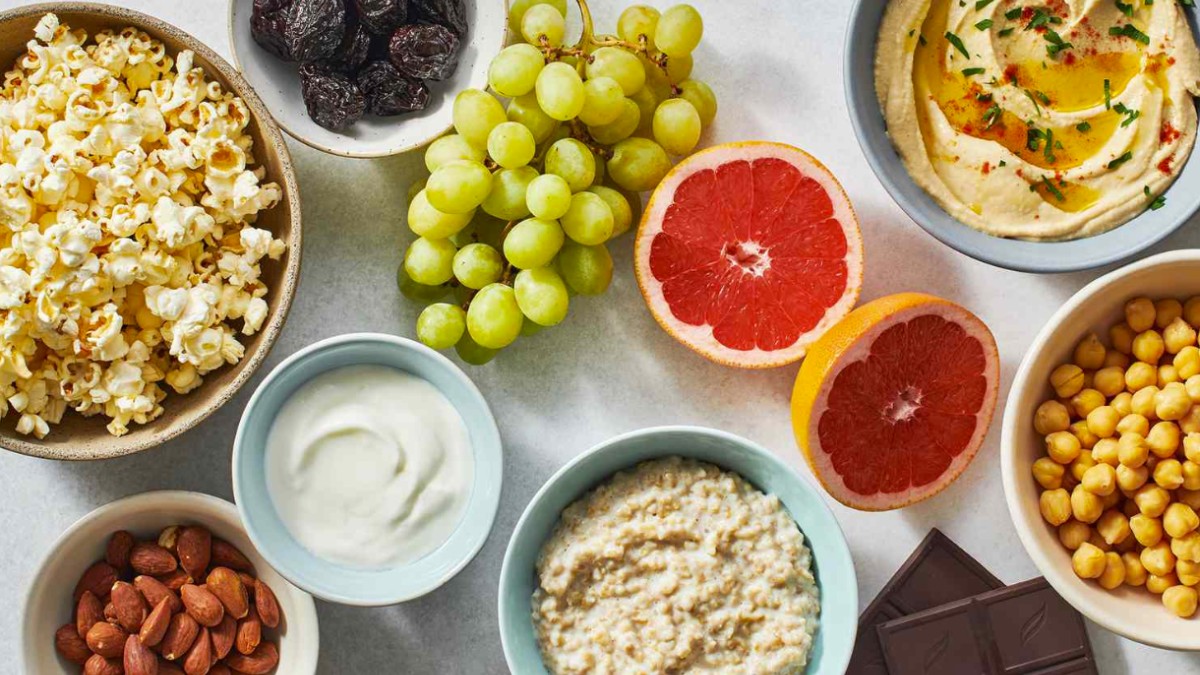
Adding berries — blueberries, strawberries, raspberries, or the underrated Indian jamun — provides anthocyanin polyphenols that feed beneficial Bifidobacterium species and contribute additional fibre (3–4g per half cup) to the protein base of the snack. The combination produces a snack with high satiety, low glycaemic impact, anti-inflammatory effect, and gut microbiome support — all from a single, inexpensive preparation.
How to use it best: Plain full-fat or 2% Greek yoghurt (not flavoured, which often contains as much sugar as a dessert), 170g, topped with half a cup of mixed berries and optionally a tablespoon of ground flaxseed for additional omega-3 and fibre. Avoid non-fat versions — fat slows gastric emptying and improves satiety, and the caloric difference is marginal relative to the satiety benefit.
2. A Handful of Nuts — The Calorie-Dense Snack That Paradoxically Aids Weight Loss
Nuts appear counterintuitive as healthy snacks for weight loss — they are calorie-dense (160–200 calories per 28g serving) and high in fat. Yet multiple large prospective studies consistently show that people who regularly consume nuts have lower body weight, smaller waist circumference, and lower rates of obesity than non-nut eaters — a finding robust enough to have survived meta-analysis across multiple populations and dietary patterns.
The explanation lies in the unique nutritional matrix of nuts. Their protein (6–9g per serving), fibre (2–3g per serving), and fat content together produce robust satiety that reduces caloric intake at subsequent meals — often by more than the calories the nuts themselves contributed. A study in the European Journal of Nutrition found that almonds consumed as an afternoon snack significantly reduced hunger and desire to eat at dinner, with participants consuming fewer total calories across the day than the non-almond control group despite the almonds’ caloric content.
Additionally, research suggests that approximately 10–15% of calories in whole nuts are not absorbed due to the physical structure of the cell walls resisting digestive enzymes — meaning the effective caloric impact of a nut serving is meaningfully lower than its listed nutritional value. This “food matrix” effect applies specifically to whole nuts and is significantly reduced in nut butters, where the cell structure is destroyed by processing.
Walnuts deserve particular mention as they provide the highest ALA omega-3 content of any nut — directly contributing to the anti-inflammatory benefits covered in our anti-inflammatory foods guide. Almonds provide the most fibre (3.5g per 28g), magnesium, and Vitamin E. Pistachios uniquely come in shells — the act of opening each one slows eating pace, extending the satiety signalling window and naturally reducing overconsumption.
How to use them best: A small measured portion (approximately 23 almonds, 14 walnut halves, or 49 pistachio kernels) as a mid-morning or mid-afternoon snack — not eaten directly from a large bag, where mindless overconsumption is almost inevitable. Unsalted or lightly salted varieties only. Avoid honey-roasted or flavoured nuts, which significantly increase sugar and caloric content.
3. Roasted Chana (Chickpeas) — India’s Most Underrated Weight Loss Snack
Roasted chana deserves a top position in any list of healthy snacks for weight loss for an Indian audience — it is affordable, portable, universally available, and nutritionally extraordinary. A 30g serving of roasted Bengal gram (kala chana) provides approximately 10g of protein, 6g of fibre, meaningful amounts of iron, zinc, and magnesium, and a glycaemic index of approximately 28 — one of the lowest of any commonly consumed food.
The resistant starch content of chickpeas is particularly significant for weight management: resistant starch is not digested in the small intestine but fermented in the colon by Bifidobacterium and Bacteroidetes, producing butyrate that reduces appetite through GLP-1 and PYY release, improves insulin sensitivity, and reduces systemic inflammation. This is a snack that simultaneously feeds beneficial gut bacteria, reduces hunger, stabilises blood sugar, and provides complete plant protein — at a cost of approximately ₹20–30 per serving.
The combination of high protein, high fibre, and low glycaemic index makes roasted chana one of the most satiety-dense snacks available — providing significantly more appetite suppression per calorie than most commercial snack alternatives that market themselves as “healthy.” The gut health benefits connect directly to the digestion and microbiome strategies in our guide to improving digestion naturally.
How to use them best: Plain roasted kala chana or kabuli chana as a mid-morning or afternoon snack, 30–40g portion. Add a squeeze of lemon, a pinch of black salt, and chopped coriander for a fresh chaat-style preparation that is far more satisfying than plain. Available at every kirana store in India — no preparation required.
4. Hard-Boiled Eggs — The Original Portable Protein Snack
Hard-boiled eggs are among the most nutritionally complete healthy snacks for weight loss available — providing 6g of high biological value protein (containing all essential amino acids), 5g of healthy fat, and meaningful amounts of choline (critical for liver fat metabolism and often deficient in Indian vegetarian diets), Vitamin D, B12, and selenium — all for approximately 70–80 calories per egg.
A study in Nutrition Research found that eating eggs for breakfast reduced caloric intake at lunch by 163 calories compared to a bagel breakfast of equal calories — and reduced cumulative intake over 24 hours by 417 calories. The effect was attributed to the protein quality of eggs producing superior ghrelin suppression compared to refined carbohydrate meals. When applied to snacking context, eggs’ combination of complete protein and fat produces satiety that typically lasts 2–3 hours — comparable to a full meal for many people.
The longstanding concern about dietary cholesterol from eggs has been substantially revised by current research: a comprehensive review in the American Journal of Clinical Nutrition found that dietary cholesterol from eggs does not meaningfully raise cardiovascular risk in most healthy individuals. Eggs are now recognised as one of the most nutrient-dense foods available — the anti-inflammatory fatty acid profile of eggs from pasture-raised or omega-3 enriched hens is particularly beneficial. The connection between egg nutrition and hormonal health is relevant for women managing the concerns covered in our article on how hormones affect women’s health — choline in eggs directly supports the liver pathways that metabolise and clear oestrogen.
How to use them best: Boil a batch of 6 eggs on Sunday for the week — they keep refrigerated for up to 7 days. Add rock salt, black pepper, chaat masala, or a small amount of green chutney for variety. Two eggs make an ideal mid-morning snack for most people, providing 12g of protein with minimal preparation effort.
5. Vegetables With Hummus — The Fibre-Protein Combination That Controls Appetite
The combination of raw vegetables and hummus achieves what neither component accomplishes alone for weight loss snacking: the vegetables provide high-volume, low-calorie bulk with significant fibre and micronutrient content, while the hummus provides protein (from chickpeas), healthy fat (from tahini and olive oil), and the specific satiety signals that raw vegetables alone cannot produce.
Hummus is made from chickpeas and tahini — both of which have documented effects on satiety hormone production. A study published in Nutrients found that regular hummus and chickpea consumption was associated with lower BMI, waist circumference, and body weight in large population analysis, with the effect attributed to the combined fibre and protein content of chickpeas improving appetite regulation across the day.
The vegetable component provides high water content (cucumbers, celery, bell peppers are 90–95% water) that physically distends the stomach, activating stretch receptors that signal fullness to the hypothalamus before significant caloric intake has occurred. This “volumetrics” effect — eating foods with very low caloric density but high physical volume — is one of the most consistently documented strategies for reducing total caloric intake without conscious restriction.
Indian vegetables that work brilliantly: Cucumber slices, carrot sticks, radish rounds, bell pepper strips, kohlrabi (knol-khol) batons, and roasted baby potatoes (for a warmer version). All provide distinct flavour profiles that keep this snack interesting through rotation.
How to use them best: Make fresh hummus at home — canned chickpeas blended with tahini, lemon, garlic, and olive oil take 5 minutes and avoid the vegetable oils and preservatives in commercial versions. Prepare a weekly batch of cut vegetables and hummus so the snack is as convenient as reaching for chips. Two tablespoons of hummus with a generous amount of mixed vegetables is the ideal ratio.
6. Roasted Makhana (Fox Nuts / Lotus Seeds) — The Ayurvedic Snack Science Is Validating
Makhana (Euryale ferox) — lotus seeds or fox nuts — has been used in Ayurvedic medicine for millennia as a nourishing, easily digestible food with specific benefits for kidney health, reproductive health, and digestive comfort. Modern nutritional analysis reveals why this traditional classification is justified and why makhana earns its place among the best healthy snacks for weight loss.
A 30g serving of roasted makhana provides approximately 3.5g of protein, 3g of fibre, significant magnesium (important for insulin sensitivity and cortisol regulation), calcium, phosphorus, and antioxidant flavonoids including kaempferol and isorhamnetin. Its glycaemic index is low (approximately 54 compared to 72 for white bread), producing a mild, sustained blood glucose response rather than the spike-and-crash pattern of refined carbohydrate snacks.
Critically for weight loss specifically: makhana is high in volume relative to its caloric density — a generous handful (approximately 20g, about 60 calories) provides a substantial physical quantity that satisfies the psychological need for a “real snack” while delivering meaningfully fewer calories than equivalent volumes of conventional snack foods. For the significant proportion of snacking that is driven by the desire for something crunchy and substantial rather than genuine caloric need, this volumetric advantage is practically very significant.
How to use them best: Dry roast in a pan with a teaspoon of ghee until lightly crispy, then season with rock salt, turmeric, and black pepper (or chaat masala for a tangy variation). The ghee adds healthy fat that improves satiety and enhances the absorption of the fat-soluble antioxidants in makhana. Store in an airtight container for up to a week of convenient snacking.
7. Fresh Fruit With Nut Butter — The Blood Sugar Balance Principle in Action
Fruit alone — while nutritious — has limited effectiveness as a standalone weight loss snack for many people. The natural fructose and glucose in fruit produces a moderate glycaemic response that provides quick energy but limited sustained satiety, particularly in people with insulin resistance or metabolic inflexibility. Adding a source of protein and fat (nut butter) to fruit transforms the glycaemic profile of the snack and significantly extends the satiety window.
Apple slices with almond butter is the classic pairing — apples provide 4–5g of fibre (primarily pectin, a soluble fibre with documented cholesterol-lowering and satiety benefits) along with quercetin (an anti-inflammatory flavonoid), while almond butter provides 7g of protein and 9g of healthy fat per two tablespoons. The combination produces a snack with low glycaemic impact, high satiety, and meaningful micronutrient density. Guava — India’s most nutritionally impressive fruit — provides more Vitamin C than an orange, 3g of fibre, and a lower glycaemic index than most common fruits, making it an ideal Indian substitute for apple in this pairing.
The protein-fat combination in nut butter does the metabolic heavy lifting: fat slows gastric emptying (prolonging satiety), protein suppresses ghrelin, and the fibre from both components feeds the gut microbiome. This is why the same apple eaten alone versus eaten with almond butter produces measurably different appetite and energy outcomes in the hours following the snack.
How to use it best: One medium apple or guava, sliced, with one to two tablespoons of unsweetened almond or peanut butter (check labels — many commercial nut butters add palm oil, sugar, and hydrogenated fats that negate the nutritional benefits). Banana with peanut butter is a popular Indian variation — the banana’s potassium and the peanut butter’s magnesium make this particularly effective as a pre- or post-exercise snack for managing the muscle cramps and fatigue that affect many people during weight loss phases.
8. Sprouts — India’s Most Powerful Anti-Hunger Snack
Sprouted moong, moth beans, chana, and mixed legumes represent one of the most nutritionally transformative healthy snacks for weight loss in the Indian dietary tradition — and one that is almost entirely absent from Western weight loss content despite dramatically superior nutritional profiles to many celebrated Western “superfoods.”
Sprouting transforms legumes in profound ways. The germination process activates enzymes that break down complex carbohydrates into simpler, more digestible forms, increasing bioavailability of zinc, iron, and magnesium by up to 50% through reduction of phytic acid (the primary anti-nutrient that inhibits mineral absorption in unsprouted legumes). Vitamin C content increases dramatically during sprouting (moong sprouts can contain 10–12mg Vitamin C per 100g — almost none is present in the dried seed). Antinutrients including lectins and trypsin inhibitors are significantly reduced, improving protein digestibility.
The resulting nutritional profile — approximately 3–4g protein, 2–3g fibre, and 30–40 calories per 100g serving — is extraordinary for its satiety-to-calorie ratio. The combination of Vitamin C with the non-haem iron in legumes also improves iron absorption by up to 3-fold — directly relevant for the iron deficiency that contributes to fatigue, impaired metabolism, and hair fall in many Indian women, a connection explored in our article on hair fall after 30 in women.
How to use them best: Fresh moong sprouts with chopped tomato, cucumber, coriander, lemon juice, rock salt, and a pinch of chaat masala — ready in 2 minutes, enormously satisfying, and provides a complete micronutrient and protein hit. Sprouts can be prepared by soaking dried moong overnight, draining, and leaving in a damp cloth for 12–24 hours — one of the simplest and most cost-effective food preparations available.
9. Air-Popped Popcorn — The High-Volume Low-Calorie Strategy
Air-popped popcorn occupies a unique nutritional position among healthy snacks for weight loss: it is a whole grain with 3.6g of fibre per 28g serving and only 110 calories — producing a much larger physical volume per calorie than almost any other grain-based snack. Three cups of air-popped popcorn is a generous, visually satisfying serving for approximately the same calories as a small handful of chips.
The volumetric advantage of popcorn is genuine and clinically documented. A study in Nutrition found that popcorn was significantly more satiating per calorie than potato chips, rice cakes, or pretzels — attributable to its air content (popcorn is approximately 80% air by volume), whole grain fibre, and the time required to eat it (the chewing and quantity of pieces slows eating pace, extending the satiety signalling window). The whole grain classification means popcorn contributes to the 30+ plant species per week that the American Gut Project associates with optimal microbiome diversity.
The critical distinction is preparation: air-popped popcorn with minimal added ingredients has a completely different caloric and nutritional profile from movie theatre popcorn (which can contain 1,000+ calories per large serving from butter and oil) or flavoured commercial varieties. The snack’s health credentials are entirely dependent on preparation method.
How to use it best: Air-pop in a microwave-safe bowl with a loose lid (no oil needed), or use a stove-top popcorn maker with minimal oil. Season with nutritional yeast (provides a nutty, cheesy flavour and adds B vitamins), cinnamon and a touch of jaggery powder (sweet version), or cumin, coriander, and black salt (Indian-spiced version that is genuinely delicious). Three cups is a satisfying serving that provides meaningful fibre without excessive calories.
10. Dark Chocolate — The Anti-Craving Snack With Clinical Evidence
Dark chocolate (70% cacao or above) is among the most counterintuitive but most evidence-backed of all healthy snacks for weight loss — and the mechanism behind its effectiveness is more sophisticated than simply “it satisfies sweet cravings.” The flavanol content of high-quality dark chocolate produces specific physiological effects that make it genuinely useful in a weight management context.
Research published in Regulatory Peptides found that dark chocolate — compared to milk chocolate — produced significantly greater suppression of appetite, reduced desire for sweet, salty, and fatty foods, and lowered total caloric intake at the subsequent meal through its effects on GLP-1 (a satiety hormone) and ghrelin. The bitter compounds in dark chocolate appear to activate taste receptors that signal completion and satisfaction in ways that sweeter foods do not.
The anti-inflammatory properties of dark chocolate’s flavanol epicatechin — documented to reduce CRP and inflammatory adhesion molecules in clinical trials — align with the anti-inflammatory dietary approach that supports metabolic health and weight management, as covered in our anti-inflammatory foods guide. A small portion (20–30g, approximately 2–3 squares) of 70%+ dark chocolate consumed mindfully as an intentional daily snack is a qualitatively different behaviour from crisis-driven chocolate consumption — and its appetite-suppressing effects make it a tool that genuinely supports weight management when used with intention.
How to use it best: 20–30g of 70%+ dark chocolate, eaten slowly and mindfully as a deliberate post-lunch snack — not as a reward or in response to a craving spiral. Pairing it with a small amount of almonds combines the satiety of nuts with the craving-satisfaction of chocolate in a combination that is more effective than either alone at reducing total afternoon and evening snacking.
11. Chilled Chaas (Spiced Buttermilk) — Ayurveda’s Best-Kept Weight Loss Secret
Chaas — spiced buttermilk made by diluting fresh curd with water and adding cumin, coriander, ginger, and rock salt — is one of the most effective healthy snacks for weight loss in the Indian dietary tradition, and one whose weight management properties have strong nutritional science behind them despite being almost invisible in Western weight loss content.
A glass of chaas (approximately 200ml) provides 3–4g of protein, negligible fat if made from low-fat curd, live beneficial bacteria from the fermented curd base, and the digestive spice compounds (cumin: enzyme stimulation; ginger: gastric motility enhancement; coriander: anti-inflammatory and digestive support) that together produce a post-snack digestive environment significantly better than plain water or commercial beverages.
The hydration component is significant: dehydration is one of the most common triggers for between-meal hunger in Indian climates — the brain’s hunger and thirst signals overlap significantly in the hypothalamus, and mild dehydration (1–2% of body weight) is consistently misread as hunger in research settings. Chaas addresses both genuine hydration needs and provides satiety nutrients simultaneously, often eliminating what felt like hunger with a liquid preparation that delivers real nutritional value. The probiotic content directly supports the gut health and microbiome diversity that underpins the digestion strategies in our guide to improving digestion naturally.
How to use it best: One glass of fresh chaas with jeera, black salt, ginger, and coriander as a mid-afternoon snack — particularly effective in warmer months when dehydration-driven false hunger is most common. Making it from fresh home curd rather than commercial buttermilk maximises live bacterial content and avoids the additives and reduced bacterial counts of commercial preparations.
12. Boiled Sweet Potato — The Slow-Burning Carbohydrate Snack
Sweet potato is one of the most underutilised healthy snacks for weight loss in the Indian context — it is inexpensive, widely available, naturally sweet, and has a nutritional profile that makes it one of the most effective carbohydrate-containing snacks for blood sugar management and sustained satiety.
Boiled sweet potato has a glycaemic index of approximately 44–50 — significantly lower than white potato (70–80), bread (70–75), or white rice (65–72). The resistant starch content (which increases further when cooled after cooking) feeds beneficial gut bacteria and slows glucose absorption. The beta-carotene content provides antioxidant protection with documented anti-inflammatory effects. And the fibre content (3–4g per 100g) contributes to the satiety and digestive health benefits that make this a genuinely superior carbohydrate choice for weight management.
A 100g boiled sweet potato (approximately one medium piece) provides approximately 90 calories, 2g of protein, 3g of fibre, and a wealth of micronutrients including potassium, Vitamin C, and manganese — making it the most nutritionally dense of all the starchy carbohydrate snack options.
How to use it best: Boiled and served with rock salt and lemon, or mashed with a small amount of ghee and seasoning as a warm snack that satisfies carbohydrate cravings without the blood sugar consequences of refined snack alternatives. Batch cook several sweet potatoes and refrigerate — cooled sweet potato has increased resistant starch content, further reducing its glycaemic impact while providing the same satisfying flavour.
13. Cottage Cheese (Paneer) With Vegetables — The High-Protein Indian Weight Loss Snack
Fresh paneer — Indian cottage cheese — is one of the most protein-dense plant-based healthy snacks for weight loss available, providing approximately 14–18g of protein per 100g serving alongside calcium, phosphorus, and the complete amino acid profile that makes dairy protein among the highest quality for muscle maintenance during weight loss phases.
Protein from dairy has particularly strong evidence for weight management: a meta-analysis in the American Journal of Clinical Nutrition found that high-dairy protein intake during caloric restriction produced significantly greater lean mass preservation and fat mass reduction compared to equal caloric restriction without dairy protein. The mechanism involves leucine — the primary amino acid in dairy protein — stimulating muscle protein synthesis even during a caloric deficit, preserving metabolic rate and improving body composition outcomes beyond what scale weight alone reflects.
The calcium content of paneer has an additional weight management mechanism: dietary calcium from dairy sources reduces fat absorption in the digestive tract, with several studies showing that higher dairy calcium intake is independently associated with lower body weight — a connection attributed to both reduced fat absorption and dairy calcium’s effects on parathyroid hormone and fat cell metabolism.
How to use it best: Small cubes of fresh paneer with sliced cucumbers, cherry tomatoes, a squeeze of lemon, black pepper, and chaat masala — a satisfying, protein-dense snack that takes 2 minutes to assemble. Alternatively, crumbled paneer mixed with chopped coriander, green chilli, and lemon as a fresh bhurji-style snack — similar nutritional profile with more varied flavour. Use fresh homemade paneer where possible, or low-fat commercial paneer for a reduced-calorie version without significant satiety compromise.
14. Edamame — The Protein-Fibre Perfect Snack
Edamame — immature green soybeans — deserve their growing popularity as healthy snacks for weight loss in the Indian health-conscious community. A 155g serving provides an extraordinary 17g of complete plant protein and 8g of fibre — making it one of the very few plant snacks that delivers comparable satiety to animal protein sources.
The protein quality of soy — rated as the only plant protein with a PDCAAS (Protein Digestibility Corrected Amino Acid Score) of 1.0, equivalent to meat, eggs, and dairy — means that edamame’s protein delivers the same ghrelin-suppressing, satiety-promoting effects as animal protein sources, making it an exceptional weight loss snack option for vegetarians and vegans. The isoflavone content (genistein, daidzein) has additional metabolic benefits: several studies show that soy isoflavones modestly improve insulin sensitivity and reduce visceral fat accumulation, with effects particularly relevant for women navigating the hormonal changes after 30 that are covered in our article on how hormones affect women’s health.
How to use it best: Frozen edamame pods boiled or steamed for 5 minutes, drained, and sprinkled with sea salt — one of the simplest preparations for one of the most nutritionally complete snacks available. Available at most large supermarkets and health food stores across Indian metros. Shelled edamame can be added to salads, mixed with chopped vegetables and lime for a filling snack bowl, or consumed directly from the pods.
15. Amla (Indian Gooseberry) — The Vitamin C Superstar That Supports Fat Metabolism
Fresh or dried amla deserves specific inclusion in any list of healthy snacks for weight loss for an Indian audience — and its weight management relevance extends far beyond its status as a Vitamin C source. We cover amla’s complete health evidence in our detailed article on amla benefits for immunity and digestion, but its specific weight management properties merit attention here.
Amla contains gallic acid and ellagic acid that have documented effects on adipogenesis (the formation of new fat cells) — inhibiting specific transcription factors required for fat cell differentiation. Research published in the European Journal of Nutrition found that amla extract significantly reduced body weight, abdominal fat, and total fat mass in an 8-week supplementation study, with effects attributed to the combined action of its polyphenols on fat cell metabolism and lipid oxidation.
Amla’s chromium content improves insulin sensitivity — relevant for both blood sugar management and the reduction of insulin-driven fat storage. Its Vitamin C facilitates L-carnitine synthesis — the molecule responsible for transporting fatty acids into mitochondria for oxidation — making adequate Vitamin C a direct requirement for optimal fat metabolism. Fresh amla provides all of these benefits in a food that has a naturally sour, astringent flavour that genuinely reduces appetite for sweeter options and supports the digestive fire principles of Ayurveda covered in our digestion guide.
How to use it best: Fresh amla with a pinch of rock salt and black pepper (the traditional preparation that enhances both palatability and bioavailability). Amla murabba (amla in jaggery syrup) provides an accessible sweet form — one piece daily is a traditional post-meal digestive. Dried amla candy is a portable snack option, though check for excessive added sugar in commercial preparations. Fresh amla juice with ginger and honey first thing in the morning is one of the most potent metabolic and digestive health practices available.
Timing Your Healthy Snacks for Weight Loss — When Matters as Much as What
The timing of snacks relative to meals, sleep, and activity significantly affects their impact on weight management — a dimension most snack guides completely ignore.
Mid-morning (10–11am): The most metabolically appropriate snacking window for most people — cortisol is declining from its morning peak, insulin sensitivity is high, and the gap from breakfast is sufficient to produce genuine physiological hunger in most eating patterns. A protein and fibre-rich snack here prevents the pre-lunch hunger that drives overeating at the midday meal.
Mid-afternoon (3–4pm): The most challenging snacking moment for most people — the post-lunch cortisol dip coincides with the circadian alertness trough, producing genuine fatigue and reduced willpower that makes impulsive, high-reward snacking behaviours most likely. A strategically placed, satisfying snack here prevents the pre-dinner energy crash and emotional eating that derails many weight loss efforts. This is where protein-dense options (Greek yoghurt, hard-boiled eggs, paneer) or high-satiety options (nuts, roasted chana) are most effective.
Evening (after 7pm): The most problematic snacking window for weight management — insulin sensitivity is significantly reduced in the evening due to circadian metabolic rhythms, meaning the same food consumed in the evening produces a larger insulin response and more fat storage signal than at midday. The gut’s migrating motor complex also needs 4–5 hours of fasting before sleep to complete its cleaning cycle — as covered in our intermittent fasting benefits guide. If evening snacking is genuinely necessary, the lowest-glycaemic, lowest-calorie options (cucumber with chaas, a small amount of makhana, herbal tea with a small piece of dark chocolate) minimise the metabolic impact.
Healthy Snacks for Weight Loss: Myth vs. Fact
| ❌ The Myth | ✅ The Truth |
|---|---|
| Low-fat snacks are always better for weight loss | Dietary fat slows gastric emptying, improves satiety, and is essential for fat-soluble vitamin absorption. Low-fat snack products frequently replace fat with added sugar, refined starch, and artificial ingredients that produce worse blood sugar outcomes and lower satiety than the full-fat original. Full-fat yoghurt, nuts, and avocado outperform their low-fat counterparts for weight management in clinical research. |
| Fruit is always a good snack for weight loss | Whole fruit is nutritious and generally appropriate for weight management. However, fruit juice (even fresh-pressed), dried fruit, and large servings of high-sugar fruits (mango, banana, grapes) in isolation produce rapid blood glucose spikes with limited protein or fat to moderate the response. The snack effect of fruit is significantly improved by pairing with a protein or fat source — the whole fruit plus nut butter pairing dramatically outperforms fruit alone for satiety and blood sugar management. |
| Snacking is always bad for weight loss | The evidence on snacking and weight management is mixed — the outcome depends on whether snacks are driven by genuine hunger or non-hunger cues, and whether the snack quality supports satiety or stimulates appetite for more. Strategic, protein-rich snacks between meals that prevent extreme hunger and subsequent overeating are a net benefit for weight management for many people. Mindless, habitual snacking on highly palatable processed foods is consistently associated with weight gain. |
| Nuts are too high in calories for weight loss | Multiple large prospective studies show that people who regularly eat nuts have lower body weight and smaller waist circumference than non-nut eaters. The satiety effect of nuts consistently reduces intake at subsequent meals by more than the calories the nuts contributed. Approximately 10–15% of nut calories are not absorbed due to the food matrix effect. Nuts are one of the most evidence-backed weight-management foods available. |
| Commercial protein bars are healthy weight loss snacks | The majority of commercial protein bars contain 200–350 calories, significant added sugar or sugar alcohols (which can cause digestive distress), palm oil or hydrogenated fats, and artificial sweeteners that have been shown to alter gut microbiome composition unfavourably. Most deliver a lower protein-to-calorie ratio than Greek yoghurt, hard-boiled eggs, or roasted chana at a fraction of the cost. A genuine whole food protein source is almost always nutritionally superior to a packaged protein bar. |
| Eating after 6pm always causes weight gain | Late eating does produce worse metabolic outcomes due to circadian insulin sensitivity patterns — but the relationship is not as absolute as “6pm rule” framing suggests. The total daily caloric balance, the composition of evening foods, and whether late eating displaces earlier meals or simply adds to them all determine the weight management impact. The circadian principle — eating the majority of calories earlier in the day, with lighter options in the evening — is well-supported by research, but the specific timing threshold varies individually. |
Related Articles From HerbeeLife
📖 Anti-Inflammatory Foods: 12 Powerful Choices That Fight Disease From the Inside Out
📖 Weight Loss Diet vs Exercise: The Honest Truth That Finally Settles the Debate
📖 Benefits of Intermittent Fasting Beyond Weight Loss: 10 Powerful Reasons Science Approves
📖 How to Improve Digestion Naturally: 12 Powerful Science-Backed Strategies
📖 Amla Benefits: Proven Immunity, Digestion and Weight Management Backed by Science
📖 How Hormones Affect Your Health: The Complete Guide Women Must Read
📖 Hair Fall After 30 Women: 9 Alarming Causes You Must Stop Ignoring
Frequently Asked Questions: Healthy Snacks for Weight Loss
How many calories should a healthy snack for weight loss contain?
The most useful guideline is not a calorie target but a satiety and nutrition standard: a snack should provide a meaningful protein source (minimum 5–7g), fibre (minimum 2–3g), and low glycaemic impact — regardless of total calories. Snacks in the 150–250 calorie range that meet these criteria are generally appropriate for most weight loss contexts. A 100-calorie rice cake with no protein or fibre is a poorer weight loss snack than a 200-calorie handful of walnuts with 5g protein and 3g fibre — because the walnuts reduce total daily intake through satiety effects that more than compensate for their higher caloric content.
What are the best healthy snacks for weight loss in an Indian diet?
Roasted chana, moong sprouts with chaat, fresh chaas, boiled sweet potato, makhana, fresh amla, and paneer with vegetables are all excellent Indian-specific options that are nutritionally superior to many Western “health foods” while being far more culturally accessible, affordable, and satisfying. The Indian dietary tradition has an extraordinarily rich snacking culture — the challenge is not finding healthy Indian snacks but distinguishing between those that serve weight loss and those (fried samosas, namkeen mixtures, chakli) that don’t.
Is snacking before or after exercise better for weight loss?
This depends on exercise type, timing, and individual metabolic response. Pre-exercise (30–60 minutes before moderate to intense training): a small carbohydrate and protein snack improves performance and prevents muscle catabolism during the session — banana with peanut butter or a handful of dates with a few almonds are effective options. Post-exercise (within 30–60 minutes): protein-dominant snack to support muscle repair and glycogen replenishment — Greek yoghurt, hard-boiled eggs, or a chaas with sprouts serve this purpose well. For low-intensity exercise (walking, yoga), no snack is typically required unless fasted exercise is being intentionally practised.
How do I stop snacking on unhealthy food when stressed?
Stress snacking is driven by cortisol’s effect on the brain’s reward system — cortisol increases dopamine sensitivity to high-reward (sweet, fatty, salty) foods and reduces prefrontal cortex inhibitory control simultaneously, making stress the most powerful predictor of impulsive, non-hungry snacking. Strategies that address the cortisol trigger rather than the snack behaviour are more effective: 5 deep breaths (physiological sighs — two inhales through the nose, long exhale through the mouth — rapidly reduces cortisol), a 5-minute walk, a glass of water, or the brief meditation practice from our power of meditation guide. Having nutritious snacks pre-portioned and accessible is also critical — if the path of least resistance leads to healthy options, stress snacking harms progress less even when it happens.
Are protein bars good healthy snacks for weight loss?
Most commercial protein bars are significantly less beneficial than their marketing suggests — with high added sugar or sugar alcohol content, poor satiety per calorie compared to whole food protein sources, and proprietary “blends” that obscure actual protein quality and source. For a fraction of the cost and with superior nutritional profiles: roasted chana, hard-boiled eggs, Greek yoghurt, and sprouts deliver more protein, more fibre, and better satiety outcomes than most commercial bars. If you prefer the convenience of a bar, look for products with fewer than 5g of added sugar, a minimum of 15g real protein (from whey, casein, or soy isolate rather than “proprietary blends”), and at least 3g of fibre.
Sources and References
1. Weigle DS et al. A high-protein diet induces sustained reductions in appetite, caloric intake, and body weight. American Journal of Clinical Nutrition, 2005.
2. Mattes RD et al. Impact of peanuts and tree nuts on body weight and healthy weight loss in adults. Journal of Nutrition, 2008.
3. Dougkas A et al. Associations between dairy consumption and body weight: a review of the evidence and underlying mechanisms. Nutrition Research Reviews, 2011.
4. Flood-Obbagy JE, Rolls BJ. The effect of fruit in different forms on energy intake and satiety. Appetite, 2009.
5. Paddon-Jones D et al. Protein, weight management, and satiety. American Journal of Clinical Nutrition, 2008.
6. Venn BJ, Green TJ. Glycemic index and glycemic load: measurement issues and their effect on diet-disease relationships. European Journal of Clinical Nutrition, 2007.
7. Tey SL et al. Nuts improve diet quality compared to other energy-dense snacks while maintaining body weight. Journal of Nutrition and Metabolism, 2011.
Follow HerbeeLife
🌿 Stay connected for more evidence-based nutrition, Indian diet science, and natural wellness content:
📸 Instagram | 📌 Pinterest | 👥 Facebook | 🐦 X (Twitter)
Final Thoughts: The Best Snack for Weight Loss Is the One You Will Actually Eat Instead of the Alternative
The 15 healthy snacks for weight loss in this guide are not a punishment menu. They are not the sad, joyless corner of the nutritional world. They are real food — satisfying, flavourful, and in most cases, rooted in a dietary tradition that has sustained human health for generations before the modern snack food industry existed.
The key insight from this entire guide is this: the why and when of snacking matters as much as the what. A handful of the most nutritionally perfect walnuts in the world, eaten mindlessly in front of a screen because you are bored at 9pm and the kitchen is close, will serve your weight loss goals less well than the same walnuts eaten intentionally at 3pm because your body genuinely needed fuel between lunch and dinner.
Build a snacking practice that is intentional, satisfying, and grounded in genuine hunger rather than habit or emotion. The snacks in this guide will reward that intention with real results.
⚠️ Medical Disclaimer: This article is for informational and educational purposes only and does not constitute dietary or medical advice. Always consult a qualified dietitian or healthcare professional for personalised nutrition guidance. Read full disclaimer →
💬 Which of these 15 healthy snacks for weight loss is going straight onto your shopping list — and which Indian snack do you think we should have included? Share in the comments. The best snack recommendations always come from real kitchens.