
Most people discover intermittent fasting through a weight loss article, a fitness influencer, or a friend who lost 10 kilograms in three months. They try it, the scale moves, they feel accomplished — and if they stop there, they have only scratched the surface of what intermittent fasting actually does to the human body.
Because the most profound benefits of intermittent fasting have almost nothing to do with the number on the scale.
In 2016, Japanese cell biologist Yoshinori Ohsumi won the Nobel Prize in Physiology or Medicine for his discoveries about autophagy — the cellular self-cleaning mechanism that fasting activates and that connects to everything from cancer prevention and Alzheimer’s protection to immune renewal and cellular rejuvenation. The Nobel Committee’s decision put fasting biology at the centre of the most prestigious scientific award in medicine — and transformed how the research community understands what happens in the body during a fast.
This guide covers the real, mechanistically understood benefits of intermittent fasting — the ones that extend far beyond weight management and into the territory of cellular biology, neurological protection, metabolic transformation, hormonal health, and longevity. Understanding these is what transforms intermittent fasting from a temporary diet into an intelligent, evidence-informed practice that you actually want to maintain.
What Intermittent Fasting Actually Is — And Why “When” Matters as Much as “What”
Intermittent fasting (IF) is not a diet in the conventional sense — it is an eating pattern that cycles between defined periods of fasting and eating. It does not specify what foods to eat, but when to eat them. This timing dimension is the source of its metabolic power — because many of the most important biological processes in the human body are governed not by what you eat but by the temporal relationship between eating, fasting, and the body’s circadian metabolic rhythms.
The most common and most studied IF protocols include:
16:8 time-restricted eating — the most widely practised form, where eating is confined to an 8-hour daily window (commonly 12pm–8pm or 10am–6pm) and the remaining 16 hours are fasted. This is the easiest to adopt because it primarily involves skipping breakfast and the kitchen closes at a reasonable evening hour.
5:2 protocol — eating normally for 5 days and significantly restricting calories (500–600 calories) on 2 non-consecutive days per week. This protocol has the strongest evidence base for cardiovascular risk reduction and metabolic syndrome management.
Alternate day fasting (ADF) — alternating between regular eating days and fasting or very-low-calorie days. This has the strongest evidence for autophagy induction and immune renewal but is the most challenging to sustain long-term.
24-hour fasts — once or twice weekly, typically from dinner to dinner. Produces significant autophagy induction and glycogen depletion that drives metabolic switching.
The metabolic events that produce the benefits of intermittent fasting begin at different points during a fast — understanding this timeline helps you understand why the duration of your fasting window matters for different outcomes. Insulin drops within hours of the last meal, initiating fat mobilisation. Ketone production begins at 12–18 hours for most people. Autophagy upregulation becomes significant at 16–24 hours. Immune stem cell regeneration — in extended fasting — begins around 72 hours. Different protocols activate different mechanisms at different intensities.
The Metabolic Switch — The Central Mechanism Behind Intermittent Fasting Benefits
To understand the benefits of intermittent fasting, you must understand the metabolic switch — the shift from glucose-based to fat-based fuel utilisation that is the biological cornerstone of fasting physiology.
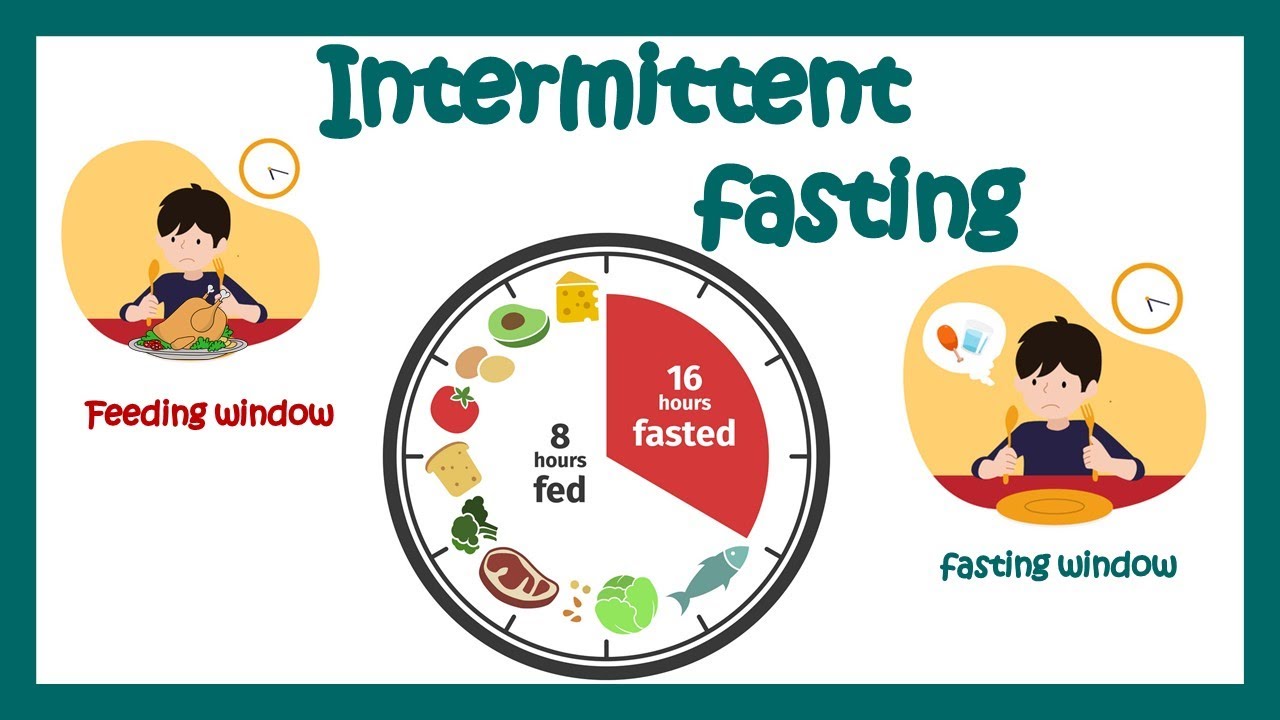
In the fed state, the body runs predominantly on glucose — dietary carbohydrates converted to blood glucose and stored as glycogen in the liver and muscles. Insulin is elevated, signalling cells to take up glucose and signalling fat cells to store rather than release lipids. Fat oxidation is minimal. This fed state is the default condition for most modern humans who eat frequently throughout the day.
After 10–14 hours of fasting (the exact timing depends on the individual’s metabolic health, activity level, and previous meal composition), liver glycogen stores are depleted. Insulin falls. Glucagon rises. Fat cells begin releasing stored triglycerides into the bloodstream through lipolysis. The liver converts fatty acids into ketone bodies — beta-hydroxybutyrate, acetoacetate, and acetone — which are exported to the brain, heart, muscles, and other tissues as alternative fuel.
This metabolic switch to ketone utilisation is not merely about fuel substitution — ketones are biologically active signalling molecules with documented effects on gene expression, inflammation, oxidative stress, and neurological function that extend far beyond their caloric value. Beta-hydroxybutyrate (BHB) — the primary blood ketone — inhibits the NLRP3 inflammasome (reducing inflammatory cytokine production), activates SIRT1 and SIRT3 (the “longevity proteins” associated with metabolic regulation and mitochondrial health), upregulates BDNF (brain-derived neurotrophic factor), and serves as a more efficient fuel for the brain than glucose. These ketone signalling effects are independent of weight loss and represent some of the most compelling benefits of intermittent fasting for cellular and neurological health.
10 Powerful Benefits of Intermittent Fasting Beyond Weight Loss
1. Autophagy — The Nobel Prize-Winning Cellular Self-Renewal Mechanism
Autophagy — from the Greek “auto” (self) and “phagein” (to eat) — is the process by which cells identify, tag, and digest their own damaged, dysfunctional, or unnecessary components. Misfolded proteins, defective organelles, invading pathogens, and accumulated cellular debris are packaged into autophagosomes and delivered to lysosomes for degradation and recycling. The molecular machinery is reused to build new, functional cellular components.
Ohsumi’s Nobel Prize-winning work identified the genetic and molecular mechanisms of autophagy in yeast — work subsequently translated to human cells with clinical implications across virtually every disease category studied. Impaired autophagy is now recognised as a central mechanism in neurodegeneration (Alzheimer’s, Parkinson’s, Huntington’s), cancer development, autoimmune conditions, metabolic disease, and accelerated ageing.
Fasting is the most potent physiological inducer of autophagy available without pharmacological intervention. When nutrient signals are absent — specifically when mTOR (the primary nutrient-sensing kinase) is deactivated by the absence of amino acids and glucose — autophagy is disinhibited and upregulates dramatically. Research suggests meaningful autophagy induction begins at 14–16 hours of fasting for metabolically healthy individuals, with robust induction at 24+ hours.
The connection between autophagy and the gut healing discussed in our guide to improving digestion naturally is direct: autophagy in intestinal epithelial cells maintains the tight junctions that prevent intestinal permeability, clears bacteria that breach the gut barrier, and regenerates the mucosal lining. Fasting-induced autophagy is therefore a gut health intervention as much as a cellular rejuvenation one.
2. Brain Health and Neuroprotection — BDNF and the Fasting Brain
The neurological benefits of intermittent fasting are mediated through mechanisms that go far beyond simple “mental clarity during a fast.”
BDNF (Brain-Derived Neurotrophic Factor) — the protein most critical for neuronal survival, growth, and synaptic plasticity — is upregulated significantly during fasting and ketosis. Research by Mark Mattson at the National Institute on Aging has documented that intermittent fasting increases BDNF expression in multiple brain regions, with the most pronounced effects in the hippocampus — the region most critical for memory and the first damaged by Alzheimer’s disease.
The connection between BDNF, autophagy, and neurodegeneration is mechanistically compelling. Many of the protein aggregates that characterise Alzheimer’s disease (amyloid-beta plaques) and Parkinson’s disease (alpha-synuclein Lewy bodies) represent precisely the type of misfolded, aggregated proteins that autophagy is designed to clear. Fasting-induced autophagy enhancement in neuronal cells is therefore the activation of the precise cellular mechanism that prevents pathological protein accumulation driving these diseases.
The brain health benefits of fasting complement the exercise-driven BDNF increases documented in our article on the benefits of regular exercise for longevity and the meditation-driven BDNF production explored in our power of meditation guide — all three interventions converge on the same neuroplasticity pathway.
3. Metabolic Health and Insulin Sensitivity — The Type 2 Diabetes Reversal Evidence
Insulin resistance — the condition in which cells respond inadequately to insulin’s signalling — underlies type 2 diabetes, PCOS, cardiovascular disease, non-alcoholic fatty liver disease, and many cancers. It is estimated to affect 35–40% of the global adult population in some form, making insulin sensitisation one of the most high-leverage metabolic health interventions available.
Intermittent fasting produces insulin sensitisation through multiple complementary mechanisms. Extended periods of low insulin during fasting allow insulin receptors to upregulate their sensitivity. Glycogen stores in the liver are depleted during fasting, reducing hepatic insulin resistance. Visceral fat — the primary driver of insulin resistance — is selectively mobilised during fasting through elevated glucagon and catecholamine signalling.
A clinical trial published in Cell Metabolism followed type 2 diabetes patients through a time-restricted eating protocol. After 12 weeks, participants showed significant reductions in HbA1c, fasting glucose, blood pressure, and body weight — with some participants achieving reductions in required medication doses under medical supervision. These results represent genuine metabolic reversal, not merely weight-related improvement.
The insulin sensitivity benefits of IF directly complement the dietary and exercise strategies for weight management and the hormonal health framework in our article on how hormones affect women’s health — where insulin dysregulation is identified as a central driver of PCOS and hormonal imbalance.
4. Immune System Renewal — The Stem Cell Regeneration Evidence
One of the most remarkable discoveries in fasting research — and one of the least known outside specialised scientific communities — is the evidence for immune stem cell regeneration during extended fasting.
Research by Valter Longo at the University of Southern California found that cycles of prolonged fasting triggered depletion of older, damaged immune cells followed by regeneration from haematopoietic stem cells — essentially renewing the immune system from its most fundamental level. When mice were subjected to chemotherapy, those that fasted before treatment showed dramatically better preservation of white blood cell counts. Human pilot data from Longo’s group showed that patients who fasted for 72 hours before chemotherapy maintained significantly higher white blood cell counts — consistent with the animal data suggesting fasting-driven immune protection and renewal.
Regular shorter fasting (16–24 hours) has documented effects on natural killer cell activity, inflammatory cytokine reduction, and improved immune surveillance — benefits directly relevant to managing seasonal immune challenges covered in our guide on essential herbs for winter immunity. The combination of fasting-driven immune renewal with herbal immunomodulators addresses immunity through complementary mechanisms.
5. Cardiovascular Health — Reducing Every Major Risk Factor Simultaneously
The cardiovascular benefits of intermittent fasting operate through multiple parallel mechanisms that collectively reduce cardiovascular risk more comprehensively than most single pharmaceutical interventions.
A 2019 randomised trial published in Cell Metabolism found that alternate day fasting for 4 weeks significantly reduced LDL cholesterol by 25%, triglycerides by 32%, and systolic blood pressure by 6 mmHg — alongside significant reductions in oxidative stress and inflammation markers — in healthy middle-aged adults. These changes occurred rapidly and were driven by the metabolic switch mechanism rather than simply caloric reduction.
The specific cardiovascular mechanisms include: enhanced autophagy in vascular endothelial cells clearing the debris that initiates atherosclerotic plaques, ketone-mediated reduction of NLRP3 inflammasome activity reducing vascular inflammation, improved insulin sensitivity reducing triglyceride synthesis, and circadian-aligned eating patterns improving the diurnal variation in blood pressure and endothelial function governed by the cardiovascular circadian clock.
6. Anti-Ageing and Longevity — Sirtuins, Telomeres, and the Biology of Living Longer
Sirtuins — a family of seven protein deacetylases activated by NAD+ whose intracellular levels rise during fasting — regulate dozens of cellular processes associated with longevity: DNA repair, mitochondrial biogenesis, inflammation suppression, metabolic efficiency, and autophagy induction. SIRT1 activation deacetylates and activates PGC-1α (the master regulator of mitochondrial biogenesis), FOXO transcription factors (upregulating stress resistance and longevity genes), and suppresses NF-κB (reducing chronic inflammatory gene expression).
In humans, the most concrete anti-ageing biomarker data comes from telomere studies: telomere length is preserved or extended in individuals who practise consistent intermittent fasting compared to continuously fed controls. A 2019 study found that one year of alternate day fasting produced significant increases in telomerase activity alongside reductions in inflammatory markers — the same combination identified in meditation research that won Blackburn the Nobel Prize for telomere biology. Both fasting and meditation appear to protect telomeres through overlapping but distinct pathways — as explored in our power of meditation guide.
7. Gut Health and the Migrating Motor Complex — Fasting Cleans Your Digestive System
One of the most directly practical benefits of intermittent fasting — connecting elegantly to the digestive health strategies in our guide on improving digestion naturally — is its activation of the migrating motor complex (MMC).
The MMC is a series of powerful peristaltic contractions that sweep through the stomach and small intestine during fasting, clearing undigested food residue, mucus, bacteria, and cellular debris. It activates approximately every 90–120 minutes during fasting and constitutes the digestive system’s primary self-cleaning mechanism — colloquially called the “housekeeper of the gut” in gastroenterology.
Crucially, the MMC only activates during fasting — it is immediately suppressed by eating or even the smell of food. This is why constant eating throughout the day prevents the MMC from completing its cleaning cycles and is strongly associated with SIBO (small intestinal bacterial overgrowth), one of the most underdiagnosed causes of chronic bloating and IBS-like symptoms. Intermittent fasting — by creating defined extended fasting periods — allows the MMC to complete multiple full cycles, clearing the small intestinal environment and preventing bacterial overgrowth.
8. Hormonal Balance — Growth Hormone, Cortisol, and the Fasting Hormone Symphony
Human growth hormone (HGH) increases dramatically during fasting — multiple studies have shown increases of 300–500% in HGH secretion during 24-hour fasts compared to fed controls. HGH drives protein synthesis, fat mobilisation, collagen production, and immune function — making it one of the most broadly anabolic and protective hormones in the body. The fasting-driven HGH surge is one of the mechanisms behind fasting’s muscle-preserving effect when combined with adequate protein intake.
Noradrenaline increases significantly during fasting — the primary catecholamine responsible for increasing metabolic rate, mobilising fat from adipose tissue, and maintaining mental alertness during fasting. This is the mechanism behind the counterintuitive observation that many people feel mentally sharper during a fast than immediately after eating.
The cortisol dimension requires nuance: fasting produces a modest, acute cortisol rise that supports the metabolic switch — appropriate and beneficial in context. However, for women under chronic stress, those with HPA axis dysregulation, or those with history of restrictive eating, this fasting-driven cortisol elevation can interact negatively with an already dysregulated stress hormone system. This connects to the comprehensive hormonal health framework in our article on how hormones affect women’s health — the two guides should be read together for a complete picture of fasting’s hormonal implications.
9. Inflammation Reduction — Fasting as a Systemic Anti-Inflammatory Intervention
Beta-hydroxybutyrate (BHB) — the primary ketone body produced during fasting — directly inhibits the NLRP3 inflammasome, one of the primary molecular platforms for producing pro-inflammatory cytokines including IL-1β and IL-18. This is a mechanistically specific anti-inflammatory effect that occurs specifically in response to ketosis — making the metabolic switch to ketone production a direct anti-inflammatory event at the molecular level.
Fasting also reduces monocyte inflammatory activation — a 2019 study published in Cell found that fasting reduced circulating inflammatory monocytes within 24 hours, with a corresponding reduction in CRP, IL-6, and TNF-α. These inflammatory reductions directly complement the dietary anti-inflammatory strategies covered in our anti-inflammatory foods guide — addressing inflammation simultaneously through nutrient timing and food quality represents a more comprehensive approach than either alone.
10. Mental Clarity, Mood, and Stress Resilience
Ketones — particularly beta-hydroxybutyrate — provide the brain with a more efficient fuel than glucose, generating more ATP per oxygen molecule consumed and producing less reactive oxygen species as a byproduct. This metabolic efficiency produces the cognitive clarity and sustained mental energy that many fasters describe — a qualitatively different mental state from the post-meal cognitive fog that follows high-carbohydrate meals driving insulin spikes and subsequent glucose crashes.
BDNF upregulation during fasting supports the same anti-depressant and anxiolytic neurological mechanisms activated by exercise and meditation. All three interventions — fasting, exercise, and meditation — converge on BDNF elevation and hippocampal neurogenesis as shared mechanisms for improving mental health. The synergy between these practices is genuine and documented — combining intermittent fasting with the exercise habits from our exercise for longevity guide and the mindfulness practices from our power of meditation guide activates overlapping neuroplasticity mechanisms more comprehensively than any single practice alone.
Intermittent Fasting and Ayurveda — 5,000 Years Before the Nobel Prize
The concept of structured eating patterns and intentional fasting is embedded in Ayurvedic medicine with a sophistication that modern chrononutrition is only now fully validating.
Ayurveda’s concept of Langhana — therapeutic lightening — encompasses fasting as one of its primary therapeutic tools for reducing Ama (accumulated metabolic waste) and restoring digestive fire (Agni). The Charaka Samhita specifies that fasting should be practised until the sense of lightness, clarity, and refreshed energy returns — a phenomenological description that maps precisely onto the metabolic switch and ketosis that modern science identifies as the mechanism behind these sensations.
The Ayurvedic practice of Ekadashi — a twice-monthly fasting day observed on the 11th lunar day — is widely practised across India and associated with health benefits ranging from improved digestion to mental clarity. Modern chrononutrition validates the principle: regular, predictable fasting cycles allow the body to optimise its autophagy, immune renewal, and metabolic switching rhythms in ways that continuous eating prevents.
The Ayurvedic emphasis on the largest meal at midday — when Agni (digestive fire) is strongest — aligns directly with chrononutrition research showing that earlier eating windows produce superior metabolic outcomes. The traditional Indian dietary pattern is, in its most authentic form, an inadvertent time-restricted eating practice — a point our comprehensive digestion guide explores in detail through the lens of Ayurvedic meal timing and circadian biology.
Intermittent Fasting for Women — The Important Differences
The majority of foundational IF research has been conducted in male subjects or mixed populations without sex-stratified analysis — and the assumption that what works for men works equally for women is not biologically warranted.
Women’s hormonal systems — particularly the HPG axis governing reproductive hormones — are significantly more sensitive to energy availability signals than men’s. The hypothalamus monitors energy status through leptin levels and nutrient-sensing pathways and adjusts GnRH pulsatility accordingly. When energy availability drops through extended fasting, GnRH pulsatility is reduced, suppressing FSH and LH, impairing ovulation, and potentially disrupting menstrual cycles.
Evidence-based guidance for women who want to access the benefits of intermittent fasting safely includes: starting with shorter fasting windows (12–14 hours rather than 16+), avoiding fasting on days of intense exercise or high stress, eating sufficient calories during the eating window, cycling fasting with non-fasting days rather than rigid daily protocols, and paying careful attention to menstrual cycle regularity as the primary feedback signal of hormonal appropriateness. Women with PCOS specifically may benefit enormously from IF’s insulin-sensitising effects but should implement under healthcare supervision — the full hormonal context is in our article on how hormones affect women’s health.
How to Start Intermittent Fasting — A Practical Beginner’s Framework
The Gradual Approach
Week 1–2: Begin with a 12-hour fast — stop eating after an early dinner (7:30–8pm) and eat breakfast no earlier than 7:30–8am the next morning. Most people already fast 8–10 hours overnight — extending to 12 is achievable without significant discomfort.
Week 3–4: Extend to a 14-hour window if the 12-hour approach feels comfortable. Monitor energy, mood, sleep quality, and (for women) menstrual cycle regularity as key feedback signals. Any significant worsening of these indicators suggests the fasting window is too aggressive for your current metabolic state.
Month 2: If appropriate, extend to 16 hours — a 16:8 protocol where eating occurs within an 8-hour window. This is the most extensively studied format at which most documented metabolic and autophagy benefits become consistently accessible.
What to Consume During the Fasting Window
Water (essential). Plain herbal teas (no milk, no sweetener). Black coffee or plain green tea in moderate amounts. Electrolyte water (plain water with a pinch of mineral-rich salt and lemon) — particularly important if fasting produces headaches or dizziness, which are almost always electrolyte effects rather than true hypoglycaemia in otherwise healthy individuals.
Breaking the Fast — The Meal That Matters Most
Breaking a fast with a high-glycaemic load (refined carbohydrates, sugary foods, fruit juice) produces a rapid glucose spike on top of the insulin-sensitised, glycogen-depleted state. Breaking the fast with protein and healthy fats first — eggs, Greek yoghurt, nuts — allows for a smoother metabolic transition and extends satiety through the eating window. The anti-inflammatory food framework in our anti-inflammatory foods guide provides the ideal nutritional context for what to eat during the eating window to maximise fasting benefits.
Benefits of Intermittent Fasting: Myth vs. Fact
| ❌ The Myth | ✅ The Truth |
|---|---|
| Intermittent fasting causes muscle loss | Fasting with adequate protein intake during the eating window preserves and can build muscle — the HGH surge during fasting actively promotes protein synthesis and fat mobilisation rather than muscle catabolism. Studies consistently show equal or superior lean mass preservation in IF groups compared to continuous caloric restriction. |
| Breakfast is the most important meal — skipping it is harmful | The “breakfast is essential” claim is primarily based on observational studies confounded by multiple lifestyle factors. The specific importance of breakfast versus a nutritious first meal (whenever it occurs) is not supported by controlled trial evidence. Early time-restricted eating (eating from morning to early afternoon) is associated with superior metabolic outcomes than late eating windows. |
| Fasting slows your metabolism | Short-term fasting (up to 72 hours) actually increases metabolic rate slightly through noradrenaline elevation — the opposite of the metabolic suppression associated with prolonged caloric restriction without fasting. The metabolic slowdown people associate with fasting is a feature of sustained caloric restriction, not of intermittent fasting that maintains adequate caloric intake within the eating window. |
| You can eat anything during the eating window | Food quality during the eating window determines a significant portion of IF’s health outcomes. Consistently consuming ultra-processed foods and high refined carbohydrate loads significantly blunts IF’s metabolic, inflammatory, and microbiome benefits. IF is most powerful when the eating window is occupied by genuinely nourishing food. |
| Intermittent fasting is the same as starvation | Starvation is prolonged, involuntary, extreme caloric restriction with severe physiological consequences. IF is voluntary, controlled, time-limited reduction in eating frequency that produces specific beneficial metabolic adaptations — autophagy induction, metabolic switching, sirtuin activation — that starvation does not produce at equivalent physiological cost. The difference is qualitative, not merely quantitative. |
| IF is only appropriate for healthy young adults | Evidence for IF benefits exists across age groups. Older adults show particular benefit from IF’s autophagy-mediated cellular renewal, HGH support for muscle maintenance, and insulin sensitisation. However, older adults with low body weight, specific medical conditions, or on multiple medications require medical supervision before beginning. |
Who Should Not Practise Intermittent Fasting
Despite its broad evidence base, intermittent fasting is not appropriate for everyone. The following groups should avoid IF without explicit medical supervision: pregnant and breastfeeding women; people with a history of eating disorders; children and adolescents; people with type 1 diabetes or insulin-dependent type 2 diabetes on complex medication regimens; individuals who are significantly underweight or nutritionally depleted; and people with adrenal insufficiency.
Related Articles From HerbeeLife
📖 How to Improve Digestion Naturally: 12 Powerful Science-Backed Strategies
📖 Weight Loss Diet vs Exercise: The Honest Truth That Finally Settles the Debate
📖 Anti-Inflammatory Foods: 12 Powerful Choices That Fight Disease From the Inside Out
📖 How Hormones Affect Your Health: The Complete Guide Women Must Read
📖 Benefits of Regular Exercise: 10 Powerful Reasons It Transforms Your Longevity
📖 Power of Meditation: 10 Science-Backed Benefits for Your Mind and Body
📖 Holistic Health Benefits: 7 Life-Changing Reasons to Treat Your Whole Self
Frequently Asked Questions: Benefits of Intermittent Fasting
How long does it take to see the benefits of intermittent fasting?
Some benefits appear within the first week: improved blood sugar stability, reduced post-meal bloating (through MMC activation), and enhanced mental clarity during fasting hours. Measurable improvements in fasting insulin and lipid profiles typically emerge within 4–8 weeks. Autophagy-related cellular renewal benefits become physiologically significant at consistent 16+ hour fasting from week 2–4 onward. The anti-inflammatory and gut microbiome benefits develop over 8–12 weeks of consistent practice.
Does coffee break a fast?
Plain black coffee does not meaningfully break a fast for most documented metabolic benefits. It does not raise insulin significantly, does not suppress autophagy, and may actually enhance some fasting benefits through AMPK activation. Adding milk, cream, or sugar raises insulin proportionally to caloric content. For the most complete fasting benefits, black coffee or plain herbal tea is optimal.
Is intermittent fasting the same as the Ayurvedic practice of Upavasa?
Upavasa — Ayurvedic therapeutic fasting — shares the same core principle as IF: structured reduction of food intake to allow metabolic and digestive renewal. However, Ayurvedic fasting is individualised based on prakriti (constitution), season, and current health state — a personalised approach that modern IF protocols largely lack. The Langhana therapy of Ayurveda encompasses IF-equivalent eating patterns within a more holistic framework that also addresses food quality, timing, spices, and lifestyle.
Can I exercise during intermittent fasting?
Yes — and fasted exercise produces specific additional metabolic benefits for fat oxidation, mitochondrial biogenesis, and metabolic flexibility. Moderate-intensity exercise (walking, yoga, light resistance training) during fasting is broadly well-tolerated. High-intensity training is generally better performed within 1–2 hours of eating for optimal performance and hormonal outcomes — particularly for women whose hormonal systems are more sensitive to fasting-combined exercise cortisol loads.
Does intermittent fasting affect sleep?
Beneficial effects on sleep quality are documented in multiple IF studies — through improved blood glucose stability overnight, circadian alignment of eating and fasting patterns, and growth hormone surges that accompany both fasting and deep sleep. However, large meals close to bedtime increase the digestive burden during sleep — supporting the case for earlier eating windows that close 3+ hours before bed.
Is it safe to do intermittent fasting while managing hormonal imbalance?
This requires careful individualisation. IF’s insulin-sensitising effects are beneficial for PCOS and insulin-driven hormonal imbalance. However, aggressive fasting in women with HPA axis dysregulation, low progesterone, or adrenal issues can worsen hormonal symptoms through fasting-driven cortisol elevation. Read our comprehensive guide on how hormones affect your health alongside this article, and consult a healthcare professional before beginning IF if you have diagnosed hormonal conditions.
Sources and References
1. Ohsumi Y. Nobel Prize in Physiology or Medicine — Autophagy discoveries. 2016.
2. Anton SD et al. Flipping the Metabolic Switch: Understanding and Applying Health Benefits of Fasting. Obesity, 2018.
3. Mattson MP et al. Intermittent metabolic switching, neuroplasticity and brain health. Nature Reviews Neuroscience, 2018.
4. Cheng CW et al. Prolonged Fasting Reduces IGF-1/PKA to Promote Hematopoietic-Stem-Cell-Based Regeneration. Cell Stem Cell, 2014.
5. Sutton EF et al. Early Time-Restricted Feeding Improves Insulin Sensitivity, Blood Pressure, and Oxidative Stress. Cell Metabolism, 2018.
6. Longo VD, Panda S. Fasting, Circadian Rhythms, and Time-Restricted Feeding in Healthy Lifespan. Cell Metabolism, 2016.
7. Wilhelmi de Toledo F et al. Safety, health improvement and well-being during a 4 to 21-day fasting period. PLOS ONE, 2019.
Follow HerbeeLife
🌿 Stay connected for more evidence-based nutrition, fasting science, and Ayurvedic wellness content:
📸 Instagram | 📌 Pinterest | 👥 Facebook | 🐦 X (Twitter)
Final Thoughts: The Benefits of Intermittent Fasting Are Bigger Than Any Number on a Scale
If you started intermittent fasting for weight loss, that is a perfectly valid reason to begin. But if you continue only for that reason, you are missing the most extraordinary part of what fasting does.
The benefits of intermittent fasting — Nobel Prize-winning autophagy, neuroprotection through BDNF and amyloid clearance, immune system renewal through stem cell regeneration, insulin sensitisation that can reverse metabolic disease, cardiovascular risk reduction through multiple simultaneous pathways, sirtuin-mediated longevity signalling, gut healing through MMC activation, and the cognitive clarity of metabolic ketosis — represent a biological transformation that no supplement, no superfood, and no pharmaceutical can replicate through a single mechanism.
What fasting does is give your body the one thing that constant eating — however healthy — cannot provide: time. Time to clean up. Time to repair. Time to reset. Time to remember what it means to function optimally when not in constant response to the next meal.
Your body knows how to do all of this. It has known for millions of years of evolution during which feast and famine were the natural rhythm. Intermittent fasting is not a new invention. It is a return — with modern scientific understanding — to a biological rhythm your body was always designed for.
⚠️ Medical Disclaimer: This article is for informational and educational purposes only and does not constitute medical advice. Always consult a qualified healthcare professional before beginning any fasting protocol, especially if you have a chronic health condition, are pregnant, or are on prescription medication. Read full disclaimer →
💬 Have you tried intermittent fasting — and which benefit surprised you most beyond weight loss? Or are you just starting and wondering which protocol to try first? Share in the comments. This community’s collective experience is one of the most valuable resources we have.