
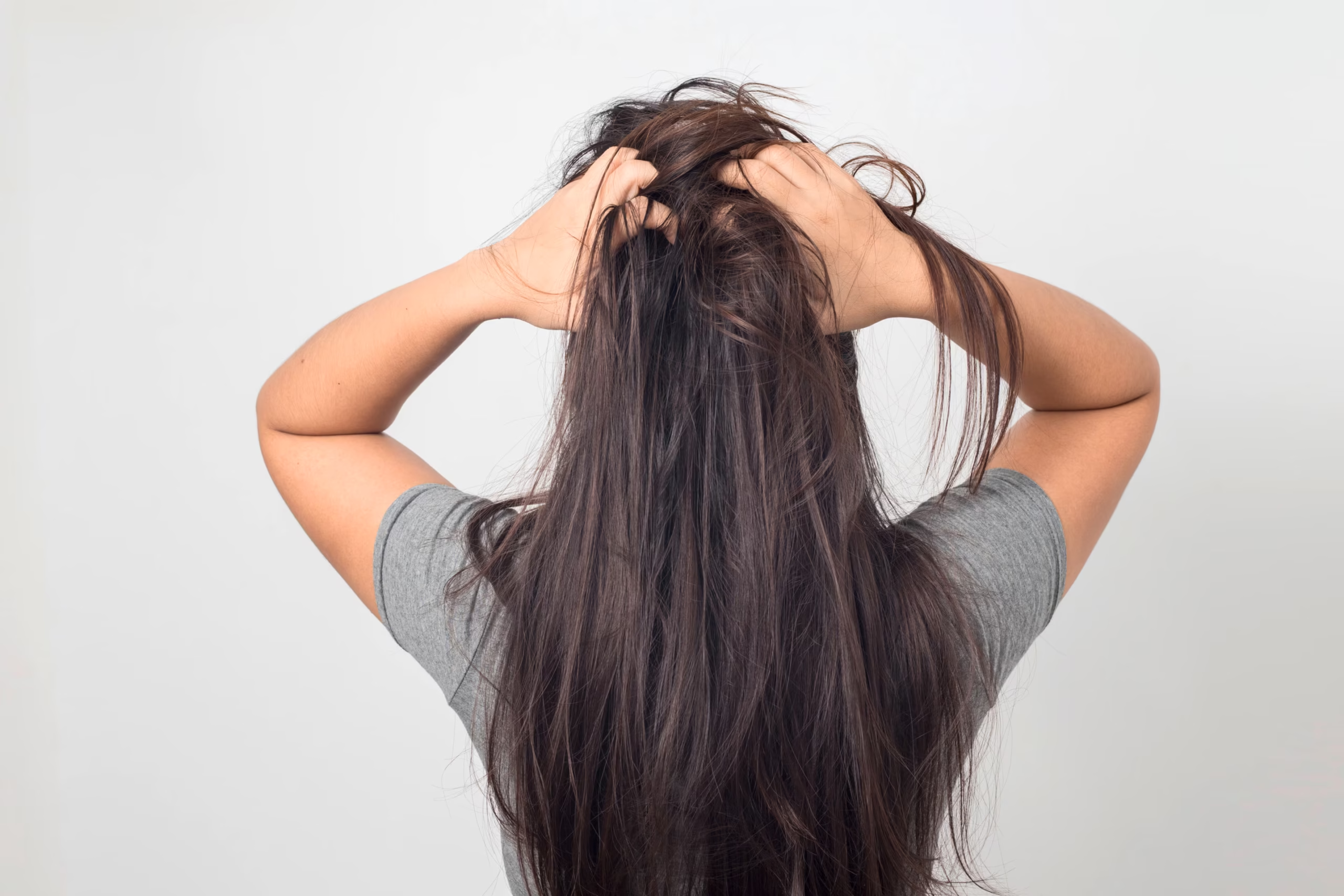
An itchy scalp is one of the most universally frustrating hair and skin conditions — distracting during the day, disruptive at night, and persistently resistant to the various shampoos and treatments that most people try without understanding what is actually causing the itch. In India, where scalp health is deeply connected to cultural traditions around hair care, the combination of high humidity in coastal and monsoon climates (which creates fungal-friendly conditions), hard water in many Indian cities (which causes mineral deposit buildup on the scalp), and hair oiling practices that can sometimes promote rather than prevent fungal growth, creates a specific set of scalp challenges that generic scalp care advice does not adequately address.
The most important insight about home remedies for itchy scalp is that an itchy scalp is a symptom with multiple distinct underlying causes — and the remedy that works for dandruff-associated itching is completely different from the remedy for dry scalp itching, which is different from the remedy for seborrhoeic dermatitis, which is different from allergic contact dermatitis from hair products. Applying the wrong remedy to the wrong cause may provide temporary soothing but will not resolve the underlying condition — and may occasionally worsen it.
This guide covers the complete landscape of itchy scalp causes with their identifying features, 12 specific natural remedies with their mechanisms, the Ayurvedic perspective on scalp health as a window into systemic health, and the warning signs that distinguish a manageable scalp condition from one requiring dermatological evaluation.
Understanding the Scalp — The Biology That Makes It Unique
The scalp is not simply an extension of the facial or body skin — it is a unique microenvironment with several characteristics that distinguish its physiology and make it particularly prone to specific conditions. The scalp has the highest density of hair follicles (80,000–120,000 follicles on the average human scalp) and the highest density of sebaceous glands (oil glands) of any skin surface on the body. These sebaceous glands produce sebum — a complex mixture of triglycerides, wax esters, squalene, and free fatty acids — at approximately 145–280μg per cm² per hour, making the scalp the most oil-producing skin surface in the body.
This high sebum production creates the specific microenvironment that determines scalp health: sebum is the primary nutritional substrate for Malassezia — the lipophilic yeast that is the primary microorganism of the scalp microbiome and the central protagonist in both dandruff and seborrhoeic dermatitis. Malassezia is a commensal organism present on virtually every human scalp, but when its population grows beyond its normal balanced proportion (triggered by sebum excess, humid conditions, stress, hormonal changes, or immunosuppression), it produces oleic acid from sebum hydrolysis — a compound that penetrates the stratum corneum, induces an inflammatory immune response, and disrupts the epidermal barrier — producing the itching, flaking, and redness of dandruff and seborrhoeic dermatitis.
Understanding the scalp microbiome — particularly the role of Malassezia — is the key to understanding why antifungal treatments (neem, tea tree oil, apple cider vinegar, ketoconazole) produce significantly better results for dandruff-associated itching than simple moisturisers or anti-itch preparations, and why the condition recurs when antifungal treatment is discontinued. Malassezia cannot be permanently eliminated (it is a permanent resident of the scalp microbiome) — only its overgrowth can be controlled, requiring either ongoing management or addressing the conditions (sebum excess, humidity, stress, immune function) that allow its overgrowth.
The 6 Most Common Causes of Itchy Scalp — With Identifying Features
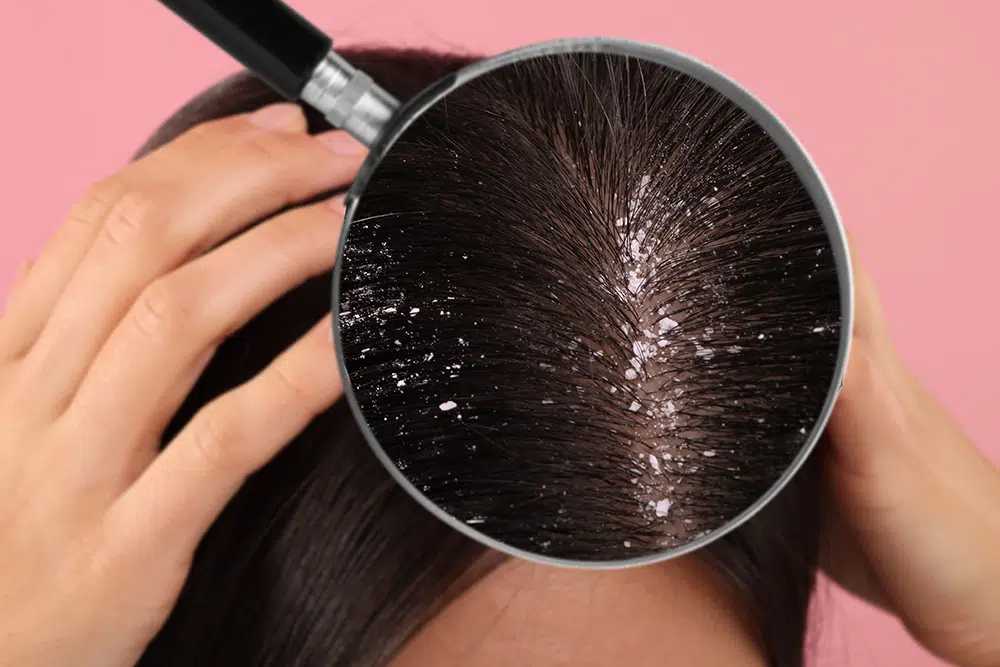
1. Dandruff (mild seborrhoeic dermatitis): The most common cause globally, affecting approximately 50% of the adult population at some point. Characterised by visible white or yellowish flakes (dead skin cells shed in clumps rather than normally), mild-to-moderate scalp itching, and no significant redness or inflammation. Caused by Malassezia overgrowth producing oleic acid-driven epidermal barrier disruption. Responds to antifungal treatments (neem, tea tree oil, ketoconazole shampoo) and scalp microbiome management.
2. Seborrhoeic dermatitis: A more severe form of dandruff-associated condition, involving significant inflammation (redness), thick greasy yellowish scales (different from the dry white flakes of simple dandruff), and often affecting not just the scalp but also the eyebrows, nasolabial folds, behind the ears, and chest. More significantly driven by Malassezia and by the inflammatory immune response to its metabolic products. Stress, hormonal changes (testosterone increases sebum production), and immune compromise all worsen it. Requires more consistent antifungal management and anti-inflammatory support.
3. Dry scalp: Caused by insufficient scalp moisture — from over-washing, harsh shampoos with sulphates (SLS/SLES), cold and dry weather, low humidity environments (AC-dominated offices and homes), and inadequate sebum production in people with naturally dry skin. Characterised by small, dry, white flakes (as opposed to the larger, greasier flakes of dandruff), tightness and itching after washing, and absence of redness or greasy texture. Responds to moisturising and barrier-restoring treatments (coconut oil, aloe vera, oiling) — fundamentally different from dandruff management.
4. Allergic contact dermatitis: Caused by allergic reaction to hair products — most commonly chemical hair dyes (particularly p-phenylenediamine/PPD — the most common contact allergen in hair dye worldwide), synthetic fragrances in shampoos and conditioners, preservatives (parabens, formaldehyde releasers, methylisothiazolinone), and nickel in hair accessories. Characterised by itching, redness, swelling, and sometimes oozing that develops hours to days after product application and resolves with avoidance of the allergen. Patch testing by a dermatologist identifies the specific allergen — a critical step for people with recurrent unexplained scalp reactions.
5. Psoriasis of the scalp: An autoimmune condition producing thick, silvery-white scales with a well-defined border, significant erythema (redness), and itching that is often more intense than dandruff. Scalp psoriasis may be part of generalised psoriasis (with skin plaques elsewhere) or isolated to the scalp. It is a chronic, relapsing-remitting condition with known triggers (stress, infections, certain medications) and requires dermatological management — natural remedies can supplement but not replace appropriate medical treatment for significant scalp psoriasis.
6. Scalp folliculitis and tinea capitis: Bacterial folliculitis (infection of hair follicles, most commonly with Staphylococcus aureus) presents as painful, pus-filled follicular papules with significant tenderness and itching. Tinea capitis (ringworm of the scalp, caused by dermatophyte fungi) — more common in children in India — presents as scaly, circular patches with hair breakage and sometimes occipital lymph node enlargement. Both require appropriate antimicrobial treatment (antibacterial or antifungal as appropriate) and professional diagnosis to distinguish from other conditions.
12 Natural Remedies for Itchy Scalp — With Full Mechanisms
1. Neem Oil and Neem Leaf Rinse — India’s Most Potent Scalp Antimicrobial
Neem (Azadirachta indica) is the most pharmacologically potent natural scalp treatment available in the Indian context — with documented antifungal activity against Malassezia furfur and Malassezia globosa (the primary dandruff-causing species), antibacterial activity against Staphylococcus aureus (folliculitis pathogen), anti-inflammatory activity through NF-κB inhibition, and antiparasitic activity against Sarcoptes scabiei (scabies mite) and head lice.
Neem’s primary bioactive compounds — nimbidin, nimbolide, quercetin, and azadirachtin — produce its antimicrobial effects through multiple mechanisms: disruption of fungal cell membrane ergosterol synthesis (the same mechanism as azole antifungal drugs), inhibition of fungal spore germination, and direct membrane disruption through azadirachtin’s amphiphilic properties. A clinical study published in the African Journal of Pharmacy found neem leaf extract significantly more effective than ketoconazole (the pharmaceutical antifungal standard) for reducing Malassezia colony counts in seborrhoeic dermatitis — a remarkable finding for a plant extract.
Practical applications: Neem oil (2–3 drops added to coconut oil as carrier — pure neem oil is too concentrated for scalp application and may cause irritation) massaged into the scalp and left for 30–60 minutes before shampooing. Neem leaf rinse (boiling 15–20 neem leaves in 1 litre of water for 10 minutes, cooling, straining, and using as a final scalp rinse after shampooing) provides direct antifungal scalp contact without the oiliness of neem oil application. The comprehensive neem evidence is in our article on neem benefits.
2. Tea Tree Oil — The Clinically Proven Antifungal
Tea tree oil (Melaleuca alternifolia) has the most rigorous clinical trial evidence of any essential oil for dandruff and scalp itching. A randomised double-blind parallel-group study published in the Journal of the American Academy of Dermatology found that a 5% tea tree oil shampoo significantly reduced dandruff severity (measured by area of involvement, flaking, and itchiness) compared to placebo shampoo, with 41% of participants in the tea tree group achieving complete resolution versus 11% in the placebo group.
Terpinen-4-ol — the primary active component of tea tree oil (comprising 40–45% of quality tea tree oil) — has documented antifungal activity against Malassezia globosa through disruption of the fungal cell membrane and inhibition of fungal ergosterol biosynthesis. It also has direct anti-inflammatory activity through inhibition of prostaglandin and thromboxane synthesis — addressing both the fungal cause and the inflammatory consequence of Malassezia overgrowth simultaneously.
Important safety note: Tea tree oil must always be diluted before scalp application — direct application of undiluted tea tree oil to the scalp causes chemical burns and contact dermatitis in a significant proportion of users. The appropriate dilution is 5 drops of tea tree oil per 2 tablespoons (30ml) of carrier oil (coconut, sesame, or olive oil) — providing approximately the 5% concentration used in clinical trials. Never apply neat tea tree oil directly to the scalp or skin.
3. Coconut Oil — The Anti-Malassezia and Moisturising Base Oil
Coconut oil deserves more specific analysis than it typically receives in itchy scalp guides. Lauric acid — the primary medium-chain saturated fatty acid comprising approximately 47% of coconut oil’s fatty acid composition — has documented antifungal activity against Malassezia species through disruption of the fungal cell membrane lipid bilayer. This makes coconut oil genuinely antifungal (not merely moisturising) when applied to a Malassezia-driven itchy scalp — with research published in the Journal of Medicinal Food finding coconut oil significantly reduced Candida (a related fungal genus) colony counts in in vitro assays at concentrations achievable from scalp application.
The moisturising properties of coconut oil are additionally relevant for dry scalp itching (the non-fungal type): coconut oil’s high affinity for hair protein allows it to penetrate the hair shaft and scalp stratum corneum more effectively than most other oils, reducing transepidermal water loss and restoring barrier function in dry, itching scalp skin. Research has confirmed coconut oil significantly reduces protein loss from hair (by 39% for undamaged hair, 26% for damaged hair) when used pre-wash — the penetration that prevents protein loss similarly prevents water loss from the scalp.
Coconut oil alone, however, does not provide the broad-spectrum antifungal activity of tea tree oil or neem for significant dandruff or seborrhoeic dermatitis — its antifungal activity is supportive rather than primary. The most effective scalp treatment combines coconut oil as a carrier with a specifically antifungal active compound (tea tree oil, neem oil, or apple cider vinegar).
4. Apple Cider Vinegar — The Scalp pH Rebalancer
Apple cider vinegar’s scalp benefits are primarily mediated through its acidity (pH approximately 3.1) and its acetic acid content, which work through two specific mechanisms. The scalp’s normal pH is approximately 4.5–5.5 (mildly acidic) — alkaline shampoos, hard water, and many commercial hair products shift scalp pH toward alkalinity (pH 6–8). This alkaline shift disrupts the acid mantle of the scalp (the slightly acidic protective film produced by sebum and sweat), impairs the scalp’s natural antimicrobial defence, and creates conditions more favourable for Malassezia and bacterial overgrowth. Acetic acid from diluted ACV rinses restores the scalp’s acidic pH, partially reinstating the acid mantle and its antimicrobial properties.
Additionally, acetic acid at diluted concentrations (the appropriate 1:1 or 1:2 dilution with water producing approximately pH 3.5) has direct antifungal activity against Malassezia species through cell membrane disruption at the low pH — providing both the direct antimicrobial effect and the environmental pH shift that inhibits fungal growth. The malic acid in apple cider vinegar additionally provides gentle keratolytic (dead skin cell loosening) activity that helps remove the scale accumulation of dandruff and seborrhoeic dermatitis.
Application: Mix equal parts raw, unfiltered ACV (with the “mother” — containing the active acetic acid bacteria) and water. After shampooing, apply to the scalp with a spray bottle or cotton wool, leave for 5–10 minutes, then rinse thoroughly. Do not use undiluted — can cause scalp burns. Not appropriate for use after chemical processes (bleaching, perming) or on a significantly irritated or broken scalp.
5. Methi (Fenugreek) Seeds — The Traditional Indian Anti-Dandruff Treatment
Fenugreek seeds have a specific combination of properties that make them particularly effective for the scalp itching and dandruff associated with sebum excess and Malassezia overgrowth. The saponins in methi seeds have direct antifungal activity against Malassezia through steroid glycoside-mediated membrane disruption. The lecithin content of methi seeds forms a thin film on the scalp and hair that reduces moisture loss and provides barrier restoration for dry, itchy scalp. And the diosgenin (a steroidal sapogenin) in fenugreek has anti-inflammatory and anti-androgenic activity — relevant for the androgen-driven excess sebum production that predisposes to Malassezia overgrowth, particularly in women with PCOS-related scalp conditions.
A clinical study published in the International Research Journal of Pharmacy found a methi seed hair mask significantly reduced dandruff severity, scalp itching, and hair fall over 4 weeks of twice-weekly use compared to baseline — confirming the multidimensional efficacy that methi’s traditional reputation in Indian hair care deserves.
Preparation: Soak 3–4 tablespoons of methi seeds overnight in water. In the morning, grind the soaked seeds to a smooth paste. Apply directly to the scalp (and optionally through the hair length), leave for 30–45 minutes, then wash with a mild sulphate-free shampoo. The paste has a distinctive smell (typical of fenugreek) that dissipates completely after thorough washing. Use twice weekly for 4–6 weeks for best results.
6. Bhringraj (False Daisy) Oil — The Ayurvedic Scalp Tonic
Bhringraj (Eclipta alba) — known as “king of herbs for hair” in Ayurvedic tradition — is the most specifically prescribed Ayurvedic herb for scalp health, hair fall prevention, and scalp itching. Its bioactive compounds include ecliptine, wedelolactone, luteolin, and coumestans with documented anti-inflammatory, antifungal, and hair follicle-stimulating properties.
Research published in the Archives of Dermatological Research found bhringraj extract significantly promoted hair follicle entry into the anagen (growth) phase compared to control — the mechanism through which it reduces the hair fall that often accompanies chronic scalp itching and inflammation. Its antifungal activity against Malassezia species (documented in Journal of Ethnopharmacology research) addresses the primary driver of dandruff-associated itching. And its vascular-dilating effects on scalp vasculature improve blood flow to hair follicles — addressing the nutritional delivery to the scalp that Ayurveda describes as essential for Keshavardhana (hair nourishing) principles.
Bhringraj oil (available commercially or prepared by infusing dried bhringraj herb in sesame or coconut oil) applied with warm scalp massage 1–2 hours before shampooing twice weekly is the classical Ayurvedic scalp treatment protocol for itching, dandruff, and hair fall — addressing all three simultaneously through its combined antifungal, anti-inflammatory, and follicle-stimulating activity.
7. Aloe Vera — Cooling, Anti-Inflammatory and Antifungal
Aloe vera gel provides immediate cooling and anti-inflammatory relief for scalp itching through multiple mechanisms. Its acemannan polysaccharide stimulates the production of anti-inflammatory cytokines and inhibits the pro-inflammatory cytokines (IL-1β, TNF-α) that drive the scalp inflammation of dandruff and seborrhoeic dermatitis. The barbaloin and anthraquinone compounds in aloe vera have documented antifungal activity against Malassezia species — making it both a soothing and an antimicrobially active preparation.
A double-blind clinical trial published in the Journal of Dermatological Treatment found aloe vera gel significantly improved seborrhoeic dermatitis symptoms (scaling, pruritus, and erythema) compared to placebo — providing direct clinical evidence for aloe vera’s efficacy in the primary condition underlying most scalp itching. Its moisturising effects (from its polysaccharide matrix retaining water in the stratum corneum) are additionally valuable for the dry scalp type of itching, where barrier restoration is the primary treatment goal.
Application: Fresh aloe vera gel (extracted directly from a leaf — split the leaf lengthwise and scoop out the clear inner gel) applied directly to the scalp, left for 20–30 minutes, then rinsed with cool water. The sap adjacent to the leaf skin (aloin — which appears yellowish) can cause irritation and should be rinsed away before using the inner gel, or avoided by using only the central clear gel from thick leaves.
8. Onion Juice — The Sulphur-Rich Scalp Treatment With Evidence
Onion juice is one of the most evidence-supported natural scalp treatments available — most cited for its hair regrowth effects but with significant additional relevance to scalp health through its specific biochemistry. Onion juice contains quercetin (anti-inflammatory), kaempferol (antioxidant), organosulphur compounds (antimicrobial and prebiotic for the scalp microbiome), and catalase (the enzyme that breaks down hydrogen peroxide — the oxidative compound that accumulates on the scalp with age and contributes to both greying and scalp inflammation).
A clinical study published in the Journal of Dermatology found onion juice application significantly improved alopecia areata (patchy hair loss) — primarily attributed to its anti-inflammatory effects on the scalp immune environment. For itchy scalp specifically, onion juice’s direct antibacterial activity against Staphylococcus aureus (the primary folliculitis pathogen) and antifungal activity against Malassezia provide the same antimicrobial mechanisms as commercial scalp treatments, derived from simple fresh onion juice.
Practical considerations: Blend half an onion, strain through a muslin cloth to extract the juice, apply to the scalp with a cotton pad, leave for 20–30 minutes, then wash thoroughly with a mild shampoo. The strong onion odour is the primary practical obstacle — washing twice with a pleasantly scented mild shampoo removes the odour completely in most cases. Use twice weekly. The sulphur compounds that produce the smell are the same compounds providing the antimicrobial activity — a compromise worth making.
9. Peppermint Oil and Spearmint — Menthol Cooling with Antimicrobial Action
Peppermint oil applied to the scalp provides the immediate symptomatic relief of menthol’s TRPM8 receptor activation (the same cold-receptor mechanism discussed in our sinusitis, migraine, and digestive guides) — producing a cooling sensation that temporarily suppresses the itch signalling through competing sensory input. This is the most immediately noticeable effect and is why peppermint oil is among the most popular natural scalp treatments for acute itch relief.
Beyond its symptomatic cooling, peppermint oil has documented antifungal activity against Malassezia species through menthol’s membrane disruption and the synergistic activity of menthone and pulegone. A comparative study found peppermint oil antifungal activity against Malassezia furfur was significantly stronger than that of commonly used commercial antifungal preparations per gram of product — confirming genuine antifungal efficacy rather than simply sensory distraction. Research published in Toxicological Research (Korea) additionally found peppermint oil significantly increased hair follicle number and depth compared to minoxidil (the pharmaceutical hair loss treatment) in animal models — suggesting hair follicle-stimulating activity alongside the scalp comfort and antimicrobial benefits.
Dilution note: Like tea tree oil, peppermint oil must be diluted before scalp application — the appropriate concentration is 3–5 drops per tablespoon (15ml) of carrier oil. Undiluted application causes a burning sensation that, while not permanently harmful, is unpleasant and unnecessary.
10. Warm Sesame Oil Scalp Massage (Ayurvedic Keshavardhana)
The Ayurvedic practice of warm sesame oil scalp massage — Abhyanga applied to the head (Shiroabhyanga) or specifically the scalp and hair (Kesha Sneha) — is one of the most comprehensively beneficial scalp health practices available, addressing itching through multiple simultaneous mechanisms that no single topical treatment can replicate.
Warm sesame oil massage produces local vasodilation through heat and the mechanical stimulation of deep pressure receptors in the scalp skin — improving blood flow to hair follicles and increasing the delivery of nutrients (including the zinc, biotin, and iron that scalp health requires) that the follicle vasculature brings. The sesamol and sesaminol compounds in sesame oil have documented anti-inflammatory and antifungal activity that reduces Malassezia-driven scalp inflammation. The mechanical massage reduces cortisol (the stress hormone that worsens seborrhoeic dermatitis by increasing sebum production and impairing immune regulation of Malassezia — stress is one of the most consistent triggers for dandruff flares). And the oil provides the barrier restoration and moisturisation that prevents the dry scalp type of itching.
The specific Ayurvedic prescription for scalp itching (Darunaka — the Ayurvedic classification of dandruff/itching) is warm Bhringraj oil or medicated sesame oil massage followed by a warm water rinse (not shampooing immediately — allowing the oil to continue providing barrier and antimicrobial coverage for several hours). The connection between scalp health and overall hair health, including the connection to hair fall, is covered in our article on hair fall after 30 in women.
11. Baking Soda Scalp Scrub — Exfoliation and pH Modulation
Baking soda (sodium bicarbonate) addresses scalp itching through two specific mechanisms. As a mild abrasive, it physically removes the accumulated dead skin cell buildup (scale) of dandruff and seborrhoeic dermatitis — the built-up scale that irritates the scalp mechanically and provides the substrate for continued Malassezia fermentation. This keratolytic (scale-loosening) effect improves the penetration and effectiveness of antifungal treatments applied subsequently.
The pH-modulating effect works differently from ACV: where ACV lowers scalp pH (increasing acidity), baking soda raises scalp pH (increasing alkalinity). This transiently alkaline environment disrupts the fungal cell wall structure of Malassezia (which prefers a slightly acidic to neutral pH environment) — providing short-term antifungal benefit through environmental pH manipulation rather than direct antifungal compound activity. Note that prolonged regular use of baking soda on the scalp raises concerns about chronic alkalinity disrupting the acid mantle — use as a 1–2 times monthly exfoliant rather than a regular treatment, and follow with an ACV rinse to restore appropriate scalp pH.
12. Diet and Nutrition — Addressing the Systemic Drivers of Scalp Itching
The scalp microbiome and the sebaceous gland function that determines its environment are both significantly influenced by systemic nutritional status and dietary patterns — making dietary intervention a genuinely relevant dimension of chronic scalp itching management that most topical treatment-focused guides overlook.
Zinc is the most clinically important micronutrient for scalp health: zinc has direct antifungal activity against Malassezia (it is the active component of zinc pyrithione shampoos — the most evidence-backed antifungal scalp treatment available over the counter), reduces sebaceous gland activity (decreasing the sebum production that feeds Malassezia overgrowth), and supports the epidermal barrier integrity that prevents scalp water loss and inflammation. Zinc deficiency is directly associated with seborrhoeic dermatitis and dandruff in multiple studies. Dietary zinc sources most accessible in India: pumpkin seeds (highest plant source), sesame seeds (til), rajma and chickpeas, moringa, dairy products, and eggs.
Omega-3 fatty acids reduce the scalp inflammation of seborrhoeic dermatitis and the systemic inflammatory state that worsens scalp immune dysregulation. The anti-inflammatory dietary framework covered in our anti-inflammatory foods guide is directly applicable to scalp health improvement through its reduction of the systemic pro-inflammatory cytokine environment that worsens both Malassezia-driven and immune-mediated scalp conditions.
Probiotics and gut health are increasingly recognised as relevant to skin and scalp health through the gut-skin axis — the bidirectional communication between gut microbiome health and skin microbiome diversity and immune regulation. A dysbiotic gut microbiome produces systemic inflammatory signals (through increased intestinal permeability and LPS translocation) that worsen skin barrier function and immune regulation at all skin surfaces including the scalp. The gut health framework in our digestion guide is therefore relevant to persistent scalp conditions that do not respond adequately to topical management alone.
Stress management is the most significant systemic factor for dandruff and seborrhoeic dermatitis specifically: cortisol directly increases sebaceous gland activity (increasing the sebum substrate for Malassezia) and impairs the skin immune regulation that maintains Malassezia at commensal rather than pathogenic population levels. The consistent finding that dandruff flares during periods of stress is not coincidental but mechanistically specific. The comprehensive stress management framework is in our yoga for stress relief guide and meditation guide.
India-Specific Scalp Care Considerations
Several factors specific to the Indian context require targeted attention in scalp health management:
Hard water: Most Indian cities have hard water (high calcium and magnesium carbonate content), which forms mineral deposits on the scalp and hair shaft that build up with repeated washing, impair the normal function of shampoo surfactants (requiring more product to lather), and disrupt the scalp’s acid mantle through alkaline mineral deposit accumulation. Regular ACV rinses, lemon juice rinses, or installing a water softening filter in the shower significantly improves scalp conditions in people whose scalp problems are worse when they return from travelling to soft-water areas.
Hair oiling practices: The traditional Indian practice of regular scalp oiling (coconut oil, sesame oil, Brahmi oil) provides genuine scalp benefits including barrier protection, Malassezia inhibition, and follicle stimulation. However, excessive oiling without adequate washing creates conditions favouring Malassezia overgrowth (increased lipid substrate) and can worsen seborrhoeic dermatitis in people who oil heavily but wash infrequently. The optimal practice is regular, moderate oiling with antifungal oils (neem-infused, bhringraj) followed by thorough washing with a mild sulphate-free shampoo. For Malassezia-driven conditions, mineral oil-based products (baby oil, liquid paraffin) should be avoided — Malassezia cannot metabolise mineral oil but the oil prevents the penetration of antifungal treatments to the scalp surface.
Humidity and monsoon scalp: India’s monsoon season creates the humidity conditions most favourable to Malassezia overgrowth and fungal scalp infections. Increased washing frequency (not daily with shampoo — which over-strips sebum — but more frequent if scalp becomes visibly oily between washes), more consistent use of antifungal treatments (neem, tea tree, ACV), and ensuring hair dries completely before tying or covering are the monsoon-specific scalp management adjustments.
Itchy Scalp: Myth vs. Fact
| ❌ The Myth | ✅ The Truth |
|---|---|
| Dandruff is caused by a dry scalp | This is one of the most persistent and consequential misconceptions in scalp health. Dandruff is caused by Malassezia yeast overgrowth — not dry scalp. Dandruff skin is typically oily (the Malassezia thrives on scalp sebum), while dry scalp produces different, smaller, less greasy flakes with different management requirements. Applying oil to dandruff (treating it as dry scalp) can worsen the condition by providing more sebum substrate for Malassezia. The distinction is important: dandruff needs antifungal treatment, dry scalp needs moisturisation. |
| Washing your hair every day cures dandruff | Daily washing with conventional shampoos can worsen both dandruff and dry scalp by stripping sebum, disrupting the acid mantle, and drying the scalp. Malassezia populations bounce back between washes regardless of washing frequency. Effective dandruff management requires antifungal treatment (neem, tea tree oil, zinc pyrithione, ketoconazole) applied at appropriate frequency — not simply mechanical removal of flakes through washing. |
| Dandruff is contagious | Dandruff is not contagious. Malassezia is present on virtually every human scalp — it is a permanent commensal organism. Dandruff occurs when Malassezia overgrows on a scalp with excess sebum, immune vulnerability, or stress-driven immune dysregulation. You cannot contract dandruff by sharing a comb or physical contact. (Tinea capitis — ringworm — is contagious through direct contact, but it is a completely different condition from dandruff.) |
| Natural remedies cannot be as effective as pharmaceutical antifungal shampoos | Neem extract has been found more effective than ketoconazole for reducing Malassezia colony counts in at least one clinical study. Tea tree oil at 5% has clinical trial evidence comparable to prescription antifungal treatments for mild-moderate dandruff. Zinc pyrithione (the pharmaceutical active in Head & Shoulders and similar shampoos) is a zinc compound — dietary and supplemental zinc has the same antifungal mechanism through a different delivery route. Natural remedies are genuinely effective — but they require consistent application and appropriate concentration, not occasional use in insufficient amounts. |
| Head massage worsens dandruff by spreading it | Gentle scalp massage with antifungal oils (neem, coconut, bhringraj) improves dandruff by: increasing blood flow to follicles, distributing antifungal oil across the entire scalp surface, reducing cortisol (a primary dandruff trigger through sebum increase), and mechanically loosening scale for removal during washing. Rough scratching of the scalp (not massage) worsens inflammation and risks introducing bacterial infection through broken skin. |
| Lemon juice on the scalp cures dandruff | Lemon juice’s acidity does restore scalp pH and provides mild keratolytic scale-loosening, providing some benefit for dandruff. However, undiluted lemon juice applied before sun exposure causes phototoxic reactions (lemon juice contains psoralen — a photosensitising compound) that can cause severe scalp burns and hyperpigmentation. Diluted lemon juice used in the evening or indoors is generally safe; undiluted lemon on scalp + sun exposure is not. Apple cider vinegar provides equivalent pH restoration with significantly lower phototoxic risk and should generally be preferred over undiluted lemon juice for scalp application. |
When to See a Dermatologist
Most scalp itching caused by dandruff, dry scalp, or mild seborrhoeic dermatitis responds well to the natural remedies in this guide within 4–8 weeks of consistent application. However, certain presentations require professional dermatological evaluation: scalp itching with significant redness, swelling, or oozing (possible contact dermatitis, impetigo, or severe seborrhoeic dermatitis requiring prescription treatment); scalp itching with hair loss in defined patches (possible alopecia areata, tinea capitis, or scarring alopecia — conditions requiring diagnosis and specific management); scalp symptoms that do not improve after 6–8 weeks of consistent appropriate natural management; scalp itching in a child with scaly patches and occipital lymph node enlargement (tinea capitis — requires oral antifungal treatment, not topical alone); thick, well-defined scaly plaques with intense itching (possible scalp psoriasis); and itching on the scalp combined with itching elsewhere on the body and a recent change in medications or products (possible drug reaction or generalised dermatitis).
Related Articles From HerbeeLife
📖 Hair Fall After 30 in Women: 9 Alarming Causes You Must Stop Ignoring
📖 Natural Skincare: 12 Evidence-Based Tips for Healthy, Glowing Skin
📖 Amla Benefits: Proven Immunity, Digestion and Whole-Body Health
📖 Neem Benefits: The Powerful Blood Purification Guide Backed by Science
📖 Anti-Inflammatory Foods: 12 Powerful Choices That Fight Disease From the Inside Out
📖 Yoga for Stress Relief: 12 Powerful Poses and Science-Backed Tips for Beginners
📖 How to Improve Digestion Naturally: 12 Powerful Science-Backed Strategies
Frequently Asked Questions: Natural Remedies for Itchy Scalp
What is the fastest natural remedy for immediate scalp itch relief?
For immediate relief within minutes: diluted peppermint oil (3–5 drops in a tablespoon of coconut oil) massaged into the itching areas of the scalp produces menthol TRPM8 cold-receptor activation that suppresses itch signalling within 1–3 minutes. Aloe vera gel applied to the scalp provides cooling anti-inflammatory relief within 5–10 minutes. Neither addresses the underlying cause (Malassezia overgrowth for dandruff) — the fastest-acting treatment for the underlying fungal cause is a neem oil mask or diluted tea tree oil application left on for 30–60 minutes before washing, used consistently 2–3 times weekly for 4–6 weeks.
How do I know if I have dandruff or dry scalp?
The distinguishing features: Dandruff flakes are larger, oilier, and yellowish-white, often stuck to the scalp or hair before falling; the scalp is oily between washes; itching is moderate; and the condition often worsens during stress and in oily-hot conditions. Dry scalp flakes are smaller, dryer, and pure white, falling easily from the scalp and hair; the scalp feels tight especially after washing; itching is prominent particularly after shampooing; and the condition worsens in dry, cold, or AC-dominated environments. If unsure — and particularly if the condition is severe or accompanied by redness — a dermatologist can definitively diagnose the condition and identify any other contributing factors.
Can hair dye cause persistent scalp itching even after months of use?
Yes — allergic contact dermatitis to hair dye (particularly PPD — para-phenylenediamine — the primary contact allergen in permanent hair dyes) can develop after months or years of use without prior reaction, because allergic sensitisation builds with repeated exposure. Once sensitised, the allergic reaction begins within 24–48 hours of dye application and produces significant itching, redness, swelling, and sometimes vesicle formation on the scalp and surrounding skin. Testing with a patch test (available from a dermatologist) confirms PPD allergy. PPD-free hair dyes (using alternative colorants) may be tolerated by PPD-allergic individuals, but this should be confirmed with patch testing under dermatological supervision.
Why does my scalp itch more during stress?
Three specific mechanisms connect stress to scalp itching. Cortisol from stress directly stimulates sebaceous gland activity — increasing scalp sebum production that feeds Malassezia overgrowth and worsens dandruff and seborrhoeic dermatitis. Cortisol also impairs the skin immune regulation that normally keeps Malassezia at commensal rather than pathogenic population levels — making the scalp more immunologically vulnerable to fungal overgrowth. And the neuropeptides released during stress (substance P, nerve growth factor) directly activate scalp itch-signalling neurons — producing itching even without increased Malassezia activity. Managing stress through the practices in our yoga and meditation guides is therefore a direct scalp health intervention, not merely a wellbeing recommendation.
Is it safe to use neem oil on the scalp for children?
Yes — diluted neem oil is safe for children aged 2 and above for scalp application. Pure neem oil should always be diluted (2–3 drops per tablespoon of coconut oil carrier). For children under 2 years with scalp conditions (cradle cap — seborrhoeic dermatitis of infancy), a paediatrician should guide management — coconut oil gently massaged into the scalp and combed through with a soft brush to loosen scale is the gentlest appropriate approach for infants. Do not use tea tree oil on children under 6 years — it can cause seizures and respiratory depression in young children through skin absorption at concentrations that are safe for adults.
Sources and References
1. Rudramurthy SM et al. Association of Malassezia species with dandruff and seborrhoeic dermatitis. Indian Journal of Medical Research, 2014.
2. Satchell AC et al. Treatment of dandruff with 5% tea tree oil shampoo. Journal of the American Academy of Dermatology, 2002.
3. Evangelista MT et al. The effect of topical virgin coconut oil on SCORAD index, transepidermal water loss, and skin capacitance in mild to moderate pediatric atopic dermatitis. International Journal of Dermatology, 2014.
4. Minocha V et al. Clinical study of bhringraj (Eclipta alba) in alopecia. Journal of Ayurveda and Integrative Medicine, 2009.
5. Hay RJ. Malassezia, dandruff and seborrhoeic dermatitis: an overview. British Journal of Dermatology, 2011.
6. Dhingra G et al. Onion juice (Allium cepa L.), a new topical treatment for alopecia areata. Journal of Dermatology, 1995.
7. Oh JY et al. Peppermint oil promotes hair growth without toxic signs. Toxicological Research, 2014.
Follow HerbeeLife
🌿 Stay connected for more evidence-based hair care, Ayurvedic wisdom, and natural wellness content:
📸 Instagram | 📌 Pinterest | 👥 Facebook | 🐦 X (Twitter)
Final Thoughts: Know Your Scalp Type Before Reaching for a Remedy
The most common reason that itchy scalp home remedies fail is not that the remedy is ineffective — it is that the wrong remedy was chosen for the wrong condition. Oiling a fungal scalp. Drying an already dry scalp with ACV. Exfoliating an inflamed, allergic scalp. Using scalp treatments with further contact allergens on an already allergic scalp.
The first step is identification: oily flakes suggest dandruff or seborrhoeic dermatitis — go antifungal (neem, tea tree, ACV). Dry, tight, small flakes suggest dry scalp — go moisturising and barrier-restoring (coconut oil, aloe vera, bhringraj). Itch that appeared after starting a new hair product suggests contact dermatitis — stop the product first, treat second. Itch with defined, silvery, sharply bordered scale suggests psoriasis — see a dermatologist.
Know your scalp. Choose accordingly. Apply consistently. And remember that the neem tree in your courtyard, the methi seeds in your kitchen, and the bhringraj oil in your Ayurvedic pharmacy were specifically prescribed for this condition by practitioners who understood, in their own language, precisely what was happening on your scalp and exactly what would help it.
⚠️ Medical Disclaimer: This article is for informational and educational purposes only and does not constitute medical advice. Scalp conditions that are severe, spreading, accompanied by hair loss, or unresponsive to natural management require professional dermatological evaluation. Never delay seeking medical advice because of information in this article. Read full disclaimer →
💬 Which natural remedy has worked best for your scalp condition — and have you discovered the dandruff vs dry scalp distinction only recently? Share in the comments. Your specific experience with what works (and what doesn’t) is genuinely valuable guidance for others navigating the same confusion.