
Pancreatic cancer nutrition is complex and highly individual — it depends on disease stage, tumour location, current treatment (surgery, chemotherapy, radiation), presence of exocrine pancreatic insufficiency (EPI), and whether pancreatic diabetes has developed. This guide provides evidence-based general principles. Every pancreatic cancer patient should be referred to an oncology dietitian for personalised nutritional assessment and planning. The information here does not replace that specialist guidance.
This guide is written for patients, families, and caregivers navigating pancreatic cancer — with the depth, warmth, and clinical accuracy this journey deserves.
We cover the real nutritional challenges of pancreatic cancer — exocrine pancreatic insufficiency, cancer cachexia, treatment-related diabetes, and the management of nausea and early satiety — alongside the specific fruits, Indian foods, and nutritional strategies that provide meaningful support during treatment. With the scientific honesty this condition demands and the warmth this situation requires.
Why Pancreatic Cancer Makes Eating So Difficult — The Biology Families Need to Understand
Pancreatic cancer creates nutritional challenges that are distinct from most other cancers — and understanding them is essential for meaningful support. There are three primary mechanisms at work, often simultaneously:
1. Cancer Cachexia — Tumour-Driven Muscle and Fat Wasting: Cancer cachexia is a metabolic syndrome in which inflammatory mediators secreted by the tumour (IL-6, TNF-α, IL-1β, proteolysis-inducing factor) drive the breakdown of muscle protein and fat stores — producing progressive weight loss that cannot be fully reversed by eating more. This is fundamentally different from starvation: the body’s metabolism is reprogrammed by the tumour to fuel its own growth at the expense of the host. Cachexia affects approximately 70–80% of pancreatic cancer patients and is responsible for approximately 20% of cancer deaths. It is not a failure of will or appetite — it is a physiological consequence of the disease. Understanding this prevents the family pressure and guilt that often surrounds food intake.
2. Exocrine Pancreatic Insufficiency (EPI) — Malabsorption of Fat, Protein, and Fat-Soluble Vitamins: The pancreas normally produces a cocktail of digestive enzymes — lipase (for fat), amylase (for carbohydrates), and proteases (for protein). When a tumour obstructs the pancreatic duct or destroys acinar tissue, this enzyme production is severely impaired. The result: food consumed is not adequately digested or absorbed — fats pass through undigested (producing the characteristic pale, greasy, foul-smelling steatorrhoeic stools), protein absorption is reduced, and fat-soluble vitamins (A, D, E, K) are not absorbed even when dietary intake appears adequate. EPI is the primary driver of malnutrition in pancreatic cancer and responds well to pancreatic enzyme replacement therapy (PERT) — a medical treatment that must be prescribed and taken correctly with every meal and snack.
3. Pancreatic Endocrine Insufficiency — Cancer-Related Diabetes: The islets of Langerhans — the hormone-producing cells of the pancreas that secrete insulin and glucagon — can be destroyed or impaired by tumour growth. New-onset diabetes or worsening of pre-existing diabetes is common in pancreatic cancer patients. This creates an additional dietary complexity: the blood glucose management requirements of diabetes must be balanced against the caloric density requirements of cachexia prevention — a clinical challenge that genuinely requires specialist dietitian guidance.
Core Dietary Principles for Pancreatic Cancer — What Every Patient and Family Needs to Know
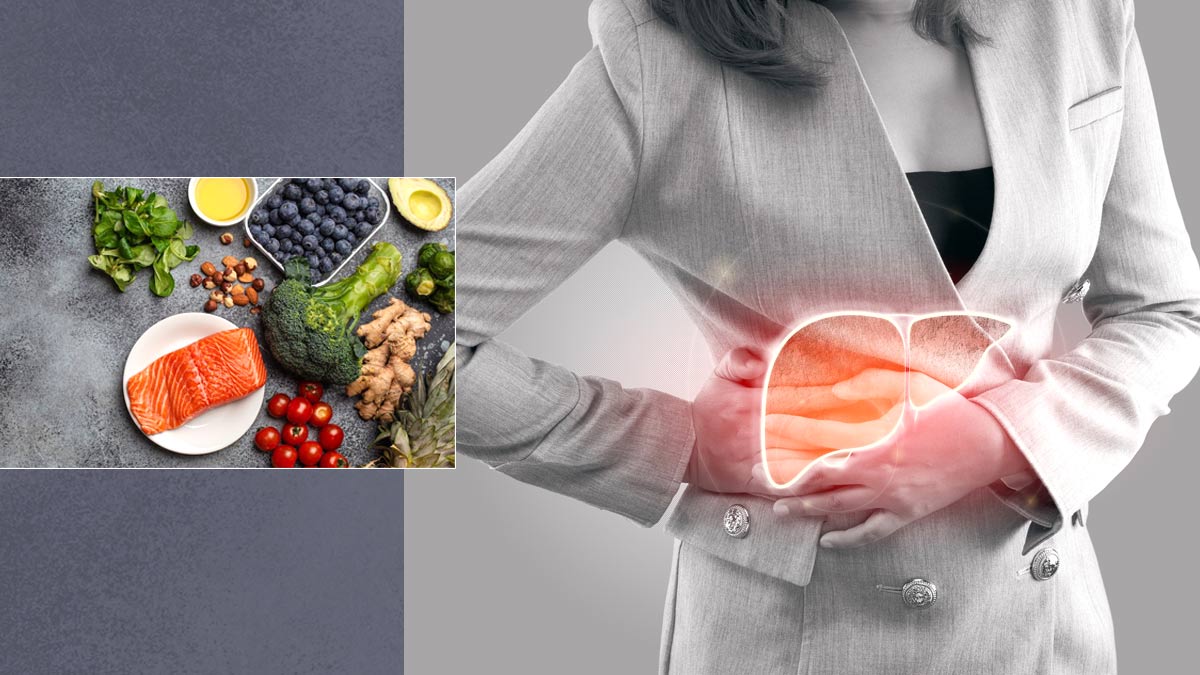
The most fundamental dietary adaptation for pancreatic cancer patients is shifting from 3 large meals to 6–8 small meals or snacks throughout the day. Large meals overwhelm the compromised digestive system — causing nausea, bloating, abdominal pain, and early satiety (feeling full after eating very small amounts). Small, frequent meals distribute the digestive burden, maintain steadier blood glucose, and allow more total caloric and protein intake over the day than 3 larger meals could achieve.
“Small” means genuinely small — a cup of khichdi, a boiled egg with a piece of toast, a small bowl of curd with banana, a glass of full-fat buttermilk. “Frequent” means every 2–3 hours. “Calorie-dense” means prioritising foods that pack more calories per gram — eggs, paneer, full-fat curd, avocado, nuts, nut butters, ghee in small amounts over rice or dal, fortified milk. This is the complete opposite of weight-loss nutrition — every small meal should be as nourishing as possible.
Families: please do not interpret a patient eating very small amounts as lack of effort or appetite. The early satiety of pancreatic cancer is a physiological symptom. Offering smaller portions more frequently, without pressure, is more supportive than offering large portions once or twice daily.
PERT is not a dietary supplement — it is a prescription medication. But it is so central to pancreatic cancer nutrition that every patient, family member, and caregiver needs to understand it. PERT consists of capsules containing porcine-derived pancreatic enzymes (lipase, amylase, protease) that, when taken with meals, replace the enzymes the pancreas can no longer produce. They allow the patient to digest and absorb the food they eat — without them, calories consumed are largely wasted through malabsorption.
Multiple clinical studies confirm that PERT significantly improves nutritional status, reduces steatorrhoea, improves quality of life, and is associated with improved survival in EPI-affected pancreatic cancer patients. Despite this, many pancreatic cancer patients in India are undertreated with PERT — either not prescribed at all, prescribed at inadequate doses, or taken incorrectly. The correct protocol: PERT must be taken with every meal and every snack (not before or after — during the meal). The dose depends on fat content of the meal.
Signs of undertreated EPI requiring PERT dose review: Continued weight loss despite eating, pale or greasy or foul-smelling stools, persistent bloating and abdominal discomfort after meals, and fatigue disproportionate to food intake. If you observe these symptoms, please discuss PERT dosing with the oncologist or gastroenterologist — the dose may need to be increased or the administration timing adjusted.
⚗️ PERT: improved nutrition + quality of life + associated with survival benefit | Take with every meal and snack, not before/afterProtein is the most critical macronutrient for pancreatic cancer patients — it is the substrate for immune cells, the raw material for tissue repair, and the counter-measure to the muscle catabolism of cachexia. Recommended protein intake for cancer patients with cachexia: 1.5–2g of protein per kg of body weight daily — significantly above the standard recommendation of 0.8g/kg. For a 60kg person, this means 90–120g of protein daily.
The practical challenge: 90–120g of protein requires intentional selection of high-protein foods with every meal and snack. One egg provides 6g of protein. 100g of paneer provides 18–20g. 100g of cooked fish provides 22–25g. One cup of cooked dal provides 8–12g. Achieving 90–120g of protein daily with 6–8 small meals means roughly 15–20g of protein per eating occasion — entirely achievable with consistent, planned meals but requiring conscious effort.
A common and harmful mistake in pancreatic cancer nutrition is severely restricting all fat from the diet — based on the understandable but incomplete reasoning that the pancreas cannot digest fat. The correct approach is more nuanced. Fat restriction without PERT is appropriate when EPI is undiagnosed and untreated — because undigested fat in the colon produces severe symptoms. With adequate PERT, fat restriction is NOT necessary or appropriate — fat is a critical calorie-dense macronutrient that helps prevent cachexia.
Medium-chain triglycerides (MCTs) — found in coconut oil and available as MCT oil — are absorbed directly from the small intestine into the portal circulation without requiring lipase enzyme activity. This makes MCT oil particularly valuable for pancreatic cancer patients with EPI: it provides 8.3 calories per gram (more than carbohydrate or protein), does not require lipase for absorption, and can significantly increase caloric density without digestive stress. Adding 1–2 teaspoons of MCT oil or coconut oil to rice, dal, or a smoothie increases caloric intake without requiring more volume — critical when early satiety limits meal sizes.
⚗️ MCT oil: lipase-independent absorption — valuable for EPI | Fat restriction without PERT = unnecessary and harmful for caloric adequacyBest Fruits for Pancreatic Cancer Patients — The Science Behind Each Choice
Fruits are not a cure for pancreatic cancer — and it would be irresponsible to suggest otherwise. But specific fruits provide nutrients that support immune function, reduce treatment-related oxidative stress, aid digestion, and contribute to the caloric and micronutrient intake that patients need. The best fruits for pancreatic cancer patients are those that are easily digestible, nutrient-dense, and tolerated by an often-sensitive digestive system.
Indian Foods for Pancreatic Cancer Patients — Complete Nutritional Guide
| Food / Preparation | Why It Helps | Protein | Special Benefit | Preparation Notes |
|---|---|---|---|---|
| Moong dal khichdi | Easiest-to-digest complete meal — protein + carbohydrate + fluids | 12g/cup | Low GI, minimal digestive burden, can be enriched with ghee/MCT | Soft, well-cooked porridge consistency. Add small amount of ghee for calorie density. |
| Eggs (boiled, scrambled) | Most digestible complete protein, all essential amino acids | 6g/egg | Easily prepared, tolerated even with low appetite | Soft-boiled or scrambled — avoid fried during EPI. 2–3 eggs daily if tolerated. |
| Soft paneer | High protein, calcium, easily digestible soft texture | 18g/100g | Soft fresh paneer (not fried) is excellent cancer nutrition | Soft paneer in dal soup, mashed into khichdi, or as small bites. Avoid fried paneer. |
| Curd / Dahi (full-fat) | Protein + probiotics + calories — easily digested | 7g/200g | Probiotics support gut microbiome disrupted by chemotherapy | Full-fat, plain, room temperature. Avoid cold curd during active chemo. |
| Banana with peanut butter / almond butter | Calorie-dense, easily digestible, quick energy + protein | 8–10g/serving | High-calorie density for patients with early satiety | 1 small banana + 1 tbsp nut butter = ~200 calories + protein — ideal snack. |
| Fish (soft-cooked — surmai, rohu, pomfret) | Complete protein, omega-3 (reduces cachexia-driving inflammation) | 22–25g/100g | Omega-3 DHA+EPA reduce IL-6 and cachexia inflammatory mediators | Steamed, poached, or in light gravy. Avoid fried or heavily spiced. |
| Sattu (roasted chickpea flour) | Concentrated plant protein, easily dissolved in water | 6g/2 tbsp | Can be taken as a quick protein drink — 2 tbsp in water with lemon + salt | Sattu drink is traditional and well-tolerated. Do not use for patients with severe EPI — monitor fibre tolerance. |
| Coconut milk (lite) / MCT oil | MCT fats absorbed without lipase — calorie supplement for EPI | Minimal | Increases calorie density without requiring lipase enzyme | Add 1–2 tsp to rice, khichdi, smoothie, or soup. Start with small amounts. |
| Amla (fresh or powder) | Vitamin C + immune support + anti-inflammatory | Minimal | Antioxidant protection during chemotherapy-induced oxidative stress | 1 fresh amla daily or 1 tsp amla powder in warm water. Avoid amla murabba — too much sugar. |
| Ginger tea / adrak chai | Gingerols reduce chemotherapy-induced nausea | Negligible | Most evidence-backed natural anti-nausea intervention | Thin slices of fresh ginger steeped in hot water. Add honey for calories. Drink before meals. |
| Fortified milk / full-fat milk | Protein + calcium + calories + Vitamins A and D | 8g/240ml | Can be fortified with protein powder, milk powder, or eggs | Warm milk is better tolerated than cold. Add turmeric (haldi doodh) for anti-inflammatory benefit. |
| Rice congee / kanji | Gentle carbohydrate with fluid — easy to tolerate when nausea is severe | 2–4g/cup | Base food during nausea-heavy treatment phases — add eggs or paneer for protein | Thin, warm, lightly salted. Add mashed egg or soft paneer for protein enrichment. |
Managing Specific Nutritional Challenges — Practical Strategies for Each Symptom
Chemotherapy-induced nausea is among the most debilitating barriers to adequate nutrition in pancreatic cancer. Evidence-based strategies that genuinely help: fresh ginger (gingerols inhibit 5-HT3 receptors in the gut — the same pathway targeted by pharmaceutical anti-nausea drugs; 1g/day in clinical trials significantly reduces chemotherapy nausea); eating cold or room-temperature foods (warm foods have stronger aromas that trigger nausea); dry, starchy foods first thing in the morning before getting out of bed (small crackers, toast, a small banana); avoiding eating immediately before or after chemotherapy; small sips of cold water between bites rather than drinking with meals; avoiding strong food aromas during cooking (having someone else prepare food if cooking smells trigger nausea); and resting after eating in a seated or semi-reclined position (not flat).
Anti-nausea medications prescribed by the oncologist should be taken as directed — these are not optional comfort measures, they are nutritional enablers. When nausea is controlled, eating becomes possible. When eating is possible, maintaining weight and strength becomes achievable.
⚗️ Ginger: 5-HT3 receptor inhibition (same as ondansetron pathway) | Cold foods: reduced aroma → less nausea triggerEarly satiety in pancreatic cancer results from tumour compression of the stomach, reduced gastric motility from autonomic nerve involvement, and the metabolic changes of cachexia. Management strategies: eating very small amounts (2–4 tablespoons rather than a cup) — do not measure success by plate completion; prioritising the most calorie-dense and protein-dense foods in the first few bites (eat the egg before the rice; eat the paneer before the dal); using high-calorie liquid supplements (fortified milk, protein shakes, lassi) between meals rather than alongside meals; and using medication (metoclopramide, domperidone) if prescribed for gastric motility impairment. The goal is not normalising meal size — it is maximising nutritional density per small volume consumed.
Chemotherapy commonly alters taste perception — producing metallic tastes, reduced taste intensity, or aversion to previously enjoyed foods. Strategies: using plastic cutlery rather than metal utensils (reduces metallic taste perception); marinating proteins in citrus (lemon juice) or mild spices to mask metallic tastes; choosing tart or sour flavours (nimbu, amla, tamarind) which are often better tolerated than sweet or savoury; serving food at room temperature rather than hot (reduces aroma and can reduce taste distortion); and experimenting with textures — some patients tolerate soft foods better when they cannot enjoy the taste of foods they previously liked. Taste changes are temporary — they typically resolve 4–8 weeks after chemotherapy completion.
⚗️ Dysgeusia temporary post-chemo | Plastic utensils, tart foods, room temperature — practical management strategiesCancer-related diabetes — or worsening of pre-existing diabetes from steroid use during chemotherapy — creates the most difficult nutritional dilemma in pancreatic cancer: the patient needs calorie-dense foods to combat cachexia, but calorie-dense foods (particularly refined carbohydrates) worsen blood glucose control. The resolution: prioritise protein and healthy fat as calorie sources rather than refined carbohydrate; choose low-GI carbohydrates (dal, whole grains, millets) over white rice and maida; monitor blood glucose regularly and share results with the oncologist for medication adjustment; and never restrict calories severely for glucose management in a cachectic cancer patient — the haemoglobin A1c target in cancer patients is generally less stringent than for standard diabetes, because the risk of malnutrition is more immediate than the long-term complications of modest hyperglycaemia.
⚗️ Cancer cachexia vs diabetes: protein + healthy fat priority | Less stringent HbA1c targets in cancer patients | Never severe calorie restrictionWhat to Avoid in a Pancreatic Cancer Diet
Large meals: Overwhelming the compromised pancreas leads to nausea, bloating, and abdominal pain — and reduces overall daily intake by making eating distressing.
Fried foods and large fat loads without PERT: Undigested fat in the colon produces severe diarrhoea, cramping, and steatorrhoea. With adequate PERT, moderate fat is tolerated — without PERT, fat must be minimised.
Alcohol: Directly toxic to remaining pancreatic tissue, worsens EPI, and impairs liver function (relevant because the pancreas and liver share bile drainage). Completely contraindicated in pancreatic cancer.
Highly spiced, hot foods during chemotherapy: Can worsen mucositis, nausea, and abdominal pain during treatment phases.
Sugar-sweetened beverages and high-sugar foods: Worsen cancer-related diabetes and provide “empty calories” without protein or micronutrients. Even fruit juices should be limited — whole fruit is preferred.
Raw or undercooked foods during chemotherapy: Immunocompromised patients are at higher risk of foodborne infection — all meats should be fully cooked, eggs fully cooked, raw sprouts avoided.
Food-based miracle claims: No specific food, herb, or supplement can cure or significantly treat pancreatic cancer. Claims to the contrary — however well-intentioned — can delay evidence-based treatment and misdirect family resources.
Pancreatic Cancer Diet Myths vs. Facts
“Starving cancer with a sugar-free diet will slow tumour growth.”
The “cancer feeds on sugar” concept is a significant oversimplification. While cancer cells do preferentially use glucose, restricting all carbohydrates to starve tumours is not supported by clinical evidence as a standalone treatment — and in pancreatic cancer patients with cachexia, severe carbohydrate restriction risks nutritional collapse. Modest reduction in refined carbohydrates for blood glucose management is appropriate; extreme carbohydrate restriction in the context of pancreatic cancer malnutrition is harmful.
“If the patient is eating well, they are fighting the cancer.”
Eating well does not fight cancer directly — it provides the energy and protein for the immune system, treatment tolerance, and quality of life during cancer treatment. Cancer cachexia is driven by tumour-secreted inflammatory mediators that cause catabolism even with adequate intake — which is why patients can eat reasonable amounts and still lose weight. Good nutrition supports treatment; it does not replace it.
“All fats should be avoided because the pancreas can’t digest them.”
With adequate PERT, most dietary fats can be digested and absorbed. MCT fats (coconut oil, MCT oil) are absorbed independently of lipase and are ideal even without full PERT. Complete fat avoidance without PERT leads to severe caloric deficit and accelerated cachexia — fat provides 9 calories per gram and is the most calorie-dense macronutrient available. The goal is appropriate fat management with PERT, not fat elimination.
“Giving the patient whatever they want to eat is the kindest approach.”
Offering preferred foods is important for quality of life and maintaining eating engagement. But completely unstructured “eat whatever you want” without attention to protein intake, calorie density, PERT compliance, and blood glucose monitoring means nutritional needs go unmet. The kindest approach balances patient preferences with nutritional strategy — making preferred foods as nourishing as possible (adding protein to preferred dishes, enriching with calorie-dense additions) rather than presenting food strategy and comfort as opposites.
Frequently Asked Questions About Pancreatic Cancer Diet
The best pancreatic cancer diet is personalised to individual treatment stage, EPI status, and nutritional needs — always with an oncology dietitian. General principles: 6–8 small, calorie-dense meals per day; 1.5–2g protein/kg body weight daily; pancreatic enzyme replacement therapy (PERT) with every meal if EPI is present; MCT-rich fats for additional calorie density; low-GI carbohydrates if cancer-related diabetes is present; and adequate hydration. Best Indian foods: moong dal khichdi, soft paneer, eggs, curd, fish, banana with nut butter, amla, and ginger tea for nausea.
Weight loss in pancreatic cancer results from three simultaneous mechanisms: cancer cachexia (tumour-secreted inflammatory cytokines drive muscle and fat breakdown, independent of intake); exocrine pancreatic insufficiency (impaired enzyme production means food consumed is not fully absorbed — most fat and significant protein are lost to malabsorption); and reduced intake from nausea, early satiety, pain, and taste changes from treatment. PERT and nutritional support significantly reduce malabsorption-related weight loss. Cachexia is harder to reverse but can be slowed with high-protein intake and omega-3 supplementation.
The best fruits for pancreatic cancer patients: papaya (papain enzyme aids protein digestion, beta-carotene antioxidant), amla (highest Vitamin C, HMG-CoA inhibition, immune support), banana (calorie-dense, gentle on digestion, potassium), guava (Vitamin C + lycopene), watermelon (hydration + lycopene), pomegranate (punicalagins anti-inflammatory), avocado (calorie-dense, MCT-like fats), blueberries (anthocyanins), and ripe mango in season (mangiferin + beta-carotene). During chemotherapy: wash thoroughly and prefer cooked or peeled preparations. Follow oncologist guidance on food safety during immunosuppression.
EPI occurs when the pancreas cannot produce sufficient digestive enzymes, causing malabsorption of fats, proteins, and fat-soluble vitamins even when food is consumed. Symptoms: pale, greasy, foul-smelling stools (steatorrhoea), weight loss, bloating. Treatment: pancreatic enzyme replacement therapy (PERT) — taken with every meal and snack during eating (not before or after). PERT dramatically improves nutrition, reduces symptoms, and is associated with improved survival. Most pancreatic cancer patients with EPI are undertreated — discuss PERT dosing with your oncologist if steatorrhoea symptoms are present.
Avoid: large meals (worsen nausea and early satiety), fried foods and large fat loads without PERT (cause severe steatorrhoea), alcohol (toxic to remaining pancreatic tissue), highly spiced foods during chemotherapy (worsen mucositis and nausea), sugar-sweetened beverages and high-sugar foods (worsen cancer-related diabetes), raw or undercooked foods during chemotherapy (infection risk when immune-suppressed), and unsubstantiated “cancer-curing” foods or extreme diets that reduce overall intake. Individual tolerance varies — oncology dietitian guidance is essential.
Offer small, frequent meals every 2–3 hours without pressure about portion size. Prioritise calorie-dense, high-protein small meals. Ensure PERT is being taken with every meal if EPI is diagnosed. Offer preferred foods and adapt textures to what can be tolerated. Manage cooking aromas if nausea is present. Ensure ginger tea or prescribed anti-nausea medication before meals. Request an oncology dietitian referral for personalised guidance. Most importantly: make mealtimes as comfortable and pressure-free as possible — food anxiety worsens appetite.
Related Articles You’ll Love
Pancreatic cancer is one of the most challenging diagnoses in medicine — for patients, for families, and for the healthcare providers who care for them. Nutrition will not cure this disease. But nutrition that is thoughtfully managed can reduce the suffering of malabsorption, slow the muscle wasting of cachexia, support the immune response during treatment, reduce the nausea that makes eating feel like a battle, and maintain the strength needed to continue treatment.
For every family member who is figuring out what to cook, how to encourage eating without pressure, or how to understand why their loved one is losing weight despite eating — this guide is for you. The answer is not about trying harder. It is about understanding better.
Ask for an oncology dietitian. Take PERT as prescribed. Prioritise small, frequent, protein-rich meals. And be gentle — with your loved one, and with yourself. 🌿Is there a specific aspect of pancreatic cancer nutrition your family is navigating that you’d like more guidance on? Share this guide with families facing this diagnosis — the clinical clarity and compassionate framing can make a real difference in a very difficult time. 👇
Support Resources for Pancreatic Cancer Patients and Families in India
Tata Memorial Centre, Mumbai: India’s premier oncology centre — offers oncology dietitian services and multidisciplinary cancer care. tmc.gov.in
Indian Cancer Society (ICS): Provides patient navigation, financial support, and educational resources. indiancancersociety.org
CanSupport, Delhi: Free palliative care, counselling, and home-based support for cancer patients and families. cansupport.in
Pancreatic Cancer Action Network (PanCAN): Global organisation with detailed patient guides, dietary resources, and clinical trial matching. pancan.org
National Cancer Grid India (NCG): Connects patients to evidence-based cancer care centres across India. tmc.gov.in/ncg
Sources & Further Reading
- Pancreas (2012) — Pancreatic Enzyme Replacement Therapy (PERT) and Nutritional Outcomes in Pancreatic Cancer
- Current Oncology Reports (2020) — Cancer Cachexia: Mechanisms, Diagnosis and Management
- Nutrients (2018) — Nutritional Support in Pancreatic Cancer: A Systematic Review
- British Journal of Anaesthesia (2015) — Ginger for Chemotherapy-Induced Nausea: Systematic Review
- Journal of Gastrointestinal Oncology (2017) — Exocrine Pancreatic Insufficiency in Pancreatic Cancer: Diagnosis and Management
- Cancer Medicine (2018) — Omega-3 Supplementation and Cancer Cachexia: Meta-Analysis
- HerbeeLife — Boost Digestion Naturally: Supporting Digestive Health
- HerbeeLife — Natural Health & Ayurvedic Wellness
Disclaimer: This content is for informational and educational purposes only. It does not constitute medical or dietary advice for pancreatic cancer treatment. Pancreatic cancer nutrition must be managed in collaboration with a qualified oncologist and oncology dietitian. Never make dietary changes that conflict with your medical team’s guidance. Read full disclaimer →