
Why the Morning Window Is Different — The Biology of the First Hour
The morning is not just another time of day for your gut and metabolism — it is a physiologically distinct window with specific characteristics that make certain drinks dramatically more effective than they would be later.
The Cortisol Awakening Response (CAR): Cortisol peaks 30–45 minutes after waking — this is physiologically normal and necessary. The morning cortisol peak mobilises glucose from glycogen stores, prepares the immune system, and drives alertness. Drinks that reduce the cortisol spike (adaptogenic tulsi, ashwagandha) or replace sugar-spiking alternatives (swapping sugared chai for herbal tea) prevent the cortisol-insulin combination that drives morning fat storage.
The Gastrocolic Reflex: The colon is maximally primed for motility in the morning — after overnight fasting, it responds most powerfully to gastric distension (warm water) and feeding signals. Morning is when the gastrocolic reflex is strongest — harnessing it with the right drinks produces reliable bowel movement, removing waste before the day’s food arrives.
The Fasted Gut Microbiome Window: After 8–10 hours of fasting, the gut microbiome has exhausted the previous day’s food substrates. The first thing you feed it — prebiotic fibre, probiotic organisms, or refined sugar — is consumed with particular efficiency. Feeding beneficial bacteria before harmful ones wake up with sugary food gives your microbiome a daily competitive advantage.
Peak insulin sensitivity: Insulin sensitivity is highest in the morning and declines through the day. Carbohydrates consumed in the morning produce a lower blood glucose and insulin response than the same carbohydrates consumed at dinner. Morning drinks that improve insulin sensitivity further (jeera water, methi water, cinnamon) amplify this advantage and reduce the visceral fat-depositing insulin response to the subsequent breakfast.
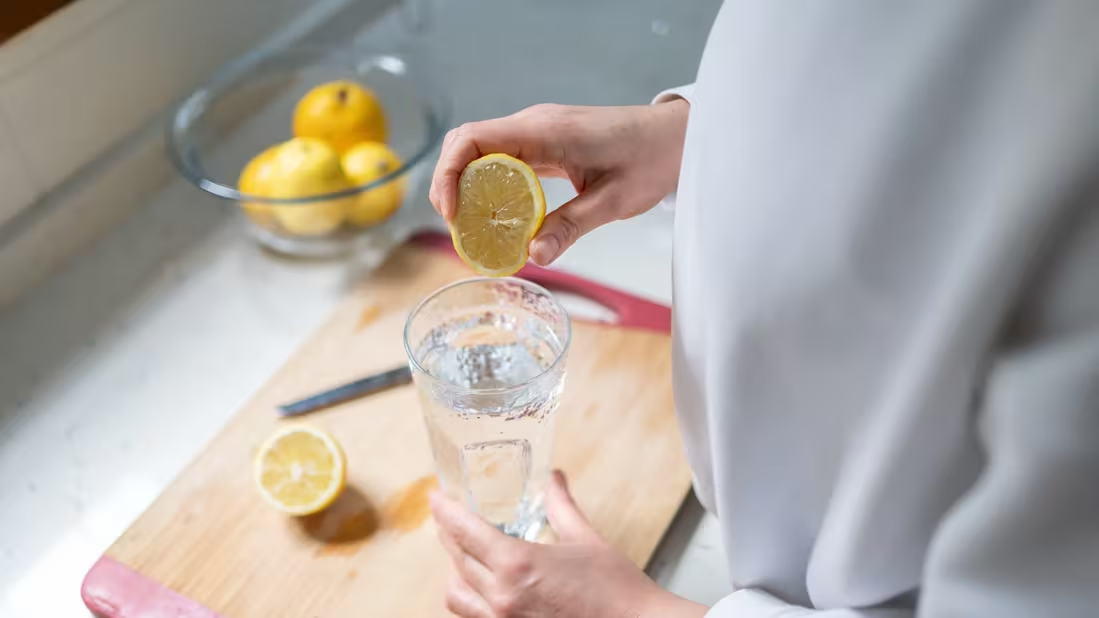
Warm water on an empty stomach is the most physiologically precise morning drink available — and its mechanism is elegant. When 300–500ml of warm water enters the stomach, it causes gastric wall distension that activates the gastrocolic reflex: vagal nerve signals + cholecystokinin (CCK) release → colonic mass peristaltic contractions → bowel movement within 15–30 minutes. Warm water is significantly superior to cold water for this purpose — warm liquid causes greater gastric wall relaxation (accommodation), producing a stronger distension signal and a more reliable reflex. Cold water causes transient gastric wall contraction, reducing the stimulus.
Beyond the reflex: warm water rehydrates the gut lining after overnight fluid loss (the intestinal mucus layer that protects the epithelium from acid and pathogens requires continuous hydration), softens stool (preventing the constipation that promotes bacterial toxin reabsorption), and activates morning liver function by stimulating bile flow — the emulsifier that both digests fat and carries metabolic waste to the colon for excretion.
⚗️ Gastrocolic reflex: gastric distension → vagal + CCK → colonic mass contractions | Warm > cold: greater accommodation = stronger reflex | Bile flow activation: liver detox + fat emulsification
- 300–500ml warm water (comfortably warm, not boiling — if you can hold the cup against your wrist, it is right).
- Drink immediately on waking, before chai, before checking phone, before food.
- Wait 15–20 minutes before breakfast — this is the gastrocolic reflex window.
- Sit on the toilet 15–20 minutes after drinking with a footstool if available — semi-squatting position maximises the reflex’s effectiveness.
- Optional additions that amplify the effect: squeeze of lemon (Vitamin C + mild digestive stimulation), pinch of kala namak (sulphur compounds → digestive enzyme activation).
Chaas — thin curd diluted with water and spiced with jeera, kala namak, and fresh pudina — is the most nutritionally sophisticated morning gut drink in the Indian kitchen. The fresh curd provides live Lactobacillus cultures confirmed by a 2010 Cochrane meta-analysis of 63 trials to significantly reduce bloating, improve bowel regularity, strengthen the gut barrier, and reduce gut pathogen load through competitive exclusion. Chaas’s lower lactose content (dilution + Lactobacillus pre-digestion of lactose) makes it well tolerated by most lactose-sensitive individuals who cannot drink plain milk. The pH of approximately 4.5 — close to the ideal gut mucosal pH — makes it inherently gut-compatible.
The jeera tadka (roasted cumin) that finishes chaas is not decorative: thymol in jeera stimulates digestive enzyme (amylase, lipase, protease) secretion, carminative action dissolves gas bubbles before the day’s food arrives, and cuminaldehyde has antibacterial activity against gut pathogens. Kala namak provides sulphur compounds that additionally stimulate digestive secretion. Pudina (mint) adds menthol — a gut smooth muscle antispasmodic that reduces morning IBS-type cramping. This is not a random traditional recipe; it is a multi-mechanism functional food with every ingredient serving a documented purpose.
⚗️ Cochrane 2010 — 63 trials: probiotics significantly improve gut health | Thymol: digestive enzyme stimulation + carminative | Menthol: gut smooth muscle relaxation | pH 4.5: gut-compatible
- Take 150g fresh, plain curd (homemade preferred — richer in live cultures). Whisk vigorously.
- Add 200–250ml room-temperature water. Whisk until thin and uniform.
- Add: pinch of kala namak, ¼ tsp roasted jeera powder, 3–4 torn pudina leaves, tiny pinch of hing.
- Mix. Drink at room temperature — cold chaas reduces its probiotic effectiveness (Lactobacillus metabolic activity is temperature-dependent).
- Make fresh daily — stored chaas loses live culture viability within 4–6 hours at room temperature.
Fresh amla (Indian gooseberry) juice is arguably the single most nutritionally potent Indian morning drink — containing 600–900mg of Vitamin C per fruit (the highest plant concentration of any food, approximately 20x that of orange), tannins (emblicanin A and B) with documented prebiotic and antibacterial properties, chromium (improving insulin sensitivity and reducing postprandial glucose spikes), and HMG-CoA reductase-inhibiting tannins that reduce cholesterol synthesis (the same enzyme target as statin drugs). For the gut specifically: Vitamin C is the primary antioxidant protecting intestinal epithelial cells from oxidative damage; amla’s tannins selectively promote Lactobacillus and Bifidobacterium growth (prebiotic); and amla’s anti-inflammatory compounds reduce gut wall inflammation that, when chronic, increases intestinal permeability (“leaky gut”).
A 2012 European Journal of Clinical Nutrition RCT confirmed amla extract significantly reduced LDL by 24%, triglycerides by 27%, and increased HDL by 14% — comprehensive lipid improvement with direct cardiovascular benefit. For the gut-fat loss connection: improved insulin sensitivity from amla’s chromium reduces the insulin-driven visceral fat deposition that makes the belly the first place fat accumulates in Indian adults.
⚗️ Vitamin C 600–900mg/fruit (highest plant source) | EJCN 2012: LDL -24%, TG -27%, HDL +14% | Tannins: prebiotic + Lactobacillus promotion | Chromium: insulin sensitisation
- Take 1–2 fresh amla (seasonal) or 1 tsp amla powder (year-round).
- Fresh: blend amla with 50ml water. Strain or drink with pulp. Pulp contains the prebiotic fibre — drinking unstrained is better for gut health.
- Powder: dissolve 1 tsp amla powder in 100ml lukewarm water. Stir well.
- Drink immediately — Vitamin C oxidises rapidly when exposed to air.
- Avoid commercial amla juice with added sugar — the sugar counteracts the insulin-sensitising benefit of amla’s chromium.
Jeera water is the most evidence-backed specifically Indian fat-loss morning drink — with a randomised controlled trial directly supporting its use. A 2014 RCT published in Complementary Therapies in Clinical Practice found that overweight participants consuming 3g of cumin powder daily for 3 months lost significantly more body fat percentage and waist circumference than controls, with significant improvements in fasting blood glucose, insulin levels, and lipid profiles. The mechanism is multi-pathway: thymol and cuminaldehyde stimulate digestive enzyme secretion (improving food utilisation efficiency, reducing the undigested substrates that cause bloating and promote fat fermentation); mild thermogenic effect via beta-3 adrenergic receptor stimulation (slightly increasing metabolic rate); and direct improvement in insulin sensitivity that reduces the hyperinsulinaemia driving visceral fat deposition in Indian adults.
Jeera water’s anti-bloating effect is also relevant to the “fat loss” conversation — much of what appears to be abdominal fat in Indian adults is actually fermentation-driven bloating that can be reduced immediately with carminative compounds. The abdomen that appears smaller after a week of morning jeera water has lost both gas distension and begun accumulating less visceral fat from improved insulin sensitivity.
⚗️ 2014 RCT: significant waist circumference + body fat reduction | Thymol: enzyme stimulation + beta-3 adrenergic thermogenesis | Cuminaldehyde: insulin sensitivity improvement
- Add 1 tsp whole jeera seeds to 1.5 cups water in a small saucepan.
- Bring to a boil. Simmer 5–7 minutes — the water turns light golden as compounds extract.
- Strain into a cup. Cool to comfortable drinking temperature.
- Optional: add a pinch of kala namak and a few drops of lemon juice. Kala namak’s sulphur compounds add digestive enzyme stimulation; lemon’s Vitamin C prevents thymol oxidation.
- For enhanced effect: soak jeera overnight in water, boil in the morning — overnight soaking pre-dissolves active compounds and reduces the required boiling time.
Methi (fenugreek) water is the most targeted blood-sugar-management morning drink in the Indian kitchen — and blood sugar management is the most important single lever for fat loss in the Indian context, given the high prevalence of insulin resistance and PCOS. Methi seeds contain 4-hydroxyisoleucine — a unique amino acid found almost exclusively in fenugreek — that directly stimulates insulin secretion from pancreatic beta cells in a glucose-dependent manner (only works when glucose is present, preventing hypoglycaemia). This is essentially a natural insulin secretagogue. Galactomannan — the concentrated soluble fibre in methi seeds — absorbs water and forms a viscous gel in the digestive tract that slows carbohydrate absorption, flattening the postprandial glucose and insulin curve of the subsequent breakfast. Saponins in methi additionally inhibit cholesterol absorption.
The overnight soaking protocol is important: soaking softens the hard seed coat, pre-dissolves galactomannan and 4-hydroxyisoleucine into the soaking water, and reduces the characteristic bitterness that makes methi difficult to consume raw. Drinking both the soaking water and the softened seeds provides maximum benefit — the soaking water contains the water-soluble 4-hydroxyisoleucine and some galactomannan that has pre-dissolved overnight. See also: Lower Blood Sugar Naturally
⚗️ 4-Hydroxyisoleucine: glucose-dependent insulin secretion (natural secretagogue) | Galactomannan: postprandial glucose curve flattening | Saponins: cholesterol absorption inhibition
- The night before: soak 1 tsp methi seeds in a small cup of clean water. Cover and leave overnight.
- Morning: drink the soaking water first (concentrated 4-hydroxyisoleucine).
- Then: chew and eat the softened seeds — or blend into a small amount of water and drink as a shot.
- Bitterness reduction: add 1 tsp honey or a few drops of lemon to the soaking water. Lemon also improves 4-hydroxyisoleucine stability.
- Consistency is essential — the insulin-sensitising effect of methi builds over 4–8 weeks of daily consumption.
Cinnamon (dalchini) contains cinnamaldehyde — a compound that activates AMPK (AMP-activated protein kinase), the cellular energy sensor that improves glucose uptake into muscle cells. This is the same enzyme pathway activated by metformin (the first-line diabetes medication) — making cinnamon a genuinely meaningful insulin sensitiser, not just a flavouring. Multiple clinical trials confirm cinnamon significantly reduces fasting blood glucose and improves insulin sensitivity. A Fertility & Sterility RCT specifically found cinnamon improved menstrual regularity in PCOS by 62% over 6 months — through its insulin-sensitising effects reducing androgen-driving hyperinsulinaemia. Ginger adds alpha-glucosidase inhibition (slowing carbohydrate-to-glucose conversion in the small intestine) and its prokinetic effect on gastric emptying. Combined, this tea addresses blood glucose management from two complementary points — insulin sensitisation at the cellular level (cinnamon) and carbohydrate absorption slowing at the intestinal level (ginger).
⚗️ Cinnamaldehyde: AMPK activation = metformin pathway | Fertility & Sterility RCT: 62% menstrual improvement in PCOS | Ginger alpha-glucosidase inhibition
- Add 1 small cinnamon stick (2–3cm) + 3 thin slices fresh ginger + 1.5 cups water to a small saucepan.
- Simmer 12–15 minutes — cinnamaldehyde requires extended heat extraction from the bark.
- Strain into cup. Cool to comfortable temperature. Add honey only after cooling.
- Optional: add a pinch of black pepper (piperine increases cinnamaldehyde bioavailability) and a pinch of cardamom (cineole: bronchodilatory + digestive enzyme stimulating).
- Ceylon cinnamon (light-coloured “true cinnamon,” Cinnamomum verum) is preferable to Cassia cinnamon (darker, cheaper, most common in India) for daily use — Cassia contains higher coumarin, which at very high daily doses may affect liver function.
Green tea is the most comprehensively studied drink for fat oxidation — a 2009 meta-analysis confirmed EGCG (epigallocatechin gallate) increases fat oxidation during exercise by 17% and at rest by a smaller but meaningful amount. The mechanism: EGCG inhibits catechol-O-methyltransferase (COMT) — the enzyme that breaks down noradrenaline (norepinephrine). More circulating noradrenaline = more stimulation of beta-3 adrenergic receptors on fat cells = more fat released from storage for oxidation. EGCG also inhibits alpha-amylase (slowing carbohydrate absorption) and has direct gut anti-inflammatory effects through NF-kB inhibition in intestinal epithelial cells. Adding tulsi to green tea brings cortisol normalisation through eugenol’s HPA axis modulation — reducing the cortisol-driven visceral fat deposition that makes belly fat particularly resistant to loss. For more: Herbal Tea Recipes for Calming
⚗️ 2009 meta-analysis: +17% fat oxidation during exercise | EGCG COMT inhibition → noradrenaline → beta-3 adrenergic fat release | NF-kB gut anti-inflammatory | L-theanine: calm alertness
- Heat water to 75–80°C — not boiling. Boiling destroys EGCG catechins. Off-boil water: leave 3 minutes after boiling.
- Add 4–5 fresh tulsi leaves to the cup. Pour hot water over. Steep 2 minutes.
- Add 1 tsp quality green tea leaves (or 1 green tea bag). Steep 3 minutes from this point — not longer (excess steeping releases tannins without additional EGCG).
- Strain. Add juice of ¼ lemon after straining — Vitamin C stabilises EGCG from oxidation, significantly improving bioavailability.
- No milk — milk proteins bind catechins and reduce their absorption significantly. No sugar — counteracts the insulin-sensitising fat loss benefit.
Curcumin in turmeric inhibits NF-kB — the master inflammatory transcription factor operating simultaneously in the gut wall (where it drives intestinal permeability and microbiome dysbiosis) and in visceral fat tissue (where it drives the inflammatory adipokine production that worsens insulin resistance). Addressing gut inflammation and metabolic inflammation with the same compound is a dual-action that most drinks cannot claim. A 2016 clinical study confirmed topical curcumin reduced inflammation markers; internal curcumin has documented effects on gut inflammation, liver fat reduction (AMPK activation reducing hepatic lipogenesis), and insulin sensitivity. The critical rule: curcumin without piperine (black pepper) has approximately 1% oral bioavailability. With piperine: 2,000% higher bioavailability. Adding black pepper is not optional — it is what makes the drink therapeutic rather than decorative. A small amount of fat (few drops of coconut oil or drink with food) further improves absorption of this fat-soluble compound.
⚗️ NF-kB inhibition: gut wall + visceral fat simultaneously | Piperine: 2,000% curcumin bioavailability | Liver AMPK activation: reduced hepatic fat synthesis
- Warm 200ml water or thin coconut milk to just below boiling.
- Stir in: ½ tsp turmeric powder + a generous pinch of black pepper + 2 thin slices fresh ginger.
- Let steep/simmer 5 minutes (ginger needs slight simmering; turmeric dissolves into the liquid with stirring).
- Strain if desired. Cool to comfortable temperature. Add a few drops of honey.
- The small amount of fat in coconut milk improves curcumin absorption significantly over plain water. Alternatively: drink immediately after having a few nuts or a small amount of fat-containing food.
Moringa oleifera (drumstick tree leaves — sahjan in Hindi, murungai in Tamil) is the most nutritionally dense Indian leafy vegetable available, containing approximately 92 identified nutrients including all essential amino acids (making it a rare complete plant protein), iron (25mg/100g dried — higher than spinach), Vitamin C (7x more per gram than orange), calcium, magnesium, potassium, and a unique class of bioactive compounds called isothiocyanates. Isothiocyanates in moringa activate Nrf2 (nuclear factor erythroid 2-related factor 2) — the master antioxidant pathway that protects both gut epithelial cells from oxidative damage and adipose tissue from the inflammatory adipokine cycle that drives obesity. Multiple animal and preliminary human studies confirm moringa significantly reduces blood glucose, lipids, and liver fat accumulation. The soluble fibre in moringa leaf powder acts as a prebiotic, feeding Bifidobacterium and Lactobacillus while providing iron that most Indian vegetarian women are deficient in — addressing hair loss, fatigue, and gut health simultaneously.
⚗️ 92 nutrients including all essential amino acids | Isothiocyanates: Nrf2 activation → gut + adipose antioxidant protection | Iron 25mg/100g dried: addresses common Indian deficiency | Prebiotic fibre
- Option A (powder — most convenient): stir 1 tsp moringa leaf powder into 250ml warm water. Add lemon juice and honey. Drink immediately.
- Option B (fresh leaves — if accessible): blend 1 handful fresh moringa leaves with 300ml water. Strain through a fine cloth. Drink fresh.
- Moringa powder has a mildly earthy, slightly bitter taste — lemon juice improves palatability significantly and simultaneously improves iron absorption from moringa through Vitamin C co-ingestion.
- Moringa + amla combination: the highest Vitamin C source (amla) paired with the highest plant iron source (moringa) is the most effective food-based iron absorption strategy available from the Indian kitchen.
Apple cider vinegar has more clinical evidence than most natural fat-loss interventions — a 2009 Japanese RCT found that daily ACV consumption (15–30ml/day) over 12 weeks significantly reduced body weight, BMI, visceral fat area, waist circumference, and serum triglycerides compared to placebo. The mechanism: acetic acid (the primary active compound) activates AMPK in liver and muscle cells — the same metabolic pathway as metformin and cinnamon, improving insulin sensitivity and reducing hepatic fat synthesis. Acetic acid also inhibits disaccharidase enzymes (sucrase, maltase) in the small intestine — reducing the speed of carbohydrate conversion to glucose. A 2015 European Journal of Clinical Nutrition study found ACV significantly reduced postprandial blood glucose when consumed with a high-GI meal.
For gut health: ACV’s acidity (pH 3–4) supports optimal gastric acid production — insufficient stomach acid (hypochlorhydria) is significantly underrecognised as a gut health problem in India, causing inadequate protein digestion, overgrowth of acid-sensitive gut bacteria, and poor absorption of minerals (iron, zinc, calcium all require gastric acid for optimal absorption). ACV before meals stimulates gastric acid secretion, improving the digestive environment. “Mother” (unfiltered ACV with the probiotic-containing sediment) provides additional prebiotic benefit. Always dilute — undiluted ACV damages tooth enamel and oesophageal mucosa.
⚗️ 2009 Japanese RCT: ACV reduced visceral fat + waist + triglycerides over 12 weeks | Acetic acid: AMPK activation + disaccharidase inhibition | Gastric acid stimulation → protein + mineral absorption
- Mix 1–2 tsp raw, unfiltered ACV (with “mother”) into 200–250ml warm water. Never hot water — heat destroys the prebiotic mother and acetic acid degrades above 60°C.
- Add: pinch of kala namak, few drops of lemon juice, very small piece of grated ginger.
- Drink through a straw or rinse mouth with plain water immediately after — acetic acid is mildly erosive to tooth enamel.
- Start with 1 tsp and build to 1–2 tbsp over 1–2 weeks — sudden high doses cause digestive discomfort in sensitive individuals.
- Never drink undiluted. Minimum 1:10 ACV to water ratio.
The Morning Bar Quick Reference — All 10 Drinks at a Glance
| Drink | Primary Benefit | Key Mechanism | Best Timing | Evidence Level |
|---|---|---|---|---|
| Warm water | Gut motility, bowel movement | Gastrocolic reflex | First thing, empty stomach | Physiological — well established |
| Chaas / Buttermilk | Microbiome support, anti-bloat | Lactobacillus competitive exclusion | With breakfast | Strong (Cochrane 63 RCTs) |
| Amla juice | Gut antioxidant, cholesterol, immunity | Vitamin C + tannin prebiotic + HMG-CoA inhibition | Empty stomach before breakfast | Strong (EJCN 2012 RCT) |
| Jeera water | Belly fat, digestion, bloating | Enzyme stimulation + beta-3 thermogenesis + insulin sensitivity | 20–30 min before breakfast | Moderate-Strong (2014 RCT) |
| Methi water | Blood sugar, insulin sensitivity | 4-Hydroxyisoleucine + galactomannan | Empty stomach (first) | Moderate-Strong (meta-analysis) |
| Cinnamon-ginger tea | Insulin sensitivity, blood sugar | AMPK activation + alpha-glucosidase inhibition | 20–30 min before breakfast | Moderate (multiple RCTs) |
| Green tea + tulsi | Fat oxidation, gut anti-inflammatory | EGCG COMT inhibition + NF-kB + L-theanine | 30 min after breakfast or mid-morning | Strong (meta-analysis) |
| Turmeric-ginger water | Gut + metabolic inflammation | NF-kB inhibition (gut + visceral fat) | Before or with breakfast (with fat) | Moderate-Strong (clinical studies) |
| Moringa water | Nutrient density, iron, prebiotic | Isothiocyanates + Nrf2 + iron + fibre | Empty stomach, with amla | Moderate (growing evidence) |
| ACV tonic | Fat loss, glucose blunting, digestion | Acetic acid AMPK + disaccharidase inhibition + gastric acid | 20–30 min before main meal | Moderate-Strong (2009 RCT) |
The Optimal Morning Drink Sequence — How to Stack Them Without Overdoing It
Not every drink needs to be consumed every morning — over-stacking multiple strong metabolic drinks simultaneously can cause GI discomfort. A practical progression:
→ On waking: 400ml warm water
→ Before breakfast (20 min): Jeera water OR Methi water (choose one)
→ With breakfast: Chaas
→ Mid-morning (10am): Green tea with tulsi
⚡ The Intermediate Stack (Week 3–4 onwards):
→ On waking: 400ml warm water
→ Before breakfast (20 min): Methi water + Jeera water combined (1 tsp methi soaked overnight + 1 tsp jeera boiled together)
→ Before breakfast (15 min): Amla shot (1–2 fresh amla or 1 tsp powder)
→ With breakfast: Chaas
→ Mid-morning: Green tea + tulsi OR Turmeric-ginger water (alternate days)
🔥 The Advanced Stack (For those wanting maximum simultaneous gut + fat support):
→ Add ACV tonic 30 minutes before lunch (not with the morning herbal drinks — space out the acid load)
→ Add Moringa powder to one of the morning drinks (amla + moringa combination is particularly synergistic — Vitamin C from amla dramatically improves moringa’s iron absorption)
→ Cinnamon-ginger tea rotated with green tea on alternate mornings
Morning Drink Myths vs. Facts
“Lemon water boosts metabolism significantly.”
Warm lemon water provides real benefits — gastrocolic reflex activation (from the warm water), Vitamin C, and improved iron absorption — but its “metabolism boost” is primarily from replacing a higher-calorie morning drink with a zero-calorie one. Lemon’s quercetin has mild anti-adipogenic properties at high concentrations, but a daily lemon provides sub-therapeutic amounts for significant metabolic effect. Jeera water, green tea, and methi water have substantially stronger evidence for actual metabolic improvement.
“Drinking more water in the morning speeds fat loss directly.”
Water itself does not burn fat. Its fat-loss contributions are indirect: activating the gastrocolic reflex (waste removal); filling the stomach (reducing appetite at the subsequent meal); and replacing calorie-containing morning drinks. These are real and meaningful contributions — but water is a hydration and motility tool, not a thermogenic. Adding jeera, ginger, or cinnamon to warm water converts it into a genuinely thermogenic drink — the water is the vehicle, the active compounds are the mechanism.
“Morning health drinks work even without dietary change.”
Morning drinks are metabolic signals — they tell your metabolism which direction to go. They require the engine of dietary improvement and physical activity to do meaningful fat-loss work. Drinking methi water and then eating a breakfast of maida paratha with heavy ghee and sweetened chai cancels the metabolic signal within 30 minutes. The drinks are most powerful when they accompany a whole-food, lower-glycaemic dietary pattern — they amplify the approach, not replace it.
Frequently Asked Questions
For immediate gut motility: warm water (gastrocolic reflex activation — reliable morning bowel movement within 15–30 minutes). For microbiome support: chaas with live Lactobacillus (Cochrane 2010 — 63 trials confirmed probiotics significantly improve gut health). For gut anti-inflammatory support: fresh amla juice (Vitamin C + prebiotic tannins + antioxidant mucosal protection). Combined daily: warm water first → amla shot before breakfast → chaas with breakfast → green tea mid-morning covers all four gut health dimensions simultaneously.
Yes — with an RCT supporting it. A 2014 study found 3g cumin daily for 3 months significantly reduced waist circumference and body fat percentage vs controls, with improved fasting glucose and insulin. The mechanisms: digestive enzyme stimulation reducing bloating, mild thermogenic effect (beta-3 adrenergic stimulation), and improved insulin sensitivity reducing the hyperinsulinaemia that drives visceral fat deposition. Combined with dietary carbohydrate reduction and exercise, jeera water amplifies belly fat loss measurably over 4–8 weeks.
Warm lemon water provides real but specific benefits: warm water activates the gastrocolic reflex (gut motility), Vitamin C improves iron absorption from the subsequent meal, and lemon’s citric acid may mildly stimulate digestive secretion. For fat loss specifically: the main benefit is substitution — replacing a sugary morning beverage saves daily calories and reduces insulin spikes. Lemon itself has modest direct fat-loss effects at tea concentrations. For stronger metabolic effect: jeera water, methi water, and ACV tonic have more robust clinical evidence for actual metabolic improvement.
Sequence matters: (1) Warm water + methi water immediately on waking — empty stomach maximises gastrocolic reflex and galactomannan effectiveness before food. (2) Amla shot 15–20 minutes before breakfast — fasted absorption of Vitamin C and prebiotic tannins. (3) Chaas with breakfast — food buffers stomach acid protecting Lactobacillus. (4) Green tea 30 minutes after breakfast — avoids tannin-iron absorption conflict and morning caffeine without disrupting dinner cortisol rhythm. ACV tonic before the largest meal of the day (lunch or breakfast).
Yes — amla is among the most gut-supportive Indian foods available. Vitamin C (600–900mg per fruit) protects intestinal epithelial cells from oxidative damage. Tannins (emblicanin A and B) selectively promote Lactobacillus and Bifidobacterium growth (prebiotic). Chromium improves insulin sensitivity, relevant because insulin resistance worsens gut motility. Amla’s anti-inflammatory compounds reduce gut wall inflammation that drives intestinal permeability (“leaky gut”). A 2012 study confirmed amla extract significantly reduced intestinal inflammation markers. Fresh amla is vastly superior to commercial amla juice — which typically has added sugar and lower Vitamin C from heat processing.
Related Articles You’ll Love
The most powerful morning is the one that begins before you eat anything — with decisions that prime your gut microbiome, activate your gastrocolic reflex, prime your digestive enzymes, and signal your metabolism toward fat oxidation before the day’s first calorie arrives. These drinks are not magic. They are biology — operating through mechanisms that science has documented and that your kitchen has carried for generations without knowing their names.
Warm water first. Amla or methi next. Chaas with breakfast. Green tea mid-morning. Consistent, sequential, purposeful. That is all it takes to transform the most underutilised metabolic window of your day.
Your mornings are the foundation your health is built on. Build them deliberately. 🌅Which morning drink mechanism surprised you most — the 2014 jeera RCT showing actual waist circumference reduction, the ACV Japanese trial showing visceral fat reduction, or the gastrocolic reflex timing that explains exactly why warm water works? Share with every household ready to upgrade their mornings. 👇
Sources & Further Reading
- Complementary Therapies in Clinical Practice (2014) — Cumin RCT: Significant Waist + Body Fat Reduction vs Placebo
- Bioscience, Biotechnology, Biochemistry (2009) — ACV Japanese RCT: Visceral Fat + Waist + Triglyceride Reduction Over 12 Weeks
- European Journal of Clinical Nutrition (2012) — Amla RCT: LDL -24%, TG -27%, HDL +14% | Comprehensive Lipid Improvement
- American Journal of Clinical Nutrition (2008) — Green Tea EGCG Meta-analysis: +17% Fat Oxidation During Exercise
- Cochrane Review (2010) — 63 RCTs: Probiotics (Chaas/Lactobacillus) Significantly Improve Gut Health Markers
- European Journal of Clinical Nutrition (2015) — ACV: Significant Postprandial Glucose Reduction with High-GI Meal
- HerbeeLife — Gut Health and Overall Wellness: The Complete Science Guide
- HerbeeLife — Natural Health & Ayurvedic Wellness
Disclaimer: This content is for informational and educational purposes only. People with diabetes, GERD, kidney disease, or other chronic conditions should consult a healthcare provider before making any of these drinks a regular part of their routine. Never self-manage medical conditions with dietary changes alone. Read full disclaimer →