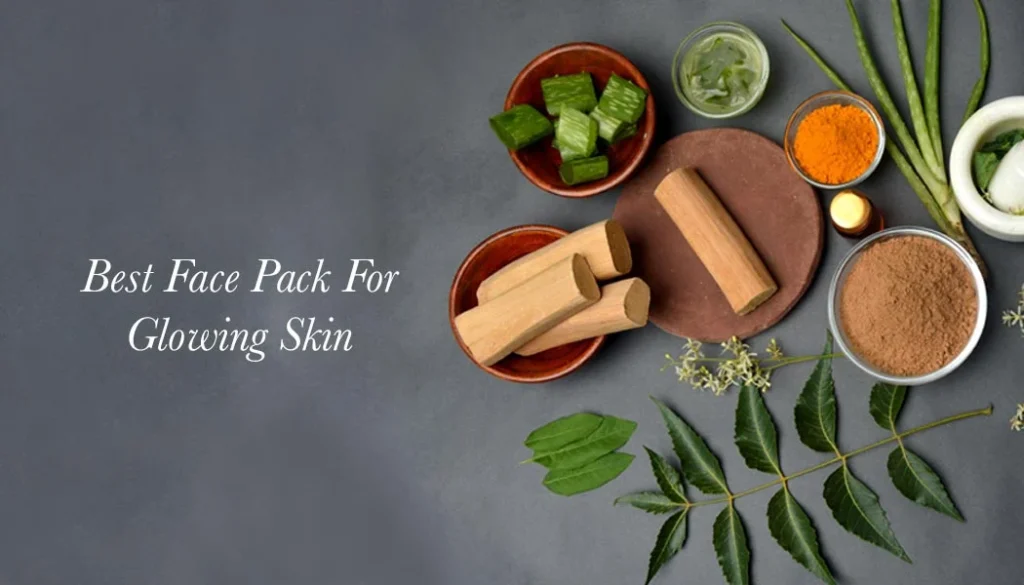

What “Glowing Skin” Actually Means — And What Stands in the Way
Understanding skin biology for 2 minutes makes every recipe below dramatically more effective — because you will know not just what to apply, but why it works.
Dead cell accumulation (desquamation failure): The skin naturally sheds its outermost layer of dead keratinocytes every 28–40 days through a process called desquamation. When this process slows — from age, dryness, UV damage, or hormonal changes — dead cells accumulate and form a dull, opaque layer that physically scatters and absorbs light. Exfoliating ingredients (besan granules for physical exfoliation; lactic acid in curd, citric acid in lemon for chemical exfoliation) dissolve or physically remove this layer, revealing the light-reflective newer cells beneath.
Melanin overproduction (hyperpigmentation): Melanocytes — specialised pigment cells in the basal layer of the epidermis — produce melanin in response to UV exposure, inflammation, hormonal signals, or injury. Excess melanin produces dark spots, uneven tone, and post-inflammatory hyperpigmentation (the dark marks left by acne, cuts, or eczema in Indian skin). Tyrosinase inhibitors in natural ingredients (curcumin in turmeric, kojic acid-like compounds in lemon, coumarin in chandan/sandalwood) reduce melanin synthesis at the enzyme level — gradually evening out pigmentation over consistent use.
Transepidermal water loss (TEWL): The skin barrier (stratum corneum) holds water within skin tissue. When this barrier is compromised — by harsh cleansers, pollution, dehydration, or ageing — water evaporates through the skin surface (TEWL), leaving skin dull, tight, and visually flat. Humectants (honey, aloe vera, curd) draw water into skin cells; occlusive ingredients (malai/cream, oils) form a film that reduces TEWL. Both mechanisms restore the plumpness that makes skin appear radiant.
Wash your face with a gentle cleanser. Pat dry. Wait one hour — without applying anything. Then observe:
Oily skin: Entire face appears shiny — particularly forehead, nose, and cheeks. Pores visibly enlarged. Foundation slides off by midday.
Dry skin: Skin feels tight, rough, or flaky. No shine anywhere. May feel uncomfortable or itchy after washing.
Combination skin: T-zone (forehead, nose, chin) shiny and/or with enlarged pores; cheeks dry, normal, or even flaky.
Sensitive skin: Redness or reaction anywhere — skin feels reactive, burns easily with new products, may have visible redness or patchy texture.
Normal skin: Comfortable, no shine, no tightness, pores barely visible. (The rarest type, particularly in Indian climates.)
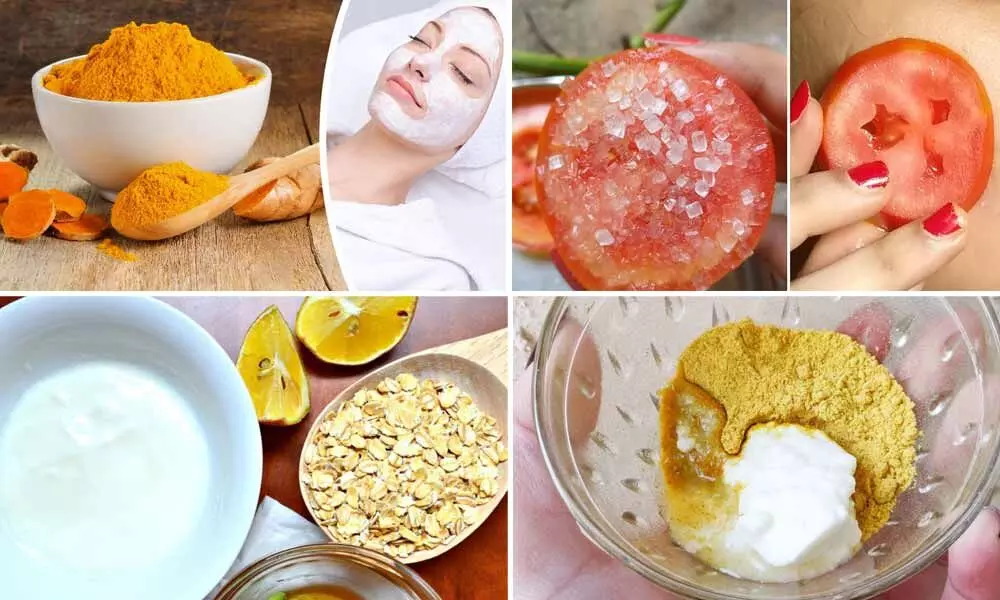
The Indian Kitchen Ingredient Decoder — What Each One Actually Does
Before the recipes: the science behind the ingredients your kitchen already has. Knowing the mechanism of each ingredient lets you adapt recipes to your needs rather than following blindly.
The most versatile Indian skin ingredient. Fine granular texture provides physical exfoliation; saponins are natural surfactants that lift oil and debris without stripping; Vitamin B6 regulates sebum production; folate (B9) supports cell renewal. Ubtan — the traditional Indian pre-wedding body paste of besan + turmeric + oil — has been brightening Indian skin for millennia for these precise chemical reasons.
Curcumin inhibits tyrosinase — the enzyme that converts tyrosine to melanin. Less active tyrosinase = less melanin = reduced dark spots and more even skin tone over 4–8 weeks of consistent use. Also inhibits NF-kB inflammatory pathway in the dermis, reducing post-inflammatory hyperpigmentation (the dark marks acne and eczema leave on Indian skin). A 2016 clinical study confirmed topical curcumin significantly reduced facial pigmentation. Warning: use a small pinch only — too much causes temporary yellow staining. Adding milk or curd reduces staining through lactic acid dispersal of curcumin pigment.
A naturally occurring hydrated aluminium silicate clay — its negative ionic charge attracts positively charged sebum, dirt, and impurities, binding and lifting them from pores as the clay dries. As it tightens, it temporarily reduces pore appearance. Mild antibacterial activity against P. acnes (the primary acne bacterium). Absorbs up to 3x its weight in oil. Not a permanent pore-reducer — pore size is genetic. But consistent use reduces the clogging that makes pores appear enlarged.
Lactic acid (a natural alpha-hydroxy acid produced by fermentation) gently dissolves the desmosome bonds between dead skin cells — loosening the outermost dead cell layer for easy removal. This is the same mechanism as commercial lactic acid serums. Simultaneously, Vitamin B12, riboflavin, and zinc in curd support skin cell repair. Live Lactobacillus in fresh curd may modulate the skin microbiome when applied topically. The lipid content of full-fat curd provides transient occlusive moisture protection. pH approximately 4.5 — close to ideal skin pH (4.5–5.5), making it inherently skin-compatible.
Honey’s high fructose and glucose content makes it hygroscopic — it draws moisture from the air into skin cells (humectant action). Hydrogen peroxide (released by glucose oxidase in honey) provides broad-spectrum antibacterial activity against P. acnes and Staphylococcus aureus — making it effective for acne alongside its moisturising properties. Gluconic acid in honey is a mild chemical exfoliant. Antioxidants (flavonoids, phenolic acids) provide anti-ageing protection. Raw/unprocessed honey is significantly more therapeutically active than processed honey — heat processing destroys glucose oxidase and reduces flavonoid content.
Acemannan (the primary active polysaccharide) forms a breathable, non-comedogenic film over the skin that reduces TEWL without blocking pores — ideal for acne-prone skin that cannot tolerate oil-based moisturisers. Aloin and barbaloin in aloe gel inhibit tyrosinase (contributing to mild brightening). Glycoproteins inhibit bradykinin (reducing irritation and redness). Zinc and salicylic acid-like compounds have mild anti-acne activity. A 2018 study confirmed topical aloe vera significantly improved skin hydration and reduced erythema. Fresh plant aloe is incomparably more potent than commercial aloe gel — use it whenever a plant is accessible.
α-Santalol and β-santalol (sandalwood’s primary sesquiterpenoids) are among the most thoroughly studied skin-active natural compounds. α-Santalol inhibits tyrosinase activity comparably to kojic acid (a pharmaceutical skin-brightening agent) — producing significant brightening through melanin synthesis inhibition. It also has documented anti-inflammatory activity at dermal level, anti-proliferative effects (reducing excessive sebaceous activity), and a subtle astringent effect that tightens pores temporarily. In Ayurveda, chandan is classified as a pitta-cooling herb — its anti-inflammatory and calming properties make it particularly appropriate for sensitive, rosacea-prone, and reactive skin.
Azadirachtin, nimbidin, and nimbin in neem have potent antibacterial activity against P. acnes (the bacteria implicated in acne), Staphylococcus aureus, and Streptococcus species. Neem extract has documented activity against the fungal species responsible for fungal acne (Malassezia folliculitis) — making it useful for a form of breakout commonly misdiagnosed as regular acne in India’s humid climate. Gedunin compounds in neem have anti-inflammatory activity comparable to cortisone in dermal tissue. Quercetin in neem inhibits 5-LOX (lipoxygenase) — reducing leukotriene-driven skin inflammation. Neem is the most appropriate Indian botanical for active acne and oily-acne-prone skin specifically.
Face Pack Recipes — Organised by Skin Type
The gold standard for oily-acne skin. Multani mitti absorbs sebum and lifts impurities; neem kills P. acnes and reduces inflammation; rosewater provides the hydration that prevents the rebound sebum overproduction that clay-only masks trigger. The rosewater-to-clay ratio is important — too dry a paste cracks during application; the right consistency (thick but spreadable) ensures even coverage.
- Mix multani mitti and neem powder in a clean bowl.
- Add rosewater gradually until you reach a smooth, spreadable paste (not too thick, not runny).
- Optional: add a very small pinch of turmeric for additional brightening.
- Apply evenly on cleansed face avoiding the eye and lip area.
- Leave for 15 minutes — remove before it dries completely (fully dry clay pulls moisture from skin, causing temporary over-dryness).
- Rinse with cool water. Avoid rubbing — let the pack dissolve with water pressure.
- Follow immediately with a water-based moisturiser or aloe vera gel — do not skip this step even for oily skin.
A modernised version of the ancient ubtan — the combination of besan’s saponin cleansing and physical exfoliation with turmeric’s tyrosinase inhibition and curd’s lactic acid brightening. This pack simultaneously exfoliates (besan + lactic acid), inhibits melanin production (curcumin), and hydrates (curd lipids). Particularly effective for oily skin with existing dark spots from healed acne.
- Mix besan and turmeric in a bowl. Add curd and stir until smooth.
- Add lemon juice only if not using during the day (increases photosensitivity — must follow with SPF).
- Apply on face in gentle circular motions for 30 seconds — the physical exfoliation occurs at application, not during wear time.
- Leave for 15–20 minutes. Rinse with cool water.
- Mandatory: apply sunscreen (SPF 30+) after this pack if stepping outside — lactic acid and turmeric increase photosensitivity.
Malai (raw milk cream) is the richest, most skin-compatible natural emollient available in the Indian kitchen. Its high fat content mimics the lipid composition of the skin barrier — replacing the lipids lost through dryness and barrier disruption. Honey provides humectant hydration (drawing water into skin from the atmosphere) while adding antibacterial protection. Turmeric adds the brightening dimension. This combination addresses all three glow barriers simultaneously for dry skin.
- Mix malai, honey, and turmeric into a smooth paste. Room-temperature malai blends most easily.
- Apply generously on clean face — this pack should feel luxuriously rich, not sparse.
- Leave for 20–25 minutes. Rinse gently with warm (not hot) water.
- No additional moisturiser needed immediately — the malai lipids provide post-pack barrier protection.
- Best used at night — the lipid-rich pack provides barrier repair during the skin’s natural overnight regeneration cycle.
Banana provides potassium (essential electrolyte for maintaining skin cellular hydration), Vitamin C (antioxidant and collagen synthesis co-factor), and Vitamin B6 (regulates skin cell metabolism). Ripe banana also contains dopamine and catecholamines — antioxidants documented to protect skin against UV-induced free radical damage. Aloe vera’s acemannan provides non-comedogenic moisture without the heaviness of oil-based ingredients. Honey seals the moisture in. This is the ultimate dry skin triple-hydration pack.
- Mash banana until completely smooth — no lumps (lumps cause uneven application).
- Stir in honey and aloe vera gel until well combined.
- Apply evenly. The texture will be thick — apply in upward strokes.
- Leave 20 minutes, then rinse with lukewarm water.
- This pack is particularly effective after an exfoliating session — the freshly exfoliated skin absorbs potassium and Vitamin C more effectively.
Oatmeal (colloidal, from ground oats) is clinically validated as one of the gentlest and most versatile skin treatments available. Avenanthramides (unique antioxidants in oats) reduce skin inflammation and itching — making oatmeal the only natural ingredient FDA-approved for skin protection. Beta-glucan in oats forms a moisture-retaining film similar to aloe acemannan. Saponins in oats provide mild cleansing. Curd’s lactic acid provides gentle uniform brightening without aggressive stripping. Honey balances sebum production through zinc and antibacterial activity. This is the safest combination pack for skin that needs balance rather than correction.
- Grind raw oats to a fine powder in a dry blender — this is colloidal oatmeal. Pre-ground oat flour can be used but rolled oats ground fresh have higher avenanthramide content.
- Mix with curd and honey to a paste. If too thick: add a little rosewater.
- Apply to entire face. For combination skin: apply slightly thicker on the T-zone.
- Leave 15 minutes. Rinse with cool water in gentle circles — the oat granules provide final exfoliation during rinsing.
- No toner needed — curd has already delivered pH-compatible light AHA treatment.
The most Ayurvedically classical and dermatologically safe face pack for sensitive, rosacea-prone, or reactive skin. Chandan’s α-santalol provides anti-inflammatory and tyrosinase-inhibiting activity without any irritant compounds. Rosewater (Rosa damascena hydrosol) contains geraniol and citronellol — mild anti-inflammatory monoterpenes with documented skin-calming activity. At its natural pH of approximately 5, rosewater maintains skin barrier integrity while reducing surface bacteria gently. Honey provides antibacterial protection and humectant hydration. No AHAs, no clay, no exfoliants — purely calming and brightening.
- Mix sandalwood powder with just enough rosewater to form a thin, smooth paste.
- Add honey and stir. The paste should be slightly thinner than regular face packs — sensitive skin benefits from a more fluid, less occlusive application.
- Apply with fingertips in very gentle, non-rubbing strokes.
- Leave 15 minutes. Rinse with cool water — no rubbing. Let water pressure do the work.
- Always patch test 24 hours before first use — even very mild ingredients can trigger reactions in highly sensitive skin.
This is the most powerful brightening pack in this guide — combining four complementary mechanisms targeting all three glow barriers simultaneously. Besan exfoliates the dull surface layer. Lactic acid (curd) dissolves dead cell bonds chemically. Curcumin (turmeric) inhibits melanin synthesis at the enzyme level. Citric acid and Vitamin C (lemon) provide additional tyrosinase inhibition and antioxidant protection against UV-induced pigmentation. This is the Indian kitchen equivalent of a professional brightening treatment. Use in the evening only — citric acid and lactic acid both increase photosensitivity the following day. SPF 30+ the next morning is mandatory.
- Mix all ingredients into a smooth paste. Apply in upward circular strokes — the circular motion provides the besan’s physical exfoliation benefit.
- Leave 20 minutes. Rinse with cool water.
- Follow with aloe vera gel or a lightweight moisturiser.
- Use only in the evening. Apply SPF 30+ the following morning without fail.
- After 4–6 weeks of consistent use (twice weekly): expect measurable reduction in dark spots and improved overall luminance.
A gentler brightening option for those who find lemon or besan too active. The combination of two separate tyrosinase inhibitors (chandan’s α-santalol + aloe’s aloin) with honey’s humectant hydration creates a pack that can be left overnight for extended contact-time brightening. Overnight application allows acemannan and α-santalol sufficient time for meaningful skin penetration and activity — the 30-minute contact time of most packs is suboptimal for these larger molecules. Apply as a thin layer and sleep on a clean pillowcase.
- Mix all ingredients until smooth and uniform.
- Apply a thin, even layer to cleansed face.
- Can be left overnight (sleep on a clean cotton pillowcase) OR left for 30 minutes and rinsed.
- Morning: rinse with cool water, apply moisturiser and sunscreen.
- Particularly effective for post-acne marks and sun-induced pigmentation over 6–8 weeks of consistent use.
The 5 Rules Every Homemade Face Pack User Must Know
Rule 1 — Always patch test first: Apply a small amount to your inner wrist or behind the ear. Wait 24 hours. If redness, itching, or swelling occurs, do not apply to your face. Even “natural” ingredients cause reactions in sensitive individuals — particularly lemon, cinnamon, essential oils, and neem.
Rule 2 — Always use sunscreen after brightening packs: Lemon juice, curd (lactic acid), and turmeric all increase photosensitivity. Applying these packs and going into sunlight without SPF protection can worsen the very pigmentation you are trying to treat. SPF 30+ every morning after any AHA-containing pack, without exception.
Rule 3 — Do not leave packs on longer than directed: “Longer is better” is a common and harmful face pack myth. Clay left until completely dry pulls moisture out of the skin. Lemon juice left for extended periods can cause chemical burns in sensitive skin. Follow the time guidelines — results come from consistency of application over weeks, not duration of a single application.
Rule 4 — Make fresh every time: Homemade face packs contain no preservatives. Any unused portion should be discarded immediately after use. Storing face packs — even refrigerated — risks bacterial and mould growth that can cause skin infections. Make only what you will use in one application.
Rule 5 — Results require consistency over time: Tyrosinase inhibitors (turmeric, chandan, lemon) require 4–8 weeks of twice-weekly consistent use to produce visible reduction in dark spots. AHAs require 6–12 weeks. Set realistic expectations — a single application produces clean, fresh skin; meaningful pigmentation change requires months of gentle consistent effort.
Face Pack Myths vs. Facts
“Lemon juice directly on the skin lightens dark spots fast.”
Undiluted lemon juice (pH 2–3) can cause chemical burns, irritant contact dermatitis, and phytophotodermatitis (severe sun-triggered burning when used without sunscreen). Its Vitamin C and citric acid do inhibit tyrosinase — but in the diluted form of a curd-lemon pack (pH buffered upward by curd’s acidity to a safer range), or diluted 1:3 with water before application. Never apply undiluted lemon juice directly to skin for extended periods.
“Applying more turmeric means more brightening.”
More turmeric means more yellow staining — not more brightening. Curcumin’s tyrosinase inhibition is dose-limited by the skin’s absorption capacity, not by the amount applied. A small pinch (¼ tsp per pack) provides sufficient curcumin for activity. Excess causes persistent yellow skin staining that can take 2–3 days to fully clear. The curd or milk in the pack dissolves and disperses curcumin during rinsing — but only if there is an appropriate ratio of dairy to turmeric.
“Natural ingredients can’t cause skin reactions — only chemicals do.”
Natural ingredients contain complex mixtures of chemical compounds — many of which are among the most potent known allergens and irritants. Essential oils (often added to face packs), cinnamon (a common skin sensitiser), neem (can cause contact dermatitis in sensitised individuals), and undiluted lemon juice all cause documented skin reactions. “Natural” does not mean “safe for all skin types.” Patch testing is non-negotiable, regardless of how natural an ingredient is.
Frequently Asked Questions
The most comprehensive glow pack for most Indian skin types: besan + turmeric + curd (+ lemon for normal/oily skin). Besan exfoliates physically and chemically (saponins), turmeric inhibits tyrosinase (melanin production), curd provides lactic acid AHA brightening, and lemon adds Vitamin C and citric acid for additional tyrosinase inhibition. Use in the evening, follow with SPF 30+ next morning. For sensitive skin: chandan + rosewater + honey is the safest brightening pack with no AHAs or potential irritants.
Exfoliating packs (besan, multani mitti, oatmeal): 1–2 times weekly. Clay packs (multani mitti): maximum twice weekly — leave before fully dry. Moisturising packs (honey, malai, aloe): 2–3 times weekly. Lemon-containing packs: maximum once weekly. Overnight packs (chandan + aloe + honey): 2–3 times weekly. More frequent application of exfoliating packs disrupts the skin barrier, causing rebound oiliness in oily skin and increased sensitivity in dry skin. Results come from consistent, appropriately-spaced use over weeks and months.
Yes — through tyrosinase inhibition by curcumin, reducing melanin synthesis and improving skin tone evenness over 4–8 weeks of consistent use. A 2016 clinical study confirmed topical curcumin significantly reduced facial pigmentation and improved skin luminance. Use ¼ tsp per application — more causes yellow staining without additional brightening benefit. Always combine with curd or milk (which dissolves curcumin during rinsing, reducing staining) and follow with SPF.
Multani mitti + neem + rosewater — the combination of ionic clay adsorption (multani mitti), antibacterial azadirachtin (neem), and hydration to prevent sebum rebound (rosewater). Apply 1–2 times weekly, leave for 15 minutes (not until completely dry), and always follow with a water-based or aloe vera moisturiser — the most common mistake with oily skin care is skipping post-pack hydration, which triggers the sebum overproduction it was meant to address.
Yes — fresh aloe vera gel (from a real plant) is safe for daily application on most skin types. Acemannan forms a non-comedogenic breathable moisture film, reducing water loss without blocking pores. It is also the gentlest brightening option (mild tyrosinase inhibition through aloin and barbaloin) appropriate for even very sensitive skin. Important: fresh plant aloe is significantly more potent than commercial aloe vera gel, which typically contains very little actual aloe. Cut a leaf, scoop the clear inner gel, apply directly.
Related Articles You’ll Love
India’s skin care tradition understood the skin-glow problem long before biochemistry gave it a name. Besan as a saponin surfactant-exfoliant. Turmeric as a tyrosinase inhibitor. Curd as an AHA brightener. Chandan as an anti-inflammatory melanin suppressant. Multani mitti as ionic clay adsorption. Honey as a hygroscopic humectant-antimicrobial. These are not folk remedies hoping for a placebo effect. They are molecules — specific, active, documented — that have been carried through generations precisely because they work.
Match the remedy to your skin type. Follow the rules. Be consistent. Give it eight weeks. Your kitchen already has what your skin needs.
Mix your first pack tonight. Your skin will remember what it’s capable of. ✨Which ingredient’s mechanism surprised you most — chandan’s α-santalol competing with pharmaceutical kojic acid, or the ionic adsorption science of multani mitti? Share this guide with every woman (and man) looking for skin care that actually makes sense. 👇
Sources & Further Reading
- Journal of Clinical and Aesthetic Dermatology (2016) — Topical Curcumin: Significant Facial Pigmentation Reduction and Luminance Improvement
- Skin Pharmacology and Physiology (2009) — α-Santalol: Tyrosinase Inhibition Comparable to Kojic Acid
- Nutrients (2018) — Aloe Vera: Skin Hydration and Erythema Reduction Clinical Study
- Molecules (2012) — Honey: Antibacterial Mechanisms Including Hydrogen Peroxide and Gluconic Acid Activity
- Journal of the American Academy of Dermatology (2003) — Colloidal Oatmeal (Avenanthramides): FDA-Approved Skin Protectant — Anti-inflammatory Mechanisms
- HerbeeLife — Health Benefits of Turmeric: NF-kB and Skin Anti-inflammatory Mechanisms
- HerbeeLife — Natural Health & Ayurvedic Wellness
Disclaimer: This content is for informational and educational purposes only. Patch-test all ingredients before full facial application. Individuals with known skin conditions, allergies, or compromised skin barriers should consult a dermatologist before applying any homemade preparations. Read full disclaimer →