
Ayurvedic Home Remedies That Build Immunity From Your Own Kitchen
Immunity is not a switch you flip when the season turns. It is a rhythm you keep, one meal, one night of sleep and one warm cup at a time.
By HerbeeLife | Updated October 2026 | 11 min read
The most reliable natural ways to boost your immune system are boring and powerful: 7 to 9 hours of sleep, steady stress, a varied plant-rich diet, daily sunlight and movement. Ayurvedic home remedies such as tulsi, turmeric, amla, ginger and ashwagandha sit on top of that foundation. They support it, they do not replace it.
Transparency note: a few product mentions below may be affiliate links. If you buy through them, HerbeeLife may earn a small commission at no extra cost to you.
Why the “immunity booster” idea needs a reset
Every winter the same thing happens. Someone in the family sneezes, a WhatsApp forward arrives with a miracle kadha, and suddenly the whole house is drinking something bitter at 7 a.m. Some of it helps. A lot of it is panic.
Here is the calmer truth. Your immune system is not one organ you can turn up. It is a network of cells, tissues and barriers that works best when it is balanced. An overactive immune response is not stronger protection. It is the root of allergies and chronic inflammation. So the real goal is not to “boost” but to support: give the system the sleep, nutrients and calm it needs to respond well, and then stand back.
That is exactly where Ayurvedic home remedies shine. They were never designed as emergency shots. They were designed as daily habits. If you are new to this idea, our guide on essential herbs for winter immunity is a good companion read.
How Ayurveda sees immunity: Agni, Ojas and Bala
Ayurveda describes immunity through three connected ideas.
Agni is your digestive fire, the capacity to turn food into usable nourishment. Ojas is the refined essence that good digestion produces, the quiet reserve behind energy, calm and resilience. Bala is the strength that results: the body's ability to resist and recover. In this view, immunity begins at the dinner plate, not in the medicine cabinet.
Modern science reaches a surprisingly similar place from the other side. A large share of immune tissue sits along the gut wall, and the trillions of microbes living there help train immune cells. The popular figure that “70% of the immune system is in the gut” is a rounded estimate and researchers debate the exact number, but the central point holds: gut health and immunity are closely tied. We unpack this in our guide to improving digestion naturally.
Nearly every disease, the classical text teaches, begins where digestion grows weak.
Keep Agni, the digestive fire, steady and the body keeps its strength and clarity.
Six kitchen remedies worth keeping on repeat
You do not need a shelf of exotic powders. Most of these live in an Indian kitchen already. Use them as part of food and routine, not as a one-week sprint.
Tulsi
Holy basil is a classic Rasayana herb, valued for supporting respiratory comfort and calm. Chew 4 to 5 fresh leaves in the morning, or steep them in warm water.
Turmeric (haldi)
Its active compound, curcumin, is widely studied for anti-inflammatory effects. Pairing it with black pepper and a little fat improves absorption.
Amla
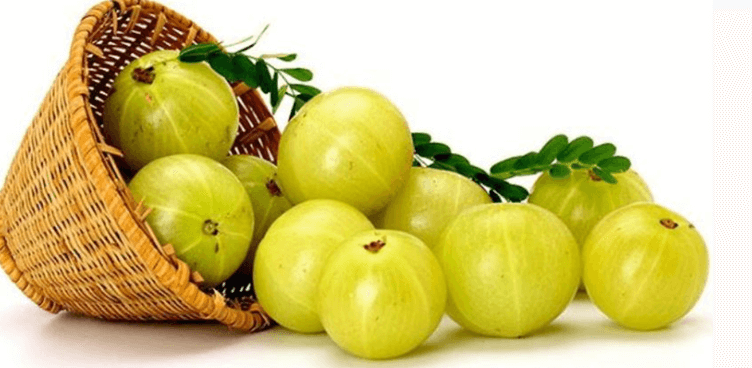
One of the richest natural sources of vitamin C, and it comes with other plant compounds that whole foods bring along. Fresh in season, dried or as a murabba otherwise. See our full guide on amla benefits for immunity and digestion.
Ginger and garlic
Both are traditional warming foods. Ginger supports digestion, and garlic has long been used for its antimicrobial compounds. Cook with both daily instead of treating them as occasional remedies.
Ashwagandha
An adaptogen best known for easing the stress response. Since chronic stress drags immunity down, calmer nights often mean fewer slumps. Read the details in our ashwagandha benefits guide.
Neem
Bitter by design. Neem has a long place in Ayurvedic cleansing routines and skin care. Our piece on neem benefits for blood purification explains how to use it sensibly.
Organic India Tulsi Green Tea (Classic)
If fresh tulsi is hard to find where you live, this is a clean, easy way to keep the habit. Brew it unhurried, covered, for about five minutes and sip it warm, without sugar.
View on AmazonTurmeric has a wonderful second life as a bedtime ritual. When you want the flavour without the stirring, a ready-to-steep blend makes consistency easy.
VAHDAM Turmeric Ginger Tea
A warming turmeric and ginger infusion for evenings when haldi doodh feels like too much effort. Works well after dinner as a gentle digestive signal.
View on AmazonOrganic India Ashwagandha Capsules
When the real culprit behind constant colds is a stretch of poor sleep and high stress, a standardised ashwagandha capsule is a practical option. Start with the label dose and check the cautions in this guide first.
View on AmazonAn immunity-friendly day, hour by hour
This is Dinacharya, the Ayurvedic daily routine, trimmed to what a busy person can actually follow. Nothing here needs an hour you do not have.
On waking
Within 30 minutes of getting upWarm water with fresh ginger, then 15 to 20 minutes of morning daylight. If mornings feel chaotic, our healthy morning routine guide shows how to anchor them.
Breakfast and midday
Your biggest meal, ideally before 2 p.m.Ayurveda treats midday as the time when Agni is strongest. Build this meal with dal, seasonal vegetables, fresh curd or chaas, and a teaspoon of good ghee, a traditional Ayurvedic carrier for digestion-friendly nourishment.
A small spoonful of A2 ghee over warm dal or khichdi is a very old, very simple habit.
Two Brothers Organic Farms A2 Desi Cow Ghee
Look for a bilona-style ghee with a clean grain and a nutty aroma. Use it by the teaspoon, over dal or khichdi, rather than as a heavy cooking medium.
View on AmazonAfternoon
The slump hourSkip the third coffee. Sip water steadily through the day (our hydration guide explains how much). Take a 10-minute walk and a few slow breaths. If stress is the pattern, try one of the poses from our yoga for stress relief sequence.
Evening and night
Wind down by 9:30 p.m.Eat a lighter, earlier dinner. Dim the lights, keep screens away for the last hour, and finish with warm haldi doodh or a calming tea. Even five quiet minutes of meditation changes how the night feels.
Sleep is where the immune system does much of its repair work, which is why the room matters as much as the remedy.
Manta Sleep Mask
City bedrooms are rarely dark. A contoured mask that blocks light without pressing on the eyes is a small, inexpensive upgrade to the one habit that supports every other immunity habit.
View on AmazonWhat modern research adds to the picture
Ayurvedic home remedies work best when the basics are in place. Here is what research consistently points to.
Sleep. In a well-known study of volunteers exposed to a cold virus, people who slept fewer than 7 hours a night were nearly three times as likely to get sick as those who slept 8 hours or more.
Stress. Long-running stress keeps cortisol elevated, and a large review of decades of research linked chronic stress with weaker immune responses. This is exactly why adaptogens, yoga and meditation belong in an immunity plan.
Vitamin D. Despite India's sunshine, vitamin D deficiency is very common, mainly because of indoor work, pollution and clothing. A large meta-analysis in the BMJ found that vitamin D supplementation modestly reduced acute respiratory infections, especially in people who were deficient. The sensible order is: get tested, then supplement only if you need to, at a dose your doctor recommends.
Carbamide Forte Vitamin D3
A convenient option to discuss with your doctor once a blood test confirms a deficiency. Do not guess the dose. Needs vary widely from person to person.
View on AmazonGut and diet. Eating a wide range of plant foods feeds a more diverse gut microbiome, which is linked with better immune resilience. Fresh curd, chaas and other unheated fermented foods help. For a food-first approach, see our list of anti-inflammatory foods.
Movement. Moderate, regular exercise supports immune surveillance. Extreme training, on the other hand, can temporarily suppress it. Brisk walking, yoga and cycling are the sweet spot. Our article on the benefits of regular exercise goes deeper.
Want to look at the whole picture, including mind and relationships? Our holistic health guide connects the dots.
Your 7-day immunity reset
Do not try to do everything at once. Add one habit per day, then keep them all.
| Day | Add this habit | Why it helps |
|---|---|---|
| Day 1 | Warm ginger water on waking | Wakes up digestion gently |
| Day 2 | 15 minutes of morning sunlight | Supports vitamin D and your body clock |
| Day 3 | Fresh tulsi leaves or tulsi tea | A traditional Rasayana ritual |
| Day 4 | Fresh curd or chaas with lunch | Brings in live cultures for the gut |
| Day 5 | One amla (or amla preparation) | Whole-food vitamin C |
| Day 6 | Fixed bedtime and a screen-free hour | Protects the sleep your immunity depends on |
| Day 7 | Haldi doodh and 5 minutes of breathwork | Calms the nervous system before the week ahead |
If a cold or flu has already arrived, our guide to cold and flu natural Ayurvedic remedies covers what to do next. For a deeper seasonal cleanse tradition, read what Panchakarma involves before you try anything extreme.
Myths worth dropping
Cautions and when to see a doctor
- Pregnant, breastfeeding, on thyroid medication, or living with an autoimmune condition? Speak to your doctor before starting ashwagandha or any concentrated herbal product.
- Herbs can interact with medicines for blood sugar, blood pressure and blood thinning. Always disclose them to your doctor.
- Frequent infections, unexplained weight loss, constant fatigue, slow-healing wounds or fevers that keep returning deserve a medical check, not another kadha.
- Choose products with clear labelling and third-party testing wherever possible.
Keep reading on HerbeeLife
Daily Ayurvedic home remedies, recipes and habit ideas, shared where you already scroll.
Instagram Pinterest FacebookThe takeaway
Real immunity is not bought in a bottle. It is built in the quality of your sleep, the variety on your plate, the steadiness of your mind and the small warm rituals your grandmother already knew. Start with one habit from the 7-day reset, keep it for a week, then add the next. Your immune system does not need to be pushed. It needs to be supported, consistently.
Frequently asked questions
What is scientifically proven to boost the immune system?
No single food or supplement is proven to “boost” immunity in healthy people. What research does support is the foundation: adequate sleep, regular moderate exercise, stress management, a varied diet rich in fruits, vegetables and fibre, not smoking, limiting alcohol, staying up to date with vaccines and correcting genuine deficiencies such as vitamin D.
How can I boost my immune system naturally and quickly?
“Quickly” is relative. Within days you can protect your immune function by sleeping 7 to 9 hours, drinking enough fluids, eating whole foods, getting daylight and easing stress. Warm tulsi-ginger tea and haldi doodh are comforting additions. Lasting change, however, comes from keeping these habits for weeks.
Is it true that 70% of your immune system is in your gut?
It is a widely quoted estimate, and researchers debate the exact number. What is well established is that a large portion of the body's immune tissue is found in the gut lining and that gut microbes help train immune cells. That is why diet diversity and fermented foods like fresh curd matter.
Can a 3-day fast reset your immune system?
Not as a do-it-yourself plan. Findings on prolonged fasting come from specific, limited studies, mostly in controlled settings, and they do not prove that a home fast resets immunity. Extended fasting can cause weakness and nutrient gaps. If you are considering it, speak to a doctor first.
What is the fastest way to boost your immune system when you feel a cold coming?
Rest and sleep first. Then drink warm fluids, eat light, warm, home-cooked food and avoid alcohol. Tulsi, ginger and honey are traditional comfort remedies and may ease symptoms, though none can guarantee you will avoid the illness. See a doctor if you have a high fever, trouble breathing or symptoms that last more than a week.
What are 5 signs of a weak immune system?
Possible signs include frequent infections, colds that linger, slow-healing wounds, constant fatigue and recurring digestive problems. These signs have many causes, including stress, poor sleep and nutrient deficiencies, so they are a reason to get checked rather than to self-diagnose.
What should I drink to increase immunity?
Plain water comes first. Beyond that, warm tulsi tea, ginger-turmeric tea, fresh chaas, haldi doodh and homemade amla or lemon water are traditional, gentle choices. Keep sugar low, as sweetened “immunity drinks” often do more harm than good.
How can I boost my immunity in 7 days?
Follow a simple 7-day plan: add one habit per day, such as ginger water, morning sunlight, tulsi, curd, amla, a fixed bedtime and a calming evening ritual (see the reset table above). Seven days will not transform your immunity, but it is a realistic way to start habits that do.
What is a good morning drink to boost immunity?
Warm water with a slice of fresh ginger and a squeeze of lemon is a gentle classic. Tulsi tea or a small glass of fresh amla juice are other traditional choices. Have it on an empty stomach only if it suits your digestion.
Which Ayurvedic herbs are best for immunity?
Tulsi, amla, turmeric, ginger, ashwagandha, giloy and neem are the most commonly used. Ayurveda groups many of them as Rasayana herbs, meant for long-term daily use. Quality and dose matter, and some people should avoid certain herbs, so check with your doctor if you have a medical condition or take medication.
Medical disclaimer: This article is for general information and education and is not a substitute for professional medical advice, diagnosis or treatment. Always consult a qualified healthcare professional before starting any new herb or supplement. Read our full disclaimer.