
The gut — your gastrointestinal tract from mouth to colon — is not simply a food-processing tube. It is home to approximately 100 trillion microorganisms (your gut microbiome), produces 95% of your body’s serotonin, contains 70% of your immune tissue, and communicates continuously with your brain through the vagus nerve and through systemic hormonal and inflammatory signals. Modern gastroenterology and microbiome science have established beyond reasonable doubt that gut health is not a localised digestive matter — it is a foundational determinant of whole-body health, influencing mood, immunity, skin, metabolism, hormones, sleep, and cognitive function.
When the gut is functioning well, most people barely notice it. When it is not — when the microbiome is disrupted, the intestinal barrier is compromised, inflammation is chronic, or motility is disordered — the signals appear across virtually every organ system in the body. Most people do not recognise these signals as gut-related. They treat the skin problem as a skin problem, the anxiety as an anxiety problem, the fatigue as a sleep problem — without ever addressing the gut dysfunction that may be generating all of them simultaneously.
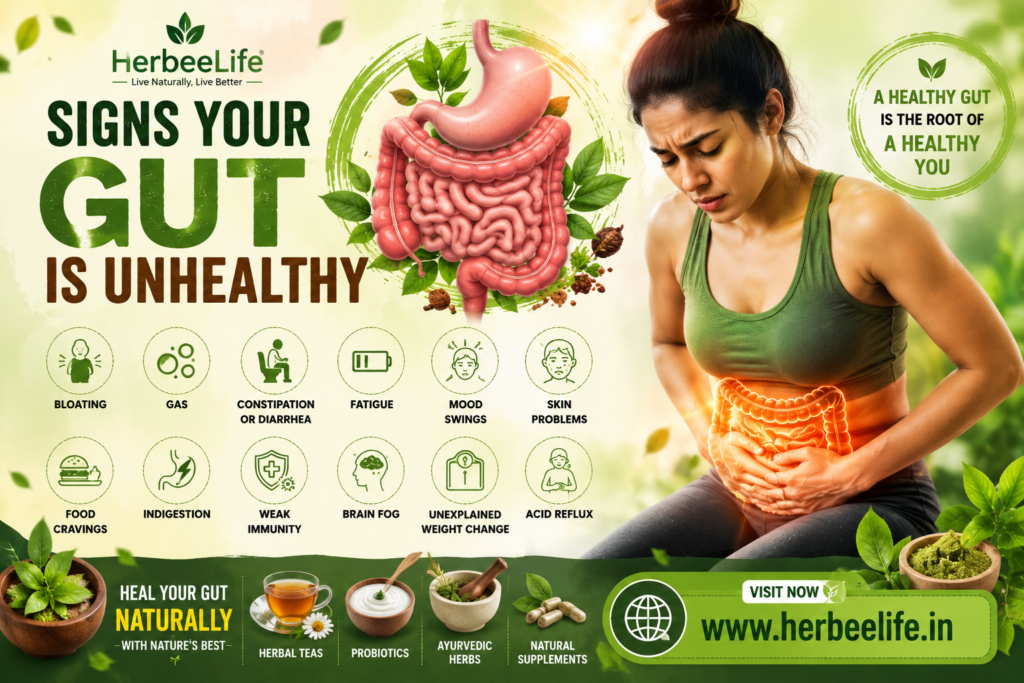
This guide identifies 12 of the most significant and most commonly missed signs your gut is unhealthy — with the specific biological mechanism connecting each sign to gut function, and the targeted strategies for addressing the gut root rather than just the surface symptom.
The Gut Microbiome — A Brief Primer on What “Gut Health” Actually Means
Your gut microbiome is an ecosystem of approximately 38 trillion bacteria, archaea, fungi, viruses, and other microorganisms living primarily in the large intestine. This community weighs approximately 1.5–2kg — comparable to the liver — and performs functions that are genuinely irreplaceable: fermenting indigestible fibre into short-chain fatty acids (particularly butyrate — the primary fuel for colonocytes, the cells lining your colon), synthesising vitamins (particularly Vitamin K2, B12, and folate), training and regulating the immune system, producing neurotransmitter precursors (GABA, serotonin, dopamine), and maintaining the physical integrity of the intestinal barrier.
A healthy microbiome is characterised by high diversity (many different species, each contributing different metabolic functions), an appropriate Firmicutes-to-Bacteroidetes ratio, adequate populations of butyrate-producing species (Faecalibacterium prausnitzii, Roseburia intestinalis, Clostridium butyricum), and a robust mucosal layer protecting the intestinal epithelium from direct bacterial contact.
An unhealthy gut — dybiosis — is characterised by reduced diversity, an overgrowth of inflammatory bacterial species (including pathobionts that produce endotoxin/LPS — lipopolysaccharide), reduced butyrate producers, and often a thinned or disrupted mucus layer that allows bacterial components to cross the epithelial barrier and trigger systemic immune activation. This systemic immune activation is the mechanism through which gut dysbiosis influences virtually every organ system in the body — producing the apparently unrelated symptoms that most people have never connected to their digestion.
12 Signs Your Gut Is Unhealthy — And the Biology Behind Each
Sign 1: Persistent Bloating, Gas, and Abdominal Discomfort
🔬 The Gut Connection: Dysbiosis-driven fermentation overload
Bloating and gas are the most intuitive gut health signs — and also the most frequently dismissed as “normal” when they are daily occurrences. The distinction matters: occasional gas after a legume-heavy meal is normal gut fermentation. Daily, chronic bloating that builds through the day, persists between meals, and is disproportionate to what was eaten is a sign of gut microbiome imbalance.
In a healthy gut, fermentation gas is produced at a rate that peristalsis easily clears. In a dysbiotic gut with excessive methane-producing archaea (Methanobrevibacter smithii) or hydrogen-producing bacteria, the same meal produces dramatically more gas — and methane specifically slows gut transit, worsening the accumulation. Small intestinal bacterial overgrowth (SIBO) — a condition where bacteria that normally reside in the colon migrate into the small intestine — produces fermentation directly in the small intestine where food is still being digested, producing early, intense bloating within 30–90 minutes of eating rather than the later colonic bloating of normal fermentation.
What to do: The comprehensive gas relief strategies are in our dedicated guide — natural remedies for gas relief and foods that reduce bloating. For chronic bloating unresponsive to dietary changes, SIBO testing with a hydrogen breath test is the appropriate next investigation.
Sign 2: Irregular Bowel Movements — Constipation, Diarrhoea, or Both Alternating
🔬 The Gut Connection: Dysbiosis, dysmotility, and the gut-brain axis
Normal bowel movement frequency ranges from three times daily to three times weekly — but the character of stools matters as much as frequency. Chronically hard, dry, pellet-like stools indicate slow transit and inadequate hydration of the stool in the colon — driven by insufficient dietary fibre, dehydration, or colonic dysmotility. Chronically loose, urgent stools indicate the opposite — rapid transit from inflammation, microbiome-driven bile acid malabsorption, or IBS-type altered motility.
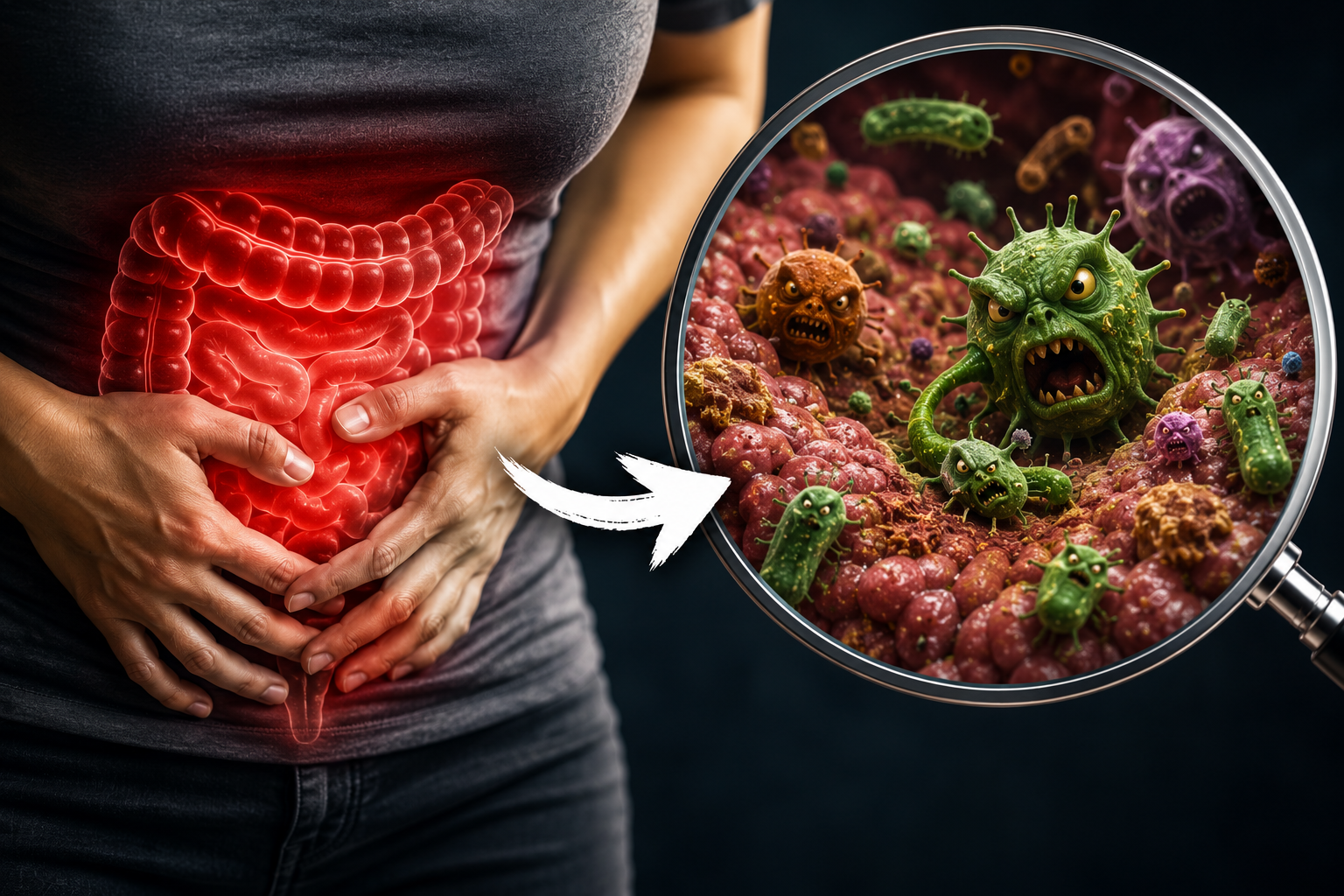
The specific microbiome connection: butyrate-producing bacteria directly regulate colonic motility through enteric nervous system stimulation — adequate butyrate producers produce the coordinated propulsive contractions that move stool at the right pace. Dysbiosis with reduced butyrate producers produces both extremes: some dysbiotic states produce constipation (methane producers slow transit), others produce diarrhoea (inflammatory dysbiosis accelerates it). The alternating pattern — a hallmark of IBS — reflects the microbiome’s dysregulated, erratic motility signalling.
What to do: For constipation — the full evidence-based approach is in our constipation guide. For IBS-type alternating patterns — gut microbiome restoration through diverse prebiotic fibre, fermented foods, and stress management is the primary intervention. Persistent diarrhoea warrants professional investigation.
Sign 3: Unintentional Food Sensitivities That Seem to Be Multiplying
🔬 The Gut Connection: Leaky gut (intestinal hyperpermeability) and immune activation
This is one of the most underrecognised signs of gut dysfunction — and one of the most diagnostically informative. When people begin reacting to foods they previously tolerated without issue, or find that their list of trigger foods is progressively expanding, the most likely underlying mechanism is increased intestinal permeability — colloquially called “leaky gut.”
The intestinal epithelium (the single cell layer separating the gut lumen from the bloodstream) is held together by tight junction proteins — occludin, claudins, and ZO-1. When these tight junctions are disrupted by dysbiosis, inflammatory cytokines, alcohol, NSAIDs, stress hormones, or a low-fibre diet, the gaps between epithelial cells widen, allowing partially digested food proteins, bacterial endotoxins (LPS), and other luminal contents to cross into the systemic circulation. The immune system then mounts IgG-mediated responses to the food proteins that “leaked” — creating the new food sensitivities that appear to multiply as the barrier dysfunction progresses.
Research published in Gut has confirmed measurable increases in intestinal permeability markers (lactulose/mannitol ratio, serum zonulin) in people with IBS, inflammatory bowel disease, and metabolic syndrome — establishing leaky gut as a real, measurable pathological state rather than simply alternative medicine terminology.
What to do: Restore the intestinal barrier through butyrate-producing foods (resistant starch from cooled cooked rice and dal, diverse plant fibre), zinc-rich foods (pumpkin seeds, sesame, rajma), collagen-supporting Vitamin C (amla), and reduction of barrier-disrupting factors (alcohol, NSAIDs, excessive stress). The L-glutamine amino acid specifically fuels the rapid cell turnover of intestinal epithelial cells and supports tight junction protein synthesis — bone broth (if not vegetarian) or L-glutamine supplementation are the most bioavailable sources.
Sign 4: Chronic Fatigue and Low Energy
🔬 The Gut Connection: Mitochondrial impairment, nutrient malabsorption, and inflammatory fatigue
Fatigue is among the most prevalent and most multi-factorial symptoms in medicine — but its connection to gut health is specific and well-characterised. Three distinct gut-energy mechanisms are relevant:
First, gut dysbiosis impairs nutrient absorption — particularly iron (absorbed in the duodenum, where chronic low-grade inflammation impairs mucosal absorptive function), Vitamin B12 (absorbed in the terminal ileum, a site particularly sensitive to dysbiosis-driven inflammation), and magnesium (whose absorption requires an intact intestinal mucosal surface). Iron and B12 deficiency are the most common nutritional causes of fatigue — and their root in gut absorption impairment is frequently missed when the gut function itself is not investigated.
Second, endotoxin (LPS from gram-negative bacteria) that crosses a leaky gut barrier activates macrophages throughout the body to produce inflammatory cytokines (IL-1β, IL-6, TNF-α) — the same cytokines that produce the profound fatigue and malaise of acute infection (sickness behaviour). Chronic low-level endotoxemia from persistent intestinal permeability produces a chronic, lower-grade version of this inflammatory fatigue.
Third, dysbiosis reduces butyrate production — and butyrate is not only a colonocyte fuel but also a regulator of mitochondrial biogenesis and function throughout the body. Reduced butyrate availability impairs cellular energy production beyond the gut itself.
What to do: Test serum ferritin (not just haemoglobin — ferritin reflects iron stores and falls before haemoglobin in early deficiency), Vitamin B12, folate, and Vitamin D before attributing fatigue to lifestyle alone. Restore gut barrier integrity and microbiome diversity through the dietary strategies below. The fatigue-nutrition connection also appears in our hair fall guide — the same deficiencies driving gut-mediated fatigue also drive hair fall.
Sign 5: Frequent Illness and Slow Recovery
🔬 The Gut Connection: 70% of immune tissue lives in the gut
The gut-associated lymphoid tissue (GALT) — including Peyer’s patches, mesenteric lymph nodes, and lamina propria immune cells — contains approximately 70% of the body’s entire immune cell population. The gut microbiome trains and continuously calibrates this immune system from birth — teaching it to distinguish between beneficial commensals (which should be tolerated), dietary proteins (which should not trigger immune attack), and genuine pathogens (which should be neutralised).
When the gut microbiome is dysbiotic, this immune calibration is impaired: secretory IgA production (the primary mucosal antibody that neutralises pathogens at the mucosal surface before they can invade) is reduced. Natural killer cell activity is impaired. Regulatory T-cell function (which prevents inappropriate immune activation) is compromised. The result is a double immune dysregulation: the gut-disrupted immune system is simultaneously less effective at fighting actual pathogens (causing more frequent infections) and more prone to inappropriate inflammatory and autoimmune responses (causing more allergies, sensitivities, and inflammatory conditions).
A seminal finding from research on COVID-19 outcomes confirmed that gut microbiome diversity was one of the strongest predictors of immune response adequacy — people with diverse microbiomes mounted stronger, more appropriate immune responses while those with low-diversity dysbiotic microbiomes had worse outcomes. This finding validated what microbiome science had been establishing for years: the gut is not just a digestive organ — it is the immune system’s command centre.
What to do: The complete natural immunity framework is in our immune system guide. For gut-immunity specifically: daily live-culture dahi or chaas (Lactobacillus and Streptococcus thermophilus), diverse fermented Indian foods (idli, dosa, kanji), and the 30-plant-foods-per-week dietary target are the most evidence-backed microbiome diversity interventions.
Sign 6: Skin Problems — Acne, Eczema, Psoriasis, and Rosacea
🔬 The Gut Connection: The gut-skin axis and inflammatory crosstalk
The connection between gut health and skin health — the “gut-skin axis” — is one of the most active areas of dermatological research and one of the most practically significant for the millions of Indians managing chronic skin conditions. The mechanism is not speculative: dysbiosis produces systemic inflammatory cytokines (particularly IL-17, IL-23, and TNF-α) that directly promote the inflammatory skin responses of acne, psoriasis, and eczema. LPS endotoxin from leaky gut activates skin mast cells and Langerhans cells, triggering inflammatory cascades at the skin surface. And the reduced microbiome diversity of dysbiosis reduces the short-chain fatty acids and bacteriocins that normally modulate skin immune function through systemic circulation.
Research has confirmed: acne patients have measurably different gut microbiome compositions from clear-skinned controls. Psoriasis patients show higher intestinal permeability markers than matched controls. Eczema severity correlates with gut dysbiosis severity in multiple cohort studies. And multiple clinical trials have found probiotic supplementation — specifically targeting gut microbiome restoration — significantly improved acne, eczema, and rosacea severity, sometimes more effectively than standard topical treatments alone.
What to do: For skin conditions with a gut dimension, topical treatments alone are working downstream of the root cause. Add gut microbiome restoration to any skin care programme: daily dahi, diverse plant fibre, omega-3 fatty acids (reducing the systemic inflammatory cytokines driving skin inflammation), zinc (supporting both gut barrier integrity and skin antimicrobial peptide production), and the anti-inflammatory dietary framework from our anti-inflammatory foods guide. Natural skincare strategies are in our natural skincare guide.
Sign 7: Mood Disruption — Anxiety, Depression, and Irritability
🔬 The Gut Connection: The gut-brain axis and the “second brain”
The enteric nervous system — 500 million neurons embedded in the intestinal wall — is connected to the central nervous system through the vagus nerve in a bidirectional communication network. The gut produces 95% of the body’s serotonin, 50% of its dopamine precursors, and significant quantities of GABA — the neurotransmitters that are the primary biochemical targets of antidepressant and anxiolytic medications. When gut health is disrupted, this neurotransmitter production is disrupted — and the mood and anxiety consequences are measurable.
Research published in Nature Microbiology found that specific gut bacteria genera — particularly Coprococcus and Dialister — were significantly depleted in people with depression, independent of antidepressant use. A landmark study from the Flemish Gut Flora Project confirmed that gut microbiome composition was significantly associated with mental health outcomes across thousands of participants. And multiple randomised trials have now confirmed that specific probiotic strains (psychobiotics — probiotics with documented CNS effects) produce significant reductions in depression and anxiety scores.
The gut-mood connection is why digestive symptoms and mood disorders so frequently co-occur — IBS and anxiety, chronic constipation and depression, food sensitivities and irritability — and why treating the gut often simultaneously improves the mood without directly targeting the psychological symptoms. The full gut-anxiety-brain science is in our anxiety remedies guide.
What to do: The psychobiotic dietary approach — live-culture fermented foods daily, tryptophan-rich foods for gut-derived serotonin (sesame, pumpkin seeds, dahi, eggs), diverse prebiotic fibre feeding the bacteria that produce GABA and serotonin precursors, and omega-3 reduction of the neuroinflammation that worsens depression and anxiety — addresses the gut-brain axis directly.
Sign 8: Autoimmune Conditions
🔬 The Gut Connection: Molecular mimicry and immune dysregulation from leaky gut
The connection between gut health and autoimmune disease is one of the most important — and most underappreciated — insights from modern immunology. Dr. Alessio Fasano at Harvard Medical School has proposed (and provided substantial supporting evidence for) the “three hit” model of autoimmune disease: genetic predisposition + intestinal permeability + environmental trigger = autoimmune disease expression. The intestinal permeability (leaky gut) is the permissive factor that allows the environmental trigger (dietary antigens, bacterial antigens) to reach the systemic immune system and initiate the molecular mimicry that produces the autoimmune attack on self-tissue.
This model is supported by consistent findings across multiple autoimmune conditions: people with Hashimoto’s thyroiditis, rheumatoid arthritis, type 1 diabetes, coeliac disease, and lupus all show measurably higher intestinal permeability markers and measurably different gut microbiome compositions compared to matched healthy controls. And interventions that improve gut barrier integrity (gluten elimination in coeliac and some Hashimoto’s patients, dietary anti-inflammatory approaches) produce measurable reductions in autoimmune antibody levels — confirming the mechanistic connection.
The thyroid-gut axis specifically is explored in our hypothyroidism guide — where the gut leakiness-Hashimoto’s mechanism and the gluten-thyroid antibody connection are covered in clinical depth.
What to do: For people with autoimmune conditions, gut health restoration is a direct disease management strategy — not just a general wellness aspiration. The specific interventions most relevant: elimination of known gut-barrier disrupting factors (excessive alcohol, chronic NSAID use, refined sugar excess), restoration of tight junction integrity through zinc, Vitamin D, and butyrate-producing dietary fibre, and reduction of systemic inflammatory signalling through the anti-inflammatory diet framework.
Sign 9: Unexplained Weight Gain or Difficulty Losing Weight
🔬 The Gut Connection: Microbiome regulation of energy extraction and metabolic hormones
The gut microbiome directly influences how many calories are extracted from food — an insight with profound implications for weight management that most conventional nutrition advice completely ignores. Certain bacterial species (particularly Firmicutes genera) are more efficient at extracting energy from dietary carbohydrates, while others (particularly Bacteroidetes) extract less. Research from Washington University School of Medicine found that transplanting gut bacteria from obese mice into germ-free mice produced significant weight gain without any change in caloric intake — confirming that the microbiome itself, not just the diet, determines caloric extraction from food.
Beyond caloric extraction, the gut microbiome regulates the production of GLP-1 and PYY (satiety hormones that signal fullness to the hypothalamus) through butyrate’s stimulation of L-cells in the colonic epithelium. A dysbiotic gut produces less butyrate → less GLP-1 and PYY → impaired satiety signalling → more eating before fullness is perceived → a systematic caloric surplus unrelated to willpower or self-control. The gut-metabolism-weight connection also involves the LPS endotoxemia of leaky gut, which activates the inflammatory signalling that drives insulin resistance — the metabolic state underlying much metabolic-syndrome-associated weight gain.
What to do: The weight management framework that integrates gut microbiome alongside dietary and exercise strategies is connected to our weight management guide. For the microbiome-weight connection specifically: resistant starch (from cooled cooked rice, green bananas, cooled dal) specifically feeds the Bifidobacterium and Bacteroidetes species associated with better metabolic outcomes; diverse plant fibre is the strongest predictor of beneficial microbiome composition for metabolic health.
Sign 10: Brain Fog and Poor Concentration
🔬 The Gut Connection: Neuroinflammation from gut-derived LPS and impaired serotonin-dopamine production
Brain fog — the experience of mental cloudiness, difficulty concentrating, poor working memory, and sluggish thinking — has several potential causes, but gut-driven neuroinflammation is among the most common and most reversible. LPS endotoxin from leaky gut crosses the blood-brain barrier (which is more permeable than previously understood, and is further compromised by gut-derived inflammatory signalling) and activates microglia — the brain’s resident immune cells — triggering the neuroinflammation that produces cognitive impairment.
Additionally, the gut’s reduced production of serotonin (from dysbiosis-associated impairment of enterochromaffin cell function) and the altered tryptophan metabolism that dysbiosis produces (shunting tryptophan toward kynurenine — a neurotoxic metabolite — rather than serotonin) contribute to the cognitive and mood symptoms that accompany poor gut health. A study published in Psychoneuroendocrinology found that LPS administration in healthy volunteers produced acute cognitive impairment and depressive symptoms — confirming that gut-derived endotoxin alone is sufficient to produce significant neurological effects.
What to do: Beyond gut restoration, the specific brain-supporting nutrients most affected by gut health: omega-3 (EPA and DHA — reducing neuroinflammation through the same COX/LOX inhibition mechanism discussed in our anti-inflammatory foods guide), Vitamin B12 (neurological function — particularly relevant for vegetarians and people with gut absorption impairment), and magnesium (synaptic plasticity and NMDA receptor regulation). The meditation and cognitive health connection is in our meditation guide.
Sign 11: Sleep Disturbances
🔬 The Gut Connection: Gut-produced melatonin and the circadian-microbiome axis
The gut produces significantly more melatonin than the pineal gland — which most people believe is the primary melatonin source. Gut-derived melatonin regulates intestinal motility and the intestinal immune function’s circadian rhythm. More significantly, the gut microbiome itself has a circadian rhythm — its composition and activity fluctuate throughout the 24-hour cycle, with different bacterial species becoming dominant during feeding and fasting periods. When this gut circadian rhythm is disrupted — by irregular meal times, late-night eating, or shift work — the dysregulation spreads to the central circadian system through vagal signalling, impairing sleep quality.
Research has confirmed bidirectional disruption: sleep deprivation measurably alters gut microbiome composition within 48 hours, reducing beneficial Lactobacillus populations and increasing Firmicutes-to-Bacteroidetes ratio toward the obesity-associated pattern. And gut dysbiosis, through its effects on tryptophan metabolism and serotonin production, impairs the serotonin-to-melatonin conversion that normally regulates sleep onset. The sleep-gut cycle, once disrupted, is self-reinforcing — poor gut health impairs sleep, and poor sleep worsens gut health.
What to do: Consistent meal timing (eating at the same times daily — including weekends — to synchronise the gut’s circadian rhythm), no eating within 2–3 hours of sleep (allowing the MMC “housekeeping” contractions to clear the small intestine during the overnight fasting period), and tryptophan-rich evening foods (warm milk, sesame seeds, pumpkin seeds — providing the serotonin-melatonin precursor). The sleep optimisation framework is in our morning routine guide.
Sign 12: Sugar and Refined Carbohydrate Cravings
🔬 The Gut Connection: Candida overgrowth and dysbiosis-driven appetite signalling
Persistent, intense cravings for sugar and refined carbohydrates — particularly when these cravings feel driven and difficult to resist — may have a microbiome explanation that goes beyond simple willpower or habit. Several gut bacteria species — particularly Candida albicans (a yeast that can overgrow in a dysbiotic gut) and certain Firmicutes species — preferentially metabolise simple sugars and can produce chemical signals that influence food-seeking behaviour through the gut-brain axis, essentially “requesting” the substrate they need for their own growth.
Research from the University of California found that gut bacteria composition predicted food cravings — with Proteobacteria-dominant microbiomes associated with greater cravings for fatty foods and Prevotella-dominant microbiomes associated with greater carbohydrate cravings. The sugar-craving-dysbiosis relationship is a positive feedback loop: sugar feeds dysbiosis-promoting bacteria, which produce more craving signals, which drive more sugar consumption, which worsens dysbiosis. Breaking this cycle requires addressing both the dietary sugar intake and the underlying dysbiosis simultaneously rather than relying on willpower alone against a microbiome that is biochemically influencing appetite.
What to do: Replacing refined sugar with the complex carbohydrates and fermentable fibre that feed butyrate-producing Bacteroidetes and Firmicutes (rather than the simple-sugar-loving dysbiotic species) progressively shifts the microbiome toward species that produce fewer sugar-craving signals. The blood sugar management framework — including the foods and strategies that reduce insulin spikes and their appetite consequences — is in our blood sugar guide.
The Ayurvedic Framework — Agni, Ama, and the Ancient Understanding of Gut Health
Ayurveda’s most clinically relevant concept for gut health is Agni — the digestive fire that governs the transformation of food into nutrients that can be absorbed and utilised. Optimal Agni (Sama Agni) produces complete digestion, clear absorption, and no residue. Impaired Agni — whether too weak (Manda Agni), too intense (Tikshna Agni), or erratic (Vishama Agni) — produces incomplete digestion and the accumulation of Ama: undigested, unabsorbed metabolic waste that Ayurveda identifies as the root cause of most disease.
The description of Ama is clinically striking in its accuracy: a sticky, toxic substance that accumulates in the gut, impairs digestive and absorptive function, triggers inflammatory responses, and spreads through the body’s channels (Srotas) to produce disease in distant organs. This is almost precisely the modern understanding of LPS endotoxin from gut-derived dysbiosis: a bacterial cell wall component that crosses a compromised intestinal barrier, triggers systemic immune activation, and produces disease manifestations in distant organs including the brain, skin, joints, and endocrine system.
The Ayurvedic treatment principle for Ama clearance and Agni restoration maps directly onto modern gut health intervention:
- Deepana (kindling Agni): Digestive spices — ginger, jeera, ajwain, hing, black pepper — that stimulate digestive enzyme secretion and improve gastric motility. The same spices that modern gastroenterology confirms have prokinetic, carminative, and enzyme-stimulating activity.
- Pachana (digesting Ama): Light, warm, easily digestible food (khichdi is the classical Pachana diet — moong dal and rice providing minimal fermentable residue, warm temperature supporting digestion, simple preparation minimising digestive demand) while the gut heals.
- Virechana (purgation): Gentle elimination of accumulated Ama through regulated bowel cleansing — Triphala being the classical gentle Virechana for chronic Ama accumulation.
- Rasayana (rejuvenation): Post-clearance rebuilding of gut tissue integrity and microbiome through Rasayana herbs — ashwagandha, Shatavari, amalaki (amla) — precisely the herbs that modern research confirms support intestinal epithelial integrity, microbiome diversity, and immune regulation.
The Gut Health Restoration Diet — What to Add, What to Reduce
Add More Of:
- Resistant starch: Cooled cooked rice, cooled cooked dal, green bananas, cooked and cooled potato — resistant starch specifically feeds butyrate-producing bacteria. Reheating eliminates the resistant starch benefit; it must be consumed cooled or at room temperature.
- Diverse fermented foods: Homemade dahi, chaas, idli, dosa from properly fermented batter, kanji, traditionally fermented pickles (not vinegar-pickled). Aim for at least one fermented food daily.
- Diverse plant fibre: 30 different plant foods per week — including different vegetables, fruits, legumes, whole grains, nuts, and seeds. Plant diversity is the strongest predictor of gut microbiome diversity in research studies.
- Prebiotic foods: Garlic, onion, leeks, asparagus, green bananas, chicory (kasni) root, dandelion greens — these feed Bifidobacterium and Lactobacillus specifically.
- Omega-3 fatty acids: Fatty fish (mackerel, sardines, hilsa), walnuts, ground flaxseed — reducing the systemic inflammation that impairs gut barrier function.
- Polyphenol-rich foods: Dark berries, pomegranate, dark chocolate (70%+), turmeric, green tea, amla — polyphenols selectively feed beneficial gut bacteria and are among the most potent microbiome modulators available in the diet.
Reduce or Eliminate:
- Ultra-processed foods: Emulsifiers (polysorbate 80, carboxymethylcellulose) specifically disrupt the gut mucus layer — documented in research to produce increased intestinal permeability and dysbiosis within days of consumption.
- Excessive refined sugar: Directly feeds the dysbiotic species (Candida, certain Enterobacteriaceae) that outcompete beneficial bacteria in a high-sugar environment.
- Excessive alcohol: Disrupts tight junction proteins, reduces Lactobacillus populations, and increases LPS translocation from the gut — one of the most directly documented gut-barrier disruptors.
- Chronic NSAID use: Both aspirin and ibuprofen directly increase intestinal permeability at regular-use doses — relevant for people using these medications daily for pain management without awareness of the gut cost.
Signs Your Gut Is Unhealthy: Myth vs. Fact
| ❌ The Myth | ✅ The Truth |
|---|---|
| If you have no digestive symptoms, your gut is healthy | Many of the most significant signs of poor gut health — skin problems, mood disturbances, autoimmune conditions, chronic fatigue, food cravings — appear in systems far removed from the digestive tract. Someone can have normal bowel movements with no bloating and still have significant gut dysbiosis driving their acne, anxiety, or thyroid autoimmunity. |
| Gut health can be fixed in a few days with a cleanse or detox | Gut microbiome composition changes measurably within 3–4 days of dietary change — which sounds fast. But re-establishing stable, diverse, butyrate-producing microbiome communities after significant dysbiosis requires 3–6 months of consistent dietary and lifestyle change. Gut barrier integrity (tight junction restoration) similarly requires sustained nutritional support over weeks to months. “Detoxes” and short-term cleanses address neither. |
| Probiotics alone will fix gut health | Commercial probiotic supplements typically contain 1–10 bacterial species. The healthy gut microbiome has 500–1,000 species. Probiotic supplements provide a modest, temporary increase in specific species — they are most beneficial as an adjunct to dietary diversity improvement, not as a standalone gut restoration strategy. Food-based probiotics (diverse fermented foods) introduce far more microbial diversity than any supplement. |
| Leaky gut is not a real medical condition | Intestinal hyperpermeability — the scientific term for what is colloquially called “leaky gut” — is a well-documented, measurable physiological state. Serum zonulin (a protein that regulates tight junction opening), lactulose/mannitol urinary ratio testing, and serum LPS-binding protein all provide objective measures of intestinal permeability. It appears in peer-reviewed gastroenterology literature in association with IBS, IBD, coeliac disease, metabolic syndrome, and multiple autoimmune conditions. It is real, measurable, and treatable. |
When to See a Doctor
Seek medical evaluation for: persistent diarrhoea lasting more than 2 weeks; blood in stools; significant unexplained weight loss; nocturnal symptoms that wake you from sleep (IBD and colorectal cancer are more likely than IBS to produce night-time symptoms); new digestive symptoms in someone over 40 (colonoscopy to exclude colorectal pathology); symptoms suggesting coeliac disease (diarrhoea with abdominal distension, fatigue, and weight loss on a wheat-containing diet — requires blood antibody testing and possible biopsy for diagnosis); and any gut symptoms that significantly impair daily functioning and are not improving with 4–6 weeks of comprehensive dietary management.
Related Articles From HerbeeLife
📖 How to Improve Digestion Naturally: 12 Powerful Science-Backed Strategies
📖 Natural Remedies for Constipation: 12 Science-Backed Strategies That Actually Work
📖 Natural Remedies for Gas Relief: 12 Science-Backed Indian Solutions That Work Fast
📖 Anti-Inflammatory Foods: 12 Powerful Choices That Fight Disease From the Inside Out
📖 Natural Ways to Boost Your Immune System: 12 Science-Backed Strategies
📖 Hypothyroidism Symptoms and Causes: The Complete Guide Every Indian Woman Needs
📖 20 Foods That Reduce Bloating — With the Science Behind Why They Work
Frequently Asked Questions
How do I know if my symptoms are gut-related?
The most reliable clue is clustering: if you have multiple seemingly unrelated symptoms from different body systems — for example, skin problems + mood disturbances + chronic fatigue + irregular bowel movements — gut dysfunction is a strong candidate for the common underlying driver, because the gut’s influence extends across all these systems simultaneously. A dietary trial (4–6 weeks of significantly improved gut health dietary practices) that produces improvement across multiple symptom categories simultaneously is highly suggestive of gut as the common root.
What is the single most impactful change for gut health?
Dietary fibre diversity — specifically the number of different plant foods consumed per week — is the single strongest predictor of gut microbiome diversity in all major population studies. The “30 plants per week” target (counting different vegetables, fruits, legumes, whole grains, nuts, seeds, herbs, and spices as individual plants) produces the most consistent and most broad microbiome diversity improvement of any dietary intervention studied. This is not “eat more salad” — it is deliberate diversification of plant species across the entire diet.
Are Indian traditional diets good or bad for gut health?
Traditional whole-food Indian diets — built around diverse dal varieties, seasonal vegetables, whole grain rotis, fermented foods (dahi, chaas, idli, dosa), and culinary spice diversity — are among the most gut-health-supportive dietary patterns globally. The problem is what modern urban Indian eating has become: refined flour displacing whole grains, packaged snacks displacing seasonal vegetables, sweetened beverages displacing chaas, and the progressive homogenisation of the diet reducing plant diversity. Returning to the principles of traditional Indian whole-food cooking while increasing fermented food frequency is a comprehensive gut health intervention.
Can stress alone cause gut dysbiosis?
Yes — stress produces measurable gut microbiome changes within days. Cortisol and catecholamines directly alter intestinal secretions and immune function in ways that selectively disadvantage beneficial bacteria (Lactobacillus and Bifidobacterium are particularly sensitive to the adrenergic signalling of acute stress) while creating conditions that favour opportunistic pathobionts. Chronic stress produces chronic microbiome disruption — which then further impairs the gut-brain neurotransmitter production that determines stress resilience, creating a self-reinforcing cycle. Stress management is therefore a direct gut health intervention, not merely a wellbeing aspiration.
Sources and References
1. Shreiner AB et al. The gut microbiome in health and disease. Current Opinion in Gastroenterology, 2015.
2. Fasano A. Leaky gut and autoimmune diseases. Clinical Reviews in Allergy and Immunology, 2012.
3. Valdes AM et al. Role of the gut microbiota in nutrition and health. BMJ, 2018.
4. Cryan JF et al. The microbiota-gut-brain axis. Physiological Reviews, 2019.
5. Bischoff SC et al. Intestinal permeability — a new target for disease prevention and therapy. BMC Gastroenterology, 2014.
6. Ley RE et al. Microbial ecology: human gut microbes associated with obesity. Nature, 2006.
7. Sonnenburg JL, Bäckhed F. Diet-induced extinction in the gut microbiota compounds over generations. Nature, 2016.
Follow HerbeeLife
🌿 Stay connected for more evidence-based gut health, Ayurvedic wisdom, and natural wellness content:
📸 Instagram | 📌 Pinterest | 👥 Facebook | 🐦 X (Twitter)
The Bottom Line: Your Gut Is Talking — It Has Been for a While
The skin that keeps breaking out. The fatigue that does not lift after a full night’s sleep. The anxiety that does not respond to everything you have tried. The bloating that is just always there. The sugar cravings that feel impossible to resist. The illness that comes every other month. The brain fog that makes a 3 o’clock afternoon feel impossible.
These are not separate problems. They may be one problem — communicating through twelve different voices, all pointing back to the 100 trillion organisms in your gut that have been quietly dysregulated by the refined food, the chronic stress, the inadequate sleep, the antibiotic courses, and the progressive reduction of dietary diversity that characterise modern Indian urban life.
The restoration is not complicated. It is consistent. More diverse plant foods. Daily fermented food. Resistant starch. Less refined sugar. Adequate sleep. Managed stress. Time.
Your gut built its current ecosystem over years. It will rebuild a healthier one over months. Start now — because every meal is either feeding the bacteria that make you feel worse, or feeding the ones that make you feel better. The choice, made thousands of times per year, adds up to the ecosystem you live in.
⚠️ Medical Disclaimer: This article is for informational purposes only and does not constitute medical advice. Gut symptoms that are severe, persistent, or accompanied by blood in stools or unexplained weight loss require professional medical evaluation. Read full disclaimer →
💬 Which of these 12 signs resonated most with your own experience — and has improving your gut health ever unexpectedly resolved a symptom you thought was completely unrelated? Share in the comments. The most illuminating part of gut health conversations is always the connections people had never made before.